🦋 Why Monarch Butterflies are a Day of the Dead Symbol (and Where to See Them in Mexico)

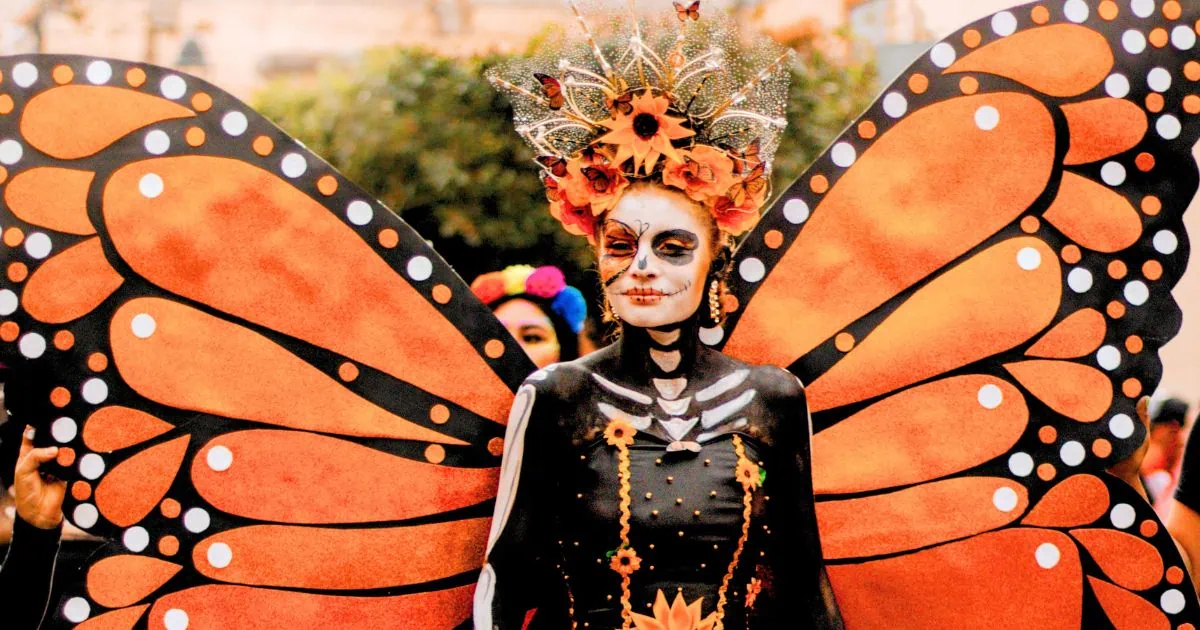
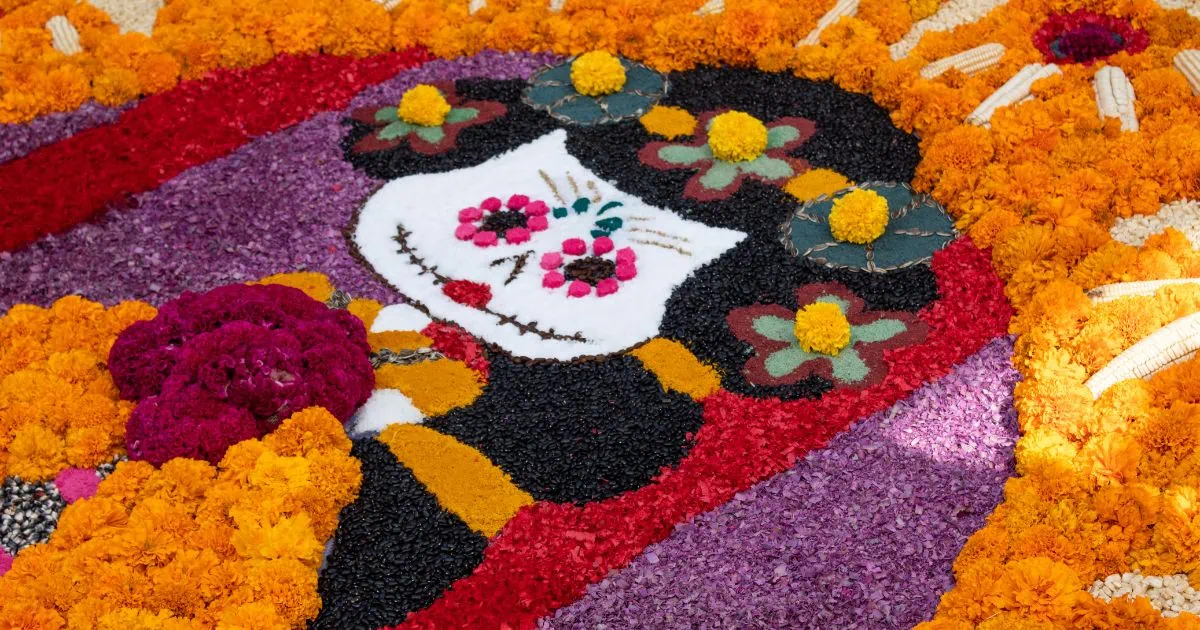
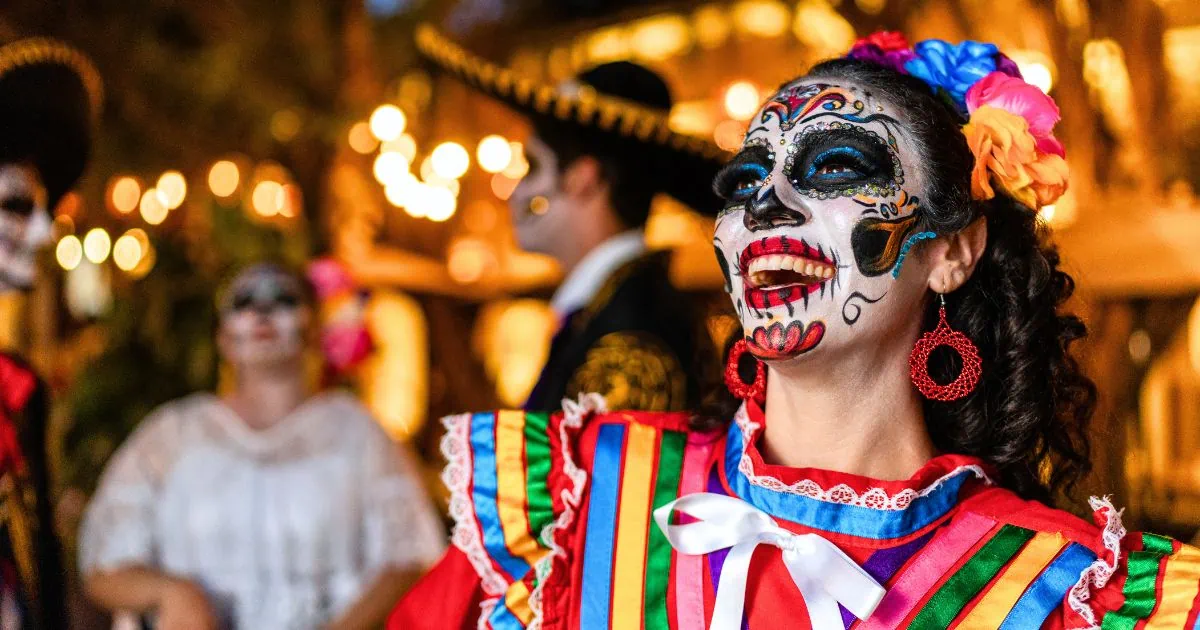
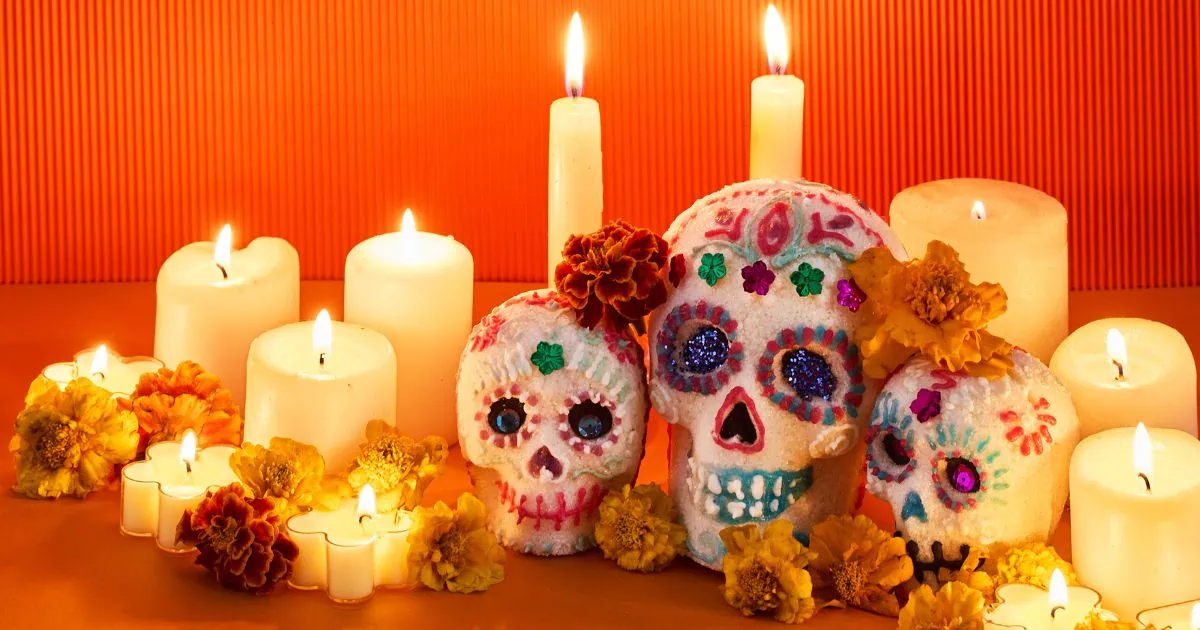
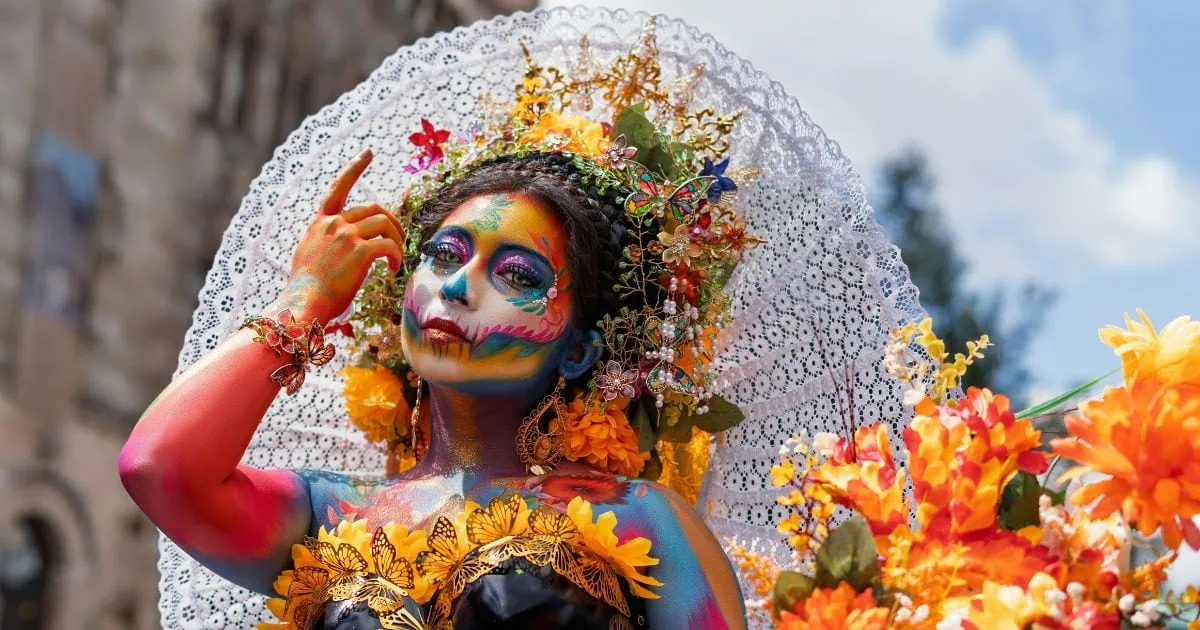
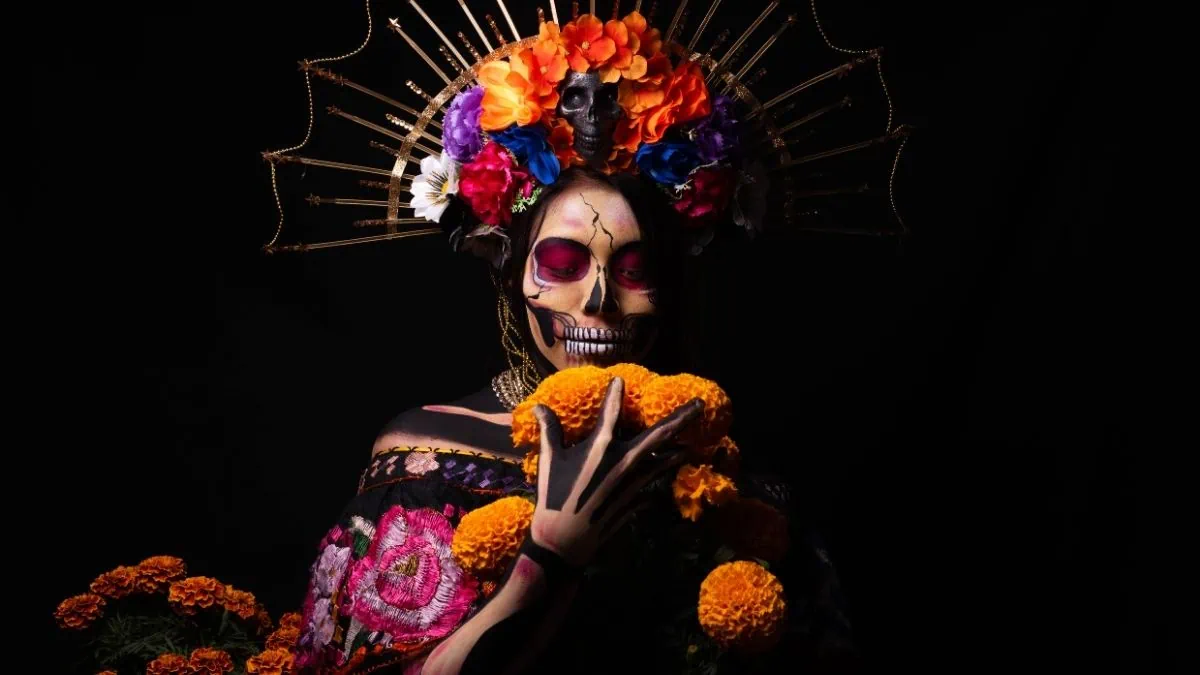
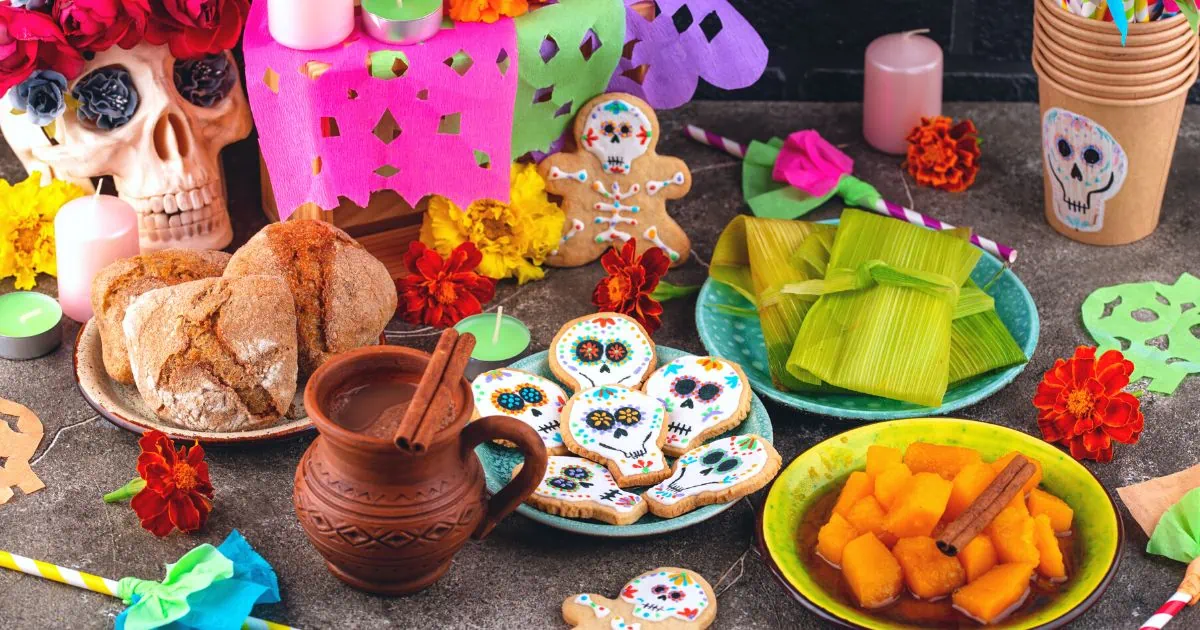
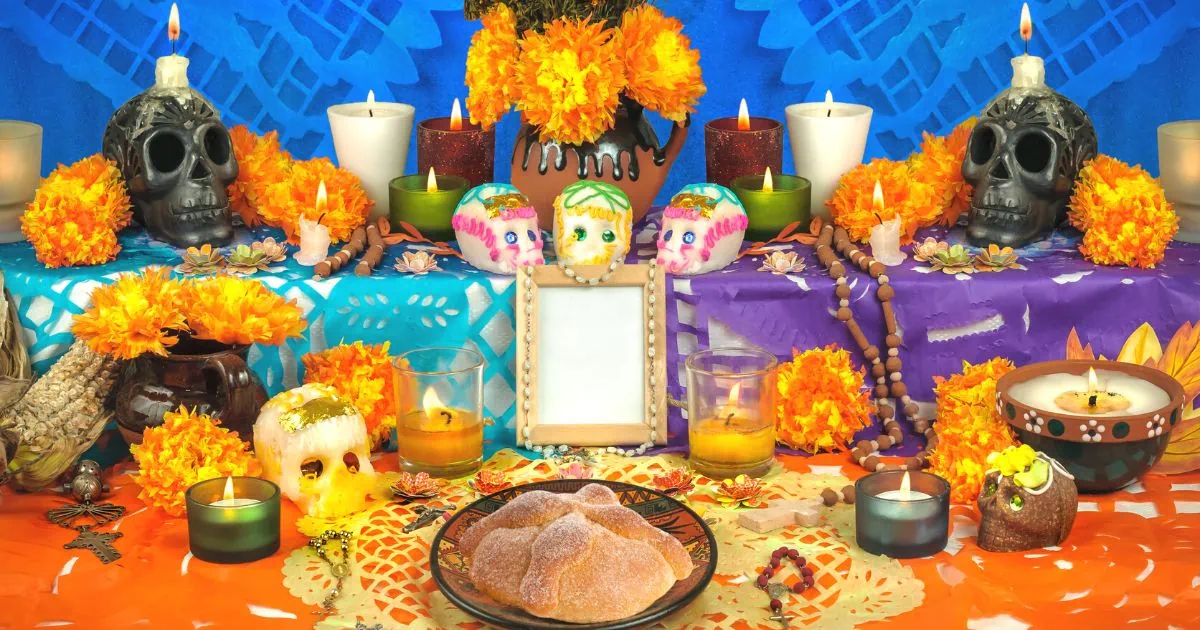
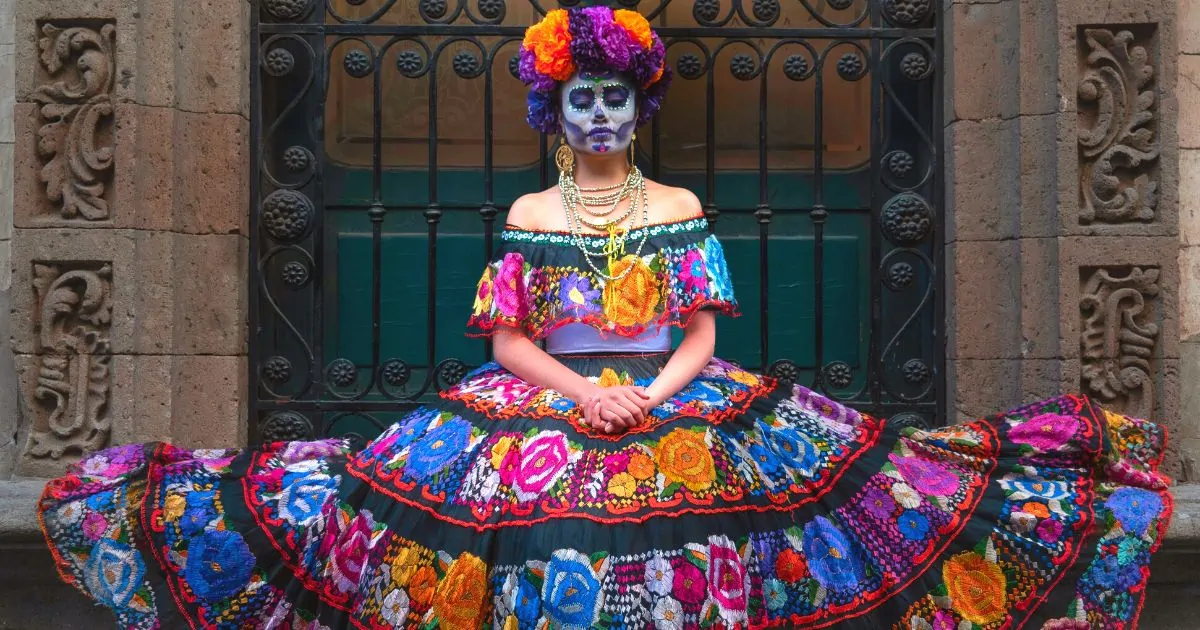
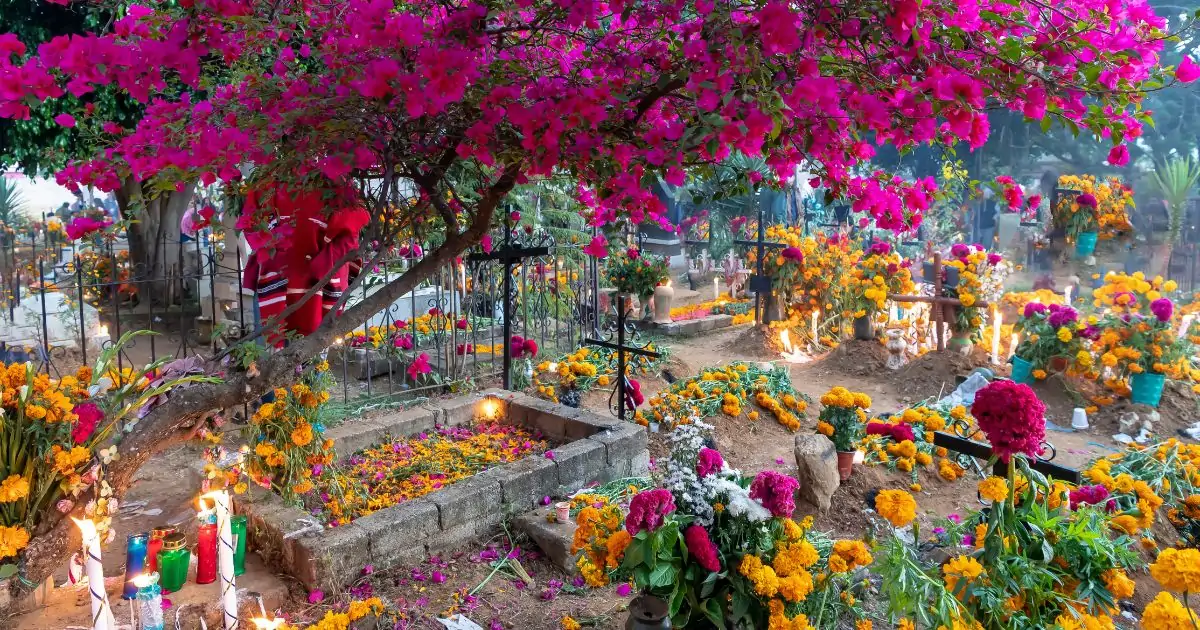
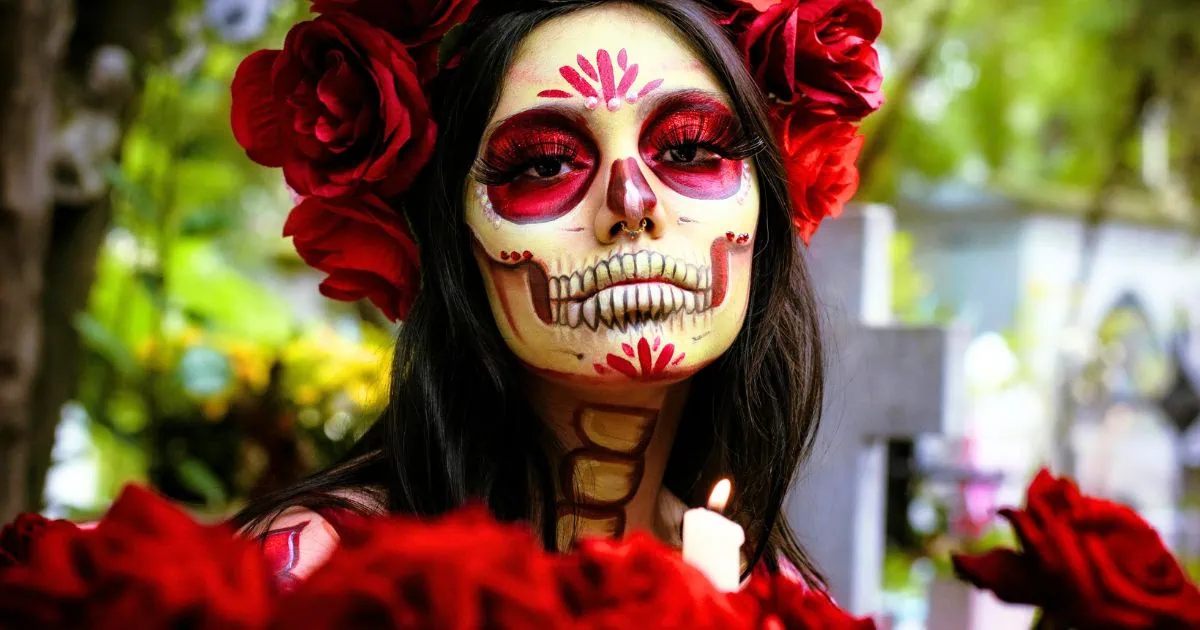
When people think of Día de Muertos, they usually picture cempasúchil flowers (marigolds), sugar skulls, La Catrina face painting, pan de muerto (bread), and colorful ofrendas (altars).
However, there is another symbol connected with the holiday that is especially fascinating: the monarch butterfly.
Every year, monarch butterflies travel thousands of miles from parts of Canada and the United States to spend the winter in the forests of central Mexico.
Their arrival around the season of Día de Muertos has inspired cultural traditions connecting the butterflies with deceased loved ones.
This association is particularly important among some Indigenous communities in the Mexican states of Michoacán and Estado de México.
So, what’s the meaning of monarch butterflies and Day of the Dead? And why are these delicate insects connected with the return of the souls? Let’s dive in!
Disclosure: This article may contain affiliate links, meaning when you make a purchase, I earn a small commission. Affiliate links cost you nothing to use, and help keep my content free. It’s a win-win for us both. For more info, see the Disclosure Policy.
What Do Monarch Butterflies Symbolize on Day of the Dead?

In some Indigenous traditions in central Mexico, monarch butterflies are associated with the souls of deceased people returning to visit the living.
The connection is especially associated with the Purépecha people of Michoacán and is also documented among Mazahua communities in the region.
The butterflies arrive in Mexico around the time of the annual celebrations honoring the dead.
For communities that connect their arrival with Día de Muertos, this seasonal event has a powerful meaning.
The butterflies become a natural reminder of the relationship between the living and those who have died.
Mexico’s National Institute of Anthropology and History (INAH) explains that monarch butterflies were associated with the souls of the deceased in Purépecha tradition.
This was because their arrival coincided with celebrations honoring the dead. However, it’s important to be specific about this belief.
Mexico has many Indigenous communities, each with its own history and traditions, so the butterfly connection should not be presented as a belief shared by every Mexican family.
Why are Monarch Butterflies Associated With Día de Muertos?

One important reason is timing 📆 particularly related to the seasons.
The monarch butterfly migration brings large numbers of butterflies to central Mexico around the autumn and early winter season.
Día de Muertos is celebrated around November 1 and 2, although observances vary by community and may begin earlier or continue later.
The seasonal overlap has contributed to the belief that the butterflies represent the returning souls of the dead.
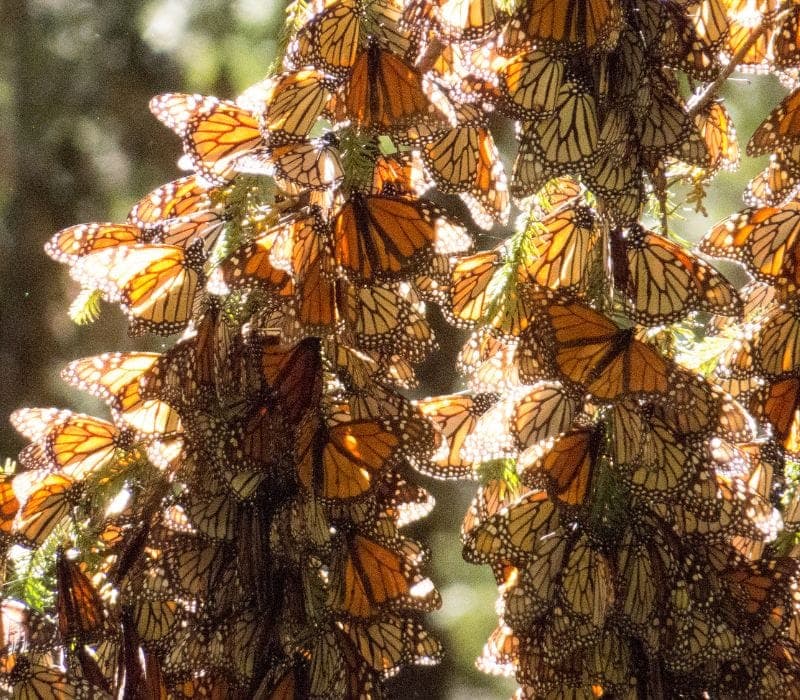
The butterflies also have striking orange and black wings.
Their orange coloring can bring to mind cempasúchil, the bright marigold commonly used on Day of the Dead altars 🌼
INAH has noted both the timing of the migration and the similarity between the butterflies’ colors and those of cempasúchil as elements of their cultural association with the dead.
For people who hold this belief, the butterflies’ arrival is more than an interesting natural event. It is connected with a time of remembrance.
What Is the Purépecha Tradition About Monarch Butterflies?

The Purépecha are an Indigenous people whose traditional homeland is in the state of Michoacán, in western Mexico.
Their cultural traditions include a strong connection to the region’s landscape, seasonal cycles, and natural world.
In Purépecha tradition, monarch butterflies have been associated with the souls of deceased people returning to the world of the living.
This belief is connected with the butterflies’ seasonal arrival and its relationship to celebrations honoring the dead.
The National Park Service also describes the connection between monarch butterflies, Purépecha beliefs, and Día de Muertos in its article on the monarch butterfly.
The tradition is a reminder that cultural meanings often develop from people’s close observation of the natural world.
A recurring event in nature can become part of the way a community understands time, memory, and the relationship between life and death.
Do Monarch Butterflies Actually Arrive on November 1 and 2?

Not exactly. The migration is a natural process, and the butterflies do not follow the holiday calendar.
Monarchs travel south from breeding areas in Canada and the United States, eventually reaching the mountain forests of central Mexico.
They generally arrive in their wintering areas during the autumn, with their stay continuing through the winter months.
The exact timing varies from year to year and depends on the butterflies’ migration and environmental conditions.
Their arrival overlaps with Día de Muertos, which helps explain the cultural association.
However, it would be misleading to say that the butterflies deliberately arrive on November 1 or November 2.
The meaning comes from how communities interpret the seasonal event, not from the butterflies following a human celebration.
Where Do Monarch Butterflies Go in Mexico?

The monarch butterflies that migrate to Mexico spend the winter in mountain forests, particularly in Estado de México and Michoacán states.
I visited the massive sanctuary in El Rosario in Michoacán on this tour — which I highly recommend 🦋
These forests provide conditions that allow the butterflies to gather in large groups and conserve energy during the colder months.
The Monarch Butterfly Biosphere Reserve protects important wintering habitat.
The reserve was inscribed on the UNESCO World Heritage List in 2008 because of its outstanding natural importance.
INAH notes that monarch butterflies travel thousands of miles to reach the temperate forests of Michoacán and Estado de México, where they remain through the winter.
The forests are important not only for the butterflies but also for the communities that live in the surrounding region.
Can You See Monarch Butterflies During Day of the Dead?
Possibly, but it depends on where you are and the timing of your visit.
If you’re spending Día de Muertos in Mexico City, don’t expect to see the large wintering colonies simply by walking around the city.
The major monarch wintering sites are in the mountainous forests of Michoacán and the Estado de México — both a few hours from the city.
It is recommended to book a Mexico monarch butterfly tour like these 🦋
As someone who has done the tour to El Rosario in Michoacán, I can’t recommend it enough — but I will say that I’m glad I didn’t attempt to go on my own.
The butterflies may be arriving in the broader region around the holiday period, but access to the main sanctuaries and the best viewing conditions depend on the season.
If seeing monarchs is an important part of your trip, plan a separate visit to the butterfly reserve area and check local access information before traveling.
The butterflies’ wintering season extends beyond Día de Muertos, so you don’t need to visit on the exact holiday dates to experience the migration.
What Is the Difference Between Monarch Butterflies and Cempasúchil?

Cempasúchil (marigold flowers) 🌼 and monarch butterflies 🦋 are just two of the many different symbols associated with Día de Muertos.
Cempasúchil (pictured above) is the bright orange marigold flower placed on ofrendas (altars) and used to create pathways leading toward them.
Its fragrance and color are traditionally associated with guiding the souls of the deceased home.
Monarch butterflies, in some Indigenous traditions, are associated with the souls themselves returning to visit the living.
Their annual migration also coincides with the season when families honor the dead.
Both are connected with the natural world, but they play different roles in the symbolism of Día de Muertos.
To learn more about the flower, read my article on what marigolds mean in Day of the Dead symbolism 🌼
Are Monarch Butterflies Part of Every Day of the Dead Celebration?

No. The monarch butterfly tradition is associated particularly with communities in central Mexico, including Purépecha and Mazahua communities.
Día de Muertos is celebrated throughout Mexico, but customs vary widely.
In some places, families may be familiar with the butterfly symbolism, while in others, the most prominent traditions may involve cemetery visits, particular foods, local ceremonies, or different symbols.
I’ve attended the Día de Muertos celebration in Oaxaca City, Mexico City, , and Mérida, and one of the things I’ve learned is that there is no single version of the holiday that represents every community.
In fact, I saw no butterflies symbols during the Hanal Pixan (Mayan Day of the Dead) celebration in Mérida, as the butterfly migration isn’t near Mérida.
That diversity is worth keeping in mind when reading about the meaning of any Day of the Dead symbol.
The monarch butterfly is a fascinating part of the wider cultural picture, but it shouldn’t be treated as a universal symbol used by every Mexican family.
Can You Put Monarch Butterfly Images on an Ofrenda?

Yes. Some people include butterflies in artwork, decorations, or other items displayed on an ofrenda.
The choice depends on family traditions and personal preferences.
A butterfly image can be especially meaningful for someone who feels a connection with the monarch migration or with the cultural traditions associated with it.
However, monarch butterflies are not a required element of an ofrenda.
Many altars focus on photographs, candles, flowers, food (including these traditional Day of the Dead foods), and personal belongings.
If you want to create an altar, you can choose objects that have meaning for your family or for the person you are remembering.
🕯️💀🕯️ This article on Day of the Dead altar meanings explains the role of the different traditional offerings.
Why Monarch Butterfly Conservation Matters

The monarch butterfly is not only culturally significant; its migration is also an extraordinary natural phenomenon.
The journey depends on suitable habitat across a huge geographic area, from breeding grounds in the north to the wintering forests of central Mexico.
Threats to monarchs include habitat loss, changes in land use, and the loss of milkweed and flowering plants needed during different stages of their life cycle.
The forests where monarchs spend the winter also need protection.
Conservation involves the butterflies themselves, the plants and forests they depend on, and the communities that live in and around the reserve.
UNESCO’s recognition of the Monarch Butterfly Biosphere Reserve reflects the international importance of protecting this natural site.
For visitors, respecting the sanctuary rules is an important part of responsible travel.
Avoid disturbing the butterflies, follow local guidance, and use authorized access routes when visiting the wintering areas.
How the Butterfly Connects Nature and Remembrance

What I find especially interesting about the monarch butterfly tradition is the way it connects a natural event with a deeply personal human experience.
The migration happens every year, whether or not we are watching.
However, for communities that associate the butterflies with the return of deceased loved ones, their arrival does have an additional meaning.
It becomes part of the way the season is understood and remembered.
The orange wings, the timing of the migration, and the arrival of the butterflies in the mountain forests all contribute to this connection 🦋
It is a reminder that traditions are often shaped by the places where people live and the natural cycles they observe — including the cycle of life and death.
Monarch Butterflies and Day of the Dead: A Living Tradition

The connection between monarch butterflies and Día de Muertos is one of the more distinctive traditions associated with the holiday.
In some Indigenous communities in central Mexico, the butterflies’ autumn arrival is associated with the return of the souls of deceased loved ones.
The belief reflects a close relationship between cultural memory and the natural world.
The monarch migration is a real biological phenomenon, while its connection with returning souls is a cultural and spiritual interpretation.
Both deserve to be understood in their own context.
After living in Mexico since 2018 and experiencing Día de Muertos in different parts of the country, I find that learning about regional traditions adds another layer to the holiday.
The monarch butterfly reminds us that Día de Muertos is not only about the objects placed on an altar.
Rather, it’s about memory, place, and the ways people understand their connection with the world around them.