
17 Fun Day of the Dead Facts About Día de los Muertos

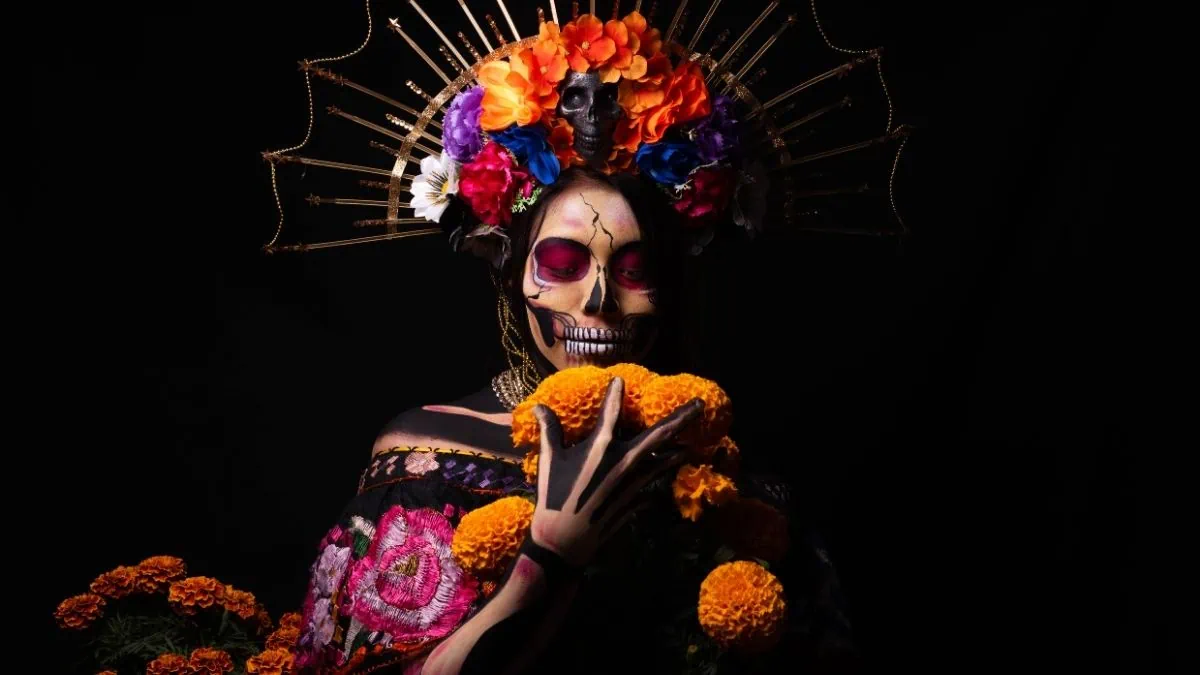
Día de los Muertos, or Day of the Dead, is one of Mexico’s most iconic and colorful celebrations. It honors the lives of departed loved ones.
Although many people associate this holiday with Halloween, it is a unique tradition with rich cultural roots and deep spiritual significance.
Here are 17 fun and interesting Day of the Dead facts and things you might not have known about Día de los Muertos.
Disclosure: This article may contain affiliate links, meaning when you make a purchase, I earn a small commission. Affiliate links cost you nothing to use, and help keep my content free. It’s a win-win for us both. For more info, see the Disclosure Policy.
1. It’s Not Mexican Halloween

While both Halloween and Día de los Muertos involve themes of death and the supernatural, they are entirely different holidays.
Halloween is rooted in European traditions, like the Celtic festival of Samhain, centered around fear and warding off evil spirits.
In contrast, Día de los Muertos is a joyous occasion that celebrates life, family, and the memory of those who have passed. It’s a time to welcome the spirits back into the world of the living, not to scare them away.
2. The Celebration Lasts More Than One Day

Though commonly referred to as a single day, Día de los Muertos actually spans several days, from October 31st to November 2nd:
- October 31st: Known as All Hallows’ Eve, preparations begin as families set up their altars (ofrendas) and make offerings.
- November 1st: Día de los Angelitos (Day of the Little Angels) honors deceased children, and it’s believed that their spirits return to visit their families on this day.
- November 2nd: The main Day of the Dead celebration, where adults are honored, and families gather to welcome their spirits.
In 2026, Day of the Dead falls on Sunday, November 1 and Monday, November 2.
3. It Has Pre-Hispanic Roots
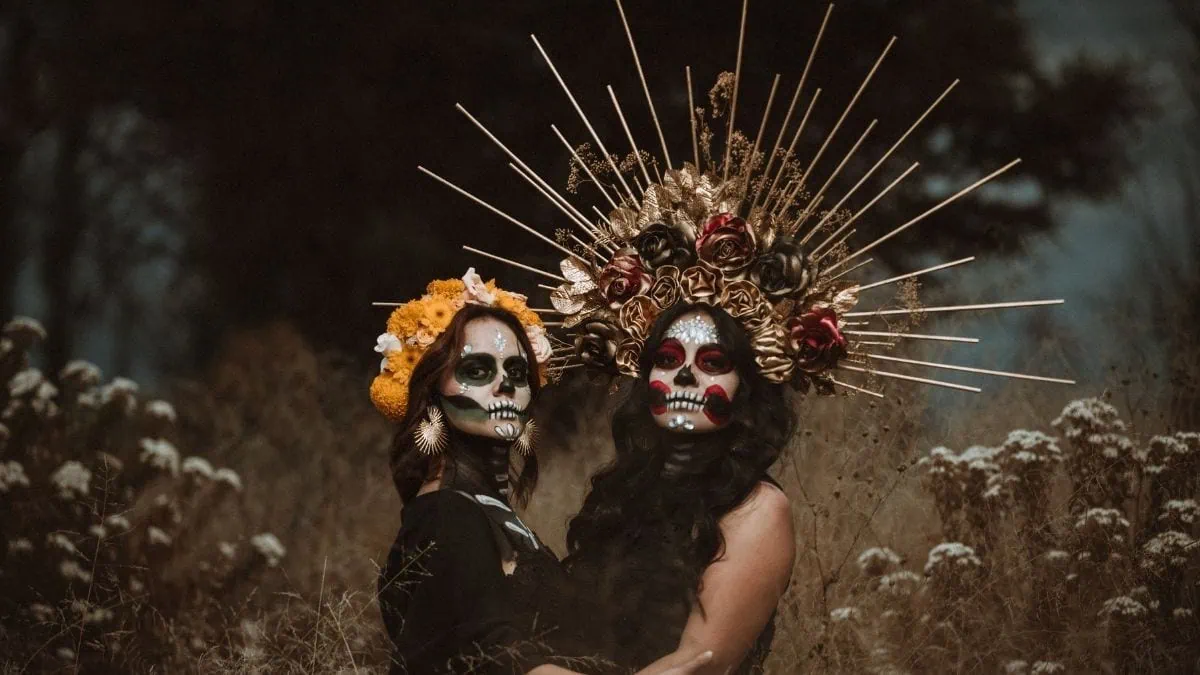
Día de los Muertos predates the arrival of the Spanish in Mexico, with origins tracing back to Aztec, Toltec, and other indigenous cultures.
These ancient civilizations had rituals honoring the dead, believing that death was not the end but a natural part of the cycle of life.
The Aztecs, in particular, held a month-long celebration to honor the goddess Mictecacihuatl, the “Lady of the Dead,” which later evolved into modern Día de los Muertos traditions.
4. Ofrendas Are Central to the Celebration

Ofrendas (altars) are one of the most important elements of Día de los Muertos. Families create these elaborate altars in their homes, cemeteries, or public spaces to honor their loved ones.
The ofrenda typically includes photographs, candles, marigolds, sugar skulls, food, drinks, and personal mementos. Each item has a symbolic meaning, such as candles lighting the way for spirits and marigolds guiding them with their bright colors and strong fragrance.
5. Marigold Flowers Are Essential

Marigolds, known as cempasúchil in Spanish, is considered the “flower of the dead.” The Aztecs believed their bright color and strong scent could guide spirits back to the land of the living.
Marigolds decorate altars, graves, and even streets during the celebration, creating a vibrant and welcoming atmosphere for the departed.
6. Satire Inspired the Iconic La Catrina

La Catrina, the elegant skeleton woman often seen in Día de los Muertos imagery, was created by Mexican artist José Guadalupe Posada in the early 20th century.
Originally called “La Calavera Garbancera,” she was meant to satirically critique Mexicans who aspired to European elegance and forgot their roots.
The skeleton’s fancy dress reminds us that, regardless of social status, everyone dies the same. Artist Diego Rivera later re-popularized La Catrina and made it a symbol of the holiday.
7. UNESCO Recognizes it as Intangible Cultural Heritage
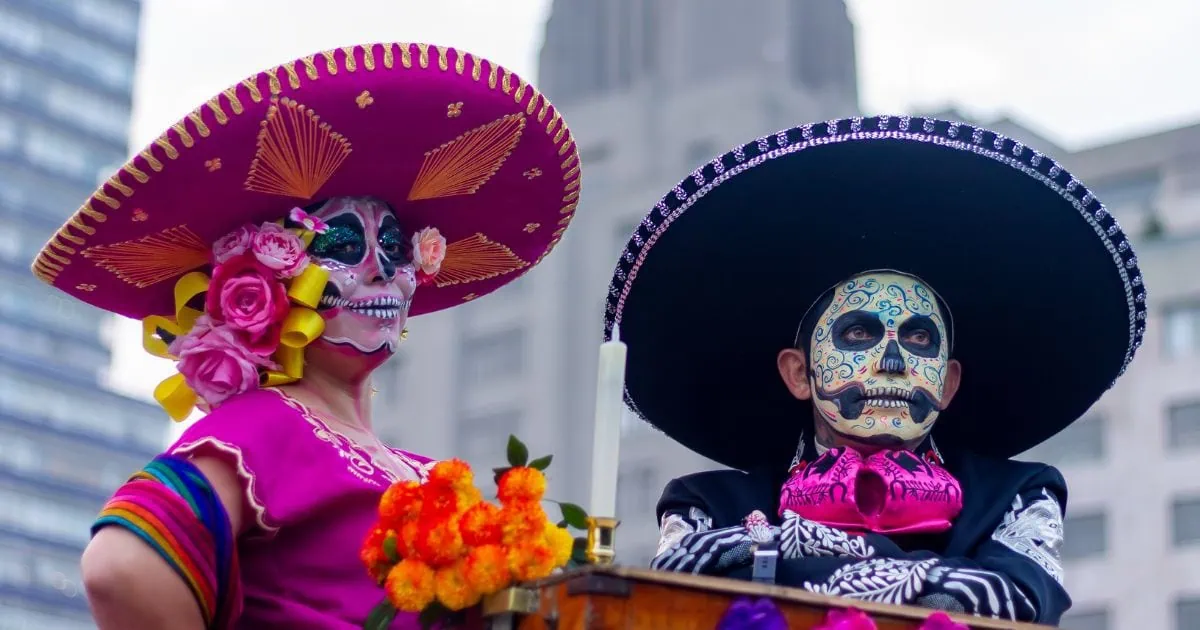
In 2008, UNESCO declared Día de los Muertos an Intangible Cultural Heritage of Humanity, recognizing its deep cultural significance and unique blend of indigenous and Spanish traditions.
This recognition helps preserve the traditions and ensures they remain an important part of Mexico’s cultural identity.
8. Sugar Skulls Aren’t Meant to Be Eaten (Usually)

Sugar skulls (calaveras de azúcar) are one of the most recognizable symbols of Día de los Muertos.
These colorful confections are handcrafted using sugar, water, and meringue powder, then decorated with icing, sequins, and sometimes glitter.
While small sugar skulls can be eaten, the larger, more elaborate ones are meant for decoration and often feature the name of the deceased on the forehead to honor them.
9. Papel Picado Represents the Fragility of Life

Papel picado, or decorative paper banners, are a staple of Día de los Muertos celebrations. These intricately cut pieces of tissue paper are often strung around ofrendas, streets, and homes.
The delicate, perforated designs represent the fragility of life and serve as a reminder of the thin veil between life and death. The movement of the paper in the wind is said to represent the presence of the spirits.
10. Families Visit Cemeteries to Celebrate with the Dead

A unique aspect of Día de los Muertos is that families often gather in cemeteries to celebrate with their departed loved ones.
They clean and decorate graves, light candles, and bring the deceased’s favorite foods and drinks.
It’s a joyful occasion where families eat, sing, and share stories, treating the spirits as honored guests.
11. Pan de Muerto Has Symbolic Elements

Pan de muerto (bread of the dead) is a traditional sweet bread made for Día de los Muertos. It’s often round, with bone-like pieces of dough placed on top to represent the cycle of life and death.
The flavor is typically enhanced with orange blossom water or anise and dusted with sugar.
Each region of Mexico has its variation of pan de muerto, with some adding unique ingredients like sesame seeds or filling.
12. The Festival Celebrates Life, Not Just Death

Despite its association with death, Día de los Muertos celebrates life.
It’s about remembering the lives of loved ones, sharing their favorite foods, telling stories, and celebrating the joy they brought into the world.
The vibrant colors, music, and laughter associated with the festival reflect this life-affirming philosophy.
13. Copal Incense Is Used to Guide Spirits

Copal incense, made from tree resin, is burned during Día de los Muertos celebrations to help guide the spirits back to the world of the living.
This practice dates back to pre-Hispanic times, when it was used in Indigenous rituals to cleanse and purify spaces. The sweet, aromatic scent of copal is believed to attract and welcome spirits.
14. Pets Are Remembered Too
In recent years, more families have included their pets in Día de los Muertos celebrations. Some create small ofrendas dedicated to their furry friends, with photos, toys, and treats.
This addition reflects the belief that pets are also part of the family and deserve to be remembered and honored.
15. Monarch Butterflies Have Deep Cultural Significance

Monarch butterflies are a significant symbol in Día de los Muertos celebrations, and they’re believed to carry the souls of deceased loved ones. Here’s why monarch butterflies are a Day of the Dead symbol.
These butterflies migrate to Mexico around the Day of the Dead, typically arriving in late October or early November.
Indigenous people, such as the Purépecha of Michoacán, have long viewed monarch butterflies as the souls of the departed returning to the land of the living.
The timing of their arrival is seen as a sign that the spirits are joining the festivities, adding another layer of beauty and meaning to this sacred tradition.
16. Día de los Muertos Is Celebrated Beyond Mexico

While Día de los Muertos is primarily a Mexican tradition, it’s celebrated in many other countries, especially those with large Mexican communities, such as the United States, Guatemala, and El Salvador.
Each country has unique ways of honoring the dead, blending local customs with traditional Día de los Muertos elements.
17. Disney Once Tried to Trademark “Día de los Muertos”
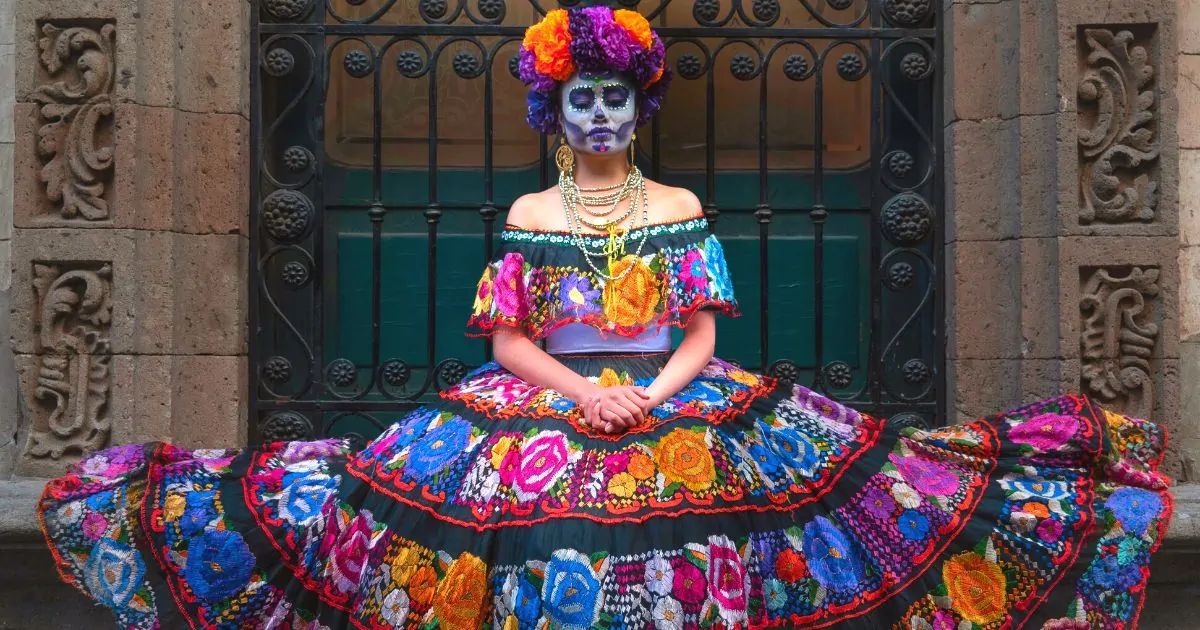
In 2013, while working on the early stages of their animated film Coco, Disney attempted to trademark “Día de los Muertos” to secure merchandising rights.
This sparked widespread outrage, with many arguing that it was an attempt to commercialize and appropriate a sacred cultural tradition.
The backlash was so strong that Disney quickly withdrew its trademark application and issued a statement acknowledging the holiday’s importance and significance to Mexican and Latin American communities.
Final Thoughts: Day of the Dead Facts
Día de los Muertos is a multifaceted celebration that honors life, death, and the enduring connection between loved ones.
It’s a beautiful reminder that even though our loved ones may be gone, their spirits remain alive in our hearts and memories.
By understanding and appreciating these Day of the Dead facts, we can gain a deeper insight into the rich cultural heritage that makes Día de los Muertos such a unique and meaningful celebration.
