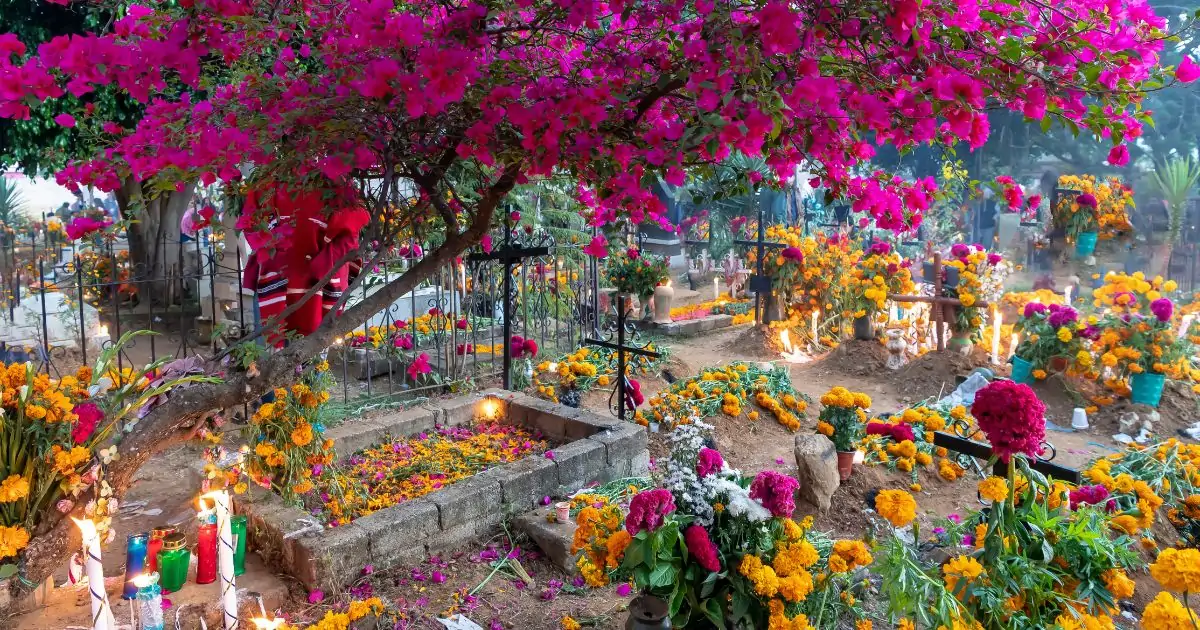
How La Catrina Became the Day of the Dead Icon (7 La Catrina Fun Facts)

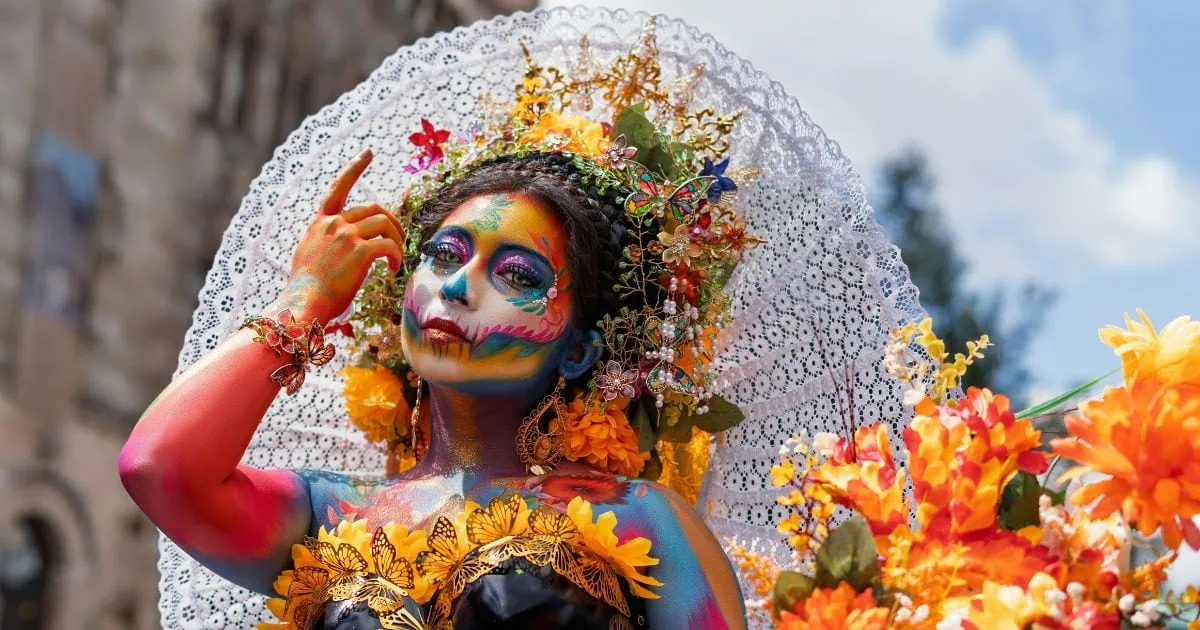
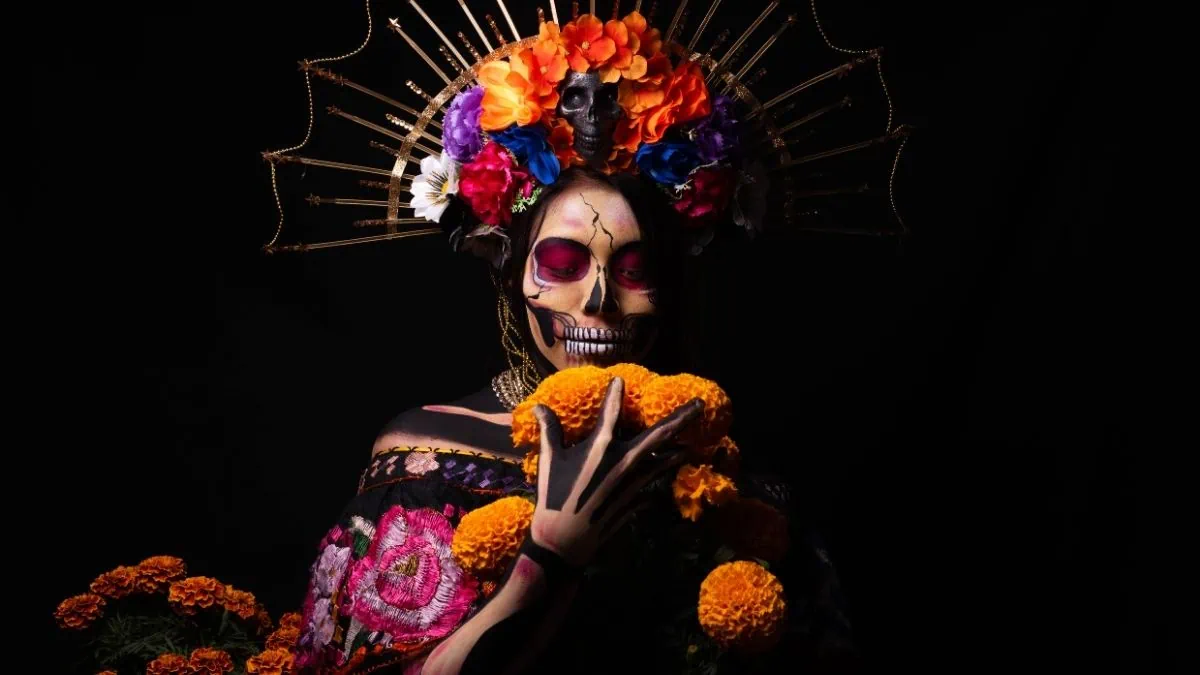
La Catrina, also known as La Calavera Catrina, is one of Mexico’s most iconic symbols of Día de los Muertos (Day of the Dead).
💀🇲🇽 With her skeletal face, elegant attire, and elaborate feathered hat, she embodies the beauty and mystery of this celebration.
But beyond her captivating appearance lies a rich history filled with cultural significance, artistic influence, and profound symbolism.
Here are seven facts you might not have known about La Catrina, the enchanting Lady of the Dead.
Disclosure: This article may contain affiliate links, meaning when you make a purchase, I earn a small commission. Affiliate links cost you nothing to use, and help keep my content free. It’s a win-win for us both. For more info, see the Disclosure Policy.
Who Is La Catrina, the Lady of the Dead?
La Catrina is the elegant female skeleton that has become the most famous symbol of Day of the Dead in Mexico.
Her full name is La Calavera Catrina, which roughly means “the elegant skull.”
She’s often called the Lady of the Dead or the Queen of the Dead.
Some people trace her roots back to Mictēcacihuātl, the Aztec goddess of death and queen of the underworld.
Her male partner is El Catrín, a dapper skeleton in a suit and top hat.
1. Some Trace La Catrina to Indigenous Roots

Many people connect La Catrina to Mictēcacihuātl, the Aztec goddess of death.
Revered by the Aztecs, Mictēcacihuātl was the Queen of the Underworld. Along with her husband, Miclantecuhtl, she ruled over Mictlán, the realm of the dead.
Aztecs believed that she had been sacrificed as a child and matured in the underworld to become the guardian of the deceased.
The ancient goddess was often depicted as a skeletal figure with an open jaw, capable of swallowing the stars during the day.
Historians credit La Catrina herself to José Guadalupe Posada (below), but both are female figures of death, and you’ll often see them mentioned together.
2. José Guadalupe Posada Created the Famous La Catrina Image

The La Catrina we recognize today first came to life through the art of Mexican illustrator and printmaker José Guadalupe Posada.
Around 1910–1913, as the Mexican Revolution began, Posada created an illustration of a female skeleton dressed in an elaborate European-style hat, which he called “La Calavera Garbancera.”
This name referred to Mexican women who tried to distance themselves from their indigenous roots by adopting European fashion and culture.
Through this satirical portrayal, Posada criticized the upper-class Mexicans who aspired to European ideals, reminding them that, in death, we are all equal.
La Catrina’s original appearance was a social commentary on identity, class, and vanity, making her a powerful symbol of Mexico’s cultural heritage.
3. La Calavera Catrina Originally Went by a Different Name

Before becoming “La Catrina,” the original name given to Posada’s skeletal creation was “La Calavera Garbancera.”
The term “garbancera” was used to describe people of indigenous descent who adopted European customs, often forsaking their heritage in the process.
Over time, her name was changed to “La Catrina,” which means a dapper or elegantly dressed woman in Mexican slang.
Her male counterpart is El Catrín (seen above), often shown as La Catrina’s husband or partner.
4. Diego Rivera Popularized the Full-Form Catrina

Although Posada created the original illustration, Mexican artist Diego Rivera gave La Catrina her full-body form and further cemented her place in Mexican culture.
In his famous mural “Sueño de una Tarde Dominical en la Alameda Central” (Dream of a Sunday Afternoon in Alameda Central Park), painted between 1946 and 1947, Rivera depicted La Catrina in all her elegance, wearing an ornate gown and a large feathered hat.
The painting features La Catrina at the center, with Rivera himself as a young boy holding her hand while Frida Kahlo stands beside her.
This portrayal paid homage to Posada’s creation and connected La Catrina to Mexico’s indigenous roots by adding a feathered boa representing Quetzalcóatl, the Aztec serpent god.
5. La Catrina Is a Powerful Symbol of Death and Equality

One of the most profound aspects of La Catrina is her role as a reminder that death is the great equalizer.
We all face the same fate regardless of social status, wealth, or background.
José Guadalupe Posada’s Famous La Catrina Quote
José Guadalupe Posada’s famous quote, “Death is democratic. At the end, regardless of whether you are white, dark, rich, or poor, we all end up as skeletons,” encapsulates this concept.
La Catrina’s elegant attire juxtaposed with her skeletal face reminds us that material possessions and status are temporary, and we are all the same in death.
6. La Catrina Is Now a Central Figure in Día de los Muertos Celebrations

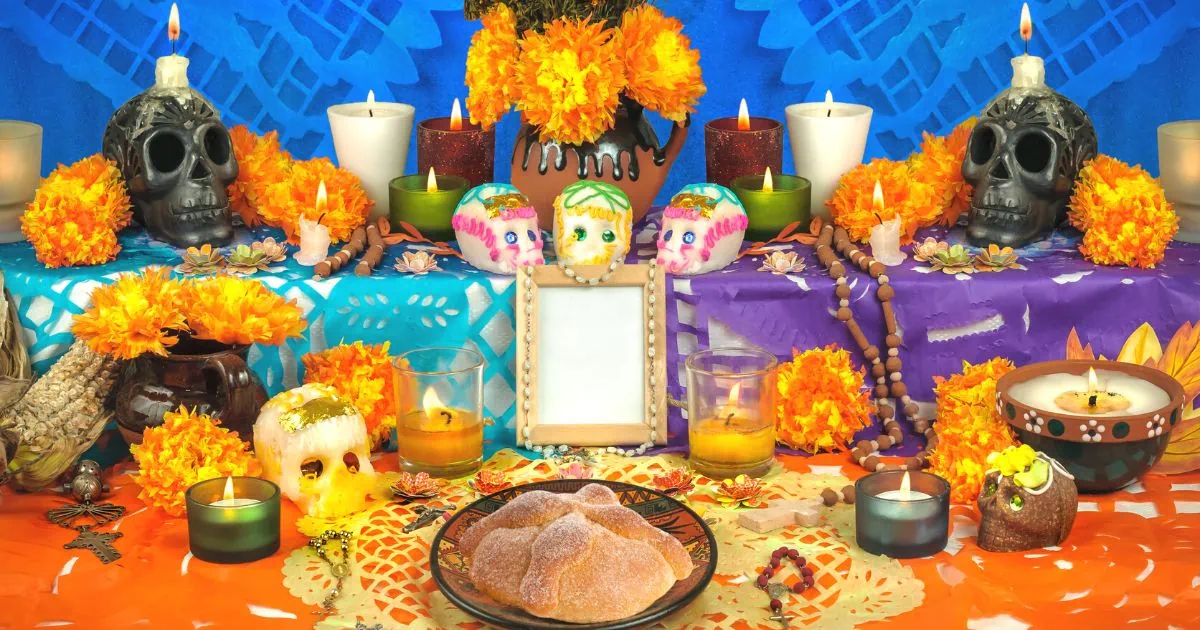
Today, La Catrina is a staple of Día de los Muertos festivities.
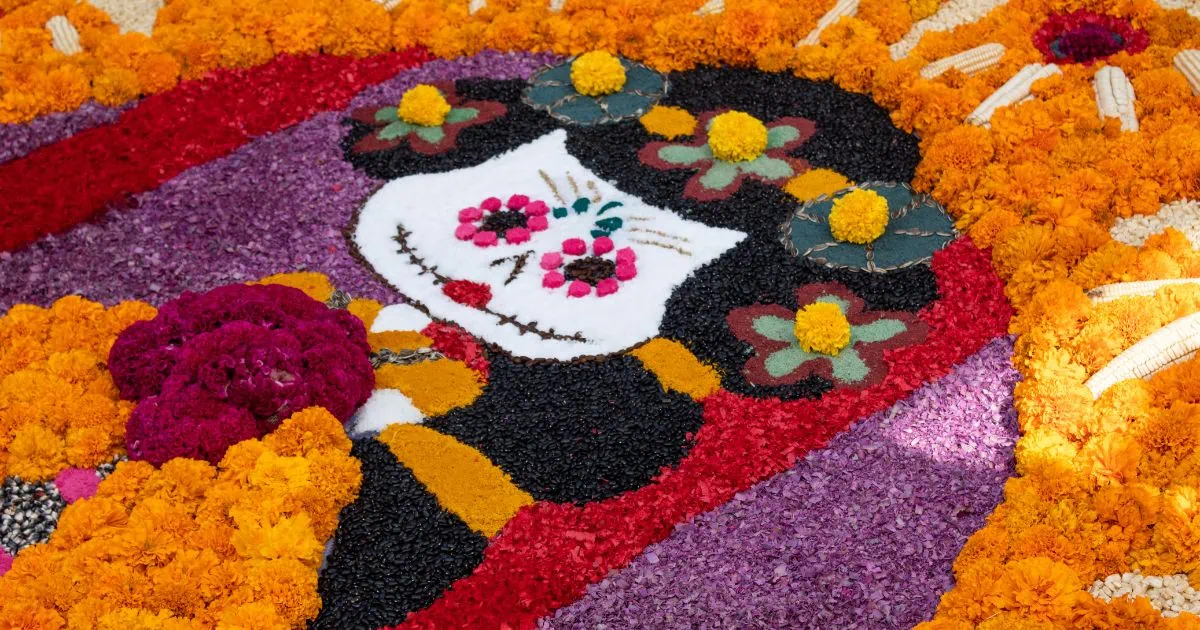
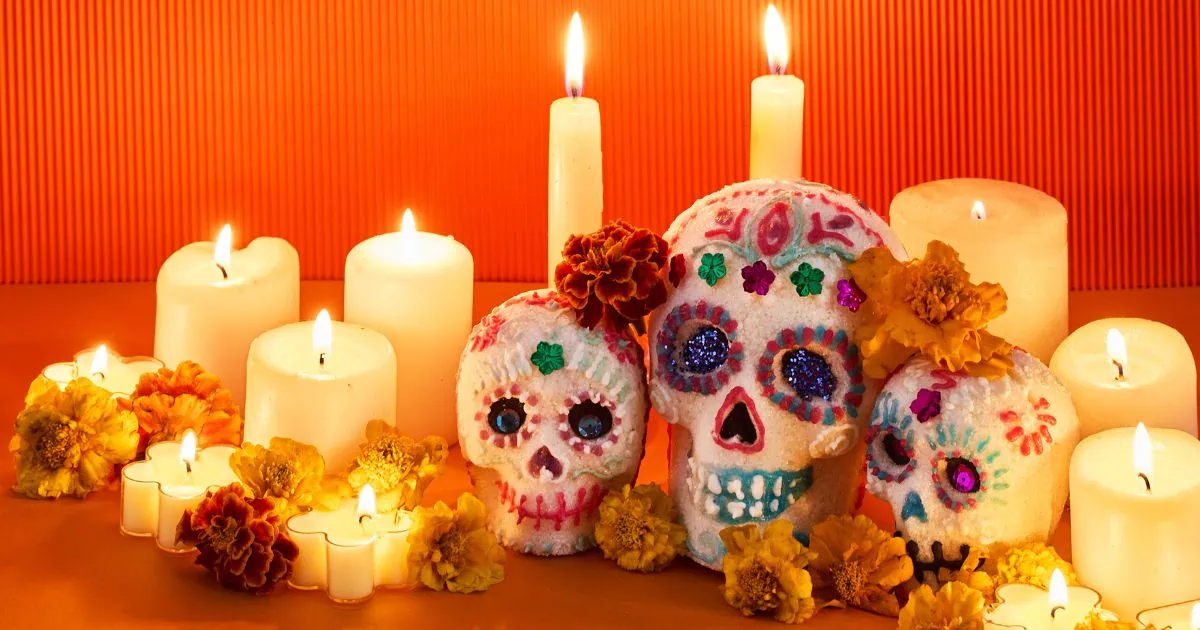
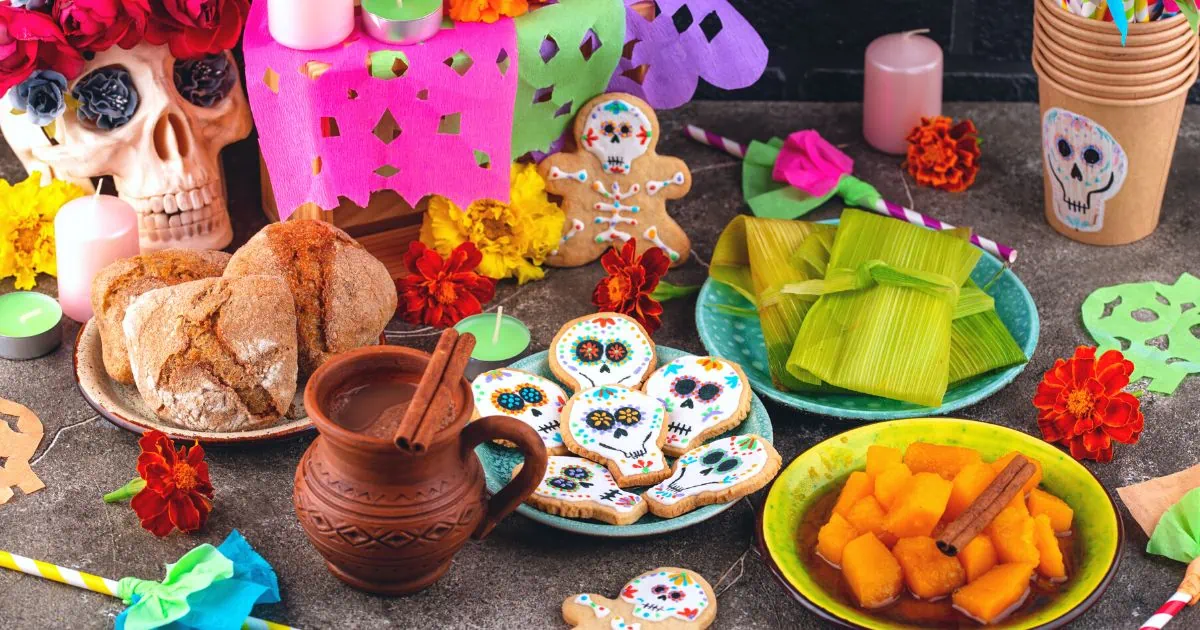
Her image appears on everything from sugar skulls and papel picado (decorative paper banners) to costumes and face paint.
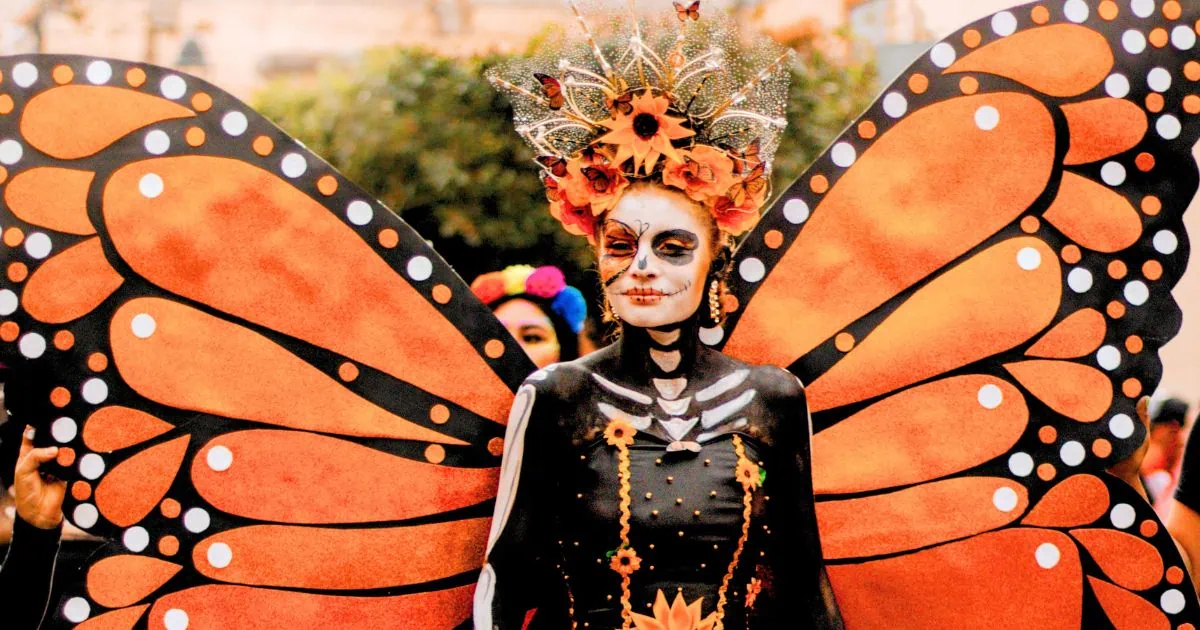
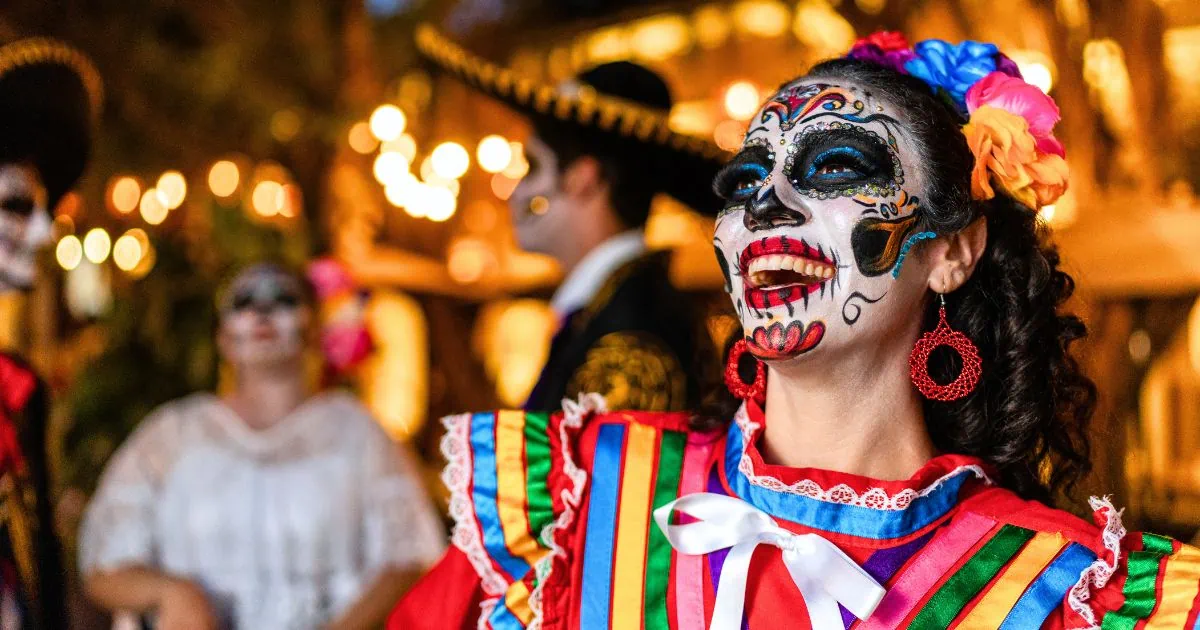
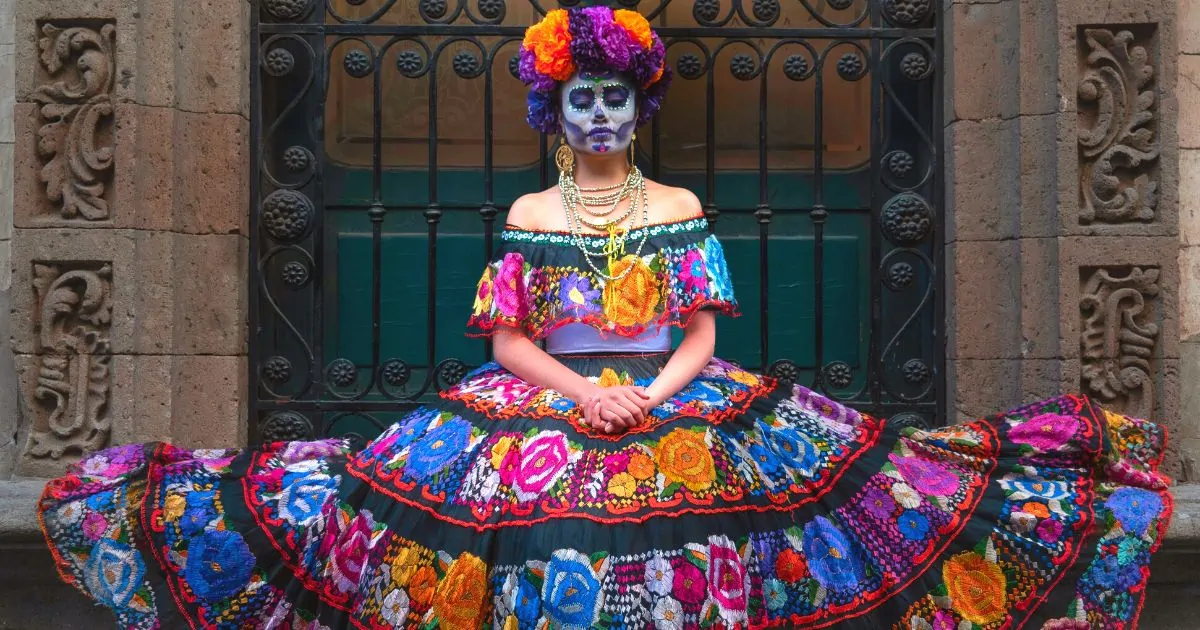
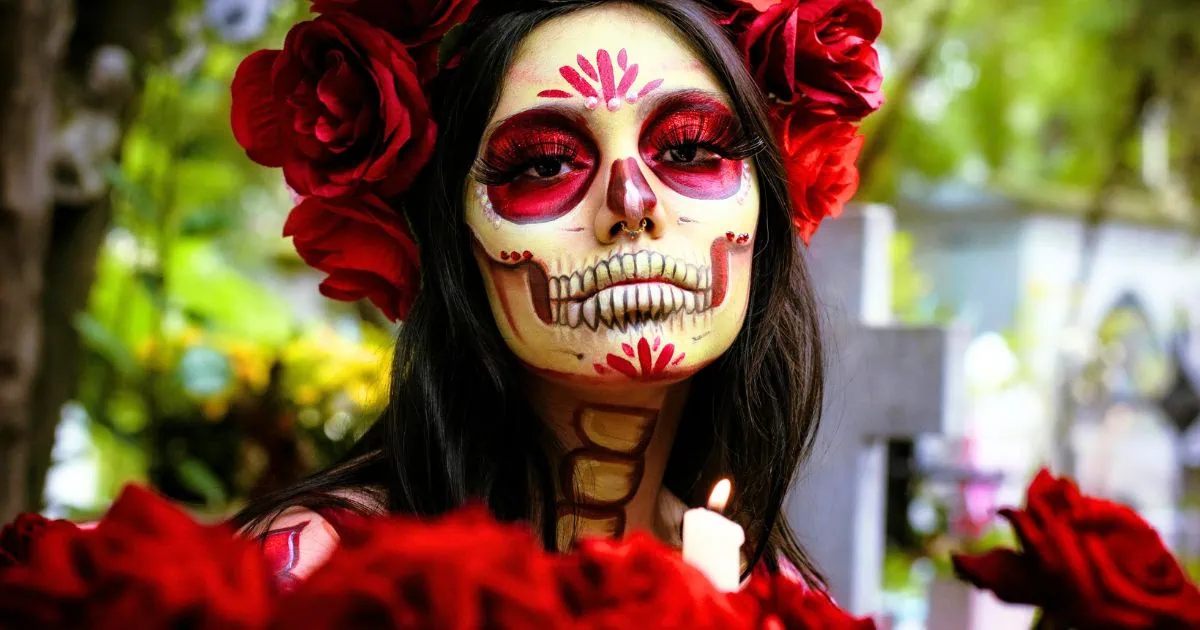
People across Mexico paint their faces to mimic La Catrina’s skeletal features, using intricate designs to honor loved ones who have passed away.
This tradition celebrates death as a natural part of life while acknowledging the beauty and elegance of the afterlife.
7. La Catrina’s Influence Extends to Modern Popular Culture

La Catrina has become a symbol of Mexican culture, appearing in films, music, fashion, and art across Latin America and beyond.
She inspired characters in animated movies such as Coco and The Book of Life, introducing her to international audiences.
In The Book of Life (2014), the character La Muerte rules the Land of the Remembered.
Her painted sugar-skull face, flower-covered hat and flowing gown are clearly inspired by La Catrina.
In the U.S., her image has become increasingly popular as Día de los Muertos celebrations grow.
Artists and performers, such as singer Ángela Aguilar, have embraced La Catrina’s style in their work, further solidifying her status as an enduring cultural icon.
My Final Thoughts on La Catrina
La Catrina’s journey from an Aztec goddess to a satirical illustration and, ultimately, to an enduring symbol of Día de los Muertos reflects Mexican culture’s complex and evolving nature.
Her skeletal smile, elegant attire, and powerful message remind us that death is a shared experience that unites us all.
By honoring both our indigenous roots and modern influences, La Catrina bridges the past and present, reminding us to celebrate life, even in the face of death.