
17 Best Day of the Dead Celebrations in Mexico (2026)

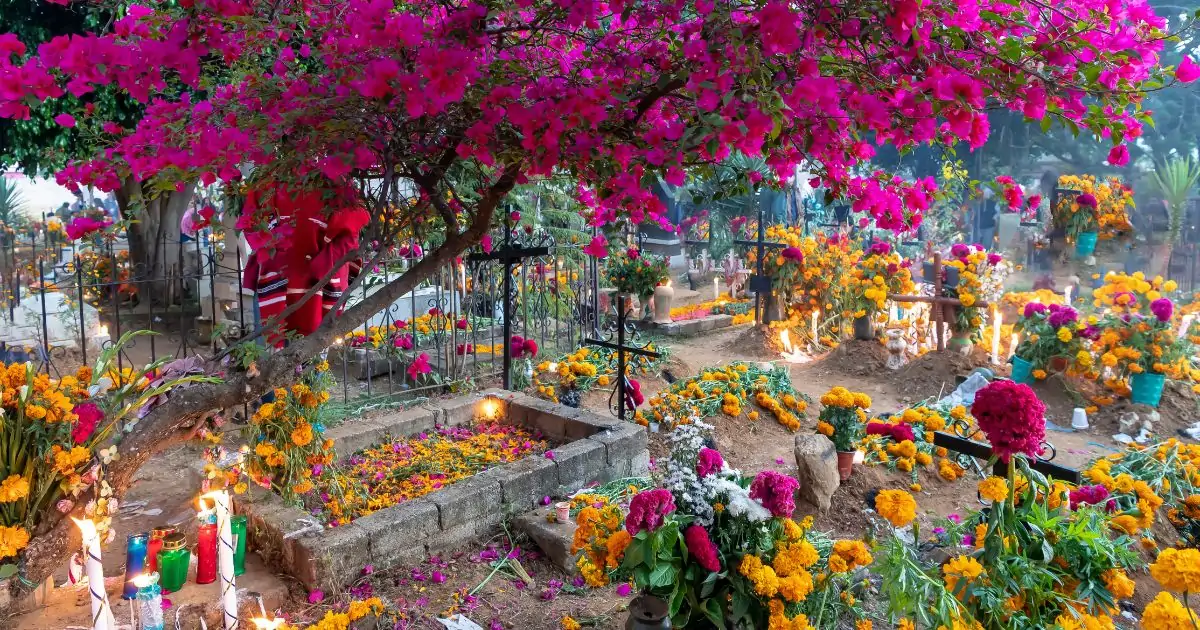

day of the dead in mexico on your bucket list?
Even though the Dia de Muertos holiday revolves around death, it’s anything but a somber affair.
In fact, some Day of the Dead celebrations in Mexico are huge parties that last for days, complete with food, music, decorations and dancing. The guests of honor at these elaborate celebrations? The departed themselves!
During Dia de Muertos, which takes place November 1-2, the veil between the living and the dead is said to thin enough so the departed may cross back over.
The doors of the underworld open up, allowing families to reunite for just two days. Rather than a time of mourning, this is a time to celebrate life and honor the souls who have left the living.
Since the Day of the Dead holiday is the only time of the year when the living and the dead commingle — this is clearly a call for celebration.
Traditions vary across Mexico, but Day of the Dead is an important event in the entire country
In this article, you’ll discover the 17 Best Day of the Dead celebrations in Mexico, and learn more about the holiday in this Day of the Dead FAQ.
What is Day of the Dead?
The first thing you need to know about Day of the Dead — it is not Mexican Halloween. Day of the Dead is, however, one of the most important and best Mexican holidays, with traditions that date back thousands of years.

ok, so What is Dia de los Muertos Mexico?
Unlike many present-day rituals around death, Day of the Dead is not a somber funerary event.
On the contrary, Dia de Muertos is a celebration, one so grand even the deceased return to attend the party held in their honor.
The Day of the Dead celebration holds great significance in the life of Mexico’s indigenous communities. The fusion of pre-Hispanic religious rites and Catholic feasts brings together two universes…
UNESCO
In 2008, UNESCO proclaimed Day of the Dead an Intangible Cultural Heritage of Humanity. In plain English, this means the holiday is one of mankind’s greatest cultural traditions.
When is the Day of the Dead in Mexico?
It is a two-day holiday, taking place November 1st and November 2nd. However, in the cities that have the most elaborate Day of the Dead celebrations in Mexico, preparations can begin 7-10 days prior.

In 2026, Day of the Dead falls on Sunday, November 1 and Monday, November 2.
In some places, Día de los Muertos takes over entirely. Bright orange marigold flowers blanket the streets, colorful papel picado (craft paper) gets hung across streets, and comparsas (parades or processions) take over the streets.
Now that you have the basics down — What is the Day of the Dead? and When is the Day of the Dead? — let’s get to the best places to celebrate Dia de Muertos in Mexico.
🌺💀🌺 Want to learn more about the holiday? Check out this Day of the Dead FAQ at the end of the article. It covers the history of Day of the Dead, all the best Day of the Dead symbols, Mexico travel tips, and much more.
Where Is Day of the Dead Celebrated in Mexico?
Day of the Dead is celebrated all over Mexico, but traditions are strongest in the central and southern states.
Some of the most famous celebrations are in Oaxaca, Michoacán, Mexico City, Yucatán, San Luis Potosí and Guanajuato.
Where Is the Biggest Day of the Dead Celebration?
Mexico City holds the biggest Day of the Dead event, its huge parade along Paseo de la Reforma.
For the most traditional celebrations, head to Oaxaca City or to Pátzcuaro and Janitzio Island in Michoacán.
17 Best Day of the Dead Celebrations in Mexico
Whether you want to experience a traditional Mexico Day of the Dead festival, or just party like you never have before, there’s a perfect place for you.
Below, you’ll find the 17 best places to celebrate Day of the Dead in Mexico.
1. Oaxaca City, Oaxaca

Oaxaca Day of the Dead Tours

This 7 Day Oaxaca Day of the Dead Tour has an amazing itinerary where you venture off the beaten path to experience this Mexico holiday like a local.
As far as parties and bustling celebrations go, Oaxaca City is THE place to visit for Day of the Dead in Mexico. In fact, the Oaxaca Day of the Dead festivities helped put this holiday on many travelers’ Mexico bucket list.
Constantly dubbed the capital of Mexican folklore, Day of Dead in Oaxaca City is as lively as it can get. What makes it this way? The local people.
Oaxacans love a good party. Their cultural roots run deep, and they seem to find an excuse to party many days of the year.
Besides Day of the Dead, there are festivals in Oaxaca nearly every month.
During Day of the Dead Oaxaca, you’ll see ofrendas (altars), marigold flowers and decorations all over the city’s colorful streets.
Most events take place outdoors, with Oaxacan food, music and parades in every corner of downtown Oaxaca City.
Though it’s called “Day” of the Dead, in Oaxaca, the holiday lasts a week — sometimes more.
If you’re attending, get ready for the experience of a lifetime, where the music is played loud, the Oaxaca mezcal flows and even the dead come to party.
In my opinion, this is the best place to celebrate Day of the Dead in Mexico!
How to get to Oaxaca City

When traveling to Oaxaca City, you’ll want to fly into Oaxaca International Airport (code: OAX). It is located just 20-30 minutes from Downtown Oaxaca.
You can also fly to Mexico City and take the six-hour Mexico City to Oaxaca bus ride via the ADO bus. You can also rent a car in Mexico City and drive to Oaxaca City.
🌺💀🌺 Want to attend Day of the Dead in Oaxaca Mexico? Check out this Ultimate Guide to Día de Muertos in Oaxaca City which includes everything you need to know to attend the festival like a pro.
2. Mexico City

Mexico City wasn’t always a go-to destination for Day of the Dead. That changed after the opening scene of the 2015 James Bond film Spectre put it in the spotlight.
The film opens with an epic Day of the Dead parade in Mexico City, which never actually existed.
The story goes that so many people showed up for the parade the year after Spectre came out that the government had to make the scene a reality.
In 2016, life imitated art, and Mexico City held its first Gran Desfile de Día de Muertos (Day of the Dead Parade).
🤔 Wondering, What is an alebrije? They are colorful chimera creatures, or hybrid animals, which some say serve as spirit guides.
Mexico City Day of the Dead Parade
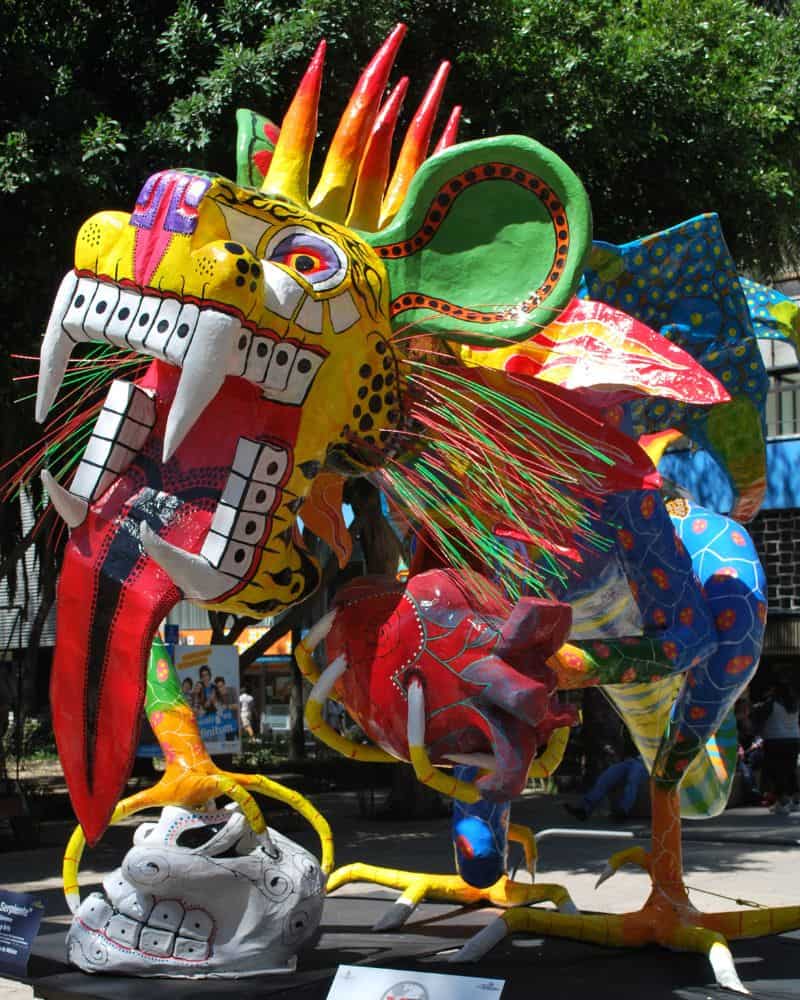
This is the main event for Day of the Dead Mexico City — and each year, an army of volunteers take over many of the main streets in Mexico City, shutting them down for the parade.
Performers march with giant floats and skeletons, wearing colorful costumes of traditional Day of the Dead characters.
The 2026 parade travels along Paseo de la Reforma and Avenida Juárez toward the Zócalo (Main Square).
A separate Alebrijes Parade, on Saturday, October 17, 2026, ends with giant alebrijes displayed along Paseo de la Reforma.
You can see them from about October 18 into early November.
When is the Mexico City Day of the Dead Parade?
The dates vary, but the parade is usually the Saturday before the actual Day of the Dead holiday.

In 2026, the Mexico City Day of the Dead Parade is on Saturday, October 31, the day before Day of the Dead.
It officially starts at 2pm, but it often runs late. For a front-row spot, arrive a few hours early.
Get the route map and my best viewing tips in my Mexico City Day of the Dead Parade 2026 guide.
Day of the Dead in Xochimilco Mexico City

One of the best things to do in Mexico City during Day of the Dead is going to see La Llorona at Xochimilco (pronounced so-chee-mill-co).
If you’ve ever seen the colorful boats in Mexico City, those are at the canals of Xochimilco.
In pre-Hispanic folklore, La Llorona is a vengeful ghost who roams all waterfront areas. She is doomed to spend eternity mourning her own children, whom she drowned.
In 2026, the La Llorona show runs Fridays to Sundays from October 2 to November 22, with shows at 6pm and 9pm from the Cuemanco pier.
You’ll hop on a traditional trajinera boat at night and navigate the Xochimilco canals to an open-air stage.
Day of the Dead in Mexico City: Beyond the Parade

Aside from the main parade on Reforma Avenue, there are plenty more Mexico City Day of the Dead festivities for visitors to enjoy.
As with some other places, the Día de los Muertos holiday has a way of taking over an entire city.
Starting in about mid-October, Mexico City turns into an open-air museum for all things muertos.
There’s skull-themed art galleries, cempasuchil flowers (marigolds) decorating the streets, and gigantic skulls lining the avenues.
Is Day of the Dead in Mexico City safe?
For the most part — Yes. It is a lively time to visit, but also perfectly safe as long as you follow the same general travel safety measures you would anywhere else.
These include staying aware of yourself, your group, your surroundings and your belongings at all times.
When in large crowds, you’ll want to pay extra attention to your things.
How to get to Mexico City
This is probably the easiest Day of the Dead to get to, as you’ll just fly into Mexico City International Airport (code: MEX).
From there, the easiest and safest way to get to your accommodation is with this private shuttle service.
3. San Andrés Mixquic, Mexico City

Looking for a more cultural experience than the Dia de los Muertos Mexico City Parade can provide? Then consider visiting Mixquic Mexico.
About 1.5 hours south of Mexico City, Mixquic (pronounced micks-keek) is one of the most authentic and best places to celebrate Day of the Dead in Mexico.
As Mixquic is a remote pueblo, the easiest way to visit is on this Day of the Dead Mixquic Tour with Lunch, which leaves from Mexico City.
Here, an extremely traditional festivity called La Alumbrada is held every year from October 31 to November 2.
During the nights of La Alumbrada festival, all electricity in the village is turned off.
The only light in town comes from the candle-lit village cemetery, creating a sight like no other.
The cemetery is also beautifully-decorated, and covered in flowers.
La Alumbrada nights also have traditional Mexican food, mariachi music and La Calavera Catrina face-painting.
The event closes with the town’s annual contest, where cardboard skulls made by the locals are rated.
How to get to Mixquic Mexico

You’ll fly into Mexico City International Airport (code: MEX), then make your way to Mixquic by rental car or bus.
However, the easiest way to go is by tour because this can be a hectic time in Mexico.
In my opinion, the best way to attend Day of the Dead in Mixquic is to book this Day of the Dead Mixquic Tour with Lunch so your meals and transportation are handled for you.
4. San Miguel de Allende, Guanajuato

Located in the state of Guanajuato, San Miguel de Allende is a colorful town in the highlands of Mexico.
While not considered the most traditional place to celebrate Day of the Dead in Mexico, locals make a huge effort to commemorate the holiday.
One of the best things to do in San Miguel de Allende during Day of the Dead is the annual La Calaca Festival (Skull’s Festival), which runs from about October 28 to November 3.
This consists of small-scale cultural events, meant to embrace the heritage of Day of the Dead.
There’s also the Catrina Parade in San Miguel de Allende. During this event, local people dressed like skeletons make their way through the town’s colorful cobblestone streets led by lively mariachis.
In San Miguel de Allende, visitors are encouraged to join the party.
Many restaurants and hotels are festively-decorated, and you’ll find street vendors to paint your face like La Catrina.
💄 Day of the Dead Tip: Don’t forget your make-up remover.
How to get to San Miguel de Allende
There’s no San Miguel de Allende airport, so you’ll want to fly into Mexico City International Airport (code: MEX), then drive your rental car or take the bus.
The drive from Mexico City to San Miguel de Allende is about four hours.
You can also book this private transportation from Mexico City to San Miguel de Allende if you don’t want to drive or take the bus.
5. Merida, Yucatan (Hanal Pixan)

Merida may not be the first place you think of for Day of the Dead in Mexico, but Yucatan’s most colorful city observes a version of it.
Hanal Pixan (pronounced ha-nal pick-shaw) is similar to Day of the Dead, but with a Mayan twist. In fact, you might hear Hanal Pixan called the Mayan Day of the Dead festival.
In Merida, you’ll find large ofrendas (altars) throughout the town.
Many of the best ones are in Plaza Grande (Main Plaza in Downtown Merida) and other public spaces along the Paseo de Montejo.
You can also sample some traditional Yucatan foods during Hanal Pixan that aren’t made other times of the year.
One of the locals’ favorite foods is called pib (AKA mucbipollo or pibipollo), a type of crispy, baked tamale.
Paseo de las Animas (Merida Day of the Dead Parade)
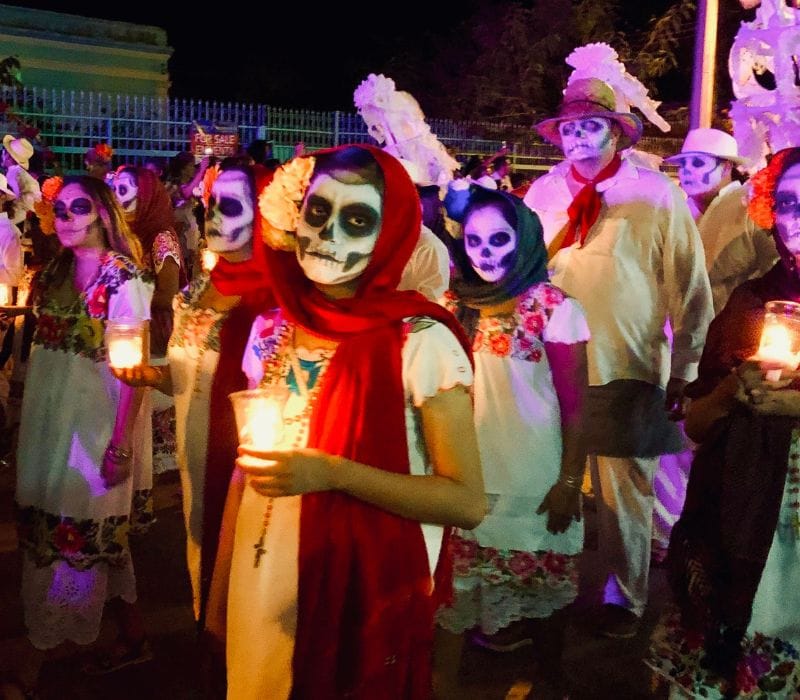
Paseo de las Animas is one of the most popular events in Merida.
In 2026, it’s on Friday, October 30, starting at 6pm at the Cementerio General de Mérida (Main Merida Cemetery).
During the parade, you’ll hear music and see thousands of people dressed up in traditional attire, with their faces painted as skulls.
Unlike in most parts of Mexico, most people don’t paint their faces with bright colors; just black and white.
Of course, some people do paint their faces in bright colors, but black and white is more typical of this region.
If you’re interested in participating, this is a wonderful way to do so. Face painters will be set up before the parade so you can easily get your face painted and join in.
The parade ends at Parque San Juan Park, where the festivities continue.
How to get to Merida
You’ll fly into Merida International Airport (code: MID), located about 20-30 minutes from downtown.
From there, the easiest and safest way to get to your accommodation is with this private shuttle service.
There are plenty of great Merida hotels in downtown and also chic boutique hotels in Merida — but make sure to reserve yours at least 1-2 months before the actual holiday because things do sell out.
6. Patzcuaro & Janitzio Island, Michoacán

Isla Janitzio Island is one of the quintessential places for an authentic Day of the Dead celebration in Mexico.
It is also a must-visit for culture travelers, as the main part of Mexico to get to experience the Purépecha people and their unique culture.
Isla Janitzio is a small island on Lake Pátzcuaro. It is one of the towns in the Patzcuaro pueblo magico (magic town), located in Michoacán state.
🎥 Day of the Dead Fun Fact: The cemetery in Patzcuaro, Mexico, inspired the cemetery seen in the Pixar movie Coco, a beloved film about Día de los Muertos.
There are several Patzcuaro Day of the Dead celebrations, but the one in Janitzio Island is considered among the best in town.
The main celebrations in Janitzio and Patzcuaro go from October 31 to November 2nd.
In 2026, Michoacán’s main Noche de Muertos week runs from October 28 to November 2.
Day of the Dead in Janitzio Island

The main date to party and celebrate Day of the Dead in Janitzio Island is November 2.
However, you’ll want to arrive by October 30 if you want to experience the more traditional festivities.
On October 31, the Day of the Dead celebration begins with traditional boats heading into the waters off-shore to hunt ducks with spears.
They are later cooked and placed on ofrendas (altars) as a way to welcome the deceased back to the living world.
On November 1, women and children visit the town’s graveyards and begin decorating the graves.
The locals in Patzcuaro and Janitzio go all out, as there is a contest to select the best altars and grave decorations in town.
Once the sun begins to go down on October 31, festive celebrations in Patzcuaro and Janitzio officially start.
Through dance performances, music and food, locals and visitors alike celebrate the lives of their departed loved ones.
This massive party goes on until November 2, and sometimes even longer.
How to get to Janitzio Island

You’ll first fly into either Mexico City International Airport (code MEX), or Morelia International Airport (code: MLM).
Then, make your way by rental car or bus to the Pátzcuaro Embarcadero (dock), then take the boat to Janitzio Island.
There is parking right at the dock, and boats going to the island every 30 minutes or so.
7. Teotihuacan, Estado de México

The Teotihuacan Pyramids are a Mexico UNESCO World Heritage Site, and one of the best day trips from Mexico City.
This is a year-round destination, but Day of the Dead at Teotihuacan (pronounced tay-oh-tee-wok-on) is extra special.
Every year, the Festival Chaman Teotihuacan is held on-site.
During the festival, there’s hot air balloons, nighttime parties in candlelight, bonfires, and ofrendas (altars) lining the Teotihuacan Avenue of the Dead.
As if that weren’t enough, the festival’s calendar is full of painting and pottery classes, papel picado-making lessons, and more.
This is a cultural celebration, with workshops to help you learn about Aztec heritage and its importance for Day of the Dead.
How to get to Teotihuacan

It’s very easy to get to Teotihuacan from Mexico City, and the drive is only about one-hour in normal traffic.
However, if the traffic is bad, it could take up to two-hours.
If you don’t plan to rent a car in Mexico City, you can always take the bus from Mexico City to Teotihuacan Pyramids.
The Teotihuacan buses leave from the Terminal Central de Autobuses del Norte, better known as TAPO.
For more info, check out this complete guide on How to Get From Mexico City to Teotihuacan Ruins.
8. Sayulita, Nayarit

One of the best beach towns in Mexico, Sayulita is another great place for Day of the Dead in Mexico.
This hippy town is ideal for travelers who want the best of both worlds — beautiful Mexico beaches and Day of the Dead parties.
Sayulita’s streets are colorful year-round, but during Day of the Dead, they become even more vibrant.
There’s papel picado flags hanging from every restaurant, La Catrina skeletons lining the streets, and colorful flowers everywhere you look.
Don’t miss the Night Walk in Sayulita that starts in downtown, and ends at the main Sayulita cemetery.
This cemetery is located on Playa de los Muertos Beach, which means Beach of the Dead.
This walk is the best way to experience the traditional side of the holiday. However, you can also party it up because Day of the Dead is a celebration after all.
Head to the Sayulita bars in the main plaza to see their fun Day of the Dead makeovers.
How to get to Sayulita

You’ll fly into Puerto Vallarta International Airport (code: PVR), located about one hour from Sayulita.
From there, the easiest and safest way to get to your accommodation is with this private shuttle service.
You can also rent a car in Puerto Vallarta and make the drive yourself.
This is a great option if you plan to check out any of the neighboring Riviera Nayarit beach towns near Sayulita, like San Pancho and San Blas.
9. Xcaret, Riviera Maya, Quintana Roo

If you don’t mind touristy spots, the famous Xcaret Waterpark in Playa del Carmen holds a fantastic annual event called the Festival of Life and Death (Festival de Vida y Muerte).
In 2026, its 20th edition runs from October 30 to November 2, with Guanajuato as the guest state.
🗣 Wondering, How do you pronounce Xcaret? The Xcaret pronunciation is esh-kah-ret.
Xcaret Park is among the top places to visit in Yucatan. A water park meets culture park, this is one of the best family-friendly Day of the Dead celebrations in Mexico.
It is also easy to get to from Cancun, Riviera Maya, Playa del Carmen and Tulum for this celebration of the Mayan traditions of the holiday.
Aside from getting to enjoy the park’s incredible amenities, like the cenotes, lazy rivers, caves and ziplines, the Xcaret Festival of Life and Death is a cultural celebration as well.
Guests can sample some delicious, local Yucatecan food, and marvel at the giant ofrendas (altars).
There’s also workshops, exhibitions and theatrical performances highlighting the origins and heritage of this incredible Mexico holiday.
How to get to xcaret Park
Xcaret Park is located in Playa del Carmen, about one hour from Cancun International Airport (code: CUN).
There’s no airport in Playa del Carmen, so you’ll fly into Cancun Airport.
The best way to get to Xcaret is by renting a car in Cancun and driving there, or taking a taxi.
⚠️ Note: There is Uber in Cancun and also taxis, but everything gets a bit more hectic during Day of the Dead in Yucatan.
10. La Huasteca Potosina, San Luis Potosí (Xantolo Festival)

Xantolo (pronounced shun-toe-low) is Day of the Dead in La Huasteca, a region in eastern Mexico that spans six states, including San Luis Potosí, Veracruz and Hidalgo.
The most famous areas to visit in the Huasteca are the waterfalls in San Luis Potosi state, near Ciudad Valles, and Xilitla pueblo magico.
The Huasteca Potosina, the part of the region in San Luis Potosí state, is one of the best places to experience it.
You can find local festivals throughout the region, in cities like Aquismón, San Luis Potosí and Atlapexco, Hidalgo.
Xantolo in La Huasteca Potosina employs all the classic Day of the Dead icons: marigold flowers, sugar skulls, elaborate ofrendas (altars) and skeleton decoration.
The biggest days are October 31, when families welcome the spirits of children, and November 2, the main day for adults.
Masked dance processions called comparsas fill the streets in many towns.
As La Huasteca spans six states, it’s common for Huastec people (locals from this area) to travel between cities and states.
Many towns create welcome arches that have offerings for visitors traveling through their town during Xantolo.
11. San Agustin Etla, Oaxaca

One of the most lively Day of the Dead celebrations in Oaxaca state takes place in the small pueblo of San Agustin Etla.
It is located about 35 minutes by car from Downtown Oaxaca City.
San Agustin Etla is known to have the biggest, most wild comparsa (parade) in the area — and locals prepare for it all year.
The Panteon San Agustin Etla cemetery is also one of the most festively-decorated, and visitors come from miles around to see.
How to get to San Agustin Etla

You’ll want to fly into Oaxaca International Airport (code: OAX). From there, the best thing to do is rent a car in Oaxaca City and drive to San Agustin Etla.
You can also take a taxi, but there is no Uber in Oaxaca.
⚠️ Note: I recommend you hire a taxi for the entire night so they’re available when you’re ready to go return to Oaxaca City.
In recent years, the San Agustin Etla Day of the Dead parade drew a crowd of more than 3,000 attendees — so you can imagine it becomes incredibly hard to find an available taxi in a small town, while traversing a large sea of people.
12. Guanajuato City, Guanajuato

Guanajuato City, the capital of Guanajuato state, attracts thousands of visitors each year to see the monumental altar at the University of Guanajuato.
Students of the university build and create this dazzling altar to honor illustrious academic figures.
The rest of the town is also festively-decorated, and you’ll see (and small) marigold flowers all over, as well as ofrendas (altars).
There’s also a Dia de los Muertos parade, outdoor shows, and large sculptures outside the Teatro Juarez Theater.
How to get to Guanajuato

You’ll want to fly into Bajío International Airport AKA Guanajuato International Airport (code: BJX).
From there, the easiest and safest way to get to your accommodation is with this private shuttle service.
As it’s only about one hour from Guanajuato to San Miguel de Allende (#4 on this list), consider renting a car and visiting both towns during Day of the Dead in Mexico.
13. Costa Chica, Guerrero (Cuajinicuilapa)

One of the most festive Day of the Dead celebrations in Guerrero state takes place in the pueblo of Cuajinicuilapa, Guerrero.
⚠️ Guerrero is rated Level 4: “Do Not Travel” by the U.S. State Department, so check the latest advisory before you plan a trip.
Cuajinicuilapa (pronounced kwah-he-nee-queel-ah-pa) is located in the Costa Chica region, within the Cuajinicuilapa Municipality.
This area has the state’s largest population of Afro-Mexicans and Afromestizos — Mexicans of African descent.
In Costa Chica, they celebrate with the Danza de Diablos, or Dance of the Devils.
This dance honors the deceased through customs passed down from the African ancestors of those living in Cuajinicuilapa today.
How to get to Cuajinicuilapa
You’ll want to fly into Acapulco International Airport (code: ACA).
From there, you can rent a car and drive Cuajinicuilapa — but you only want to do this drive during the day, for safety reasons.
If you don’t want to drive, opt for this Acapulco to Cuajinicuilapa bus.
14. Xalapa, Veracruz (Mictlán Festival)

Some say Day of the Dead in Veracruz state is more important than Christmas.
In a country like Mexico where about 80% of the population identifies as Catholic, that’s a big deal.
In many parts of Veracruz, Mexico, the holiday lasts one full week.
Traditionally, families get together for meals, they decorate the graveyards, and there are also city-wide festivals in some places, like Xalapa (pronounced ha-la-pah).
Mictlán Festival in Xalapa

Mictlán is the Aztec underworld, where the dead are believed to go right after they pass away.
You can get an idea of what Mictlán is said to look like by watching the movie Coco, if you haven’t already seen it.
The Festival Cultural Mictlán a Xalapa, or Xalapa Mictlán Festival, usually takes place from about October 28 into early November in Parque Bicentenario (Bicentennial Park); 2026 dates are still to be announced.
Note: There is also a Mictlan Festival for Day of the Dead in Zacatecas City.
The Xalapa Mictlan Festival is an artistic event, with numerous dance, music and theater companies participating.
Each year, artists from all over Mexico travel to Xalapa to showcase their original performers, all centered around the theme of death.
Thousands attend each year, as one of the most theatrical Day of the Dead celebrations in Mexico.
How to get to Xalapa

You’ll want to fly into Veracruz International Airport (code: VER). From there, you can rent a car and drive to Xalapa.
The drive from Veracruz Airport to Xalapa takes about two hours.
While a bit off the main tourist radar, I visited for 5 days and never ran out of things to do in Xalapa.
Just outside of town, there are some great ay trips you can do, including Xico and Coatepec, two pueblos magicos (magic towns).
15. Pomuch, Campeche

One particularly unique Hanal Pixan tradition happens in Pomuch, a small town in Campeche state.
Here, people clean the bones of their loved ones, which is an ancient Mayan tradition that pays homage to their deceased family and friends.
Once a person has been dead for three years, they keep their bones in a wooden box and clean them each year during Hanal Pixan.
If they don’t, it’s believed that the spirits will be angry and act out on the streets.
You can observe this tradition taking place at the Cementerio de Pomuch, or Pomuch Cemetery in Campeche.
Families start by cleaning the small bones and then move to the skull. Throughout the ritual, they’ll be praying, and talking to their loved ones.
How to get to Pomuch

If you can find a flight, opt for Campeche Airport (code: CPE), but if not, you’ll want to fly into Merida International Airport (code: MID).
From there, you can rent a car in Merida and drive to Pomuch.
The drive is about 1.5 hours in normal traffic, and you will have to cross state lines from Merida, which is located in Yucatan state, to Pomuch, which is located in Campeche state.
About 45 minutes past Pomuch, you’ll be in Campeche City, the capital of the state.
This charming colonial city is a UNESCO World Heritage Site, and a great Mexico off the beaten path destination.
16. Aguascalientes City, Aguascalientes

José Guadalupe Posada is the man responsible for drawing La Calavera Garbancera. He was born in Aguascalientes.
This illustration served as the inspiration for La Catrina, the elegant female skeleton figure who’s the main character of Day of the Dead.
This is one of the smallest states in the country, though they have one of the largest Day of the Dead celebrations in Mexico.
In fact, this is a great place to experience Día de los Muertos away from the tourists.
Every year, Aguascalientes City hosts the Festival de Calaveras (Festival of Skulls).
In 2026, it runs from October 30 to November 8.
Here, you can stroll the streets and check out the ofrendas (altars), papier mache skeletons, eat traditional Mexican food, and take in the spooky legends.
The Parade of Skulls (Desfile de Calaveras) is traditionally held around November 1.
Each year, the theme evolves, but it’s always a spectacle to see the parade make its way down Avenida Madero, one of the most important streets in the historic City Center.
How to get to Aguascalientes
You’ll want to fly into Jesús Terán Peredo International Airport, better known as Aguascalientes International Airport (code: AUG).
There are a couple direct flights to Aguascalientes from Dallas, Houston and Chicago, or else you will need to connect through a major city in Mexico, like Cancun, Mexico City, Tijuana or Monterrey.
From Aguascalientes Airport, you can take an Uber to your hotel — just make sure you have a Mexico SIM Card with data to call the Uber.
17. San Juan Bautista Tuxtepec, Oaxaca

Tuxtepec is a small village in northern Oaxaca state.
Visitors can expect to see the same bold tributes to the deceased as you would in many places in Mexico for Día de Muertos.
The one you won’t see in many other places is the tapetes de aserrín. Tapete de aserrín translates to sawdust carpet.
They are made in other parts of the country as well, sometimes for Day of the Dead, and also for other holidays like Semana Santa (Holy Week).
In Tuxtepec, many streets in downtown shut down to cars during the holiday.
Local families spend days creating elaborate, colorful Day of the Dead sawdust carpets. They remain up for a few days, and on November 2, a winner is chosen.
How to get to Tuxtepec
You’ll want to fly into Oaxaca International Airport (code: OAX). From there, you can rent a car in Oaxaca City and drive to San Juan Bautista Tuxtepec.
The drive from Oaxaca to Tuxtepec takes about 5.5 hours — but there are no direct public transport routes, so you’ll need to make the trip by car.
Day of the Dead in Mexico: FAQ & Holiday Guide
When is Day of the Dead?
Though it’s called “Day” of the Dead, the holiday usually takes place over two days each year, November 1-2. However, this does depend where you are, as some places on have celebrations on November 2.

The different days of the festival correspond to different spirits.
As the spirits of our departed are said to return each day at midnight, many celebrations take place at night. For this reason, you might see some sources say Day of the Dead is October 31-November 2.
However, the cities that have large-scale celebrations begin preparing around October 20th. As you might imagine with such an elaborate affair, the Oaxaca City Day of the Dead preparations begin at least a week prior.
History of Day of the Dead

The holiday’s origins date back to the Aztec celebration of the goddess Mictecacihuatl, their Queen of the Underworld.
Much like the current incarnation of Day of the Dead, the Aztec festival was a celebratory affair.
After Mexican colonization by the Spanish, who brought with them Christianity, the festival was moved from early-summer to fall.
Its new dates coincided with what Christians called Allhallowtide. This is another multi-day holiday commemorating the deceased.
Allhallowtide took place on October 31 to November 2. The first day, October 31, was known as All Saints Eve; November 1 was All Saints Day; and November 2 was All Souls Day.
October 31: All Saints Eve

Wondering, When does Day of the Dead start?
The first day is November 1 at midnight, which is why many say Day of the Dead begins on October 31. At midnight, the spirits of the departed children are said to return.
Though this is technically the “eve” of Dia de Muertos, much like Christmas Eve, many consider it a festival day.
You may see people putting the final touches on their ofrendas (altars), or at the cemetery decorating the gravestone of their deceased loved one.
November 1st: Day of the Little Angels

What was formerly known as All Saints Day, is present-day Día de los Angelitos, the Day of the Little Angels. This day honors the children who have passed.
You may sometimes see this day referred to as Día de los Inocentes, or Day of the Innocents — but make sure not to confuse it with Day of the Holy Innocents on December 28th.
November 2nd: Day of the Dead

Formerly known as All Souls Day, November 2nd is the actual Day of the Dead day. On this day, family members and loved ones celebrate the adults in their life who no longer walk the Earth.
The spirits of all adults returned the night before, at midnight, but parties will continue all day.
Of the three days of Day of the Dead, this is usually the most tranquil, as celebrations begin to wrap up in most places.
Day of the Dead Symbols & Customs
1. Day of the Dead Sugar Skulls

One of the icons of this holiday is the Day of the Dead sugar skull. Ironically enough, these confectionery treats don’t really have Mexican (or even pre-Hispanic) roots, and come from Europe.
Italian Catholic missionaries brought sugar art to Mexico in the 1600s.
Unlike Europe, Mexico is abundant in sugar and sugarcane, so it became a natural place for these molded sugar figures to take root and form their own traditions.
💀 Small sugar skulls vs large sugar skulls

During Día de Muertos, sugar skulls will be made in two sizes: Large and small.
The larger ones are often placed on a gravestone in honor and remembrance of the departed children.
These bite-sized ones can also be eaten, used for in-home ofrenda (altar) decoration, and can be taken home as souvenirs.
The larger ones represent a departed person, and that person’s name is written on the forehead of the skull.
You’ll usually see these more elaborate, larger sugar skulls placed on an ofrenda or gravestone for that person’s returning spirit.
These larger sugar skulls are not meant to be eaten.
2. Marigold Flowers (cempasuchil)

The marigold flower, or cempasuchil (pronounced sem-pa-souch-ill), has been a part of this celebration dating back to its Aztec origins.
Throughout Mexico, marigolds are often called flor de los muertos (flower of the dead) because of their close associations with Day of the Dead.
According to Aztecs beliefs, the flower’s bright color and strong scent served a sensory guide for the spirits.
They believed the marigold flowers let our departed know exactly where they should return to meet us.
Nowadays, no Day of the Dead ofrenda (altar) is complete without some cempasuchil flowers on it. You’ll also see marigolds and terciopelo rojo flowers (cockscomb) decorating cities and cemeteries all over Mexico.
3. La Catrina: Day of the Dead Skeleton Woman

Besides Frida Kahlo, La Catrina might be the woman most commonly associated with Mexico.
This elegant skeletal lady, who everyone paints their faces to look like, was born in 1910 when Mexican illustrator José Guadalupe Posada first drew her.
He named this figure, La Calavera Garbancera (The Elegant Skull), and she was drawn as satirical social commentary.
His dapper woman with her fancy feathered-hat was a critique of Mexican society at the time, when many Mexicans were aspiring to dress and act more European.
Posada saw this as a snub to the more humble, and traditional style of Mexican dress.
He created his Calavera Garbancera character as a skeleton who would serve as a reminder that we all eventually die one day — whether we’re wearing fancy clothing or not.
History of La Catrina, Day of the Dead Icon

La Catrina’s transition into the official grand dame of Day of the Dead came after Mexican artist Diego Rivera (Frida’s husband) painted her with a full-body and Victorian dress.
Using a similar face, he took Posada’s La Calavera Garbancera illustration and created who would become known as La Catrina.
Rivera’s 50-foot-long (15 m) painting, Sueño de una tarde dominical en la Alameda Central (Dream of a Sunday Afternoon in Alameda Central Park), is the first-ever depiction of La Catrina.
🎨 Want to see the painting in real life? You’ll need to head to the Diego Rivera Mural Museum in Downtown Mexico City. This is one of the best museums in Mexico City.
In the painting, La Catrina is placed in the dead center (pun very much intended). Diego Rivera, who’s depicted a young boy, stands by her side, and just behind them, you’ll see Frida Kahlo.
4. Ofrendas (Day of the Dead Altars)

Just walking the streets and alleyways of many towns in Mexico, you’ll see a plethora of ofrendas (altars).
In fact, these ofrendas are both one of the most important Day of the Dead symbols themselves, and they also hold some of the most important Day of the Dead symbols!
They are usually decorated with a combo of marigold flowers, candles, sugar skulls, copal incense and/or colorful paper flags called papel picado.
You’ll also see photos of the departed in a frame, and whatever food and drink they would want to consume on their arrival.
They say when the dead return they will be hungry and thirsty from the journey — so we have to prepare accordingly.
5. Pan de Muerto (Day of the Dead Bread)

Pan de muerto, or “Dead Bread,” is a type of bread roll or pastry that’s traditionally only made from about mid-September to mid-November.
It is the food most associated with Day of the Dead, though there are others like mole negro (black mole), tamales and sugar skulls.
In Oaxaca, unlike the rest of Mexico, there is a small candy face placed in the center to represent a departed soul. The bread is topped with sesame seeds, and isn’t very sweet.
However, in many other parts of Mexico, pan de muerto has a cross shape on the top of the roll, and is topped with sugar.
They also have orange zest or orange blossom water added, so they taste similar to a morning bun.
10 Quick Tips for Celebrating Day of the Dead in Mexico

🟢 Do: Book your air travel and hotel as far in advance as possible.
This is especially true if you plan on visiting extremely popular places for Day of the Dead like Oaxaca City or Janitzio Island in Patzcuaro, Michoacan. (You’ve been warned 💀)
🟢 Do: Participate!
This holiday is about remembering the departed, so many Oaxacan families love when you ask about their deceased loved ones honored on the altars. When you see a parade going by, jump in and start dancing with the locals.
🟢 Do: Have a day where your only plan is to walk the city.
During Day of the Dead, whole towns are transformed for this giant party, so explore as much as you can while the decorations are up.
🟢 Do: Ask for permission to take photos.
To err on the side of caution, get permission from families in the cemeteries and at their ofrendas (altars), and when photographing people.
🟢 Do: Carry cash on you at all times.
In Mexico, cash is still king — and in small towns, many places don’t take cards. This is especially true with taxis, in local mercados (markets), and street vendors, which will all be cash only.
🟢 Do: Pack noise canceling earbuds or noise canceling earplugs to get a good night’s sleep during this festive holiday.
Day of the Dead is basically a multi-day party with music and celebrations city-wide.
🛑 Don’t: Treat this as a tourist attraction.
The Day of the Dead Festival is a centuries-old cultural tradition, so have fun — but know this is not the same thing as getting wasted on Bourbon Street during Mardi Gras in New Orleans.
🛑 Don’t: Touch or disturb anything, including altars, cemetery decorations, sawdust carpets and sand art on the ground, as it’s not respectful.
🛑 Don’t: Use flash photography anywhere.
To be safe you’ll want to just turn your flash from auto to off so your camera flash doesn’t accidentally go flash at the wrong moment.
🛑 Don’t: Don’t wear American-style costumes; especially not the “sexy” variety that end up on Buzzfeed lists.
This is not Mexico Halloween, and it has a different vibe than Halloween in the United States. 💃 For an idea of what to wear, head here.
Final Thoughts: Day of the Dead Celebrations in Mexico

We’ve reached the end, and I hope this article helped you determine where to celebrate Day of the Dead in Mexico. I hope you also see that Day of the Dead is by no means a gloomy festival.
In fact, for pre-Columbian Mexicans, death was nothing but a trip to Mictlán — the Underworld in Aztec mythology. It was always viewed as a transformation; never a mournful event.
During Day of the Dead, the doors between the living world and the underworld are believed to open. This allows the dead to visit their Earth-side loved ones for a few days each year, which calls for celebration!
Some cities and towns in Mexico take things to the next level by hosting city-wide street parties that can last a few days to a few weeks
These are the towns you see in Instagram photos, but know they aren’t necessarily the norm.
In the majority of Mexican cities, you wouldn’t even know there’s a holiday going on. Hopefully after reading this article you now know where to go to attend the best Day of the Dead celebrations in Mexico.
Additional Day of the Dead Blogs

Need more information on the Mexico Day of the dead holiday? Here’s some blogs you’ll want to read next:
