Day of the Dead Altars: The Meaning of Every Item on an Ofrenda


What Is a Day of the Dead Altar?
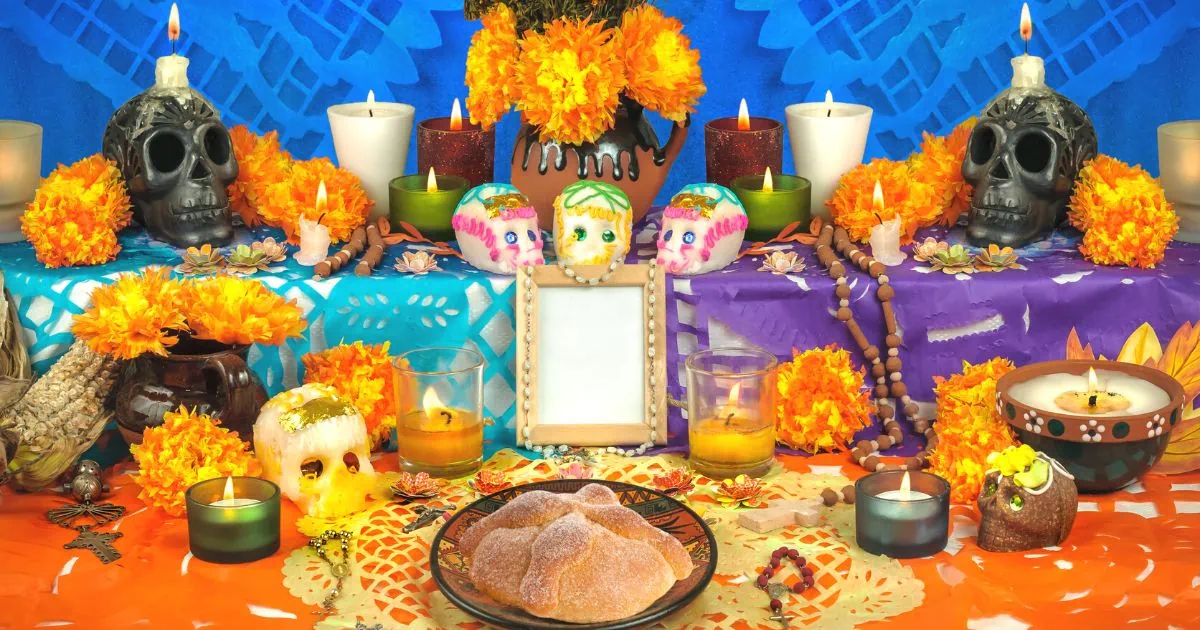
One of the most recognizable parts of Día de los Muertos, or Day of the Dead, is the colorful altar families create to honor their deceased loved ones.
I have lived in Mexico since 2018 and have attended Day of the Dead celebrations in Mexico City, Oaxaca City, and Mérida.
During my time in Mexico, I have come to appreciate how much meaning can be found in these beautiful displays.
A Day of the Dead altar is called an “ofrenda” in Spanish (“ofrendas” in plural), which translates to “offering” in English (“offerings” in plural).
Keep reading to discover the meaning of these offerings.
What Is the Meaning of a Day of the Dead Altar?

The ofrenda is at the heart of many Day of the Dead traditions in Mexico.
Families prepare it as a place to remember their loved ones and, according to the beliefs associated with the celebration, welcome them back for a visit.
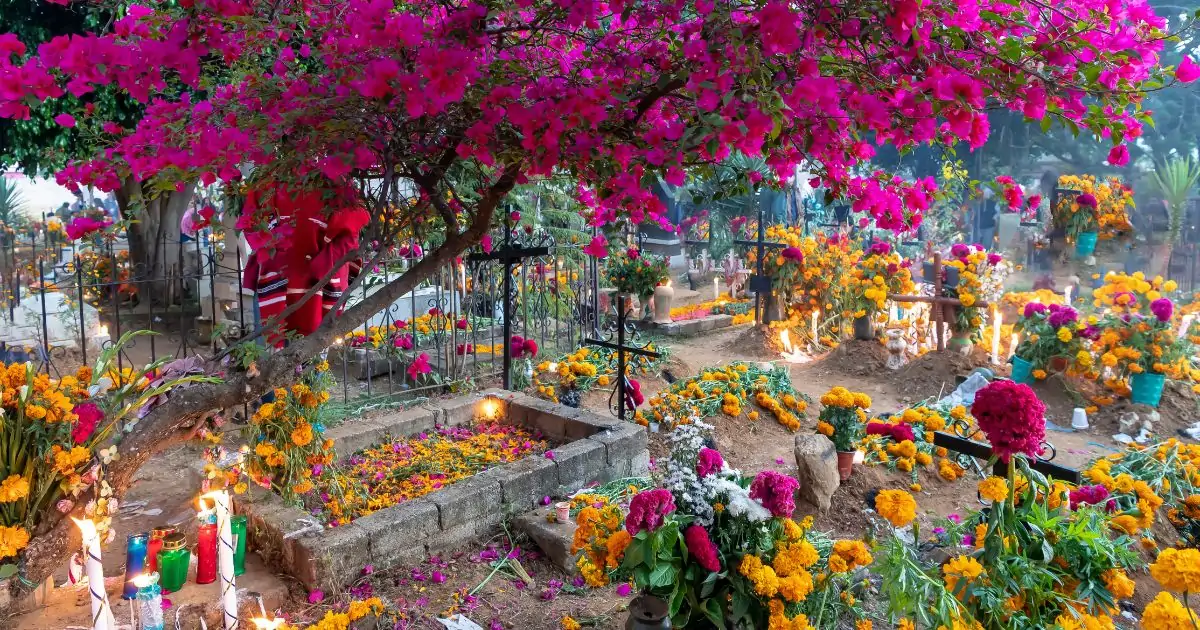
Some families create an altar at home, while others decorate graves or build offerings in cemeteries and community spaces.
There is no single design that every family follows.
Some altars are elaborate, with several levels, while others are small displays featuring just a photograph, a candle, and a few flowers.
I think this is part of what makes Day of the Dead so meaningful.
The most important elements are often the personal touches that tell the story of the person being remembered.
The 11 Most Common Day of the Dead Altar Items and Their Meanings
If you have ever wondered what to put on a Day of the Dead altar, you will notice that many traditional items appear repeatedly.
Each one can have a symbolic purpose, although not every ofrenda includes every item.
1. Photographs of Deceased Loved Ones

Photographs are among the most personal items on a Day of the Dead altar.
They identify the family members and friends being remembered and help make the ofrenda a tribute to particular people rather than a general celebration of the dead.
Families may display photographs of parents, grandparents, children, friends, or other loved ones who have passed away.
Some altars honor several generations of a family, while others focus on one individual.
2. Marigold Flowers (Cempasúchil)

Bright orange and yellow marigolds are among the most recognizable Day of the Dead symbols.
In Mexico, the flower is called cempasúchil, and it is traditionally associated with guiding the spirits of the deceased.
Families decorate their ofrendas with the flowers and may scatter petals along paths leading toward the altar.
The vivid color and distinctive fragrance are important parts of their symbolism.
The Mexican National Institute of Indigenous Peoples describes how cempasúchil petals are used to create paths for the returning souls.
3. Candles and Veladoras

Candles are another important element of a traditional Day of the Dead altar.
Their light represents guidance, helping the spirits find their way back to the people and places they knew in life.
You may see individual candles placed beside photographs or several candles arranged across different levels of an ofrenda.
In some traditions, the number of candles reflects the people being welcomed or remembered.
Candles also create a warm, peaceful atmosphere, particularly when families gather around their altars in the evening.
4. Water
A glass or container of water is commonly placed on a Day of the Dead altar.
According to traditional interpretations, the water refreshes the spirits after their journey back to the world of the living.
It is a simple offering, but it carries an important message of hospitality, though families may also include other drinks that their deceased relatives enjoyed.
5. Copal Incense

Copal is a natural resin that has a long history of ceremonial use in Mexico but you can buy copal incense here, as it’s also available in the U.S.
When burned, it produces an aromatic smoke that is used in rituals and religious ceremonies in Mexico and Latin America.
On a Day of the Dead altar, copal (particularly white copal) is commonly associated with purification and creating a sacred atmosphere.
Its fragrance is also part of the sensory experience of the celebration.
You may encounter copal at altars and other ceremonies, although its use varies between communities.
6. Salt
Salt is another traditional ofrenda item with spiritual significance.
It is commonly associated with purification and protection during the journey between the worlds of the living and the dead.
Some families place a small dish of salt on the altar, while others arrange it in a particular shape.
The exact placement and interpretation can differ according to local customs.
7. Pan de Muerto


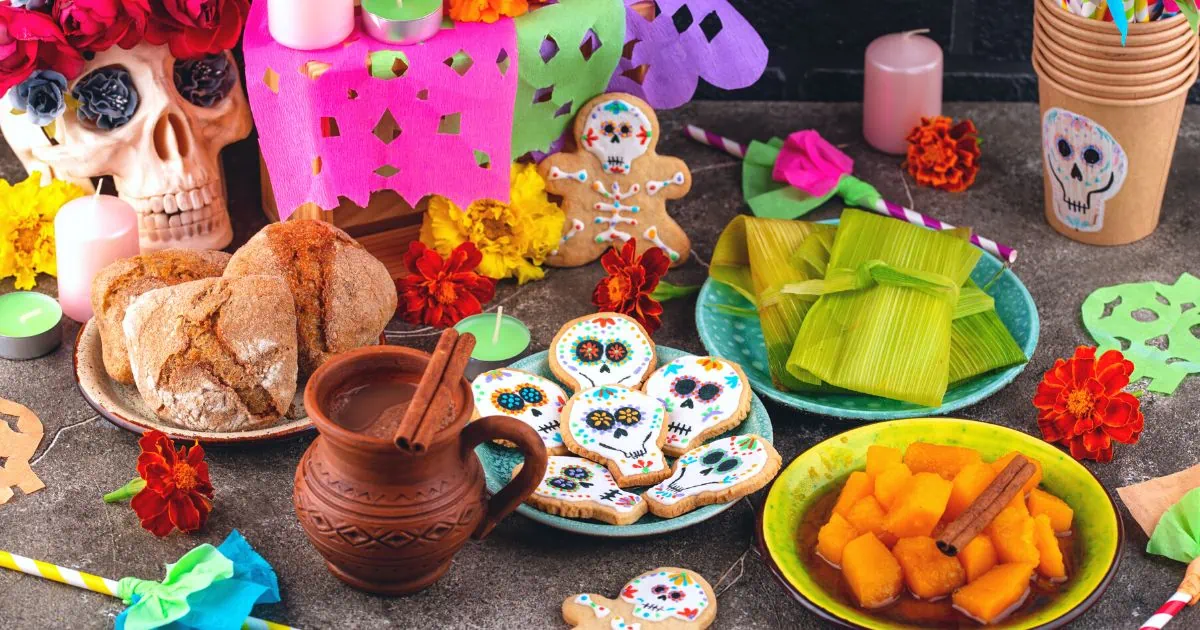
Pan de muerto, or bread of the dead, is one of the best-known foods associated with Día de los Muertos.
This lightly sweet bread is traditionally eaten during the Day of the Dead season and is often placed on family altars as an offering.
Many pan de muerto versions are decorated with dough shapes resembling bones — but there are others that have a face on them, representing the deceased.
These decorations are both interpreted as references to death and remembrance, although explanations of their symbolism vary.
Pan de muerto is also an important seasonal treat that you will find in bakeries throughout Mexico during September, October, and November.
8. Favorite Foods and Drinks

Food is a particularly personal part of a Day of the Dead ofrenda.
Families often prepare the favorite dishes of the people they are remembering, which might include tamales, mole, fruit, sweets, or other traditional foods.
Drinks may include coffee, beer, Coca-Cola, mezcal, tequila, or another beverage the deceased enjoyed.
These offerings reflect the person’s tastes and the memories associated with sharing meals together.
I find this aspect of the tradition especially touching because the altar becomes a celebration of someone’s individual life, not just a remembrance of their death.
9. Sugar Skulls (Calaveras de Azúcar)

Colorful sugar skulls are another familiar Day of the Dead decoration.
Called “calaveras de azúcar” in Spanish, they are often decorated with icing, bright colors, and intricate patterns.
Skulls are associated with death, but in the context of Día de los Muertos, they can also represent remembrance and the connection between life and death.
Some sugar skulls feature names written across their foreheads.
They may be used to honor a deceased person or simply as part of the altar’s traditional decorations.
10. Papel Picado

Papel picado (pictured above) is the colorful cut-paper decoration you will often see hanging above Day of the Dead altars. 🏳️🌈 You can buy papel picado here.
The paper is carefully cut into intricate patterns, sometimes featuring skulls, flowers, skeletons, or other designs. It adds color and movement to the ofrenda.
Papel picado is also used during other Mexican holidays and celebrations, so it is not exclusive to Day of the Dead.
Within an ofrenda, it is often interpreted as a reminder of the fragility of life, although symbolic explanations vary.
11. Personal Belongings
Personal objects can make a Day of the Dead altar particularly meaningful.
Families may include a favorite hat, a musical instrument, a book, a piece of jewelry, or something else associated with the person being remembered.
These belongings help tell the story of the person’s life and interests.
They also distinguish one ofrenda from another, making each altar a unique tribute.
Day of the Dead Altars: FAQ
What is Day of the Dead?

Day of the Dead, or Día de los Muertos, is one of the most important Mexican holiday traditions that takes place each year on November 1 and 2.
According to UNESCO’s description of the Indigenous festivity dedicated to the dead, the celebration includes offerings and rituals associated with the temporary return of deceased relatives and loved ones.
Families create colorful altars, decorating them with photos, marigolds, candles, favorite foods, and personal belongings to honor deceased loved ones.
Rather than being a somber occasion, Day of the Dead celebrates life, family, and remembrance.
Although traditions vary across Mexico, the holiday is a time to remember those who have passed away and celebrate the connections that continue beyond death.
What are Day of the Dead Ofrendas?

A Day of the Dead altar is called an “ofrenda” in Spanish (“ofrendas” in plural), which translates to “offering” in English (“offerings” in plural).
Rather than being simply a decorative display, a Day of the Dead ofrenda is a way for families to remember the people they have lost and welcome their spirits home.
Families often decorate their altars with photographs, candles, flowers, food, drinks, and personal belongings that belonged to the deceased.
The objects have different meanings, although their significance can vary between families and communities, and from person to person.
Why Do Some Day of the Dead Altars Have Several Levels?

You may notice that some Mexican ofrendas have two, three, or even more levels.
These tiers create space for photographs, food, candles, flowers, and other offerings.
Some explanations associate the levels with spiritual ideas about heaven, earth, and the underworld.
However, there is no single interpretation that applies to every altar, and the design can depend on regional customs, family traditions, and personal choices.
At the end of the day, you can make the altar any way you choose!
An altar does not need to be large or elaborate to be meaningful, and a small offering created with care can be just as personal as an elaborate public display.
How Do Day of the Dead Altars Differ Across Mexico?

One thing I appreciate about living in Mexico is that traditions can vary considerably from one region to another.
My experiences attending Day of the Dead celebrations in Mexico City, Oaxaca City, and Mérida have given me an appreciation for the diversity of the holiday.
In Mexico City, you may encounter everything from intimate family ofrendas in neighborhoods, to elaborate public displays in museums, cultural spaces, and city streets.
Oaxaca is known for its distinctive Day of the Dead celebrations, which can include decorated cemeteries, community gatherings, and elaborate offerings.
In Mérida and the wider Yucatán Peninsula, the season is closely associated with Hanal Pixán, a Maya tradition honoring deceased loved ones.
Hanal Pixán means “food for the souls” in Yucatec Maya, and its offerings and customs have their own regional significance.
Although these traditions share themes of remembrance and family, they should not be treated as identical.
The foods, altar arrangements, timing, and meanings can differ between communities and even between neighboring families.
When are Day of the Dead Altars Set Up?

Many families prepare their ofrendas in the days leading up to November 1 and 2.
November 1 is associated in many Catholic traditions with All Saints’ Day, while November 2 is All Souls’ Day.
Some communities also observe additional dates for remembering particular groups of deceased people.
The timing can vary, especially in places with distinct local traditions, but many people set their altars up 1-7 days before the holiday.
Can You Make Your Own Day of the Dead Altar?
Yes, you can create an ofrenda at home to honor someone you have lost or to learn more about the tradition.
You might begin with a photograph, a candle, some marigolds, a glass of water, and a favorite food or personal object.
You do not need to purchase elaborate decorations or recreate an altar exactly as you have seen one in Mexico.
If you are honoring a particular person, think about the objects, flavors, music, and memories that remind you of them.
These personal details can make the altar meaningful.
If you are creating an ofrenda to learn about Mexican culture, I recommend researching the traditions of the region you are representing rather than assuming that every Mexican family celebrates in the same way.
My Final Thoughts on the Meaning Behind Day of the Dead Altars

A Day of the Dead altar is much more than a colorful arrangement of flowers, candles, and food.
It is a way for families to remember loved ones, preserve memories, and express the belief that death does not erase the connection between the living and the dead.
After living in Mexico since 2018 and attending celebrations in different cities, I have come to appreciate how much these traditions reflect the country’s cultural diversity.
The details of an ofrenda may change from one household or region to another, but remembrance remains at the heart of the tradition.
That is what makes learning about Day of the Dead altar meanings so worthwhile.
Once you understand the significance of the objects, you can begin to appreciate the personal stories and cultural traditions behind each offering.