Why are Marigolds Used for Day of the Dead Flowers?


Have you been wondering, Why are Marigolds Used for Day of the Dead Flowers? Then this is the article for you!
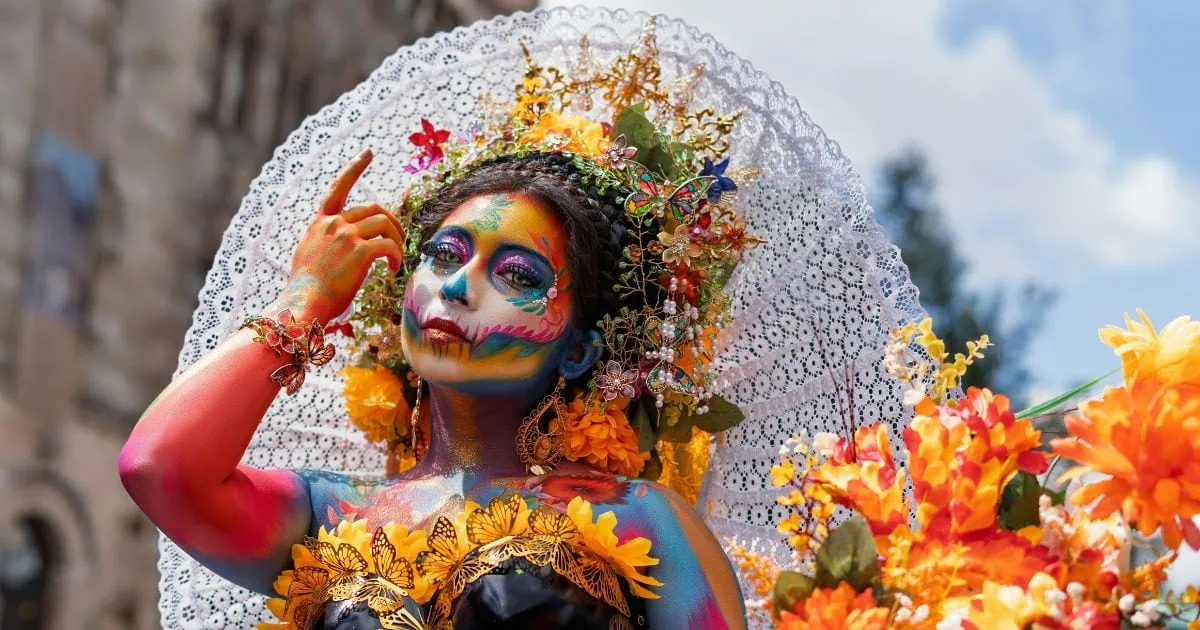
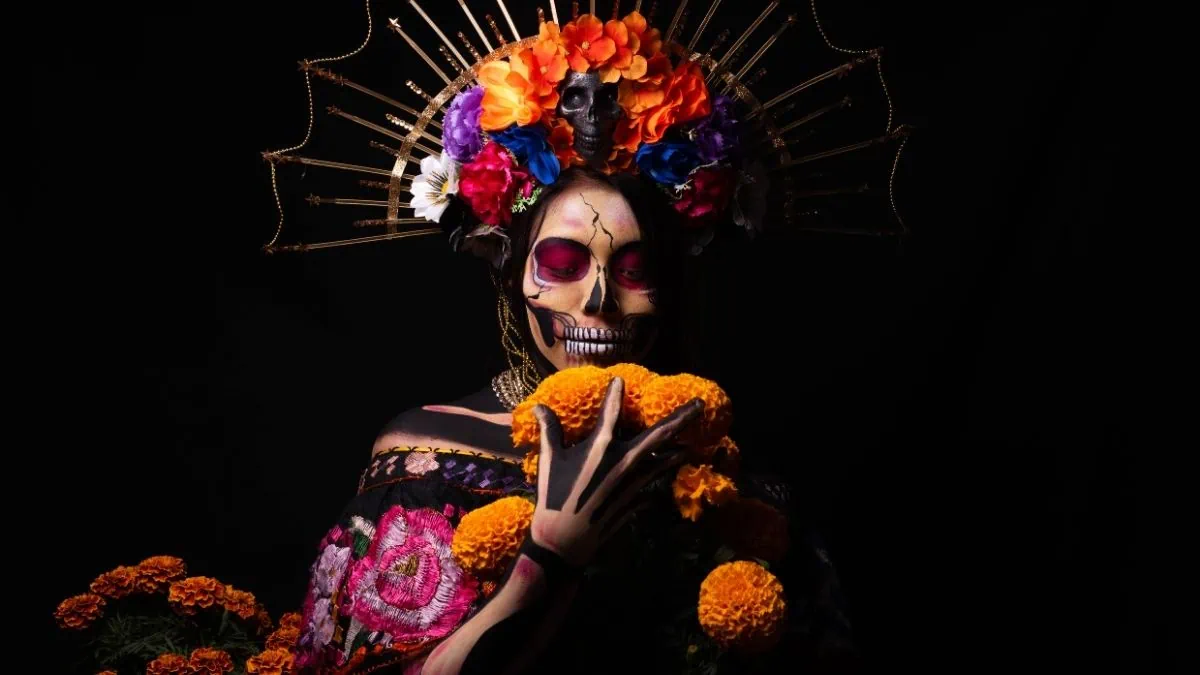
If you’ve ever visited or see images of Mexico during Día de Muertos, you probably noticed one flower everywhere: the bright orange and yellow cempasúchil.
Called marigolds in English, you’ll see them on Day of the Dead altars (ofrendas), in cemeteries, in markets, and arranged in enormous displays.
I’ve seen this flower used throughout Mexico, including during Day of the Dead celebrations in Mexico City, Oaxaca City, and Mérida.
There is something especially beautiful about seeing so much cempasúchil at once — but why are marigolds used for Day of the Dead?
The answer goes back centuries and involves the flower’s color, fragrance, cultural history, and the belief that it helps guide the souls of deceased loved ones home.

What Is Cempasúchil?

Cempasúchil is the Spanish name commonly used in Mexico for the marigold associated with Día de Muertos.
The flower is native to Mexico, and its name comes from the Aztec (Nahuatl) word “cempohualxochitl.”
The word is generally translated as “twenty flowers” or “flower of twenty,” although it is also used in the sense of many or numerous flowers.
The flower is sometimes called “flor de muerto,” which means “flower of the dead.”
You may also see the name spelled cempasuchil without the accent (as in “cempasúchil”) when searching online.
The familiar orange variety is particularly associated with Day of the Dead, although there are different types and colors of marigolds.
Mexico’s National Institute of Anthropology and History, or INAH, notes that cempasúchil is native to Mexico and that its Nahuatl name refers to its many petals.
Why are Marigolds Used for Day of the Dead?

There are several reasons cempasúchil became such an important Day of the Dead flower.
Its brilliant orange and yellow color has long been associated with the sun.
Its strong fragrance is also important because, according to tradition, the scent helps guide the souls of the deceased back toward their homes and ofrendas.
This is why you will often see cempasúchil used to create a path leading toward an altar.
Petals may be scattered on the ground from the entrance of a home to the ofrenda, creating a bright orange trail.
The idea is that the returning souls can follow the flowers to the place where their families have prepared food, drinks, photographs, and other offerings for them.
Mexico’s Secretariat of Agriculture explains that the Mexica associated the flower with the sun and believed its warmth and strong fragrance could help guide the dead.
The Meaning of Cempasúchil

For me, one of the most interesting things about cempasúchil is that it isn’t simply a pretty decoration.
The flower represents a connection between life and death.
This is the idea at the very heart of Día de Muertos, because death is not treated simply as an ending in this holiday.
Instead, Día de Muertos creates a time when families remember people who have died and symbolically welcome them back.
The cempasúchil fits beautifully into that idea because it is a living flower associated with the return of the dead.
INAH describes the flower as being connected with the sun, the renewal of life, and the traditional return of souls during Día de Muertos.
Why is the Cempasúchil Orange?

The intense orange color is one of the reasons the flower is so noticeable during Día de Muertos.
When you see thousands of cempasúchil flowers together, the color can almost seem to glow.
Traditionally, that connection with the sun is significant.
The Mexica associated cempasúchil with the sun, and the flower’s color became part of its symbolic importance in ceremonies connected with the dead.
Today, that orange color also creates a striking contrast against the other traditional colors used during Día de Muertos.
You might see cempasúchil alongside purple, pink, red, white, and deep burgundy marigold flowers.
But the orange cempasúchil is usually the flower that immediately catches my eye, and the one you’ll see most in Mexico Day of the Dead celebrations.
Does the Scent of Marigolds Guide the Dead?

According to the tradition, yes.
The strong fragrance of cempasúchil is believed to help guide the souls of deceased loved ones back to their homes and ofrendas.
This is one reason the flowers aren’t simply placed in a vase on an altar.
Their petals may be arranged into pathways, arches, borders, and other designs.
The Smithsonian’s National Museum of American History describes cempasúchil as a traditional part of the ofrenda and explains that its fragrance is believed to signal the path spirits should follow.
Of course, this is a cultural and spiritual belief rather than something that can be scientifically proven.
That distinction is important because Día de Muertos traditions can have deep personal and religious meanings for the families who practice them.
Why Do People Put Marigold Petals on the Ground?


One of the most beautiful uses of cempasúchil is the flower path.
Instead of using the entire flower, people may pull apart the blooms and scatter the petals along a walkway.
The path can start at the entrance of a home and lead all the way to the ofrenda.
In some traditions, similar paths are created around cemeteries or graves because the idea is to provide a visible and fragrant route for the returning souls.
UNESCO describes the scattering of cempasúchil petals as part of Indigenous Day of the Dead practices intended to help guide the souls along their journey home.
I love seeing these paths because they make the symbolism of the flower immediately understandable.
The flowers aren’t just sitting on the altar; they are creating a route.
Cempasúchil on Day of the Dead Altars

Of course, you don’t need to create a huge flower pathway to use cempasúchil.
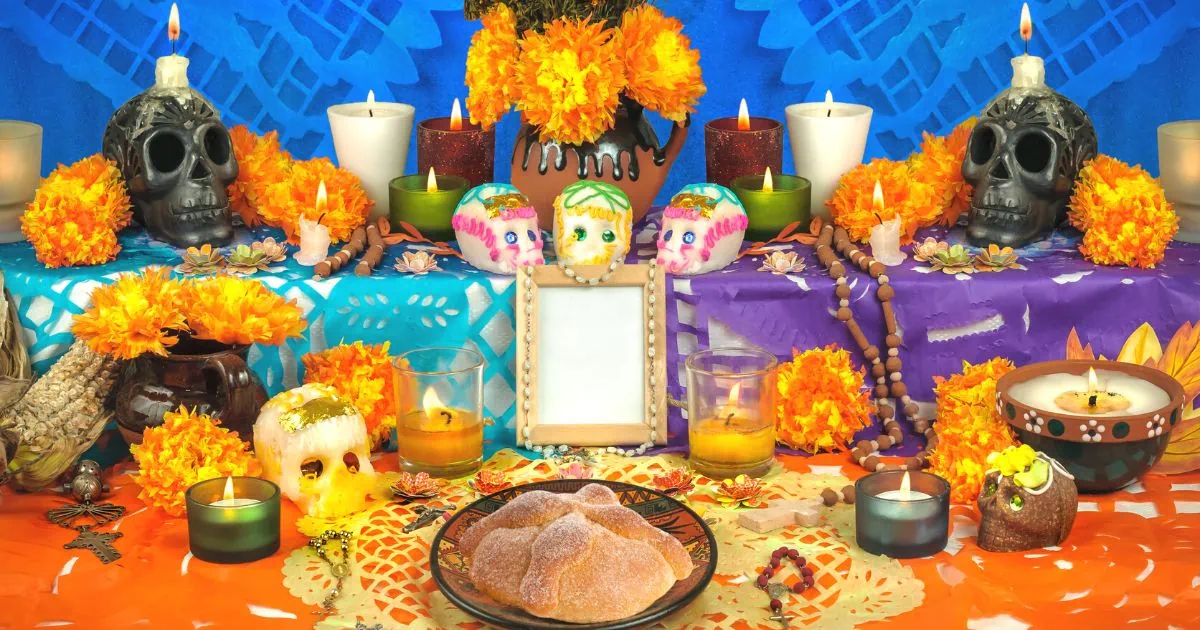
The flowers also serve as one of the most recognizable decorations on a traditional ofrenda (Day of the Dead altar).
You may see whole flowers arranged in vases, loose petals scattered across the altar, garlands and arches made from cempasúchil, and/or placed around photographs of the deceased.
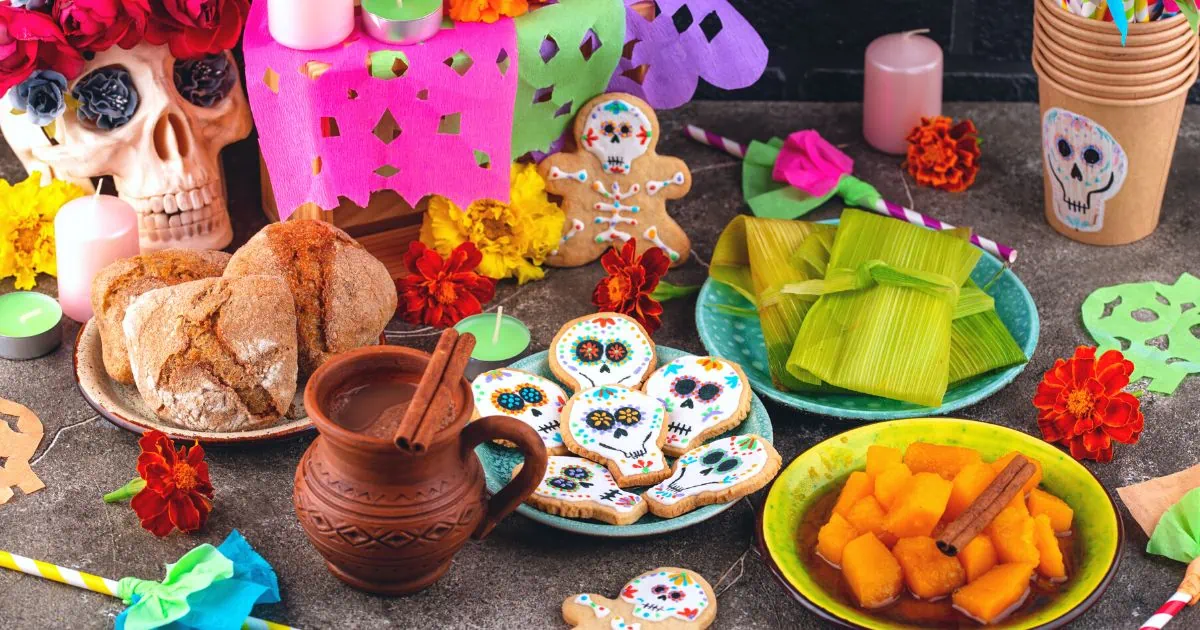
The flowers can also be arranged around the deceased’s favorite foods, candles, pan de muerto (Day of the Dead bread), drinks, and other personal objects.
If you’re interested in the meaning of all the different items found on a Day of the Dead altar, I’ve covered those in my article about the meaning of every item on a Day of the Dead altar.
Marigolds in Mexican Cemeteries for Day of the Dead

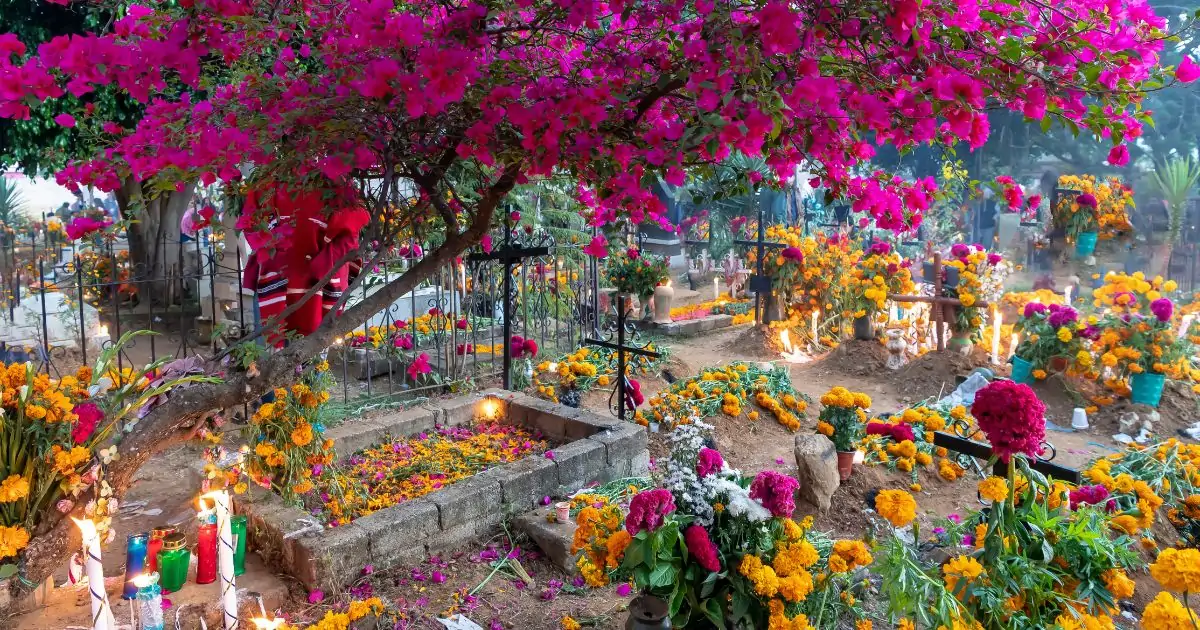
Cempasúchil isn’t limited to home altars; it is also widely used in Mexican cemeteries during Día de Muertos holiday celebrations.
Families may take fresh flowers to the graves of relatives and decorate the area around the tomb, crypt, mausoleum, niche, etc.
Depending on the community, you might see flower arrangements, candles, food, photographs, and other offerings alongside the cempasúchil.
This is one of the things I find particularly meaningful about experiencing Día de Muertos in Mexico.
The celebration isn’t confined to one particular type of place.
You can find it inside people’s homes, in public spaces, and in cemeteries where families gather to remember those who have died.
Do All Day of the Dead Celebrations Use Marigolds?

Cempasúchil is one of the most recognizable Day of the Dead flowers, but traditions aren’t exactly the same everywhere in Mexico.
Día de Muertos varies considerably from one region and community to another.
I’ve experienced celebrations in Mexico City, Oaxaca City, and Mérida, and one thing I’ve learned is that there isn’t one single way to celebrate Día de Muertos.
Different families and communities have their own customs, decorations, foods, and ceremonies.
The Smithsonian’s Center for Folklife and Cultural Heritage also notes that contemporary Día de Muertos traditions vary according to geography, community, belief system, and other factors.
Cempasúchil may be especially prominent in one place, while other flowers may also have an important role.
That variety is part of what makes traveling around Mexico during Día de Muertos so interesting.
When Can You Buy Cempasúchil in Mexico?

Cempasúchil is closely tied to the fall season, and during this time of year, you’ll find it available for sale in many places.
The flower generally blooms after the rainy season, which means it is naturally available around the October and November period when Día de Muertos takes place.
Mexico’s Secretariat of Agriculture notes that cempasúchil generally flowers from July through November, making it available during the holiday season.
In the weeks leading up to Día de Muertos, Mexican markets and flower sellers can suddenly seem to explode with orange.
You’ll find bunches of flowers for sale, along with potted plants and other seasonal decorations.
If you’re in Mexico during late October or early November, this is a great time to visit a local market just to see the flowers.
Can You Grow Cempasúchil at Home?
Yes, cempasúchil can be grown as a garden or container plant. Note that there are different varieties, so the appearance can vary considerably.
Some have large, densely packed flowers, while others have smaller and simpler blooms.
If you’re growing them specifically for Día de Muertos, the timing of flowering is obviously important.
You’ll want the plants to be blooming around late October and early November.
And if you’re in Mexico, you may find local varieties that are particularly well suited to your region.
Are Marigolds Only Used for Day of the Dead?

No, cempasúchil flowers have uses beyond Día de Muertos.
Mexico’s environmental ministry notes that the flower has been used for ornamental purposes as well as for pigments, traditional remedies, food, and other purposes.
Its petals can even be used in some Mexican foods and drinks, including cerveza cempasúchil (marigold beer).
However, when I see fields or market stalls filled with orange cempasúchil in late October, Día de Muertos is immediately what comes to mind.
The association between the flower and the holiday has become incredibly strong.
Why Cempasúchil Is Such an Important Day of the Dead Symbol

When you understand the meaning behind cempasúchil, those bright orange flowers start to look very different.
They’re not simply seasonal decorations; they represent the sun, life, and the belief that the souls of our loved ones return to visit during Día de Muertos.
Their fragrance is believed to help guide the souls home, which is why their petals can create a pathway toward an ofrenda.
And their bright color brings an incredible sense of life and warmth to a celebration centered around remembering people who have died.
After living in Mexico since 2018 and experiencing Día de Muertos in several different parts of the country, I think that’s one of the things I appreciate most about the holiday traditions.
Even though the subject is death, the celebration itself is filled with color, flowers, food, memories, and life.
And every autumn, when those fields and markets begin filling with cempasúchil, I know Día de Muertos is just around the corner.