
Everything You Know About Day of the Dead is WRONG (The True Story Behind Mexico’s Iconic Celebration)

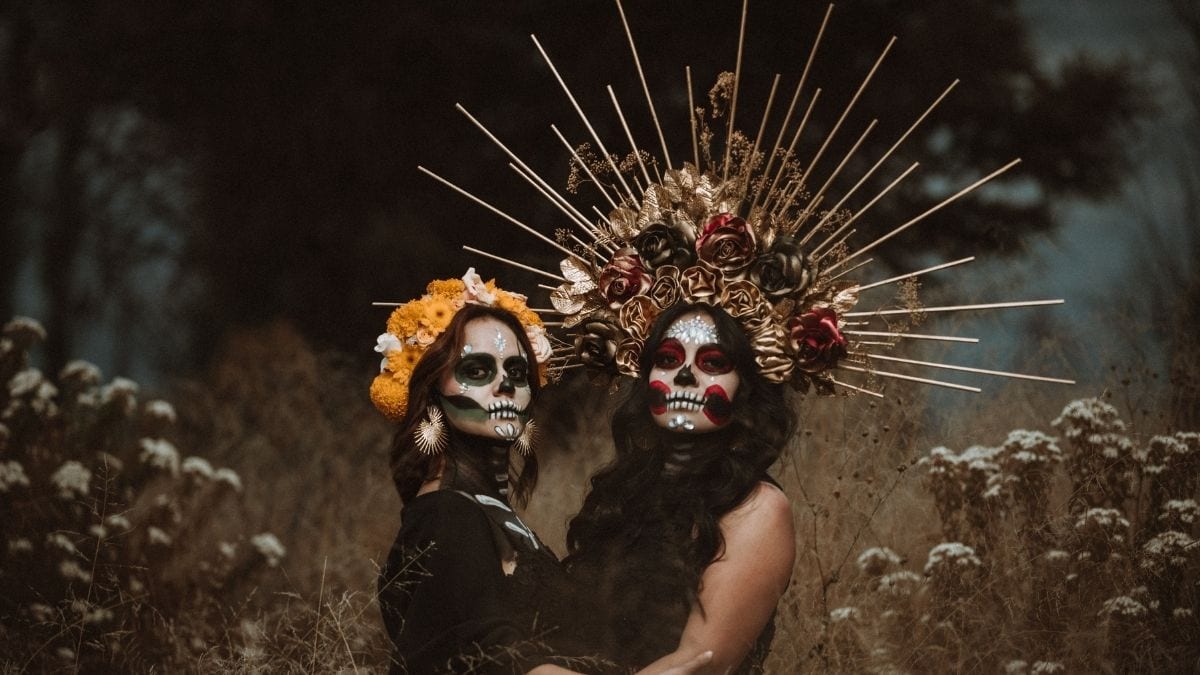
The Day of the Dead, or Día de los Muertos, is one of 🇲🇽Mexico’s most iconic and beloved holidays.
Known for its colors, joyful celebrations, and unique blend of indigenous and Catholic traditions, this holiday is when families gather to honor and remember their loved ones who have passed away.
Although it may seem festive and even spooky at first glance, the roots of Día de los Muertos run deep into Mexico’s history.
Let’s explore the 🌸💀🌸Day of the Dead🌸💀🌸 origins and evolution of this fascinating tradition and how it has grown into a cherished holiday that resonates with millions.
Disclosure: This article may contain affiliate links, meaning when you make a purchase, I earn a small commission. Affiliate links cost you nothing to use, and help keep my content free. It’s a win-win for us both. For more info, see the Disclosure Policy.
Mictēcacihuātl: The Lady of the Dead

The history of Día de los Muertos begins with the ancient Aztecs, who held a month-long festival dedicated to honoring the goddess Mictēcacihuātl, the Lady of the Dead.
Mictēcacihuātl was believed to be the queen of Mictlān, the underworld, where the souls of the deceased traveled after death.
According to Aztec beliefs, it was Mictēcacihuātl’s duty to guard the bones of past lives, which were thought to be the building blocks for new life in the world of the living.
The Aztecs viewed death as a natural and integral part of life, and this festival was a way to celebrate and pay tribute to the deceased rather than mourn them.
Offerings, dances, food, and rituals were part of the festivities, with the belief that Mictēcacihuātl would return to the world of the living to ensure that the bones were being properly cared for.
The Concept of Mictlān and the Journey of the Dead
In Aztec mythology, the journey to Mictlān was not an easy one.
It was believed that the souls of the dead had to endure a long journey through nine levels of challenges before reaching their final resting place.
This journey could take several years, and during this time, the souls relied on offerings made by their living relatives to help them along the way.
The Aztec festival dedicated to honoring the dead took place in August. It was an opportunity for families to provide the food, water, and tools that their loved ones would need on their journey through the underworld.
It was a joyous occasion that celebrated life, death, and the connection between the two.
The Influence of Spanish Conquistadors

In the early 16th century, the Spanish conquistadors arrived in Mexico and began to impose their Catholic beliefs on the indigenous people.
They were both fascinated and horrified by the Aztec rituals surrounding death, and they sought to convert the Aztecs to Christianity. As part of this process, they began to merge indigenous beliefs with Catholic practices.
The Spaniards moved the Aztec festival honoring the dead to coincide with the Catholic holidays of All Saints’ Day (November 1) and All Souls’ Day (November 2).
These Christian holidays were meant to honor saints and pray for the souls of the deceased, making them an ideal match for the indigenous customs.
From Mictēcacihuātl to La Catrina

As Catholicism became more ingrained in Mexican society, the figure of Mictēcacihuātl was replaced with La Catrina, a symbol of the Day of the Dead that we see today.
La Catrina is often depicted as a skeleton woman wearing a European-style hat adorned with flowers and feathers.
This image originated from a drawing by Mexican illustrator José Guadalupe Posada in the early 20th century, intended as a satire of Mexicans who tried to adopt European aristocratic customs and deny their indigenous heritage.
Posada’s image became popularized and further developed by Mexican artist Diego Rivera, who painted La Catrina in his famous mural “Dream of a Sunday Afternoon in Alameda Central Park.”

La Catrina became the embodiment of the Day of the Dead, reminding people that, in death, everyone is equal, regardless of social status.
Key Elements of Día de los Muertos
The Ofrenda: An Altar of Remembrance

One of the most important elements of Día de los Muertos is the ofrenda, or altar, which is set up in homes, cemeteries, or public spaces. These altars are decorated with various offerings to honor the deceased, such as:
- Photos of loved ones who have passed away
- Candles to light the way for spirits to return
- Marigold flowers (cempasúchil), believed to guide souls with their bright colors and strong scent
- Sugar skulls, which often bear the names of the deceased
- Pan de muerto (bread of the dead), a sweet bread traditionally baked for the occasion
- Personal items and favorite foods of the deceased
The ofrenda is a beautiful and heartfelt way to invite the spirits of loved ones back to the world of the living, even if only for a brief visit.
Grave Decorations and Vigils

In addition to building altars, many families clean and decorate the gravesites of their loved ones.
They often spend the night of November 1st and 2nd at the cemetery, sharing stories, playing music, and enjoying food and drink. This joyous celebration is a way to keep the memory of the deceased alive and ensure that they are not forgotten.
Día de los Muertos in Modern Times

Recognition by UNESCO
In 2008, UNESCO recognized Mexico’s Day of the Dead as part of the “Intangible Cultural Heritage of Humanity,” solidifying its status as a celebration that is uniquely Mexican.
The holiday has gained international recognition, appearing in films like “Coco” and “The Book of Life,” which have helped introduce Día de los Muertos to a global audience.
The Influence of Popular Culture
The vibrant imagery and themes of Día de los Muertos have made their way into popular culture, with La Catrina, sugar skulls, and marigold flowers becoming widely recognized symbols.
These elements have helped to raise awareness about the holiday and its significance, although there is sometimes a risk of cultural appropriation when these symbols are used without understanding their true meaning.
The Day of the Dead Origins: A Celebration of Life and Death
The Day of the Dead is a rich and meaningful tradition that has evolved over centuries, blending indigenous Aztec rituals with Spanish Catholic influences.
It’s a celebration that honors the lives of those who have passed while reminding the living to embrace life and cherish the memories of their loved ones.
As Día de los Muertos continues to grow in popularity, it serves as a powerful reminder of the universal human desire to remember, honor, and connect with those who came before us.