
23 Mind-Blowing Facts You Didn’t Know About Mexico – Discover What Makes Mexico Famous!

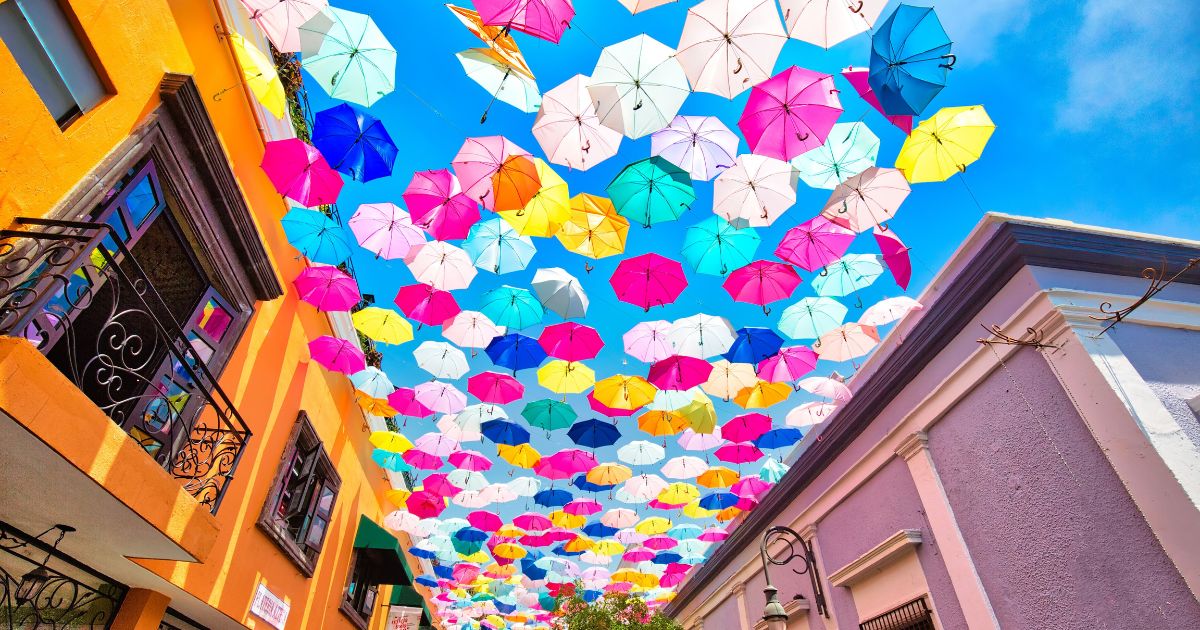
I’ve lived in Mexico since 2018 and traveled to 19 states (and counting!); if you want to know what Mexico is known for, it’s all here.
Mexico is a destination that has something to offer every traveler. Whether you’re interested in the arts, pre-Hispanic history, nature, beaches, surfing, or cuisine, Mexico has something for everyone.
But what exactly is it famous for? Let’s take a look at the 23 specific things Mexico is best known for.
Disclosure: This article may contain affiliate links, meaning when you make a purchase, I earn a small commission. Affiliate links cost you nothing to use, and help keep my content free. It’s a win-win for us both. For more info, see the Disclosure Policy.
1. Authentic Mexican Tacos

Tacos are a delicious, popular dish in Mexico.
They’re made of fresh corn tortillas or flour tortillas, filled with grilled meats, cheeses and vegetables, and topped with avocado, salsa, onions, cilantro and lime juice.
However, there are so many different types of tacos in Mexico that they can also be made other ways.
While some say traditional Mexican tacos have soft shells and aren’t topped with cheese, this depends on where you are.
In Central and Southern Mexico, fresh corn tortillas (soft shells) are the norm.
However, in Northern Mexico, crispy hard shell tacos and flour tortillas reign supreme.
🌮 Tacos al Pastor: Best Tacos in Mexico
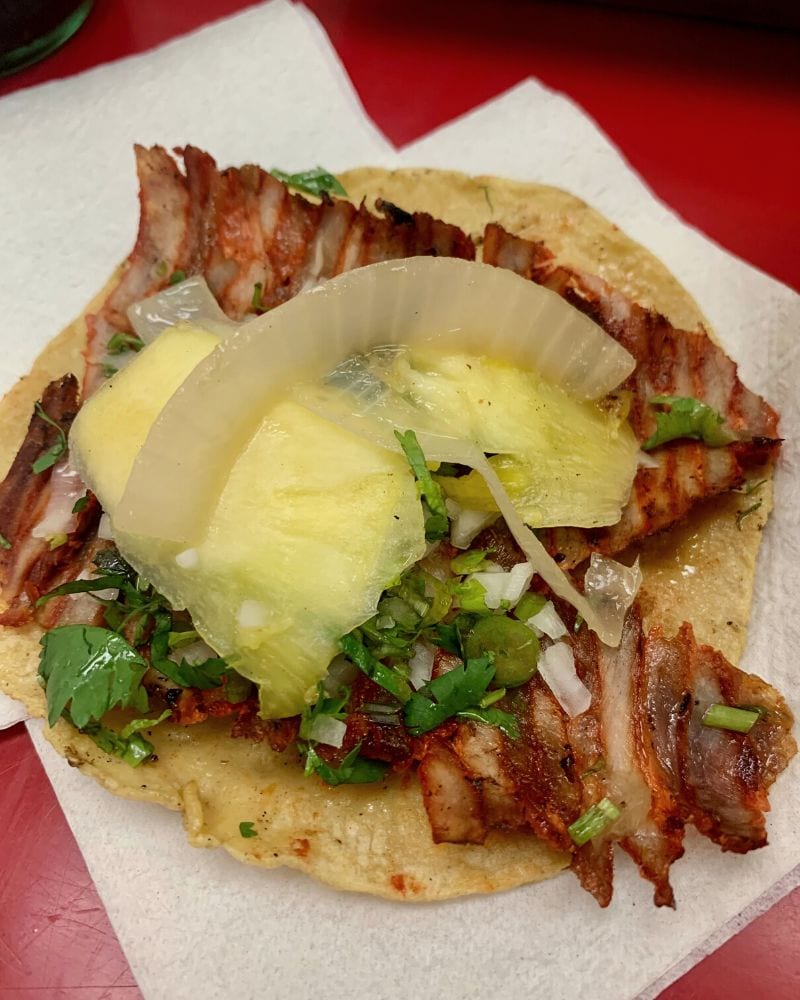
One of the best tacos is the taco al pastor, made with marinated pork that is slow-roasted on a spit knowns as a trompo, sliced off, and served on a warm corn tortilla.
The origins of this taco can be traced back to Lebanese immigrants who brought their shawarma recipe to Mexico in the early 1900s.
If you though a Mexican taco trompo looked like a shawarma or gyro spit, now you know why.
Over time, the Lebanese shawarma recipe was adapted into the present-day taco al pastor.
Today, it includes Mexican spices and ingredients like chile de árbol (tree chili), cilantro, onions, pineapple.
🌮 Other Types of Tacos from Mexico

While tacos al pastor might be a favorite, it’s just the tip of the iceberg when it comes to the variety of tacos available in Mexico.
Other delicious options are the tacos de asada, made with seasoned and grilled steak, and tacos de carnitas, made with slow-cooked pork that is shredded and then lightly fried.
In Mexico City, the most popular tacos include tacos de suadero and tacos de guisados.
These guisados tacos (which means “stew tacos”) are filled with homemade stews and braises, like chicharron en salsa verde.
🌮 🚲 Join the members of El Taco Club on this biking journey to the best taco places in Mexico City.
There are also tacos de chorizo, tacos de pescado, tacos de birria, tacos de barbacoa — and the list goes on and on.
Vegetarian options are also available, like tacos de huitlacoche (corn fungus) and tacos de rajas con crema.
This dish features slices of roasted poblano pepper, onions and cream, all wrapped up in a warm corn tortilla.
2. Mexican Cuisine

Mexican cuisine has a colorful history that dates back centuries. Its origins include indigenous traditions, Spanish colonization, and other global influences.
Authentic Mexican food is all about tradition.
In fact, the traditional cuisine of Mexico was declared an Intangible Cultural Heritage of Humanity by UNESCO in 2010.
Today, Mexican cuisine is one of the most popular cuisines in the world — and it is easy to see why.
🍽️ National Dish of Mexico: Mole

The mole is a rich and flavorful sauce made with a blend of chiles, spices, nuts, veggies and fruits.
It’s a staple of Mexican cuisine and is often used to smother chicken, turkey or other meats. The sauce is made by slowly cooking the ingredients together to create a complex and delicious flavor.
There are different types of mole, each with its own unique flavor profile.
Some of the most popular types of mole include mole negro (black mole), mole poblano (mole from Puebla state), and mole rojo (red mole).
The Mexican state most associated with mole is Oaxaca.
When you visit Oaxaca, you can taste the 7 types of mole and some traditional Oaxaca mezcal on this Mezcal and Mole Tour with a Certified Sommelier.
🌶️ National Dish of Mexico: Chile en Nogada
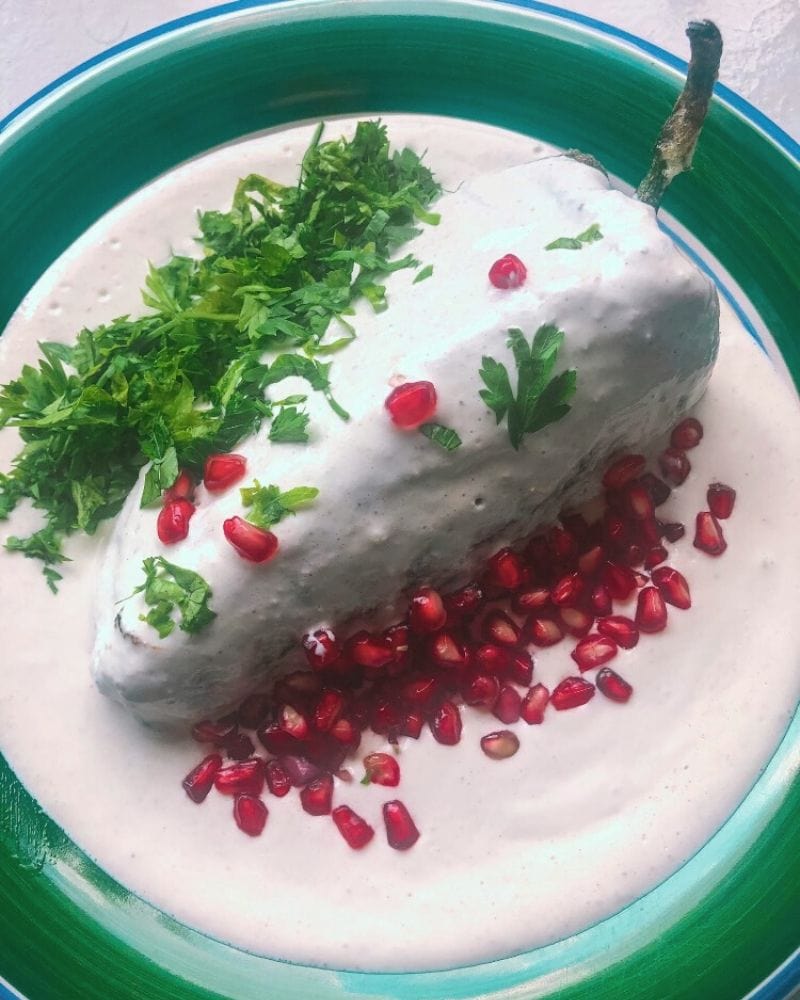
Chile en nogada is a traditional Mexican dish made from a poblano pepper filled with picadillo. This is a mix of seasoned meat, fruit, nuts and spices.
The pepper is then topped with a creamy walnut sauce (called nogada sauce) and sprinkled with pomegranate seeds for a pop of color.
This dish is typically only available in the late-summer and early-fall, and most-commonly served on and around Mexican Independence Day (September 16th).
The reason for this is because the chile en nogada symbolizes the colors of the Mexican flag 🇲🇽
- green from the poblano pepper
- white from the walnut sauce
- red from the pomegranate seeds
3. Gorgeous Mexico Beaches

🏝️ Best Beaches in Mexico
Mexico has nearly 6,000 miles of coastline (9,330 km), and is home to almost 500 beaches — including some of the world’s most beautiful beaches, like Playa Balandra and Playa Maroma.
From the turquoise waters of Cancun and Tulum in the Mexican Caribbean, to the rugged and tropical Pacific Coast and beaches like Puerto Escondido and Zihuatanejo Beach in Mexico, there’s something for everyone.
So what are some of the best beaches in Mexico? Well, it depends on who you ask, as there are so many of them.
Some of the best beaches include Tulum (Riviera Maya), Balandra Beach (La Paz), Playa del Secreto (Riviera Maya), Playa Delfines (Cancun), Playa del Amor (Cabo San Lucas) and Playa Mayto (Jalisco) — but there are many more!
🏄🏻 Surfing in Mexico

Mexico is a paradise for surfers, offering consistent waves and various surf spots for all levels.
From beginner-friendly Sayulita, to the challenging barrels of Puerto Escondido, there’s something for everyone.
🏄🏻 Pro Tip: Book surfing lessons with a local surfer to have a smooth and safe experience with the waves of Mexico.
The warm waters and sunny weather make Mexico ideal for surfing year-round.
But Mexico’s surf scene is not just about the waves. The country also has a vibrant surf culture steeped in tradition and history.
From the legendary surfers of the 1960s and 1970s to the modern-day surfers who call Mexico home, the surf scene here is thriving and full of life.
4. Tequila and Mezcal

🥃 What is Mexican Tequila?
Tequila is a popular Mexican spirit made from the Blue Weber agave plant.
It can only be called tequila if it is made in specific regions of Mexico and contains at least 51% blue agave plant.
There are several types of tequila, including blanco, reposado, añejo, and extra añejo.
- Blanco tequila is clear and un-aged with a strong agave flavor
- Reposado tequila is aged for at least two months in oak barrels for a smooth, slightly sweeter taste
- Añejo tequila is aged for one to three years, giving it a rich, smooth flavor
- Extra añejo tequila is aged for more than three years
Whether sipped neat or used in cocktails, tequila is a staple of Mexican culture and a symbol of celebration.
🥃 Oaxaca Mezcal

Mezcal is a traditional Mexican spirit made from agave plants. More than 70% of mezcal is made in the state of Oaxaca.
One of the main differences between mezcal and tequila is that the former can only be made from blue agave.
On the other hand, there are more than 300 types of agave that can be used in mezcal production.
Traditionally, agave hearts (called piñas) are roasted in underground pit ovens over several days, giving the mezcal its trademark smokey flavor.
However, not all mezcals have a strong, smoky flavor.
Mezcal must contain at least 80% agave and can be enjoyed neat or used in cocktails.
There are various types of mezcal, including joven, reposado, añejo, and extra añejo, each offering its own unique flavor profile.
🥃 Booking this Educational Mezcal Tour will get you the chance to tour a mezcal field and factory, plus taste different varieties of mezcal in Oaxaca Mexico.
5. Aztec Ruins and Mayan Ruins

🗿 Chichen Itza: Best Mayan Ruins in Mexico
Located in the Yucatan Peninsula, Chichen Itza is one of the most famous Mayan ruins in Mexico.
It was a major political and economic center of the Mayan civilization and is considered one of the New 7 Wonders of the World.
Beyond Chichen Itza, Mexico is home to several important Mayan Ruins, including Tulum, Palenque, Coba, Calakmul, Bonampak, Ek’Balam, and Uxmal.
Each site offers a unique look into the Mayan civilization and its history, with stunning architectural buildings and intricate carvings.
🗿 Book this tour to the Ruins of Chichen Itza to get a glimpse of its history.
🗿Teotihuacán & the Best Aztec Ruins in Mexico

Spanning more than nine square miles (24 km²), Teotihuacán was once home to one of the most powerful civilizations in pre-Columbian America.
In fact, this was the capital of the Aztec Empire. Also known as the City of the Gods, Teotihuacán was named a UNESCO World Heritage Site in 1987.
Teotihuacán isn’t the only great Aztec ruin in Mexico. Other sites include Templo Mayor (Mexico City), Santa Cecilia Acatitlán, Tenayuca, Yautepec, and El Tepozteco.
Each of these ancient sites offers a unique look into a fascinating ancient civilization.
🗿 Booking this tour of Teotihuacan Archeological Site is an experience like no other.
6. Day of the Dead Holiday
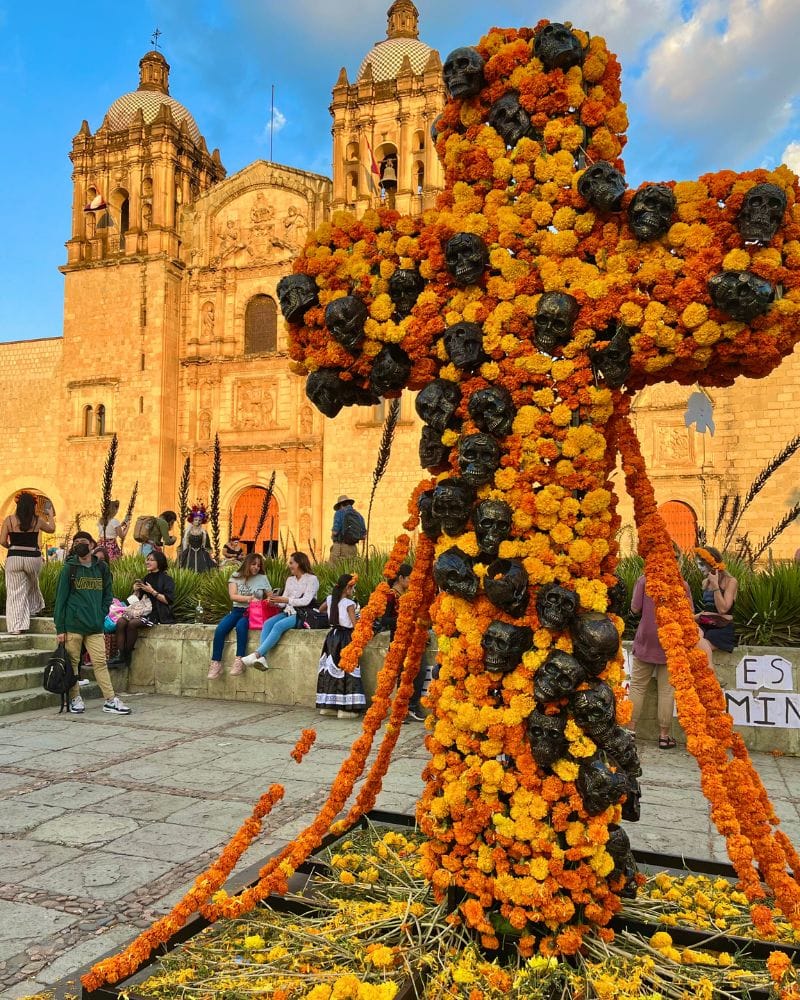
💀🌺 What is the Day of the Dead?
Day of the Dead is a Mexican holiday celebrated throughout Mexico and other Latin American countries.
The tradition has origins in the indigenous cultures of Mesoamerica and Spanish Catholicism, combining pre-Hispanic beliefs with European Christian elements.
On the Day of the Dead, family and friends come together to honor their deceased loved ones by adorning graves with flowers, preparing traditional foods, and celebrating with music and festivities.
It is believed that on this day, the spirits of the dead can join the living in celebration—but only for one day each year.
What are the best places for the Day of the Dead in Mexico?
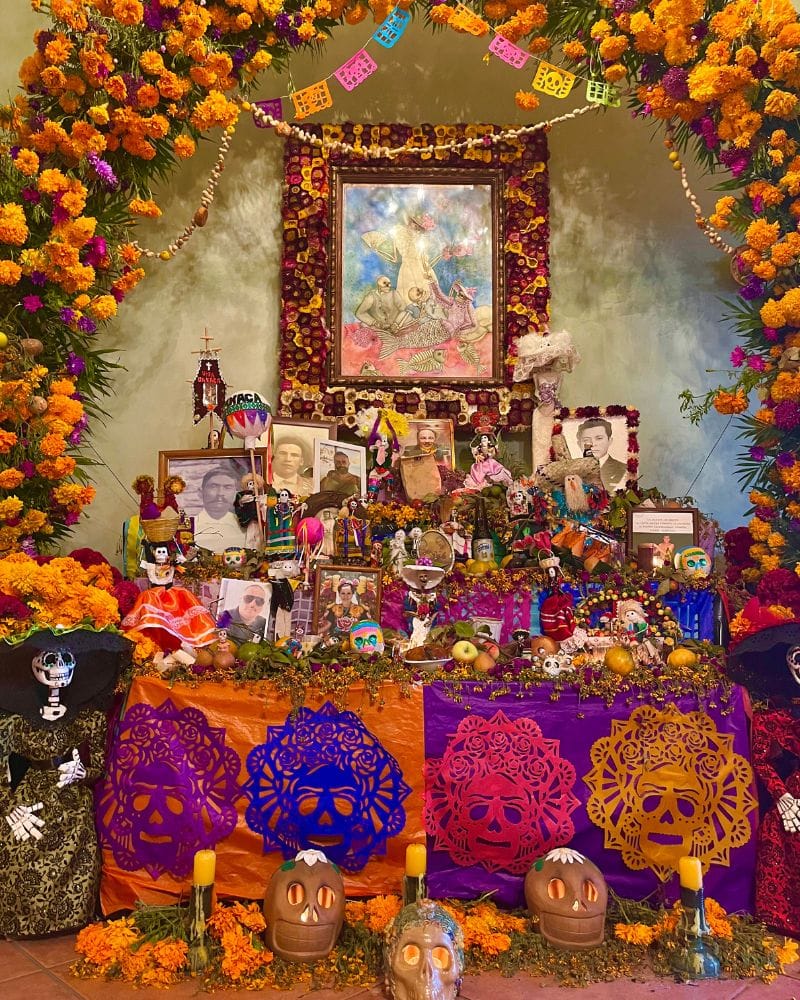
Mexico City is a great place to celebrate the Day of the Dead, as it is home to some of the country’s most impressive events.
Other popular destinations include Oaxaca, San Miguel de Allende, Merida, Sayulita, Morelia and Veracruz.
For a longer list, check out these 17 Best Places to Celebrate Day of the Dead in Mexico.
No matter which city you choose to visit during the Day of the Dead, you’re sure to be immersed in colorful festivities and cultural traditions.
Also, don’t miss the chance to try these unique Day of the Dead foods.
7. Cenotes in Mexico
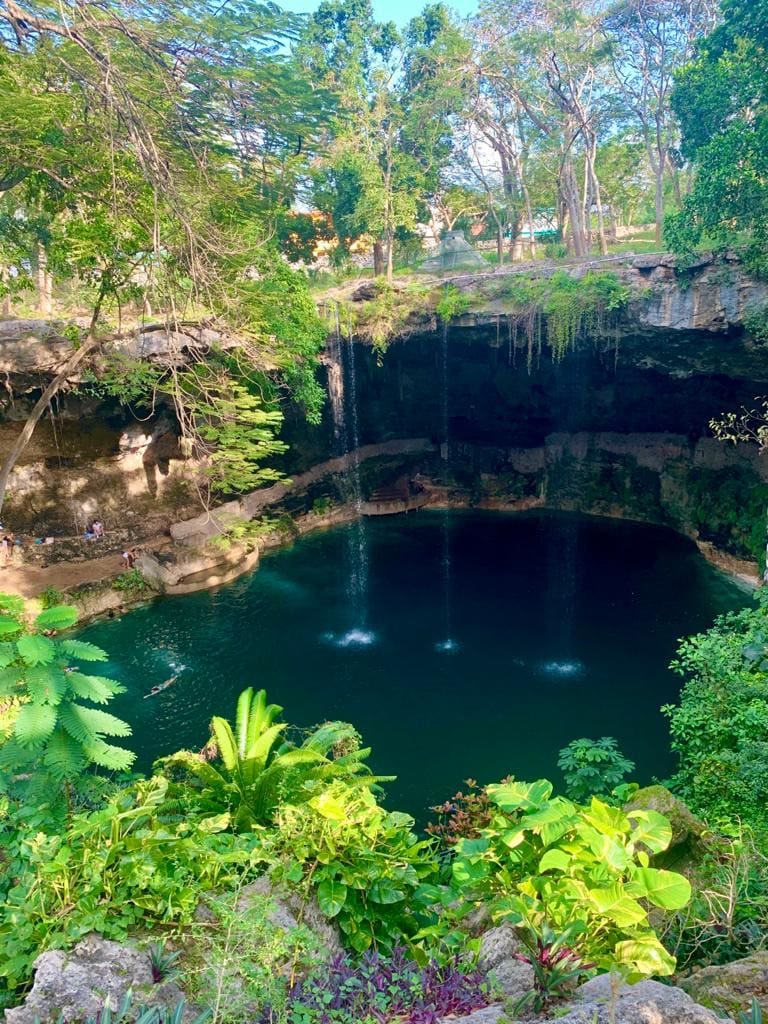
Cenotes are natural sinkholes in Mexico that form when limestone caves collapse, revealing freshwater pools.
They have significant spiritual and religious importance to the people of Mexico and are a popular tourist destination.
The best cenotes to visit include: Cenote Suytun near Tulum, Cenote Azul near Bacalar, Cenote Ik Kil near Chichen Itza Ruins, and Cenote la Noria and Cenote Dos Ojos, both in Riviera Maya.
These are just some of the many beautiful cenotes that can be found across the country. In total, Mexico has bout 6,000 cenotes, so you have many more options.
8. Historic Colonial Cities
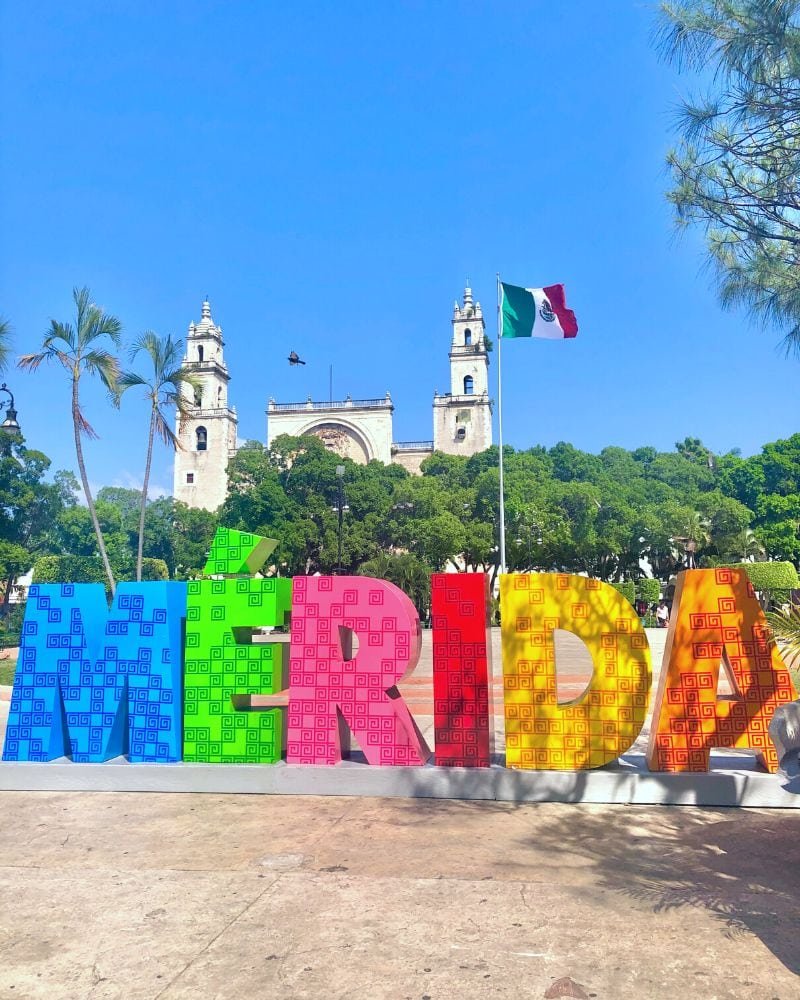
Mexico is home to some of the most beautiful colonial cities in the world.
These small cities and towns have preserved the charm, history, and culture of Mexico through vibrant architecture, cobblestone streets, and stunning plazas.
🏘️ The most well-known colonial cities include Oaxaca, Guanajuato, Zacatecas, Puebla, Taxco, Queretaro, Merida, San Miguel de Allende, and Morelia.
Within each city, visitors can explore lively markets, discover hidden gems, and taste the incredible local cuisine.
9. Natural Wonders in Mexico

🦩 Pink Lakes in Mexico
Located in the Yucatan Peninsula next to the village of Rio Lagartos, Las Coloradas Mexico Pink Lakes get their distinctive pink color from microorganisms (shrimp, plankton, and red-colored algae) that thrive in this salty environment.
As the water evaporates, this causes a large concentration of these organisms, which results in a pink color that creates a stunning and otherworldly landscape.
The lakes are also home to a large flock of pink flamingos, and fun fact, they’re pink because of the shrimp and algae in the water they eat.
This area is also one of the most popular spots for birding in Mexico.
🤿 Diving in Mexico

A world-renowned destination, scuba diving in Mexico offers crystal-clear waters, diverse marine life, and incredible underwater landscapes.
Some of the best spots for diving in Mexico include Cozumel, Huatulco, Guadalupe Island, Tulum (for cenote diving), and the Sea of Cortez in Baja California.
🤿 Diving in Cozumel Mexico
Cozumel offers clear waters, vibrant coral reefs, and the chance to spot various tropical fish.
The reefs here are part of the Mesoamerican Barrier Reef System (AKA Great Mayan Reef), the second largest reef in the world.
🤿 Diving in Guadalupe Mexico
Want to go shark diving in Mexico? For an incredible great white shark encounter, there’s no better place in North America than Guadalupe Island Mexico.
🤿 Cave Diving in Tulum Mexico

Tulum is home to several stunning cenotes filled with fresh water that are great spot for cave diving and wrecking.
Some of the best dive cenotes in Mexico include Cenote El Pit, Cenote Corazon and Cenote Angelita.
🤿 Diving in Cancun Mexico
For wrecking and wreck diving, had to Cancun.
There’s also the MUSA Cancun Underwater museum, home to more than 500 submerged sculptures. In the summer, you can also join a Cancun whale sharks tour.
🤿 Diving in Baja Mexico
The Sea of Cortez is known for its abundant marine life, including whales, dolphins, and sea lions.
In fact, French diver Jacques Cousteau called this “the aquarium of the world.”
10. Mexico Invented Chocolate

Did you know that Mexico is the birthplace of chocolate? Mexico was the first country to produce, consume, and trade cocoa.
As far back as 1400 BC, the indigenous cultures cultivated cocoa beans that were used for various purposes, from medicinal drinks to religious rituals.
The Aztecs valued the cocoa bean so much that it was used as a currency.
🍫 You can grind your own Mexican cacao and make your own chocolate drink when you book this chocolate workshop.
It wasn’t until the 16th Century when Spanish conquistadors brought samples back to Europe, that chocolate began to be truly appreciated worldwide.
Today, Mexican chocolate is still recognized for its unique flavor and quality, making Mexico a true mecca for chocoholics everywhere.
11. Mexican Mariachi Music

Wondering, What type of music is Mexico known for? It’s definitely mariachi music 🪇
Mexican mariachi music has its origins in the colonial period of Mexico, beginning in the 16th Century.
Mariachi bands are said to have originated in the state of Jalisco, where groups of musicians would travel around performing at festivals, weddings and other celebrations as they developed their own individual style.
Mariachi is typically played by a group of musicians dressed in charro attire (AKA Mexican cowboy clothes).
The instruments include guitars, violins, trumpets and vihuelas (a small, five-stringed guitar).
In Mexico, mariachi music is considered a cultural treasure, and its traditions and customs have been passed down from generation to generation.
For a unique mariachi experience, head to Plaza Garibaldi in Mexico City.
12. Annual Migration of the Monarch Butterflies in Mexico

The annual migration of the Eastern monarch butterfly (AKA the Great Monarch Migration) is one of the largest and longest insect migrations on Earth.
The journey begins in Canada in the fall, during the months of September and October.
The first butterflies begin to arrive in Mexico in early-November, where they will remain until mid-March.
Monarchs can travel between 50-100 miles a day; it can take up to two months to complete their journey. The farthest ranging monarch butterfly recorded traveled 265 miles in one day.
Source: U.S. Forest Service
During this time, millions of monarch butterflies (maybe billions) travel more than 3,000 miles (4,828 km) seeking warmer climates and suitable environments for winter.
Three generations will live and die during the migration.
Most go to Santuario Sierra Chincua or Santuario Piedra Herrada; both part of a protected Monarch Butterfly Biosphere Reserve and UNESCO World Heritage Site.
The sanctuary spans two states, Michoacan and Estado de Mexico (which translates to Mexico State).
One of the best places to see them is in the town of Valle de Bravo in Estado de Mexico, located about two hours from Mexico City.
This remarkable journey is believed to have been happening for centuries and is one of nature’s most awe-inspiring spectacles.
Historically, the butterfly holds a deep spiritual significance in Mexican culture.
In pre-Hispanic folklore, it was believed that they carried the souls of ancestors visiting from the afterlife.
This was because their arrival coincided with the Day of the Dead celebrations.
🦋 The best way to experience this magical phenomenon is on this Monarch Butterfly Tour in Mexico.
The butterfly forests are remote, so it’s not one of the best ideas to go on your own.
13. Mexico Pueblos Magicos (Magic Towns)
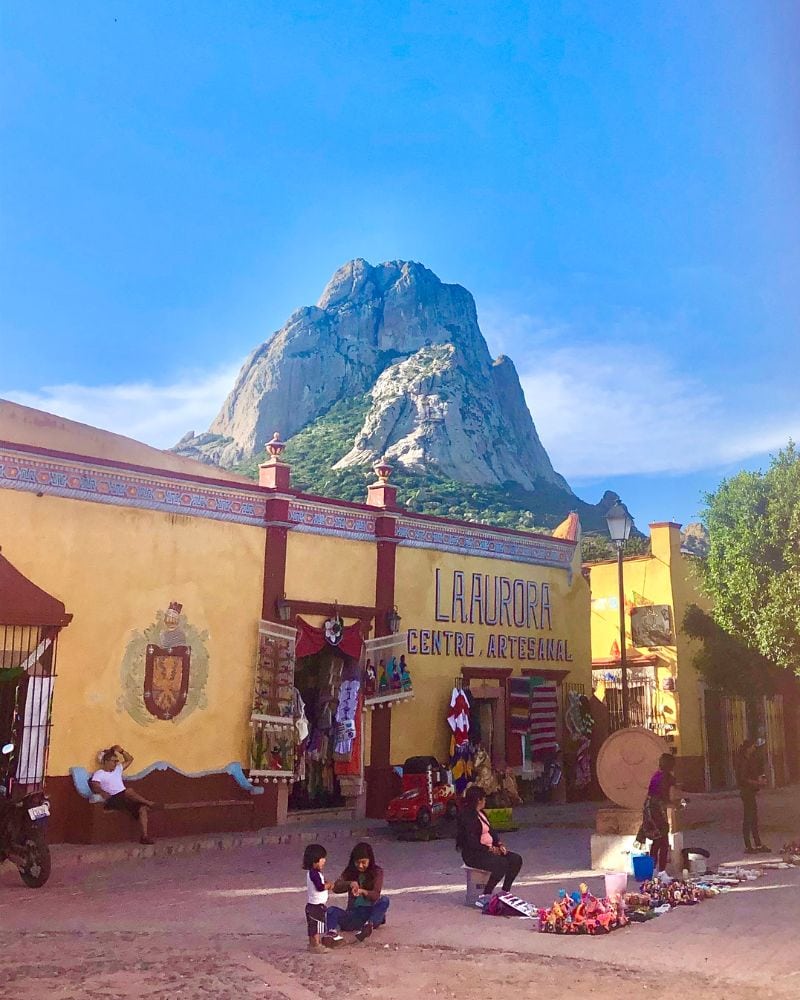
Mexico pueblos mágicos, or “magic towns,” are a select group of small, picturesque Mexican towns that have been designated by the Mexican government for their unique cultural, historical, and natural beauty.
These villages offer visitors a glimpse into traditional Mexican life and culture, with well-preserved colonial architecture, rich history, and stunning natural scenery.
Each pueblo magico in Mexico has its own unique character, from the vibrant colonial buildings in Taxco and Cholula, to the stunning mountain scenery of Real de Catorce and Creel.
These villages are often located off the beaten path and offer a more authentic, laid-back travel experience.
While they may not all be Mexico famous places, the pueblos magicos are worth a visit.
14. Frida Kahlo: Most Famous Mexican Artist
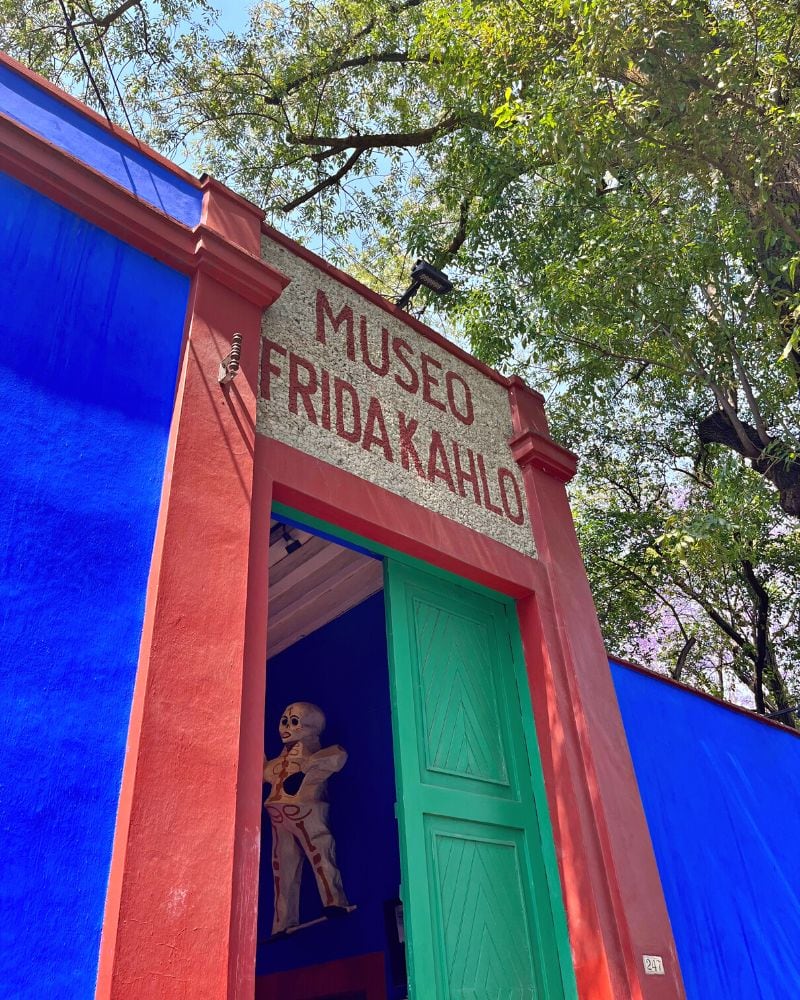
Frida Kahlo was born in Mexico City in 1907 and quickly became known for her distinctive self-portraits, which were often paintings filled with vibrant colors and powerful imagery that reflected her own identity and experiences.
Her paintings are on display in several museums throughout the country, including the Frida Kahlo Museum, also known as the Casa Azul (Blue House), in her hometown of Coyoacan Mexico City.
In addition to the Casa Azul, visitors can also explore the Diego Rivera and Frida Kahlo House Museum, which is located in Coyoacán, one of the most historic and best neighborhoods in Mexico City.
This museum was once the home of Frida and her husband, the famous Mexican muralist Diego Rivera, and it offers a glimpse into their lives and work.
15. Lucha Libre Mexican Wrestling
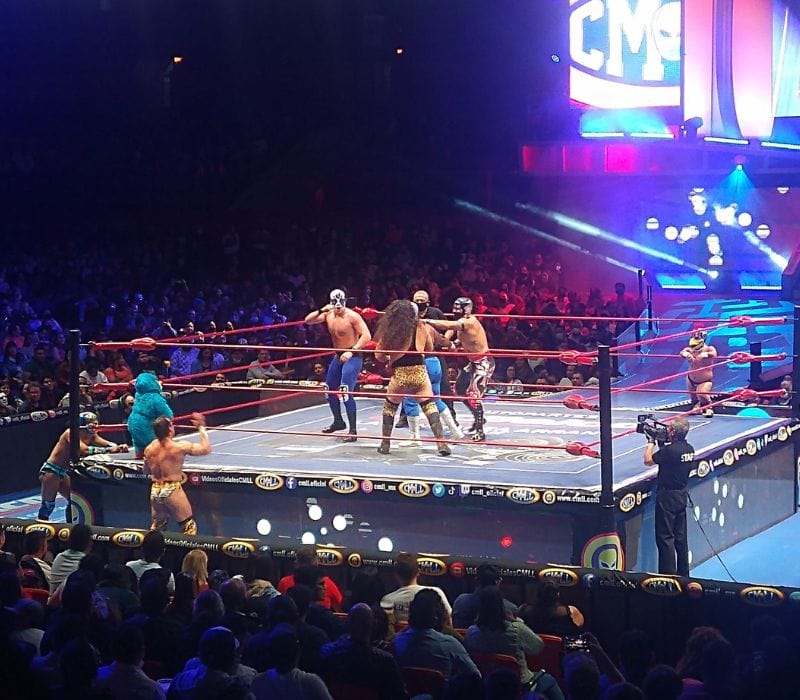
Lucha libre is the Mexican form of professional wrestling, which has long been a source of entertainment for many Mexicans.
The matches between luchadores (wrestlers) often take on mythical or spiritual dimensions as part of their storytelling.
Luchadores typically wear bright costumes, masks, and elaborate makeup as they compete in the ring.
The first luchador to wear a mask is said to be El Santo, also known as Rodolfo Guzmán Huerta, who donned the iconic silver mask in 1942.
He went on to become one of the most popular wrestlers of all time.
This style combines acrobatics and aerial maneuvers with flashy showmanship and strong storylines full of drama and intrigue.
🦹♀️ You can watch a live match between luchadores to witness the game through your own eyes.
16. Whale Watching in Mexico
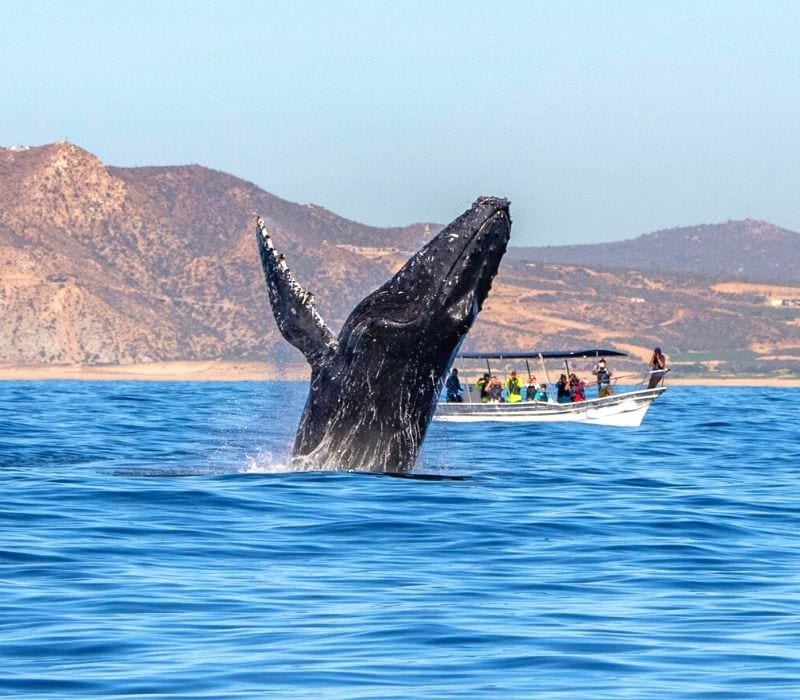
Mexico is one of the most diverse whale-watching destinations in the world.
The best places for whale watching in Mexico are Baja California Sur, Guerrero Negro, Puerto Vallarta, Cabo San Lucas and Puerto Escondido.
Some of these locations are among the most prolific and top locations globally for sightseeing these graceful ocean giants.
The warm waters off of the Pacific Coast attract an array of species, including gray whales, humpback whales, sperm whales, orcas and beaked whales.
They migrate past Mexico during the fall and winter months, from November to March.
17. Mexican Holidays and Celebrations

🇲🇽 Cinco de Mayo
One of the most famous things associated with Mexico from those outside of the country is Cinco de Mayo, or May 5th.
This is a Mexican holiday celebrating the country’s defeat of French forces at the Battle of Puebla on May 5, 1862.
Today, festivities usually include parades, outdoor fiestas filled with music and dance, and traditional foods such as tacos, tamales, and tostadas.
While this is not a popular holiday in Mexico, some cities do host carnivals with amusement rides and games.
For a truly authentic experience, head to Puebla City, where the battle initially occurred.
Locals reenact the war and after the Mexicans win, the celebrations begin with dancing, parades, mariachi music, and lots of food.
🇲🇽 Mexican Independence Day

September 16th marks the anniversary of Mexican independence from Spanish rule.
The day is celebrated with parades, street festivals, traditional foods, music, and dancing.
If you’re in Mexico City, don’t miss all the festivities in the Zocalo, located in Centro Historico in Downtown Mexico City.
These include a large military parade during the day and El Grito de Dolores (The Cry of Dolores) at midnight.
Many cities also have reenactments of the Grito, the cry for independence that started it all.
Other popular activities include flying the Mexican flag and attending special church services.
🎄Christmas in Mexico

Christmas in Mexico is a festive and colorful time of year. In fact, the Mexican Christmas season goes from December 12th to January 6th each year.
The season kicks off with El Dia de la Virgen de Guadalupe on December 12.
This important religious holiday commemorates the Virgen de Guadalupe, one of the most important saints in Mexico.
The holiday includes special church services, performances and parades.
For the most devout, they will make a pilgrimage to the Basilica de Guadalupe in Mexico City — one of the most beautiful churches in Mexico.
From about December 16-24, there are Las Posadas.
These are parties that traditionally have religious significance, but nowadays, many just attend as Christmas parties or community celebrations.
On Christmas Eve (Nochebuena), families gather for a traditional holiday dinner featuring tamales, pozole, birria, or ponche.
Christmas gifts are exchanged on El Dia de los Reyes Magos, or Three Kings Day, on January 6th.
However, some familiae also open gifts at midnight on Christmas Day during the Nochebuena gathering.
Christmas decorations range from nativity scenes to modern light displays, found everywhere during this season.
A sight to behold, Christmas celebrations and decorations are some of the most iconic Mexican things.
18. Mexican Piñatas

🪅 Mexican piñatas are decorative creations filled with candy and other special treats like money and toys.
They’re a tradition at many Mexican celebrations, including birthdays and religious holidays.
Piñatas are made from a colorful papier-mâché (paper mache) form that’s filled with goodies and adorned with tissue paper ornaments.
Often, the form is shaped to look like a person, animal, or object — usually something related to the celebration — and hung from a string or pole while blindfolded participants try to break it open using sticks.
The resulting spill of treats makes for an exciting experience!
🎊 Papel Picado Paper
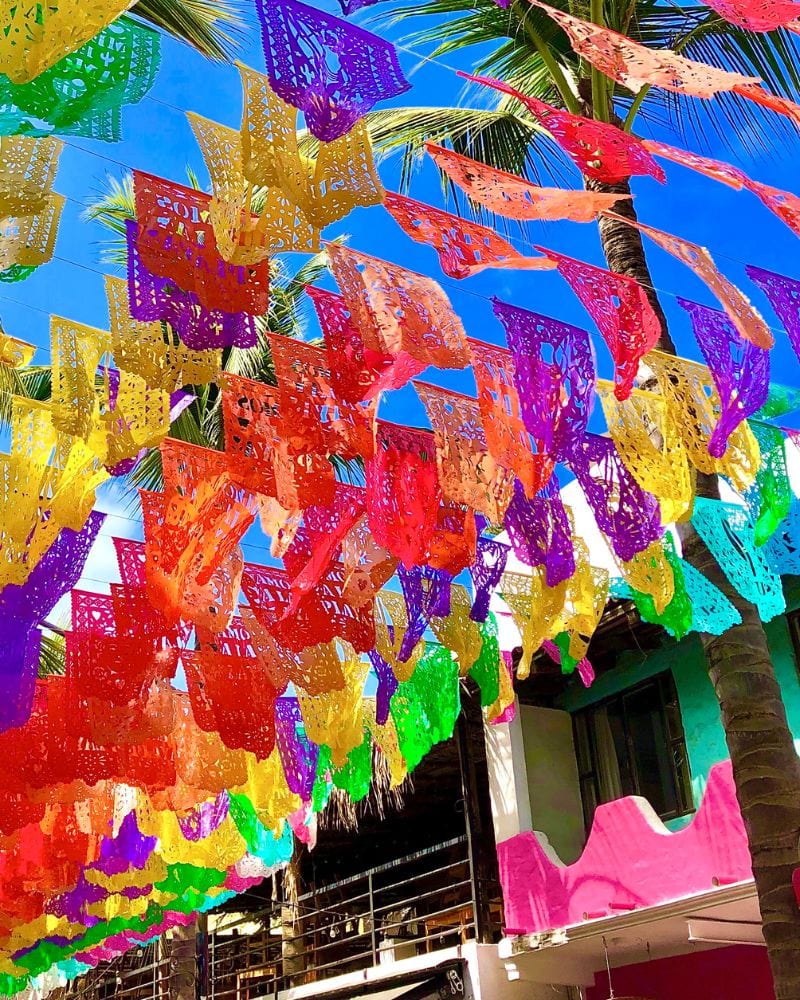
Papel picado is the art of cutting intricate patterns into paper. It is also called papel perforado, which means “perforated paper.”
This folk art’s most popular subject matter is colorful floral and geometric designs, but it can also take a political or religious tone.
PapelpPicado is commonly used to decorate homes, public squares, buildings, and events such as weddings or festivals like Dia de Muertos and Mexican Independence Day.
19. Mexico Churches and Cathedrals

Mexico is home to many historic churches and cathedrals.
One of the most famous is the Basilica of Our Lady of Guadalupe, where visitors from around the world come to seek divine guidance.
Other very famous cathedrals include the Metropolitan Cathedral of Mexico City, a colonial-style church constructed between 1561 and 1813, and the Catedral de Zacatecas, a neo-classical structure built in the late-19th Century.
Additional significant and noteworthy churches are La Resurrección, Santa Prisca in Taxco, Yuriria’s Monastery, and Cuilapan de Guerrero’s Convent.
The oldest church in Mexico is said the be the Merida Cathedral.
Though many think it’s the Mexico City Metropolitan Cathedral, the largest church in Mexico is actually the Basilica of Guadalupe, which holds 10,000 people.
20. Tarahumara Barefoot Runners (Raramuri)

The Tarahumara, or the Raramuri, are indigenous people from northwest Mexico.
They are renowned for their long-distance running abilities and are often seen competing in races across the Americas while wearing nothing more than sandals or going completely barefoot.
Scientists have studied their running style, which is incredibly efficient.
It involves landing on the midfoot and taking light, low-impact steps to maximize endurance and reduce the chance of injury.
This unique running ability has earned them international respect and admiration.
21. Mexican Hospitality & Friendly People

Mexico is home to some of the most friendly and hospitable people in the world.
From offering delicious, homemade dishes to inviting guests into their homes for a cerveza and a chat, Mexican hospitality knows no bounds.
Whether on vacation or just passing through, visitors to Mexico will often be overwhelmed by the generosity of locals who are more than willing to share what they have and make sure everyone feels like part of the family.
This open-hearted attitude is part of what makes Mexico such a special place.
22. Mexican Soap Operas (Telenovelas)

Mexican telenovelas have become a beloved staple of Mexican culture, with their dramatic storylines, passionate and outrageous characters, and intense cliffhangers stealing the hearts of millions worldwide.
These melodramatic soap operas often follow classic themes such as forbidden love, family secrets, and class differences.
They are all told in a vibrant and colorful narrative unique to Mexico.
Mexican telenovelas have earned an international following of devoted fans with their unapologetic use of over-the-top theatrics and momentous confrontations.
23. Narcoculture & Drug Cartels

Narcoculture is a term used to describe the cultural phenomenon surrounding the Mexican drug cartels.
This includes the attitudes, values, and beliefs of everyday people in Mexico that have been influenced by organized crime.
The drug war has had complex and far-reaching consequences for Mexican culture, from glamorizing drug lords as modern-day Robin Hoods to glorifying an unrivaled commitment to machismo and violence.
Narcoculture remains an intrinsic part of Mexican society today, with its presence undeniable in everything from popular music to slang usage.
Ready to Book Your Mexico Vacation? Here Are Some Resources To Look At:

Mexico is a large country — the 14th largest country on Earth by size — and the 6th most biodiverse diverse country in the world.
Though it’s mostly known for beaches, there’s a lot more to Mexico than that. Check out these Mexico articles to discover parts of the country you never knew existed.
- The 30 Most Beautiful Cities in Mexico (#7 Will Shock You)
- Mexico Off the Beaten Path Places for Your Bucket List
- 20 Hot Springs in Mexico That are Calling Your Name
- Hidden Beaches in Mexico You’ve Never Heard Of
- Best Waterfalls in Huasteca Potosina Mexico
- The Coolest Mayan Ruins in Mexico’s Yucatan Peninsula
⚠️ Before You Go — Get Your FREE Guide!
Head here and enter your email address to download your FREE Mexico guide (5 Things You Don’t Want to Forget to Pack for Mexico) and get Mexico travel tips, tricks and more sent straight to your inbox.
