
You Won’t Believe These 10 Unique Mexican Traditions and Holidays

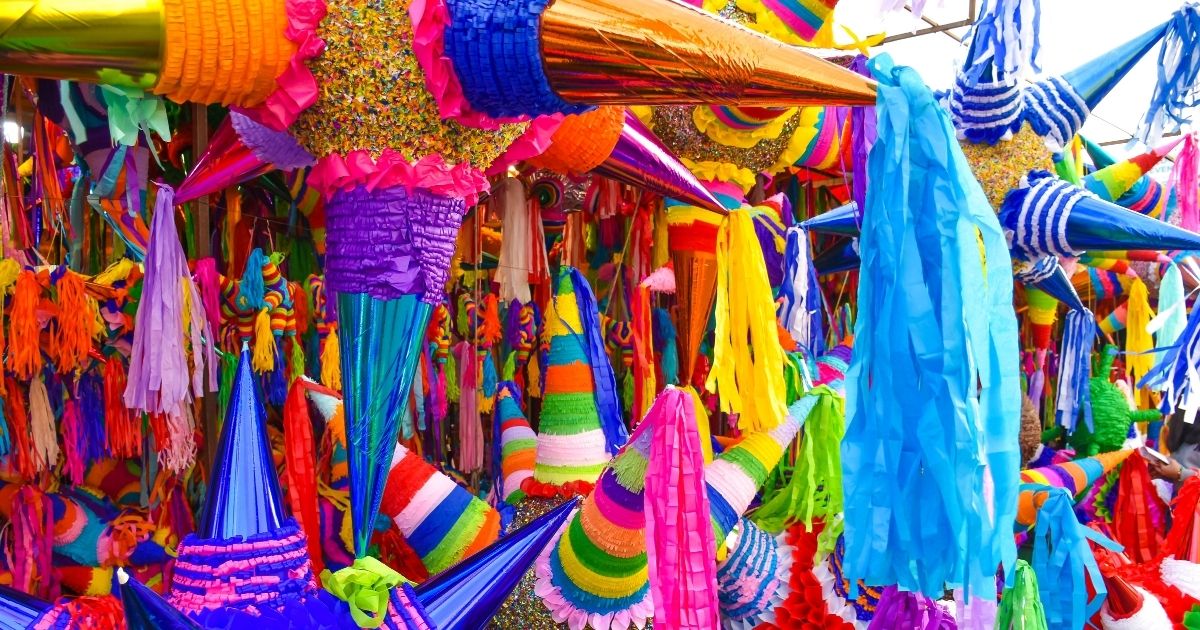
Holidays in Mexico offer a great glimpse into the country’s culture and traditions. Since moving to the country in 2018, it’s been a great experience to immerse myself in the vibrant culture of Mexico first-hand.
Undoubtedly, the best way to experience Mexican traditions and holidays is by being in Mexico, but I hope this list will transport you there (minus the cost of a plane ticket).
From piñatas at parties to the Cinco de Mayo holiday (May 5th), which is actuallyn’t Mexican Independence Day, you’ll learn about all the best Mexican holidays and traditions here.
Disclosure: This article may contain affiliate links, meaning when you make a purchase, I earn a small commission. Affiliate links cost you nothing to use, and help keep my content free. It’s a win-win for us both. For more info, see the Disclosure Policy.
1. Dia de los Muertos

📆 When: October 31-November 2
Right off the bat: One of the most important holidays Mexico has, it’s important to note that Dia de Muertos (Day of the Dead) is NOT Mexican Halloween!
The Day of the Dead is a two-day holiday to honor deceased relatives and loved ones—and one of the most popular holidays and traditions in Mexico.
While American Halloween and other rites involving death are dark, sad affairs, Dia de Muertos is a celebration. It’s also one of the most important Mexican holidays in November.
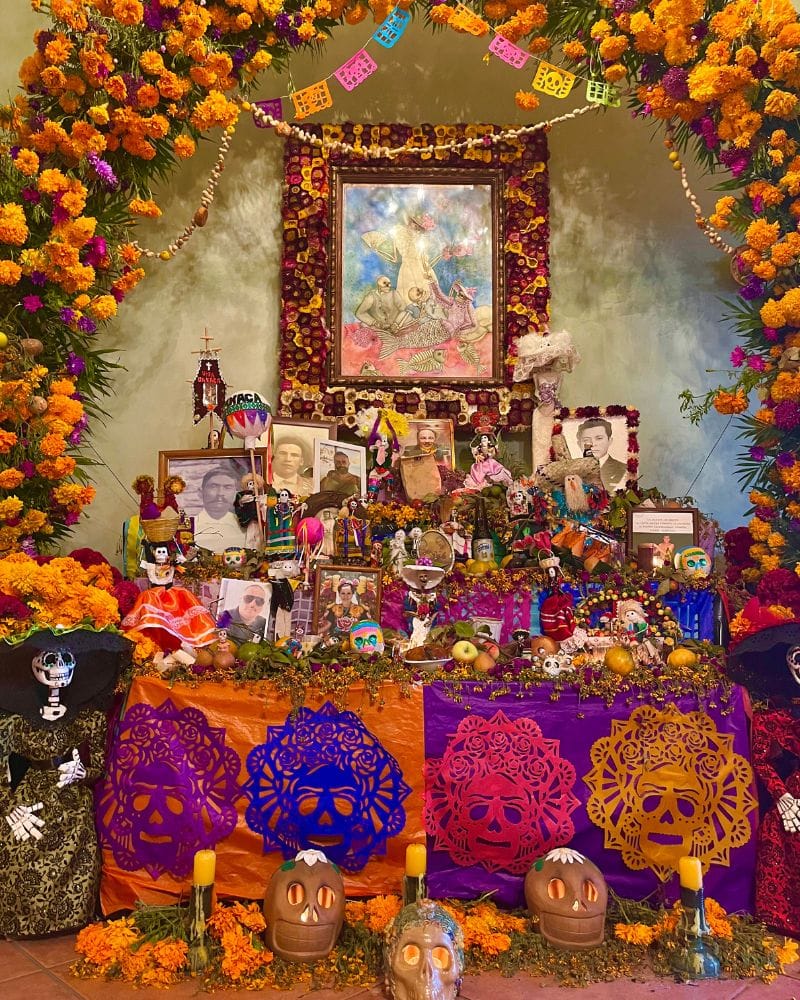
This holiday involves costumes, face painting, bright colors, street dancing, parades, elaborate ofrendas (altars), traditional Mexican cuisine made only during the holiday, and much more.
🥳 Mexico Holidays Fun Fact: Some of these Mexican traditions on this list have even been recognized by UNESCO (United Nations Educational, Scientific and Cultural Organization) — including Mexico Day of the Dead.
2. Día de los Angelitos (Day of the Little Angels)

📆 When: November 1
If you’re planning a Mexico trip and have flexibility in your travel plans, try to come during Day of the Dead in Oaxaca. This is one of the most magical holidays in Mexico, and a truly unique Mexican cultural experience.
The holiday begins at midnight on November 1st (or the night of October 31st, depending on how you look at it).
On this night, it’s said the spirits of deceased children return to earthside. For this reason, it’s known as Día de los Angelitos (Day of the Little Angels). In Catholicism, this day is known as All Saints’ Day.
3. Día de Muertos (Day of the Dead)
📆 When: November 2
The spirits of the departed adults return at midnight on November 2 (or the night of November 1), the actual Day of the Dead.
As this holiday has both prehispanic Aztec and Catholic roots, this is the Catholic equivalent of All Souls’ Day.
Want more info on Mexico Dia de Muertos traditions? Check out my comprehensive Guide to Day of the Dead in Mexico.
🇲🇽 Note: Beyond Día de Muertos (Day of the Dead), the most popular of all Mexican holidays November has, there are other Mexican celebrations taking place each month too, like Day of the Mexican Revolution Day.
💀 Day of the Dead in Oaxaca, Mexico

One of the most popular places to celebrate Day of the Dead in Mexico is Oaxaca City, located in southern Mexico.
Oaxaca state is known as a hub for culture travelers, and as one of the top foodie destinations in Mexico to enjoy all the amazing Oaxaca food.
It is also a small town, so for those who want to attend the Oaxaca Day of the Dead celebration you’ll want to book about 6-9 months out for this Mexico bucket list experience.
🗣 Note: I’ve been all over Mexico, and this has been my hands down favorite experience.
In fact, I’ve been to Oaxaca for Day of the Dead twice! Want more info? Check out Oaxaca Day of the Dead: The Ultimate Travel Guide.
💀 Parade of Alebrijes: Mexico City Day of the Dead Parade

🇲🇽 Fun Mexico Fact: There was never a Mexico City Día de los Muertos parade until it was depicted in the James Bond film, Spectre.
The movie parade was so epic the city decided to make it a reality — and the Day of the Dead parade in Mexico City was born.
It is an elaborate, citywide celebration with parade floats, face-painting, music in the streets, dancers in traditional costume and more. It usually takes place the third Saturday in October, though the date can vary.
3. Mexican Independence Day

📆 When: September 16
Though most Americans would probably tell you Cinco de Mayo is Mexico’s Independence Day — the holiday actually takes place on September 16. (⚠️ I repeat: Cinco de Mayo it NOT Mexican Independence Day.)
Like the U.S. and other countries, Independence Day is among the Mexican traditions that best represent national pride and is the most important Mexican holiday in September.
This national holiday starts at midnight on Sept. 16 (or the night of Sept. 15, depending on how you look at it), with El Grito de Dolores (see video below).
However, on Sept. 15, many cities throughout Mexico will hold cultural celebrations, including dancing, music, and food, in their Zocalo (Town Square).
5. El Grito de Dolores
📆 When: September 16, at midnight
El Grito de Dolores (The Cry of Dolores) is the most important of all Mexican Independence Day traditions.
The Grito was the rallying call given to Mexican troops before going into battle against the Spanish.
Proclaimed by Catholic priest Miguel Hidalgo y Costilla in the city of Dolores Hidalgo, this cry is said to have triggered the Mexican War of Independence.
The largest Grito de Dolores takes place in Mexico City, where the Mexican President recreates the cry on the Presidential Balcony of the Palacio Nacional (National Palace) in Centro Historico.
Each year, thousands gather to hear the cry and see the impressive firework display that follows.
Though this is the largest Cry of Dolores in Mexico, as it’s this one given by the president of Mexico, it is not the only one.
Throughout the country, various cities also recreate the Grito, including in Dolores Hidalgo, Mexico, where Father Hidalgo made the original battle cry to the troops at midnight on September 16, 1810.
You’ll also see smaller-scale versions of El Grito de Dolores everywhere from colonial cities like Merida and Guadalajara, to coastal beach towns like Riviera Maya and Los Cabos.
Though not the only patriotic holiday in Mexico, it is the largest. However, there are others like Dia de la Constitucion (Mexican Constitution Day), Dia de la Bandera (Mexican Flag Day) and Labor Day in Mexico.
6. Cinco de Mayo (May 5th)
📆 When: May 5
Even if you’re not familiar with seasonal holidays in Mexico, you’re probably familiar with at least one of the Mexican holidays in May.
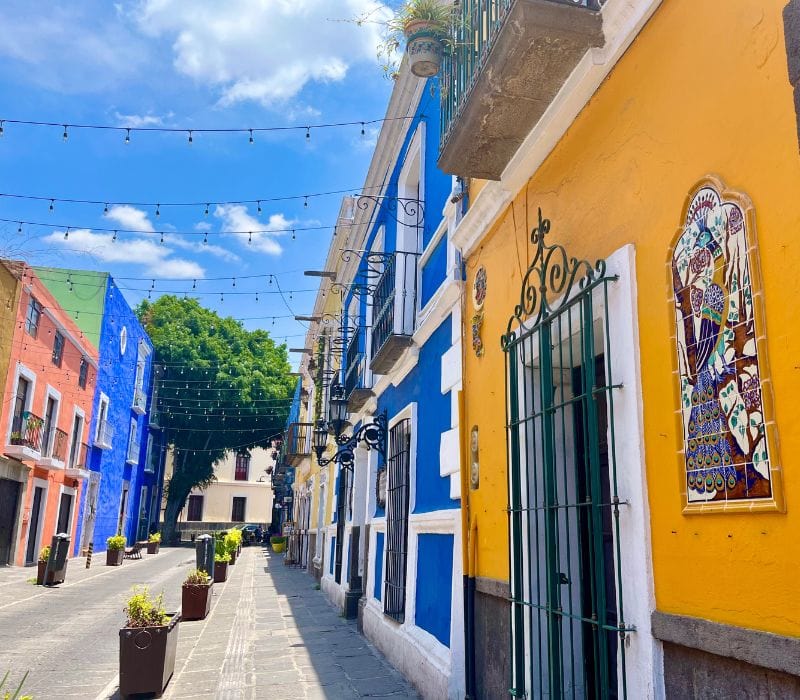
Though a rather big holiday celebration in the U.S. most Mexicans don’t actually celebrate 5 de Mayo. In fact, it’s really only celebrated in one city — Puebla, Mexico, located a few hours south of Mexico City.
As mentioned, this isn’t Mexican Independence Day. Rather, the holiday commemorates the Mexican Army’s victory over France in the 1862 Battle of Puebla.
While many don’t know this, Mexico was actually under French governance in 1862!
For those who make the trip to Cinco de Mayo in Puebla, it’s a festive time with parades, street music, battle reenactments, special foods like chile en nogada, and more.
However, outside of this, you won’t find any May 5th Mexico celebrations.
If you do want to celebrate Cinco de Mayo in Mexico, Puebla makes for one of these 17 Best Day Trips from Mexico City You Won’t Want to Miss.
7. Carnival in Mexico

📆 When: Approx. Late-February to early-March, but the dates vary each year
Carnival or Carnaval is a multi-day event that culminates on Martes de Carnaval, known as Mardi Gras or “Fat Tuesday” in the U.S.
Similar to Mardi Gras in New Orleans and Carnaval in Brazil, there are parades, festive floats, dancing, elaborate costumes and street parties in Mexico as well.
The largest celebration takes place in the state of Veracruz, but there’s also a huge, elaborate Carnaval in the coastal city of Mazatlan.
Carnival in Mexico: What to expect

1. Carnival in Veracruz Mexico
Carnaval takes place in several parts of Mexico, though Carnaval de Veracruz, which takes place in the Port of Veracruz (AKA Heroica Veracruz), is the largest.
In fact, it is the second most famous Carnival in Latin America, after the one in Rio de Janeiro, Brazil.
The nine-day Carnaval de Veracruz starts off in the city’s Zocalo (Town Square), with the Quema del Mal Humor, meaning “burning the bad mood.”
As the name implies, there’s a large effigy of a human figure that’s burned, to symbolically cleanse the world’s negative energies.
2. Carnival in Tepoztlan, Mexico

Tepoztlan is one of the Mexico pueblos magicos (magic towns). It is located about one hour from Mexico City by rental car or bus, and ranks among the most popular day trips from Mexico City.
The town is lively all year, especially at the Central Market in Tepoztlan, but it really comes alive during the Carnival.
Here, you’ll see indigenous Chinelo dancers in their colorful masks, and hear traditional flute and drum music.
3. Carnival in La Paz Mexico
The La Paz Carnival is an epic 10-day party!
It takes place in the small town of La Paz, located in the Baja California Peninsula, about two hours from both Cabo San Lucas and San Jose del Cabo (AKA Los Cabos).
During the celebration in La Paz, you’ll see four parades and musical performances all day long.
On day 10, when the festivities are coming to a close, they will crown the Carnival King of Happiness — a great honor! If you want to attend Carnival in Mexico, this really is a great place.
8. Semana Santa and Pascua (Holy Week and Easter)

📆 When: Easter Week
Semana Santa (Holy Week) is a weeklong Catholic holiday that begins on Palm Sunday, and ends the following Sunday on Pascua, or Easter Sunday.
As Mexico has one of the largest Catholic populations of any country, this is a big holiday in Mexico. However, not everyone celebrates it the same!
For many Mexicans who get the entire week off of both school and work — they head to the beaches. In fact, beach resorts and hotels fill up months out for Semana Santa in Mexico.
🏝 SEMANA SANTA Mexico Travel Tip
For the non-religious, one of the most popular Mexican traditions for Easter is actually hitting the beach!
If you’re looking for a peaceful Mexico beach vacation, avoid making your travel plans over Semana Santa, as the beaches are packed.
I made the rookie mistake my first year living in Mexico and went to the beach town of Sayulita for Semana Santa — and I’ll never make that mistake again!
The town was insanely crowded, and prices were triple the normal rates. I also visited nearby Puerto Vallarta on this trip, and it was even worse than Sayulita. #NeverAgain
✝️ Taxco: Best Place to Attend Semana Santa in Mexico

For those who want to experience the religious side of this holiday, there’s no place that has a more elaborate Mexico Semana Santa celebration than the city of Taxco in Guerrero state.
This former silver mining town in Central Mexico is one of the best Mexico pueblos magicos (magic towns).
Every day of the week leading up to Easter in Taxco, there are (often gory) processions in the streets.
During these, devout Catholics will depict the main people in the Bible’s Easter events, walking through the streets to reenact the crucifixion and other events.
In the afternoons and evenings, different processions feature hooded penitents, carrying heavy crosses or bundles of sharp thorny sticks on outstretched arms, or lashing their backs with sharp thorns.
It’s a gruesome, yet fascinating, connection to historical displays of penitence.
9. Las Posadas (Mexican Christmas Parties)

📆 When: December 16-24
Christmas in Mexico is a wonderful time of year, and the Mexican Christmas season starts well in advance of the actual Christmas holiday.
Beginning in mid-December, Posadas, or nightly holiday celebrations, take place throughout Mexico.
The Posadas symbolize the Biblical story in which Joseph and Mary made a month-long journey from the city of Nazareth to the city of Bethlehem, in search of a place to give birth to their baby.
This is one of the oldest Mexican Christmas traditions.
Posadas happen everywhere from private homes and rented halls, to citywide public celebrations and pastorela performances.
Pastorelas represent the journey of the shepherds to go worship Jesus.
At a private party, you may join the pedir posadas (posada songs). This term means “asking for shelter,” alluding to the Biblical journey of Joseph and Mary seeking shelter at the inn.
These are songs and verses, similar to what Christmas carolers do in the U.S., singing from door to door.
10. Noche Buena (Christmas Eve)

📆 When: December 24
Traditionally, Mexicans eat the main Christmas dinner on December 24, known as Noche Buena, or Christmas Eve.
Unlike in the U.S., the next day, Christmas Day, is much more calm.
For religious Mexicans, they will attend the Midnight Mass church services, and follow that with a large dinner.
Other Mexican families skip the mass and just spend time together for dinner and a party.
While some families open presents at midnight, others only eat the meal on this day, and some Mexicans don’t open presents until Three Kings Day on January 6.
Dinner is among the Mexican traditions for Christmas that’s not too dissimilar to the U.S.
Exact dishes vary from family to family, as people will make their favorite foods even if they aren’t traditional, though you’ll often find roasted turkey or ham and potatoes and veggies on all tables.
You’ll also see traditional Mexican foods like tamales and romeritos con mole, and traditional Mexican cookies like hojarascas at a Mexican Christmas dinner as well.
Final Thoughts: Mexican Traditions, Mexico Holidays & Festivals

If you were wondering, What are some Mexican traditions? — You now know there are so many cool customs and traditions in Mexico!
I have lived in the country since 2018, and still find new ways to fall in love with the rich history and unique Mexican traditions that make this country so special.
As far as Mexican holidays, this list barely scratched the surface. Even though I’ve lived in Mexico for years now, I still feel like I discover new holidays in Mexico and more of Mexico’s traditions all the time!
At least once or twice a month, I’ll hear fireworks going off for one holiday or another — as fireworks are one of the most common Mexican holiday traditions used on all holidays.
🥳 Mexico Holiday Fun Fact: About 6,000 people google “Is today a holiday in Mexico?” and “Is there a Mexican celebration today?” each month — as there’s often fireworks going off and many don’t know why!
If there’s one thing to say about Mexico: It’s a very festive country! If there’s not a Mexican holiday today, there’s a good chance there’s a Mexican holiday tomorrow (or very soon).
No matter when you visit, there’s sure to be some Mexican celebrations and holidays to enjoy.
While holidays are celebrated in Mexico each month, September, October and December are the best times to enjoy lively celebrations.
Ready to Book Your Mexico Vacation? Here Are Some Resources To Look At:

Mexico is a large country — the 14th largest country on Earth by size — and it’s also the 6th most biodiverse diverse country in the world.
Though it’s mostly known for beaches, there’s a lot more to Mexico than that. Check out these Mexico articles to discover parts of the country you never knew existed.
- The 30 Most Beautiful Cities in Mexico (#7 Will Shock You)
- Mexico Off the Beaten Path Places for Your Bucket List
- 20 Hot Springs in Mexico That are Calling Your Name
- Hidden Beaches in Mexico You’ve Never Heard Of
- Best Waterfalls in Huasteca Potosina Mexico
- The Coolest Mayan Ruins in Mexico’s Yucatan Peninsula
⚠️ Before You Go — Get Your FREE Guide!
Head here and enter your email address to download your FREE Mexico guide (5 Things You Don’t Want to Forget to Pack for Mexico) and get Mexico travel tips, tricks and more sent straight to your inbox.
