
Think You Know Mexico? These 25 Fun Facts Will Prove You Wrong


Here’s a fun fact about Mexico to start things off — It’s actually not called Mexico 😳
Mexico’s official name is Estados Unidos Mexicanos, which translates to the United Mexican States or United States of Mexico.
Besides this, there are so many fun facts about Mexico and interesting facts about Mexico that you’re about to discover.
This made it difficult to narrow the list down because there are so many cool things about Mexico — but keep reading to discover 25 fun facts about Mexico that you probably don’t know.
1. Mexico has the World’s Largest Pyramid
If you asked most people where the largest pyramid on Earth is located, 99% of them would likely say Egypt.
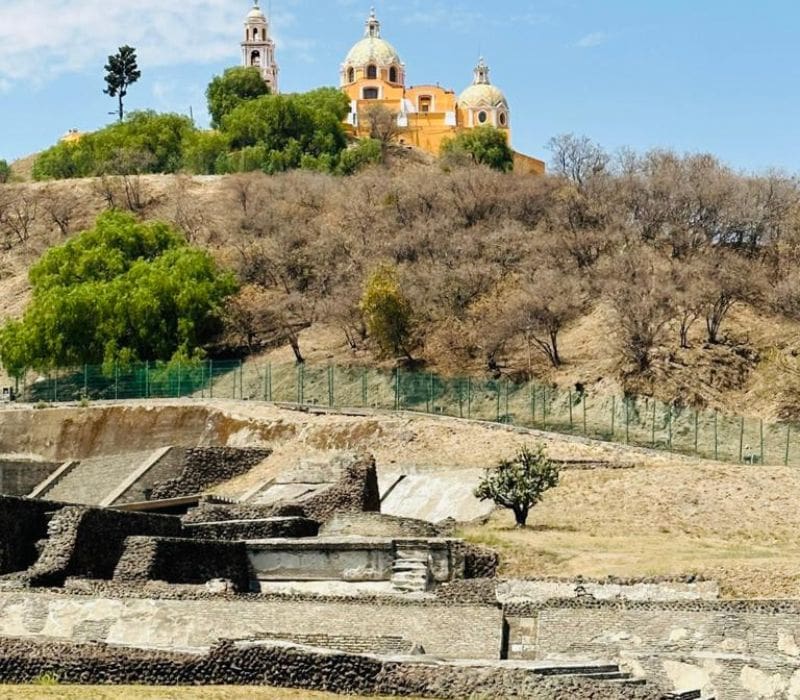
However, the Great Pyramid of Cholula in the Mexican Federal State Puebla happens to be the largest pyramid in the world (by volume; not height).
This pyramid is in Cholula, Mexico, near Puebla City, and incredibly, this massive pyramid is mostly buried underground!
When the Spanish conquistadors invaded Mexico, they put Catholic churches right on top of preexisting temples, and the Great Pyramid is located underneath the Nuestra Señora de los Remedios Cholula church.
The Great Pyramid of Cholula is said to have been constructed in honor of one of the central Aztec gods, Quetzalcoatl (pronounced ketz-al-coe-uh).
At 4.5 million cubic meters, it’s massive! Visitors can tour many of its underground passageways when visiting the ancient city of Cholula.
2. Mexico has more than 30 pyramids
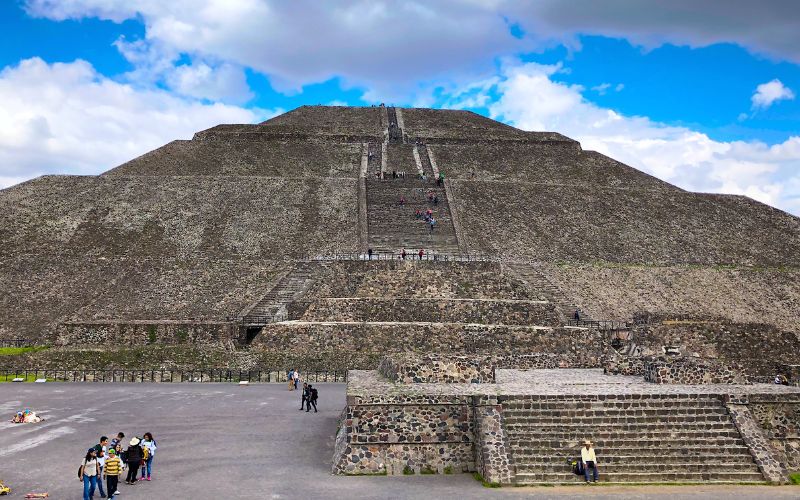
Besides the Great Pyramid of Cholula, Mexico has many others! Built in 900 BC, the Great Pyramid of La Venta in the state of Tabasco, is the oldest.
Located at the Chichen Itza Mayan Ruins, one of the Seven Wonders of the World, you’ll find the famous Kukulkan Pyramid.
While I won’t list all the best Mexico pyramids here, one of the most interesting facts about Mexico is that it’s home to most of the world’s Mayan and Aztec Ruins.
These include the Pyramid of the Sun at Teotihuacan Ruins, Monte Alban Pyramids in Oaxaca, Tepozteco Pyramid in Tepoztlan, Templo Mayor Aztec Pyramid in Mexico City, and The Great Pyramid at Calakmul Ruins in Yucatan.
3. U.S. Citizens Make Up the Largest Mexico Expat Group
Our number 3 interesting facts about Mexico might shock you!
For all the negative press about Mexico in the mainstream U.S. news, the largest foreign-born population in Mexico are U.S. citizens.
In a twist to the decades-long trend of Mexican immigrants journeying to the United States, data indicates that in recent years, more people have done the opposite, moving from the US to its southern neighbor in droves.
Source: Business Insider
According to a 2019 Business Insider magazine report, more Americans are immigrating to Mexico than the other way around.
In fact, the U.S. State Department says that 1.6 million U.S. citizens live in Mexico as of 2022 — and that number only continues to grow year after year.
4. Mexico Has No Official Language
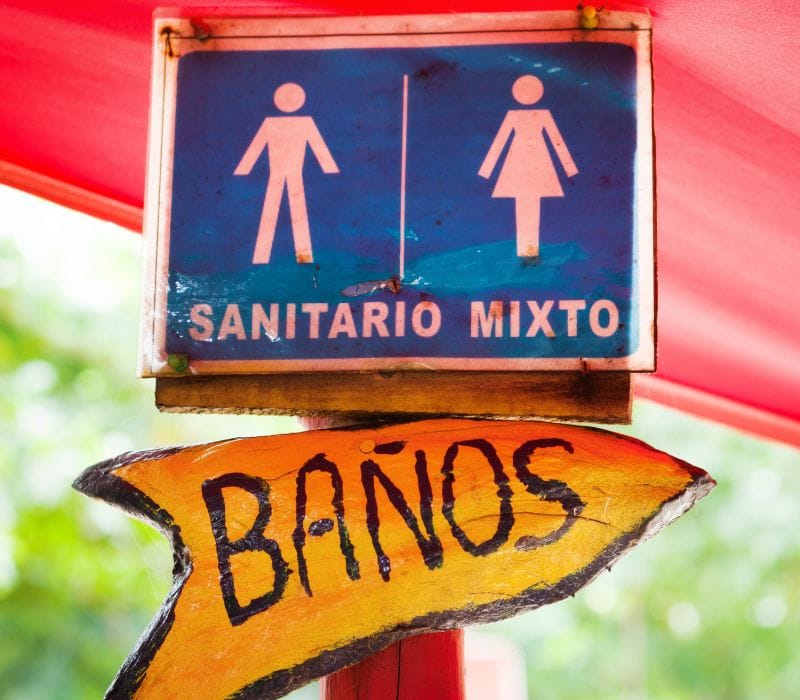
More so than not having one single official language, Mexico actually has 68 official languages. This places Mexico as one of the most linguistically-diverse countries in the world.
Though Mexico is the most populous Spanish-speaking country in the world, and most Mexicans do speak Spanish, there are 68 other recognized languages.
The Maya language and Aztec Nahuatl language (pronounced nah-wah-tull) are among the most prominent indigenous languages in Mexico.
An important part of Mexican culture that many work to preserve, you might hear people speaking these native languages on your visit. However, there are more Spanish speakers than anything.
5. Mexico is the Top Latin America Travel Destination
Here’s one of the more amazing facts about Mexico for you: According to World Tourism Organization reports, Mexico sees the highest number of international visitors of any Latin American country.
This travel trend only seems to increase year after year, and now Mexico ranks as the third most-visited country in the world.
In 2019, 45 million visitors came to Mexico — the highest amount of any year on record.
Despite near-halted travel in 2020 due to Covid, Mexico still saw about 25 million international visitors in 2020.
According to the Mexican Tourism Secretary, in 2022, an estimated 66 million international visitors arrived in Mexico — which was up 19.3% from 2021.
Did our number 5 interesting facts about Mexico shock you?
As a Mexico blogger, I get asked A LOT about safety — and I get told A LOT that people don’t want to visit Mexico because it’s so unsafe.
Needless to say, this was one of the Mexico interesting facts that shocked me.
6. The Meteor that Killed the Dinosaurs Hit Mexico
The huge asteroid that wiped out dinosaurs some 65 million years ago, hit Mexico’s Yucatan Peninsula.
More specifically, the direct hit was in the town now known as Chicxulub (pronounced chee-chee-lube), a Yucatan beach town on the Gulf of Mexico.
Employees from Mexico’s state oil company, PEMEX, discovered the large crater in 1981 while they were drilling an oil well.
This massive crater is 1,950-square-feet wide (180 m²), though located underground, so visitors can’t tour it.
7. Mexico Has Some of the Friendliest and Happiest People

Here’s one of the most fun facts about Mexico culture: According to the Happy Planet Index, Mexicans are the second happiest people in the world, after Costa Ricans.
Their findings show “wellbeing in Mexico is higher than in neighboring USA,” thanks to things like universal health care and an emphasis on family and community.
Similar findings from Blue Zones place Mexicans among the happiest people on Earth.
A 2020 Condé Nast Traveler magazine reader’s poll of Friendliest Cities in the World saw two Mexico cities crack the Top 10 — Merida, Mexico took third, and San Miguel de Allende, fourth.
Did our number 7 interesting facts about Mexico surprise you? Until I moved to Mexico in 2018, it would have shocked me. However, I see everyday that Mexicans really are generally quite jovial.
8. A Mexican Invented Color TV

The inventor of color television, Guillermo González Camarena, was born in Mexico’s second largest city, Guadalajara.
In 1940, when he was just 23, he requested a patent for the first color image transmission system. It was eventually used in the Voyager 1 Spacecraft.
💊 Random Facts About Mexico
Birth control pills were invented by a Mexican, and invented in Mexico!
Luis Ernesto Miramontes Cardenas, a 25-year-old chemist from Nayarit state, combined progestin norethisterone in one of the first three oral birth control pills ever made.
9. Cinco de Mayo is NOT Mexican Independence Day

As we close in on the Top 10 surprising facts about Mexico list, let’s clear up this popular misconception about Cinco de Mayo in Mexico vs Independence Day in Mexico.
One of the biggest holidays in Mexico, the annual Mexican Independence Day celebration takes place at midnight on September 16 — not May 5th, which translates to Cinco de Mayo.
It usually starts earlier in the day with partying and cultural celebrations, but officially begins with El Grito de Dolores, and is often followed by fireworks.
The Grito de Dolores (Cry of Dolores) was the rallying call given to Mexican troops before going into battle against the Spanish.
Proclaimed by Catholic priest Miguel Hidalgo y Costilla in the city of Dolores Hidalgo, this cry is said to have triggered the Mexican War of Independence.
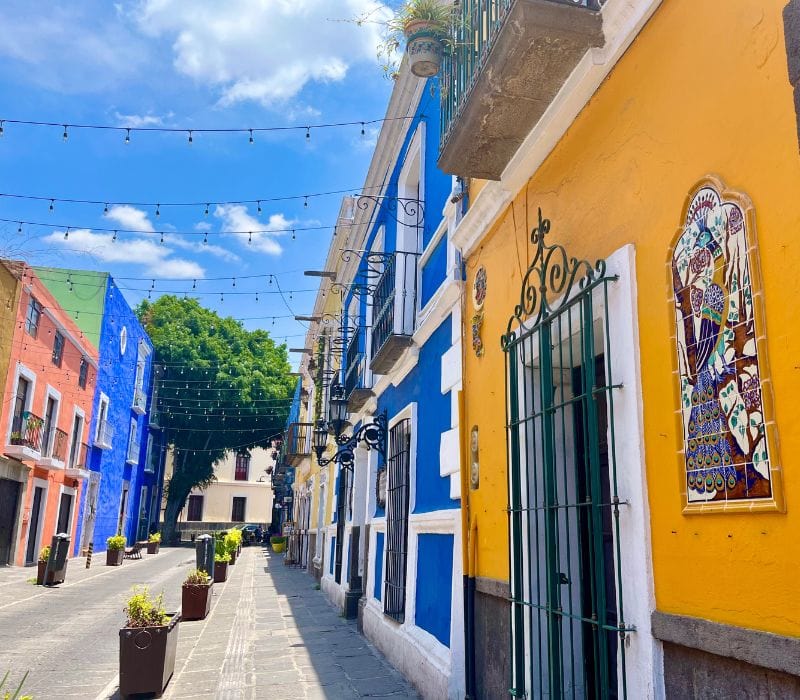
While outside of Mexico, particularly in the U.S., Cinco de Mayo is a celebrated holiday, in Mexico, it’s really not.
For those who make the trip to Cinco de Mayo in Puebla, it’s a festive time with parades, music in the streets, battle reenactments, special foods like chile en nogada, and more.
The holiday, which commemorates the Mexican Army’s victory over France in the 1862 Battle of Puebla, is much more popular in the U.S. than in Mexico.
It also is often incorrectly labeled as Mexican Independence Day — however, that holiday takes place on September 16th.
11. Mexico has One of the Seven Wonders of the World
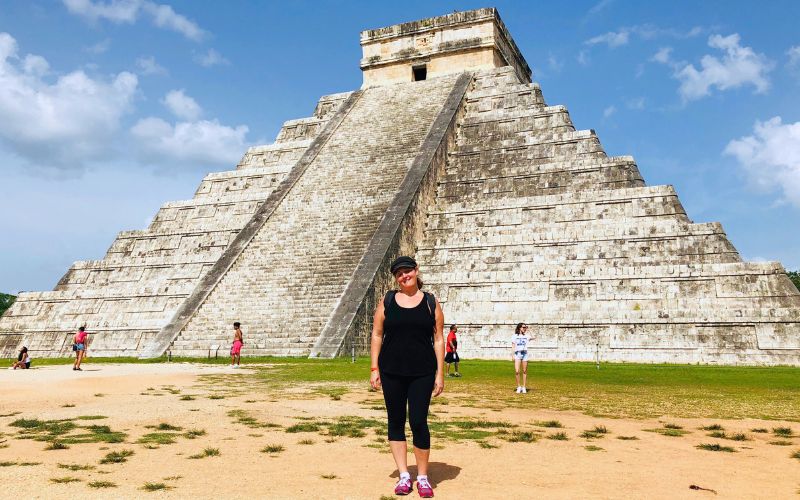
Chichen Itza is one of the New Seven Wonders of the World, a UNESCO World Heritage Site, and among the best ruins in Mexico.
Both having about two million visitors each year, Chichen Itza and Teotihuacan Ruins near Mexico City are the country’s most visited sites.
The Chichen Itza Mayan Ruins are located about 3.5 hours west of Cancun, in Yucatan State.
This state is one of three that make up the Yucatan Peninsula, where you’ll find hundreds of Mayan Ruins in Mexico, including Coba, Uxmal, Tulum Ruins and more.
12. Mexico has 35 UNESCO World Heritage Sites
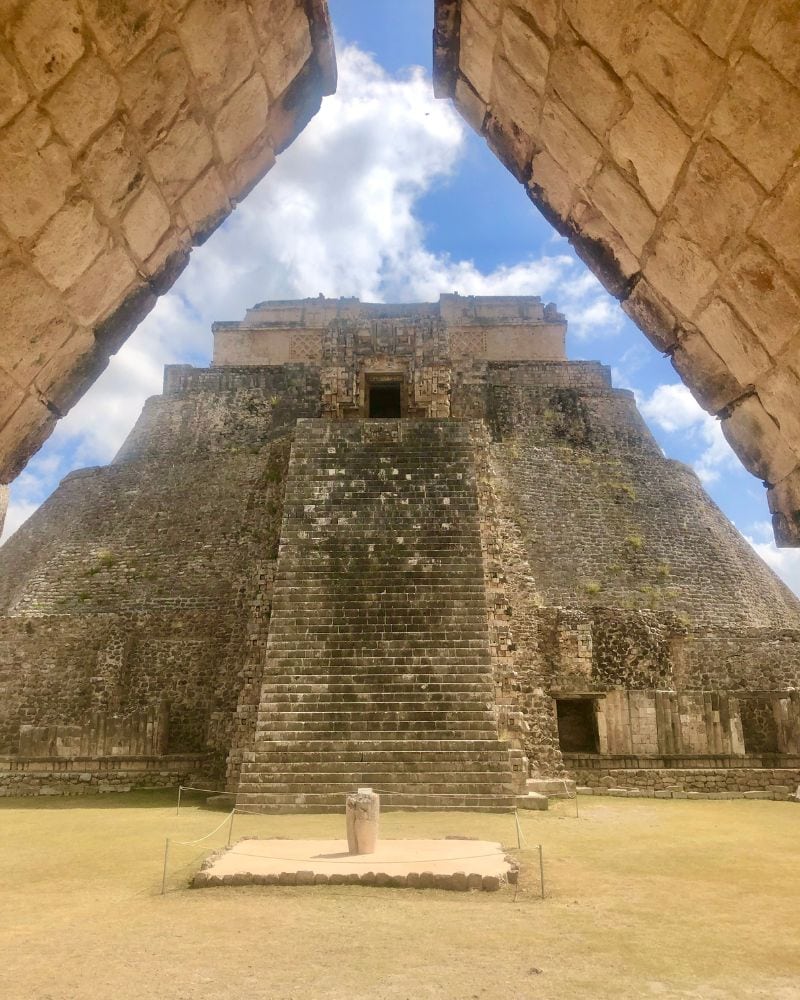
Mexico has the seventh most UNESCO World Heritage sites of any country in the world (Italy actually has the most). Here are just some of these natural and manmade landmarks in Mexico:
- The ancient ruins of Chichen Itza, Palenque, Teotihuacan and Uxmal
- The historic mines of Guanajuato
- Canals of Xochimilco Mexico City
- Downtown areas of Mexican cities including Puebla City, Oaxaca City, Querétaro City, Morelia and Zacatecas City
- Sian Ka’an Biosphere Reserve near Tulum
13. Mexico is the Birthplace of North American Printing
Rounding out the Top 15 facts about Mexico, let’s talk printing.
Long before Kindles and audiobooks, Ciudad de Mexico (Mexico City) was the place to get your literature in North America.
In fact, the first printing press in the New World was actually used in Mexico long before making its way to the U.S.
In 1539, the Casa de la Primera Imprenta de América, or House of the First Printing Press, was opened to publish books.
Located in Centro Historico (Historic Downtown), visitors to Mexico City can still tour this house/printing press today.
🇲🇽 Bonus Fun Mexico City Facts: Mexico City is the highest city in Mexico at 7,350-feet (2,240 m).
It is the eighth highest capital city on Earth — the highest is La Paz, Bolivia, at 11,950-feet high (3,640 m).
14. Cholula Mexico is the Oldest City in North America
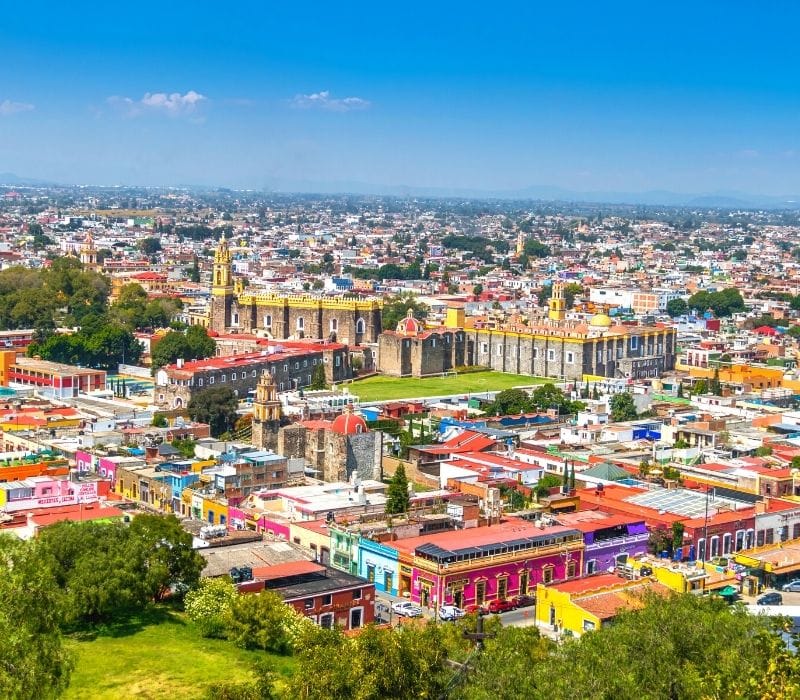
Cholula is the oldest city on the Americas Continent, according to World Atlas. Sources date its founding to about 2000 BC.
They place Mexico City’s founding at more than 1,000 years later, in 1325. However, some sources mistakenly call Mexico City the oldest city in North America.
Cholula, located in Puebla state, and Mexico City are only about 78 miles (126 km) from one another. As such, the general area has been inhabited for thousands of years.
In fact, the Tlapacoya archeological site near Mexico City shows evidence of humans 22,000 years ago. That’s right: American cultures existed in Mexico for several thousands of years.
15. Mexico has the Largest University in the World

The National University of Mexico was founded by Charles V of Spain in 1551, making it the oldest university in North America. It was founded a full 85 years before Harvard University.
The National University was run by the Catholic church until it came under State control in 1910.
In the 1920s, it became autonomous from the church, and its name changed to the National Autonomous University of Mexico — better known as UNAM Mexico.
Today, UNAM is considered one of the best universities in the world. When you visit Mexico City, you can also visit the campus.
In Mexico, public universities are free for citizens to attend, but UNAM is among the most competitive to get into. With more than 300,000 students, it is also the largest university in the world.
The UNAM Central University City Campus in Mexico City is a UNESCO World Heritage Site, with buildings made by some of Mexico’s top architects and artists.
The Central Library, designed by architect and painter Juan O’Gorman, has one of the largest murals in the world.
There are also buildings, murals and artwork by other famous Mexican artists at UNAM, like Diego Reivera and David Alfaro Siquieros.
16. Many Mexican Kids Don’t Get Presents on Christmas

Here’s one of the most fun facts about Christmas in Mexico: Some people and children don’t open presents on December 25th or even December 24th. This is actually when most Mexican Christmas festivities take place.
This is one of the most interesting facts about Mexico culture, and something unique to this country and other Latin countries.
Rather than giving gifts on Christmas in Mexico, essentially the birthday of Jesus, Mexicans instead exchange presents on Día de los Reyes Magos (Three Kings Day).
According to Biblical texts, this is the day the Three Wise Men arrived to give gifts to the Baby Jesus — so some children in Mexico get their holiday season gifts on January 6; not December 25.
17. Mexico’s Christmas season lasts for almost two months

Need more fun facts about Mexico Christmas? Beginning in December, you’ll find Posadas or nightly holiday celebrations throughout the country.
These can be everywhere from in people’s private homes to rented halls, and as citywide public celebrations.
The Posadas symbolize the Biblical story in which Joseph and Mary made a month-long journey from Nazareth to Bethlehem, in search of a place to give birth to their baby.
For many, the Mexican Christmas begins on December 12 with Día de la Virgen de Guadalupe, and the Mexican Christmas season ends after Three Kings Day on January 6. This is jokingly called the Guadalupe-Reyes Marathon.
However, some say it ends in February, not January.
These people also include the Día de la Candelaria (Candlemas) holiday on February 2, and say the Mexico Christmas season ends on that day.
As this is not one of the major Christmas holidays in Mexico, the majority put the official ending date as January 6th, on the Día de los Reyes Magos (Three Kings Day).
18. The World’s Smallest Dog Comes from Mexico
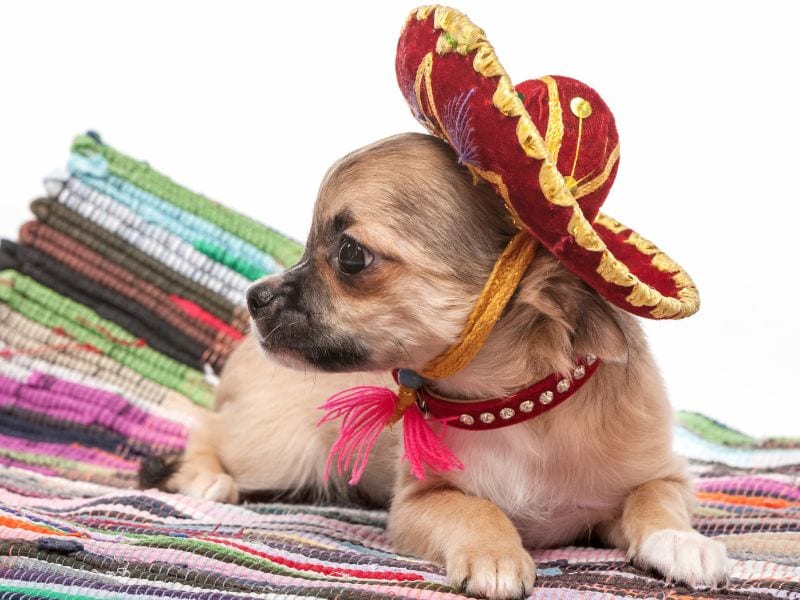
The Chihuahua is the smallest known dog breed. It was first bred in the Northern Mexican state of Chihuahua — for which the dog is named.
⛰️ Bonus Mexico Fun Fact: The state of Chihuahua is located in the Sierra Madre Occidental. This is Mexico’s largest mountain range, which covers about 121,485 square miles (314,645 square kilometers) in area.
Chihuahuas are said to be descendants of the techichi, an ancient and barkless companion from the Toltec civilization.
19. The national dog of Mexico is the Xoloitzcuintli

Speaking of bark-less dogs, Mexico’s national dog is the xoloitzcuintli (pronounced show-low-squink-lay). They are called xolo (pronounced show-low) for short.
This ancient breed of Mexican animals are also hairless, and come in small, medium and large sizes — meaning Mexico is home to one of the only hairless dog breeds in the world.
They’re sacred to the Aztecs, and said to deliver souls to the underworld. In fact, xolos are even considered a Day of the Dead symbol for this reason, and said to have a connection to Xolotl, the Aztec god of lightning.
20. Day of the Dead is NOT Mexican Halloween

Aside from costumes and face painting, Day of the Dead in Mexico City and the rest of Mexico is not the same as Halloween in the U.S.
The holiday is all about reuniting and partying with our departed loved ones, who’s spirits return Earth-side for just a few hours each year.
Mexico is also home to the world’s largest celebrations of Día de Muertos. There are celebrations in Guatemala (Kite Festival) and Bolivia (Day of the Skulls), but nothing tops Mexico’s grandeur.
21. Mexico has the Most Taxi Cabs in the World

In Mexico City alone, with its massive population of nearly nine million, there are more than 140,000 taxi cabs on the roads.
This is said to be the world’s largest fleet of cabs. However, nowadays there’s also Mexico ride sharing apps like Uber, DiDi and BlaBlaCar.
🇲🇽 Bonus Fun Facts About Mexico City: Mexico has 32 states, including Mexico City, which is both the capital city and a state. Much like in the U.S., each state has its own unique identity, customs and culture.
22. Mexico is the 4th Most Biodiverse Country
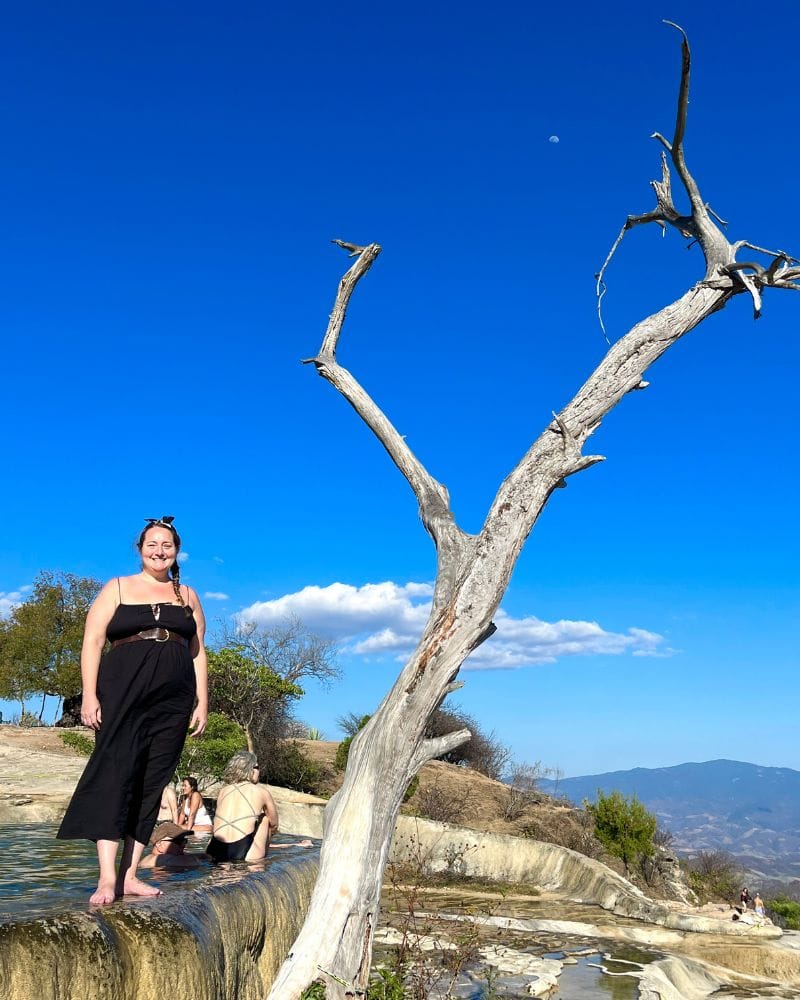
If you were to ask me to name 5 interesting things about Mexico off the top of my head, biodiversity would be one of them.
Located between the Arctic Circle and Equator, Mexico has a large variety of plant and animal life. In fact, Mexico has about 12% of the world’s biodiversity.
It’s the fourth most biodiverse country in the world, behind Brazil, China and Ecuador, respectively — which I find to be one of the most interesting facts of Mexico.
In the waters off the Baja California Peninsula on Mexico’s West Coast, you’ll find the UNESCO World Heritage Site of El Vizcaino, popular for Mexico whale watching.
There’s also the world’s second largest reef, the Mesoamerican Barrier Reef, just off the coast of Cozumel Island. It is second only to the Great Barrier Reef near Australia.
Mexico has seven different climatic zones, giving it a wide variety of ecosystems ranging from cloud forests and tropical rainforests (jungles), to large lakes and lagoons, and even waterfalls and coral reefs.
In the north, you’ll find deserts, and the second largest canyon in North America, the Copper Canyon. ❄️ It also snows in northern Mexico in the winter, particularly the state of Chihuahua, Mexico.
23. Mexico has Almost 7,000 Miles of Coastline

If you ask most people What is Mexico known for? — they will likely say tacos, tequila and beaches.
While there’s more to the country than those things, Mexico is one of the few countries on Earth that has more coastline than it has land borders.
🗺️ Mexico’s Neighboring Countries: Mexico shares a border with Guatemala, Belize, and of course, the U.S. The U.S.-Mexico border is about 1,950-miles-long (3,145 km).
Depending on where you are in Mexico, you can swim in the Pacific Ocean, Caribbean Sea, Gulf of Mexico, Sea of Cortez (AKA Gulf of California), Bay of Campeche, and more.
There are also several large lakes, like Lake Chapala near Guadalajara, and Bacalar Lagoon.
Lake Bacalar Lagoon is also known as the Lake of Seven Color and the Maldives of Mexico.
Side Note: Did you know Mexico has its own version of the Maldives? Mexico is a land with many surprises, and there’s a lot to know about Mexico — so let’s keep going!
24. Mexico has one of the only Blowholes on Earth, La Bufadora
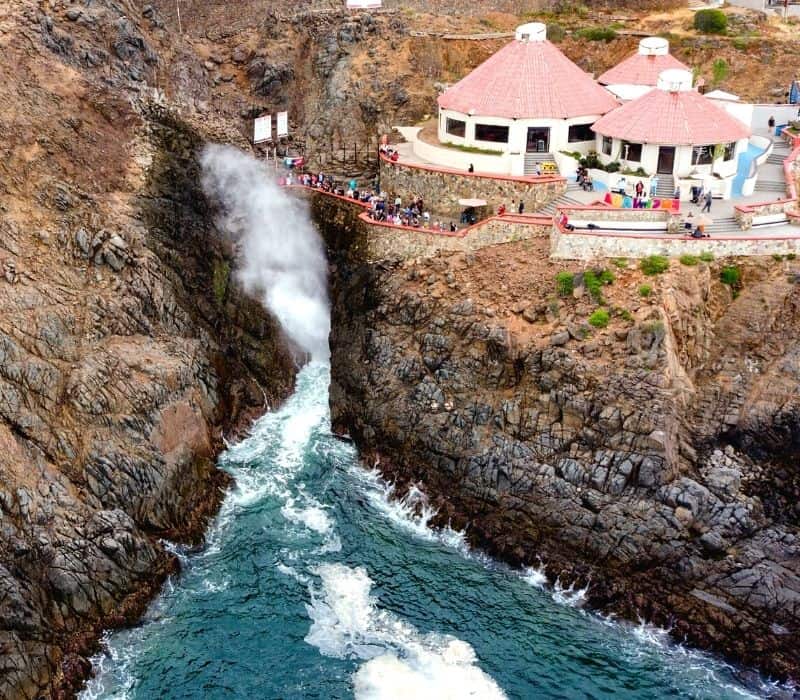
This is one of the Top 5 things about Mexico that shocked me when I learned about it! Located just outside of Ensenada, Mexico lies La Bufadora, which means “the blowhole.”
This natural wonder in the Punta Banda Peninsula of Baja California state (not Baja California Sur state), is a must-visit and among the most fun places in Mexico.
La Bufadora, located on a rocky cliff, has a hole that shoots water into the air up to 100-feet (30 m) above the ocean.
It is one of only a handful of blowholes in the world that reach this height; others include Halona Blowhole in Hawaii, Kiama Blowhole in Australia and Hummanaya Blowhole in Sri Lanka.
25. Mexico has the World’s Smallest Volcano

Mexico is home to the smallest volcano on Earth, Cuexcomate Volcano, located outside Puebla City, Mexico. It stands at an adorable 43-feet-tall (13 m).
When compared to the tallest volcano on Earth, Mauna Loa in Hawaii, at 13,678-feet-tall (4,169 m), Cuexcomate is barely a hill.
We’ve reached the end of this list — and it still just scratched the surface of all the amazing and interesting facts about Mexico!
Though most know Mexico simply as one big tropical Spring Break party town, I hope you’ve discovered a plethora of interesting tidbits about Mexico in this article.
In reality, there definitely are many amazing Mexico beaches — but it’s not all beaches, tacos and tequila.
For more Mexico fun facts and information, and to discover Mexico further, check out some Mexican movies and these Mexico books.