
Is San Miguel de Allende Worth Visiting? I’ve Been Twice, and My Answer Might Shock You


Wondering, Is San Miguel de Allende worth visiting?
Travel + Leisure Magazine readers have named this Mexican city the best city in the world — and as someone who’s been there twice, and has been living in Mexico since 2018, I have opinions on that!
In truth, Mexican locals, longtime expats living in Mexico (like me), and seasoned travelers know the truth: San Miguel de Allende has a shiny veneer that hides serious flaws.
In this article, I’ll answer the question, Is San Miguel de Allende worth visiting? — and give you 10 alternative places to visit in Mexico that aren’t as touristy.
Disclosure: This article may contain affiliate links, meaning when you make a purchase, I earn a small commission. Affiliate links cost you nothing to use, and help keep my content free. It’s a win-win for us both. For more info, see the Disclosure Policy.
Where is San Miguel de Allende Located?
San Miguel de Allende is nestled in Mexico’s high central plateau, in the state of Guanajuato, which is in central Mexico.
Located about 170 miles (274 km) northwest of Mexico City, at roughly 6,230-feet elevation (1,900 m), it sits among rolling hills and has a temperate climate year-round.
Why is San Miguel de Allende Famous?
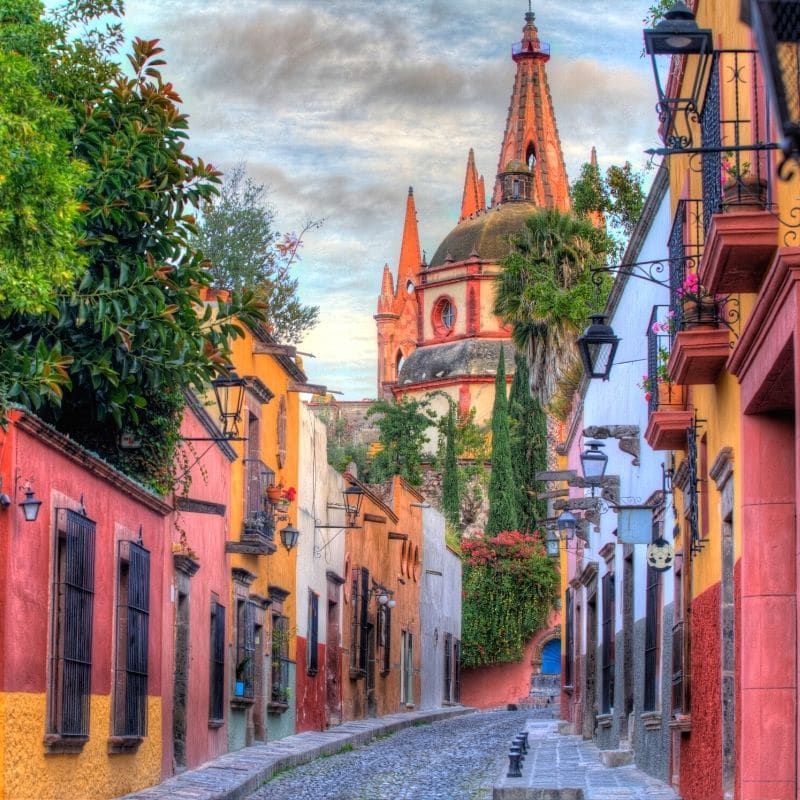
Its historic core is a UNESCO World Heritage Site, and it’s long been a favorite for art lovers, expats, and romantics.
I don’t want this article to come off like I hate San Miguel de Allende (SMA) because I don’t. I actually think it’s one of the most beautiful places in Mexico.
There are numerous cons and reasons to not visit SMA, but for those who do, and love it, the city’s fame rests on several pillars:
- Colonial charm
- Cobblestone streets and alleys
- Fine boutique hotels like the Live Aqua San Miguel de Allende, Casa 1810 and LOtel-Casa Arca (the last two have earned Michelin Keys)
- Baroque churches like the striking pink Parroquia de San Miguel Arcángel rising against the skyline
- Gourmet restaurants like Hortus, headed by Omar Henriquez, one of the best Mexican chefs working today
- Vibrant arts and gallery culture; the Instituto Allende among them
- A strong expat population which has earned it notoriety as one of the best places to retire from the U.S.
Over the years SMA has collected accolades, incuding Travel + Leisure readers naming it the No. 1 city in the world in its 2025 World’s Best Awards.
The article notes that SMA collected more votes from readers and topped places like Tokyo, Bangkok, Jaipur, and even Mexico City to earn the title.
Why Would Anyone Pick San Miguel de Allende as the Best City in the World?

For many of the magazine’s readers, SMA evokes romantic notions: small, walkable, full of charm, with a mellow pace, cultural events, gallery openings, boutique shopping, and photogenic corners.
It gives the illusion of “authentic Mexico” mixed with just enough comfort and predictability to feel safe (especially for foreign travelers).
Its climate is mild, many services cater to English speakers, and the infrastructure for tourism is well-developed.
But here’s the thing: once you spend a few days or a week in SMA, a lot of the myth starts to crack.
Below are the main reasons many travel insiders, critics, and locals grumble that San Miguel is overrated, overhyped, overpriced (at least for Mexico), and in many ways, lost to its own success.
Here’s 7 Reasons Why San Miguel de Allende Sucks
1. San Miguel de Allende is Americanized
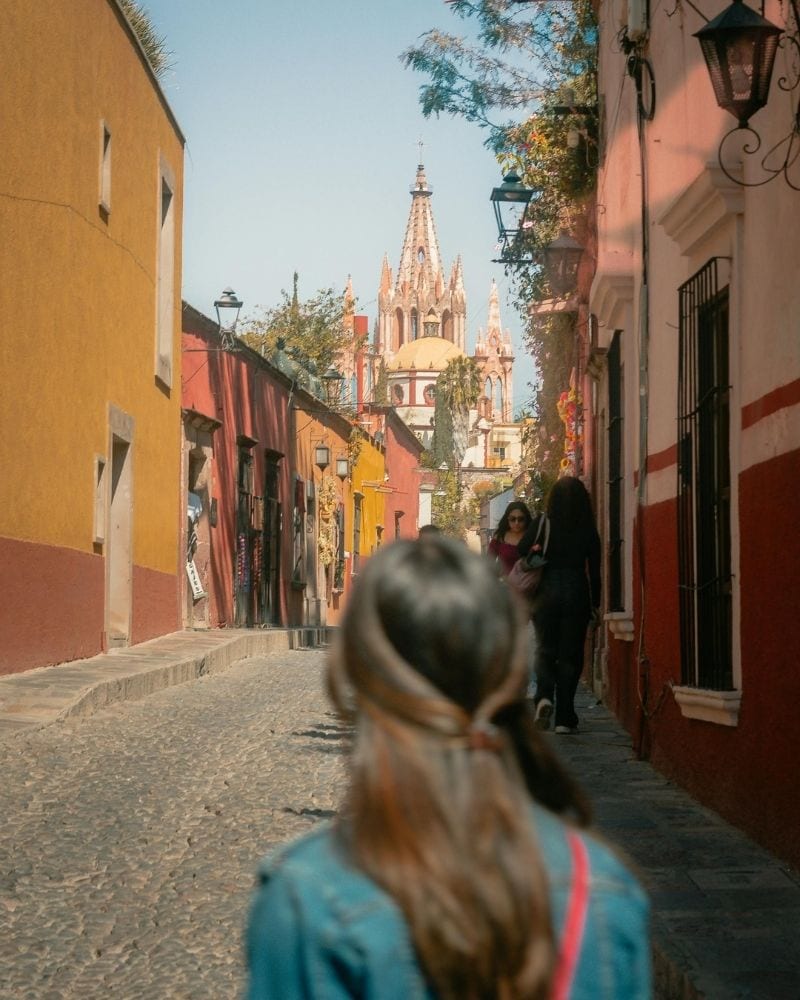
In walking its streets you’ll increasingly feel as though you’ve stumbled into a U.S. or Canadian enclave rather than a Mexican town.
English signage, boutique cafes serving flat whites, gluten-free options, imported trinkets, and galleries selling art aimed at foreign taste — all of this chips away at local authenticity.
Many restaurants and shops cater more to expat wallets than to local idiosyncrasies.
Some long-time Mexicans complain that their own neighborhoods are being priced out or modified to suit tourist expectations.
2. San Miguel de Allende is Expensive
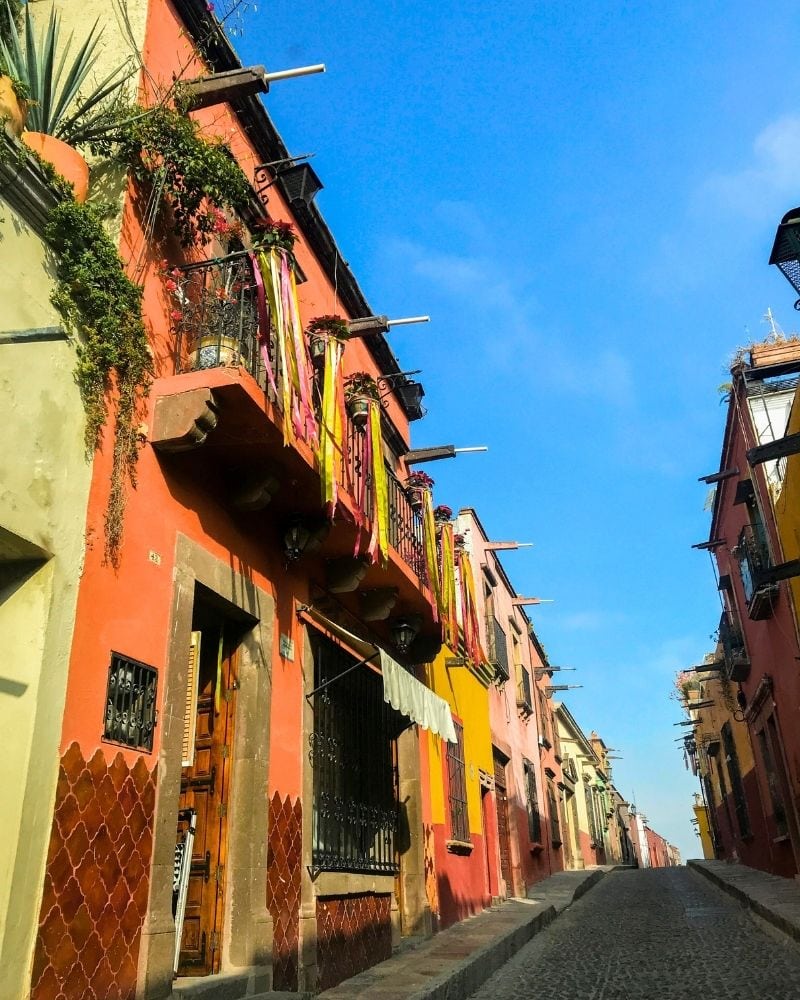
Because of the tourist and newcomer demand, restaurants, real estate, rent, and lodging prices have skyrocketed in hotels and Airbnbs.
What might once have been an affordable boutique hotel or guesthouse now commands premium prices.
Dining in the historic center tends to cost 2-3X what comparable food elsewhere in Mexico would.
Even basic services (ie. laundry, taxis, and groceries) tend to carry a markup — and it has led to the locals feeling squeezed.
Many solo travelers in Mexico end up spending a lot more to “do San Miguel right” than they anticipated.
3. San Miguel de Allende is Crowded
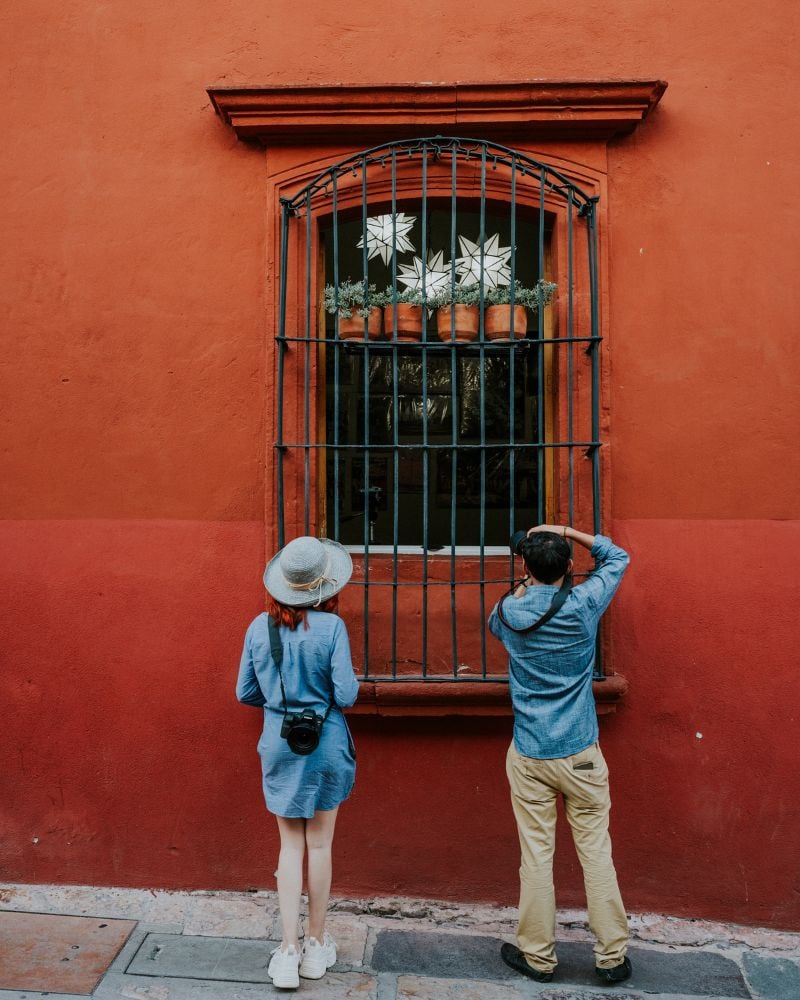
During peak times (ie. holiday weeks and festival seasons), the narrow cobblestone streets, plazas, and galleries become flooded with people and cars.
Tourist buses, selfie sticks, and guided tours dominate the public spaces, making it hard to find truly quiet corners.
Some of the charm is lost when you can’t walk five minutes without physically bumping into another traveler or group.
The “magic corners” get overplayed on Instagram, then flooded by visitors hoping for the same shot.
4. San Miguel de Allende Feels like the Disney of Mexico
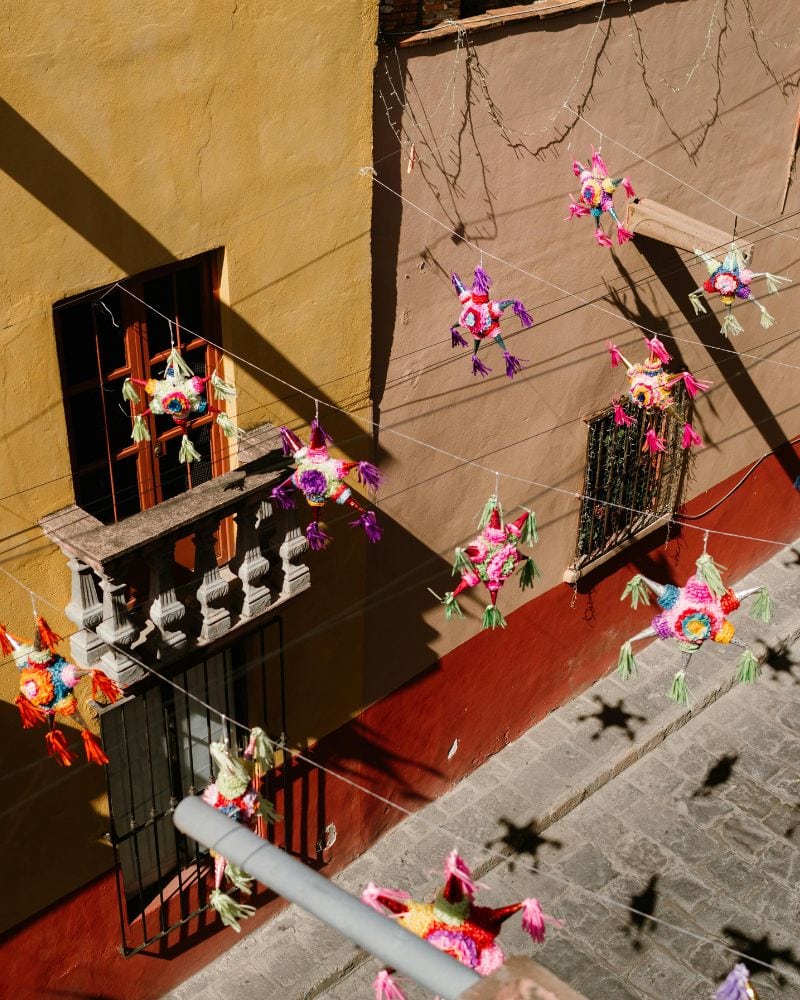
Many of the artisan markets sell wares made for tourist tastes rather than true local craft.
You’ll see decorative skulls, cliché “Mexican” tchotchkes, and boutique versions of “authentic crafts” mass-produced or catered for foreign buyers.
In some cases, locals and artisans relocate to tourist corridors and lose their original context.
As with other popular places for travelers, over-tourism and commodification of local culture had blurred the lines between local tradition and tourist spectacle.
5. San Miguel de Allende is Gentrified
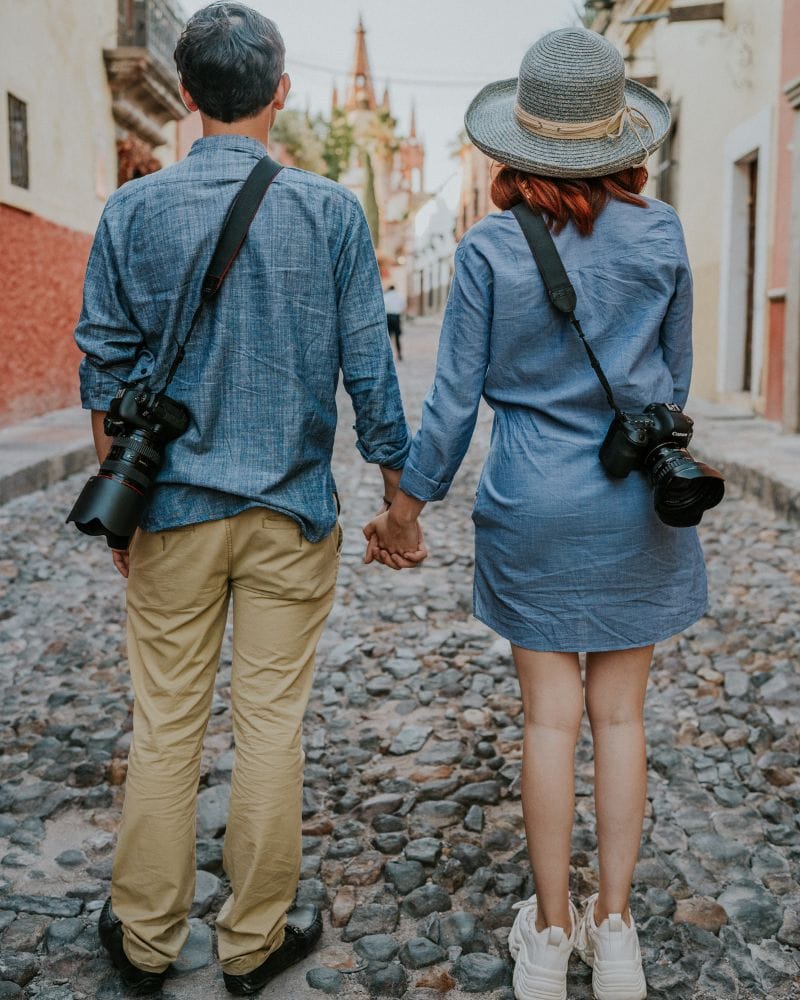
With real estate pressure and rising cost of living, many original residents are pushed to the outskirts or forced to move.
Neighborhoods once filled with local shops, humble homes, local eateries get converted into boutique guesthouses or luxury rentals.
The feeling of a lived-in town shifts toward a curated “museum town” feel for visitors — and some locals feel the soul of the place is fading fast.
6. San Miguel de Allende is Tiny
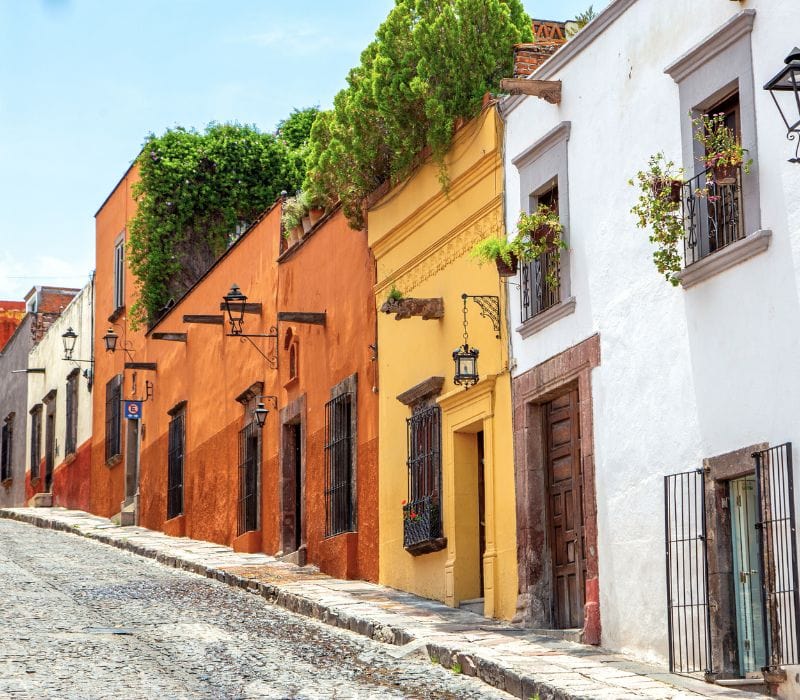
Most of the tourist draw is in the historic core and surrounding cobbled streets, which you can explore in 1 day.
If you stay in the downtown city center, you’ll see galleries, restaurants, boutique shops, churches, and plazas.
However, there’s less genuine local life beyond that because industrial zones, working neighborhoods, and rural outskirts are less integrated into visitor flows.
If you seek a “real Mexico” off the beaten path, San Miguel offers little in the way of surprise once you’ve seen the polished version.
7. San Miguel de Allende is All Marketing (No Substance)
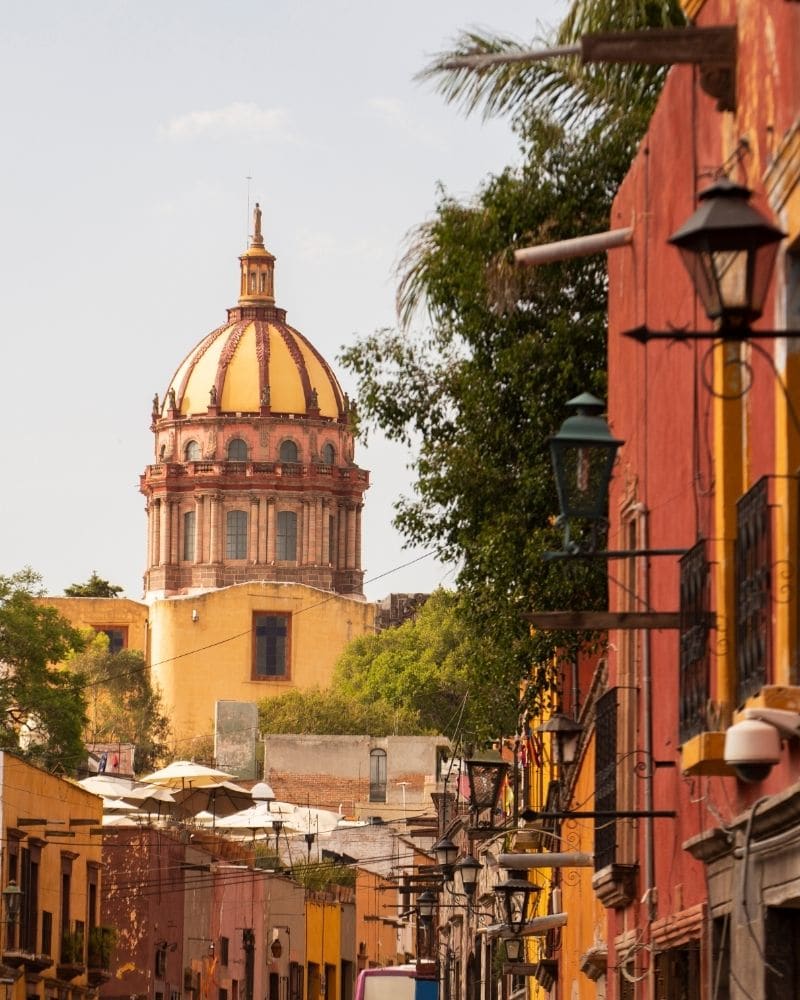
The Travel + Leisure magazine ranking is based on reader voting — which is often biased by aesthetics, photo appeal, comfort, and curation.
It’s not an objective index of quality for all travelers; especially those travelers chasing raw cultural immersion.
Many discerning travelers feel that what the T+L crowd values, ie. boutique hotels, photogenic streets, international cuisine, are precisely what turn the city away from local authenticity into a global aesthetic playground.
In practice, you’ll likely pay premium rates for the curated version of Mexico, without necessarily being closer to its heart.
In truth: San Miguel de Allende is not “bad” — but many of its legends, its hype and its promises have been overtaken (even ruined) by tourism itself.
For those seeking less polished, more locally rooted, more surprising or challenging Mexico, there are far better options, which I will list for you below.
Here are 11 Great Alternatives to San Miguel de Allende (With Travel Tips)
Have I convinced you there are better places in Mexico to visit that are similar to SAM, but also, better than SMA?!
Below are 11 destinations that offer more authenticity, variety, or cultural depth — often at lower costs, with fewer crowds, and offering visitors a richer experience.
1. Oaxaca City (Oaxaca de Juarez)

Oaxaca is a cultural powerhouse that’s perhaps become best known for the annual Oaxaca Day of the Dead festival, often considered the country’s best.
It also boasts indigenous heritage, vibrant markets, incredible cuisine (like mole, mezcal, tlayudas, memalas), and nearby artisan villages (like Teotitlán del Valle and San Bartolo Coyotepec).
It’s less polished for expats than SMA, and a place where locals still predominate so you can get to know “the real Mexico.”
The festivals in Oaxaca, seeing ancient artisan traditions kept alive in the nearby art villages, and a colorful everyday life here make it more raw than San Miguel.
✈️ How to Get to Oaxaca City: Fly into Oaxaca International Airport (OAX). From there, downtown Oaxaca City is about 30-45 minutes away.
2. Querétaro City (Santiago de Querétaro)
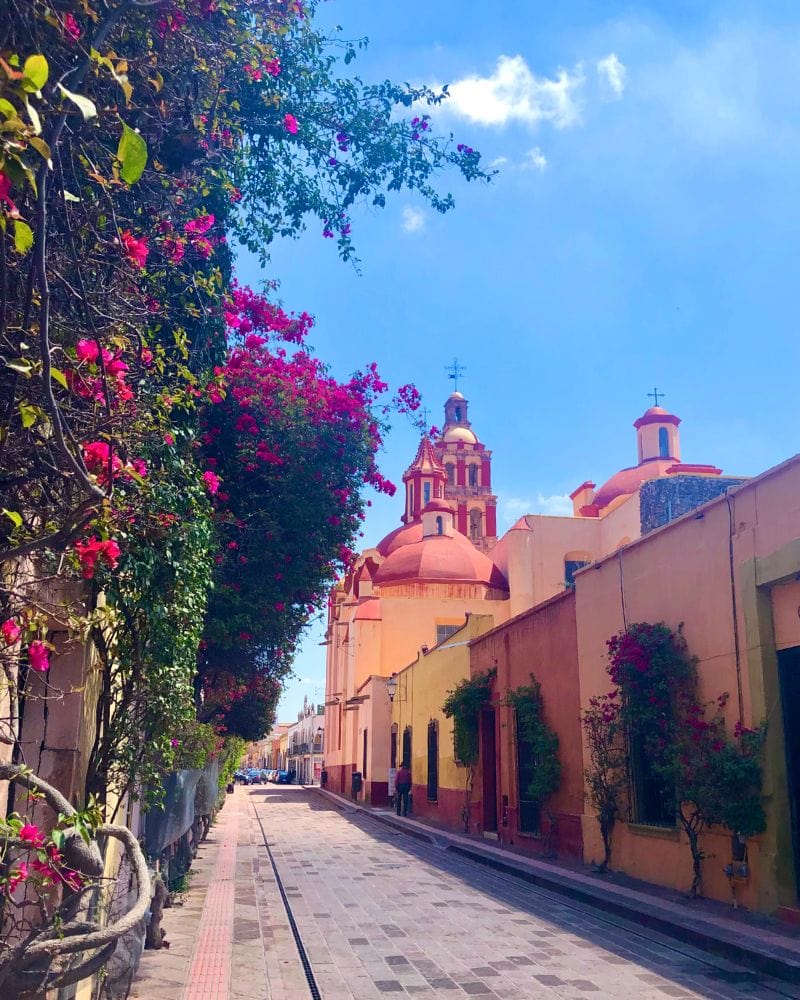
Querétaro is a fast-growing city with a charming colonial center, strong local culture, and good connectivity since it’s closer to Mexico City than SMA.
It’s less saturated by international tourists, yet offers vibrant cafés, historic plazas, and a genuine Mexican urban experience without the full glitz or crowding of more famous spots.
Located within a few hours drive, you’re also near many other great places like Las Grutas Tolantongo, the Sierra Gorda region, Bernal pueblo mágico, and more.
✈️ How to Get to Querétaro City: Fly into Querétaro Intercontinental Airport (QRO). From there, downtown Querétaro City is about 30 minutes away.
3. Guanajuato City
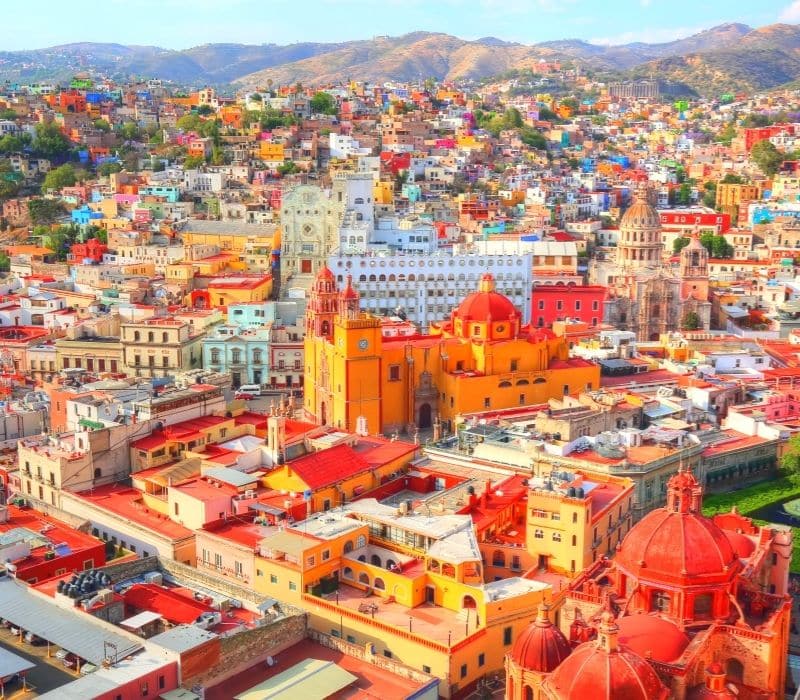
Both located in Guanajuato state, I would easily say Guanajuato City is the more magical and authentically-Mexican version of San Miguel de Allende.
Don’t believe me? Well, they’re only located about an hour apart by rental car, so you can visit both and make up your own mind.
There are so many amazing things to do in Guanajuato City like exploring narrow callejones (alleyways) and tunnels, annual festivals (like the Cervantino Festival), and local markets make it a favorite among culture travelers.
Overall, Guanajuato City is less polished, less corporate, and more alive!
✈️ How to Get to Guanajuato City: Fly into Leon Intercontinental Airport (BJX). From there, downtown Guanajuato City is about 1.5 hours away.
4. Tepoztlán

Tepoztlán is a bohemian mountain town just outside CDMX, famous for its mystical vibe, Tepozteco Ruins, and vibrant artisan and spiritual community.
It has a nice mix of luxury hotels and rustic accommodations, spiritual retreats, bustling markets, and local energy.
As one of the best day trips from Mexico City, and best weekend trips, it’s compact, accessible, and refreshingly different from the expat enclaves.
✈️ How to Get to Tepoztlán: Fly into Mexico City International Airport (MEX). From there, downtown Tepoztlán is about 1.5 hours away.
5. Valle de Bravo
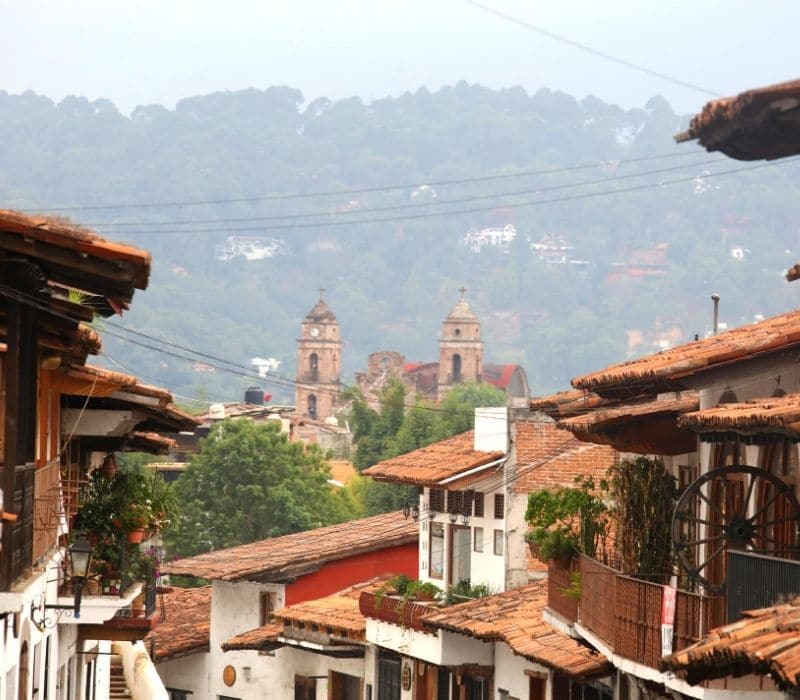
This lakeside town is a popular weekend getaway for Mexicans as there are many things to do in Valle de Bravo like sailing, paragliding, and forest trails.
Its local atmosphere remains stronger than in San Miguel, as this Mexico pueblo mágico (magic town) is frequented mostly by domestic tourists.
Nature lovers will enjoy the quiet cabins, forests, mountains and waterfalls — but the town also has a posh side, so it has a wide appeal.
Known as “the Hamptons of Mexico City,” there’s also boutique hotels in Valle de Bravo, great shopping, cobblestone streets, and colonial architecture.
✈️ How to Get to Valle de Bravo: Fly into Toluca International Airport (TLC). From there, downtown Valle de Bravo is about 1.5 hours away.
6. San Cristóbal de las Casas
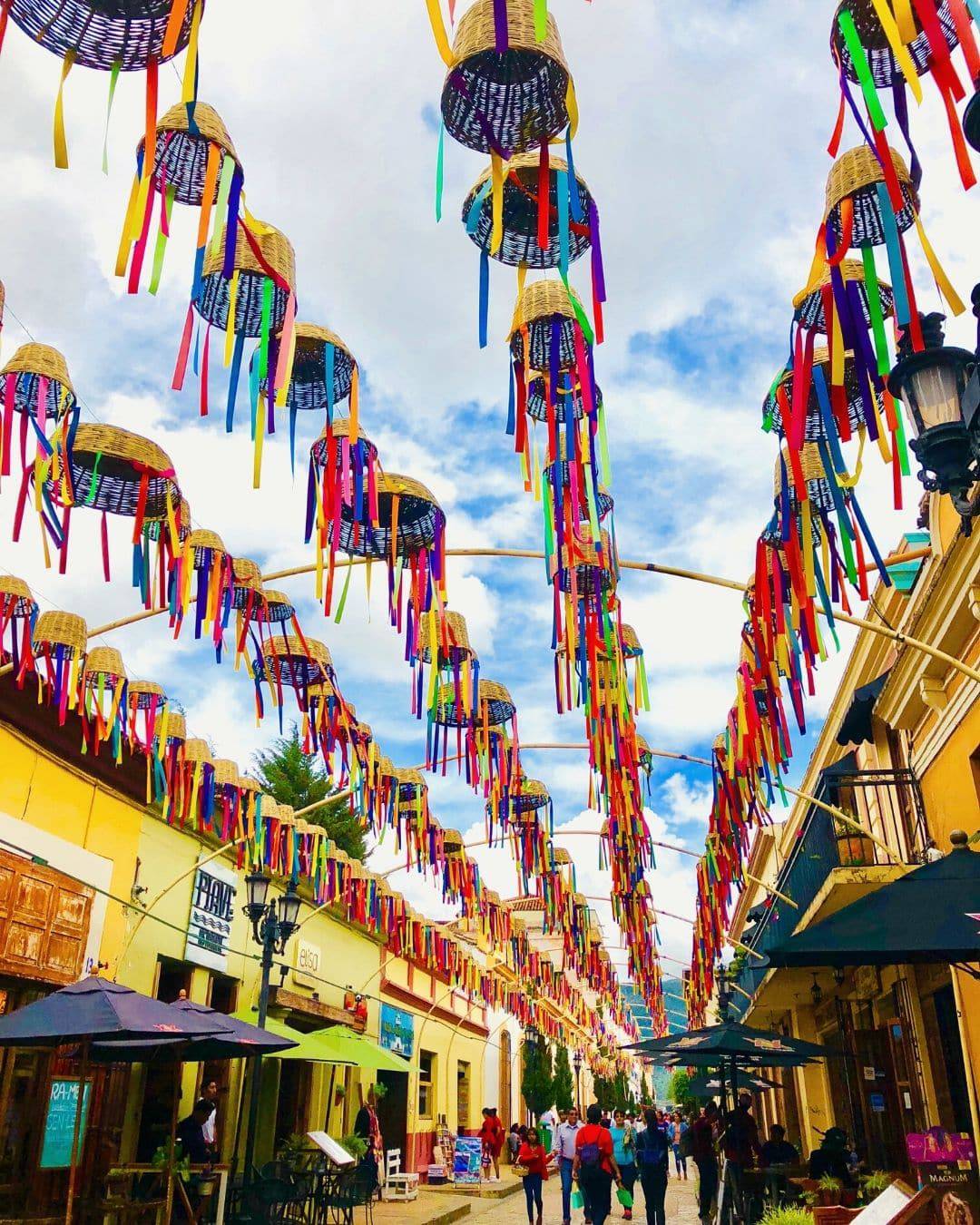
Deep in Chiapas state, this colonial town boasts a vibrant indigenous Mayan culture, strong social traditions, colorful textiles, and slower pace of life.
The tone is different in Chiapas from central Mexico with cooler weather, more local languages, everyday Mayan life interwoven with the colonial fabric.
For travelers wanting to escape the central highlands, San Cristóbal de las Casas is a uniquely textured choice.
✈️ How to Get to San Cristóbal de las Casas: Fly into Tuxtla Gutiérrez International Airport (TGZ). From there, downtown San Cristóbal is about 1.5-2 hours away.
7. Morelia
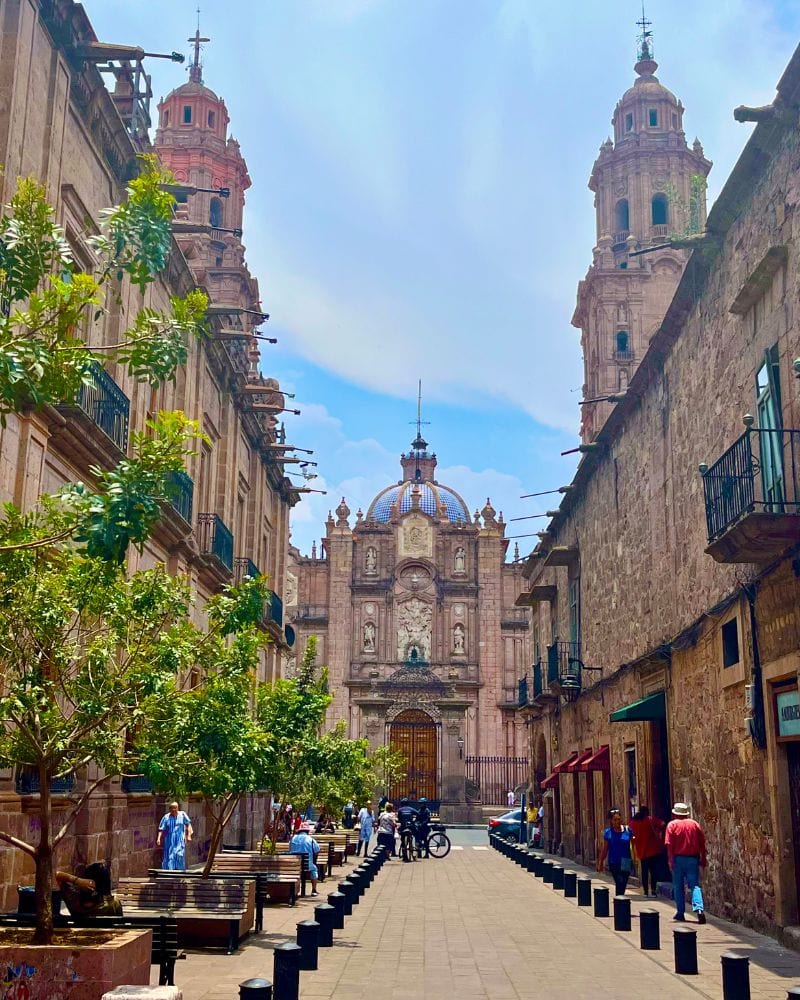
The capital of Michoacán state, Morelia has a UNESCO historic center, pink stone aqueduct, lively plazas, and a local feel that isn’t tourist-drenched.
It offers access to regional traditions, like Patzcuaro and Janitzio Island for some of the best Day of the Dead celebrations in Mexico, and local markets without the overwhelming expat infrastructure.
I’ve only been once, but after a week in Morelia, I still want to return and explore further because there are so many things to see and great tours in Morelia.
✈️ How to Get to Morelia: Fly into Morelia International Airport (MLM). From there, downtown Morelia is about 45 minutes away.
8. Puebla City (Puebla de Zaragoza)
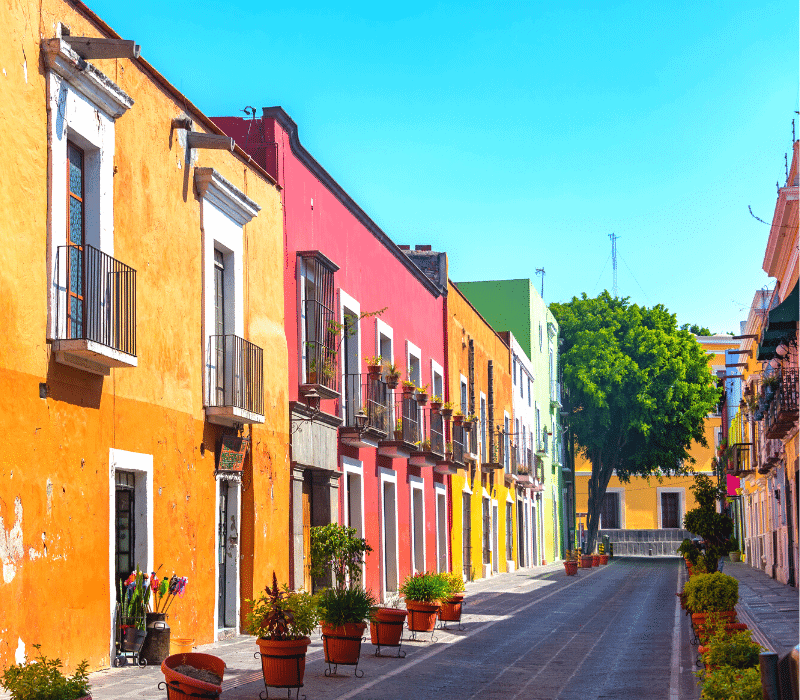
Puebla is a large, full-service city with a strong indigenous and colonial mix, famous regional gastronomy (like mole poblano and chile en nogada), ceramic Talavera tiles, and strong local culture.
As the 5th largest city in Mexico, it’s big enough to have all the urban amenities you could want, but the historic downtown remains distinctly Mexican in character.
It’s not a boutique artists’ town like San Miguel de Allende, but offers visitors a real, vibrant, and raw Mexico travel experience, seen through the lens of a colonial city.
✈️ How to Get to Puebla: Fly into Puebla International Airport (PBC). From there, downtown Morelia is about 30-45 minutes away.
9. Mexico City (CDMX)
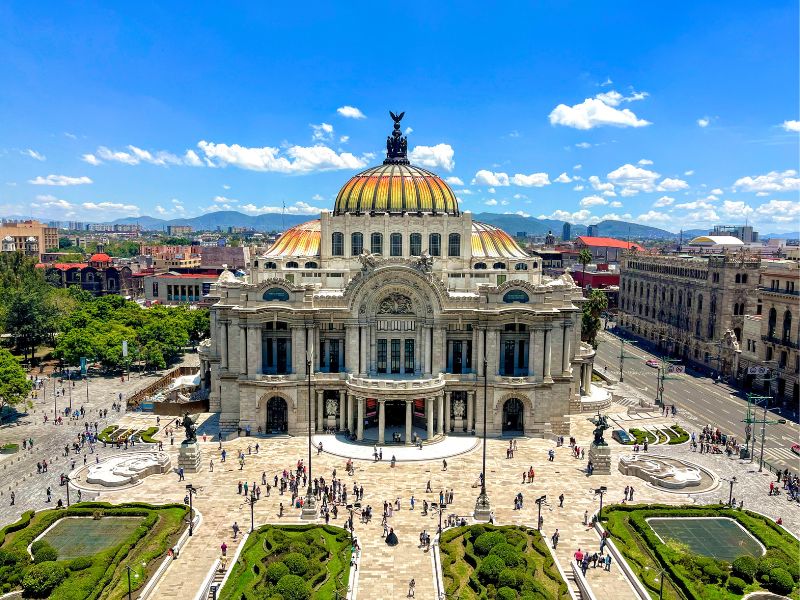
Yes, the capital is an obvious choice, but consider what it has to offer and you’ll understand why millions visit Mexico City (aka CDMX) each year.
Unique neighborhoods like Roma, Coyoacán, Condesa, Polanco, Xochimilco, Santa Maria la Ribera, and Historic Downtown each offer unique micro-cultures.
You’ll never run out of museums in CDMX, artisan markets and local food to try, street art, all at a scale that San Miguel simply can’t match.
CDMX is not quaint like SMA, but it’s alive in every dimension, and you’ll NEVER run out of things to do in CDMX.
✈️ How to Get to CDMX: Fly into Mexico City International Airport (MEX). From there, downtown CDMX is about 45 minutes away.
10. Taxco (Taxco de Alarcón)
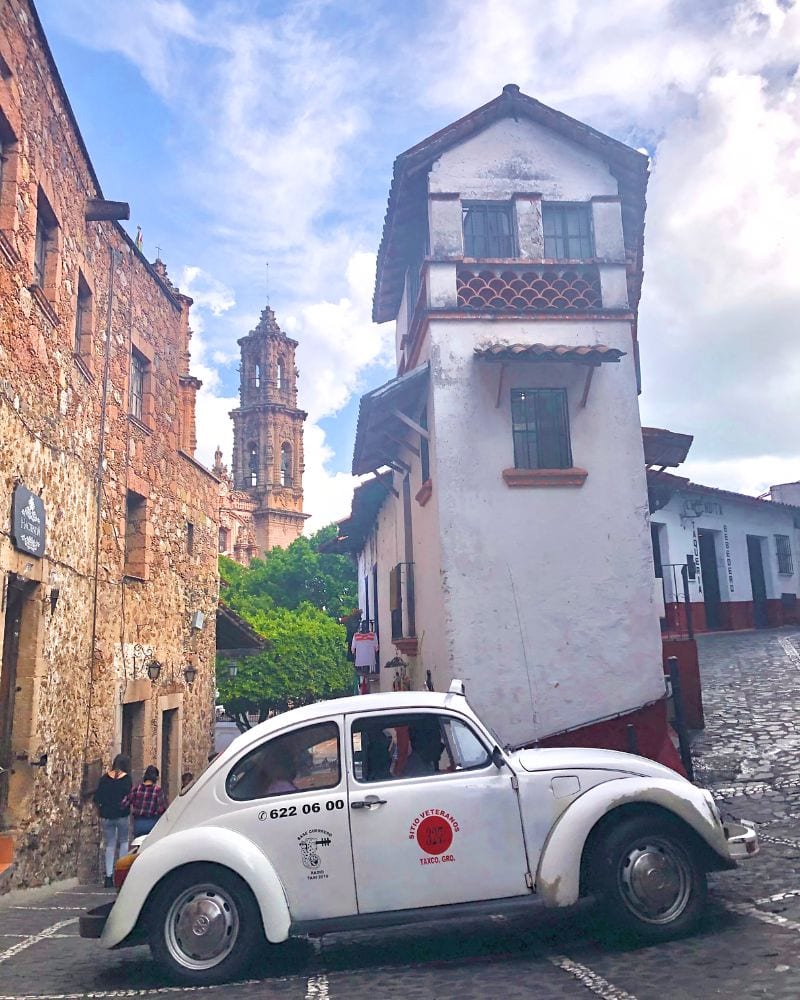
One of the most stunning and best Mexico pueblos mágicos (magical towns), Taxco is famed for its silver tradition, steep hills, narrow alleys, and dramatic views.
It’s smaller than SMA, more intimate, and still retains a lot of Mexican feel because there are far fewer expats who call Taxco home.
The steep paths and historic architecture make for a moody, textured visit. It’s also quieter than San Miguel, and offers a different kind of charm.
✈️ How to Get to Taxco: Fly into Mexico City International Airport (MEX). From there, downtown Taxco is about 3 hours away, and I recommend booking this Mexico City to Taxco tour.
11. Mérida
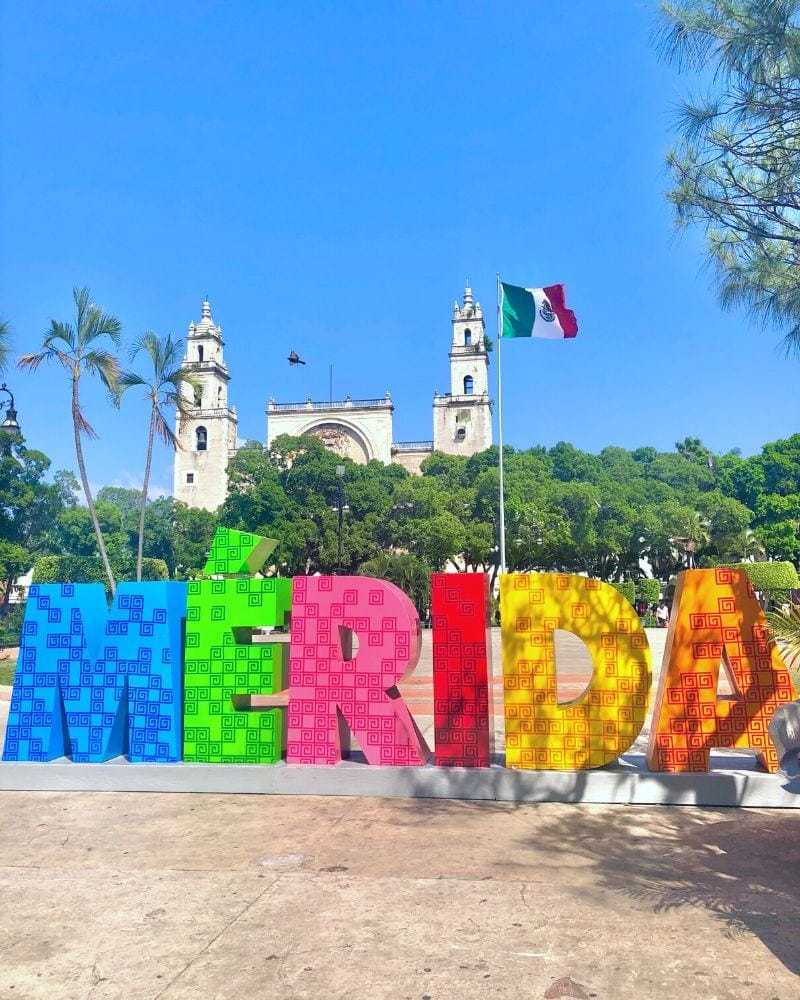
Known as the safest city in Mexico, the capital of Yucatán state blends colonial beauty with Mayan roots and a growing creative scene.
Nearby cenotes and Mayan Ruins, colorful architecture, and world-class gastronomy make it a top pick for travelers.
Unlike San Miguel de Allende, Mérida still feels Mexican, and with a proximity to numerous beaches, there’s just so many great things to do in Mérida.
✈️ How to Get to Mérida: Fly into Mérida International Airport (MID). From there, downtown Mérida is less than 30 minutes away.
My Final Thoughts: Is San Miguel de Allende Worth Visiting?
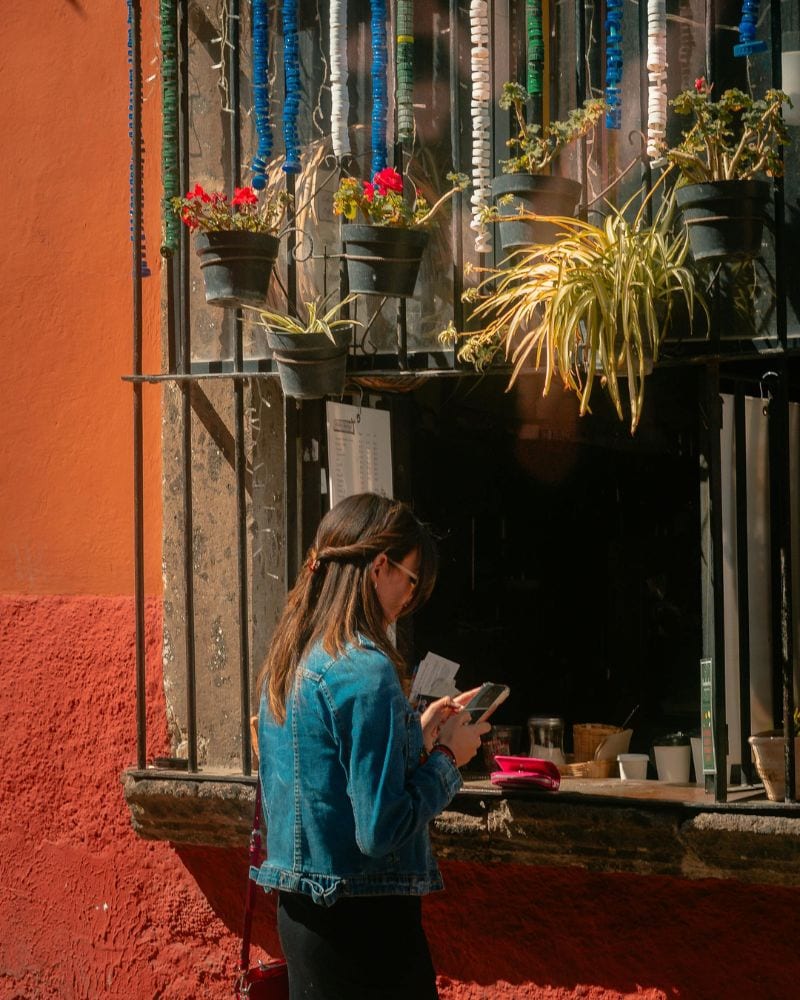
Of course it is — which is why so many people have fallen in love with it and why Travel + Leisure’s readers have crowned San Miguel de Allende the best city in the world.
Now, with all good comes at least some bad.
While SMA looks beautiful in photos, IG reels and YouTube videos, real travelers know its hype often overshadows its substance (or lack thereof).
San Miguel has undeniable charm, art, and comfort, it also suffers from over-tourism, gentrification, and a drift toward being a polished expat showcase.
If you want to see the deeper, more textured Mexico that’s less curated and more alive, then check out the 11 Best San Miguel de Allende alternatives mentioned above, and you’ll be well-rewarded in experience.