
The ULTIMATE Digital Nomad Mexico City Guide for First-Timers



Considering the digital nomad Mexico life?!
While no city is perfect, digital nomad Mexico City folks are certainly spoiled.
From the relatively low cost of living, to a no questions asked, no-cost, six month Mexico Visa, to numerous co-working spaces, and of course, tacos 🌮 — Mexico City needs to be on more best places for digital nomads lists.
On a personal note, I have lived in Mexico City off and on for years, so you’ve come to the right guide.
⚠️ For peace of mind while living in Mexico, you need a policy with SafetyWing Insurance. This is the company I use, and you can get your FREE quote here. Policies start at $2 per day!
I’ve actually lived in a few places in Mexico (including Merida, Oaxaca, Playa del Carmen and Tulum).
I’ve visited the majority of digital nomad in Mexico destinations, though CDMX holds a special place in my heart.
Below are seven reasons to consider moving to Mexico City as a digital nomad — and three reasons this city might not work for you.
In the event you learn it’s not the place for your digital nomad Mexico life, you’ll also find a list of five more of the best places for Mexico digital nomads.
Ready to discover all the Mexico City digital nomad info you need to spend some time in the city? Let’s get to it.
Digital Nomad Mexico City Guide
7 Reasons to Be a Digital Nomad in Mexico City
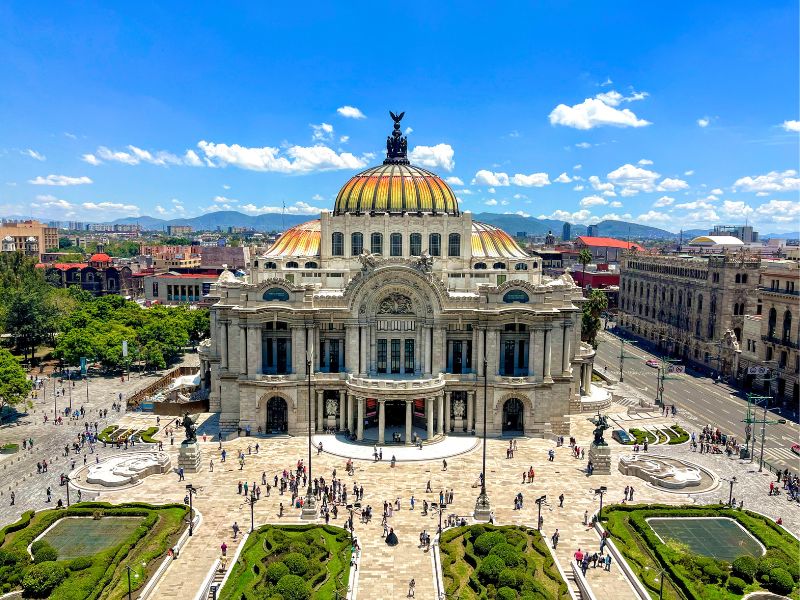
1. Mexico City is amazing
Known as the “tropical New York City,” Mexico City (or, CDMX) is just plain exciting.
There’s no shortage of amazing things to do in Mexico City. It is also a great introduction to Latin culture, for those who haven’t been anywhere so vibrant and festive before.
You’ll also enjoy all the perks of a world-class big city, like tons of culture and history, outdoor green spaces and urban parks, interesting people, fast and reliable WiFi, etc.
You don’t need (or likely even want) a car, as there’s abundant and inexpensive public transportation all over CDMX.
From Mexico City International Airport (MEX Airport), you can travel on a direct flight to much the world, especially the U.S. and Latin America.
To explore other parts of the country, take a flight on one of Mexico’s low cost carriers (VivaAerobus, AeroMexico, Volaris) to get to most other airports in Mexico.
There’s also the ADO busses, which go everywhere.
mexico city UNESCO SITES, museums & street art
CDMX, as Mexico City is known, goes toe to toe with many cities in Europe and Asia in terms of ancient culture and rich history.
When combined, Mexico City and Estado de Mexico (Mexico State), rival nearly all other cities and countries in terms of UNESCO World Heritage Sites.
These include: Teotihuacan, the ancient pyramids in Mexico City, Xochimilco, the man made canals hand-dug by the Aztecs, now a popular place to rent colorful boats in Mexico City.
There’s also the Templo Mayor, the Main Aztec Temple that was once buried underground, and all these other great things to do in Centro Historico (Historic Downtown Mexico City).
Though the internet says there’s debate over what city in the world has the most museums, Mexico City certainly has a lot.
With 150 or so museums to explore, you won’t run out of history or art to explore.
There’s also amazing street art in some of the more fun neighborhoods, like Roma Norte and Condesa.
Need more examples? Here are the 51 Best Non-Touristy Things to Do in Mexico City.
Digital Nomad Mexico City Guide
2. The best neighborhoods in Mexico City are affordable

Speaking of Roma and Condesa, these are two of the best neighborhoods in Mexico City to live in as a digital nomad.
In fact, some might even say they’re two of the best places to work remotely in Mexico.
▶︎ Check out these great Roma Airbnb rentals and Condesa Airbnb rentals — You’ll be shocked at how far your money can stretch in Mexico City.
In these neighborhoods, and a few others located right next to them, you’ll find the most Mexico City co-working spaces and coffee shops and the cutest apartments.
They also offer a bunch of nightlife options and late night taquerias.You’ll no doubt encounter and meet a lot of fellow digital nomads and expats in these areas as well.
With Mexico City, though it is considered safe for the most part, it’s still a big city. This means some areas are good, and frankly, there are neighborhoods in Mexico City to avoid.
Side note: I lived there as a solo female traveler in Mexico and felt perfectly safe. Check out my Ultimate Mexico City Solo Travel Guide for Female Travelers for more info.
Below, you’ll find a quick rundown of the five best neighborhoods in Mexico City, which all make for great places to start out in.
As you get more acclimated to the city, your options for housing will of course broaden. However, for a first time in CDMX, these are all safe, great choices.
Digital Nomad Mexico City Guide
🇲🇽 Roma norte & Roma Sur Mexico City Neighborhoods
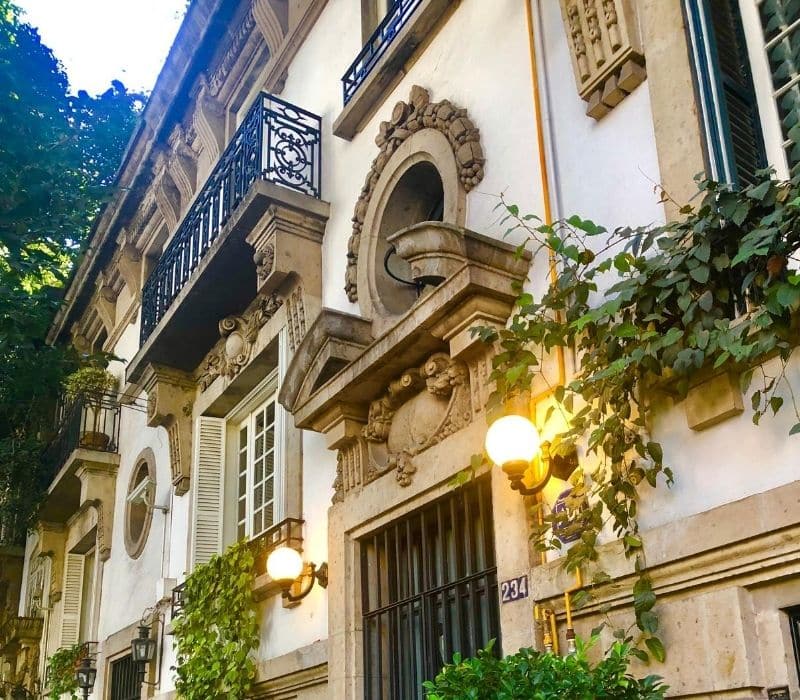
Roma Norte and Roma Sur are the two most popular areas for digital nomads in Mexico City.
Overall, this is a very dog-friendly city, but Roma is especially welcoming to digital nomads traveling with a pet.
During my year in Mexico City, I lived in Roma and highly recommend it — especially if this is your first time in Mexico City.
Roma Sur (South Roma) has a little more of a locals’ vibe to it, and overall, better mercados (markets) to shop in and better cheap eats and street tacos.
It will also be a bit cheaper than Roma Norte (North Roma).
Roma Norte is located north or Roma Sur, which puts it closer to some other great areas like Reforma, Polanco and Centro Historico. It is also prettier and quieter — though Mexico City can be noisy overall.
One of the best streets in CDMX, Avenida Alvaro Obregon, is also in Roma Norte.
During the day, you can work here in a number of cafes, do some shopping, sit on a bench and people-watch, grab some tacos, etc.
At night, it also has some of the best bars in the city.
🤑 Average rent & bills for a nice 1 bedroom apartment in Roma CDMX: $900-1,300 USD (As stated, this is just an average)
Digital Nomad Mexico City Guide
🇲🇽 La Condesa Mexico City Neighborhood
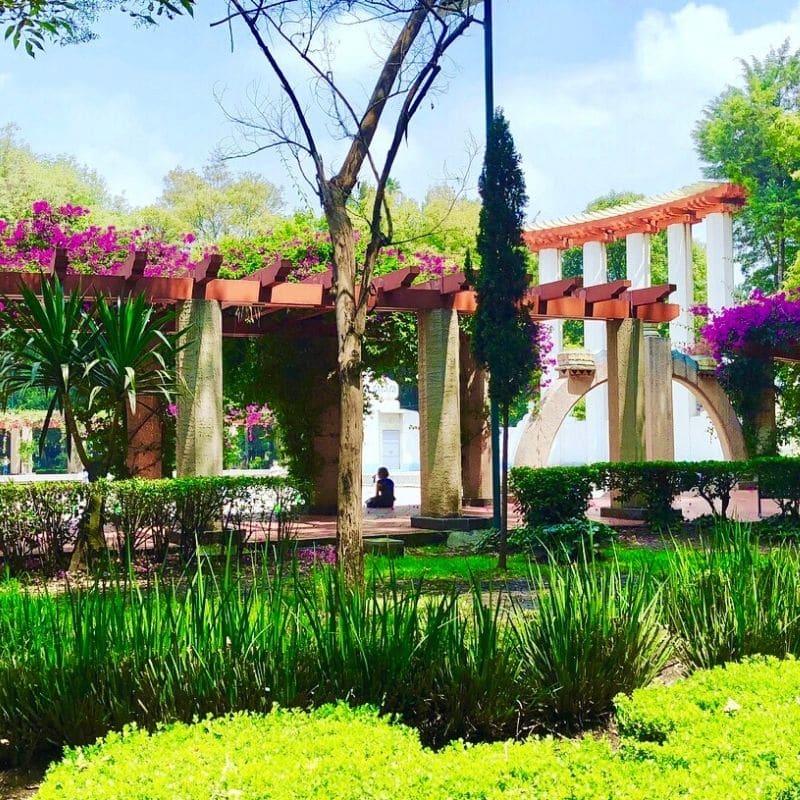
Located right next to Roma, La Condesa (or just Condesa) is another great choice. Condesa has the nicer parks of the two neighborhoods, with Parque España and Parque Mexico.
It also borders Chapultepec Park, one of the largest urban parks in the world.
Condesa also has more of a party atmosphere.
As mentioned, Mexico City itself can be on the loud side, but some streets of Condesa (Avenida Tamaulipas and others) become all-night parties on the weekends.
🤑 Average rent & bills for a nice 1 bedroom apartment in Condesa CDMX: $900-1,300 USD (As stated, this is just an average)
Digital Nomad Mexico City Guide
🇲🇽 reforma Mexico City Neighborhood

This is where all Mexico City’s high rise office buildings are, its 5-star hotels, international embassies and consulates, and a good amount of the co-working spaces.
The tree-lined Avenida Reforma is always a beautiful place to walk, and on Sundays mornings, the street shuts down to cars for the fun Muévete en Bici (Sunday Bike Ride).
This street takes you right to the largest park in Mexico City, Chapultepec Park.
Reforma’s newer buildings have nice amenities, like rooftop gardens, gyms, pools, doormen, etc., of course, higher price tags.
🤑 Average rent & bills for a nice 1 bedroom apartment in Reforma CDMX: $900-1,500 USD (As stated, this is just an average)
Digital Nomad Mexico City Guide
🇲🇽 Zona Rosa Mexico City Neighborhood (LGBTQ+)
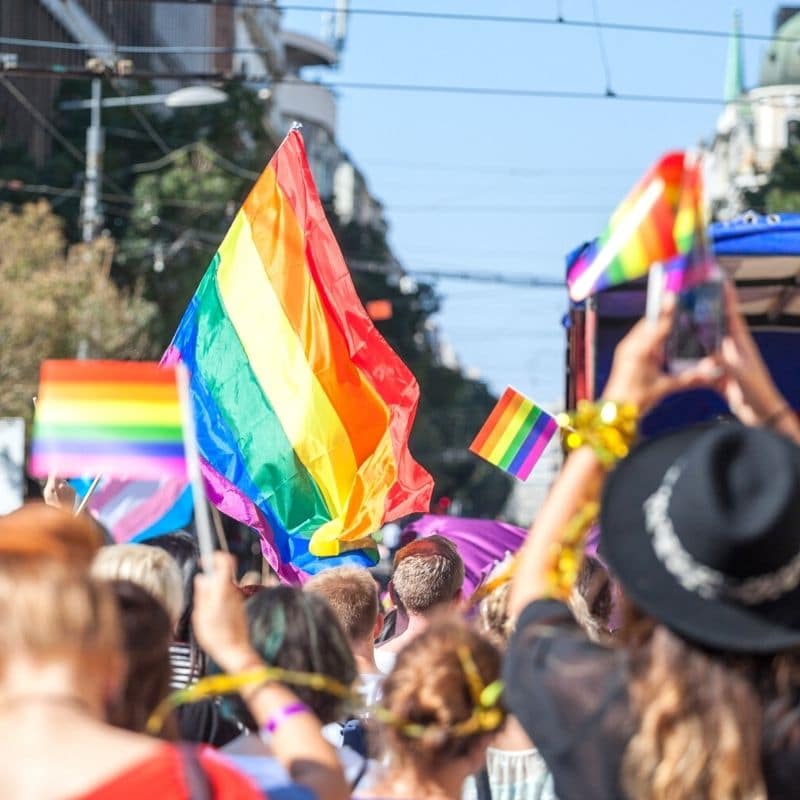
Located right next to Reforma, Zona Rosa (Pink Zone) is the LGBTQ+ epicenter of Mexico City.
While the most areas on this list are known as very gay friendly, Zona Rosa is the most so, and the areas where all the Mexico City Pride events take place.
Much like Condesa, several streets (Calle Londres and others) often turn into weekend-long block parties on Friday and Saturday nights.
It is, however, a safe area, and perfect for anyone who likes to live where all the action is.
🤑 Average rent & bills for a nice 1 bedroom apartment in Zona Rosa CDMX: $900-1,200 USD (As stated, this is just an average)
Digital Nomad Mexico City Guide
🇲🇽 polanco Mexico City Neighborhood

Polanco is the most posh area of CDMX, and possibly even the safest neighborhood in Mexico City because of it.
It is located in the northwestern part of Mexico City, bordering Chapultepec Park.
This is a calmer area of town with nice parks, a few great museums, and upscale shopping along Avenida Presidente Masaryk — AKA the “Rodeo Drive of Mexico City” or the “5th Avenue of Mexico City.”
For those who’s budget affords it, Polanco is a nice option with beautiful apartments and several co-working spaces to choose from.
🤑 Average rent & bills for a nice 1 bedroom apartment in Polanco CDMX: $1,000-1,500 USD (As stated, this is just an average)
Digital Nomad Mexico City Guide
🇲🇽 Other areas to consider (and some to avoid)
Some other areas to look at include Juarez, Del Valle, Narvarte, San Miguel Chapultepec and Santa Maria la Ribera.
In the south of the city, there’s Coyoacan, which has an artsy, youthful vibe.
If you don’t mind being in the main tourist area, there’s also Centro Historico as well.
Tourists aside, this is an amazing area, so check ojut this article for more into — Mexico City Historic Center & Zocalo: 11 Can’t Miss Things to Do
Digital Nomad Mexico City Guide
🚨 Mexico City Neighborhoods to Avoid
If you’re considering Centro Historico, which is generally safe, make sure you avoid the Tepito and Doctores neighborhoods.
Tepito is actually considered one of the most dangerous parts of Mexico City, and Doctores isn’t great, though not as bad.
🏡 How to find an apartment in Mexico City

The easiest way is Airbnb, especially if you’re looking to live solo and don’t know how long you’ll stay in Mexico City.
If you look in any of the areas just mentioned, there’s a good change you’ll get an English-speaking host.
For those who want other options, check out these Mexico City housing Facebook groups and expat Facebook groups:
- Mexico City Housing, Rooms, Apartments, Sublets
- Foreigners & Expats in Mexico City
- Expat Women in Mexico City
The website Inmuebles 24 is another option for finding apartments in Mexico City, and even Craig’s List.
Digital Nomad Mexico City Guide
3. Mexico City is affordable for a big city
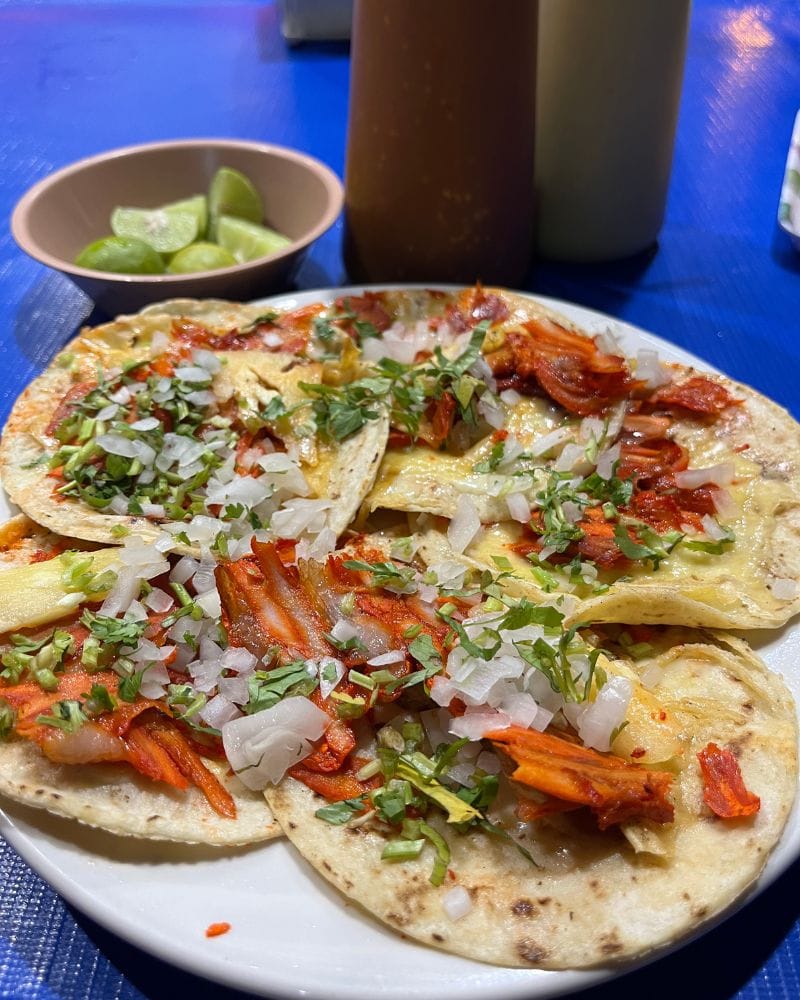
🌮 Mexico City food budget
If you’re doing a combo of street tacos and shopping at only mercados (small, traditional markets), you can get by on about $300 USD per month.
For those who eat out a lot or buy a latte everyday, you might spend closer to $500 USD per month.
🚌 Mexico City transportation budget

Mexico City is very walkable, with nice weather nearly year round, so if you live and work in the same area, you’d barely even use public transport. However, for when you need it, here’s a rundown of your options:
Bus & Metro: The Mexico City metro is incredibly cheap — as in $5 pesos ($0.25 USD) per ride cheap.
The buses are about $10 pesos ($0.50 USD) per ride, so also very affordable. As with most big cities, you’ll want to pay extra attention to your belongings while on Mexico City public transportation.
Bike & Scooter Shares: The city also has the EcoBici bicycle sharing program, and scooter sharing apps, like Bird and Lime. To use these, download the app(s) you need and you’ll be promoted on usage.
The bikes are $521 pesos per year (about $30 USD), and the scooters are charged by kilometers used.
Uber: Using Uber in Mexico City tends to be on the cheap side, at least when compared to Uber in the U.S. or Europe. For example, a 30-minute ride will cost about $125 pesos ($7 USD).
Digital Nomad Mexico City Guide
4. Mexico’s free 6 Month Tourist Visa
One of the best parts about Mexico City and Mexico for digital nomads is the ease of spending a lot of time in the country.
As you’re coming through Immigration, you’re given a 180 day (six month) FMM tourist card or passport stamp.
🇲🇽 Mexico Travel Tips: Hang on you your FMM! It’s a small square piece of paper that can easily get lost, so store it somewhere safe. You will need to give your FMM back to authorities when you leave Mexico.
For those who fall in love with Mexico, when your six months are up, you can leave the country and then return and get another six months.
While this is definitely a grey area of legality, it’s also a grey area people commonly take advantage of — but do be aware this isn’t the 100% legal way.
There is a chance of being denied the six-months, as they only legally have to give you one week, though that is rare.
Still, authorities have been cracking down on these border runs lately.
However, if you are doing a quick border crossing, consider staying a week somewhere else before returning to Mexico.
Also, make sure you have a place rented for a few months so you can prove you’re staying a while.
Even if you don’t have those things, you might get a lenient border agent — and the fact remains that nearly everyone gets to stay in the country for six months, with no paperwork required.
IS THERE A MEXICO DIGITAL NOMAD VISA?
There isn’t a digital nomad Mexico visa, per se. What the country does have is a Temporary Resident Visa, also called a No Lucrativo Visa, meaning “non-lucrative.”
With this visa, you aren’t allowed to earn money from a Mexican company; rather, you’re a digital nomad who earns in another country but lives in Mexico.
While the 180-day Mexico tourist visa is much more than most countries give, there are some things you can’t do with it, like opening a Mexican bank account, getting a driver’s license and buying a car in Mexico.
For this reason, many who move to Mexico eventually get their Temporary Residency Visa.
If you’re not planning to stay in Mexico for the long term, you can legally just come and stay for your six months with your FMM Tourist Card or valid passport stamp.
After your six months expire, you can always leave the country and return to Mexico at any time for another six month FMM Card.
🎫 How to get your Mexico Temporary Residency Card
With Temporary Residency, most people hire a lawyer to help, especially if they don’t speak Spanish.
Even if you speak Spanish, having someone who knows the system is a game changer.
For those who want to look in the process, my friend and fellow Mexico blogger, Alex AKA Backpacking Brunette, has great resources in this playlist on how to DIY it.
You can also check out one of her videos above.
Digital Nomad Mexico City Guide
3. There’s so many Mexico City Co-Work Spaces
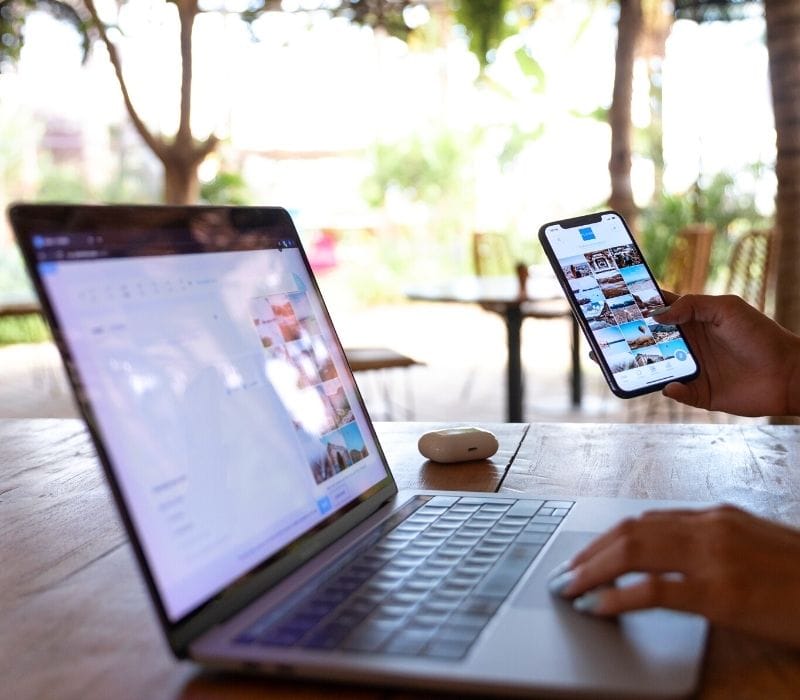
There are about 15 We Work Mexico City office buildings, in addition to several other smaller co-working spaces.
The Mexico City We Works tend to be huge, some having 25 or so floors, with many of said floors occupied by bigger corporations like Uber and DiDi.
Overall, Mexico City We Work offices have a very corporate feel.
They also generally always have openings, so if any of the “boutique” co-works don’t have openings when you’re looking, you can always opt for a temporary spot in a We Work in Mexico City.
Prices will of course vary, but plan to spend about $200 USD for a hot desk, and $350 USD for a private office.
Here are 5 amazing co-working spaces in Mexico City, all located in/around Roma and Condesa.
- HomeWork: Great alternative to We Work, with similar style facilities and lots of social events. I have been here to visit a friend, and this place is gorgeous.
- El 3er Espacio: Located on hip Amsterdam Avenue in Condesa, this is a quiet and beautiful space to work in.
- The Pool: Considered the best co-working space in Polanco.
- Impact Hub
- Cubic Idea
👩💻 best Mexico City Cafes to Work In
Rather work in a cafe in Mexico City?
As Mexico is a very hospitable country, most cafes have no issue with you working all day, as long as you’re buying food and drinks.
Here are 5 amazing places in and around Roma and Condesa, which are also some of the best coffee shops in Mexico City.
- Blend Station: One of the most popular cafes to work in, where basically everyone’s on laptops.
- Cardinal Casa de Cafe: A local’s favorite, with locations in Roma and Condesa.
- Efimero Cafe: Smaller, quiet cafe with indoor and outdoor seating.
- Tierra Garat: A really nice Mexico City coffee shop chain with several locations.
- Cafebrería El Péndulo Roma: A bookstore/cafe where many people also work.
Digital Nomad Mexico City Guide
6. There’s Lots of Expats in Mexico City so it’s Easy to Meet People

As you might imagine, Mexico City attracts a younger, artsy, international crowd.
Just like with most big cities, CDMX has a lot of transplants and expats who have made it their chosen home.
For this reason, it’s pretty easy to meet people, even if your Spanish isn’t great.
(🗣️ When you’re ready for your Spanish to be great, I recommend Rocket Languages to take you from confused to conversational fast!)
Some areas of the city have higher concentrations of expats and English-speakers than others, like Roma and Condesa, but even most Mexicans who live in those areas tend so speak English.
In general, Mexicans are incredibly friendly and curious about people from other countries.
It’s super easy to strike up a conversation in a coffee shop or bar, as the big city dwellers tend to be quite social.
If you prefer starting by meeting online, Facebook groups are big in Mexico City for digital networking.
Digital Nomad Mexico City Guide
7. There’s so many Mexico City Day Trips & Weekend Trips
When it’s time to take an often-needed city break, there are almost too many options within a few hours by plane or bus of CDMX.
🏖️ Acapulco: closest beach to Mexico City
Though not super close to any beaches by car or bus, Acapulco is always an option at 4.5 hours away.
Acapulco is the closest Mexico City beach, and one of the best Mexico resort towns for a quick getaway.
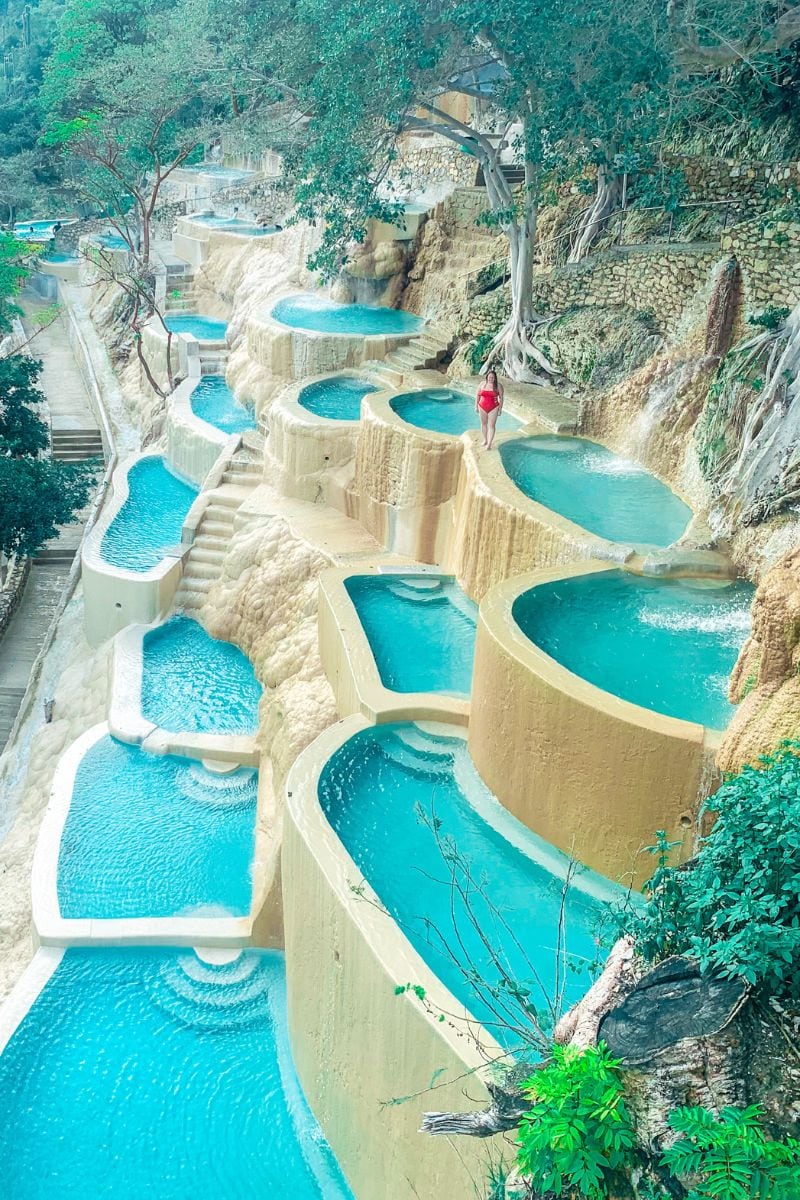
💧 Grutas Tolantongo Mexico City Hot Springs
Some other beautiful watery nature within a few hours of the city include Grutas de Tolantongo hot springs, and Las Estacas National Park.
🗿 ancient ruins near Mexico City

Besides the world-famous Teotihuacan archeological site just outside of Mexico City, you can head to Tula in Hidalgo state to see the Toltec Tollan ruins.
🌋 Volcanoes near Mexico City
There’s amazing hiking at the two volcanoes surrounding the city, Popocatépetl and Iztaccíhuatl, and Parque Nacional Grutas de Cacahuamilpa in Taxco, with miles of underground caves.
🇲🇽 Mexico Pueblos Magicos (Magic towns)
In the pueblo magico (magical town) of Tepoztlan, you can climb up to the ancient Tepozteco pyramid, high atop a mountain overlooking the town.
It is one of the best pyramids in Mexico.
Another Mexico magic town you don’t want to miss is Valle de Bravo, known as the “Hamptons of Mexico City.”
🌎 UNESCO World Heritage Sites in MExico
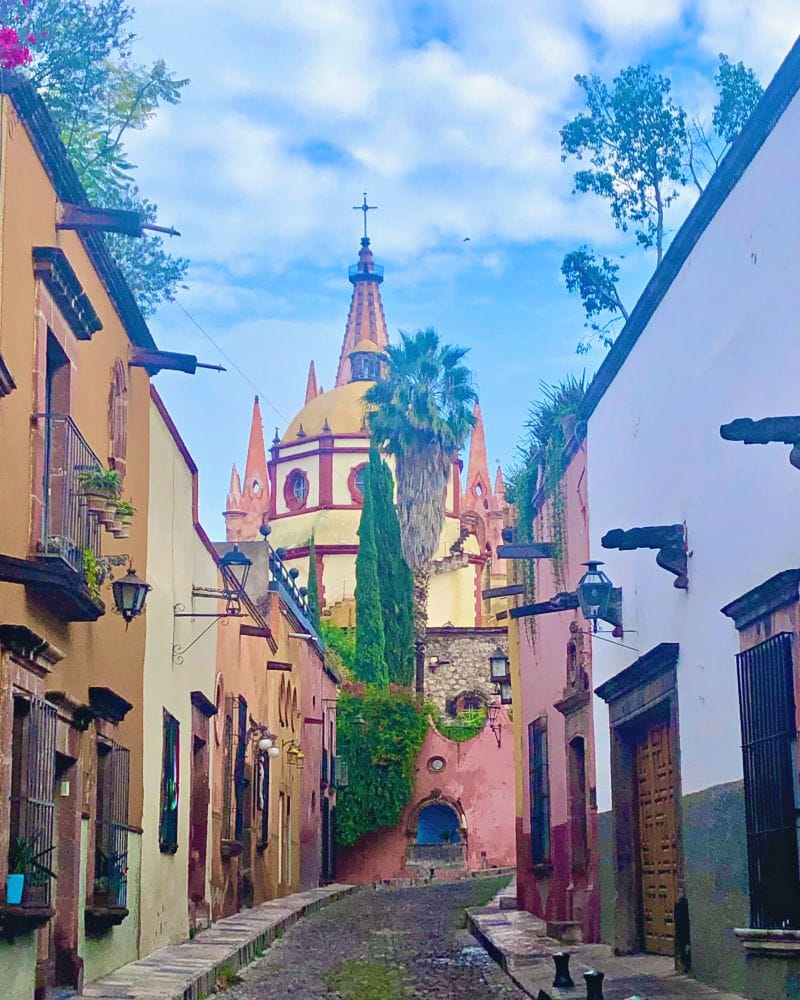
There’s also the second biggest Mexico wine region around San Miguel de Allende (SMA) and Queretaro, located about a few hours away in the pueblo magico of Tequisquiapan.
Morelia in Michoacán state, and Guanajuato City, Mexico, are a bit further from Mexico City, but make the perfect weekend getaways.
All these places, SMA, Queretaro, Guanajuato and Morelia, are Mexico UNESCO sites.
🏆 largest pyramid in the world (By Volume)

🇲🇽 Mexico Fun Fact: The largest pyramid on Earth isn’t in Egypt!
It’s in the pueblo magico (magic town) of Cholula, a few hours from Mexico City — and it’s actually mostly still buried underground.
Choula is right next to Puebla, another great weekend trip, and the country’s fourth largest city.
All places listed are accessible by bus from Mexico City or in a rental car.
However, as Mexico City is in the center of the country, and its largest hub, you can get pretty much anywhere in Mexico within a few hours by plane.
Digital Nomad Mexico City Guide
3 Reasons to NOT Move to Mexico City
Now, that was certainly a lot of pros for Mexico City — though, there’s of course some cons that come with them.
As no city is perfect for everyone, here are the reasons I’d advise digital nomads Mexico City isn’t for them, based on my one-year of living there.
1. Mexico City Traffic is Horrible

With a population nearing nine million, Mexico City’s traffic is the stuff of legend — in a bad way.
If you’re considering a move here, you really must consider life without a car.
For some, that alone is a deal breaker, though Mexico City has great public transportations and inexpensive Uber service.
The way to enjoy this city is to live and work in the same area.
If you have a commute, especially if it’s on public transportation during peak hours, this city’s fast pace may get old quick.
Mexico City, like many big cities, is a stick-to-your-area kind of place — though there’s many great neighborhoods to choose from.
Digital Nomad Mexico City Guide
2. Mexico City Air Pollution is Awful
Sadly, the air quality in Mexico City is far from great. It’s not so bad it makes the news like Hong Kong, but it’s also not pleasant.
A lot of people rely on weather apps like Air Visual Air Quality, the Weather Channel App and others, to check the air pollution levels that day.
Unfortunately, some people are forced to stay indoors when it gets bad.
For the most part, the air quality is good, though it’s rarely great. For this reason, anyone with lung issues or bad allergies might want to consider another city.
🥴 Altitude Sickness in Mexico City
Mexico City is about 7,400 feet (2,250 m) above sea level — which is about 1.5-miles above sea level (2.4 km), so much higher than Denver “The Mile High City.”
For those not used to high altitude, you also might get altitude sickness for about a week.
This feels like the flu, so take precautions and bring anti-altitude sickness meds and ananti-altitude sickness bracelet.
For a deep dive into this topic, check out Mexico City Altitude Sickness: How to Prevent & Treat It.
Digital Nomad Mexico City Guide
3. Mexico City Crime

Mexico City has both good parts and bad parts. If you stick to the good parts, you should usually be perfectly fine.
The bad parts, two of which are mentioned in this article, Tepito and Doctores, need to be avoided. Besides those, most areas are safe.
Of course, you’ll want to take general big city safety measures like not walking home alone at night, being aware of your surroundings, not leaving your belongings unattended, etc.
Also, make sure you’re buying a Mexico SIM Card so you always have data for emergencies.
Need more info? Head to Mexico SIM Cards: 5 Reasons You Need to Buy One.
Ⓜ️ Mexico City public transportation

While millions use them daily without issue, the places in Mexico City considered the least safe are the metro and public buses.
Again, as with most big cities, metro pickpockets are a problem in CDMX.
When you’re using public transportation in Mexico City, pay extra attention to your belongings, and hold your book bag in the front.
Though it has cons, Mexico City is an amazing place that many people love.
It is a big, world-class city that also offers a high quality of life for digital nomads because it’s so affordable.
If you’re considering it, you can always take advantage of that free 180-day FMM visa and see how you like it.
If Mexico City’s not for you after all, consider these are other well-known digital nomad cities in Mexico.
5 Best Digital Nomad Mexico Destinations (Besides Mexico City)
If Mexico City isn’t the place for you, consider the other great digital nomad Mexico destinations listed below.
While these are the most popular, there are others, like Guadalajara, San Cristobal de las Casas, San Miguel de Allende, and even Cancun, so there are many Mexico digital nomad options.
1. Playa del Carmen, Mexico
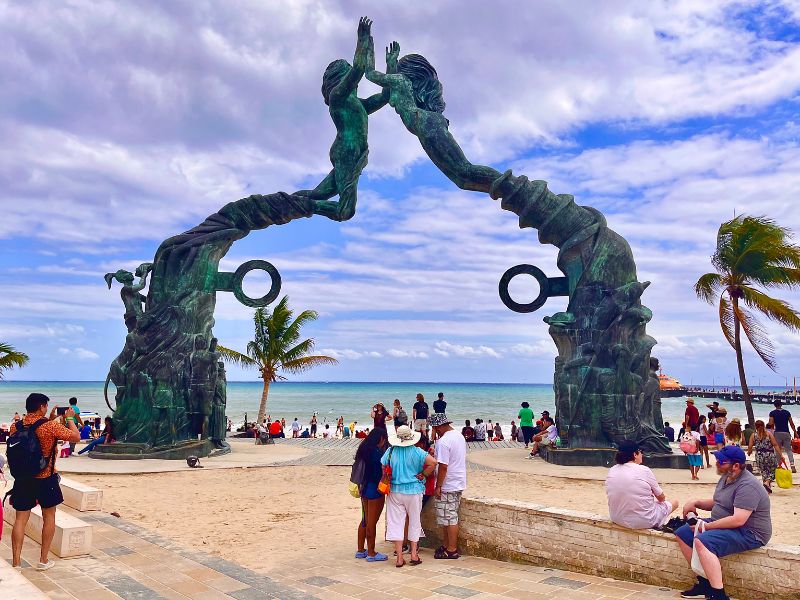
Besides Mexico City, there is a huge expat and digital nomad Playa del Carmen community.
In fact, many consider it one of the best places to live in Mexico for digital nomads who like the beach.
This Mexico beach town is located on the Caribbean Sea just south of Cancun, so there’s beaches, sun and fun in Playa — as the locals call it.
Being so close to Cancun, you have easy access to the Cancun Airport with direct flights to/from all over the world.
You also have a solid infrastructure since Playa del Carmen has been a tourism hub for decades now, so expect good hospitals, shopping malls, plenty of co-working spaces and plenty of English-speakers.
Digital nomad tulum
2. Tulum, Mexico
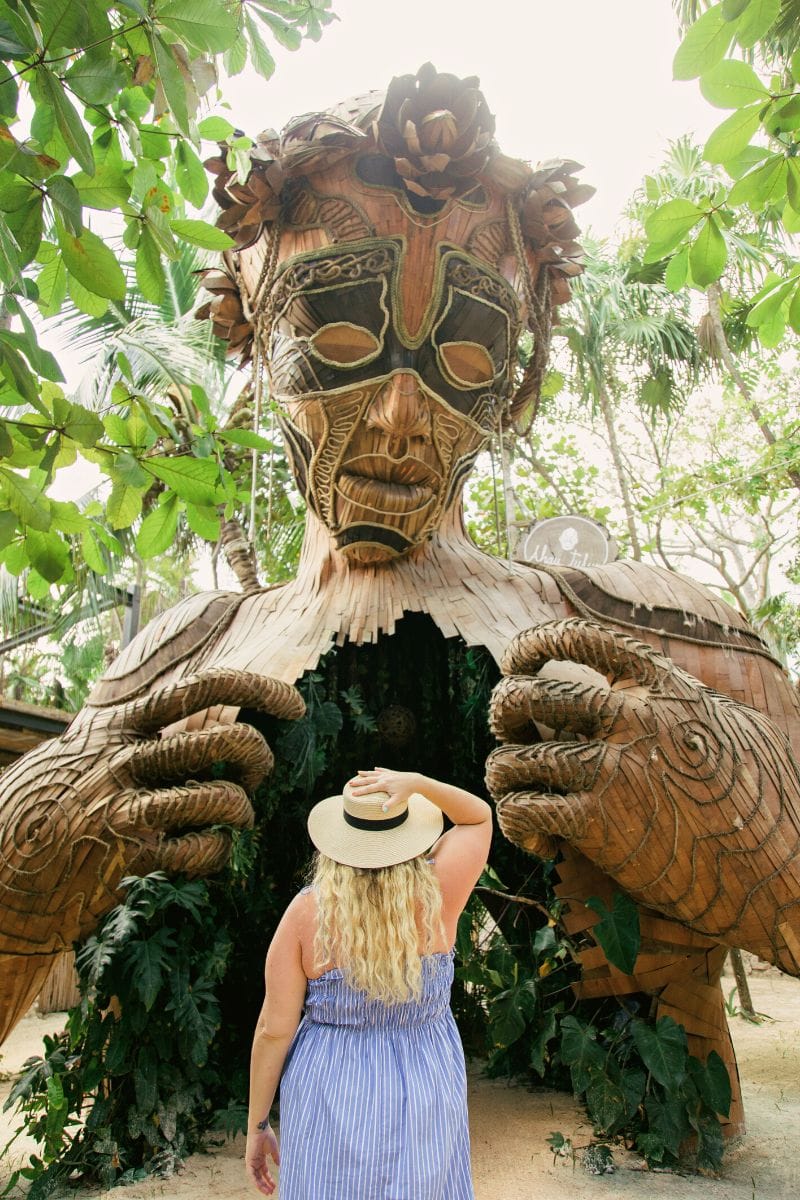
Tulum is located about one-hours south of Playa del Carmen, and two-hours south of Cancun.
It is one of the most popular beach towns in Mexico, and attracts yogis, spiritual types, party people, and of course, digital nomads.
Tulum, however, isn’t the place I’d suggest for digital nomads — and here’s why.
In recent years, thanks to Instagram and YouTube, Tulum has blown up in popularity. The town’s infrastructure however, hasn’t, though it’s prices have.
Besides high price tags on everything from drinks and food, to apartments and hotels in Tulum, the Tulum WiFi is often really bad.
Fast, reliable WiFi is generally an issue, both in homes and in the town in general, so make sure to request a speed test if you’re staying in an Airbnb home.
If you prefer hostels, Meteora Hostel & Coffeehouse Tulum does have fast WiFi and a dedicated digital nomad workspace.
This is one off the best Tulum hostels for digital nomads.
Oaxaca digital nomad
3. Oaxaca City, Mexico
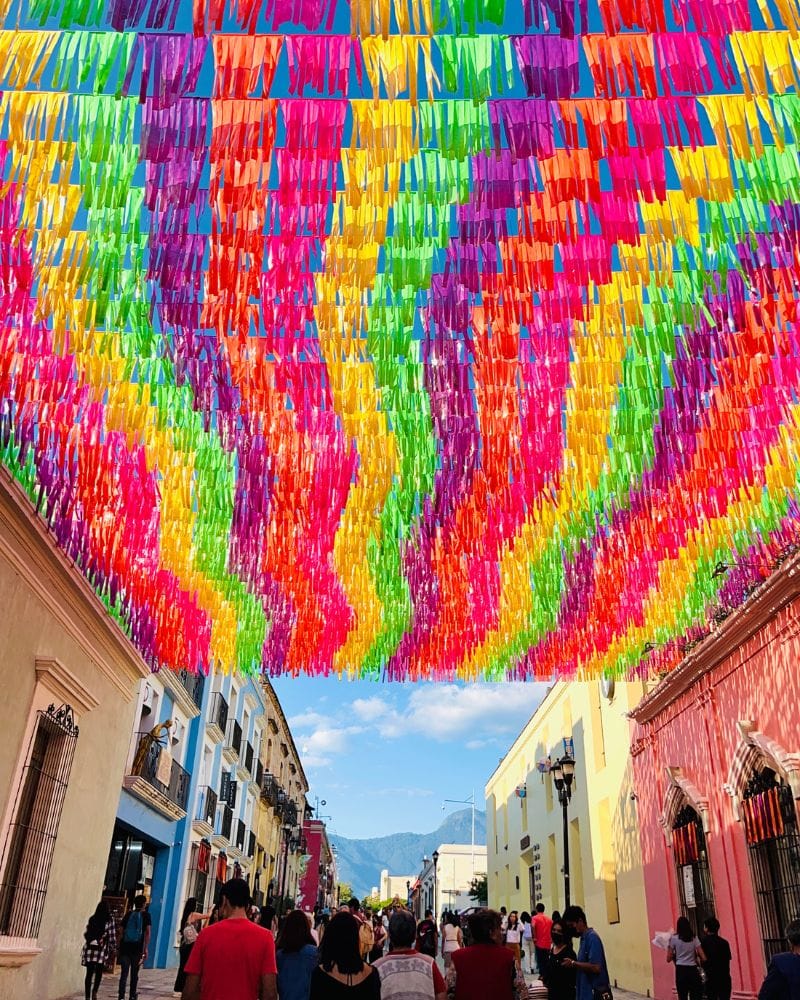
Oaxaca City is the capital of Oaxaca state, and located in south-central Mexico.
Besides being one of the best places to visit in Mexico, it’s also a digital nomad hotspot.
Oaxaca is known as the “Foodie Capital of Mexico” thanks to its delicious moles.
However, people also flock to Oaxaca for its local mezcal distilleries, and for the annual Day of the Dead Oaxaca festival.
For those who want more of a cultural Mexico experience, Oaxaca is your place.
Many artists end up in Oaxaca for this reason, and in recent years, digital nomads have been heading there as well — especially those who find Mexico City too hectic.
Oaxaca accommodations tend to be inexpensive, WiFi speeds are good, and there are Oaxaca co-working spaces, like Selina Oaxaca.
This is also one of the best hostels in Oaxaca City.
DIGITAL NOMAD Puerto Vallarta
4. Puerto Vallarta, Mexico
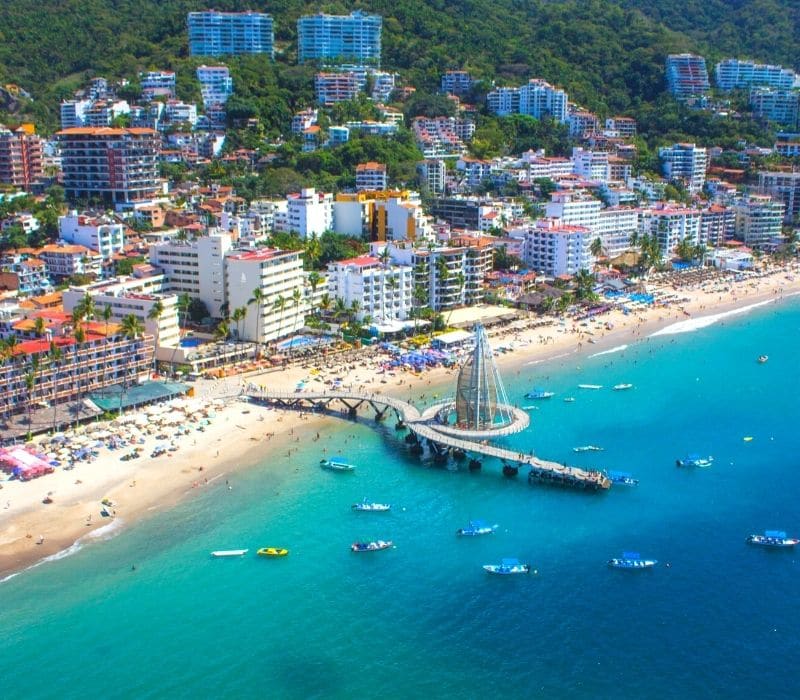
Puerto Vallarta is unique among Mexican beach towns in that it has managed to retain a bit of culture, history and unique charm.
However, as one of the biggest Mexico tourist towns, it also offers resort style amenities mixed in the authentic local culture.
While there are only a handful of few cafes to work in and Puerto Vallarta co-working spaces, the town’s infrastructure is good enough that most apartments have strong, stable WiFi.
With a wealthier demographic in PV, there’s also great hospitals, restaurants, shopping and more.
🏳️🌈 Puerto Vallarta is also considered one of the most LGBTQ+ friendly city in Mexico.
DIGITAL NOMAD Merida
5. Merida, Mexico
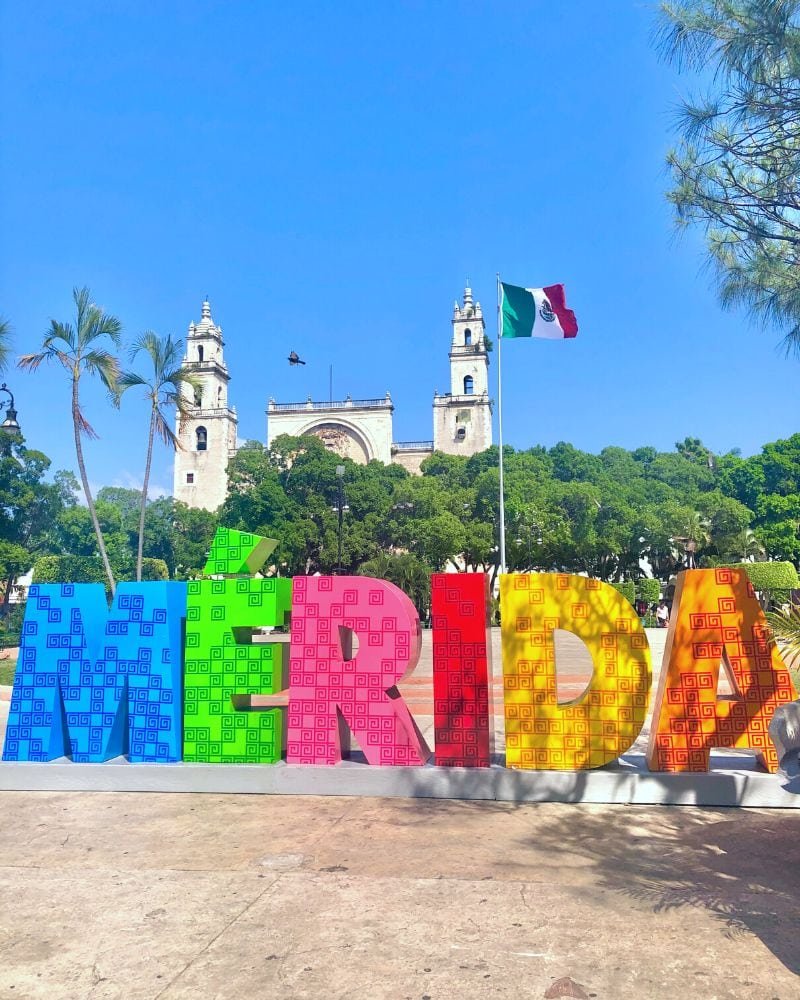
Last but not least is Merida was a city I have called home for several years.
In general, Merida is popping up more and more on tourist, expat and digital nomad radars.
It has great infrastructure, a relatively low cost of living, good WiFi, and is regarded as the safest city in Mexico.
Merida does have a small airport, Merida International Airport (code: MID), which is currently undergoing an expansion, to meet the city’s growing needs.
It is currently the 13th largest city in Mexico, but still does feel like a smaller town. As such, it’s relatively easy to meet people and other expats.
Merida is located in the center of the Yucatan Peninsula, so Merida day trips are plentiful, and you’re just 30 minutes from the closest beach (Progreso), and 3.5 hours from Cancun, Playa del Carmen and Tulum.
As you might imagine, the weather in Merida is hot for most of the year — think 95°F in summer (35°C), and 80°F in winter (26°C).
However, for those who like a tropical climate, Merida makes a great home base to explore Mexico.
Digital Nomad Mexico City Guide
Final Thoughts: Digital Nomad Mexico City Life
With the digital nomad lifestyle, comes the freedom of movement.
Mexico makes this very easy on you with the six-month Tourist Visa, which gives you more than enough time to see if you like Mexico City — and if not, relocate to one of the other Mexico digital nomad cities listed above.
This is actually exactly what I did: Spent about a year straight in Mexico City and traveling around Central Mexico, before deciding to stay in Mexico full time and live in the Yucatan Peninsula.
For those curious about digital nomad Mexico life, Mexico City is a great place to start, even if you don’t stay forever.
There’s a reason it’s considered one of the best cities for digital nomads in Latin America.