
Discover the Unique Cultural Customs Only Mexicans Understand


Mexico is a country full of vibrant colors, rich history, and diverse traditions. Its cultural customs are a mix of ancient civilizations, colonial influences, and modern-day practices.
For outsiders, some of these customs might seem unusual or even confusing. However, these traditions are a big part of Mexicans’ identity and daily life.
In this article, we will explore some of the unique cultural customs that are truly Mexican, giving you a glimpse into the heart and soul of this amazing country.
Disclosure: This article may contain affiliate links, meaning when you make a purchase, I earn a small commission. Affiliate links cost you nothing to use, and help keep my content free. It’s a win-win for us both. For more info, see the Disclosure Policy.
The Significance of Quinceañera Parties

The quinceañera is a celebration of a girl’s fifteenth birthday. This tradition started in ancient Aztec society, where young girls were considered ready for marriage and adult responsibilities at fifteen.
The Spanish colonizers later added elements of Catholicism and European customs to this tradition.
Modern-Day Celebrations
Today, the quinceañera is a big event, often compared to a wedding in size and expense.
The celebration usually starts with a religious ceremony, often a Catholic Mass, where the quinceañera, dressed in a fancy gown, receives blessings.
This is followed by a party that includes a formal dinner, dancing, and various rituals like changing shoes, symbolizing the transition from childhood to womanhood.
Symbolism and Rituals
The quinceañera is full of symbolism. The young girl is often given a tiara, symbolizing her role as a princess in her family.
The ceremony also includes the presentation of a doll, representing the last toy the girl will receive as a child.
These rituals and religious elements show the importance of family, faith, and tradition in Mexican culture.
Las Mañanitas: The Birthday Song
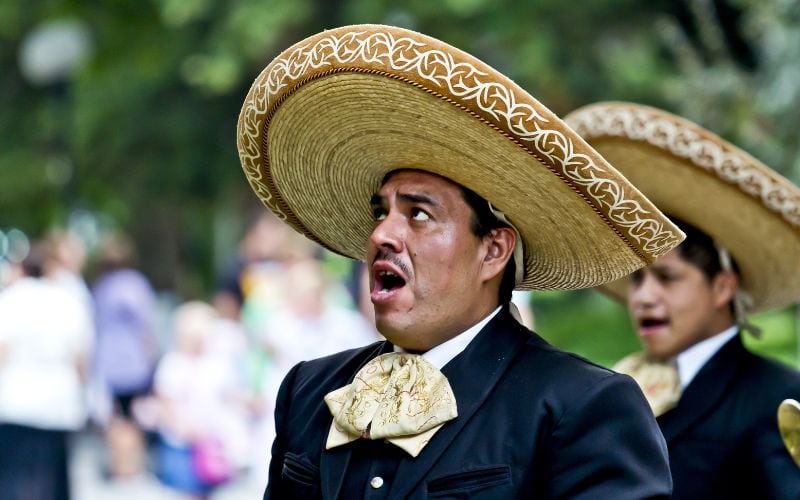
Unlike the familiar “Happy Birthday” song, Mexicans celebrate birthdays with “Las Mañanitas,” a traditional Mexican birthday song.
The origins of this song are somewhat unclear, but it is believed to have been composed in the early 20th century.
The song is often attributed to Manuel M. Ponce, a famous Mexican composer.
How It’s Sung
“Las Mañanitas” is usually sung early to wake the birthday person.
Family and friends gather outside the person’s window or door, often with a mariachi band, to serenade them. The song is also sung during the birthday celebration before cutting the cake.
Cultural Importance
“Las Mañanitas” holds a special place in Mexican culture. It is more than just a birthday song; it is a way to show love, affection, and good wishes.
The song’s lyrics, which talk about the beauty of the morning and the joy of the occasion, reflect Mexicans’ deep connection with their traditions and loved ones.
The Art of Not Saying No

In Mexican culture, politeness and harmony in social interactions are very important. Because of this, Mexicans often avoid saying “no” directly, as it can be seen as rude or confrontational.
Instead, they may use indirect language or offer alternative suggestions to avoid causing offense.
Navigating Directions

One common situation where this custom is evident is when asking for directions.
Rather than admitting they don’t know the way, Mexicans might give vague or roundabout directions.
This can confuse outsiders but is rooted in the desire to be helpful and polite.
Social Etiquette
Understanding this part of Mexican culture is important for good communication. When talking with Mexicans, reading between the lines and paying attention to non-verbal cues is important.
Asking for clarification or a second opinion can also help navigate these social nuances.
Constant Greetings and Goodbyes
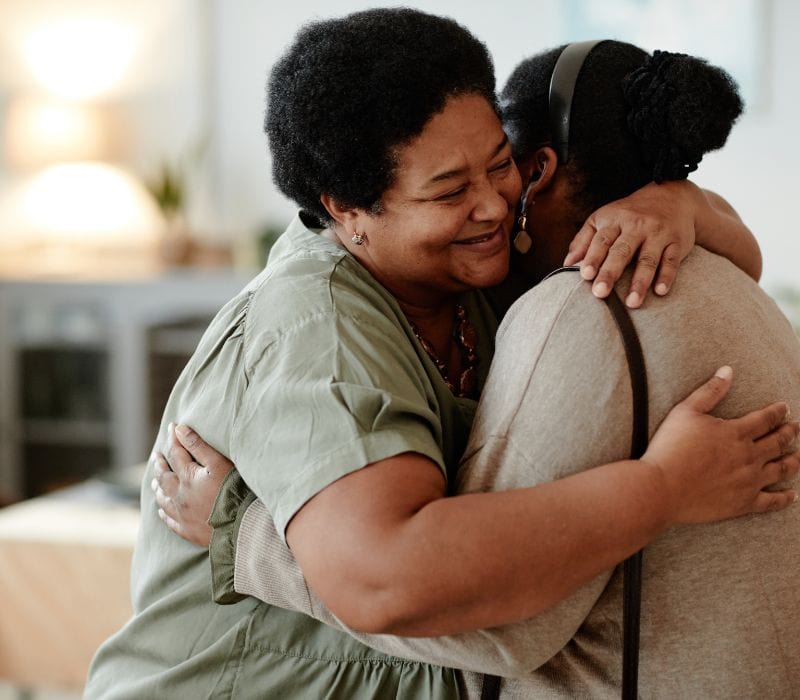
In Mexico, greetings are a key part of social interactions. Whether meeting someone for the first time or seeing a friend, a proper greeting is expected.
This custom shows the value Mexicans place on personal relationships and social harmony.
Different Types of Greetings
The type of greeting can vary depending on the context and the relationship between the people. Common greetings include a handshake, a hug, or a kiss on the cheek.
In more formal settings, a polite “Buenos días” (Good morning) or “Buenas tardes” (Good afternoon) is appropriate.
The Custom of Saying Goodbye
Just as important as greetings are the farewells. Mexicans often take their time to say goodbye, engage in small talk, and express well-wishes.
This custom shows the importance of personal connections and the desire to leave a positive impression.
The Tradition of Día de los Muertos

Día de los Muertos, or Day of the Dead, is one of Mexico’s most famous traditions.
This celebration, which takes place on November 1st and 2nd, has its roots in ancient indigenous practices that honored the deceased.
The Aztecs, for example, believed in an afterlife and held rituals to honor their ancestors.
Modern Celebrations

Today, Día de los Muertos is a colorful celebration combining indigenous traditions and Catholic elements.
Families create altars, or ofrendas, decorated with photos, candles, marigolds, and offerings like food and drinks.
These altars are meant to welcome the spirits of the deceased back to the world of the living.
Symbolism and Rituals

The symbolism of Día de los Muertos is rich and multifaceted.
The marigold flowers, known as cempasúchil, are believed to guide the spirits with their bright color and strong scent.
The sugar skulls, or calaveras, represent the deceased and are often decorated with the person’s name.
These rituals reflect the Mexican view of death as a natural part of life and a time to celebrate rather than mourn.
The Role of Family in Mexican Culture

Family is the cornerstone of Mexican society. The traditional family structure includes the nuclear family and extended family members like grandparents, aunts, uncles, and cousins.
This extended family network provides emotional and financial support and is crucial to social life.
Importance of Extended Family
In Mexican culture, the extended family is often as important as the immediate family.
Family gatherings and celebrations are common, and it is not unusual for multiple generations to live under one roof.
This close-knit family structure fosters strong bonds and a sense of belonging.
Family Gatherings and Celebrations
Family gatherings are an important part of Mexican culture. These events, ranging from casual get-togethers to big celebrations, allow family members to connect, share stories, and create lasting memories.
Family gatherings are cherished traditions, whether they’re birthday parties, holiday celebrations, or Sunday meals.
Mexican Cuisine: A Culinary Journey

Mexican cuisine is famous for its rich flavors, diverse ingredients, and vibrant colors.
Traditional dishes like tacos, tamales, and mole are staples of Mexican cuisine and are enjoyed worldwide.
Each dish tells a story of the region it comes from and the cultural influences that have shaped it.
Regional Variations
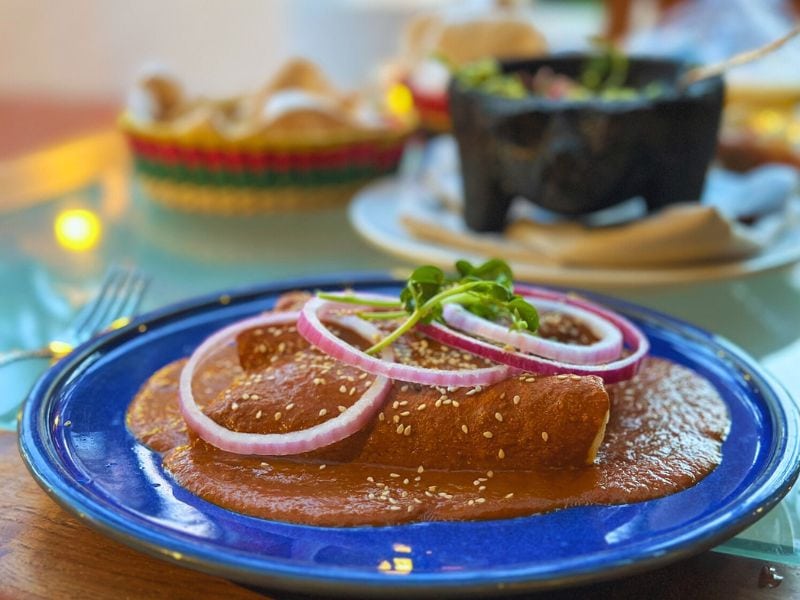
Mexico’s diverse geography and cultural heritage have given rise to a wide variety of regional cuisines.
For example, the cuisine of Oaxaca is known for its complex moles, while the Yucatán Peninsula is famous for its Mayan-influenced dishes like cochinita pibil.
Exploring these regional variations offers a deeper understanding of Mexico’s culinary richness.
The Role of Food in Celebrations

Food plays a central role in Mexican celebrations. Food is always at the heart of the festivities, whether it’s a family gathering, a religious festival, or a national holiday.
Traditional dishes are prepared with care and shared with loved ones, reflecting the importance of food in Mexican culture.
The Influence of Religion

Catholicism is the main religion in Mexico, and its influence is seen in many aspects of Mexican culture.
The Spanish colonizers introduced Catholicism in the 16th century, and it has since become deeply ingrained in Mexican society.
Churches, religious festivals, and rituals are important to daily life.
Religious Festivals

Religious festivals, or fiestas, are a big part of Mexican culture. These celebrations often involve processions, music, dancing, and feasting.
Some of the most important religious festivals include Semana Santa (Holy Week), Día de la Virgen de Guadalupe (Day of the Virgin of Guadalupe), and Christmas.
The Role of Saints

Saints play a crucial role in Mexican Catholicism. Many Mexicans have a deep devotion to specific saints, who are believed to intercede on their behalf.
This devotion is often shown through prayers, offerings, and pilgrimages to shrines dedicated to the saints.
The Custom of Piñatas

The piñata, a colorful container filled with candies and toys, is a beloved tradition in Mexican celebrations.
The origins of the piñata are believed to date back to ancient Mesoamerican cultures, where similar objects were used in religious rituals.
The Spanish later introduced the modern version of the piñata during the colonial period.
How Piñatas Are Made
Piñatas are usually made from papier-mâché and decorated with bright colors and patterns.
They come in various shapes and sizes, from traditional stars to popular cartoon characters.
The process of making a piñata involves several steps, including creating the structure, applying layers of papier-mâché, and decorating the exterior.
The Role of Piñatas in Celebrations
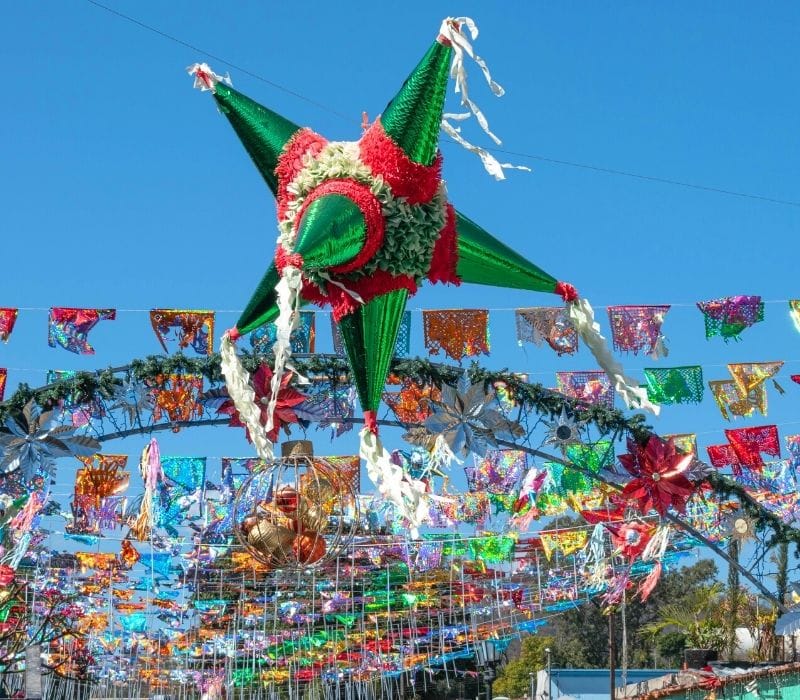
Piñatas are a staple of Mexican celebrations, especially birthday parties and Christmas festivities.
The act of breaking the piñata, which involves blindfolding participants and having them take turns hitting it with a stick, is a highlight of the event.
The spilling candies and toys symbolize the rewards of perseverance and effort.
The Tradition of Posadas

Posadas are a traditional Mexican celebration during the nine days leading up to Christmas.
The word “posada” means “inn” or “shelter,” and the celebration reenacts Mary and Joseph’s search for a place to stay in Bethlehem.
This tradition has its roots in Spanish colonial practices and indigenous customs.
How Posadas Are Celebrated
Posadas involve a series of nightly processions and gatherings. Often dressed as Mary and Joseph, participants go from house to house singing carols and asking for shelter.
At each stop, they are turned away until they reach the designated “inn,” where they are welcomed with open arms. The evening concludes with prayers, songs, and a festive meal.
Cultural Significance

Posadas are more than just a religious celebration; they are a time for community and family bonding. The processions and gatherings foster a sense of unity and shared faith.
The tradition also serves as a reminder of the importance of hospitality and compassion.
The Art of Mexican Handicrafts
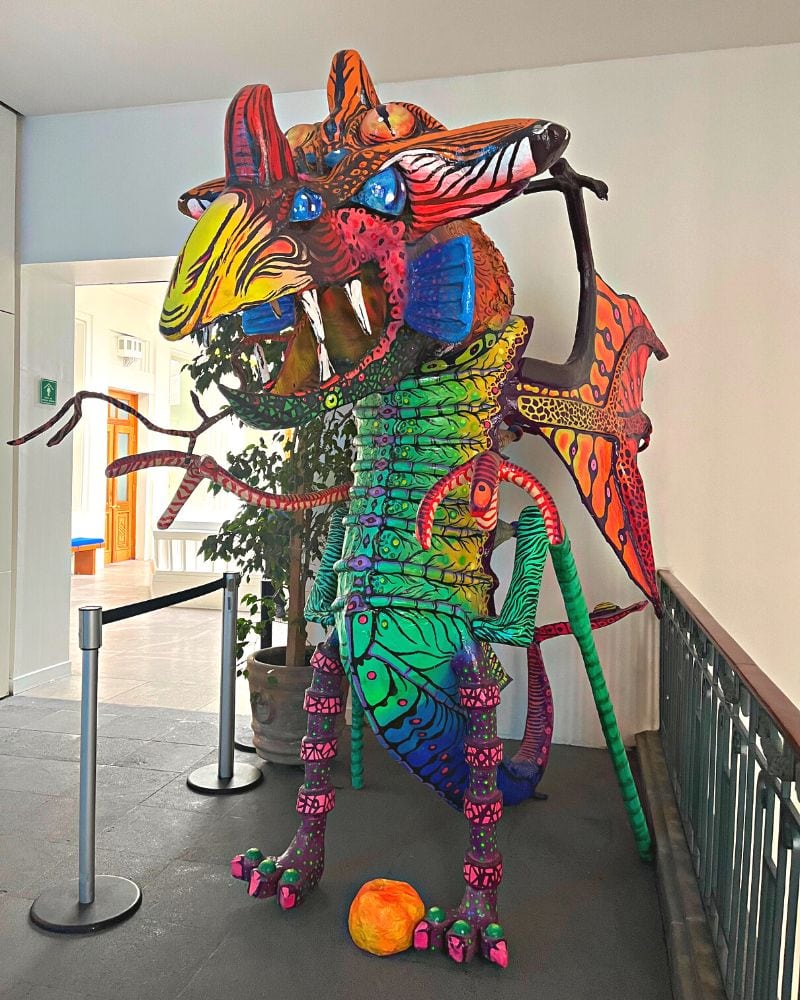
Mexican handicrafts are famous for their beauty, craftsmanship, and cultural significance.
These crafts include pottery, textiles, jewelry, and woodwork, each reflecting the unique traditions and skills of different regions.
Some of the most famous Mexican handicrafts include Talavera pottery, Oaxacan alebrijes, and Huichol beadwork.
Regional Variations

Each region of Mexico has its own distinctive handicraft traditions.
For example, the state of Michoacán is known for its intricate lacquerware, while the state of Chiapas is famous for its vibrant textiles.
These regional variations highlight the diversity and richness of Mexican culture.
The Role of Handicrafts in Mexican Culture
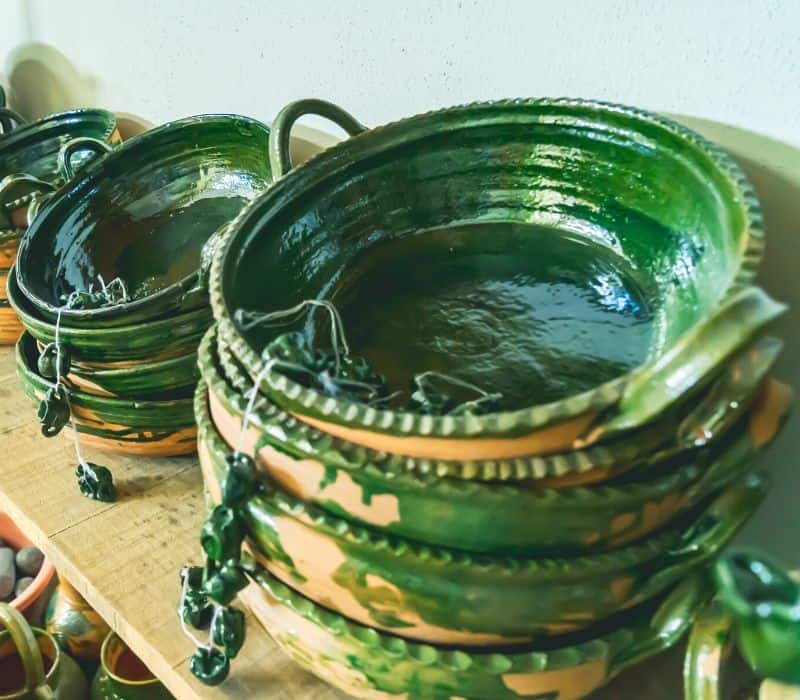
Handicrafts play a vital role in Mexican culture, serving as a means of artistic expression and cultural preservation.
They are often passed down through generations, with artisans learning their craft from family members.
Handicrafts are also an important source of income for many communities, contributing to the local economy.
The Custom of Serenades
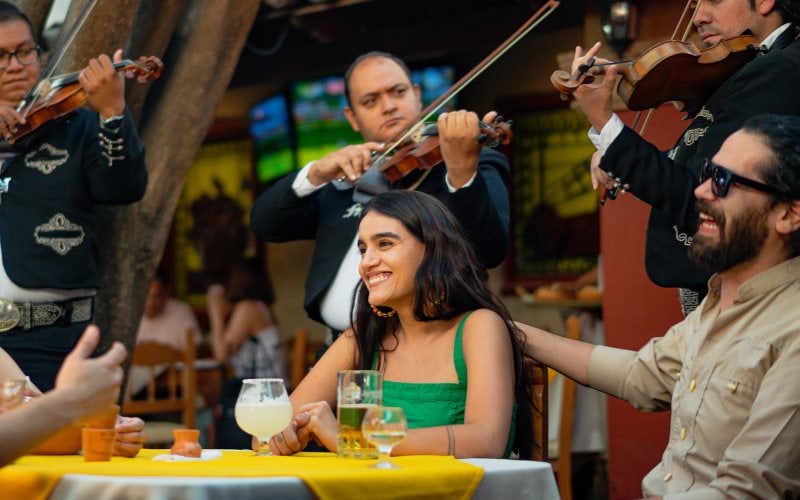
Serenades, or “serenatas,” are a romantic tradition in Mexican culture.
This custom involves a suitor or loved one singing or playing music outside the window of their beloved, often accompanied by a mariachi band.
The origins of serenades can be traced back to Spanish colonial times, when troubadours would serenade noblewomen.
How Serenades Are Performed
A typical serenade involves the suitor arriving at the beloved’s home in the early morning or late evening, often with a group of musicians.
The suitor sings or plays romantic songs, expressing their love and admiration.
The serenade is meant to surprise and delight the recipient, who may respond by coming to the window or inviting the suitor inside.
Cultural Significance
Serenades are a cherished tradition in Mexican culture.
They symbolize love, devotion, and courtship and are often performed on special occasions such as birthdays, anniversaries, and weddings.
The Tradition of Bullfighting
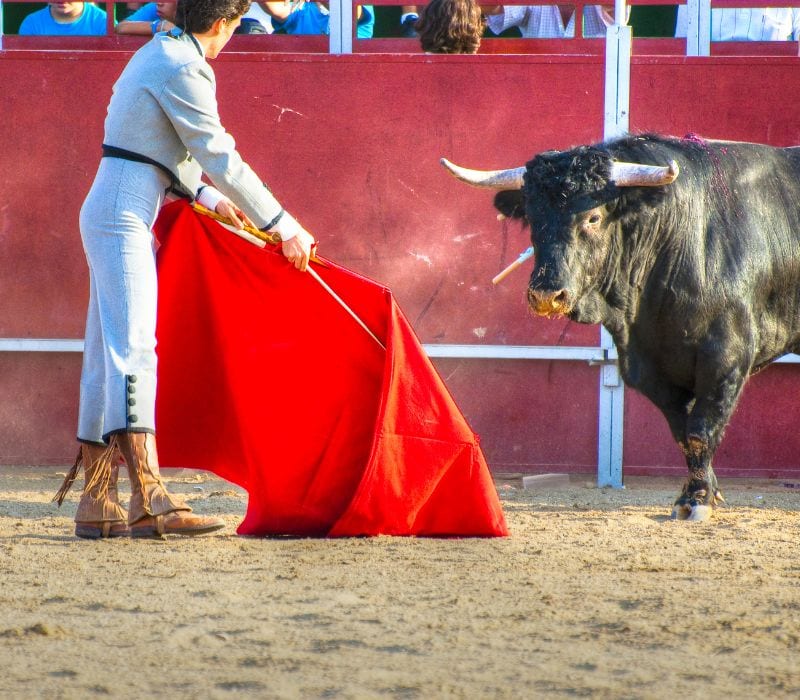
Bullfighting, or “corrida de toros,” is a controversial yet deeply rooted tradition in Mexican culture.
The practice was introduced by the Spanish during the colonial period and has since become a popular spectacle in Mexico.
Bullfighting events are typically held in large arenas, known as “plazas de toros.”
Modern-Day Bullfighting
Modern-day bullfighting involves a series of rituals and performances, culminating in the matador facing the bull in the ring.
The event is highly ceremonial, with the matador wearing traditional attire and performing a series of choreographed moves.
While bullfighting remains popular, it has also been criticized and called for reform due to concerns about animal welfare.
Controversies and Debates
Bullfighting is a subject of intense debate in Mexico. Supporters argue that it is a cultural tradition that should be preserved, while opponents view it as a cruel and outdated practice.
The controversy has led to changes in some regions, with certain areas banning or restricting bullfighting events.
The Role of Music and Dance

Music is an integral part of Mexican culture, with a rich tradition of diverse genres.
Some of the most popular traditional music genres include mariachi, ranchera, and norteño.
Each genre has its own unique style, instruments, and themes, reflecting the cultural heritage of different regions.
Popular Dance Forms

💃🏻 Dance is another important aspect of Mexican culture, often performed with music.
Traditional dance forms such as the Jarabe Tapatío (Mexican Hat Dance), the Danza de los Viejitos (Dance of the Little Old Men), and the Ballet Folklórico showcase the country’s vibrant cultural heritage.
These dances are often performed at festivals, celebrations, and cultural events.
The Role of Music and Dance in Celebrations

Music and dance are central in Mexican celebrations, from religious festivals to family gatherings. They provide a means of expression, entertainment, and cultural preservation.
Whether it’s a lively mariachi band at a wedding or a traditional dance performance at a fiesta, music and dance bring people together and create a sense of joy and community.
The Custom of Offering Food to Guests
Hospitality is a core value in Mexican culture, and offering food to guests is a way of showing warmth and generosity.
This custom reflects the importance of building and maintaining social bonds.
Traditional Foods Offered

Guests are often treated to traditional dishes such as tamales, pozole, and churros.
These foods are prepared with care and pride, highlighting the host’s culinary skills and cultural heritage.
Cultural Significance
Offering food to guests is more than just a gesture of hospitality; it is a way to share culture and tradition.
It reinforces the sense of community and belonging, making guests feel welcomed and valued.
The Tradition of Mexican Wrestling (Lucha Libre)

Lucha Libre, or Mexican wrestling, dates back to the early 20th century and has become a beloved form of entertainment.
It combines athleticism, theatricality, and colorful characters, making it a unique aspect of Mexican culture.
Modern-Day Wrestling

Today, Lucha Libre is popular both in Mexico and internationally.
Wrestlers, known as luchadores, wear distinctive masks and costumes, perform high-flying maneuvers, and tell dramatic storylines that captivate audiences.
Cultural Impact
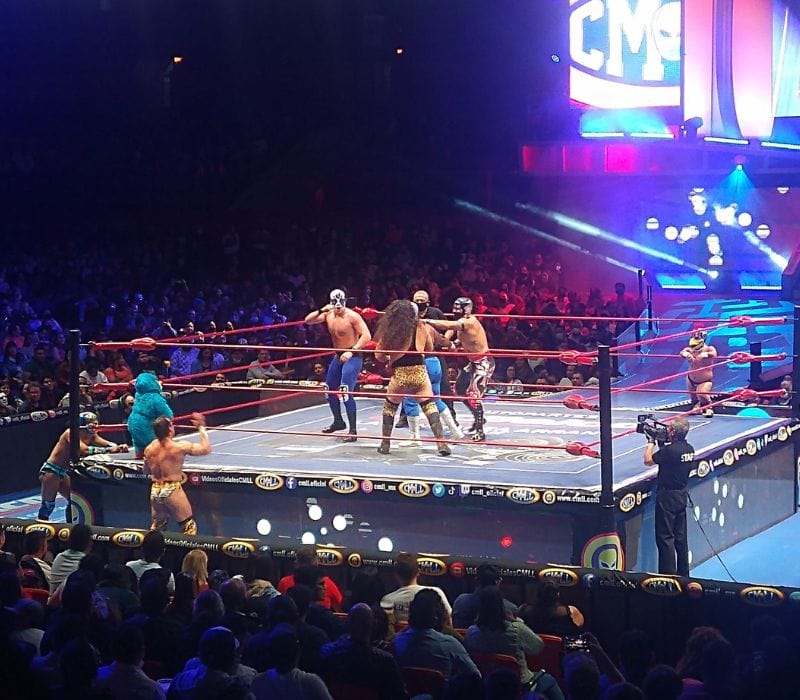
Lucha Libre has a significant cultural impact. It symbolizes the struggle between good and evil.
It also serves as a source of national pride and identity, showcasing Mexican creativity and resilience.
The Custom of Using Nicknames
Nicknames, or “apodos,” are commonly used in Mexico as a form of endearment and familiarity.
They often reflect physical characteristics, personality traits, or humorous aspects of an individual’s name.
Common Nicknames
Common nicknames include “Chuy” for Jesús, “Lupita” for Guadalupe, and “Checo” for Sergio. These nicknames create a sense of closeness and camaraderie among friends and family.
Cultural Significance
Using nicknames is a way to express affection and establish informal bonds. It reflects Mexican culture’s friendly and sociable nature, where personal relationships are highly valued.
The Role of Folklore and Legends

Mexico has a rich folklore tradition and legends, such as La Llorona, the weeping woman, and El Chupacabra, a mythical creature.
These stories are passed down through generations, often with variations that reflect local beliefs and customs.
The Role of Folklore in Mexican Culture
Folklore explains natural phenomena, imparts moral lessons, and entertains. It is an integral part of cultural identity, connecting people to their heritage and history.
How Legends Are Passed Down
Legends are typically passed down orally, through storytelling, or in written form.
They are often shared during family gatherings, festivals, and educational settings, ensuring these cultural treasures endure.
The Custom of Celebrating Independence Day

Mexican Independence Day, celebrated on September 16, commemorates the start of the fight for independence from Spanish rule in 1810.
The event began with Miguel Hidalgo’s famous “Grito de Dolores” (Cry of Dolores).
How Independence Day Is Celebrated

Independence Day celebrations include patriotic displays, fireworks, parades, and the reenactment of Hidalgo’s cry.
Mexicans gather in town squares, waving flags and singing the national anthem, expressing their national pride and unity.
Cultural Significance

Independence Day is a significant national holiday that honors the country’s struggle for freedom and sovereignty. It reminds us of Mexico’s history and the enduring spirit of its people.
The Tradition of Mexican Markets

Mexican markets, or “mercados,” range from small neighborhood stalls to large public markets.
They offer a variety of goods, including fresh produce, handmade crafts, and traditional foods.
What You Can Find

Visitors to Mexican markets can find everything from fruits and vegetables to textiles and pottery.
These markets are also known for their street food, offering authentic and delicious culinary experiences.
The Role of Markets in Mexican Culture

Markets are vital to daily life and community interaction. They provide a space for socializing, commerce, and cultural exchange, reflecting the vibrancy and diversity of Mexican society.
The Custom of Using Spices in Food
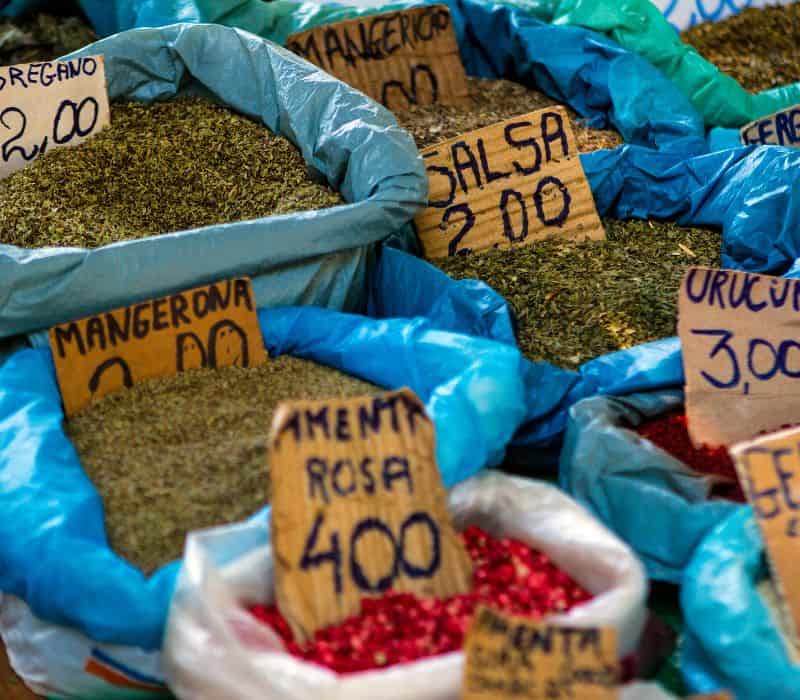
Mexican cuisine is renowned for its use of spices, such as chili peppers, cumin, and oregano.
These spices add depth and flavor to dishes, making Mexican food distinctive and flavorful.
How Spices Are Used
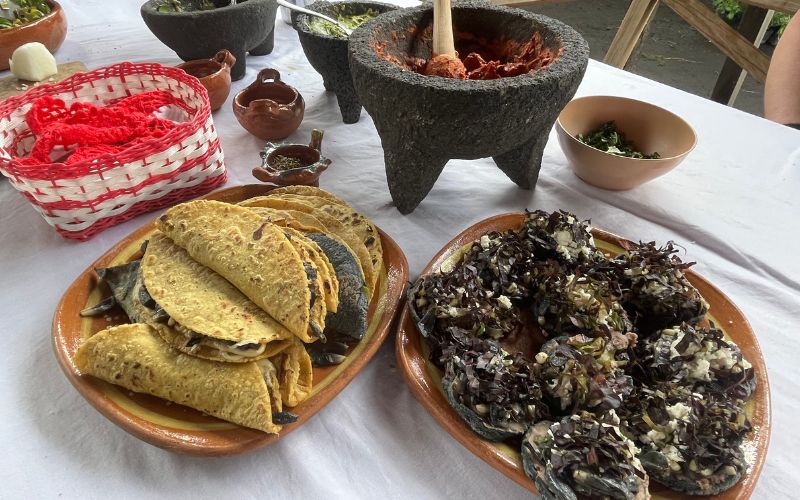
Spices are used in various ways, from seasoning meats and vegetables to creating rich sauces like mole.
They are an essential component of traditional recipes, contributing to the complexity and richness of Mexican cuisine.
Cultural Significance

Spices are deeply rooted in Mexican culinary traditions, reflecting the country’s agricultural heritage and regional diversity.
Spices are a culinary element and a symbol of Mexican identity and culture.
The Custom of Celebrating Christmas

Christmas in Mexico, or “Navidad,” is celebrated with various customs, including the construction of nativity scenes, posadas, and festive meals.
The holiday season is marked by vibrant decorations and joyful gatherings.
The Role of Religion
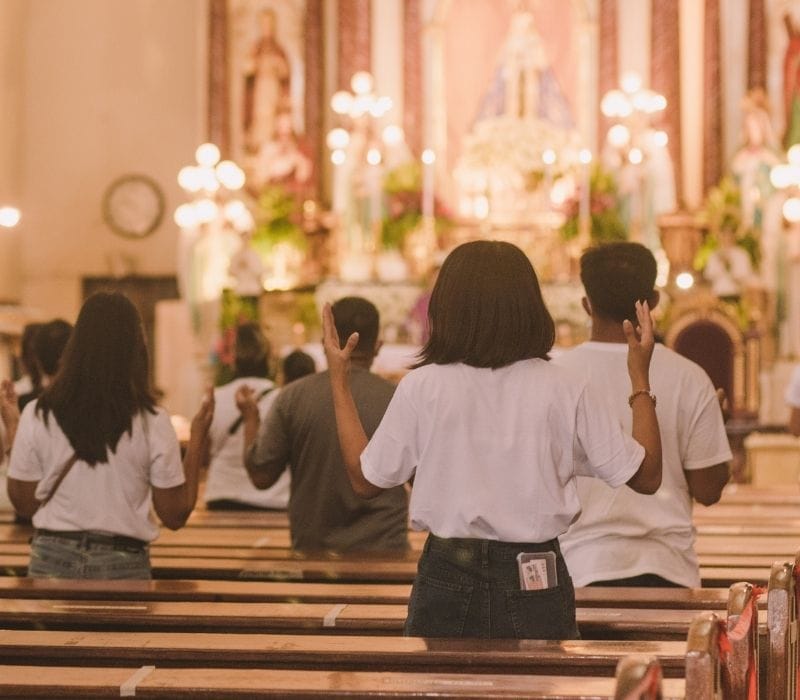
Religion plays a significant role in Christmas celebrations, with many Mexicans attending midnight mass, or “misa de gallo,” on Christmas Eve.
The religious aspect of Christmas emphasizes the importance of faith and community during the holiday season.
Modern-Day Celebrations
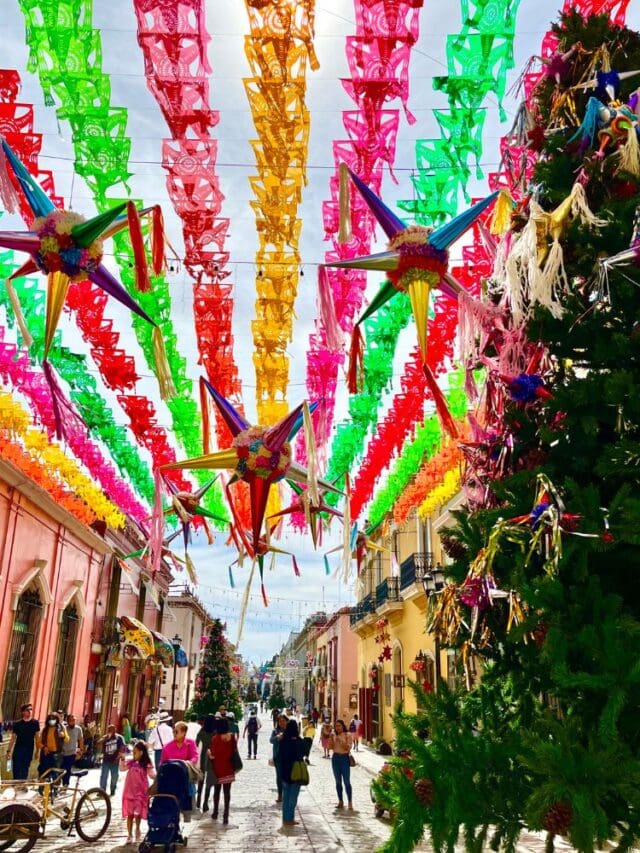
Modern-day Christmas celebrations in Mexico blend traditional customs with contemporary practices.
Families gather for festive meals, exchange gifts, and participate in community events. The celebration extends to New Year’s Eve, marked by fireworks and public festivities.
The Tradition of Mexican Festivals

Mexico is known for its vibrant festivals, such as Cinco de Mayo, Guelaguetza, and Carnival.
Each festival has its unique traditions, reflecting the country’s diverse cultural heritage.
How Festivals Are Celebrated
Festivals are celebrated with parades, music, dance, and traditional foods.
Communities come together to participate in these events, often including colorful costumes, folkloric performances, and religious ceremonies.
Cultural Significance
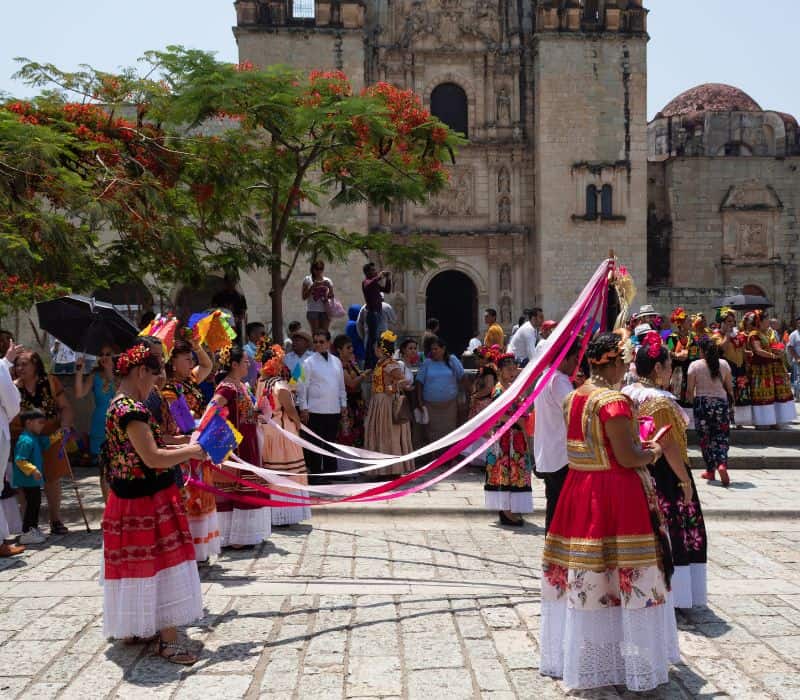
Mexican festivals celebrate cultural identity and community spirit. They allow people to honor their heritage, express creativity, and foster social cohesion.
Want To Plan A Vacation to Mexico? Here Are Some Great Resources.

Mexico is a large country — the 14th largest country on Earth by size — and it’s also the 6th most biodiverse diverse country in the world.
Though it’s mostly known for beaches, there’s a lot more to Mexico than that. Check out these Mexico articles to discover parts of the country you never knew existed.
- The 30 Most Beautiful Cities in Mexico (#7 Will Shock You)
- Mexico Off the Beaten Path Places for Your Bucket List
- 20 Hot Springs in Mexico That are Calling Your Name
- Hidden Beaches in Mexico You’ve Never Heard Of
- Best Waterfalls in Huasteca Potosina Mexico
- The Coolest Mayan Ruins in Mexico’s Yucatan Peninsula
⚠️ Before You Go — Get Your FREE Guide!
Head here and enter your email address to download your FREE Mexico guide (5 Things You Don’t Want to Forget to Pack for Mexico) and get Mexico travel tips, tricks and more sent straight to your inbox.
