
15 Unique Mexican Wedding Traditions (#12 Turns the Dance Floor Into a Human Snake!)

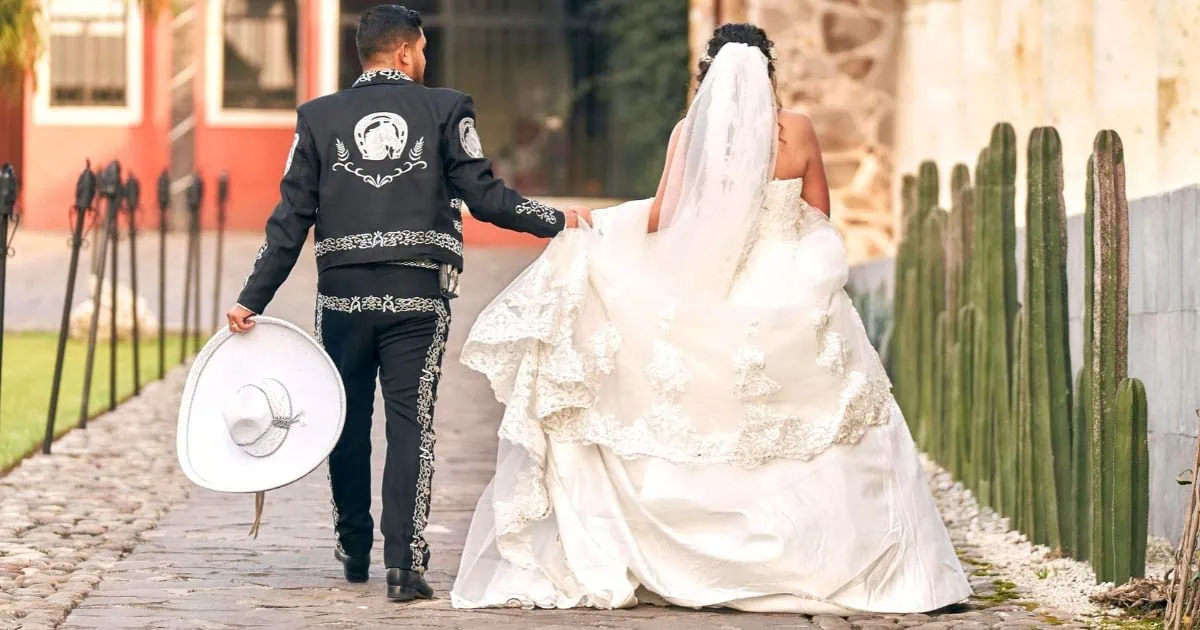
Going to a Mexican wedding (and have questions)?
Mexican weddings mix Catholic rituals, family sponsors and some of the most fun Mexican traditions you’ll ever see.
I attended a wedding in Merida with my husband that was held at an event space, with about 100 guests (which is actually on the smaller side).
The wedding went into the wee hours of the morning, with dinner, dancing, drinks, more food, games and more dancing.
I learned a lot attending that wedding, and compiled it all into this post with the 15 most important Mexican wedding customs.

15 Important Mexican Wedding Traditions
1. Two Ceremonies: Civil and Church

- 💒 Part of: The civil wedding and the church ceremony
- 🙋 Who: The couple, their witnesses and a Registro Civil judge
In Mexico, only a civil wedding is legally binding. A Registro Civil judge performs it.
The church wedding is a separate ceremony, usually a Catholic Mass. Many couples hold the two on different days.
We only went to the reception, but the couple had a church ceremony beforehand.
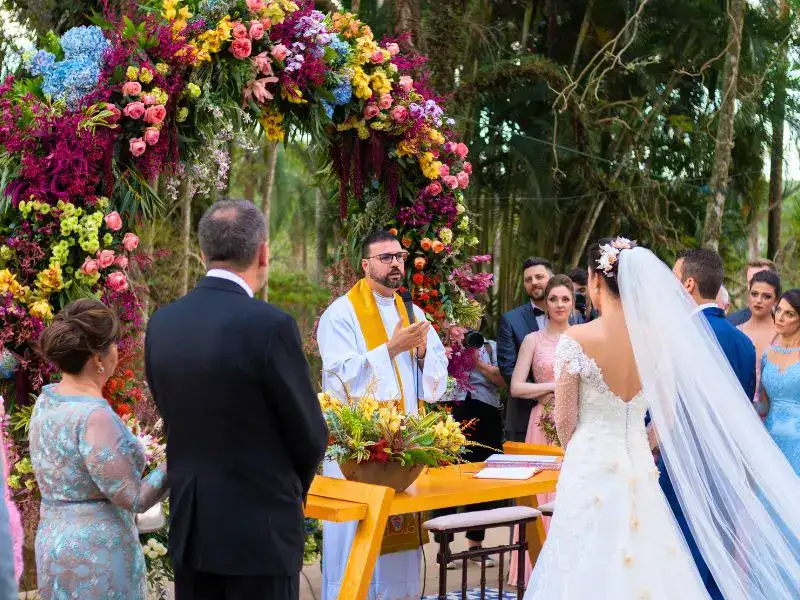
2. Padrinos and Madrinas
- 💒 Part of: The ceremony and the reception
- 🙋 Who: Relatives, godparents and close friends chosen by the couple
Padrinos and madrinas are wedding sponsors, often godparents, relatives or close friends. Each one pays for or gives a specific item.
Couples may have sponsors for the rings, lazo, arras, cake and more. Some sponsors also cover part of the wedding budget.
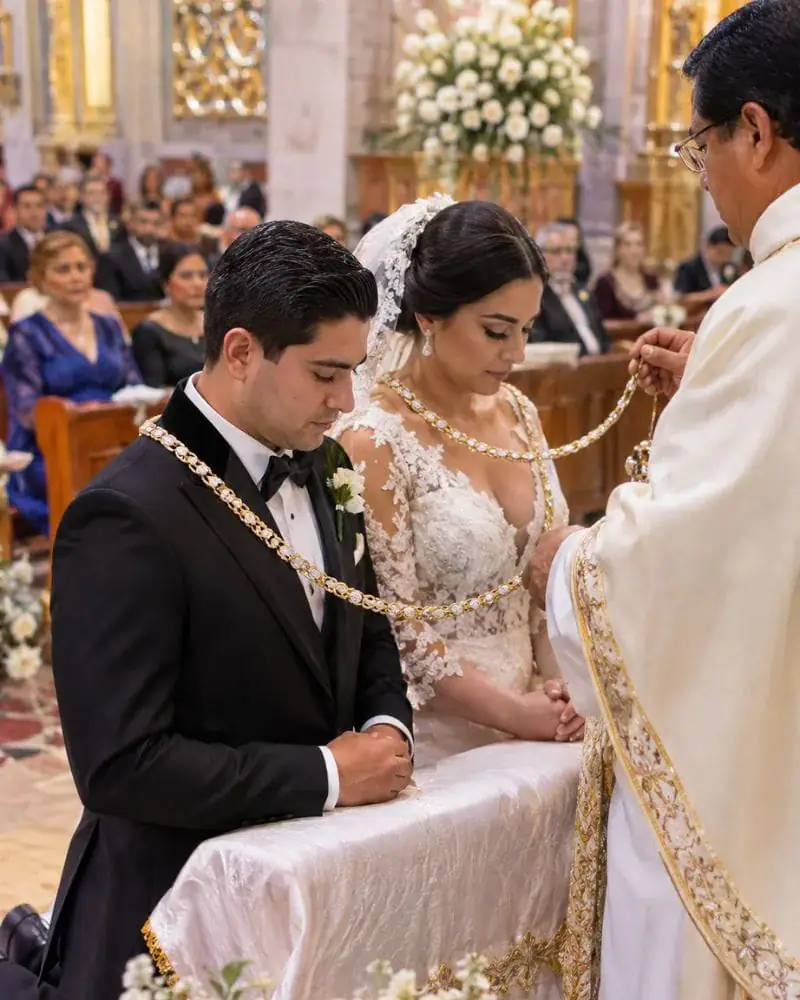
3. El Lazo (The Wedding Lasso)
- 💒 Part of: The church ceremony
- 🙋 Who: The lazo padrinos place it on the couple
- 🛒 Buy it on Amazon
El lazo is a large necklace, rosary or silk cord looped around the couple in a figure eight or infinity symbol ♾️
It symbolizes several things, including the couple’s lifelong union (hence the infinity symbol).
Their lazo padrinos place it over their shoulders during the Mass after they say their vows.
4. Las Arras (13 Gold Coins)

- 💒 Part of: The church ceremony
- 🙋 Who: The groom gives them to the bride; the arras padrinos often provide them
- 🛒 Buy it on Amazon
Las arras are 13 gold coins kept in a small decorated box. The priest blesses them during the Mass.
The 13 coins stand for Jesus and his 12 apostles. When the groom hands them over, he promises to provide for their family.
5. The Bible and Rosary

- 💒 Part of: The church ceremony
- 🙋 Who: Padrinos give them to the couple
Padrinos often give the couple a Bible and a rosary. Both are blessed during the Mass.
They’re a symbol of the padrinos’ blessing on the marriage. Some padrinos also give kneeling pillows.
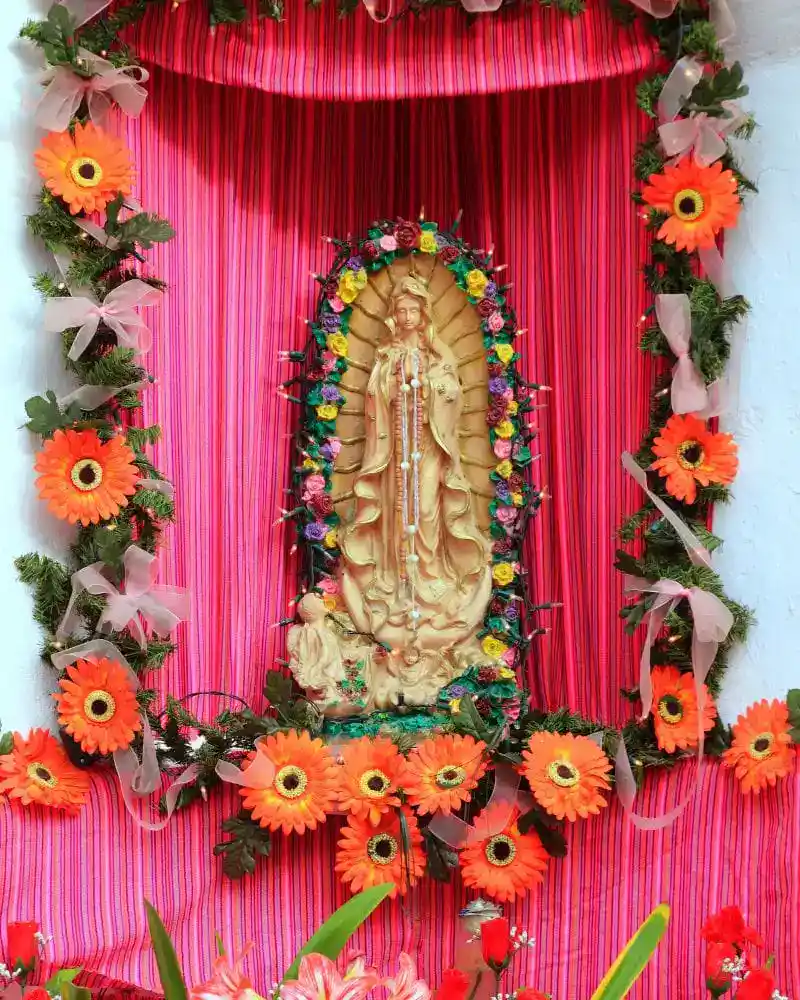
6. A Bouquet for the Virgin of Guadalupe
- 💒 Part of: The church ceremony
- 🙋 Who: The bride
Many Mexican brides pray before an image of the Virgin of Guadalupe. Some leave a bouquet for her at the church.
Brides will ask the Virgin of Guadalupe, the patron saint of Mexico, for her blessing on their marriage.
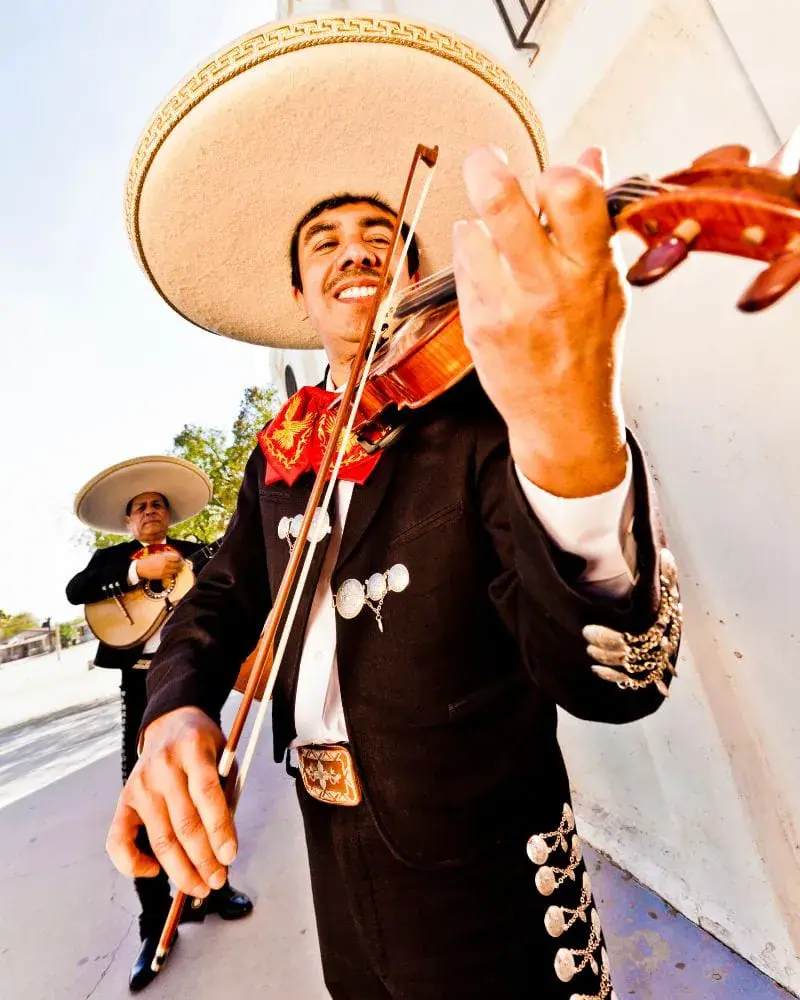
7. Mariachi Serenade
- 💒 Part of: The church exit or the reception
- 🙋 Who: A hired mariachi band
Many couples hire a mariachi band for the reception. Some bands also play outside the church.
A mariachi set is full of classic Mexican songs that get everyone singing along.
8. Mexican Wedding Cookies (Polvorones)

- 💒 Part of: The reception
- 🙋 Who: Served to guests
- 🛒 Buy it on Amazon
Mexican wedding cookies are buttery, crumbly cookies often made with pecans or walnuts and rolled in powdered sugar.
In Mexico, they’re often called polvorones, though there’s another Mexican polvoron cookie, which is one of the classic pan dulces (sweet breads).
Here’s a classic Mexican wedding cookies recipe to make them at home.
9. What Guests Wear

- 💒 Part of: The ceremony and the reception
- 🙋 Who: Guests
- 🛒 Buy it on Amazon
Wondering what to wear to a traditional Mexican wedding ceremony?
Men often wear a guayabera, a light pleated shirt, at weddings in hot regions.
Women may wear long gowns or embroidered dresses, depending on the dress code.
At the wedding I attended in Merida, most guests wore gowns and guayaberas.
10. La Hora Loca (The Crazy Hour)

- 💒 Part of: The reception
- 🙋 Who: Everyone on the dance floor
La hora loca, or the “crazy hour,” is a burst of high-energy party time. Hosts hand out masks, hats, glow sticks and noisemakers.
Performers in costumes sometimes join the dance floor. Expect confetti and very loud music.
11. The Money Dance

- 💒 Part of: The reception
- 🙋 Who: Guests who want a dance with the bride or groom
In el baile del billete, guests pin money to the bride’s or groom’s clothes. In exchange, they get a short dance.
The cash helps the couple start their new life together.
The money dance was part of the wedding we went to in Merida.
12. La Víbora de la Mar
- 💒 Part of: The reception
- 🙋 Who: Guests, often the single men and women
Guests hold hands to form a long “human snake” that runs around the dance floor. The couple stands on chairs and makes an arch with their arms.
The line weaves under the arch to the song “La Víbora de la Mar.” It’s also a traditional Mexican game for kids.
La Víbora de la Mar happened at the wedding we went to, as well.
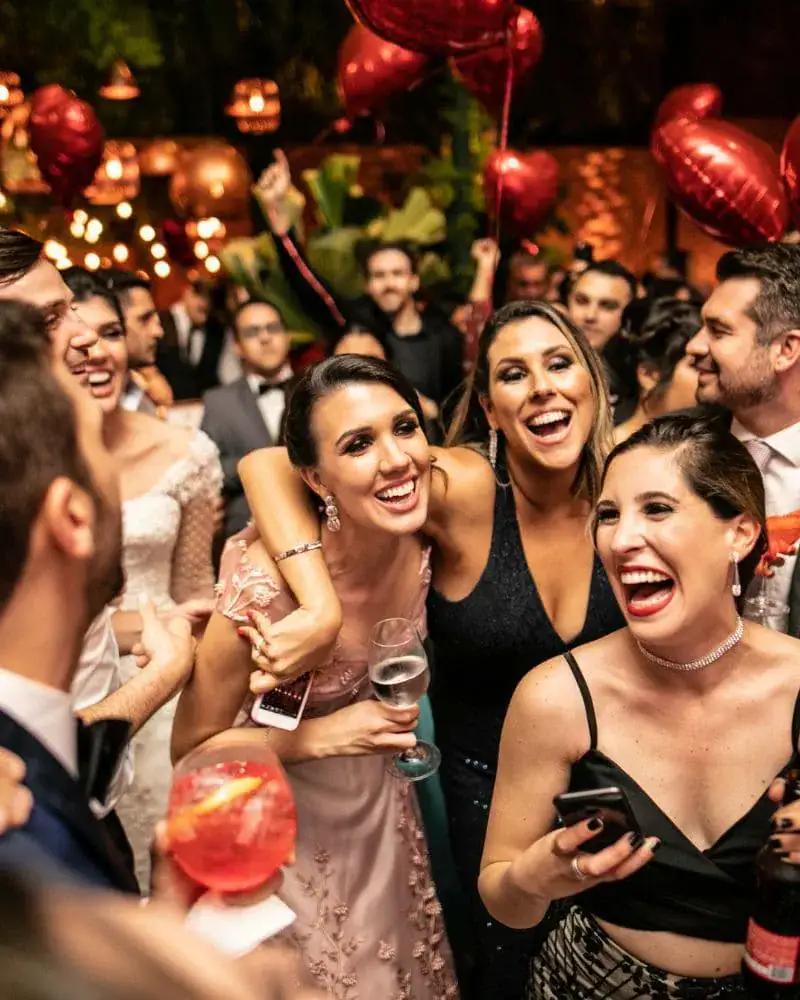
13. A Party That Lasts Until Dawn
- 💒 Part of: The reception
- 🙋 Who: Everyone who can keep up
Mexican wedding receptions often go on for hours, sometimes until sunrise. Late-night snacks, like tacos, help keep guests dancing.
There was a sit-down dinner with several courses, including a crema (creamed soup), a common course at Mexican weddings.
Then a DJ took over, and there was plenty of dancing.
The party went into the wee hours of the morning, and didn’t end until 5 AM!
14. Street Parties: Callejoneadas and Calendas
Callejoneadas
- 💒 Part of: After the church ceremony
- 🙋 Who: The couple, guests, musicians and giant puppets
- 📍 Where: Guanajuato and Zacatecas states
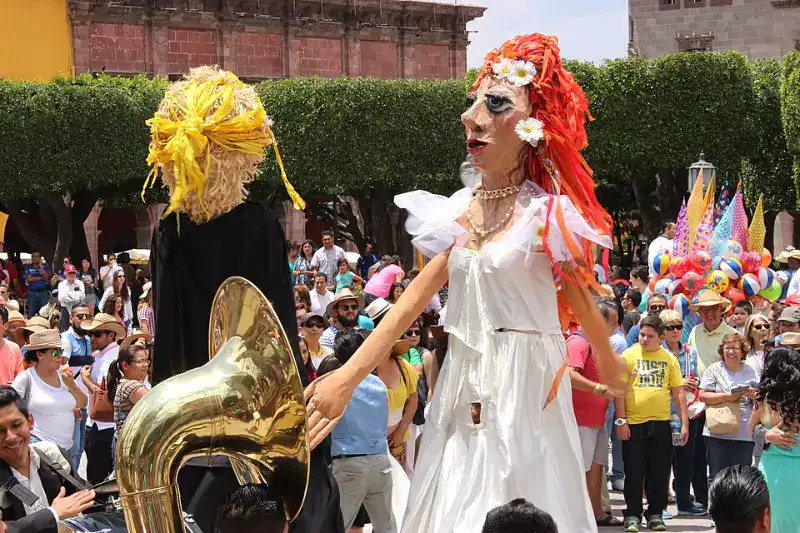
A callejoneada is a lively street parade with the newlyweds and their guests.
You’ll see these in Guanajuato state, especially San Miguel de Allende, where the wedding party and guests follow a band through the streets.
Giant puppets called mojigangas (mo-hee-GAHN-gahs), often dressed as the bride and groom, join in and dance along.
In Zacatecas, callejoneadas are led by a tamborazo band and a donkey carrying barrels of mezcal.
Guests sip the mezcal from small clay jarritos worn around their necks.
Calendas
- 💒 Part of: After the church ceremony
- 🙋 Who: The couple, guests, a band, dancers and monos de calenda
- 📍 Where: Oaxaca state
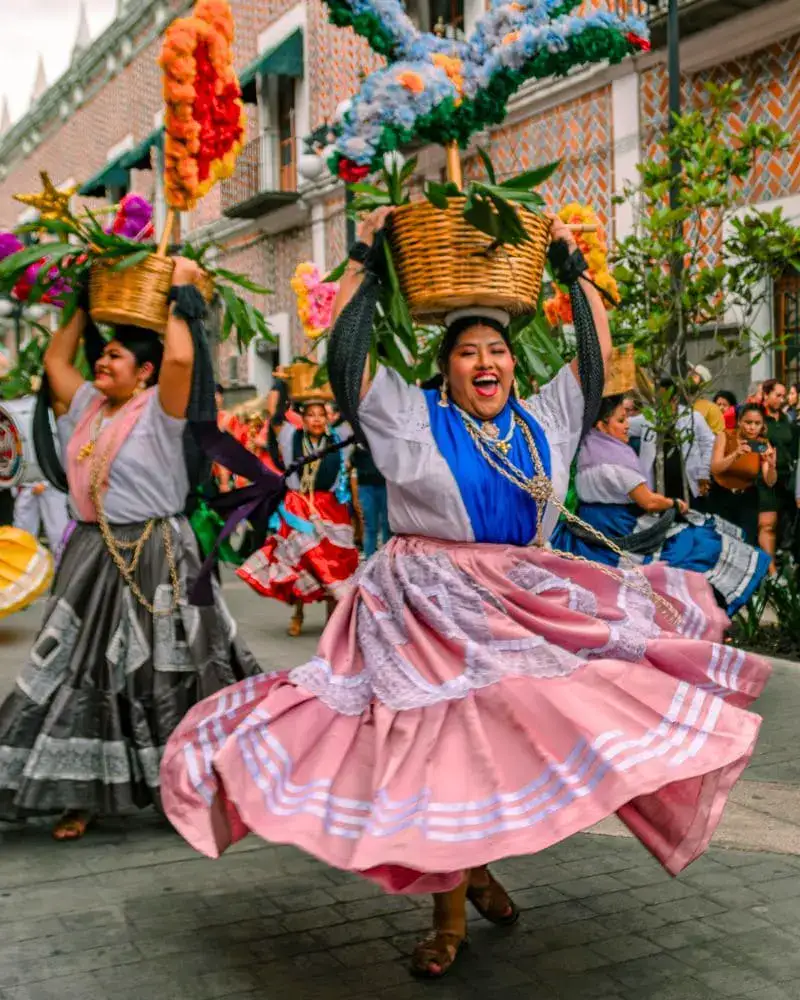
Oaxaca has similar street parties which are called calendas, which are lively public celebrations with music, dancing, monos de calenda, and marmotas.
Monos de calenda are basically the same mojigangas (giant puppets) you’ll see in a callejoneada.
Marmotas, which are exclusive to Oaxaca, are giant, lightweight spherical lanterns mounted on long poles that are spun overhead.
Calendas commemorate everything from weddings, religious feast days and baptisms to graduations, cultural festivals, and more.
Oaxacan wedding calendas usually take place on Saturday afternoons.
A wedding calenda announces the marriage to the whole community and invites everyone to join the celebration.
What you’ll see at a wedding calenda:
- 🎺 Music: a traditional Oaxacan band plays the son calenda
- 💃 Chinas oaxaqueñas: women in colorful regional dress who dance while swinging their baskets
- 🥃 Mezcal: shared along the route, often in canutos (small cups made from carrizo reed)
- 🎆 Fireworks: set off during the procession and again at the end
- 🏮 Marmotas at night: lit from inside, they glow as they lead the procession
15. The Tornaboda (Recalentado)

- 💒 Part of: The day after the wedding
- 🙋 Who: Close family and friends
The tornaboda is a smaller party after the wedding, for close family and friends. It’s also called the recalentado, meaning “reheated.”
That’s because guests eat the reheated leftovers from the reception.
What to Wear to a Mexican Wedding
Mexican weddings are dressy events, so plan to dress up. Check the invitation for the dress code first.
In hot regions like the Yucatán, men often wear guayaberas instead of suits. Women usually wear long dresses or cocktail dresses.
What to Give as a Gift at a Mexican Wedding

Many couples set up a gift registry, called a mesa de regalos.
At the Mexican wedding we attended, we brought a wrapped gift and placed it on the gift table.
Cash is also a common Mexican wedding gift. You can just place it in a sobre (envelope), or include a card.
Gifted cash is a completely appropriate present, as couples typically use it to pay for their honeymoon or buy a new home.
Mexican Wedding Traditions FAQ
What is the lazo in a Mexican wedding?
The lazo is a long necklace that gets looped around the couple in a figure eight (infinity symbol ♾️) during the church ceremony.
The lazo, which means “lasso” in English, is placed on the couple by the padrinos and madrinas (godparents) after they say their vows.
A beautiful part of the ceremony, the Mexican wedding lazo symbolizes eternal love, unity, and divine protection.
What do the 13 arras coins mean?
The 13 coins represent Jesus and his 12 apostles, and the groom’s promise to provide for his family.
What is La Víbora de la Mar?
It’s a reception game where guests form a human snake and run under an arch made by the couple standing on chairs.
The game is based on a traditional children’s song, La víbora de la mar.
How long do Mexican weddings last?
Receptions often run late into the night, and many even last until sunrise.
Do you give cash at a Mexican wedding?
Yes, cash is a common gift, though many couples also have a gift registry (mesa de regalos).
Get My FREE Guide: 5 Easy Ways to Save Money in Mexico
Insider tips from someone who’s lived in Mexico since 2018.
