
Aztec Warriors: Eagle and Jaguar Knights, Their Weapons and Why They Took Captives

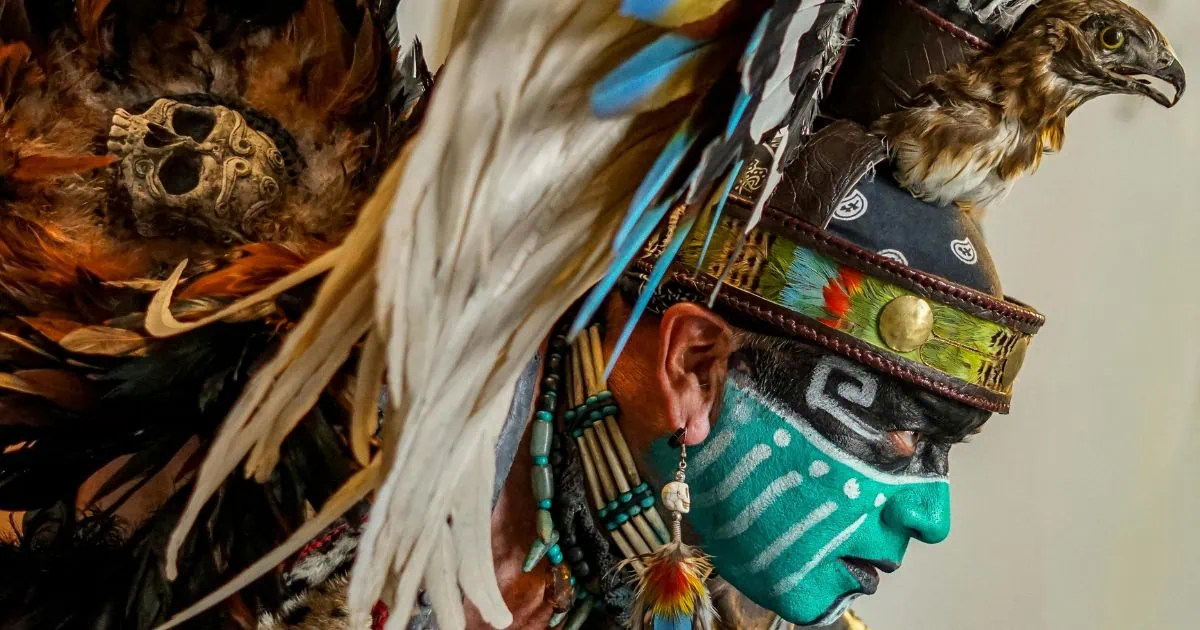
Aztec warriors were some of the most feared fighters in Mesoamerica.
The best of them joined elite military orders, like the famous Eagle and Jaguar warriors.
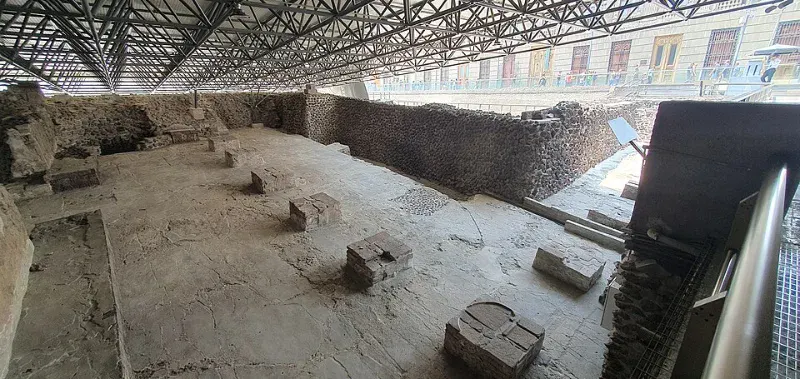
I’ve visited the Templo Mayor Museum in Mexico City, where you can see where the Eagle Warriors once gathered.
Here’s how they trained, how they were ranked and the weapons they carried into battle.
How Aztec Warriors Trained
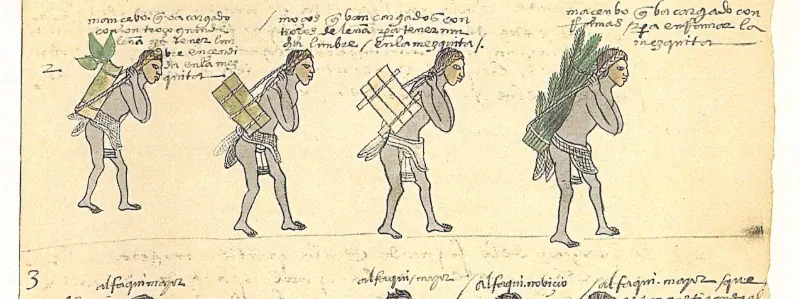
Every Aztec boy was expected to fight.
Most commoners’ sons went to the telpochcalli (“house of youth”), where they trained from about age 10 to 20.
There they learned to handle shields, clubs, bows and atlatl darts.
Sons of nobles went to the calmecac, a temple school.
Besides military leadership, they studied astronomy, the calendar, poetry and religion.
A young man was only considered a true warrior once he took his first captive in battle.
Ranks and Military Orders
Aztec warriors moved up the ranks by taking enemy captives alive.
The more captives a warrior took, the fancier his war suit and the more privileges he earned.
Eagle Warriors (Cuauhtli)
Eagle warriors were one of the two most elite military orders, along with the jaguar warriors.
They wore eagle-feather suits and helmets shaped like an eagle’s open beak.
Commoners who reached this rank became nobles.
At the Templo Mayor in Mexico City, the House of the Eagles is named for the carved eagle heads on its stairs.
Life-size clay eagle warrior figures once guarded its doors.
Jaguar Warriors (Ocelotl)
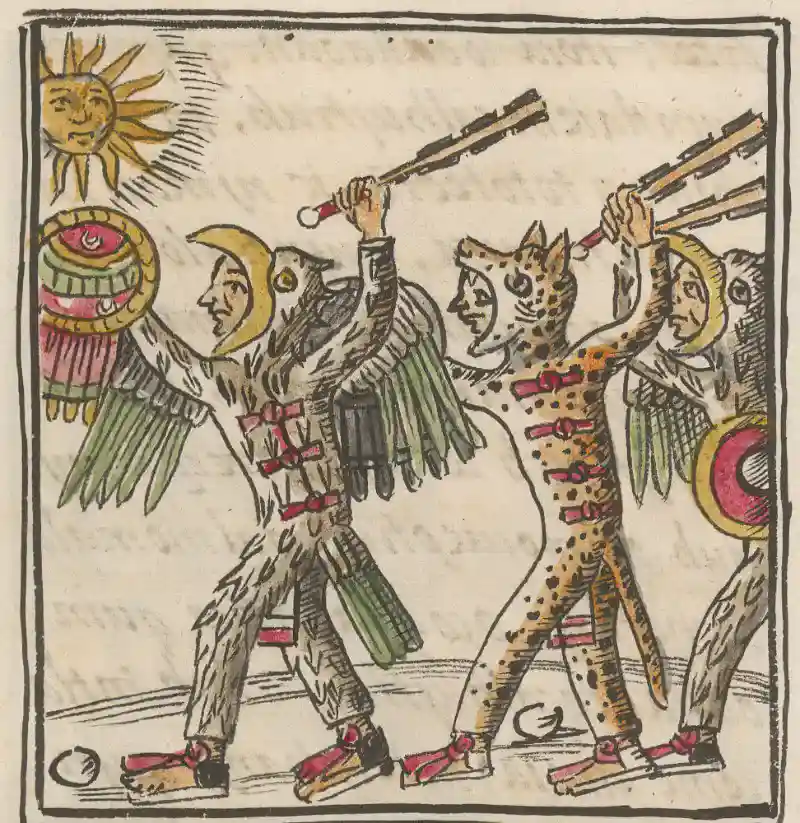
Jaguar warriors wore jaguar-skin suits, with their faces peering out of the jaguar’s open jaws.
Like eagle warriors, they usually had to capture four enemies alive to join the order.
Otomí Warriors (Otontin)
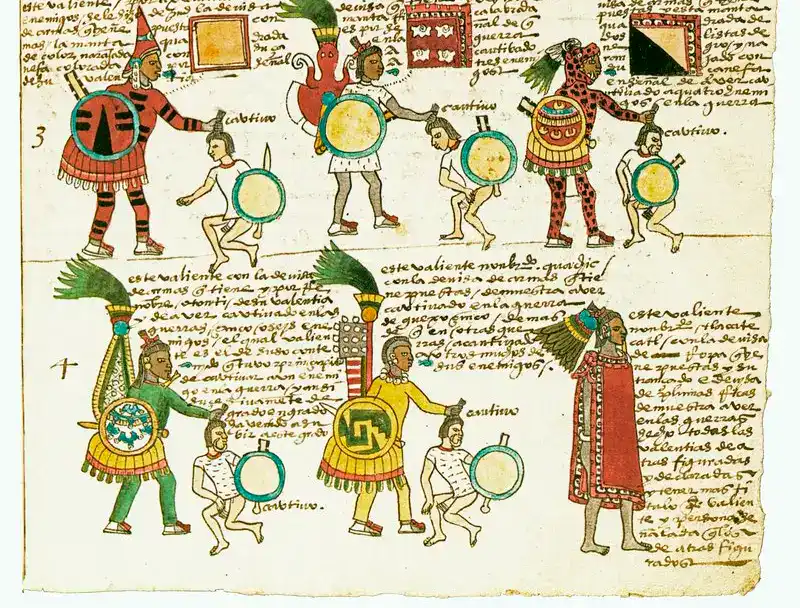
This order was named after the Otomí people, who were known as fierce fighters.
Its members were veteran warriors who had proven themselves in battle.
The Shorn Ones (Cuachicqueh)
The Shorn Ones were the most prestigious military society of all.
Members needed more than six captives and many heroic deeds, and they swore never to retreat.
They shaved their heads except for a crest of hair, which gave them their name.
4 Important Aztec Weapons and Armor
Aztec weapons were made from wood, stone and obsidian, a sharp volcanic glass.
1. Macuahuitl
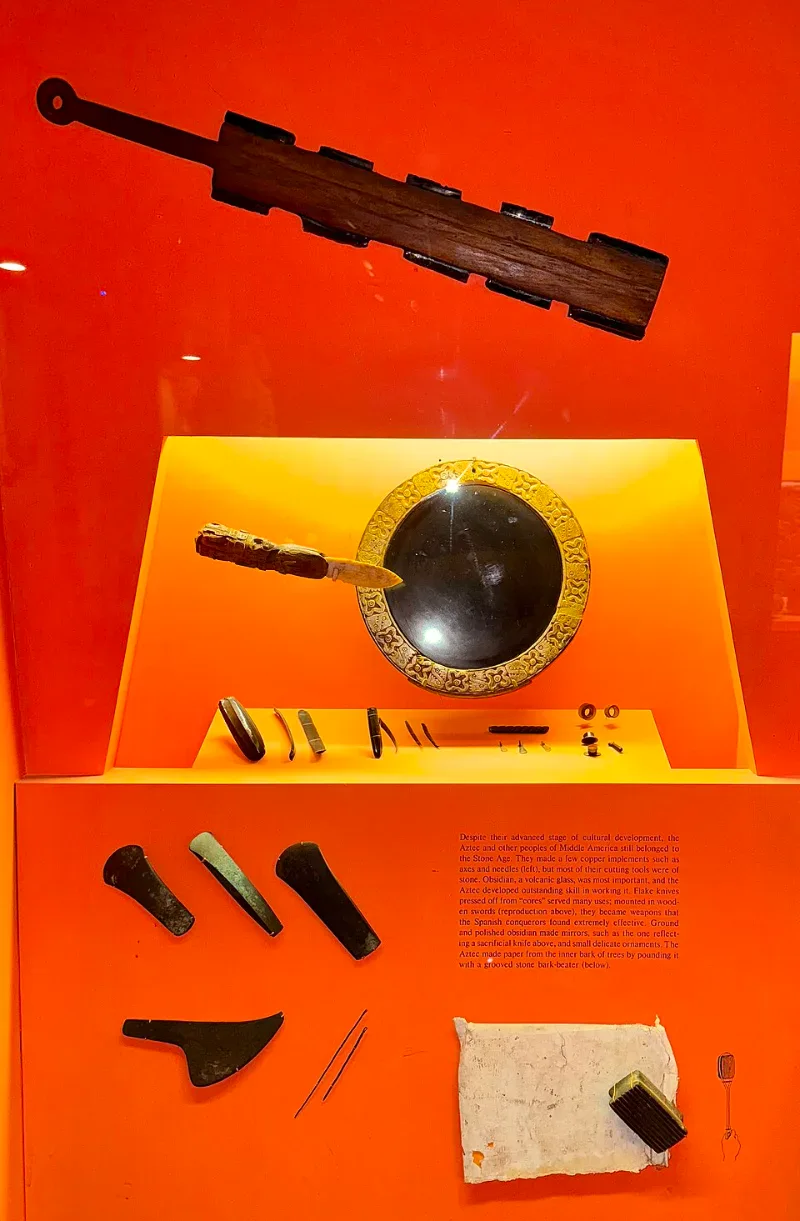
The macuahuitl was a flat wooden club lined with sharp obsidian blades.
It was the standard weapon of elite troops, and it was designed to wound and capture rather than kill.
2. Atlatl
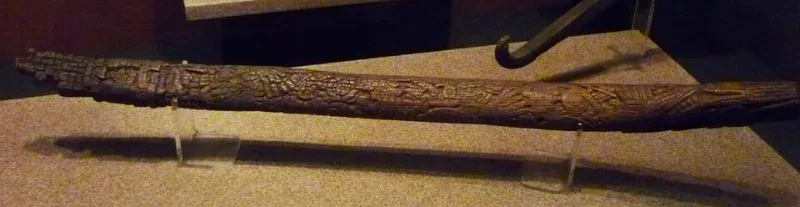
The atlatl was a spear-thrower that launched darts farther and harder than throwing them by hand.
3. Chimalli (Shield)
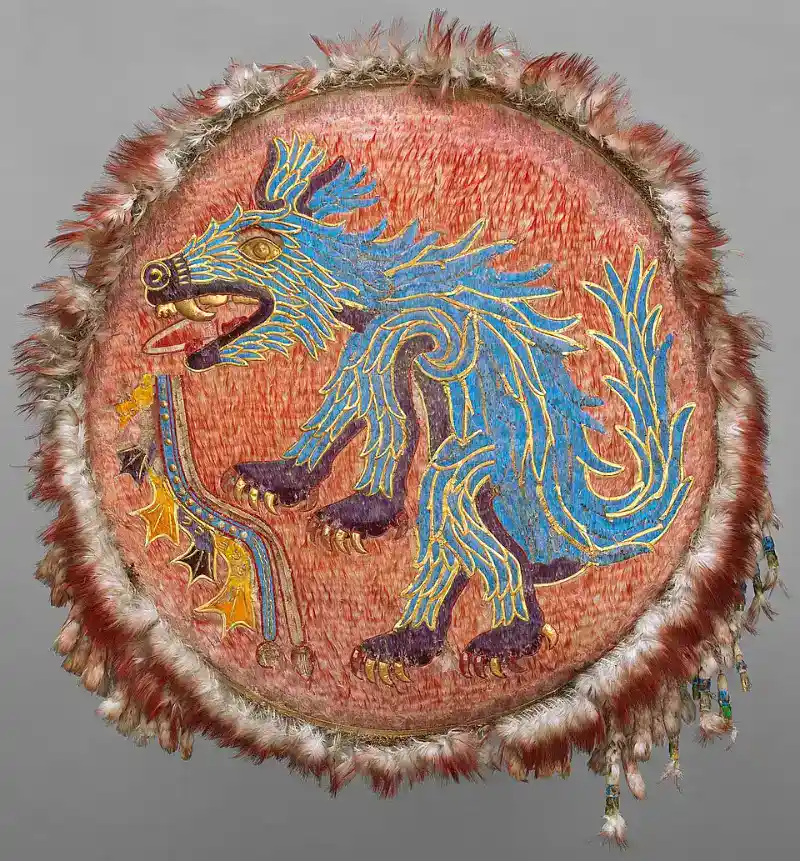
Aztec shields were made of wood, cane or featherwork.
Elite warriors carried shields covered in bright feather mosaics, like the one pictured above that can be seen in Vienna’s Weltmuseum.
4. Ichcahuipilli (Cotton Armor)
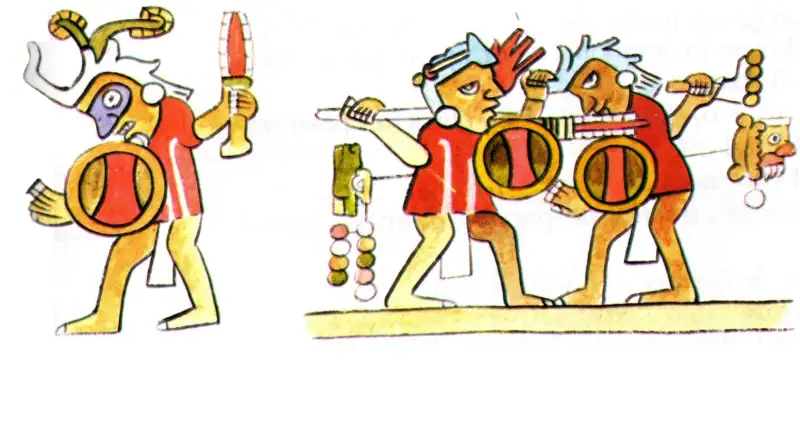
The ichcahuipilli was thick, quilted cotton armor.
It was soaked in salt water, which hardened it enough to stop obsidian blades and darts.
Flower Wars (Xochiyaoyotl)
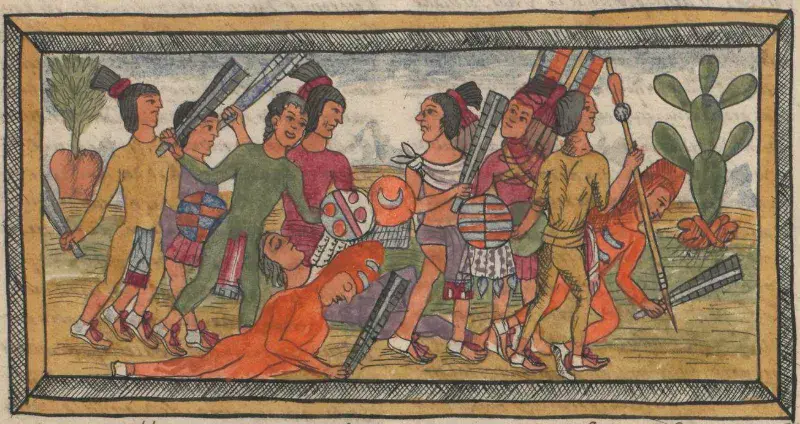
Flower wars were prearranged battles between the Aztecs and nearby city-states like Tlaxcala, Cholula and Huexotzinco.
Their goals included training warriors, showing off power and taking captives for sacrifice.
According to the chronicles, they began during a famine in the 1450s under Moctezuma I.
Tlaxcala was never conquered by the Aztecs, and it actually later allied with the Spanish against the Aztec Empire.
Today, Tlaxcala is one of Mexico’s 32 states, and the smallest of all the states.
Where to See Aztec Warrior Art in Mexico City

At the Templo Mayor (pictured above), you can see the ruins of the House of the Eagles.
The site museum displays the life-size clay eagle warrior figures found there.
One of the best museums in Mexico City, the National Museum of Anthropology also displays Aztec sculptures and objects in its Mexica Hall.
To learn about the gods these warriors fought for, read about the most important Aztec gods and goddesses.
Aztec Warriors FAQ
Who were the Aztec Eagle Warriors?
Eagle warriors were elite Aztec soldiers who had captured enemies in battle and joined the eagle military order.
They dressed in eagle-feather suits, and commoners who reached this rank became nobles.
What weapons did Aztec warriors use?
Aztec warriors fought with the macuahuitl (an obsidian-edged club), spears, bows and the atlatl (spear-throwing lever).
They protected themselves with chimalli (round shields) and ichcahuipilli (quilted cotton body armor) in battle.
How did Aztec warriors fight?
Aztec warriors usually tried to capture enemies alive rather than kill them in battle.
Captives raised a warrior’s rank, and many were later sacrificed in religious ceremonies.
Were Aztec warriors paid?
Not with money, though Aztec warriors were mainly rewarded with gifts, privileges and a higher status in society.
Successful commoners could even be promoted into the noble class.
Planning a visit? Check hours on the Templo Mayor Museum website.
Get My FREE Guide: 5 Easy Ways to Save Money in Mexico
Insider tips from someone who’s lived in Mexico since 2018.
