
20 Types of Mexican Pan Dulce You’ve Probably Never Heard Of (#19 Is Made with Booze)

Looking for the best Mexican pan dulce?
I’ve called Mexico home since 2018, and my two favorite pan dulces are the crumbly polvorón cookie and the garibaldi “upside down cupcake.”
However, those are just the tips of the delicious pan dulce (sweet bread) iceberg!
Here are 20 types of Mexican pan dulce, followed by some of the most famous Mexico City bakeries where you can try them all.
The 20 Most Popular Types of Mexican Pan Dulce
1. Conchas

- 🥐 What it is: Sweet bun with a shell-patterned sugar topping
- 🗓️ When to eat it: Breakfast or an afternoon snack, any day
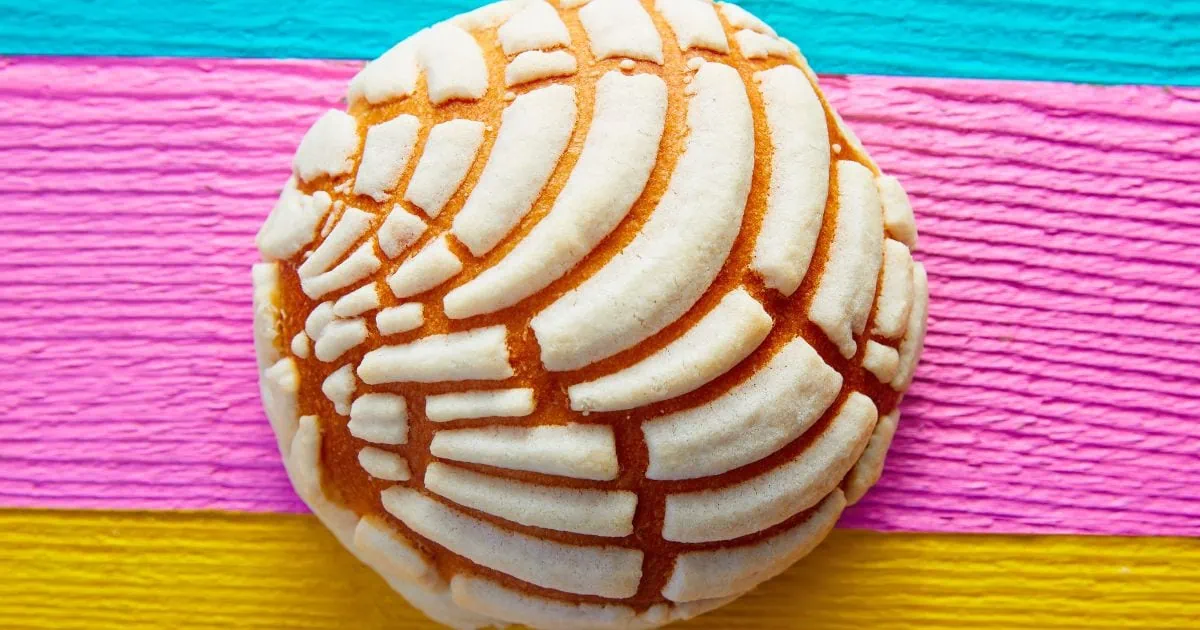
Conchas are soft, sweet buns topped with a crunchy sugar crust scored to look like a seashell.
The topping is usually vanilla or chocolate. Concha means shell, and it’s the most recognizable pan dulce in Mexico.
2. Polvorónes

- 🥐 What it is: Crumbly shortbread-style cookie
- 🗓️ When to eat it: Any time, especially with coffee
Polvorones are crumbly shortbread-style cookies that practically dissolve in your mouth. In fact, the word polvoron means “powder.”
Most polvoron cookies are coated in powdered sugar, and some come in pink, yellow and brown stripes.
Polvorones are actually my favorite pan dulce. Want to bake them? Try my traditional Mexican polvorones recipe.
3. Cuernos

- 🥐 What it is: Mexican croissant
- 🗓️ When to eat it: Breakfast
Shaped like a horn, the cuerno (which means “horn”) is Mexico’s version of the croissant.
They’re a little denser and sweeter than French croissants, and sometimes topped with sugar.
4. Orejas

- 🥐 What it is: Puff pastry ear
- 🗓️ When to eat it: An afternoon snack with coffee
Orejas are flaky puff pastry cookies shaped like ears or hearts, depending on who you ask. (Their name does means “ears” though.)
They’re caramelized with sugar until crisp and golden, just like French palmiers.
5. Marranitos

- 🥐 What it is: Pig-shaped piloncillo cookie
- 🗓️ When to eat it: Any time
Marranitos are soft, pig-shaped cookies sweetened with piloncillo and molasses. They’re also called puerquitos or cochinitos.
Here’s my marranitos recipe if you want to make them at home.
6. Pan de Muerto

- 🥐 What it is: Day of the Dead sweet bread
- 🗓️ When to eat it: October and early November
Pan de muerto is a round, sugar-topped sweet bread made for Day of the Dead.
The dough strips on top represent bones, and many versions are flavored with orange blossom or orange zest.
Click the links to learn more about pan de muerto meaning and symbolism, and all the other delicious Day of the Dead foods.
7. Rosca de Reyes

- 🥐 What it is: Three Kings Day bread ring
- 🗓️ When to eat it: Around January 6
Rosca de reyes is a large, oval bread ring decorated with candied fruit for Three Kings Day on January 6.
Tiny baby figurines are hidden inside. Whoever finds one hosts a tamales party on February 2.
Here’s more about Three Kings Day in Mexico, plus other Mexican Christmas foods.
8. Campechanas (Campechanas Potosinas)

- 🥐 What it is: Flaky glazed pastry
- 🗓️ When to eat it: An afternoon snack
Campechanas are thin, flaky pastries with a shiny, caramelized sugar glaze. They shatter when you bite them, so grab a napkin.
Though the term “campechana” often refers to something from the Mexican state of Campeche, though campechana pan dulce isn’t from there.
The origins are disputed, but many say they originated in the pueblo mágico (magic town) of Santa Maria del Río, in San Luis Potosí state.
For this reason, you might see them called campechanas potosinas instead of just campechanas.
I tried them in Santa Maria del Río and if you’re a fan of laminated pastries, you’d love this crisp, caramelized Mexican pan dulce.
9. Chilindrinas

- 🥐 What it is: Sweet bun with a crumbly sugar topping
- 🗓️ When to eat it: Breakfast
Chilindrinas are round sweet buns covered in a crunchy, crumbly sugar topping.
They look a bit like a concha, but don’t have the shell pattern on top.
10. Empanadas

- 🥐 What it is: Sweet turnovers
- 🗓️ When to eat it: Any time
Sweet empanadas are half-moon turnovers filled with things like pumpkin, pineapple, cajeta (caramel) or sweet potato.
They usually look like their savory empanada counterparts, but you may see the sweet ones in the bakery case glazed or sprinkled with sugar.
11. Mantecadas

- 🥐 What it is: Muffin-like cake
- 🗓️ When to eat it: Breakfast
Mantecadas (aka Mexican muffins) are fluffy, muffin-like cakes baked in paper cups; they’re often red paper cups.
Mexican mantecada is simple and buttery, and pairs perfectly with a cup of cafe de olla (coffee).
12. Besos

- 🥐 What it is: Little cake domes joined with jam and rolled in coconut
- 🗓️ When to eat it: An afternoon snack
Besos are two little domes of cake joined with jam, then rolled in shredded coconut.
Beso means kiss, since the two halves are pressed together like they’re “kissing.”
13. Garibaldi

- 🥐 What it is: Small cake with apricot glaze and white sprinkles
- 🗓️ When to eat it: An afternoon snack
Garibaldis are small, buttery cakes brushed with apricot glaze and covered in large white nonpareil sprinkles.
Sometimes called an “upside down cupcake,” these mini sponge cakes are a classic in Mexico bakeries, and one of my all time favorite pan dulces.
14. Ojo de Buey

- 🥐 What it is: Puff pastry ring with a sponge cake center
- 🗓️ When to eat it: An afternoon snack
Ojo de buey means “ox eye,” and it’s a ring of puff pastry with a round sponge cake in the middle.
From above, it looks like a big eye ball.
15. Rebanadas

- 🥐 What it is: Toasted bread slice with butter and sugar
- 🗓️ When to eat it: Breakfast
The word rebanada means “slice,” and there are a two kinds of rebanada pan dulce in Mexico you might see in a bakery.
- Rebanada de mantequilla is a thick slice of bread spread with butter and sprinkled with sugar, then toasted.
- Rebanada de chocolate has chocolate on top instead.
Either way you slice it (get it!? 😂), this is a simple, sweet Mexican bakery classic.
16. Niño Envuelto

- 🥐 What it is: Jelly roll cake
- 🗓️ When to eat it: An afternoon snack or dessert
Niño envuelto is a soft sponge cake rolled up with jam and often topped with coconut.
The name means “wrapped-up child,” since it looks like a swaddled baby.
17. Cocol
- 🥐 What it is: Anise and piloncillo bread
- 🗓️ When to eat it: Breakfast
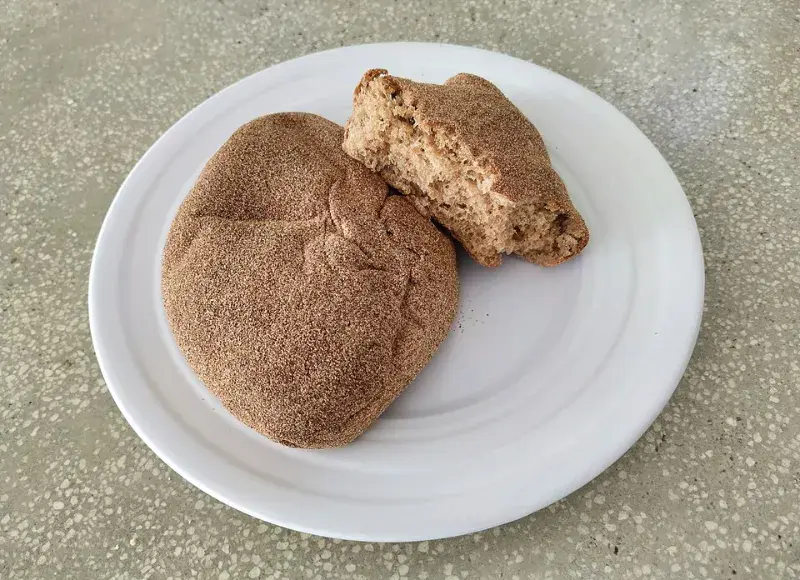
Cocoles are diamond-shaped breads flavored with anise and piloncillo, topped with sesame seeds.
They’re a classic in Puebla and central Mexico, but you won’t find them in most other parts of the country.
18. Bísquet
- 🥐 What it is: Mexico’s flaky, buttery biscuit
- 🗓️ When to eat it: Breakfast or a late-afternoon snack
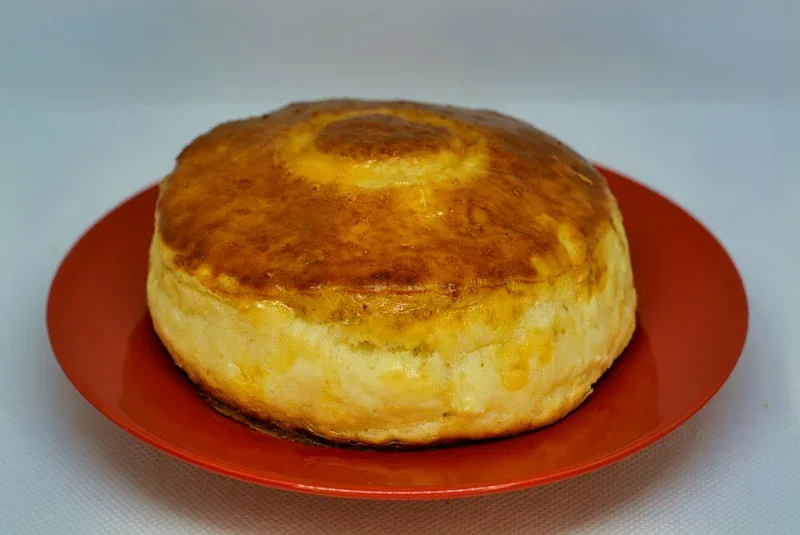
A tall, flaky roll made with butter, the bísquet is Mexico’s version of a biscuit.
It’s served warm and split open, with butter and jam on the side.
The most famous place to try one is Bisquets Obregón, a popular chain that started in Mexico City’s Roma neighborhood.
Pair it with a café con leche; a classic order there.
19. Pan de Pulque

- 🥐 What it is: Bread made with pulque
- 🗓️ When to eat it: Any time
Pan de pulque (meaning “pulque bread”) is a soft, slightly sweet bread made with pulque (pull-KAY), a fermented agave drink.
One of the most unique Mexican drinks, the pulque helps the dough rise and gives it a subtle tangy flavor.
It’s a long-standing tradition (and fan favorite) in places like Saltillo, Coahuila, and central Mexico.
20. Pan de Elote

- 🥐 What it is: Moist, sweet bread made with fresh corn
- 🗓️ When to eat it: As a dessert or an afternoon snack
Pan de elote (literally meaning “corn bread”) is a moist, sweet bread made with fresh corn kernels, butter, eggs and sugar.
Like all Mexican panque (meaning “pound cake”), pan de elote is somewhere between a cake and a cornbread.
You’ll find it at many panaderías across Mexico.
Where to Buy Pan Dulce in Mexico City
Pastelería Ideal

Pastelería Ideal opened in 1927 and is one of the most famous bakeries in Mexico City’s historic center.
Its main shop on 16 de Septiembre is packed with pan dulce, and upstairs you’ll find huge display cakes.
Panadería Rosetta

Panadería Rosetta is a small bakery in Roma Norte from chef Elena Reygadas — who has a Michelin star.
Its rol de guayaba, a flaky guava roll, is the bakery’s most famous pastry.
El Globo

El Globo has been around since 1884, when it was started by an Italian family.
Today it has branches all over Mexico City (and Mexico), and it’s a reliable stop for classic pan dulce.
Mexican Pan Dulce FAQ
What is pan dulce?
Pan dulce means sweet bread, and it’s the name for Mexico’s huge variety of baked sweet breads and pastries.
What is the most popular Mexican sweet bread?
The concha is the most popular and recognizable Mexican sweet bread.
How do you eat pan dulce?
Most people eat pan dulce for breakfast or as an evening snack, with coffee or hot chocolate.
When is pan de muerto sold?
Pan de muerto is sold mostly in October and early November, leading up to Day of the Dead on November 1 and 2.
Get My FREE Guide: 5 Easy Ways to Save Money in Mexico
Insider tips from someone who’s lived in Mexico since 2018.
