
What Is Pulque? Mexico’s Ancient Agave Drink (+ Where to Try It in Mexico City)

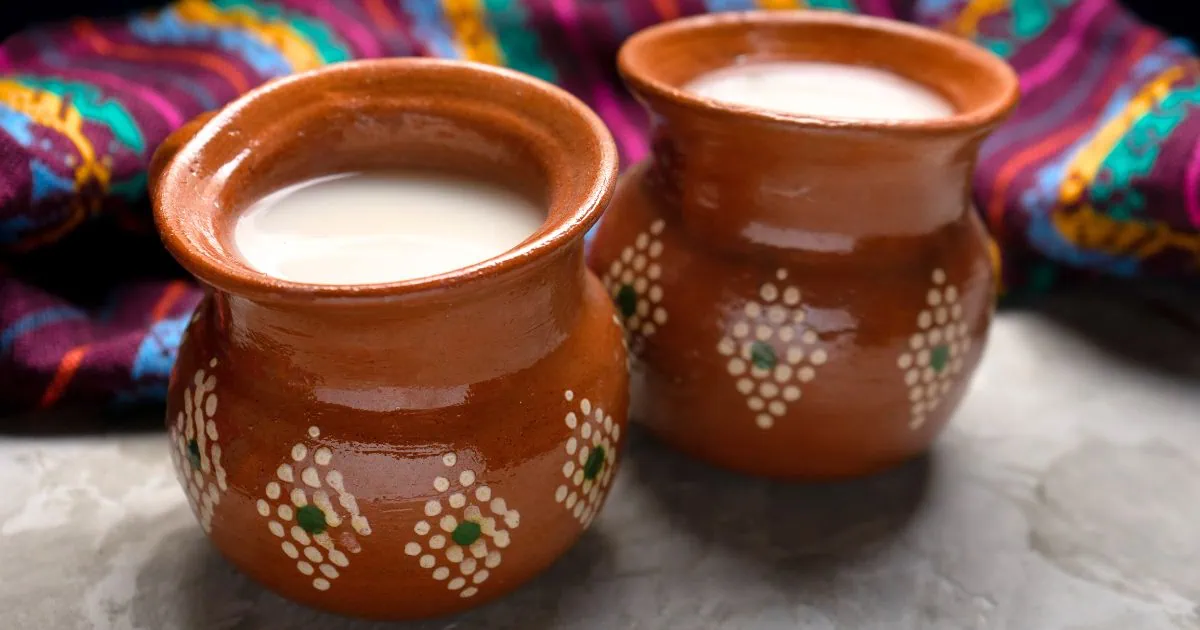
Curious about pulque?
Pulque is Mexico’s ancient agave drink, and it’s been around for at least 2,000 years.
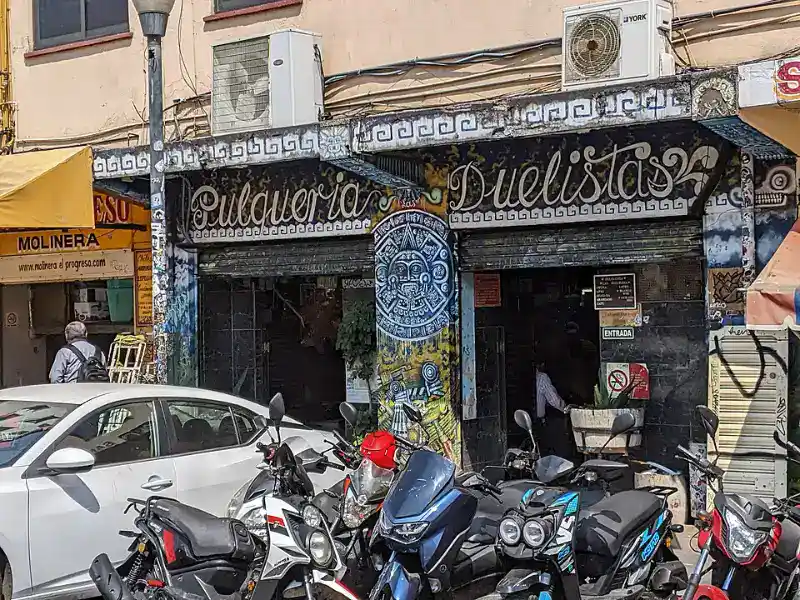
I’ve tried pulque many times, including a pulque flight at Pulquería Las Duelistas in downtown Mexico City.
I like pulque, but it’s an acquired taste (and texture).
Here’s what pulque is, how it’s made, which flavors to try and where to drink it in Mexico City.

What Is Pulque?
Pulque is an alcoholic drink made from the fermented sap of the maguey (agave) plant.
The sap is called aguamiel, or “honey water.” Pulque is fermented, not distilled.
That makes it very different from tequila and mezcal, which are both distilled.
Pulque is milky white and a little thick, with a sour, yeasty taste.
- 🌵 Made from: Fermented aguamiel (maguey sap)
- 🍶 Alcohol: Usually about 2–7% ABV
- 👅 Taste: Sour, yeasty and a little thick
- 📍 Where: Central Mexico, especially Mexico City, Hidalgo and Tlaxcala
How Pulque Is Made
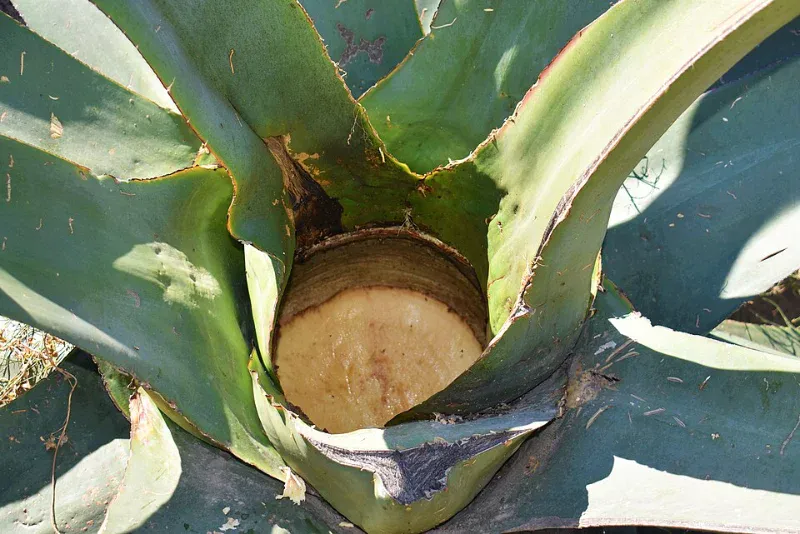
A pulque maguey takes about 12 years to mature enough to produce aguamiel.
Once it’s ready, the center of the plant is scraped out to make a hollow where the sap collects.
The person who collects the aguamiel is called a tlachiquero.
The aguamiel then goes to a tinacal, or “house of vats,” where it ferments.
When pulque haciendas peaked in the late 1800s, hacienda life revolved around these tinacals.
Pulque keeps fermenting after it’s made, so it doesn’t store or travel well.
A Short History of Pulque
In pre-Hispanic times, pulque was sacred, and only certain groups of people could drink it.
Most pulque myths involve Mayahuel, the goddess of the maguey. She’s #14 on my list of Aztec gods and goddesses.
People believed the aguamiel collected from the plant was her blood.
After the Spanish conquest, pulque became an everyday drink, and its popularity peaked in the late 1800s.
In the 1900s, beer took over, and pulque went into a long decline.
Today, pulque is making a comeback, and young crowds fill old-school pulquerías in Mexico City.
Pulque Flavors (Curados) to Try
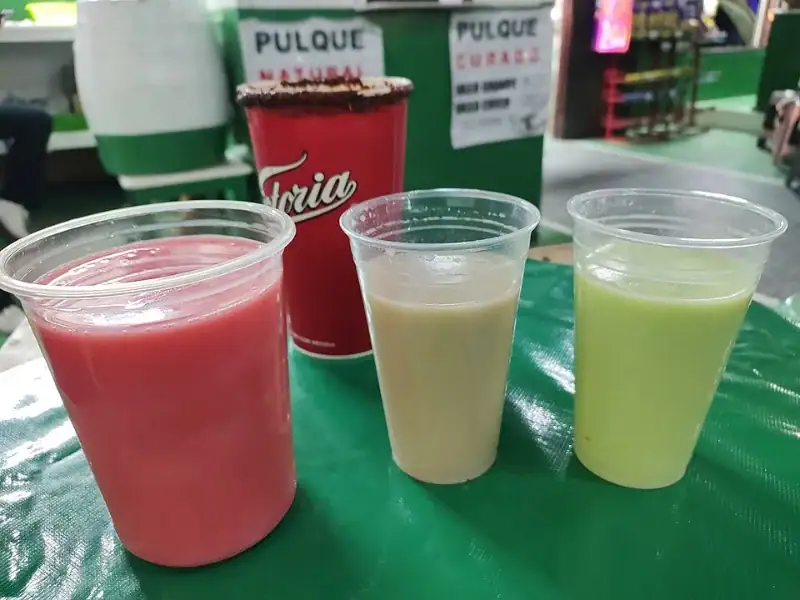
Pulque mixed with fruit, nuts or other ingredients is called a curado. Plain pulque is called natural.
My advice: try a few flavors, including natural. If natural isn’t for you, go for the sweeter fruit curados.
My favorites are avena (oatmeal) and mango.
Natural
Natural is plain pulque, with nothing added.
It’s the best way to taste what pulque really is: sour, yeasty and a little thick.
Avena (Oatmeal)
Avena is a staple at many pulquerías, including Las Duelistas. It’s creamy and a little sweet.
Mango
Mango curado is pulque blended with mango. It’s sweet, fruity and an easy place to start.
Guayaba (Guava)
Guava is a classic curado at Las Duelistas, La Hija de los Apaches and Pulquería La Victoria.
Piñón (Pine Nut)
Piñón curado is made with pine nuts, so it’s nutty and creamy. Look for it at La Hija de los Apaches.
Apio (Celery)
Celery pulque is a green, savory curado and a staple at Las Duelistas.
Tuna (Prickly Pear)
This curado is made with tuna, the fruit of the nopal cactus. You’ll find it at Los Insurgentes.
Jitomate (Tomato)
Yes, there’s a tomato curado. You’ll find it at Las Duelistas and La Hija de los Apaches.
The Best Pulquerías in Mexico City
Here are some of the best pulquerías in Mexico City, from century-old classics to multi-level party spots.
1. Pulquería Las Duelistas

Las Duelistas is a classic pulquería in the Centro Histórico that’s been open for over a century.
Its walls are covered in murals with pre-Hispanic, mostly Mexica, designs.
It’s a popular first pulquería for people who are new to pulque.
Staples include avena, apio and guava, plus fun flavors like an Oreo curado.
2. La Hija de los Apaches
La Hija de los Apaches is a lively pulquería in Doctores, decorated with boxing photos of its owner, a former pro boxer.
Expect a jukebox, live music some nights and curados like piñón, guava and tomato.
3. Pulquería Los Insurgentes

Los Insurgentes fills a four-story house on Avenida Insurgentes in Roma Norte.
Each floor has a different vibe, from DJs to a calmer rooftop terrace.
Curados include avena, tuna (prickly pear) and cherry.
4. Pulquería La Risa
La Risa, in the Centro Histórico, is one of Mexico City’s oldest pulquerías. It still has its original furniture and facade.
Behind the bar, glass barrels show the name of each flavor.
5. La Nuclear
La Nuclear, in Roma Norte, mixes murals and a bar vibe with pulque, beer and mezcal.
It’s a good pick if not everyone in your group wants pulque.
🎟️ This Lucha Libre, Pulque and Tacos Tour includes a pulquería stop and a lucha libre show.
Where Else to Drink Pulque in Mexico
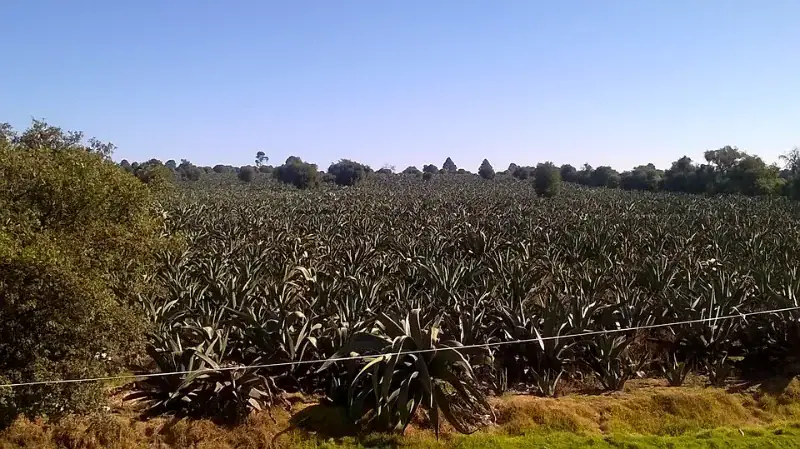
Outside Mexico City, pulque country is the central highlands, especially Hidalgo and Tlaxcala.
Pulque haciendas multiplied in Hidalgo and Tlaxcala, and some still remain in the plains of Apan and Zempoala, in Hidalgo.
Las Duelistas and La Risa both serve pulque from Nanacamilpa, Tlaxcala.
Pulque vs. Tequila vs. Mezcal
Pulque, tequila and mezcal all come from agave, but they’re very different drinks.
| Pulque | Tequila | Mezcal | |
|---|---|---|---|
| Made from | Maguey sap (aguamiel) | Blue agave | Many types of agave |
| Process | Fermented | Distilled | Distilled |
| Typical alcohol | About 2–7% ABV | About 35–55% ABV | High, like tequila |
| Taste | Sour, yeasty and a little thick | Clean and agave-forward | Often smoky |
For more, see my guides to the best Mexican drinks, Mexican cocktails and Mexico City mezcal tours.
Pulque FAQ
Does pulque get you drunk?
It can, but pulque is a low-alcohol drink, usually about 2–7% ABV, so it’s closer to beer than to tequila.
What does pulque taste like?
Natural pulque is sour and yeasty, with a thick, slightly viscous texture. Curados taste like whatever they are mixed with.
Is pulque safe to drink?
Pulque keeps fermenting after it’s made, so drink it fresh at a busy, well-known pulquería.
Learn more about pulque’s roots in Hidalgo from México Desconocido.
Can you buy pulque in the U.S.?
Yes, canned pulque is sold in the U.S., but makers admit that canning changes the flavor.
Final Thoughts
Pulque is one of Mexico’s oldest drinks, and trying it is a must in Mexico City.
Start with a flight at a classic pulquería, and don’t skip the natural.
Get My FREE Guide: 5 Easy Ways to Save Money in Mexico
Insider tips from someone who’s lived in Mexico since 2018.
