
Dichos: The 30 Best Mexican Sayings (And What They Really Mean)

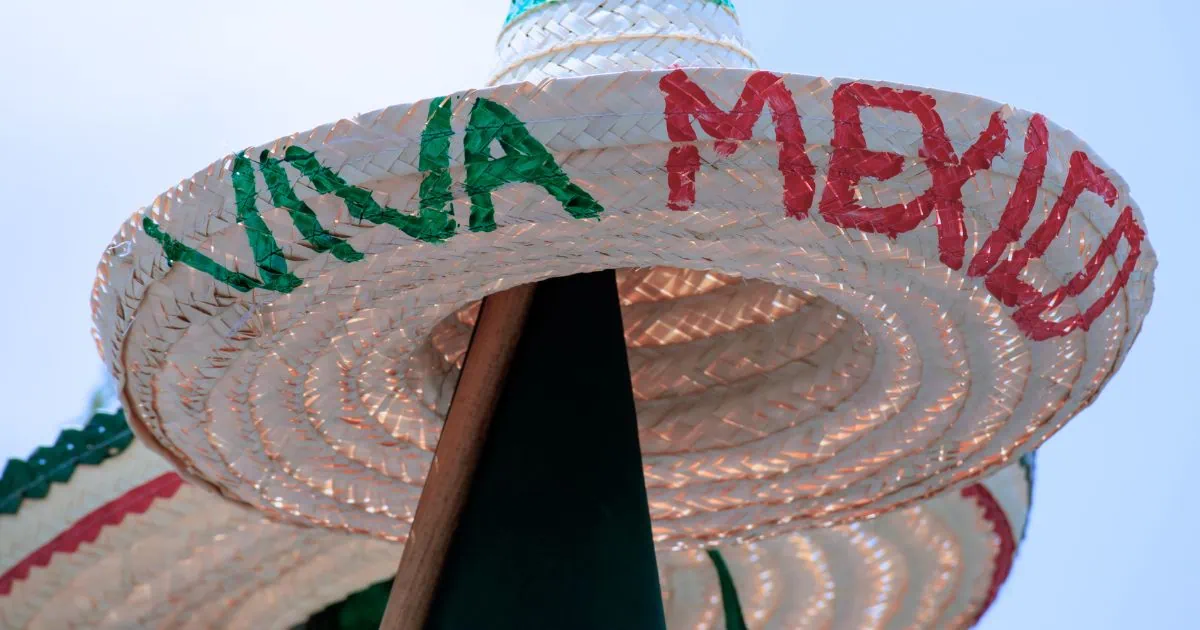
Looking for the most common Mexican sayings?
Mexicans love dichos, or popular sayings. You’ll hear them everywhere, from family dinners to taxi rides.
In this list, you’ll find 30 Mexican sayings with their literal translation, their real meaning and when you’ll hear them.
What Is a Dicho in Mexico?
A Mexican dicho, also called a refrán, is a popular saying that sums up a piece of everyday wisdom.
Many dichos came from Spain, but Mexicans have added their own twists, often with food, animals and humor.
Knowing a few dichos is a great way to understand Mexican culture, and using one in conversation is sure to earn you a smile.
For more local expressions, check out my lists of Mexican slang words and Mexico quotes.
1. Al mal tiempo, buena cara

- Literal translation: “To bad weather, a good face”
- Meaning: Stay positive when things go wrong.
- English equivalent: “Keep your chin up”
You’ll hear it when someone’s having a rough day, like when it rains on a beach vacation.
Friends say it to encourage you to make the best of it.
2. Al que madruga, Dios lo ayuda
- Literal translation: “God helps whoever gets up early”
- Meaning: Hard work and an early start pay off.
- English equivalent: “The early bird catches the worm”
Parents love saying this to teenagers who sleep until noon.
You might also hear it from a street vendor setting up their stand at dawn.
3. Camarón que se duerme se lo lleva la corriente

- Literal translation: “The shrimp that falls asleep gets carried away by the current”
- Meaning: If you’re not paying attention or you’re too slow, you’ll miss out.
- English equivalent: “You snooze, you lose”
People say it when someone misses a deal, a job or the last seat on the bus because they waited too long.
Some Mexicans add a funny ending: “…o amanece en un cóctel” (or wakes up in a shrimp cocktail).
4. Dime con quién andas y te diré quién eres

- Literal translation: “Tell me who you hang out with, and I’ll tell you who you are”
- Meaning: People judge you by the company you keep.
- English equivalent: “Birds of a feather flock together”
Mexican moms often say it when they don’t like their kids’ friends.
5. No hay mal que por bien no venga
- Literal translation: “There’s no bad that doesn’t come for some good”
- Meaning: Something good can come out of a bad situation.
- English equivalent: “Every cloud has a silver lining”
You’ll hear it after a canceled flight leads to an unexpected adventure, or a breakup leads to someone better.
6. Más vale pájaro en mano que ciento volando

- Literal translation: “A bird in the hand is worth more than a hundred flying”
- Meaning: It’s better to keep something sure than to risk it for something bigger but uncertain.
- English equivalent: “A bird in the hand is worth two in the bush”
It’s common advice when someone wants to quit a steady job for a risky idea.
7. A caballo regalado no se le ve el colmillo
- Literal translation: “You don’t check the teeth of a gifted horse”
- Meaning: Don’t criticize a gift.
- English equivalent: “Don’t look a gift horse in the mouth”
People say it when someone complains about a free meal, a hand-me-down or a gift they don’t love.
8. Perro que ladra no muerde

- Literal translation: “A dog that barks doesn’t bite”
- Meaning: People who make loud threats rarely act on them.
- English equivalent: “His bark is worse than his bite”
You’ll hear it about a boss, neighbor or relative who yells a lot but never follows through.
9. En boca cerrada no entran moscas
- Literal translation: “Flies don’t get into a closed mouth”
- Meaning: Sometimes it’s wiser to keep quiet.
- English equivalent: “Silence is golden”
It’s a gentle (or not-so-gentle) reminder not to gossip or say something you’ll regret.
10. El que es perico, donde quiera es verde

- Literal translation: “Whoever is a parrot is green anywhere”
- Meaning: Talented people stand out wherever they go.
The saying means that a person with genuine talent, skill, or strong character can demonstrate their worth anywhere they go.
Mexicans say this to praise someone who succeeds in a new job, city or country because “the talent goes with you.”
It also applies to strong people transcending difficult circumstances or adversity, not just physically moving or changing jobs.
11. Del plato a la boca se cae la sopa
- Literal translation: “Between the plate and the mouth, the soup falls”
- Meaning: Nothing is certain until it’s actually done.
- English equivalent: “Don’t count your chickens before they hatch”
You’ll hear it when someone celebrates a deal, a win or a promotion too early.
12. Árbol que nace torcido jamás su tronco endereza

- Literal translation: “A tree that grows crooked never straightens its trunk”
- Meaning: Bad habits learned early are very hard to change.
It’s often said about kids who aren’t corrected early, or about adults who never change.
13. Cada quien habla de la feria según le va en ella
- Literal translation: “Everyone talks about the fair according to how it went for them”
- Meaning: People judge things based on their own experience.
Ask two people about the same city, restaurant or ex, and you’ll get two very different answers.
That’s when someone shrugs and says this dicho because as we all know, there are three sides to every story: yours, mine, and the truth.
14. Hijo de tigre, pintito
- Literal translation: “A tiger’s son, a little spotted one”
- Meaning: Children take after their parents.
- English equivalent: “Like father, like son”
Though “tigre” translates to tiger, in Mexico, the word is often used for the jaguar, which has spots.
You’ll hear it when a kid shows the same talent (or the same stubbornness) as their mom or dad.
15. El que con lobos anda, a aullar se enseña

- Literal translation: “Whoever walks with wolves learns to howl”
- Meaning: You pick up the habits of the people you spend time with.
It’s a warning about bad influences, similar to #4 on this list.
16. Ojos que no ven, corazón que no siente
- Literal translation: “Eyes that don’t see, a heart that doesn’t feel”
- Meaning: If you don’t see something bad happen, it can’t upset you.
- English equivalent: “What you don’t know can’t hurt you”
People joke about it when they don’t want to know what’s really in their street tacos.
17. Más vale solo que mal acompañado
- Literal translation: “Better alone than in bad company”
- Meaning: It’s better to be on your own than with the wrong people.
- English equivalent: “Better alone than in bad company”
Friends say it to cheer someone up after a breakup.
18. No le busques tres pies al gato

- Literal translation: “Don’t look for three feet on the cat”
- Meaning: Don’t overcomplicate things or look for problems that aren’t there.
You’ll hear it when someone overthinks a simple situation or picks a fight for no reason.
19. Le das la mano y te agarra el pie
- Literal translation: “You give them your hand, and they grab your foot”
- Meaning: Some people take advantage when you’re kind to them.
- English equivalent: “Give them an inch and they’ll take a mile”
It’s often said about a guest who overstays or a friend who keeps asking for bigger favors.
20. Agua que no has de beber, déjala correr

- Literal translation: “Water you’re not going to drink, let it flow”
- Meaning: Don’t get involved in things that aren’t for you.
It’s common advice about not putting much weight into things like unrequited crushes, gossip or other people’s business.
In English, an equivalent might be “Like water off a duck’s back,” an expression about the duck’s physical anatomy.
Ducks have specialized waterproof feathers coated in an oil-like substance from a gland near their tail so water rolls right off them without soaking in.
21. Cría cuervos y te sacarán los ojos
- Literal translation: “Raise crows and they’ll peck your eyes out”
- Meaning: Helping ungrateful people can come back to hurt you.
You’ll hear it when someone is betrayed by a person they helped.
22. Ni tanto que queme al santo, ni tanto que no lo alumbre

- Literal translation: “Not so close that it burns the saint, not so far that it doesn’t light it”
- Meaning: Find the right balance and avoid extremes.
The image comes from placing a candle in front of a saint’s statue.
People use it about everything from how much chile to add to how strict to be with kids.
23. El flojo trabaja doble
- Literal translation: “The lazy person works twice”
- Meaning: Cutting corners usually means doing the job twice.
Picture someone trying to carry all the grocery bags in one trip and dropping them all.
24. Panza llena, corazón contento

- Literal translation: “Full belly, happy heart”
- Meaning: People are happy when they’re well fed.
You’ll hear it after a big comida, usually right before the sobremesa begins.
25. Echando a perder se aprende
- Literal translation: “By messing up, you learn”
- Meaning: Mistakes are part of learning.
- English equivalent: “You live and learn”
It’s what you’ll hear when your first homemade tortillas come out lopsided.
26. Candil de la calle, oscuridad de su casa
- Literal translation: “A lamp in the street, darkness in its own house”
- Meaning: Someone who’s kind and helpful to outsiders but neglects their own family.
Think of a dad who’s the life of the party with friends but never helps at home.
27. A todo marrano le llega su sábado

- Literal translation: “Every pig’s Saturday comes”
- Meaning: Sooner or later, everyone gets what they deserve.
- English equivalent: “What goes around comes around”
Spain has a similar saying, “a cada cerdo le llega su San Martín,” named for the feast day when pigs were traditionally slaughtered.
In Mexico, you’ll also hear “a cada cochino le llega su sábado.”
People say it when a cheater, a bully or a corrupt politician finally gets caught.
28. De tal palo, tal astilla
- Literal translation: “From such a stick, such a splinter”
- Meaning: Children resemble their parents.
- English equivalent: “A chip off the old block”
It’s similar to #14, and you’ll hear it at family parties all the time.
29. Más vale tarde que nunca
- Literal translation: “Better late than never”
- Meaning: It’s better to do something late than not at all.
- English equivalent: “Better late than never”
Given Mexico’s flexible attitude toward time, you’ll hear this one a lot!
30. Sobre advertencia no hay engaño
- Literal translation: “Where there’s a warning, there’s no deception”
- Meaning: If you were warned, you can’t complain later.
- English equivalent: “Forewarned is forearmed”
Shops, landlords and moms all use it. It’s the Mexican version of “don’t say I didn’t warn you.”
Demystifying Dichos: Common Mexican Sayings FAQ
What is a Mexican dicho?
A dicho is a popular saying that sums up a piece of everyday wisdom in a short, memorable phrase, like “Al que madruga, Dios lo ayuda” (God helps whoever gets up early).
What is the most common Mexican saying?
There’s no official ranking, but “Al que madruga, Dios lo ayuda” and “Más vale tarde que nunca” are among the most common Mexican sayings you’ll hear.
What does ‘a todo marrano le llega su sábado’ mean?
It literally means every pig’s Saturday comes, and it means that sooner or later, everyone gets what they deserve.
What’s the difference between Mexican sayings and Mexican slang?
Mexican sayings are full phrases that share a lesson or piece of advice, while Mexican slang is informal words and expressions used in everyday speech.
Want to learn some of those words? Check out my list of Mexican slang words.
My Final Thoughts on Mexican Sayings
Mexican sayings are a fun window into the country’s humor, values and love of food.
Many of them have been around for centuries, and you’ll still hear them every day.
To dig deeper into the Spanish language in Mexico, visit the Academia Mexicana de la Lengua.
On your next trip, try one of these dichos on a local, and watch their face light up!
Get My FREE Guide: 5 Easy Ways to Save Money in Mexico
Insider tips from someone who’s lived in Mexico since 2018.
