
How to Prevent Mexico City Altitude Sickness (And How to Treat It If You Get Sick)



Worried about Altitude Sickness in Mexico City?
You’ve come to the right guide, because I have lived in Mexico City, on and off, since 2018. I’m also a native Floridian whose body was not acclimated to high altitude — and I’ve had Mexico City altitude sickness twice. (Spoiler: It’s no fun.)
In fact, it feels like the flu 🤢 and can quickly ruin your Mexico City vacation. To pass all my pro tips on to you, I wrote this article so you have an epic Mexico City trip instead of an epic bout with altitude sickness in Mexico City.
OUR PICK

My #1 Mexico City altitude sickness prevention method is staying hydrated! These Water-To-Go Bottles keep you hydrated & filter your Mexico drinking water.
If you were wondering how to not get altitude sickness in Mexico City, staying hydrated 💧 is one of the best ways to avoid the dreaded symptoms of altitude sickness in Mexico City.
Ready for even more of my best Mexico City travel tips, using the knowledge I gained after living in CDMX and having altitude sickness twice? Let’s get to it!
What is Mexico City altitude sickness?
Altitude sickness happens because the amount of pressure in the atmosphere (known as barometric pressure) drops at high altitudes above 8,000 feet (2,438 m).
As barometric pressure drops, there’s less oxygen available to breathe, and you may experience dehydration and difficulty breathing — two symptoms of altitude sickness.
Any time you go above 8,000-feet, you can be at risk for altitude sickness.
Source: WebMD
While the Mexico City altitude in feet is just shy of that height, a lot of travelers still experience altitude sickness in Mexico City — and I’ve personally had it twice.
The verdict: Mexico altitude sickness sucks!
⛰️ Mexico City elevation vs Denver elevation
As you may know, Denver, Colorado is nicknamed the Mile High City because it’s one-mile above sea level (1.6 km).
Well, Mexico City is even higher than Denver, Colorado — a half-mile higher than Denver in fact, at about 1.5-miles above sea level. It doesn’t have the same ring, but CDMX is the Mile and a Half High City.
🇲🇽 Mexico Fun Facts: 1) Mexico City is the highest city in Mexico! 2) It is the eighth highest capital city on Earth; the highest is La Paz, Bolivia, at an astounding 11,950 feet high (3,640 meters).
Why do you get altitude sickness?
When you go from a place at lower altitude straight to a place at higher altitude like to Mexico City, this rapid change in altitude can cause you to get sick.
✈️ Note: Airplanes are pressurized so your body doesn’t recognize the drop in barometric pressure when you’re flying to Mexico City. However, you might start feeling it within 1-4 hours of exiting the plane.
Will I definitely get Mexico City altitude sickness?
No — Some people visit Mexico City and don’t experience any altitude sickness symptoms at all.
However, if you’re one of the unlucky ones, as I have been 😢, the symptoms can really ruin your trip.
A bit later in this article, you’ll see what these common altitude sickness symptoms can be.
Who’s at risk for altitude sickness in Mexico City?
Everyone who’s at a high elevation can get altitude sickness. It’s a very random sickness that can happen to anyone at any time, even those who live in higher elevation.
Anyone can develop altitude sickness, no matter how fit, young, or healthy they are…
Source: WebMD
For this reason, everyone who’s traveling to Mexico City will want to come prepared with the altitude sickness medications and homeopathic remedies you’ll find in this article.
How long does it take to acclimate to the altitude in Mexico City?
Most people will acclimate to CDMX altitude in 1-3 days.
Still, it’s important to stay well hydrated even after you’ve acclimatized — and watch your alcohol intake because alcoholic beverages can re-aggravate altitude sickness symptoms.
What is reverse altitude sickness?
To add insult to injury, I once got reverse altitude sickness the day I left Mexico City and descended to a lower altitude.
Yes, this is real, and it’s called high-altitude de-acclimatization syndrome, or HADAS.
While I’m no doctor and this is not official medical advice, I say from experience that the same meds I mention this article that treat altitude sickness also treat reverse altitude sickness (HADAS).
What are the symptoms of Mexico City altitude sickness?
Altitude sickness can feel like the flu, and the symptoms are similar, like dehydration, dizziness, nausea, vomiting, headaches and shortness of breath.
The good news is that not everyone will have ALL the symptoms (and of course, there’s no guarantee you’ll have altitude sickness in CDMX at all).
Keep reading to see what I have personally done (or know people who I know have done) to lessen the symptoms of altitude sickness in Mexico City using over the counter remedies.
⚠️ Note: I am not a doctor, and none of what you’re about to read is medical advice. What I am is a person who’s been living in Mexico since 2018, including a year in Mexico City, and who’s has altitude sickness twice.
1. Dehydration
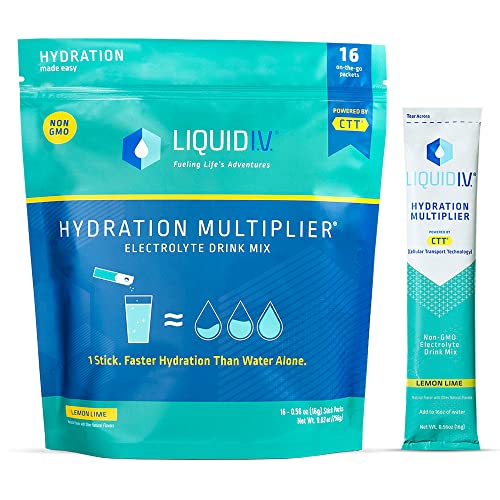
Staying hydrated is one of the best ways to combat altitude sickness in Mexico City.
You’ll want to keep drinking water throughout the day from your refillable Water-To-Go Bottle, but you can also supplement it with a “hydration multiplier” called Liquid IV.
⭐️ This stuff has more than 100,000 reviews on Amazon!
Now, I’m not going to tell you not to drink all the yummy alcoholic Mexico drinks while on vacation.
However, I am going to tell you booze can make altitude sickness worse because it further dehydrates you.
If you plan to drink a lot, you’ll also want those electrolytes to counteract the dehydration booze can cause.
To add in some extra electrolytes to your water, which will help give you a boost of extra hydration, pick up some Liquid IV before your Mexico City vacation.
This hydration multiplier is a popular hangover cure and hydration aid — and it has more than 100,000 positive reviews on Amazon 🏆
2. Dizziness

The same medication that treats motion sickness, Dramamine, will work for Mexico City altitude sickness (just make sure you buy non-drowsy).
If you prefer a more natural remedy, many people find relief with Anti-Altitude Sickness Bands or an Altitude Sickness Patch.
3. Nausea & Vomiting

This one really sucks, because you won’t want to eat all the delicious Mexico City tacos which will soon be available to you.
In all seriousness, many only feel nauseous, but some people will have to actually throw up — so if you start feeling nauseous, quickly duck into a public bathroom.
Ginger actually really helps with feelings of nausea, and these Dramanine Anti-Nausea Ginger Chews fit conveniently in my purse, so I carry them around when I’m traveling to Mexico City.
4. Shortness of Breath & Difficulty Breathing
Mexico City is very walkable, so you’ll likely be walking a lot.
Normal walking on flat ground shouldn’t be too bad, but you might really start to feel the Mexico City altitude sickness kick in if you have to go up a flight of stairs, and find yourself winded very quickly.
If this happens to you, you’ll likely be fine if you just take a rest for a few minutes to catch your breath.
5. Headaches
The final of the most common symptoms of altitude sickness is headaches.
Plan to carry a few of your preferred headache meds on you, and that should suffice.
If you forget to bring your own, there are pharmacies all over Mexico City, so you won’t have trouble buying those.
⚠️ Note: Having your Water-To-Go Bottle on you at all times will also come in handy when you need to take headache meds.
Best Medications for Mexico City Altitude Sickness
According to WebMD, acetazolamide is the best treatment for altitude sickness — though you need a prescription.
For over the counter altitude sickness medications, there’s the anti-nausea medicine Dramamine ⚠️ but make sure to buy non-drowsy Dramamine because this stuff is potent, and will make you pass out.
You can get it in pill form or as Dramamine chewable tablets. There’s also dedicated anti-altitude sickness meds, like Altitude Assist.
As many of the symptoms are associated with pain (namely headaches and body aches), you can take your preferred pain reliever of choice: ibuprofen (called paracetamol in Mexico), Tylenol, naproxen, Advil, etc.
Do I need altitude medicine for Mexico City?
You don’t need to bring altitude sickness medicine for Mexico City — however, if you get altitude sickness, you’ll certainly wish you had it.
As someone who has had altitude sickness in CDMX (twice), I know that there are limited options once you arrive.
While you can easily find headache meds in Mexico City — you won’t find specific things like this non-drowsy Dramamine, and dedicated anti-altitude sickness meds, like Altitude Assist, which treats a variety of symptoms at once.
Best Homeopathic Mexico City Altitude Sickness Remedies
1. Altitude Sickness Bands
Many people have great success with these Acupressure Bracelets (AKA anti-nausea bracelets).
These are the same wristbands used to help people experiencing sea sickness or motion sickness in cars, and they have been successfully used for altitude sickness as well.

How they work is there is a small, plastic bead in the band and you will wear it so that the bead rests on the inside of your wrist.
There is a trigger point there which, when pressed, helps to alleviate the symptoms of nausea.
As wristbands, there’s no real side effects or potential harm that can come from using them.
Personally, I always recommend friends, family members and followers bring these bands with them to Mexico City. While they won’t work for everyone, they do work for a lot people.
2. Altitude Sickness Patch

These Anti-Nausea Patches are another natural way to alleviate the symptoms of altitude sickness in Mexico City.
They are small stickers which you place behind your ear or just below your navel which are said to constrict and control the vagus nerve — which is the also known as “the nausea nerve.”
3. Altitude Sickness Lollipops & Candy

Developed by healthcare professionals, these USDA Organic Tummypops and these Queasy Drops, offer another all-natural, drug-free solution for symptoms of altitude sickness in Mexico City.
They come in several flavors, like green tea, raspberry and ginger, and are infused with nausea-relieving essential oils.
4. Liquid Chlorophyll

The final option for non-medicinal altitude sickness treatment are these Liquid Chlorophyll drops.
Chlorophyll has several health benefits, including increasing your red blood cell count.
The more red blood cells in your system, the more oxygen there is to be absorbed, which reduces the effects of altitude sickness.
What to Do If You Feel Like You Have Altitude Sickness in Mexico City

For most travelers, the altitude of Mexico City isn’t so high you aren’t able to function.
However, if your symptoms are concerning you, go see a doctor — and here’s how you’d do that.
Doctor visits in Mexico City and all Mexico cost much less than in the United States. The few times I’ve had to go to the clinic, it was only about $5-10 USD to see a doctor.
For those who are even slightly concerned about how you’re feeling in the altitude of Mexico City — it’s better to be safe than sorry.
If you’re feeling these normal Mexico City altitude sickness symptoms, you might be ok if you just sit down and rest for a few minutes.
According to WebMD, you should be eating plenty of carbs and drinking plenty of water, a nice 20-minute cafe break for food and some Liquid IV water may suffice.
💊 For medicinal and homeopathic remedies to the common altitude sickness symptoms, refer to the previous section.
Do’s and Dont’s of Mexico City Altitude Sickness
DO: Get a Filterable Water Bottle
Use code SOLO15 for 15% OFF all Water-To-Go Bottles and Filters → Shop now!
After Is Mexico safe?, the #2 most asked Mexico travel question seems to be, Can you drink the water in Mexico?
The answer to that question is NO, you can’t drink the water in Mexico!
It is not safe for human consumption — the locals don’t drink tap water, and neither should you.
As you now know, dehydration is one of the most common symptoms of altitude sickness in Mexico City.
WebMD recommends you drink 3-4 quarts (12-16 cups) of water each day, and since you can’t drink tap water in Mexico, you have three options:
- ♻️ Get a water filter bottle, like these Water-To-Go Bottles
- 🫖 Boil the tap water, if your accommodation has a stove
- 😕 Keep buying single-use plastic bottled water each day
To keep your carbon footprint low and practice responsible tourism in Mexico, the filterable water bottle is your best option.
I also love my Water-To-Go Bottle because I love what they stand for — as the company supports many charitable initiatives, including Just a Drop and Incredible Oceans (more info here).
💧 What is water-to-go?

I own a Water-To-Go bottle because besides filtering your drinking water, which is one of the best ways to avoid Montezuma’s Revenge in Mexico City (stomach bug), it also helps improve your overall travel health through hydration.
With these BPA-free Water-To-Go Bottles, you have access to safe water anywhere in Mexico without having to buy environmentally damaging, single-use plastic water bottles.
These bottles filter out 99.9999% of water-borne contaminants including viruses, bacteria, chemicals and parasites.
We envision a world where everyone has access to clean drinking water, free of single use plastics.
Water-To-Go Mission Statement
The 3-in-1 filter is a net within a net within a net, making it near-impossible for illness-causing contaminants to get through.
If you’re wondering what happens to the filter when you have to replace it — great question! The filter membrane is biodegradable, and the shrouds are recyclable ♻️
DON’T: Ignore Your Altitude Sickness Symptoms

For most travelers who do get Mexico City altitude symptoms, their symptoms are manageable with water, and over the counter medicines.
However, some will need to see a doctor. If you know, or even just feel like you need to see a doctor in Mexico City — go see a doctor ASAP!
⚠️ Mexico City Travel Tip: If your Spanish isn’t great, download the Google Translate App. With this, you and the doctor can speak into your phone, and the translation is spoken back to you in your preferred language.
🩺 Mexico City Pharmacies with doctors

If you find yourself feeling sick in Mexico City, open your maps app, locate one of the big chain pharmacy near you, and head straight there.
The best Mexico farmacias include these:
- Farmacia del Ahorro, a more up-scale and expensive pharmacy chain
- Farmacia Similares, a great low-cost Mexico pharmacy chain
- Farmacia Guadalajara
- Farmacia San Pablo
- Farmacia Yza
These pharmacies have on-site doctors that can do quick check-ups, and you don’t need an appointment to see them.
There’s usually only a short wait, and since you’re already at a pharmacy, if you do need any meds, you can get them right there.
DO: Come to Mexico City Prepared
If this will be your first visit to Mexico City, you might not know this, but there are farmacías (pharmacies) on every other block.
However, they really only keep general medications in stock, and won’t always have dedicated Anti-Altitude Sickness Meds.
If you’re someone partial to the homeopathic remedies, pick up an Acupressure Bracelet, Anti-Nausea Patch and Liquid Chlorophyll drops before your trip.
These likely won’t be readily available in Mexico City — but they’re all known altitude sickness treatments.
DON’T: Pack the Whole Medicine Cabinet

General medicines are easy to get in Mexico, so there’s no need to pack too many over-the-counter meds.
Meaning, you may want to save some suitcase space and not bring your Costco-size bottle of Advil.
Now, if you’re brand-specific, as in you can only take Advil, then make sure to bring your Advil.
While there will be headache and pain medications everywhere, you might not always be able to find Advil (or any specific brand) while you’re traveling to Mexico City.
Final Thoughts: How to NOT Get Mexico City Altitude Sickness
The elevation of Mexico City is rather high. For those who don’t live at a high or higher elevation, you’re certainly more prone to getting altitude sickness in Mexico City — though you also may not.
Even those who do live at a high elevation can still get altitude sickness in Mexico City, as it’s just that random.
- Mexico City elevation feet = 7,350 (1.5 miles)
- Mexico City meters feet = 2,240 (2.25 km)
The truth is, there’s really no way to know who will get it and who won’t.
For this reason, the best thing you can do is show up prepared to combat Mexico City altitude sickness with the proper medications and homeopathic remedies — and just hope you don’t need to use them.
Beyond medications, you will want to stay hydrated, avoid drinking and smoking, get proper rest, take a break when you need to, and really just listen to your body.
While altitude sickness in Mexico City can be annoying, it’s also usually pretty easy to treat it yourself.
I hope this article answered all your questions on altitude sickness in Mexico City — and more importantly, I hope you don’t get sick in CDMX.
If you plan ahead, the altitude of Mexico City shouldn’t be too detrimental.
Get My FREE Guide: 5 Easy Ways to Save Money in Mexico
Insider tips from someone who’s lived in Mexico since 2018.
