
Dumb Things Tourists Do in Mexico That Would Get Them Arrested in the USA


Wondering about the dumbest things tourists do in Mexico?
I’ve been living in and exploring Mexico since 2018 — and have compiled this list of the dumbest things tourists do in Mexico so you don’t make the same mistakes.
I’ve swam in cenotes, wandered colonial towns, climbed ancient ruins, hung out with locals, and noticed that many tourists treat Mexico like a legal fun zone.
They act like it’s a place where “vacation mode” means ignoring rules that would land you in cuffs back home.
Some behaviors seem harmless, and even fun. However, they exist in a legal grey zone here — and in many parts of the U.S., they would be crimes.
Here is a list of the absolute dumbest things tourists do in Mexico that would get you arrested, fined, or seriously in trouble in many U.S. states.
Please use this guide not to scare you, but to help you travel smarter, safer, and with respect while vacationing in Mexico.
1. Carrying Firearms or Ammunition Without Proper Authorization

What (some) tourists do in Mexico
Tourists sometimes assume that their U.S. permits or open carry rights follow them abroad. They absolutly do not!
They may travel with unloaded guns “just in case,” stash ammo in their luggage, or think that guard or protection duties give them leeway. It doesn’t!
Why that would get you arrested in the U.S.
In the U.S., gun laws vary state by state, but generally, carrying firearms without valid local or state permits can lead to arrest.
Crossing state or international borders with weapons improperly declared or without valid documentation is also a serious offense.
What Mexican law says

- Mexico’s Federal Law of Firearms and Explosives is very restrictive. Foreign permits (e.g. from the U.S.) are not recognized.
- Tourists caught with guns or ammunition without express authorization from the Secretariat of National Defense (SEDENA) face severe penalties. confiscation, fines, and detention.
- Keep in mind that even bringing in a single round across the border is illegal, whether you’re driving to Mexico, flying in, or coming on a cruise ship.
How to stay safe (and Legal)
If you must bring firearms and/or ammo for things like licensed hunting or sporting events, arrange all permits before you arrive before the Mexican authorities.
Otherwise, leave your weapons at home, plan safety without guns, and assume anything weapon-related is off limits.
2. Walking Around with Open Alcohol Containers or Drinking in Public

“Typical” tourist behavior
You’re beachfront, sipping a beer, walking down the malecon (boardwalk), taking in the sunset, and enjoying cocktails with friends.
It feels casual, and vacation-friendly, but it’s technically illegal to do so anywhere in the country. (Enforcement is another story.)
In the U.S., this is often illegal
Many U.S. states/cities have strict open container laws so you can’t walk with a drink in public, even in a park or sidewalk.
Violation can mean fines or arrest in some areas, which is the same as in Mexico.
What Mexico’s laws say

- Mexico has open container laws in many jurisdictions so public drinking, carrying open alcohol containers in streets, parks, sidewalks, etc. is illegal in many places.
- Drinking in public and public intoxication is prohibited. Though enforcement is inconsistent as tourist beaches and resort zones tend to be more relaxed.
- The legal drinking age in Mexico is 18.
How to avoid trouble in Mexico
Drink in bars, resort patios, or licensed premises. Don’t walk around with an open booze container where it’s not clearly allowed.
Know local rules, and understand that what’s OK on Cancún Beach may not be OK just a mile inland when you’re in Downtown Cancun.
3. Photographing Checkpoints, Military Installations, or Police Without Permission

What tourists often do
This is a big no-no, and one I actually got in trouble for when I took a photo outside the U.S. Embassy in Mexico City.
Like me, other tourists might casually snap pics of uniformed soldiers or police at checkpoints, take photos of government buildings or official-looking infrastructure for their travel blog, TikTok or Instagram, often not noticing signs or warnings.
While you’d likely be doing this in a completely harmless way (as I was) it’s still illegal — so let’s call it one of the harmless dumb things tourists do in Mexico.
How U.S. law often treats this
In many U.S. places, you can photograph government buildings, public officials, or police in public — but there are also zones where it’s strictly prohibited.
With professional cameras or tripods, you may need permits. Drones in Mexico must be declared upon arrival, and require a special permit in many areas.
Crossing into restricted areas, or photographing law enforcement operations, can lead to arrest.
What Mexico’s rules say

- Several sources caution that photographing military check-points or security installations is risky. Authorities often treat this as potential surveillance.
- Also, in Mexico City, using a tripod or filming with professional gear in public parks or in historic zones sometimes requires permits.
How to stay out of trouble in Mexico
- Avoid taking photos of uniformed police or military near checkpoints.
- If you see No Photography signs, obey them.
- When using professional camera equipment beyond your smart phone (ie. DSLR cameras, long lenses, drones, tripods, etc.), always check local rules.
4. Wearing Swimwear Outside Beach Zones (Shirtless or Bikinis in Non-Beach Areas)

What travelers do
Changing from beach to town without covering up, walking through waterfront restaurants or shops in swimsuit, or being shirtless in public spaces because “it’s part of the beach vibe.”
In the U.S., this could be considered indecent exposure or violate local ordinances
Many U.S. cities have laws about public decency, and so does Mexico.
What’s acceptable at a beach may not be acceptable in downtown areas, shopping districts, and/or churches.
Going shirtless or in just swimwear outside of beach/resort areas could draw penalties or law enforcement.
👙 Nude beaches in Mexico: There’s only one legal nude beach in Mexico. It’s called Zipolite, and located on the coast of Oaxaca near Puerto Escondido.
Mexico’s norms & variability
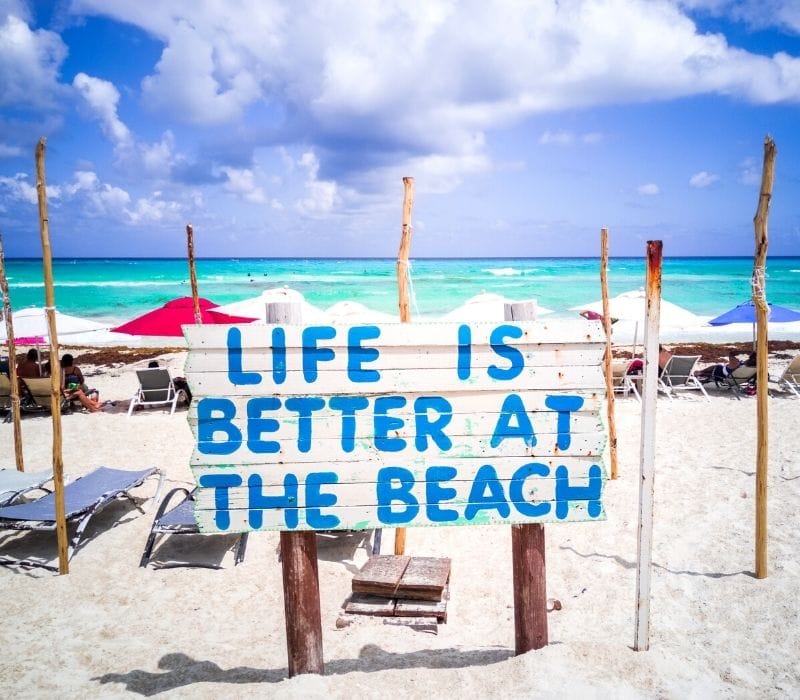
- Coastal tourist zones are generally more tolerant of beachwear outside the water. Resorts, beaches, beachfront restaurants often expect it.
- Inland, conservative towns, religious or formal settings often expect modest clothing. Churches and official buildings usually have dress codes. Enforcement depends on local culture more than written law.
Smart practices in Mexico
- Carry a cover-up or shirt with you at all times.
- Change into casual street clothes when leaving resort areas.
- Respect local norms, especially in more conservative towns or rural areas.
- Take notice of how locals dress, and mimic their dress when in doubt.
5. Assuming Drug Laws are Mild, or That Drugs are Legal in Mexico

What tourists assume and sometimes do
Because they’ve seen “decriminalization” or “legalization” stories for marijuana in parts of Mexico, or because drug use is more visible, they assume small amounts or recreational substances are low risk.
Sometimes they buy or use illicit substances or bring prescription drugs without checking regulations.
How the U.S. differs
Some U.S. states allow medicinal or recreational cannabis; others don’t.
Many local jurisdictions still classify possession of drugs as serious offenses, and crossing state/federal lines or traveling with substances is risky.
Since many people ask me this, I’ll just spell it out — cannabis is illegal in Mexico for tourists to buy, possess, and/or smoke.
Drug Regulations in Mexico
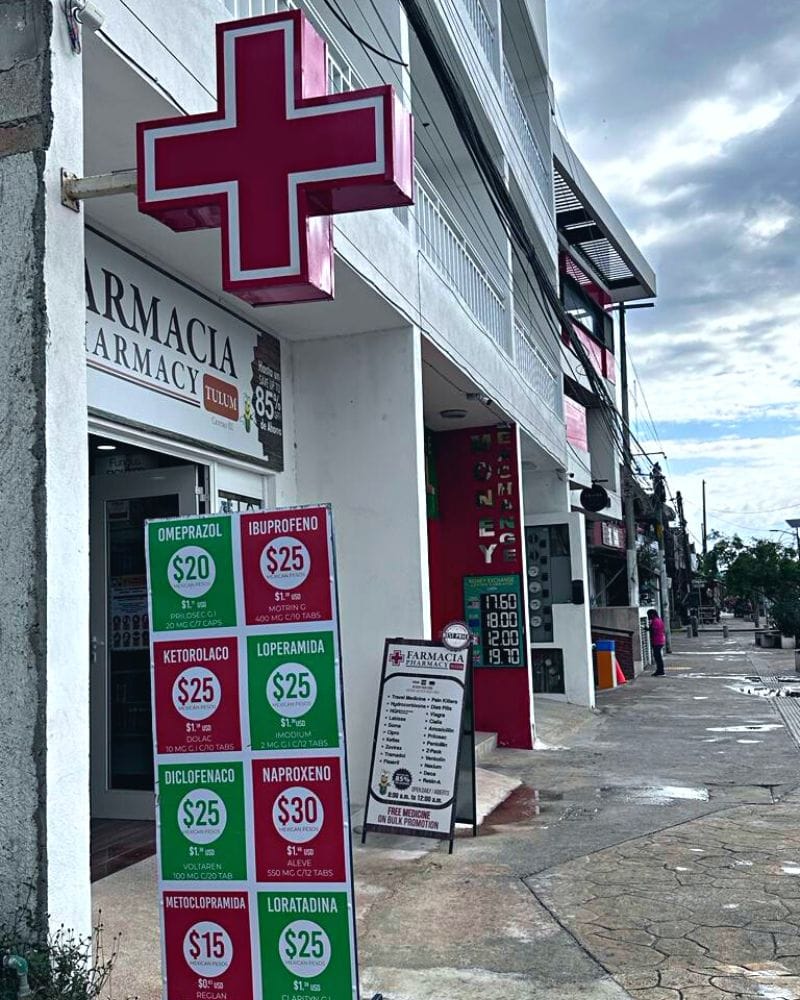
- Anything sold from a pharmacy in Mexico is legal — though some things require a prescription from a medical doctor.
- Mexico has decriminalized small amounts for certain substances, but many drugs remain illegal.
- Laws are ambiguous about “how much” is allowed, and enforcement is inconsistent, so it’s better to be safe than sorry here.
- Importing or carrying prescription medications without proper documentation can lead to trouble. Local controlled medication laws may differ.
How to protect yourself
Never assume. Research laws for the specific region or state in Mexico you’re visiting.
If you have a medically-prescribed substance, carry the prescription with you at all times — especially in the airport, cruise port, or when crossing the U.S.-Mexico border by car.
This should go without saying, but avoid buying drugs from informal or street sources, as you will likely face legal ramifications if you’re caught.
6. Disregarding Water & Food Safety

What travelers often do
Eating fruit sold roadside, drinking cocktails with ice, assuming water in restaurants or ice is safe, or eating raw vegetables without asking how they were washed.
In the U.S., strict health codes are enforced
Restaurants must follow food safety laws. Ice and produce must come from safe, regulated sources.
Violations can lead to health department fines, closure, or even criminal charges in serious negligence.
The Situation in Mexico
- Tap water is not safe to drink in the majority of places.
- Ice from uncertified places, raw produce washed in untreated water, or food at street stands may carry risk.
- Health inspection standards and enforcement vary widely by state and town. In tourist zones, many places are careful; in rural or informal places, less so.
How not to get sick

- Stick to bottled or filtered water (including when brushing your teeth, if you want to be extra safe).
- Avoid ice unless you see it made from potable water.
- Only eat raw produce you wash and peel yourself.
- Choose busy, clean food stalls or restaurants where locals eat because hygiene matters.
🤢 Check out this article for all my best tips on How to NOT Get Sick in Mexico so you successfully avoid Montezuma’s Revenge.
My Final Thoughts on Dumb Things Tourists Do in Mexico

Mexico’s beauty is undeniable — its color, culture, warmth, and experiences are precious.
However, part of respecting the places you visit is knowing the rules, whether they’re visible or not.
The behaviors above might seem minor, “just part of vacation,” or harmless in a social media post — but legal systems in both Mexico and the U.S. treat them differently.
Even where enforcement is light, missteps can cost you, from fines and confiscations to worse.
Travel in Mexico with curiosity, humor, respect — and maybe a healthy dose of caution.
It makes for better stories, safer travels, and fewer “oops” moments in shady back alleys or at immigration.