
27 Unique Mexican Fruits and Veggies You’ve Probably Never Heard Of

As a foodie who moved to Mexico in 2018, and has been exploring the country ever since, I’ve tried all the unique Mexican fruits and veggies I could get my hands on.
From highland fungi to jungle fruits, the 27 rare fruits and veggies from Mexico listed in this article will tantalize your taste buds and tell tales of regional traditions.

1. Huitlacoche (Corn Smut)


In the cornfields of central Mexico, huitlacoche (pronounced weet·luh·kow·chay) grows as an inky gray-black fungus on maize.
With earthy, truffle‑like, smoky notes (and hints of chocolate and vanilla), it’s best sautéed with onions and epazote, then tucked into quesadillas or tamales.
Fresh hongo de maíz, as it’s sometimes called, is seasonal and prized. However, you can buy it canned year‑round (though fresh is better, of course).
2. Nopal (Cactus)


One of the most loved Mexico vegetables, nopal paddles are harvested all across arid central Mexico.
Crisp with a mild tang, they’re usually grilled, diced for salads, or simmered in stews with tomatoes and chilies.
Rich in fiber and antioxidants, nopales are prized in ensalada de nopales (cactus salad), scrambled eggs, and thickened sauces.
Mexican nopales do have an acquired texture that’s similar to okra. When cooked, they can produce silken strings that often result in a slimy consistency.
If that’s off-putting, opt for cooking nopal on the grill, sautéing them with salt and water, or boiling then with ingredients like tomatillo leaves.
3. Pitaya (Dragon Fruit)

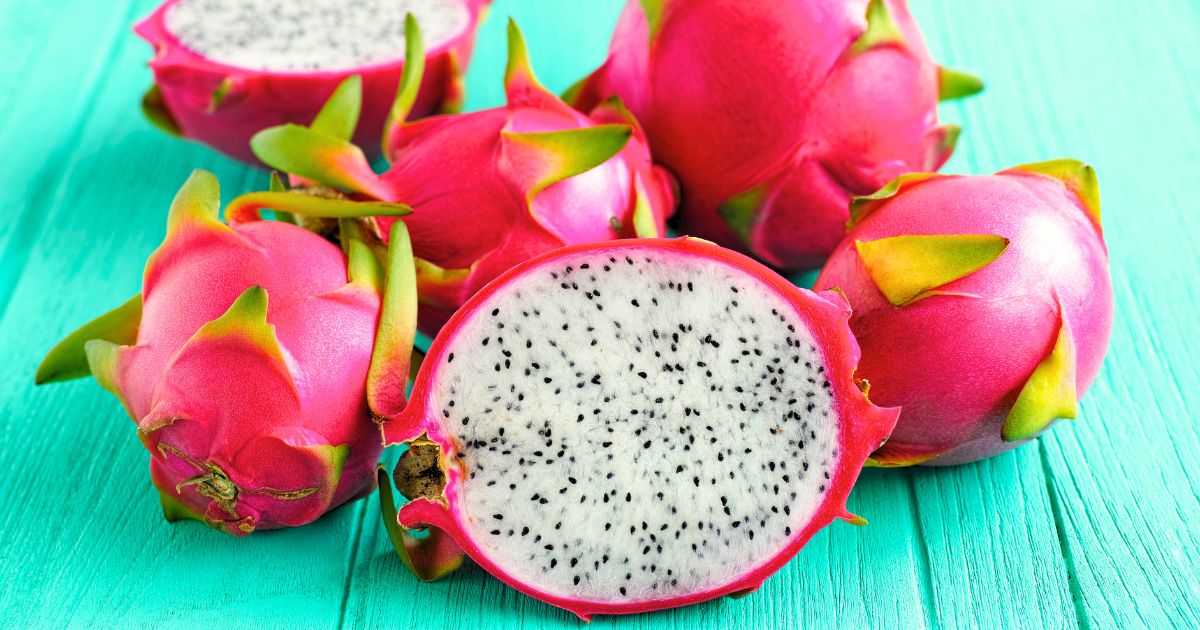
One of the most beautiful fruits from Mexico, pitaya (pit·tuh·hai·uh) comes from the tropical Pacific coast, especially Guerrero state and Veracruz state.
It comes with flesh in three colors: Pink, while and yellow, which all have similar flavors. Expect a mildly sweet, kiwi‑like flesh, flecked with tiny, edible seeds.
Best enjoyed fresh chilled, scooped from the rind, also excellent in smoothies, nieves (sorbets), aguas frescas (fresh fruit waters), and tropical fruit salads.
4. Flor de Calabaza (Squash Blossom)

Plucked fresh in central valleys from Puebla state to Tlaxcala state, these delicate squash blossoms taste subtly vegetal and floral.
You can eat cactus flowers stuffed with queso Oaxaca cheese, tempura‑fried, or simmered in quesadillas and soups, like Crema de Flor de Calabaza.
An emblematic offering you’ll see in spring markets, they’re also a staple in Mexican vegetarian dishes.
5. Rambután
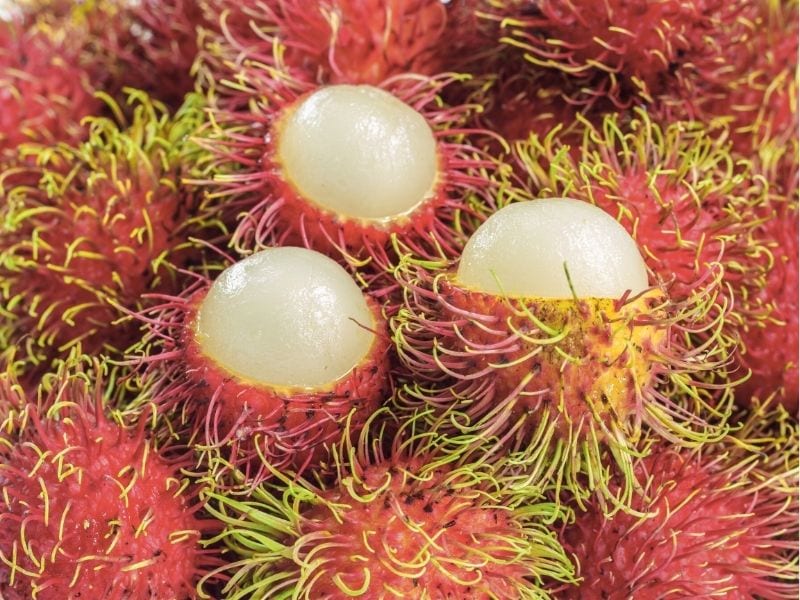
In humid Mexican states, like Veracruz and Chiapas state, rambután (ram·boo·tn) thrives during rainy season.
Covered in soft spines, it hides translucent, grape‑sweet and mildly acidic flesh. Peel and eat raw, or toss into fruit salsas, paletas, agua fresca, and desserts.
A Southeast Asian import, the rambutan has been adopted by Mexico to become one of the country’s best seasonal, tropical fruits.
6. Huauzontle

A staple in the central highlands near Mexico City, huauzontle (wah·oo·zont·lay) resembles tiny broccoli florets.
Mildly bitter and earthy, it’s traditionally battered and fried into patties, or simmered in creamy egg dishes.
These nutrient‑rich greens are an ancient Aztec superfood (even sometimes referred to as “Aztec broccoli”) that have been consumed for centuries.
7. Romeritos


Common in markets during Christmastime in Mexico, romeritos are paddle‑leaf greens with a rosemary‑mint aroma.
They’re typically cooked in a dish called romeritos con mole with shrimp, mole negro (black mole sauce), and potatoes.
Blending earthiness with seafood sweetness, this iconic side-dish is one of the most famous Mexico Christmas foods you’re sure to see on most tables.
8. Chayote

Harvested from the states of Veracruz and Oaxaca, you can find Mexican chayote in few shapes and colors.
Perhaps the most commonly-used variety, the green chayote has a crisp texture and a mild, cucumber‑pear flavor. The exterior has small spines on it, so be careful!
The prickly chayote has long spines on the exterior, but when removed, you will see the edible, white chayote beneath.
A member of the squash family, you can sauté it, slice raw into salads with lime and chili, or steam it for stews and caldos (Mexican soups).
9. Tejocote (Little Apples)

Grown in temperate orchards around Toluca and Estado de México (Mexico State), tejocote (tay·how·kow·tay) are small, tart fruits, like crabapples.
They’re at their peak in winter, so you’re sure to see them simmered into ponche navideño (Christmas punch), which is one of the best Mexican drinks.
You might also see tejocote apples made into candied preserves and jellies, which are high in pectin.
10. Tuna (Cactus Pear)


From the Sonoran Desert to Oaxaca state, tunas sparkle in red, yellow, or purple shades, and grow on cacti.
With a sweet melon‑like taste, you can eat tuna raw, juice it for agua fresca (fruit water), or blend into syrups, jellies, cocktails, and colorful paletas (popsicles).
11. Xoconostle (Cactus Fruit)

A sour cousin to the tuna fruit, xoconostles (sho·koh·nost·lay) grow in semi‑arid regions like Puebla state and Zacatecas state.
Their tart flesh enhances salsas, sauces, and cooked dishes like mole verde (green mole). Rich in vitamin C, they brighten flavors in stews and drinks.
12. Granada China
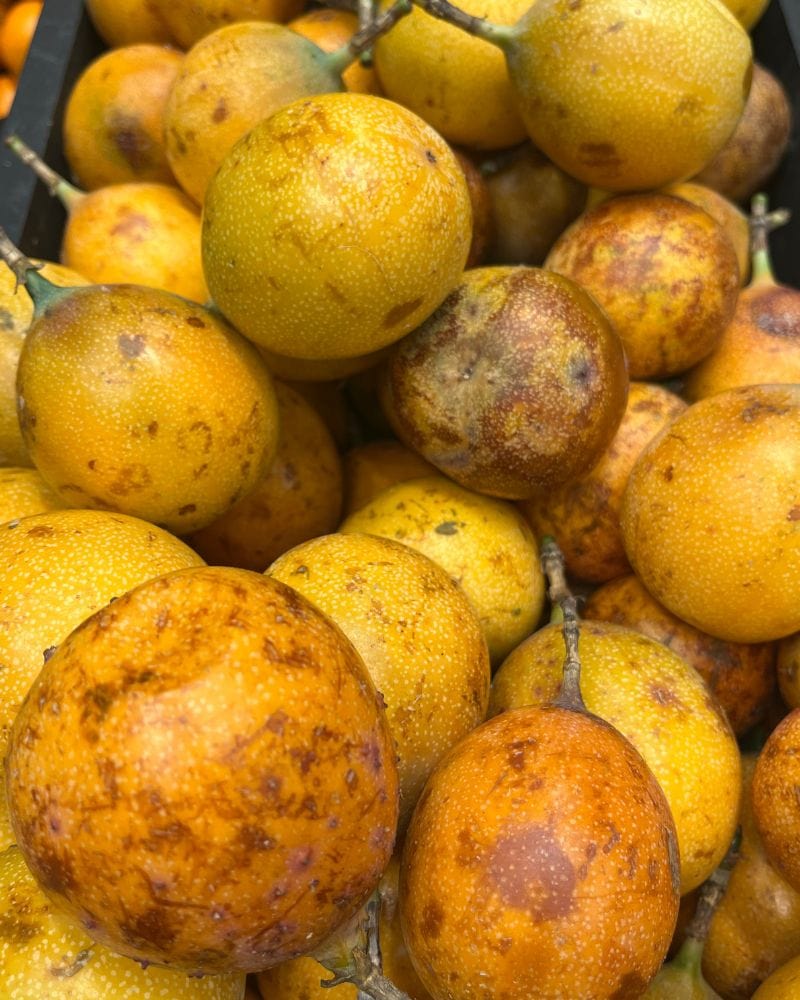

Also known as Mexican pomegranate, granada china resembles a small orange in shape. In taste, expect a tangy, juicy burst of sweetness.
To eat, cut it in half and then spoon out the juicy arils inside. If you’ve ever had a maracuyá (passion fruit) or pomegranate, you’ll know exaclty what to do.
You can eat granada china fresh, tossed in fruit salads, or infused cocktails (though it’s also great in non-alcoholic Mexican drinks) to give them a vibrant tartness.
13. Chirimoya (Custard Apple)

Cultivated in Mexico central highlands, including Puebla state, chirimoya (chee·ri·moy·ah) tastes like a banana‑pineapple‑strawberry fusion.
It has segmented white pulp that’s very sweet and creamy with a custard‑like texture (hence the English name custard apple).
To eat chirimoya, chill and slice, spoon out the seeds, or blend into creamy smoothies, milkshakes, or light desserts — an exotic treat with tropical origins.
Basically identical, the saramuyo (sugar apple) is also worth trying.
14. Maize Azul (Blue Corn)


🌽 Mexican Produce Fun Facts: There are 64 types of corn in Mexico, with 59 of them being native varieties.
With its remarkable diversity of corn varieties, there’s everything from yellow and white corn, to red and blue corn — which is quite popular.
Often hailing from the indigenous maize fields in Oaxaca state, blue corn kernels have a nuttier taste and are used as masa for tortillas, tlayudas, or atole azul (the last two being some of the most popular traditional Oaxaca foods).
The vibrant corn dough makes unmistakable dishes with heritage — higher protein and antioxidants.
15. Guanábana (Soursop)


Grown in the jungles of Veracruz and Tabasco states, this spiky fruit offers creamy, sweet‑tart flesh reminiscent of strawberries and pineapple.
Rich, tangy, and flavorful, you can eat guanábana (gwah·nah·bah·nah) fresh or blended into agua fresca water, ice cream, nieves (sorbet), and smoothies.
16. Mamey Sapote

Common in Michoacán and Veracruz states, mamey’s soft orange flesh tastes like sweet potato‑pumpkin‑almond.
Slice mamey (mah·may) fresh, blend into smoothies, malteadas (milkshakes), ice cream, or desserts like flan and custards.
If you’re thinking that doesn’t sound very healthy, just remember mamey is high in beta‑carotene and vitamins.
17. Mamey Sapote Negro (Chocolate Pudding Fruit)


There are several varieties of sapote fruits, including this darker variety from Veracruz state with deep plum‑brown flesh.
This one is richer and more intense than the classic orange mamey — with tasting notes of dark caramel, chocolate, and cassava.
Ideal in smoothies, creamy desserts, or just sliced fresh for a decadent treat, you can eat mamey negro (black mamey) similarly to classic mamey sapote.
18. Chico Zapote (Sapodilla)
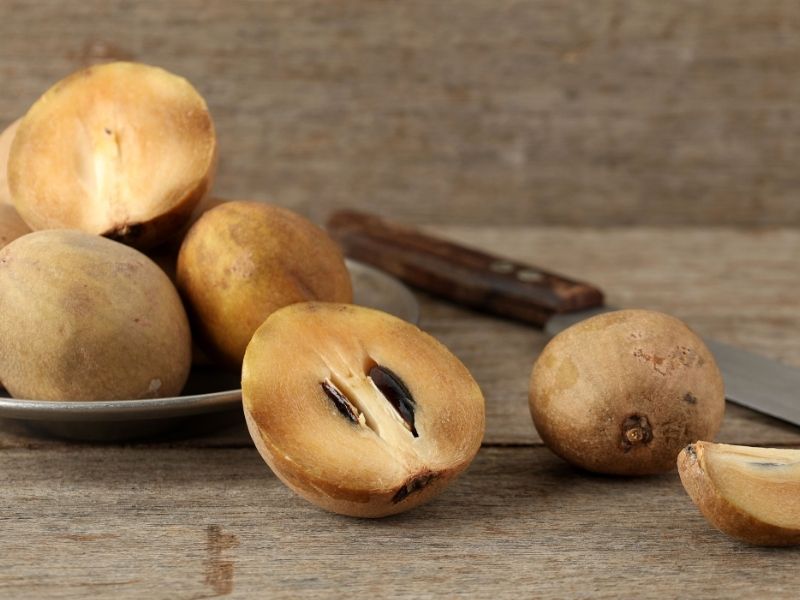
Another sapote fruit, chico zapote (also sometimes spelled as chicozapote) is native to Chiapas state and southern Mexico.
Chico zapote has soft brown flesh that tastes like sweet caramel and brown sugar. The bark also has a high amount of tannins and medicinal properties.
You can eat it fresh, or pressed into atole (a delicious masa-based Mexican drink), or chico zapote syrup.
19. Membrillo (Quince Fruit)

Grown in temperate central regions, membrillo (mehm·bree·yoh) has a firm white-to‑pale yellow flesh with floral astringency.
Usually cooked with sugar into thick paste served on cheese, in pastries or membrillo tarts, it is also a classic pairing for pan dulce and cheese boards.
20. Chaya (Tree Spinach)

One of the staple foods in traditional Yucatan cuisine, chaya grows on trees in the Yucatán Peninsula’s tropical lowlands.
A leafy green that’s rich in protein and calcium, chaya is a Mexican super food that’s slightly bitter like spinach, and just as good for you (if not better).
Stir it into eggs, soups, or stews for a nutritious meal, or combine it with pineapple to make one of the most common agua frescas in Yucatan — piña con chaya.
21. Mexicola Avocado
🥑 Did you know there is a type of avocado you can eat the skin of? It’s called the Mexicola avocado, with a large version called Mexicola grande.
The Mexicola avocado is a wild avocado that grows in Central Mexico, including Oaxaca state and near the Valle de Bravo pueblo magico (magic town).
They are similar in taste and texture to the popular Haas avocado, but smaller and thin‑skinned — ideal mashed into guacamole, sliced on tostadas or in tacos.
22. Jicama


Harvested across central Mexico, jícama (hee·kah·mah) is crisp and mildly sweet, with a taste and texture similar to a water chestnut.
Peel it like a potato and enjoy it as a snack with chili, lime, or salt, or dice it raw to add into salads and slaws for refreshing crunch.
Rich in water and fiber, jícama is hydrating and light — and you’ll often find it sold on the streets by the fruit vendors.
23. Verdolagas (Purslane)

Verdolagas (purslane) are succulent green quelites that have been widely foraged and eaten across central Mexico for centuries.
With crisp, slightly tangy leaves and reddish stems, they bring a lemony freshness to dishes.
Both nutritious and flavorful, they’re also rich in omega‑3 fatty acids, vitamin C and vitamin A, magnesium, calcium, and antioxidants.
Famous Mexican chefs love tossing them into stews like puerco con verdolagas, sautéing with garlic and tomatoes, and adding them raw in salads — all while honoring a culinary tradition dating back centuries.
24. Lima Yucateca

There are several types of limes in Mexico, including Mexican limes, Persian limes, lima, and lima Yucateca.
Native to Mexico’s Yucatán Peninsula, this larger variety of lime is extra‑potent and aromatic, with more floral complexity than common lime.
Used mostly for cooking, you will see this in two of the most popular Yucatan foods — sopa de lima (lime soup) and poc chuc (marinated, grilled pork).
It can also be used in ceviches, marinades, aguas frescas (fruit waters), desserts, cocktails, and Yucatecan recados (spice paste mixtures).
25. Chili Chiltepín

There are A LOT of chili peppers from Mexico, including popular varieties like jalapeño, chipotle, ancho, poblano, habanero, and serrano.
Perhaps not as well known outside of Mexico, chiltepín peppers are a beloved variety that packs intense heat at 50,000-100,000 Scoville Heat Units.
With unique smoky berry notes, these small round chilis are often dried whole or pickled to use in salsas, soups, or shrimp dishes.
26. Tamarindo (Tamarind)

After living in Mexico since 2018, and traveling all over the country, I have learned that tamarindo is one of Mexico’s most beloved flavors.
Found in everything from savory dishes to candy to agua fresca (Mexican fruit waters), tamarind is a tart, tangy flavor with cinnamon undertones.
Tamarind pods grow on a tree and contain the sticky pulp you can use for agua fresca, paletas (popsicles), candies, sauces, glazes, and marinades.
27. Nanche (Yellow Mombin)
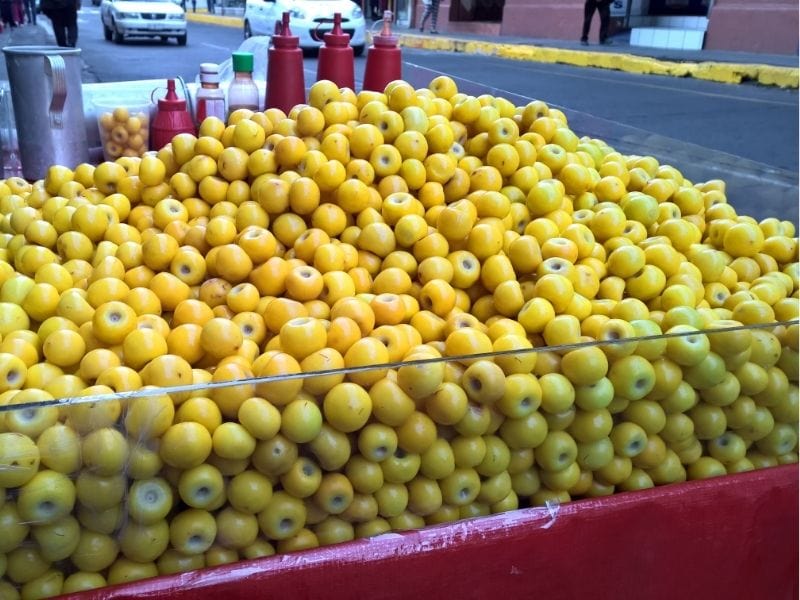
Common in Oaxaca, Yucatán and Veracruz states, nanche (nan·chay) is a bright yellow cherry‑sized fruit with strong aroma and sweet‑tart tropical flavor.
Usually eaten raw, made into syrups, jams or fermented beverages like tepache, this nutrition‑rich (vitamin C, antioxidants) snack is quite refreshing on a hot day.

🍅 Tomatoes
Case and point: The tomato comes from Mexico.
Though it’s now grown all over the world, it has been a staple of Mexican cuisine since it was domesticated by Aztecs in central Mexico around 500 BC.
🥭 Mangoes

Mangoes, especially the native Ataulfo variety from Mexico, are another one of the country’s most beloved fruits.
Grown across central and southern Mexico, they star in fresh salsas, aguas frescas, chutneys, and desserts. Sliced mango is also a common Mexico street food.
🥑 Hass avocado
First bred in California, the Hass avocado has become synonymous with Mexico thanks to the country’s climate and soil that allows them to grow year-round.
Mexico, especially Michoacán state, now grows more than 80% of the world’s Hass avocados. A $3 billion dollar a year industry, avocados are big business.
🌶️ chili peppers
The birthplace of chili peppers, Mexico is home to more than 150 varieties that add heat, smoky, fruity and earthy flavors to traditional Mexican cuisine.
As not everyone tolerates heat well, there are a few non-spicy Mexican chili peppers (or, less-spicy Mexican chili peppers) like poblano, pasilla and guajillo.
Can you eat nopales raw?
Yes — Nopales (cactus paddles) can be eaten raw, and is commonly consumed this way in salads, smoothies and juices like jugo verde (green juice).
Keep in mind that raw nopal can have a slimy texture that’s similar to okra, and off-putting to some.
You can minimize this stringy, slimy texture (called baba in Mexico), by cutting the nopal paddles into thin slices.
Where can I find unique Mexican fruits and veggies while traveling?
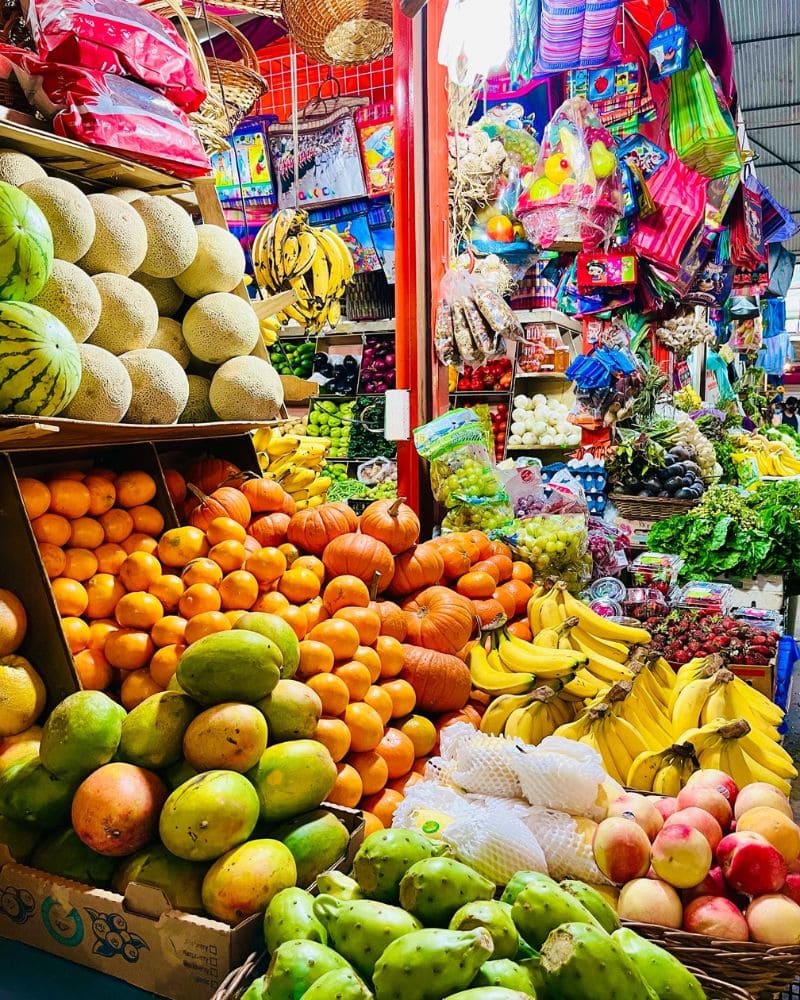
The best place to get them is in local mercados (markets) and street stalls. Here, you can ask vendors for seasonal specialties so you can try what’s fresh.
You can also shop for produce at the big grocery stores in Mexico, like Chedraui, Soriana and La Comer, but the mercados are more fun.
What’s the difference between tuna and xoconostle?
Tuna cactus fruit is sweet prickly pear fruit that grows on a cactus. It is used mostly in sweet dishes and desserts like nieves (Mexican sorbet).
Xoconostle is tuna’s sour cousin, which also grows on cacti. It is used more in savory cooking and salsas than in sweet foods.
How do I prepare huitlacoche?

While it may look intimidating at first glance, huitlacoche (aka corn fungus or corn smut) is actually very easy to prepare.
All you have to do is sauté it in some butter or a mild oil (like avocado oil), adding anything you want to enhance the flavor, like onions, garlic and/or epazote.
When cooked, you can then add it to basically anything that’s masa-based — quesadillas, tamales, burritos, sopes, or even simple huitlacoche tacos.
Can rambutan grow outside Southeast Asia?
Yes — Though originally from SE Asia, rambutan has become a popular Mexican fruit from (approx) May to November when it’s fresh and abundant.
It thrives in Chiapas and Veracruz states, especially the Soconusco region located near the Mexico-Guatemala border.
What’s blue corn used for?
When ground into masa (corn dough), maize azul (blue corn) can be used for everything from tortillas to atole (a prehispanic corn-based drink).
You can use it and eat it much the same as yellow corn, though blue corn is often coveted because it has more protein than yellow corn.
How do I eat flor de calabaza?
Flor de calabaza (squash flower or squash blossom) is one of the most versatile Mexican veggies.
It appears in a number of dishes — especially Mexican vegan food recipes and vegetarian recipes like flor de calabaza quesadillas with cheese.
If you want crispy flor de calabaza, stuff them with cheese and fry tempura-style, or you can simmer them into soups, or sauté them to add into an egg dish.
My Final Thoughts on Unique Mexican Fruits and Veggies
From desert chilies to jungle fruits, Mexico’s diverse climates produce treasures that delight the adventurous palate.
The 27 popular Mexican fruits and vegetables in this article can be found everywhere from local mercados and roadside stalls to grocery stores — so don’t pass up the chance to try them, no matter where you are in Mexico.
Come with an open mind and enjoy a flavorful Mexican adventure. In each bite, you’ll understand more and more why Mexican food is one of the world’s favorites.