
From Tacos to Mole: The Regional Mexican Dishes Every Foodie Needs to Try


While most people assume the only Mexican foods are tacos, burritos, and nachos, regional Mexican cuisine goes far beyond those three options.
Of course, you can (and should) eat tacos and burritos in Mexico—and as someone who has lived there since 2018, I know I’ve had my fair share!
In this article, you’ll discover the 7 Culinary Regions of Mexico and the foods you must try when visiting each one.
Disclosure: This article may contain affiliate links, meaning when you make a purchase, I earn a small commission. Affiliate links cost you nothing to use, and help keep my content free. It’s a win-win for us both. For more info, see the Disclosure Policy.
Brief History of Mexican Food
The history of Mexican food is long and diverse. Historians believe authentic Mexican food, as we know it, dates back to the Mayans.
Though its ancient roots lie in Mesoamerican cuisine, present-day Mexican food is a delicious blend of Old World meets New World.
The Mexico food of today uses many of the same ingredients the Maya ate, but with Spanish, French, and even Lebanese cooking techniques and ingredients.
You may say it’s the ultimate fusion cuisine — even meshing further with U.S. food to form new fusions, like Tex-Mex and Southwestern cuisine.
Mexican Staple Foods
Corn, beans, and chilis are some staple foods in traditional Mexican cuisine—all present before the Spanish arrived.
Corn is considered the most important ingredient in Mexican cuisine, even dating back to pre-Hispanic cuisine.
You’ll rarely find a dish that doesn’t incorporate one or all of these ingredients. Corn that has been “nixtamalized” can even be used to make tortillas or masa dough.
The Nixtamalization Process

Corn is a native ingredient of Mexico and is still the most important food used in Mexican cuisine today.
Corn in Mexico was first domesticated and cultivated by the Maya in the Yucatan Peninsula, and also the neighboring country of Guatemala.
Nixtamalization is a process by which maize (corn) is soaked and cooked in an alkaline solution like limewater, washed, and hulled… Nixtamalized maize has several benefits: It is easier to grind, has more nutritional value, improved flavor and aroma, and decreased mycotoxins.
source: Wikipedia
However, until the discovery of nixtamalization, corn was manipulated to make masa for tortillas, tamales, and more.
The Seven Regional Mexican Cuisines You Need to Know About

There’s really no such thing as typical Mexican food, as the country’s cuisine varies greatly from region to region.
As is common with large countries, Mexico has several very distinct regions. The types of foods in Mexico vary greatly across these areas.
Each region has its own style of dress, different slang or dialects, social customs, local traditions, and of course, traditional foods to suit different taste buds.
Below, you’ll find a brief explanation of Mexico’s seven culinary regions: North Mexico, North Pacific Coast, Bajío, Central Mexico, South Pacific Coast, Gulf Coast, and South Mexico (Yucatan Peninsula).
1. North Mexico: Baja California Peninsula, Zacatecas, etc.

The vast El Norte region of Mexico spans about 2,000 miles, from Baja California on the Pacific Coast, to the Gulf of Mexico lowlands.
In places on the coast, like Cabo San Lucas, La Paz, Ensenada, and Loreto, it’s all about seafood and fish tacos.
Northern Mexico cuisine is hearty and unpretentious, just like its cattle ranch culture.
The North is a great place to enjoy perfectly grilled beef and steak, and local delicacies like machaca, arrachera and cabrito — some of its most popular foods.
2. North Pacific Coast: Jalisco, Nayarit, Sinaloa, etc.
Stretching along the Pacific Ocean shoreline, the coast offers great fresh seafood options, like Pescado Zarandeado (shaken fish) in Nayarit State.
However, Guadalajara and Jalisco State are the true culinary powerhouses, famed for birria, tortas ahogadas, and tequila from Tequila, Mexico.
3. Bajio: Michoacán, Queretaro, Guanajuato, etc.

The Bajío (pronounced bah-he-yo) is surrounded by rugged mountains, but itself lies in an immense plateau.
Here, you’ll find a lot of pork and rice dishes, like morisqueta, one of the best Mexican Bajio foods.
There’s also the beloved Mexican carnitas, deep-fried pork confit from Michoacan State.
4. Central Mexico: Mexico City, Puebla, Hidalgo, etc.
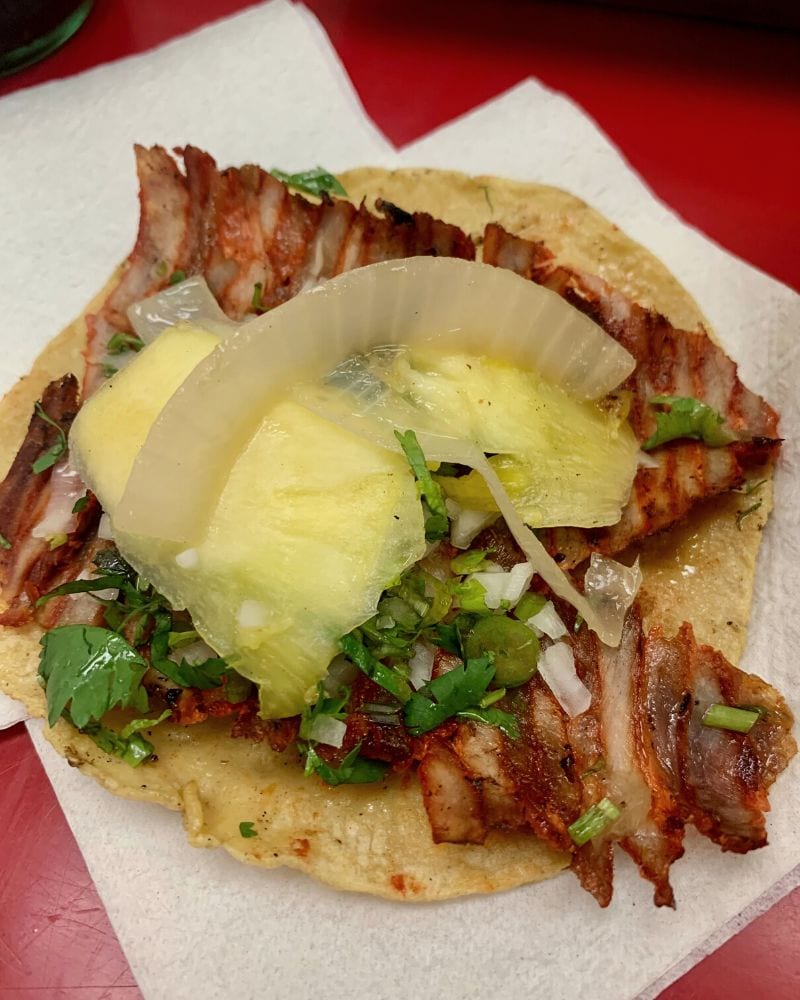
Being centrally located, the foods you’ll find in Central Mexico come from all around.
In the Mexican capital of Mexico City, the local cuisine is a mix of prehispanic foods like tlacoyos and fusion cuisine, like tacos al pastor.
The distinct Poblano cuisine of Puebla, Mexico, includes mole poblano, cemitas poblanas and tacos arabes — three things which help put Central Mexican cuisine on the map.
Thanks to its diversity of options and unique flavor combinations, Central Mexico cuisine is one of the most popular cuisines in Mexico.
5. South Pacific Coast: Oaxaca, Chiapas, etc.

Known for having the most indigenous Mexican cuisines of any region, this area has cooking techniques and dishes that date back thousands of years.
Oaxaca’s food is so beloved that its capital, Oaxaca City, is known as the “Foodie Capital of Mexico.” It is famed for mole, tlayudas, and queso Oaxaca cheese.
6. Gulf Coast: Veracruz, Tabasco
Gulf Coast cuisine is seafood-heavy, as it sits on the Gulf of Mexico.
Mexican food from this part of the country is a unique fusion of prehispanic, Spanish, Caribbean, and Afro-Cuban flavors.
Besides the food, the mountains in this area have the ideal climate for growing coffee — and the Coatepec region of Veracruz state is said to have the best coffee in Mexico.
7. South Mexico (Yucatan Peninsula): Quintana Roo, Yucatan, etc.

In some ways, the Yucatan Peninsula could be its own country! In fact, in the mid-1800s, it was known as the Republic of Yucatán.
Yucatan cuisine uses local ingredients like axiote (annatto) and naranja agria (sour orange) — which you’ll find its most popular dish, cochinita pibil (slow-cooked pork).
Frequently Asked Questions About Regional Mexican Foods

What are some Mexican foods other than tacos?
While tacos are usually considered the most popular Mexican food, there are MANY others like enchiladas suizas, chiles rellenos, mole negro, sopa de fideo seco, nopales (cactus), and more.
What is Mexico’s national dish?
Mole poblano is considered the National Dish of Mexico by most, though some sources also name the chile en nogada as the national dish.
Why is Mexico famous for food?
Wondering Why Mexican food is so popular throughout the world. Quite simply, it’s so flavorful.

Common Mexican ingredients like avocados, beans, chiles, herbs like oregano and cilantro, tomatoes, corn, meats, and seafood always satisfy diners.
What food has Mexico invented?
Some foods Mexico invented and those from Mexico include chocolate(cacao), tomatoes, corn, vanilla, avocado, pumpkin, and chili peppers.

While many of the best Mexican foods contain these, you’ll also find them (and various ingredients) in the best cuisines worldwide.
What Mexican food isn’t spicy?
There are several non-spicy Mexican foods like enchiladas, guacamole, carne asada, sincronizadas and tortilla soup.
When in doubt, just omit the salsa 🌶️ It’s usually the salsa that adds heat, so you can always order your food “sin picante” (not spicy), or don’t add salsa.
Ready to Book Your Mexico Vacation? Here Are Some Resources To Look At:

Mexico is a large country — the 14th largest country on Earth by size — and it’s also the 6th most biodiverse diverse country in the world.
Though it’s mostly known for beaches, there’s a lot more to Mexico than that. Check out these Mexico articles to discover parts of the country you never knew existed.
- The 30 Most Beautiful Cities in Mexico (#7 Will Shock You)
- Mexico Off the Beaten Path Places for Your Bucket List
- 20 Hot Springs in Mexico That are Calling Your Name
- Hidden Beaches in Mexico You’ve Never Heard Of
- Best Waterfalls in Huasteca Potosina Mexico
- The Coolest Mayan Ruins in Mexico’s Yucatan Peninsula
⚠️ Before You Go — Get Your FREE Guide!
Head here and enter your email address to download your FREE Mexico guide (5 Things You Don’t Want to Forget to Pack for Mexico) and get Mexico travel tips, tricks and more sent straight to your inbox.
