
15 Most-Used Mexican Herbs and Spices (That Most Cooks Have Never Even Heard Of)

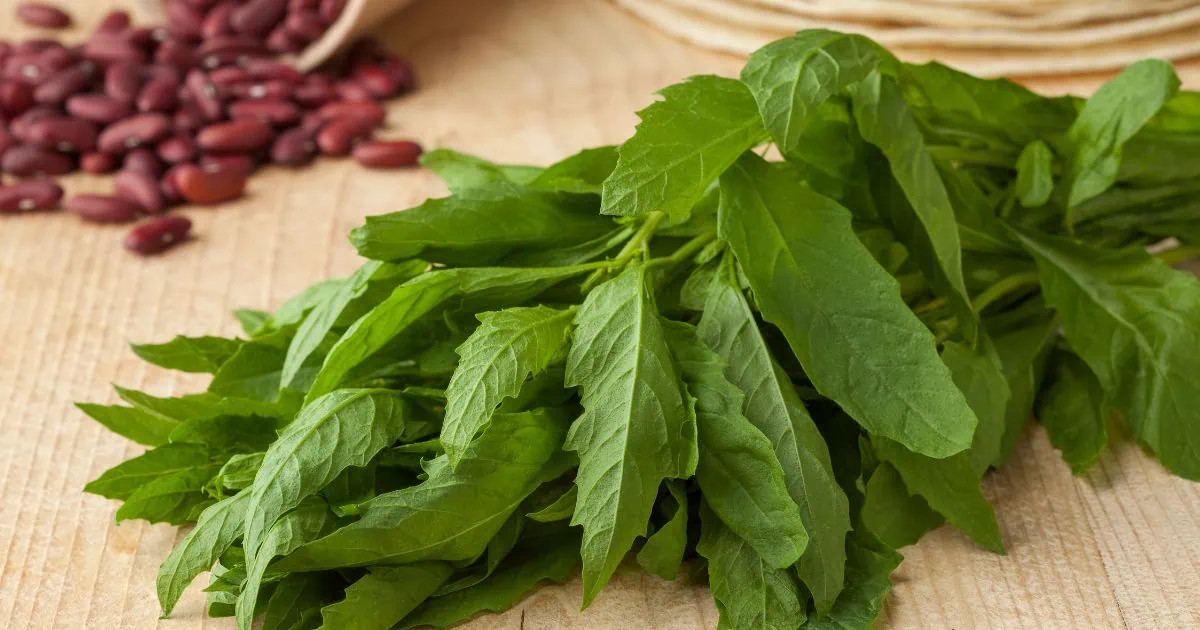
Wondering what gives Mexican food its flavor?
Chiles get most of the credit, but it’s the Mexican herbs and spices that do a lot of the work.
Some, like epazote and hoja santa, are hard to find outside Mexico, but worth looking for.
Others are more common outside of Mexico, so keep reading to discover all the amazing Mexican herbs and spices you need in your kitchen.

15 Mexican Herbs and Spices
1. Mexican Oregano
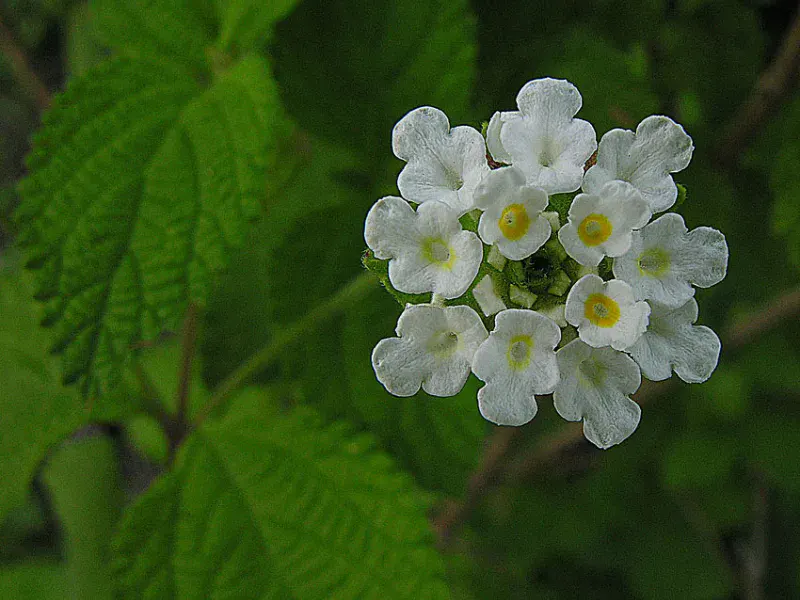
- 🌿 Tastes like: Citrusy and earthy, stronger than regular oregano
- 🍲 Used in: Pozole, salsas, beans and meat marinades
- 🛒 Buy it on Amazon
Mexican oregano isn’t related to Mediterranean oregano, even though it tastes similar.
Said to be the best oregano of the two, it comes from a shrub in the verbena family that grows wild in Mexico.
I always add Mexican oregano to my pozole (hominy and pork soup), since it’s one of the condiments served with it.
2. Cilantro
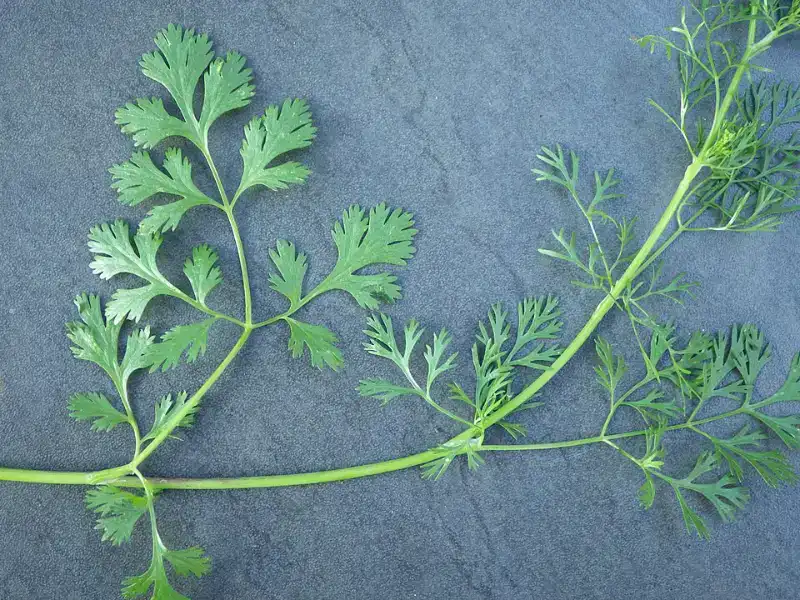
- 🌿 Tastes like: Fresh and citrusy
- 🍲 Used in: Salsas, guacamole and tacos
Cilantro is the leafy part of the coriander plant, and it’s on almost every taco stand in Mexico.
Some people think it tastes like soap, which is linked to their genes.
3. Epazote
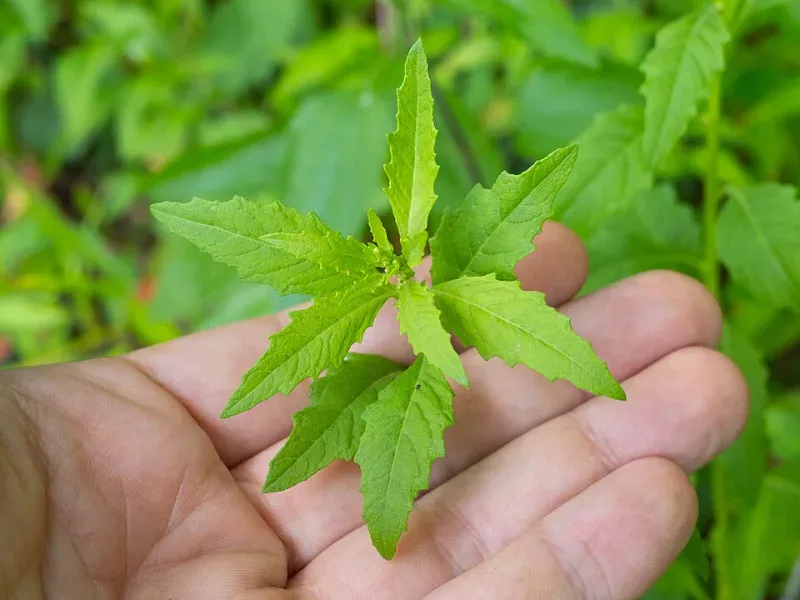
- 🌿 Tastes like: Strong, pungent and a little minty
- 🍲 Used in: Black beans, quesadillas and esquites
- 🛒 Buy it on Amazon
Epazote is a strong-smelling herb that’s been used in Mexican cooking for centuries.
It’s classic with black beans, and many cooks say it makes them easier to digest.
My Mexican husband always uses epazote when he makes beans, but only as an aromatic.
4. Hoja Santa
- 🌿 Tastes like: Anise and root beer
- 🍲 Used in: Mole verde, tamales and fish wrapped in the leaves
- 🛒 Buy it on Amazon
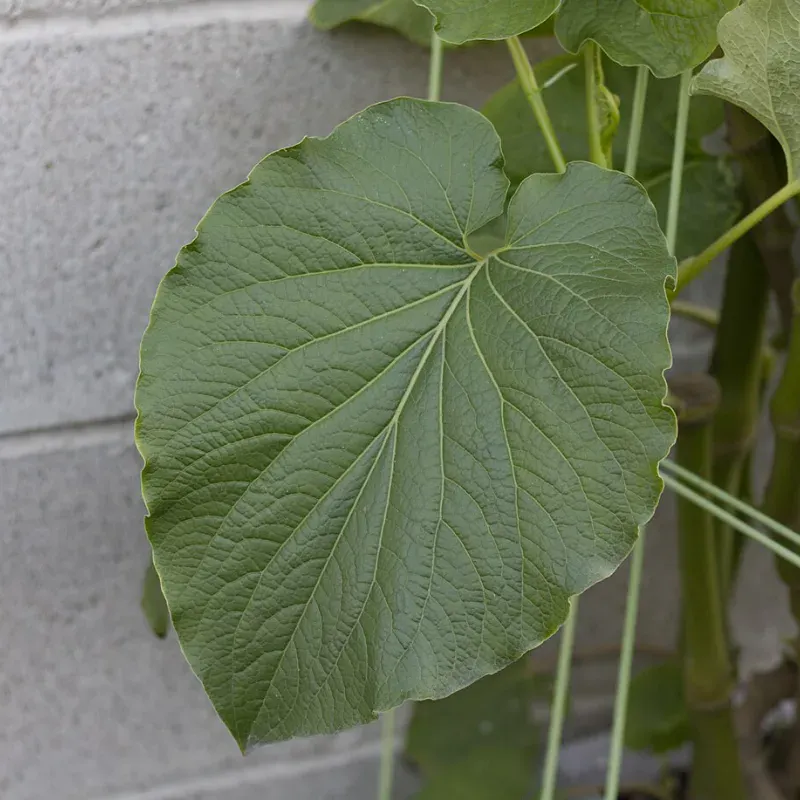
Hoja santa (meaning “holy leaf”) has big, heart-shaped leaves with an anise-like flavor.
In Oaxaca, cooks use it in mole verde and to wrap fish, cheese and tamales.
Hoja santa is my favorite herb on this list, and I’ve had it several times at many of the best restaurants in Oaxaca.
5. Pápalo
- 🌿 Tastes like: Like cilantro, with hints of arugula and cucumber
- 🍲 Used in: Cemitas, tacos and salsas
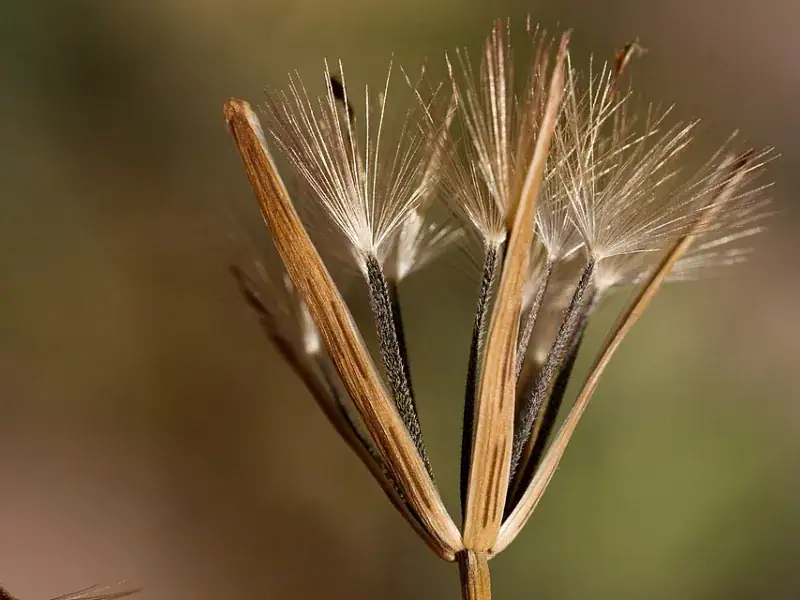
A leafy herb that’s usually eaten raw, pápalo has a strong, bold, pungent flavor that’s often compared to a mix of cilantro, arugula, and citrus.
It’s popular in Puebla, where a few leaves go on top of sandwiches and tacos.
I tried pápalo in Puebla City, where it’s a popular topping for cemitas (one of Mexico’s best sandwiches), and it’s definitely an acquired taste 🤣
6. Pipicha

- 🌿 Tastes like: Sharp and lemony
- 🍲 Used in: Beans, salsas and soups
Pipicha is a thin-leaved cousin of pápalo with an even stronger flavor.
It’s most common in Oaxaca and Puebla, where it’s sold in small bunches at markets.
7. Culantro
- 🌿 Tastes like: Like cilantro, but stronger
- 🍲 Used in: Soups, salsas and stews
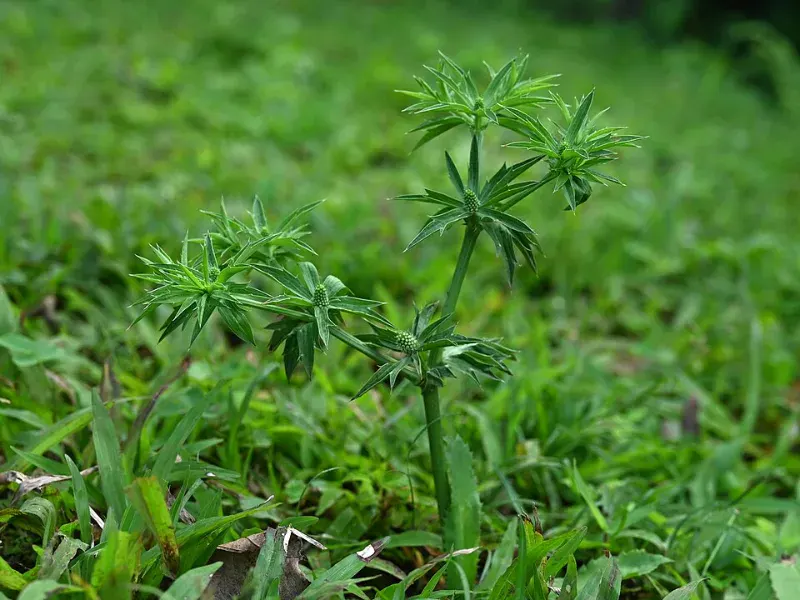
Culantro has long, serrated leaves and a much stronger flavor than cilantro.
It grows wild in the tropics and is used in parts of southern Mexico.
8. Chaya (Tree Spinach)
- 🌿 Tastes like: Mild, like spinach
- 🍲 Used in: Agua de chaya, tamales and scrambled eggs
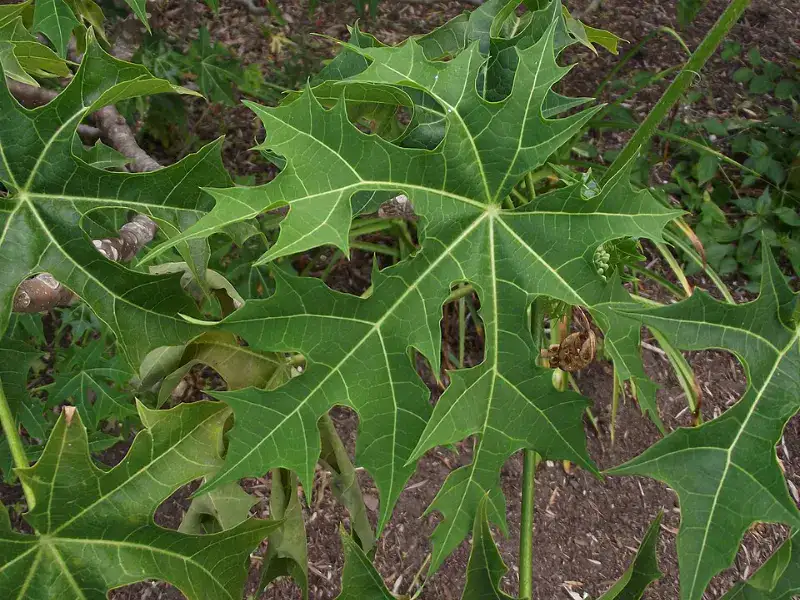
Chaya is a leafy green from the Yucatán Peninsula that’s often referred to as “tree spinach.”
The Maya have grown it for centuries, and it’s still served with eggs for Mexican breakfast; look for chaya con huevo on the menu.
Piña con chaya (pineapple and chaya) is a popular agua fresca (fresh fruit water) flavor you’ll find in Mérida.
I’ve had it many times, and it’s very refreshing on a hot day.
Pro Tip: Order yours “sin azúcar” (without sugar) because many places add way too much sugar, and it’s sweet enough on its own from just the pineapple.
9. Hojas de Aguacate (Avocado Leaves)
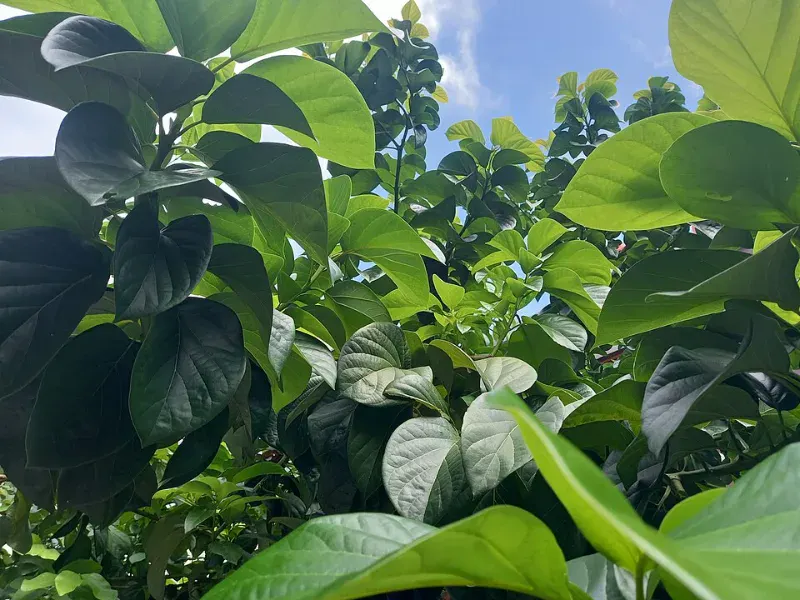
- 🌿 Tastes like: Anise and bay leaf
- 🍲 Used in: Barbacoa, beans and mole
The leaves of Mexican avocado trees are toasted and used like bay leaves.
They’re common in Oaxaca and Puebla, where they flavor beans and barbacoa.
10. Hierbabuena (Spearmint)
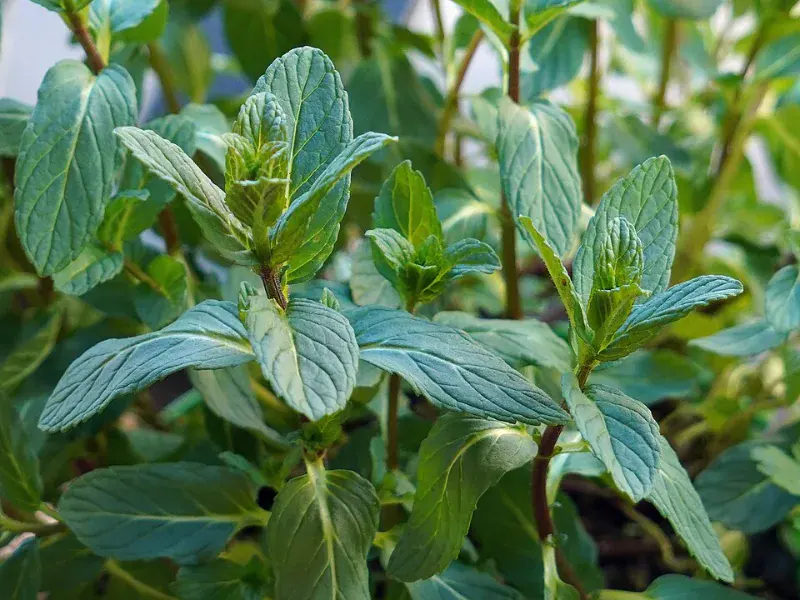
- 🌿 Tastes like: Fresh and minty
- 🍲 Used in: Albóndigas soup, consomé and herbal teas
Hierbabuena is the Mexican name for spearmint; if you’re looking for regular mint, that would be “menta.”
Though it might sound strange, you’ll find it in albóndigas (Mexican meatballs), adding a bright, cooling freshness to balance the rich ground beef or pork.
Hierbabuena also shows up in many homemade teas, desserts, chocolates, and Mexican cocktails.
11. Chepil
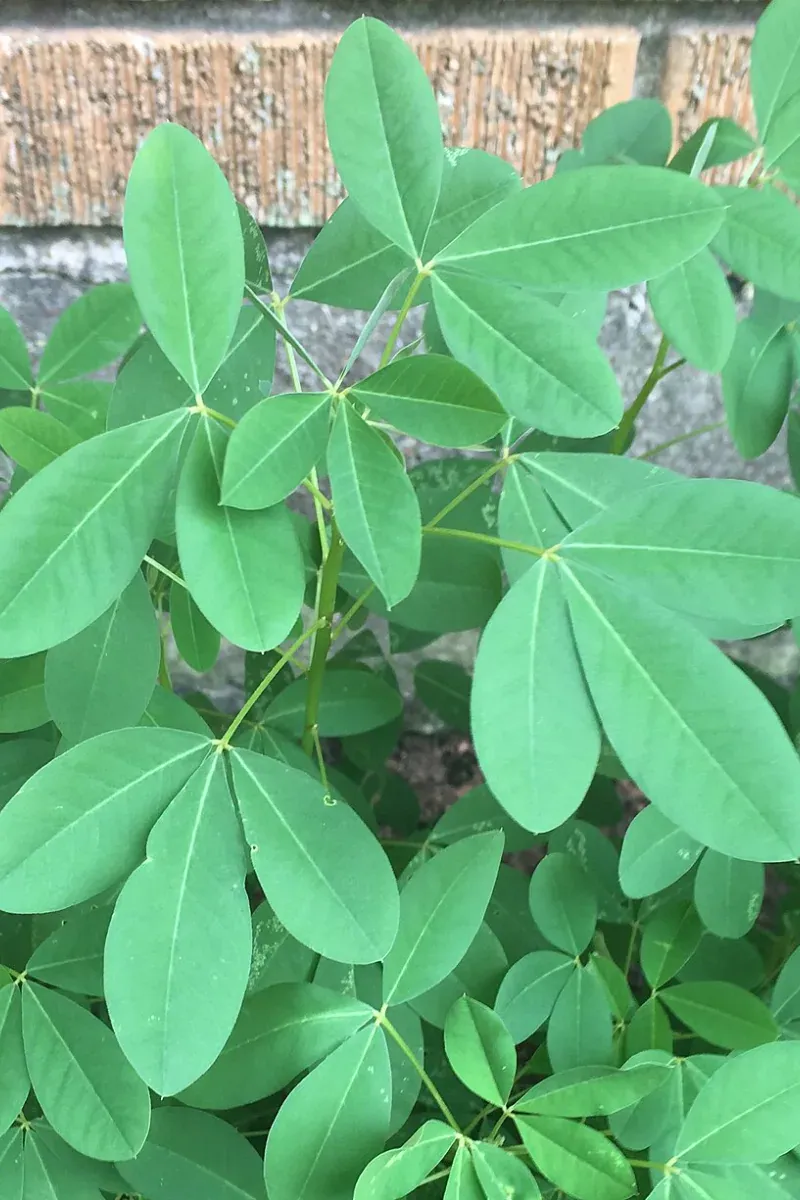
- 🌿 Tastes like: Mild and grassy
- 🍲 Used in: Tamales, rice and soups
Chepil (also called chipilín) is a small-leaved herb from Oaxaca and Chiapas.
The leaves are mixed into corn dough, rice and soups.
I tried chepil in tamales in Oaxaca City, where chepil tamales are a popular type of tamal.
12. Achiote
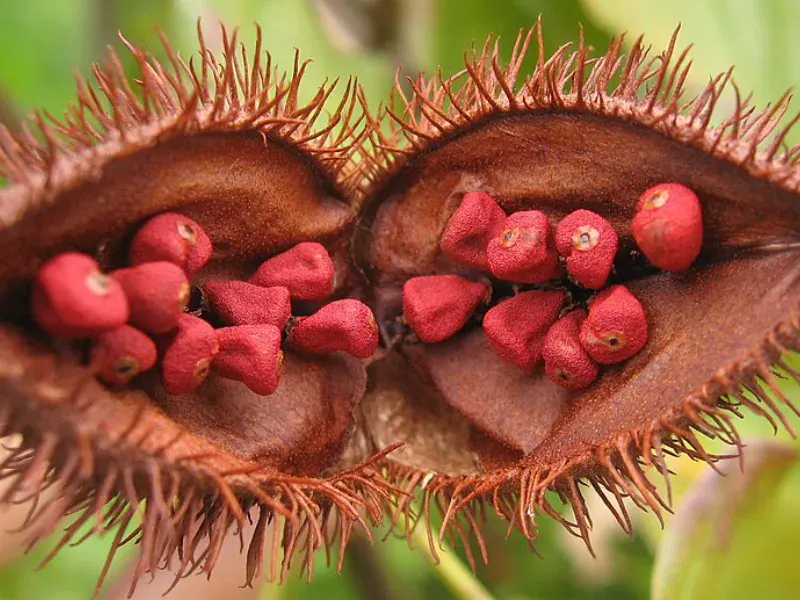
- 🌿 Tastes like: Earthy, peppery and a little sweet
- 🍲 Used in: Cochinita pibil, tacos al pastor and recado rojo
- 🛒 Buy it on Amazon
Achiote comes from the red seeds of the annatto tree.
The seeds are ground into a paste with spices, called recado rojo in the Yucatán.
I’ve had achiote more times than I can count, since it’s a big part of Yucatecan cuisine.
It’s also used in the marinade for tacos al pastor.
13. Canela (Mexican Cinnamon)
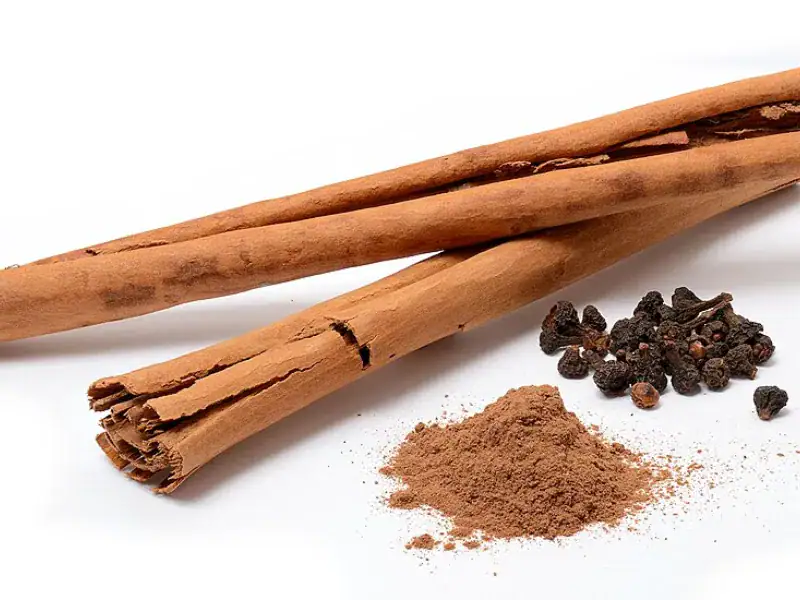
- 🌿 Tastes like: Sweet and mild
- 🍲 Used in: Café de olla, champurrado, arroz con leche and mole
- 🛒 Buy it on Amazon
Canela is Ceylon cinnamon, which is softer and more flaky than the cassia sold in most U.S. stores.
Mexico is one of the world’s biggest buyers of Ceylon cinnamon.
14. Allspice (Pimienta Gorda)
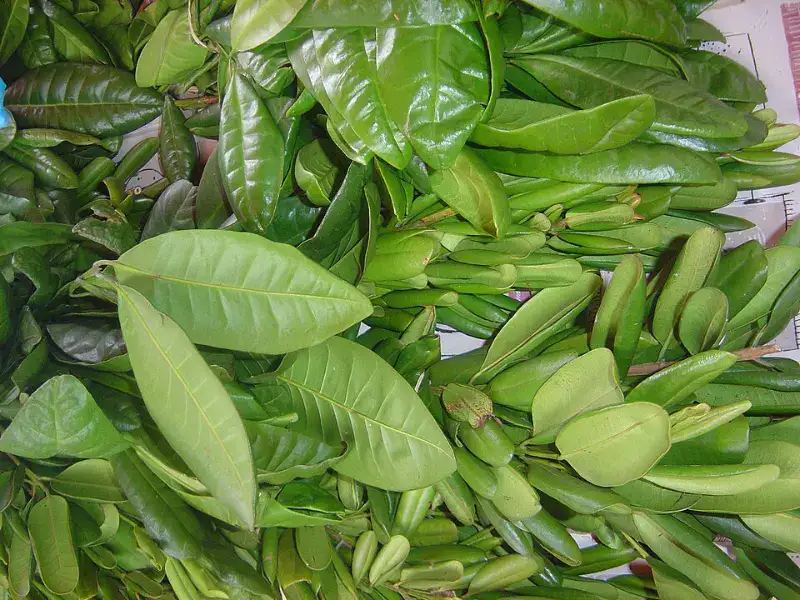
- 🌿 Tastes like: Clove, cinnamon and nutmeg in one
- 🍲 Used in: Escabeche, mole and Yucatecan recados
- 🛒 Buy it on Amazon
Allspice comes from the dried berries of a tree native to southern Mexico and the Caribbean.
In Spanish it’s called pimienta gorda (fat pepper), since it looks like a big peppercorn.
15. Mexican Bay Leaf
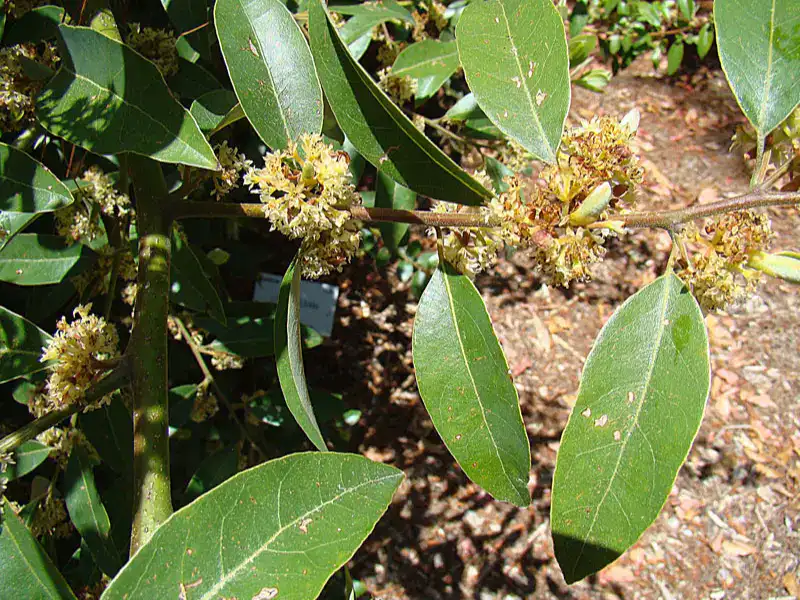
- 🌿 Tastes like: Milder and more floral than regular bay leaves
- 🍲 Used in: Escabeche, pickled jalapeños and stews
Mexican bay leaves come from a different plant than the bay leaves sold in most U.S. stores.
They’re called laurel in Mexico, and they’re often sold in bunches with thyme and marjoram.
Mexican Herbs and Spices FAQ
What herbs are used in Mexican cooking?
The most common herbs are cilantro, Mexican oregano, epazote, hoja santa and Mexican bay leaves.
Fresh herbs are often ground with chiles in a molcajete, one of the classic Mexican kitchen tools.
What is the most common Mexican spice?
Cumin, Mexican oregano and canela (cinnamon) are some of the most common spices in Mexican cooking.
Dried chiles are also key, along with the Mexican hot sauces on every table.
What can I substitute for epazote?
There’s no perfect substitute, but a mix of oregano and cilantro, or a little Mexican oregano alone, works in a pinch.
What is the difference between Mexican oregano and regular oregano?
Mexican oregano comes from a verbena-family shrub, while regular oregano is in the mint family.
Mexican oregano tastes more citrusy and earthy, while Mediterranean oregano is sweeter and more minty.
Learn more about Mexican oregano from Wikipedia.
Get My FREE Guide: 5 Easy Ways to Save Money in Mexico
Insider tips from someone who’s lived in Mexico since 2018.
