
Vacation Rental Scams Soar in Cancun — Follow these Tips so You Aren’t a Victim


Cancun and the Mexican Caribbean’s flourishing vacation rental market is witnessing an alarming spike in scams this year, according to a recent report from the Spanish-language real estate platform, Propiedades (which means “Properties”).
Released last week, their study reveals that the Mexican Caribbean state of Quintana Roo currently ranks among the HIGHEST in Mexico for vacation rental fraud.
It reported that during the first four months of 2024, there were 3,143 alleged scams, of which 829 took place in the Mexican Caribbean — which includes popular Mexico destinations like Cancun, Tulum and Playa del Carmen.
As platforms like Airbnb, VRBO, Homestay and the like continue to soar in popularity, Mexican authorities are implementing new measures to combat online crime.
Though experts anticipate these regulations could improve the situation later this year, it’s crucial to remain vigilant and take the proactive steps we list below to safeguard your booking — so you don’t get scammed!
Cancun’s Booming Vacation Rental Market Attracts Fraudsters

In 2024, online vacation rentals, especially those offered on Airbnb, are experiencing unprecedented demand in Cancun and the Mexican Caribbean.
These online rentals account for nearly 30% of all available accommodations in the region, with their numbers increasing year after year.
Travelers seeking authentic experiences and affordable rates are driving this surge. However, as the market booms, so does the number of scams plaguing unsuspecting visitors.
Reports of fake listings, misleading ads, and even identity theft have become all too common across Mexican Caribbean hotspots.
Common Scams Targeting Vacation Renters

The Propiedades study shed a lot of light on the worrying vacation rental market in Quintana Roo, Mexico — reporting that phishing remains the most prevalent scam affecting the vacation rental market.
Here, scammers resort to sophisticated methods, setting up data-stealing websites that mimic official realtors or rental platforms.
They then lure unsuspecting renters to insert sensitive information like names, ID numbers, and card details, which are promptly stolen and used maliciously.
Another common scam involves the renting (and/or selling) of fake properties that simply don’t exist.
Here, scammers entice travelers with below-market rates and stunning pictures of outdoor pools and lavish amenities — but once the deposit is paid, the seller disappears with the booker’s money.
Protect Yourself: Crucial Tips for Safe Vacation Rental Bookings
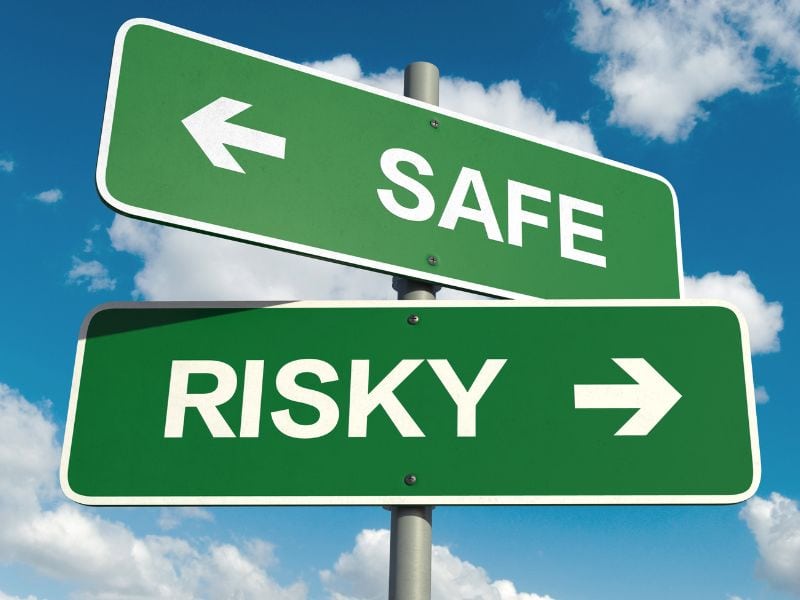
To combat the rise in online rental scams, officials have introduced a new law requiring all properties to join the vacation rental registry.
This move aims to regulate the market and improve public oversight — a market that is currently booming, but also sees little to no oversight.
However, until these measures take full effect, the responsibility of booking a safe online rental rests with travelers just like you, so follow these crucial tips to protect yourself:
1. Use only official booking sources like Airbnb, VRBO, or Booking.com
In case you didn’t know, there has been a lot of backlash over outrageous Airbnb fees in recent years.
Well, it’s not just guests, but hosts complain about Airbnb too; some even leave the platform over all the hassles and headaches that come with using it.
As someone who lives in Mexico and travels within the country often, I’ve found that many of the properties on Airbnb are also on Booking.com — at lower prices no less!
→ Check rates and availability on Booking.com here, and use the filters to limit your search to only homes, apartments and short term rentals.
2. Double-check the URL to ensure you’re using a legitimate website
Scammers often use a website URL redirect so that it looks like you’re clicking on one site, Booking.com, for example, but you’ll then be redirected to their scam site which isn’t affiliated with Booking in any way.
Before you book anything, make sure you’re on the OFFICIAL site of whatever platform you’re intending to use.
If that is Booking, you should see “booking.com” at the beginning of the URL (which is the website’s address).
3. Opt only for properties with plenty of traveler reviews, including recent ones

Personally, I don’t book anything with less than 4.7 out of 5 stars on platforms that use the 5 star metric, or 8.5 out of 10 stars on platforms that use the 10 star metric.
To find these, you can sort by ratings and eliminate low-rated properties, or you can list properties from highest to lowest rates.
4. Ensure the rental is located in a safe area of town
The best way to make sure you’re in a safe area is to look for a large concentration of listings in that area. These are usually the most tourist-friendly parts of the city, and often, the most walkable parts with numerous amenities nearby.
Online rentals offer an excellent alternative to all-inclusive resorts or boutique hotels, providing affordable rates for longer stays and an authentic experience.
By exercising caution and following these tips, you can enjoy the benefits of vacation rentals while minimizing the risk of falling victim to scams.
Plan Your Cancun Vacation
⚠️ Traveler Alert: Don’t forget travel insurance for your next trip — whether that be Cancun, Mexico, or anywhere else.
I use and love SafetyWing Insurance, which provides medical coverage for travelers that starts at just $42 USD, and has add-on options to include your personal belongings and more.
⚠️ Safeguard Your Rental: Choose from hundreds of well-rated Cancun Hotels, Resorts and Rentals with FREE CANCELLATION on most properties.
⚠️ Get Your FREE Guide: “5 Things You Don’t Want to Forget to Pack for Mexico”
Head here and enter your email address to download your FREE Mexico guide, and get Mexico travel tips, tricks and more sent straight to your inbox.

⚠️ Discover More About Cancun, Mexico: Check out these additional Cancun articles to learn more before you visit — so you feel confident and safe when you go.