
Tulum Sucks (There, I Said It) And Here’s Why Many Call It the Worst Place in Mexico


Wondering about the worst place in Mexico?
I moved to Mexico in 2018, and have traveled to 23 out of 32 states — including all the big name destinations and many hidden gems.
I’ve walked the coastlines, swam in cenotes, wandered Mayan ruins, meeting locals, digital nomads, backpackers, and influencers along the way.
Among all the places that have left me (and many others) conflicted, is Tulum.
It’s one of those destinations that looks too perfect on Instagram — until you arrive and sense the disconnect between dreamy marketing and messy reality.
In this article, I’m going to explain why Tulum sucks, and why more and more people are beginning to agree with that sentiment.
Disclosure: This article may contain affiliate links, meaning when you make a purchase, I earn a small commission. Affiliate links cost you nothing to use, and help keep my content free. It’s a win-win for us both. For more info, see the Disclosure Policy.
Is Tulum a Paradise Lost? (Or a Tarnished Dream?)
I still remember my first trip to Tulum in 2018, when I spent a month there.
Tulum felt like a quiet hideaway: A place to slow down, read under palms trees, and slip into cenote waters without crowds.
However, over the years those quiet streets, the jungle paths, and the raw appeal have been overwritten.
Hype, real estate money, social media aesthetics, and mass tourism have all pushed Tulum into a zone where it’s easy to feel like a spectator in a manufactured landscape.
Yes, there are ancient Mayan ruins, cenotes, beaches, and design-forward resorts — but increasingly, those features feel like props in a stage setup.
Let’s continue to pull back the layers to see as Tulum’s fundamental contradictions, why it often disappoints seasoned travelers, and how I try to salvage what remains of its charm when I return.
The “Tulum Look” is an Aesthetic Trap
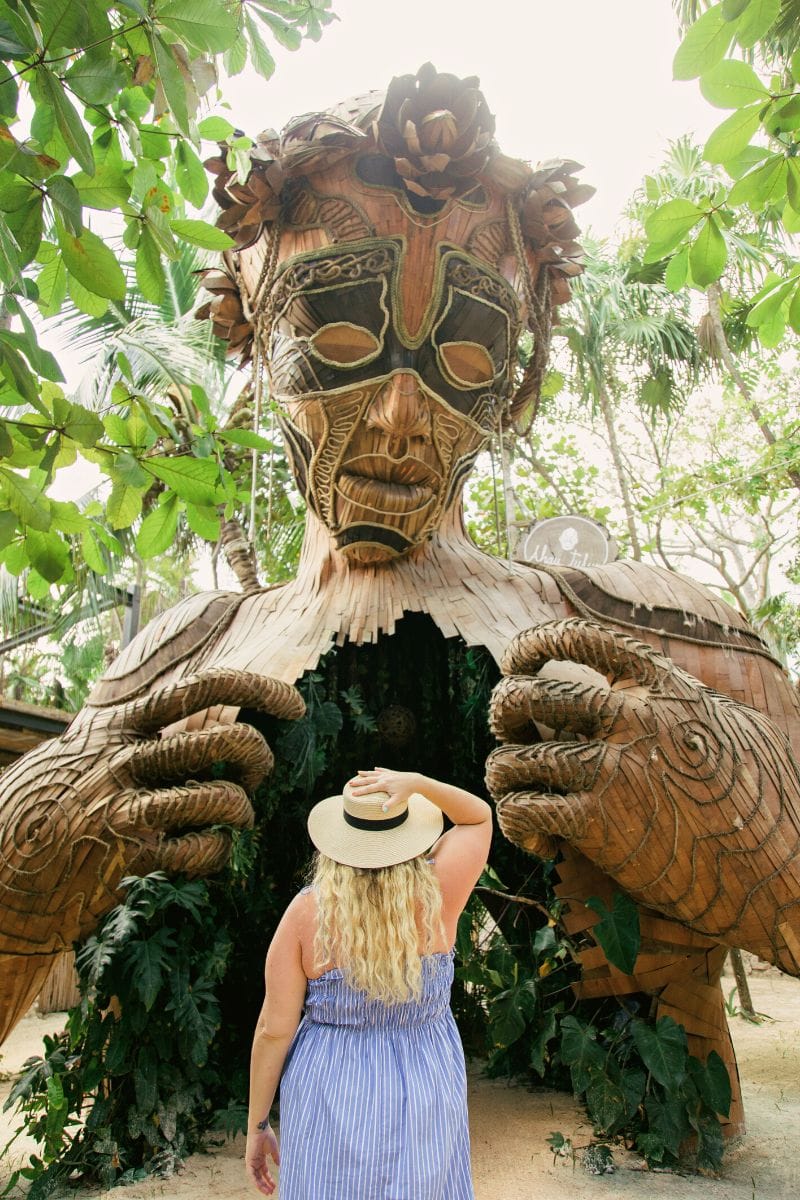
One of Tulum’s strongest selling points is its style, known as the Tulum aesthetic.
Instagram was made for this place with wooden structures, neutral tones, macrame wall hangings, woven furniture, lush jungle greenery, and Caribbean waters.
Photographers, influencers, brand shoots, solo travelers, and all travelers seeking a perfect feed all gravitate here.
That visual consistency becomes part of the destination’s identity.
But here’s the problem: When style becomes the selling point, substance tends to get sidelined (both in Tulum, and anywhere else this applies).
I often find that the hotels are beautiful on the surface but lack durability with infrastructure cracks, waste management is weak, and energy is patched together.
Many properties still rely on generators or temporary systems because the utilities are incomplete. The Tulum look outpaces the ability to support it.
It’s like a movie set with everything is arranged to look perfect from the camera angle — but when you walk off stage, the seams quickly show.
Crowds, Noise & The Illusion of Isolation

Tulum still sells itself as an escape, a spiritual retreat, and a place to get away from it all and soak in the boho vibes.
However, weekends, Mexican holidays, and peak season tell you something different as traffic snarls for miles.
The beach is dotted with sunbeds, umbrellas, and massive sound systems playing at opulent beach clubs.
Reservations are required nearly everywhere — even Tulum taco stands can have long wait times (with overpriced tacos to boot).
In many spots I’ve found that the “quiet zones” are just a few blocks away from loud beach bars or DJ stages, so they’re rarely quiet.
Locals tell me that what used to be the two-lane Tulum Beach Road is now jammed by tourist buses, taxis, work trucks, and mopeds zipping in and out.
The off-grid vibe has become a curated illusion so if you arrive hoping for solitude or introspection, you’ll often find the opposite.
Instead, you’re going to get a well-trod parade ushering you from one “authentic experience” to the next.
Tulum’s Overdevelopment & Infrastructure Strain
The rapid pace of development in Tulum is both extraordinary and alarming — and this real estate bubble has lead to misery for some buyers.
New eco-resorts, boutique hotels, villas, restaurants, wellness retreats, etc., pop up constantly.
Sadly, many are built without proper permits or environmental oversight, and things like drainage systems, sewage treatment, and solid waste handling lag behind.
I’ve seen new construction where the retaining walls erode, where tree roots are harmed, and where cabling is poorly installed.
Some beachside properties still aren’t connected to the main electrical grid and run diesel generators. That’s expensive, noisy, and ecologically rough.
Nearby, I’ve also spoken with locals who say their neighborhoods have lost access to water, that septic systems back up during heavy rains, and that pollution sometimes seeps into cenotes (jungle pools).
These are not just aesthetic complaints; they point to infrastructure being pushed beyond capacity thanks to greed.
The Tulum Tourist Bubble vs. Local Reality
Many visitors to Tulum remain contained within an insulated bubble: Their resort, their beachfront club, and/or their curated tours.
They rarely see the town’s daily life, the struggles, or the quieter streets off the tourist path.
I’ve had dinners in rustic taco stands in the Tulum town center and tried to engage locals in conversation — some are friendly, some feel alienated by the influx of outsiders.
I’ve heard their frustrations, and they’re 100% valid.
These include that locals are priced out, that traditional lifestyles are shifting, and that the economic benefits are not evenly distributed.
When your trip is mostly about aesthetic pleasure, ambient chill, or spiritual Instagram vibes, you might mistake performance for authenticity.
However, the deeper you look, the more cracks you see between the stage and what’s lived.
Disillusionment Among Longterm Residents & Digital Nomads

Beyond short stays, Tulum has become a magnet for long-term travelers, digital nomads, and “healing retreaters.”
Many come with dreams of transformation, wellness, or community, and some find real value, connections, or healing there.
However, more often, I observe cycles of disenchantment in what’s quickly becoming one of the biggest tourist trap in Mexico.
People arrive saying things like “This place is magic,” or “I’m here to find meaning,” but then they complain about rising rents, power outages, water shortages, or social isolation from Mexican culture.
I’ve met folks who say they pay thousands monthly for Airbnb villas and still feel like they live in a staged resort zone, not a real community.
The myth of “magical Tulum” sometimes masks the reality of luxury bubbles, gentrification, and a cultural veneer.
What Still Works (and When to Visit Tulum)
I want to give you another perspective, because I don’t think Tulum is entirely lost.
(In fact, I still visit sometimes, but have found my own way to enjoy Tulum off the beaten path.)
The Tulum Ruins by the sea remain compelling, and the many cenotes around the region still offer intimate, enchanting swims.
Downtown Tulum (AKA Tulum Town) still has pockets of charm with local taco joints, fun bars, coffee shops, boutique stores, and cool street art in some areas.
When I plan a trip to Tulum these days, here’s how I try to do it:
- 📆 Go in shoulder season to avoid peak holiday times. My favorite Tulum shoulder season month is February, which is the best time to visit Tulum.
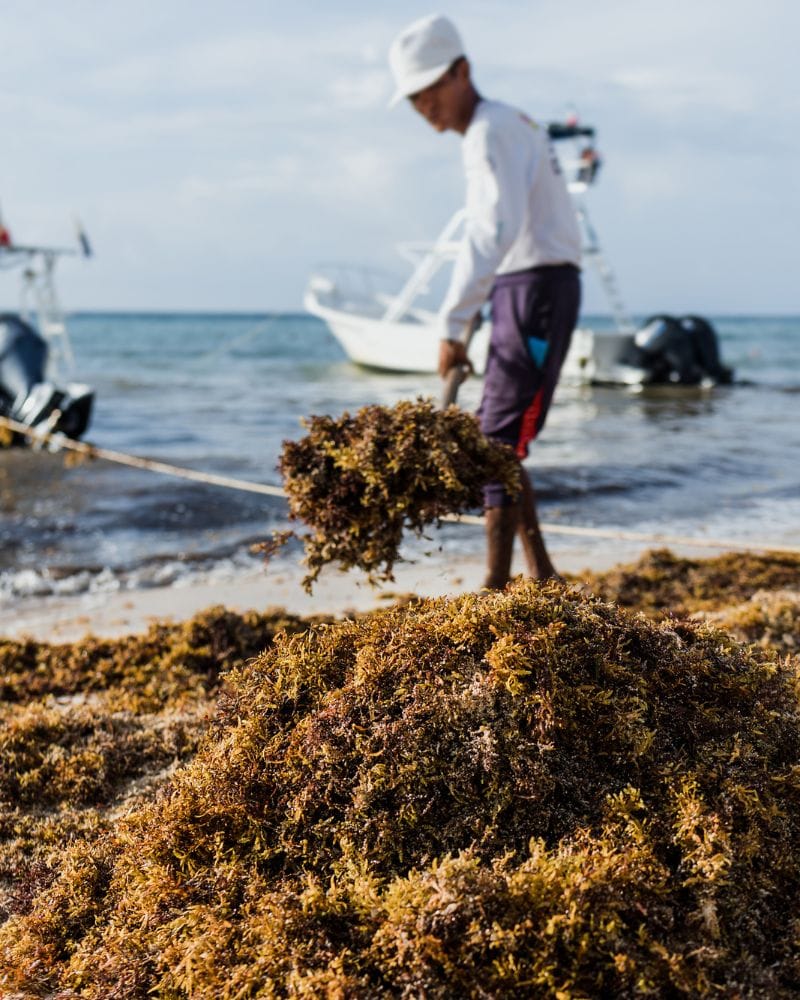
- 🌿 Avoid the summer months when the Tulum seaweed (sargassum) tends to be the worst.
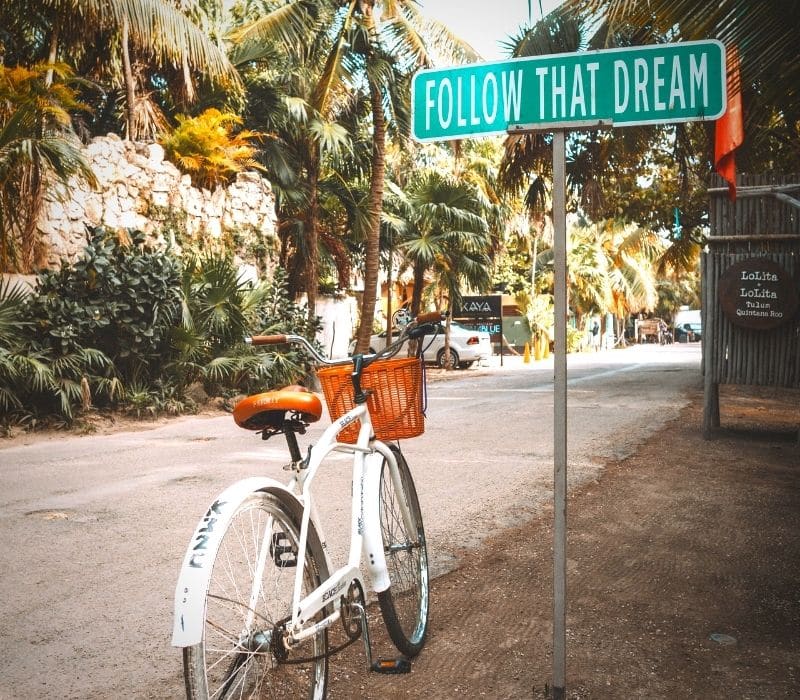
- 🛵 Rent a bike or rent a scooter and explore beyond the main tourist areas.
- 🏩 Stay in locally-owned guesthouses, not mega boutique resorts owned by corporations.
- 🗿 Visit Tulum Ruins early in the morning or late afternoon.
- 🌮 Prioritize simple, unbranded eateries where locals go, and skip the (overpriced) tourist restaurants.
- 🗣️ Ask locals, not just Instagram accounts or ChatGPT, which Tulum cenotes and neighborhoods are less touristy.
- 🧘♀️ Bring your patience: Power outages, road quirks, horrible traffic, and odd infrastructure moments are part of the experience now.
My Final Thoughts on Why Tulum Sucks (And What I Wish for Tulum Going Forward)

I’ve walked in love, frustration, and nostalgia in when traveling to Tulum through the years.
I’ve seen the tropical fantasy from postcards, and I’ve also seen the cracks, the strain, the glass walls behind the glass doors.
I believe Tulum still deserves a visit, if only so you can make up your own mind about it, but make sure you go with eyes wide open.
Nowadays, when someone asks me, “Should I go to Tulum?” — the answer I give is “Go only if you understand what you’re signing up for.”
Don’t expect an untouched paradise, as Tulum hasn’t been that since at least 2010-2015 (depending on who you ask). Instead, expect a place in flux.
Go to Tulum not for perfection, but for contrasts. Carry curiosity, patience, and most importantly, respect for the locals.
I hope that in another decade, Tulum evolves more responsibly — where style is backed by substance, growth doesn’t drown out community, and the aesthetic emerges from the land (not the other way around).