
The 9 Most Terrifying Haunted Houses in Latin America


Latin America is a region full of history, culture, and folklore. Among its many treasures are haunted houses that have captured the imaginations of locals and tourists alike.
These haunted places in Latin America are not just spooky stories but are deeply connected to the region’s culture.
This article explores the most terrifying haunted houses in Latin America, looking at their histories, legends, and the paranormal activities reported within their walls.
Disclosure: This article may contain affiliate links, meaning when you make a purchase, I earn a small commission. Affiliate links cost you nothing to use, and help keep my content free. It’s a win-win for us both. For more info, see the Disclosure Policy.
1. La Casa Matusita, Peru
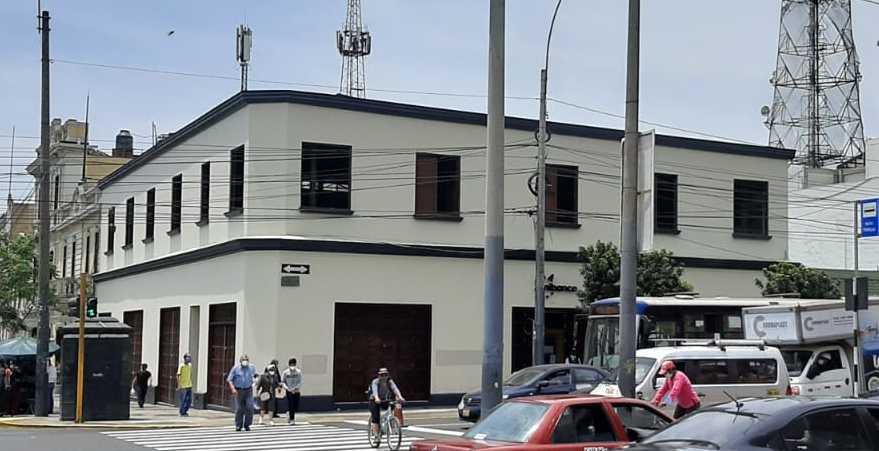
Located in the heart of Lima, La Casa Matusita is one of the most famous haunted houses in Latin America.
The Legend of Dervaspa Parvaneh
The house’s history is linked to the legend of Dervaspa Parvaneh, a Persian woman who is said to have been the house’s first occupant.
Arriving mysteriously with no family or connections, she was known as a healer but was later accused of witchcraft by the Spanish Inquisition.
According to the lore, she was sentenced to burn at the stake, and before her death, she cursed the house, claiming that anyone who entered it would suffer misfortune.
UNEXPLAINED TRAGEDIES LINKED TO THE HOUSE
One notable story tells of a wealthy, cruel man who built his home on the same site and was ultimately torn apart, along with his guests, by hallucinogen-induced madness orchestrated by his mistreated servants.
Another tragic tale involves a Japanese family named Matsushita, who later moved into the house. The father, driven by jealousy and rage, killed his wife, her lover, his children, and finally himself.
In more recent history, a TV personality in the 1970s, Humberto Vilchez Vera, attempted to spend a week in the house to disprove its haunted reputation.
He was found, after only a few hours, terrified and incoherent, and subsequently spent years in a psychiatric hospital.
2. La Casa de la Tía Toña, Mexico
Located in Mexico City, La Casa de la Tía Toña is named after a woman known as Tía Toña, who supposedly took in street children. Her story is one of kindness and tragedy.
A Tragic End of Tía Toña
According to the most popular legend, Tía Toña, whose real name was Antonia, was a kind-hearted woman who lived in the house and took street children to care for them.
However, her frustration grew as the children often misbehaved and stole from her.
In a fit of rage, she reportedly poisoned their food, leading to their deaths, and then took her own life.
Since then, it is said that her spirit haunts the house, and those who disturb her rest face dire consequences.
3. Quinta Heeren, Peru

Quinta Heeren, located in the Barrios Altos district of Lima, Peru, is a historical mansion complex built in the late 19th century by German engineer Oscar Augusto Heeren.
This luxurious estate, once a symbol of opulence, housed embassies and notable residents. However, it is also steeped in mystery and haunted legends.
The estate, now largely abandoned and in disrepair, remains a focal point for ghost stories and urban legends, drawing interest from locals and tourists.
The LeGENDSs of Quinta Heeren
One of the most famous stories associated with Quinta Heeren involves Seiguma Kitsutani, a prominent Japanese businessman who lived there in the early 20th century.
After a series of financial disasters, including the destruction of his stores in Japan and the sinking of ships carrying his goods, Kitsutani committed seppuku (a form of ritual suicide) in the mansion.
His ghost is said to haunt the premises, and visitors and residents have reported sightings of a forlorn figure and eerie sounds.
Another legend speaks of a Spanish man executed for heresy, whose spirit supposedly roams the estate, sometimes seen riding a horse and dragging chains.
There are also tales of a young boy who murdered his mother, leaving behind a chilling drawing on the wall that still remains today.
4. La Moira House, Mexico
La Moira House, in Mexico City, is infamous for its eerie past and paranormal legends.
The wealthy family that owned it in the early 20th century faced tragedy when their youngest son, Marcos, began experiencing strange occurrences—whispers, shadowy figures, and an oppressive presence.
The Apparition
Marcos claimed to see a man hanging in the attic. Despite his parents’ disbelief, the sightings persisted, leading to Marcos’s mental decline.
Tragically, Marcos was later found dead, hanging from the same spot. His death ruled a suicide, was believed by many to be caused by a malevolent spirit.
After the family left, La Moira House remained vacant. Neighbors reported flickering lights, unexplained noises, and shadowy figures.
Paranormal investigators experienced cold spots, disembodied voices, and moving objects.
5. Sanatorio Durán, Costa Rica
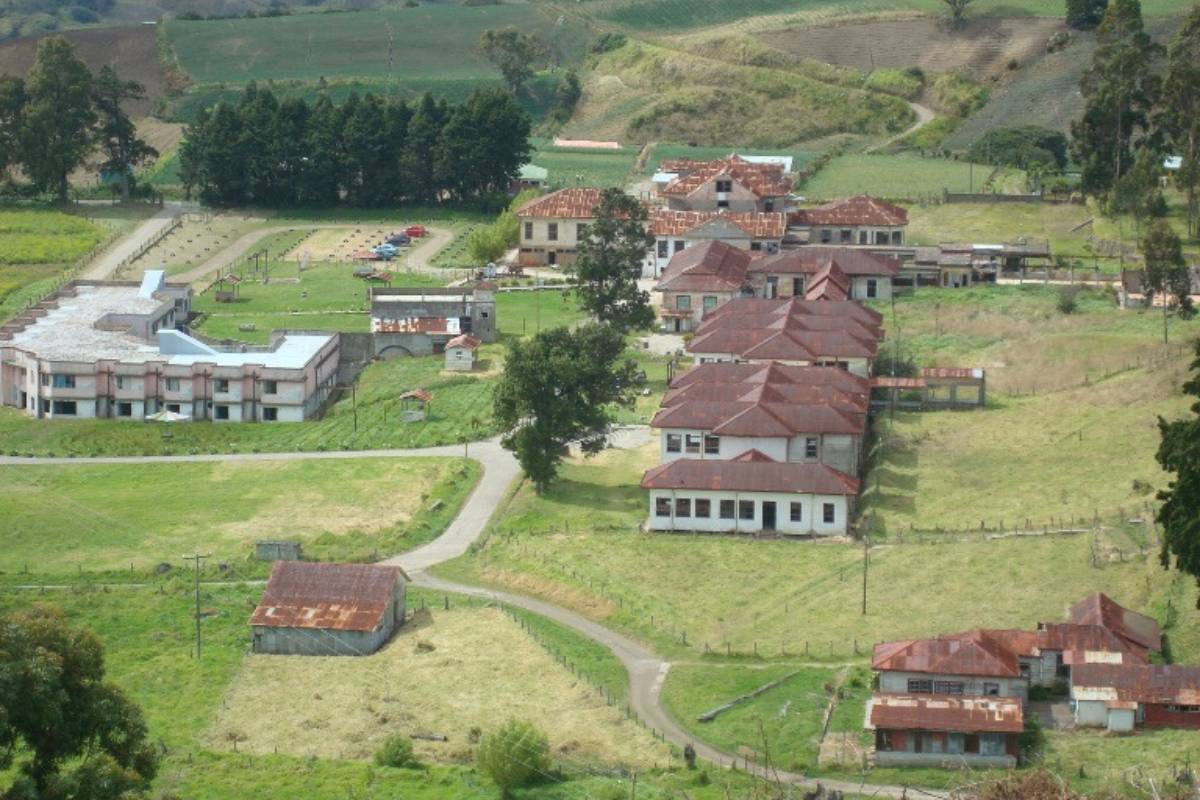
Sanatorio Durán, located in Cartago, Costa Rica, was built in 1915 by Dr. Carlos Durán Cartín as a tuberculosis hospital.
Over the years, it also served as an asylum, orphanage, and prison. The facility’s history is marked by numerous deaths due to tuberculosis and other illnesses, contributing to its eerie reputation.
Hauntings and Paranormal Reports
Visitors to Sanatorio Durán have reported seeing ghostly patients and hearing the sounds of medical equipment.
One of the most famous legends involves the ghost of a young girl who is said to roam the hospital grounds. She is often seen wearing a white dress, wandering the halls, and sometimes playing in the courtyard.
Another frequently mentioned spirit is that of a nun who supposedly cared for the patients and continues to watch over the hospital.
6. La Recoleta Cemetery, Argentina
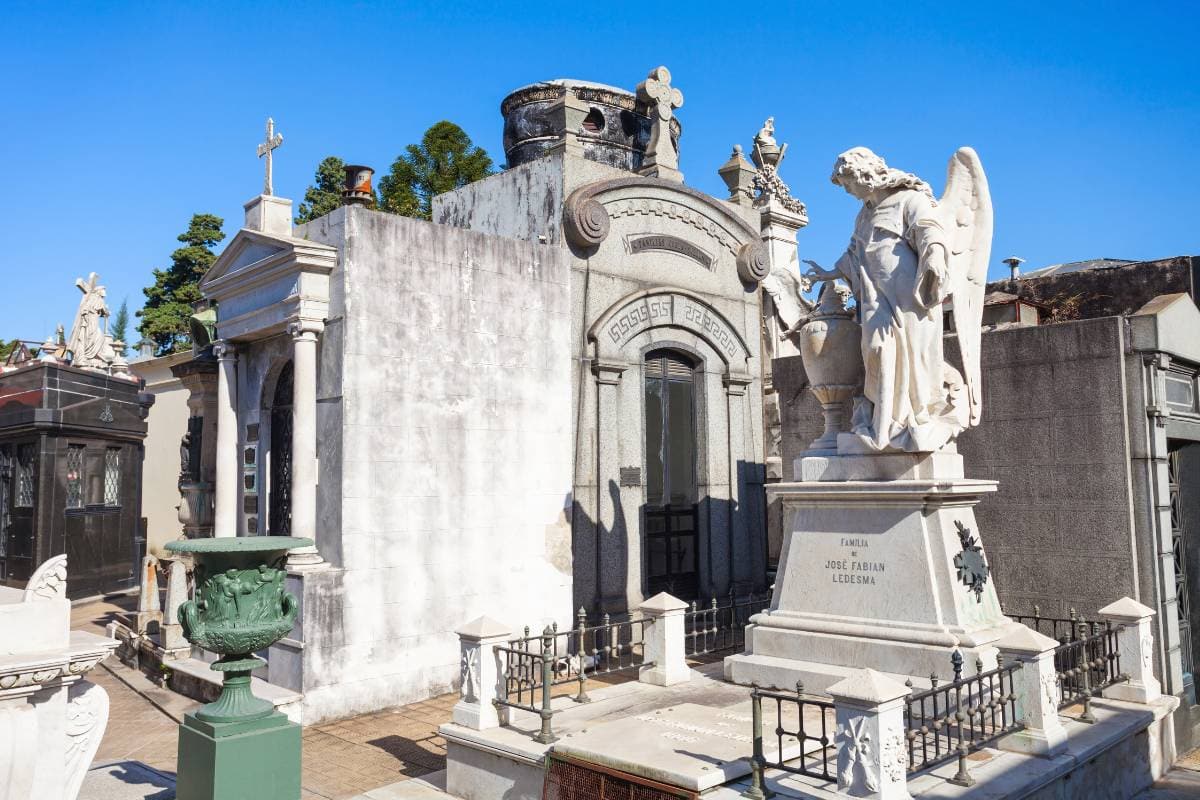
La Recoleta Cemetery, located in Buenos Aires, Argentina, is one of the most famous cemeteries in the world.
Established in 1822, it is the final resting place for many of Argentina’s most notable figures, including Eva Perón, presidents, military heroes, and influential politicians.
The cemetery is renowned for its elaborate tombs, mausoleums, and statues, often crafted from marble and adorned with intricate details.
Notable Legends
One of the most famous legends is that of Rufina Cambaceres, a young woman who was mistakenly buried alive.
According to the story, Rufina was interred in a family mausoleum, but later it was discovered that she had not been dead at the time of her burial.
Visitors report seeing her ghost, often described as a woman in white, near her tomb.
Another legend speaks of David Alleno, a former cemetery caretaker who saved money to build his own tomb in La Recoleta.
After completing it, he took his own life, and it is said that his spirit still roams the cemetery, with visitors hearing the sound of his jingling keys.
7. Hacienda San Gabriel de Barrera, Mexico
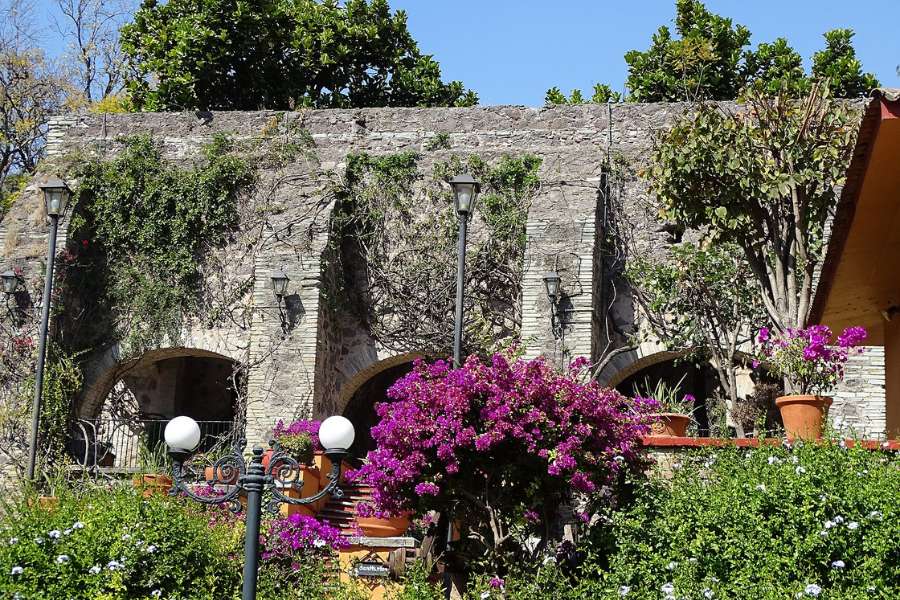
Hacienda San Gabriel de Barrera, located in Guanajuato, Mexico, dates back to the 17th century.
The hacienda was a significant mining estate originally built by the wealthy Spanish nobleman Gabriel de Barrera. Over the centuries, it became known for its lush gardens, elaborate architecture, and historical significance.
The LeGENDS of THE HACIENDA
One of the most persistent legends concerns Gabriel de Barrera’s spirit. It is said that his ghost roams the grounds, protecting his legacy and fortune.
He is often seen as a shadowy figure, moving through the gardens and hallways.
Another tale describes a beautiful woman in a flowing white dress, possibly a former resident or guest of the hacienda.
Witnesses describe her as a serene but melancholic presence, often spotted near the fountains and flower beds.
8. La Casa de las Brujas, Mexico
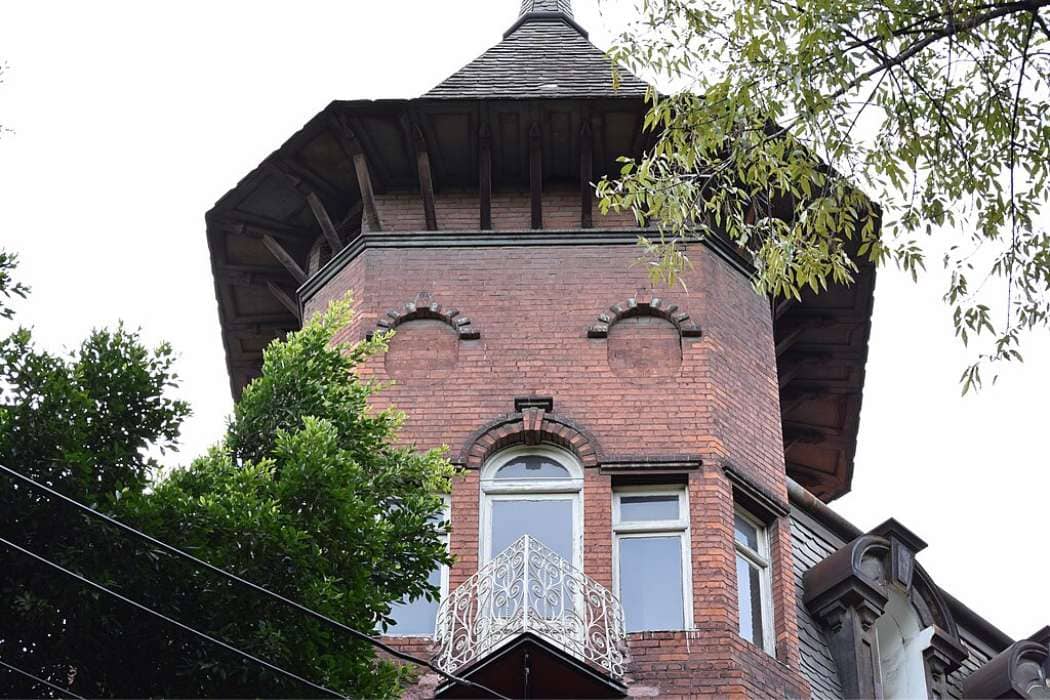
La Casa de las Brujas, officially known as Edificio Río de Janeiro, is located in Mexico City’s Roma neighborhood.
Constructed in 1908 by British engineer Regis A. Pigenon under the order of President Porfirio Díaz, it was initially a luxury hotel before being converted into apartments.
Legend of Pachita
The nickname “La Casa de las Brujas” predates Pachita and was supposedly coined by children playing nearby who thought the building resembled a witch’s house.
But the building is famous for the legend of Pachita, whose real name was Bárbara Guerrero.
Pachita was a renowned healer and medium who performed psychic surgeries and rituals. She claimed to be guided by the spirit of Cuauhtémoc, the last Aztec emperor.
People claim to hear the sinister chants of her rituals and see ghostly figures, including Pachita herself, continuing her supernatural practices even after her death in 1979.
9. El Hotel del Salto, Colombia
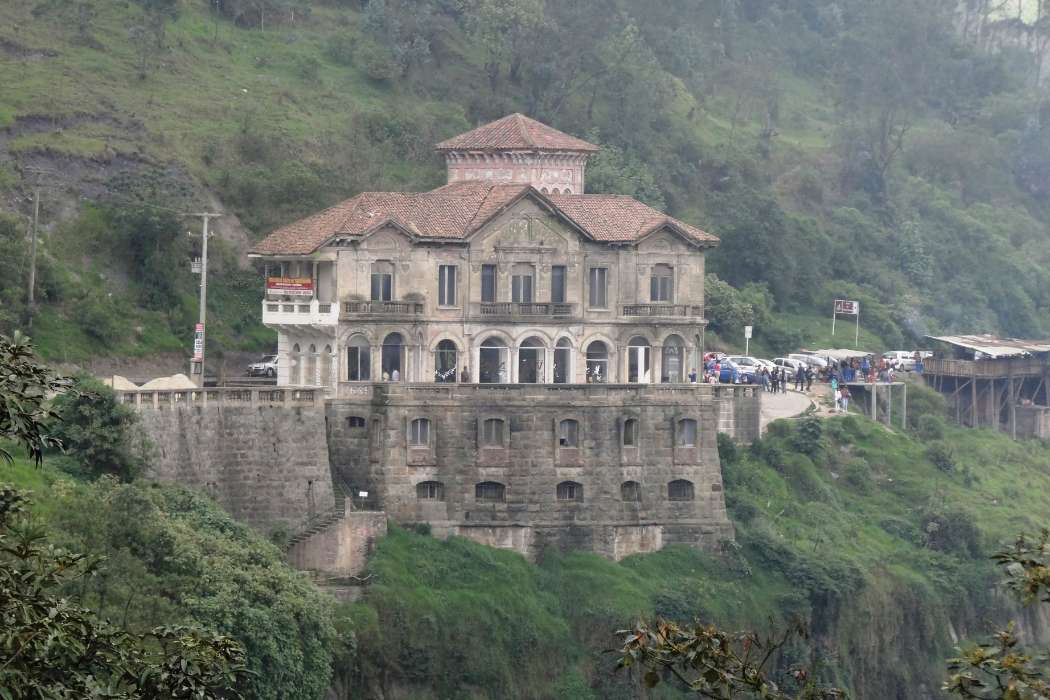
El Hotel del Salto, also known as the Tequendama Falls Hotel, is located near Bogotá, Colombia, overlooking the breathtaking Tequendama Falls. Architect Carlos Arturo Tapias originally built the hotel in 1923 as a mansion for the elite.
In 1928, it was converted into a luxurious hotel, catering to wealthy tourists and offering stunning views of the falls.
The Tragic Suicides
Indigenous Muisca people believed the falls were sacred and imbued with mystical powers. According to legend, some Muisca would leap from the falls to escape Spanish conquistadors, transforming into eagles mid-fall.
This lore, combined with numerous suicides at the site, has contributed to the belief that the area is haunted.
Visitors and hotel caretakers have reported various supernatural occurrences, including disembodied voices, apparitions, and a dense, unsettling atmosphere.
Some accounts include hearing conversations in a strange language, believed to be the spirits of the Muisca people.
The Cultural Significance of Haunted Locations

Haunted locations in Latin America are not just places of spooky tales but are deeply connected to the region’s culture. They offer a glimpse into these countries’ history, folklore, and legends.
The allure of the paranormal continues to capture the imaginations of people worldwide. These haunted locations attract tourists and paranormal enthusiasts, each seeking to experience the unexplained.
Latin America’s haunted heritage is a fascinating and eerie part of its cultural history. The stories and legends surrounding these haunted houses offer a unique perspective on the region’s past, making them intriguing destinations for those brave enough to explore.