
Sick of the U.S.? These Cities in Mexico Prove Life is Better South of the Border


Curious about US vs Mexico safety?
“Don’t go to Mexico, it’s sooo dangerous” is an old trope, and as someone who moved to Mexico in 2018, I can assure you, it’s false.
However, the American media, travel advisories, and Fox News-style social media posts all love to warn about cartels, kidnappings, and the unsafe areas in Mexico.
But how much of that is fear-mongering? And more importantly, how much holds up when you flip the lens and look at U.S. crime statistics 👀
Before you dismiss this as “propaganda,” buckle up, because when you compare apples to apples, you may find that in many cases you’re safer in parts of Mexico than in large swathes of the U.S.
How Bad Is It in Mexico? Here’s the Reality
Homicide Rates: Mexico’s Highs and Lows

- Mexico’s national homicide rate is roughly 25 per 100,000 people as of recent years. (Source: Data Pandas)
- However, that national average hides extreme variation, as some Mexican states are off the charts. For example, Colima state recorded about 117 homicides per 100,000 residents in 2023. (Source: Mexico Daily News)
- Other states like Yucatán, Campeche, Baja California Sur, and Tlaxcala are much safer, with homicide rates below 10 per 100,000. (Source: Mexico Daily News)
So yes, Mexico has dangerous spots, cartel strongholds, and high-violence areas, particularly at the border towns along the Mexico-U.S. border.
However, Mexico is a massive country, and not all of Mexico is the same.
The truth is that many places don’t match the cringey narrative 🥴 that “Mexico = constant danger everywhere.”
The U.S. Side: Sometimes Slower to Admit Its Own Problems
Murder Rates vs Mexico
- The U.S. average homicide rate in 2023 was around 5.76 per 100,000 people. (Source: Data Pandas)
- Compare that to Mexico’s ~25 per 100,000, it’s obvious that overall Mexico is more violent per capita. Still, that misses some vital context, ie. where those murders happen, who is affected, and what it means for both residents and visitors.
Mass Shootings, Gun Deaths, and Everyday Fear Living in the U.S.

- Americans live with mass shootings — horror incidents in public places that dominate headlines. This isn’t to minimize them, but these events are rare; still, the visibility is huge.
- Gun deaths in the U.S. include not just homicide (violence against others) but also suicides, accidental shootings, etc. A massive fraction of firearm deaths are not from homicide. For example, one cross-country analysis shows that between 1990-2015, firearm deaths soared in Mexico and Brazil, but in the U.S., a large part of those deaths were suicides rather than homicide. (Source: PubMed)
Dangerous U.S. Cities with Higher Murder Rates Than Many Mexican Areas

- Some U.S. cities have homicide rates that rival or even exceed many Mexican states. For instance, while many Mexican border states have homicide rates above 50 or even 100 per 100,000, U.S. cities like St. Louis, Baltimore, Detroit, and New Orleans regularly clock high double-digit homicide rates per 100,000 residents. (Source: Arcadian)
- Furthermore, in many “safe” U.S. suburbs or regions, crime is relatively low, but many Americans live in or visit high-crime areas without realizing how bad it is — or get used to it as if it’s normal.
Comparisons That’ll Burn Through the Narrative
Here are some side-by-side stats to make you question what you think you know:
| Location | Homicide Rate / 100,000 | Notes |
|---|---|---|
| Mexico (national average) | ~25 | INEGI/Statista data show a ~25 per 100,000 rate in recent years. |
| Colima, Mexico | ~117 | The worst-off state in Mexico, with extreme violence. (Source: Mexico News Daily) |
| Several U.S. cities | ~20-70+ | E.g. St. Louis, Baltimore, etc. many U.S. cities surpass 20 per 100,000. (Source: Arcadian) |
| U.S. national average | ~5.7 | Much lower than Mexico in general. (Source: Data Pandas) |
There’s no denying that Mexico is worse overall by numbers.
However, when you zoom in to cities, neighborhoods and time periods in the U.S. — many look far worse than the places in Mexico that tourists and expats frequent.
Why the “Unsafe Mexico” Narrative Persists

Because there’s motive. Because big corporations have money on the line. Because fear sells. Because nuance is the enemy of a catchy headline.
There’s even an expression for this in the journalism community: “If it bleeds, it leads.”
Media & Political Incentives
- Stories about cartel brutality, kidnappings, drug wars make for terrifying, viral news all reinforce stereotypes. That means clicks, money, ratings, policy support, border walls, etc.
- U.S. politicians and media often use “Mexico is dangerous” to justify stricter immigration, travel restrictions, etc.
Selective Evidence
- Travel advisories often focus on the worst states or cities (Sinaloa, Colima, etc.), and present them as emblematic of the whole country.
- Worst incidents get copied and shared on social media, while improvements, safer zones, and declining violence in Mexico tend to be buried or ignored.
Fear vs. Risk
- The risk to a tourist or visitor doing ordinary things is often exaggerated. Most Americans traveling or visiting Mexico are not living in cartel zones. Many popular destinations have lower crime rates than many U.S. cities.
- Meanwhile, people in the U.S. often take for granted the risk of gun violence in their own cities, even if it’s normalized.
States and Cities Are Key — Because It’s Not “One Country, One Score”
Not all U.S. states or all Mexican states are the same. You can die in both, but where you are matters.
“Safe” and “Unsafe” Within Mexico
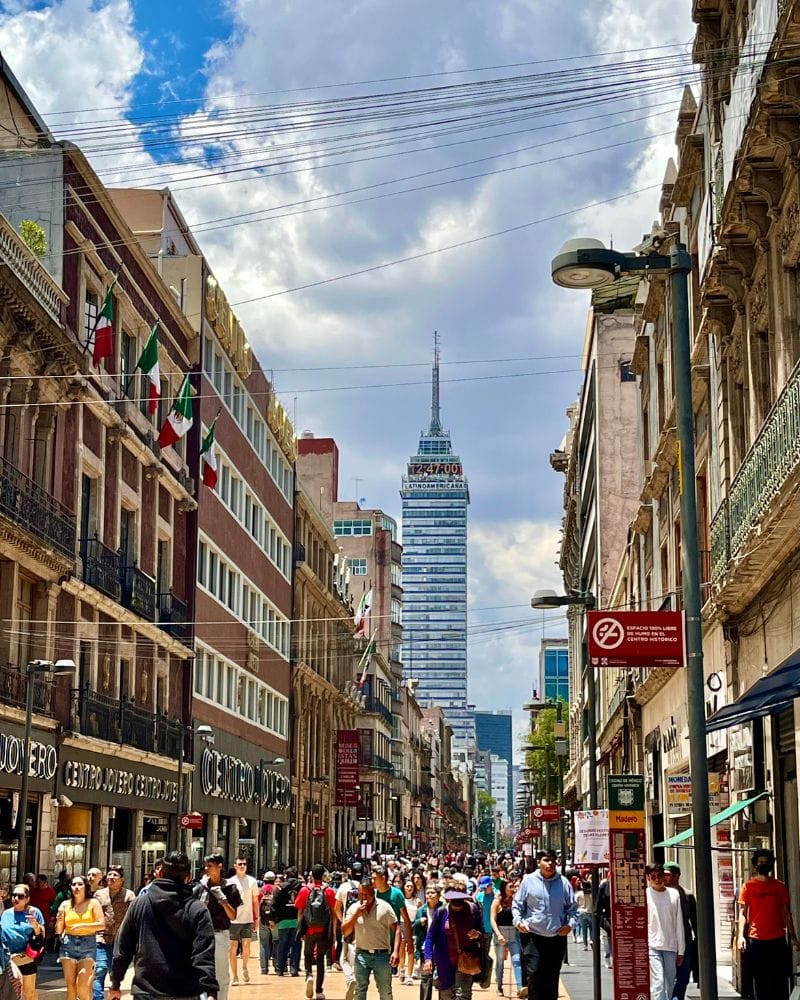
- Some Mexican states have homicide rates above 50-100 per 100,000, like Colima (~117), Morelos, Baja California, and Zacatecas. (Source: Vision of Humanity and Mexico Daily News)
- Other states, like Yucatán, Mexico City, Tlaxcala, Campeche and Baja California Sur, have rates below 10 per 100,000, which for many U.S. visitors would feel safer than many U.S. cities. (Source: Vision of Humanity and Mexico Daily News)
U.S. Danger Zones

- Cities like St. Louis, Memphis, Baltimore, Detroit, New Orleans, etc. have often had homicide rates 5-10X the U.S. average.
- Some U.S. states with weaker social services, racial inequality, poverty, etc., show persistent high crime rates that sometimes exceed rates in Mexico’s more peaceful states.
What the Numbers Don’t Show (Yet Still Matter)
Before you claim I’m “defending cartel violence,” which I am 100% not, here are the complexities and nuances you should consider:
- Type of violence: Cartel-related, political, organized crime is far more visible and brutal in some parts of Mexico. Not all violence is equal.
- Government response, corruption, impunity: Mexico struggles with judicial corruption, slow law enforcement, missing person cases, etc. Just because a state has a high rate doesn’t mean justice follows. (Source: Human Rights Watch)
- Tourist vs. Resident risk: Locals in violent areas, cartel zones, or poor urban neighborhoods face very different dangers than a tourist or someone living in a safer part.
- Geography and mobility: Mexico is the 13th largest country on Earth. High violence in one area may be hundreds of miles away from where most visitors go. For reference, the U.S. has its own “danger zones” that tourists likely avoid, yet locals live with them daily.
Why This Comparison Angers Americans (and Why It Should)

Yes, this section is meant to light a fire — but also give you some food for thought on the complex topic of safety in Mexico.
- Cognitive dissonance: Many Americans scream “Mexico is dangerous” from the rooftops, yet gloss over gun violence, mass shootings, police violence, inequality at home. Doesn’t that double standard strike you as ridiculous?
- Denial and selective blindness: The narrative avoids acknowledging that large U.S. cities are dangerous to many residents, and that parts of Mexico are safer than many assume.
- Privilege of narrative control: Because the mainstream narrative comes from U.S. sources, it’s easier to demonize “the other”, to oversimplify, to ignore nuance. However, when you flip it, the evidence often doesn’t support the easy talking points.
- Moral obligation to truth: If you believe in facts, fairness, and honesty, then the disparity between perception and data should bother you. Whether you love the U.S. or hate the U.S., you deserve to see both sides.
Where Do We Actually Sit, Risk-Wise, If You’re Visiting Mexico?
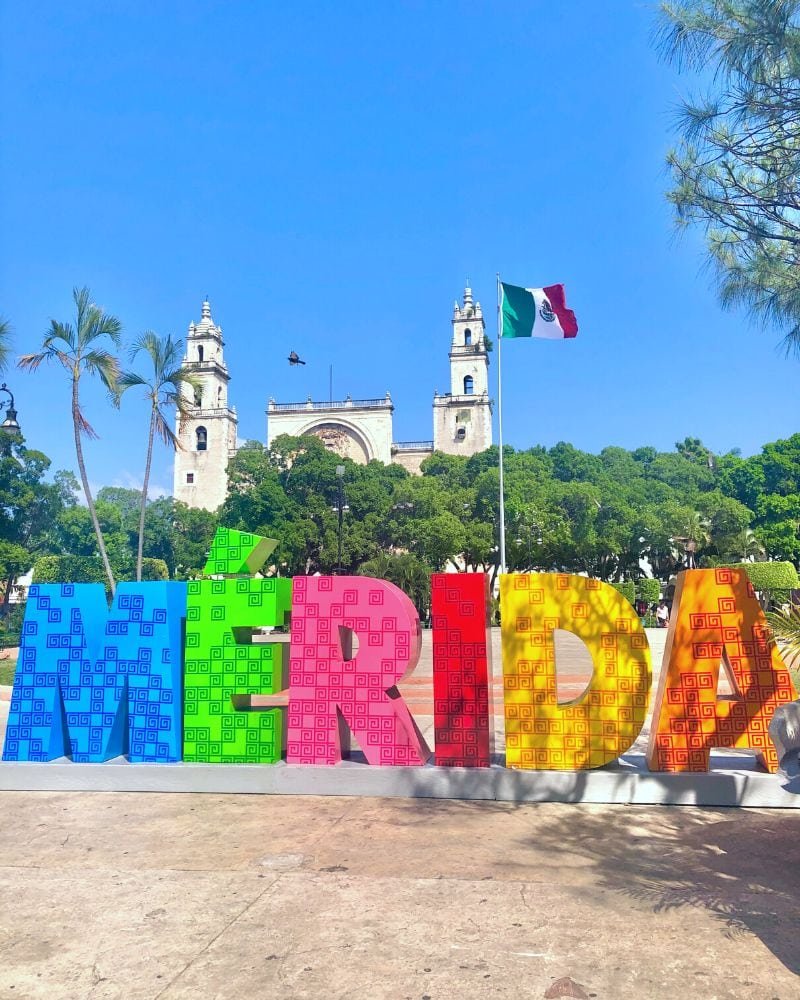
If you are thinking of traveling to Mexico, or even moving to Mexico, or you’re just curious, here’s what you should actually ask yourself:
- Which city or state? Avoid sensationalist labels. If someone warns of “Mexico” broadly, ask which part — whether it’s Colima, say, or Yucatán.
- Have they even been? Ask whether this person has ever even been to Mexico, or if they’re just regurgitating incendiary here-say to be included in the conversation.
- What type of risk triggers you? Are you afraid of kidnapping? Cartel violence? Street robbery? Gunfight? Mass shootings? Each part of Mexico has very different probabilities.
- What’s your profile? Tourists are rarely in cartel turf. Locals, residents, journalists, people working in law enforcement face far more risk.
- Have you compared U.S. cities where you live or visit? If you live in Memphis, Detroit, Baltimore, Oakland, or St. Louis, or even smaller cities with high crime rates like Alexandria, Louisiana and Anniston, Alabama — then your “safe U.S.” might not be as safe as you think.
The Final Verdict: Is Mexico Really that “Unsafe” Compared to the U.S.?
- Mexico is more dangerous overall when you look at national homicide rates by country — though that’s not helpful when examining individual safety because you can’t be in the whole country at once.
- Many tourists, expats, and even local residents live in areas of Mexico safer than many U.S. cities.
- The big picture is that context matters so consider which city, which neighborhood, what type of violence, etc.
- The demonization of Mexico as uniformly dangerous is empirically false. It’s lazy, misleading, and ignores the glaring safety issues in the U.S.
Your Call to Action: Think, Argue, and Don’t Accept the Sound Bite
If you read this and feel defensive, good. You should.
While many Americans love their country and believe in its strengths — blind patriotism, or dismissing other places as “unsafe” without looking at the real numbers, does no one a favor because statistics can lie.
So the next time you see a headline saying “Mexico is dangerous,” ask yourself, Compared to what?
Next time someone says, “If you go to Mexico, [this bad thing] will happen to you,” ask them, How many times have you been to Mexico? (And no, a resort in Cancun that they never left doesn’t count.)
Next time someone says, “America is safe,” ask them, Safe from what? And more importantly, Safe for whom?