
You Won’t Believe What Happens During the Equinox at Chichen Itza Ruins in Mexico

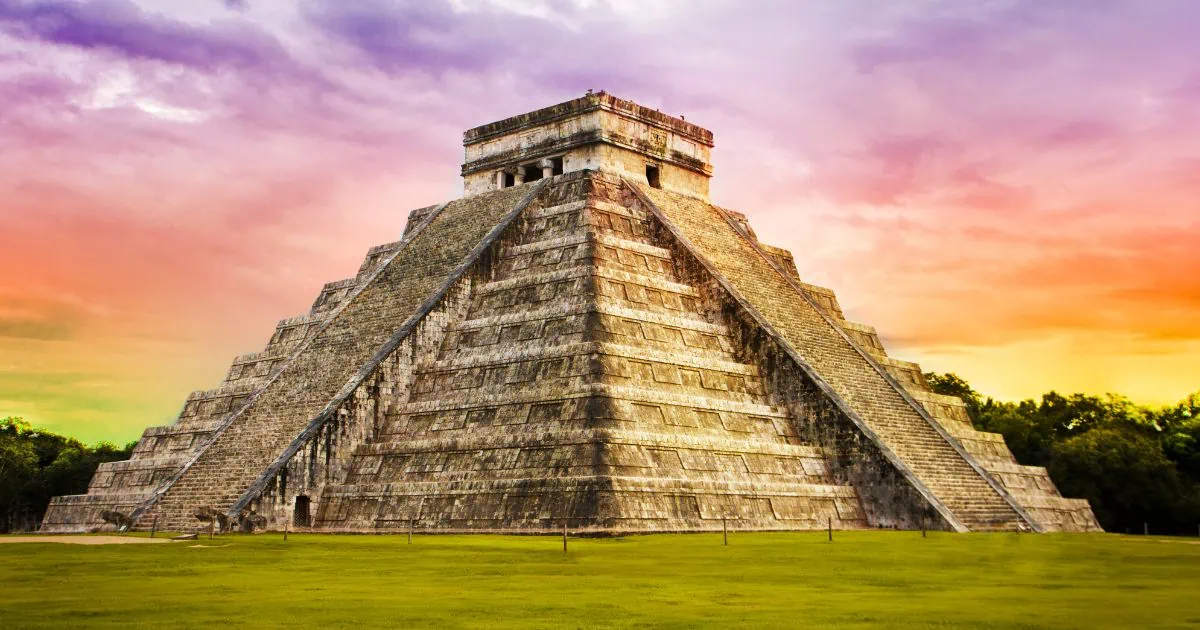
Crafting your ultimate travel bucket list for Mexico? Then seeing the Equinox at Chichen Itza Ruins needs to be at the top of that list.
⭐️ Looking for the best Chichen Itza tours? I recommend booking here with ChichenItza.com — a top-rated Chichen Itza tour company.
This awe-inspiring event combines ancient Mayan astronomy, architectural brilliance, and spiritual significance into a once-in-a-lifetime experience.
Held during the spring equinox (March) and fall equinox (September), this phenomenon draws thousands to the Yucatán Peninsula to marvel at the descent of the Mayan feathered serpent god, Kukulkan.
Disclosure: This article may contain affiliate links, meaning when you make a purchase, I earn a small commission. Affiliate links cost you nothing to use, and help keep my content free. It’s a win-win for us both. For more info, see the Disclosure Policy.
What Happens During the Equinox at Chichen Itza?
Twice a year during the equinoxes, around March 19-23 and September 22-23 (the dates can change each year), the setting sun casts a series of shadows on the northern staircase of El Castillo Pyramid.
Also known as the Temple of Kukulkan, El Castillo is the famous Chichen Itza pyramid you’ve likely seen in photos — and one of the most impressive Mayan Ruins in Mexico.
These shadows create the illusion of a serpent slithering down the pyramid’s steps, culminating at the serpent’s head carved at the base (see image below).
This spectacle symbolizes the descent of Kukulkan, the Mayan feathered serpent deity — and showcases the Mayans’ advanced understanding of astronomy and architecture.
Here’s How to See the Equinox at Chichen Itza

1. Plan Ahead
The equinox attracts large crowds, so it’s essential to plan your visit at least 3 months in advance, or as early as you can because tours sell out early.
💡 Pro Tip: Book a guided tour here with ChichenItza.com that includes transportation, as traffic and parking can be challenging during this time.
2. Arrive Early

Wondering, Do I need to book a tour to see the Equinox at Chichen Itza?
No, you can go on your own by driving to Chichen Itza in your rental car, or via public transport on the Tren Maya (Mayan Train) or ADO bus.
However, to secure a good viewing spot, aim to arrive right when they open at 8am, or at least before late-morning.
The light-and-shadow phenomenon known as “the descent of Kukulcan” typically begins around 3pm, and lasts for about 45 minutes in total.
3. Dress Appropriately
It is sunny and hot in the Yucatan Peninsula year-round, so opt for lightweight, breathable clothing, a hat, and sunglasses.
Some people also bring their own umbrella to use as shade, but even if you have one, you’ll want to wear strong sunscreen to protect yourself from the sun.
💧 Pro Tip: Don’t forget to stay hydrated by bringing plenty of water in this top-rated reusable water bottle.
Brief History of Chichen Itza

Chichen Itza was founded around the 6th century CE, growing into a prominent Mayan city from approximately 600 to 900 CE under the Puuc architectural style.
In the 10th century, Toltec influences arrived, either by migration or conquest, fusing with Maya traditions to create hybrid monuments like El Castillo and the Temple of Warriors.
Between 1000 and 1200 CE, Chichen Itza reached its peak as a powerful political, religious, and commercial hub.
After the 13th century, the city declined and was largely abandoned, though it remained a pilgrimage site.
Rediscovery came in the 19th century through writers and explorers like John Lloyd Stephens and Frederick Catherwood, followed by major excavations in the early 20th century.
5 Chichen Itza Facts You Probably Don’t Know
1. El Castillo Functions as a Calendar

The pyramid has 365 steps in total — 91 on each of its four sides and one at the top, which represent the days of the year in the Mayan calendar.
This reflects the Maya’s precision in aligning their architecture with the 365-day year, a vital framework for organizing everything from agriculture to sacred rituals.
2. Chichen Itza Has Multicultural Influences
Chichen Itza was a melting pot of Mayan culture and Toltec culture, evident in its diverse architectural styles and artifacts.
One example of this is the Temple of the Warriors at Chichen Itza, which has tall columns (Toltec) and Chacmool sculptures (Maya), showcasing Toltec artistry blended with Maya tradition.
3. The Ball Court has Amazing Acoustics

The Great Ball Court at Chichen Itza, one of the largest Mesoamerican ball courts ever discovered, has unique acoustics.
A whisper at one end can be heard clearly at the other end — 550 feet away. On any of these best Chichen Itza tours, your guide will demonstrate it for you.
4. Chichen Itza Has An Ancient Observatory
El Caracol, a round structure at Chichen Itza, is believed to have been an ancient observatory used by the Maya to track celestial events.
Known as “a living calendar in stone,” the carefully-aligned openings at El Caracol let Maya astronomers track things like the northernmost setting of Venus, the shifting sun at solstices and equinoxes, and lunar zenith passages.
5. There’s a Sacred Cenote at Chichen Itza

The cenotes in Mexico are some of the most-visited sites in the country — including the Sacred Cenote at Chichen Itza Ruins.
Here, offerings were made that included human sacrifices to the rain god Chaac, which is one of the most important Mayan gods.
What are the Best Cenotes Near Chichen Itza Ruins For Swimming?

Today, the cenotes (natural jungle pools) are popular places to swim for visitors — and offer a respite from the intense heat of Mexico’s Yucatan Peninsula.
Though you can’t swim in the Sacred Cenote at Chichen Itza, there a some nearby like Cenote Ik Kil, Cenote Saamal, and Cenote Suytun, which you can swim in.
Can You Climb the Pyramids at Chichen Itza?


No, climbing Chichen Itza pyramids and any structure on the site is strictly prohibited to preserve this historic place and ensure visitor safety.
Though there seems to be at least one person who does so this each year, like this tourist who climbed Chichen Itza ruins, you can face fines and even imprisonment — so just don’t.
If you want to climb Mayan Ruins in Mexico, consider Ek-Balam Ruins. It is located about one hour from Chichen Itza, and climbing is allowed.
My Final Thoughts on Seeing the Equinox at Chichen Itza Ruins

Experiencing the equinox at Chichen Itza is more than just a visual spectacle; it’s a journey into the heart of ancient Mayan civilization.
⭐️ Looking for the best Chichen Itza tours? I recommend booking here with ChichenItza.com — a top-rated Chichen Itza tour company.
From the precise alignment of El Castillo to the rich cultural history surrounding the site, this event offers a unique blend of science, spirituality, and history.
Whether you’re a history enthusiast, a spiritual seeker, or a curious traveler, witnessing the descent of Kukulkan at Chichen Itza is an unforgettable experience that deserves a spot on your Mexico bucket list.
