
Have You Heard of These Mysterious Underwater Caves in Mexico?

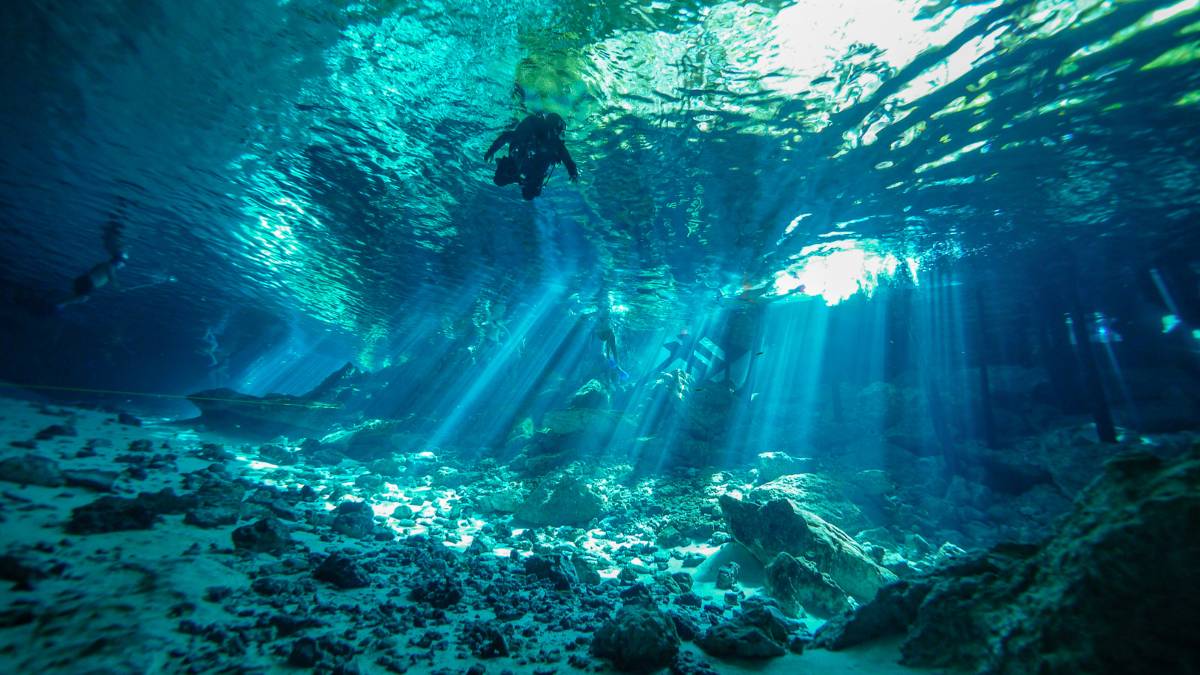
Have you heard of cenotes? These underwater caves are amazing natural swimming spots hidden in the jungle.
Famous for their pristine waters and beautiful tropical esthetics, visiting the cenotes is a unique experience you can only have in Mexico.
Are you ready to learn all about them?! Let’s get to it, starting with some information about the cenotes, followed by the list of the best Mexico cenotes.
Disclosure: This article may contain affiliate links, meaning when you make a purchase, I earn a small commission. Affiliate links cost you nothing to use, and help keep my content free. It’s a win-win for us both. For more info, see the Disclosure Policy.
What are Cenotes?
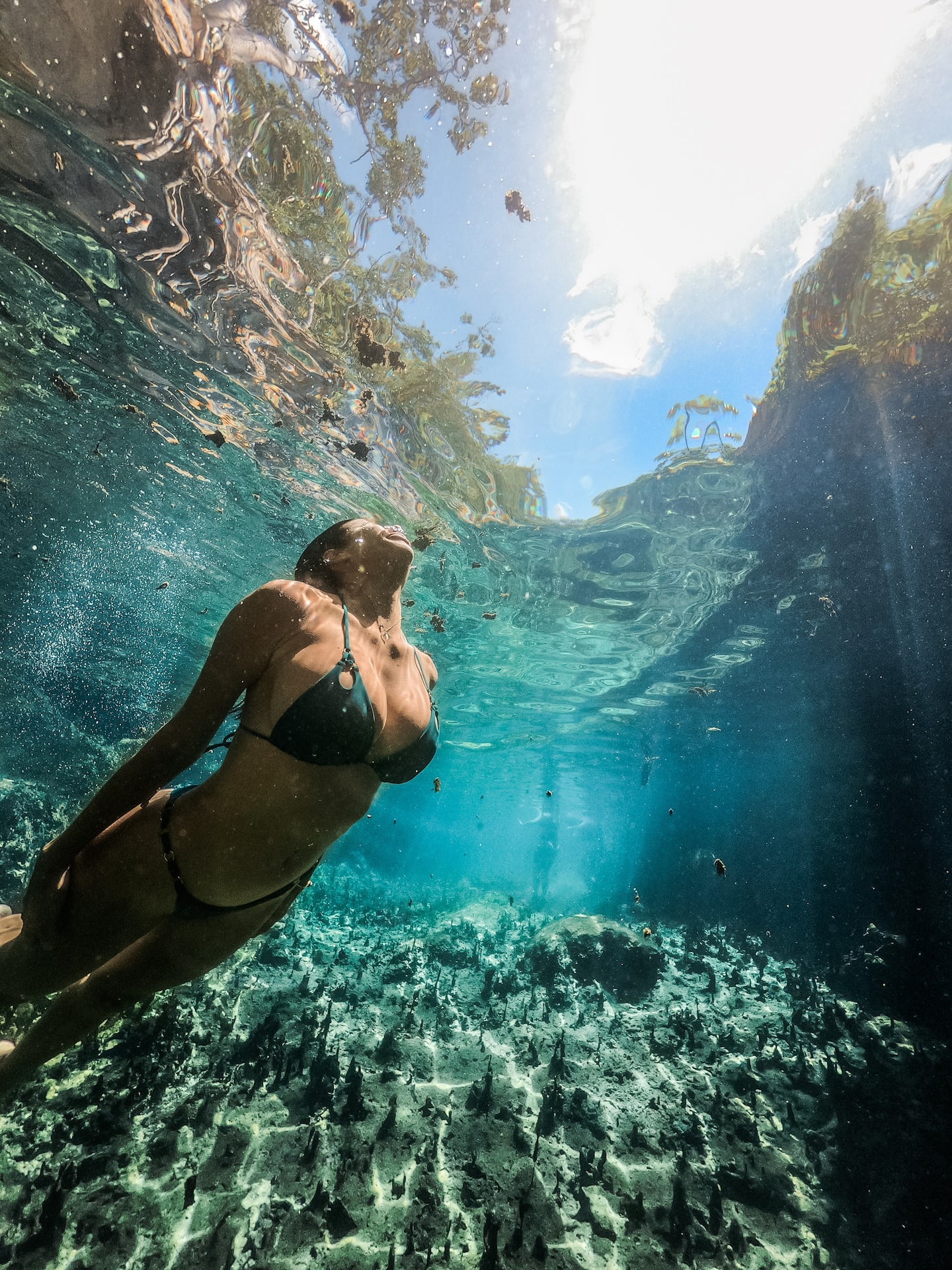
First thing first: How do you pronounce cenote?
Cenote is pronounced sen-no-tay, and two or more cenotes are sen-no-tays. Cenotes’ pronunciation is now cleared up. Let’s answer the following: What is a cenote? 🤔 question.
Cenote means “sinkhole,” or limestone sinkhole, but they are natural fresh water pools.
Many are connected by underground rivers, and located in the Riviera Maya. Some are above ground, and some are underwater caves with unique geological formations.
The word “sinkhole” describes how the cenotes came to be. At one time, all cenotes were encased in native limestone rock.
Over time, some rock has eroded, collapsed, and “sunk in” to reveal the water beneath—the cenote water we can now swim in.
The cenotes aren’t individual pools but the same water from massive freshwater rivers flowing beneath the entire Yucatán Peninsula.
Some cenote water comes from the largest underground river on Earth — the Sistema Sac Actun.
How many cenotes are in Mexico?
There are about 6,000 cenotes in Mexico, and the vast majority are in the Yucatan Peninsula.
Some of the best are the Tulum cenotes, Cancun cenotes and Merida cenotes, but there’s also the El Zacatón in Chiapas State, one of the largest freshwater sinkholes in Mexico.
Chicxulub Crater

The Chicxulub Crater (pronounced chee-chee-lube) is the spot on Earth where the asteroid hit and wiped out the dinosaurs some 60 million years ago.
The impact site is located in the present-day Merida Mexico beach town of Chicxulub Puerto, in the Yucatan Peninsula.
Wondering, Where is Merida? It is the capital of Yucatan State, one of the three states that make up Mexico’s Yucatan Peninsula, and located about four hours west of Cancun by car.
Ring of Cenotes
After the asteroid’s impact, the Ring of Cenotes formed. This crater is about 110 miles in diameter (180 km) and 12 miles deep (20 km).
According to Wiki, it is one of the largest confirmed impact structures on Earth, and the only one with an intact ring accessible for scientific research.
You can’t see the impact site, as it’s partially located in the Gulf of Mexico and partially buried beneath the land.
However, the giant asteroid’s impact is visible in the freshwater sinkholes (cenotes) along the Anillo de los Cenotes, or Ring of Cenotes.
The Ring of Cenotes is the largest concentration in Mexico, though there are cenotes throughout the Yucatan Peninsula.
Most of the best cenotes in Merida, Mexico, are on the Ring of Cenotes, including the Cuzama, Homun, and Santa Barbara Cenotes.
There are 4 Types of Cenotes
Of the (approximately) 6,000 cenotes in Yucatan and Mexico, there are four distinct types: 1️⃣ open, 2️⃣ semi-open, 3️⃣ cave, and 4️⃣ diving cenotes.
Each type is unique and beautiful in its own way, so visit as many types of Mexican cenotes as you can.
The oldest cenotes are open or above-ground cenotes. We know they are the oldest because the limestone rock once encasing them has completely eroded or fallen away.
The next oldest are semi-open cenotes, and the underwater cave cenotes are the youngest.
Open Cenotes
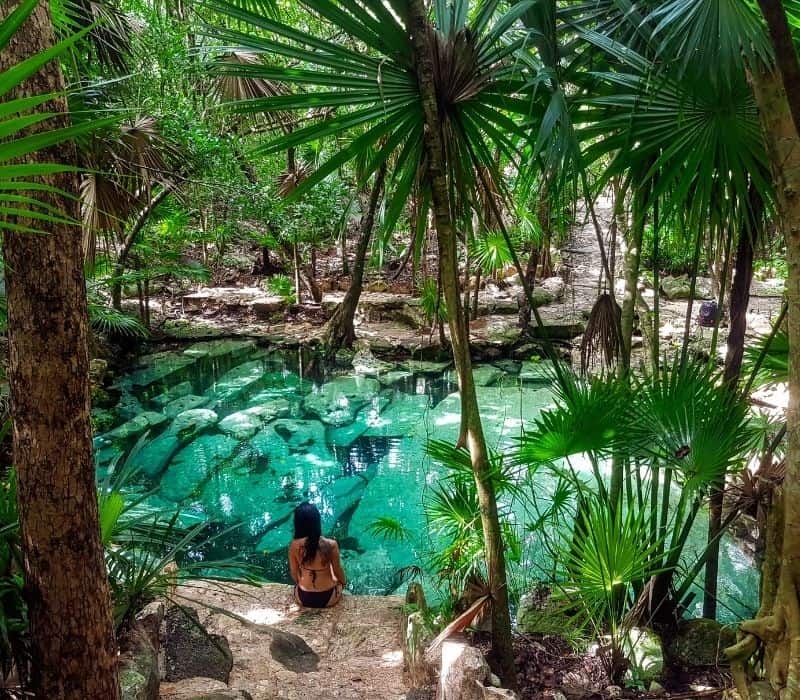
You may see these called swimming pool cenotes, which are completely open and look like natural swimming pools. These are the best for photos because they get the best lighting since they are above ground.
They are also usually surrounded by lush jungle vegetation — like Cenote Azul (pictured) and Cenote Carwash.
Semi-Open Cenotes
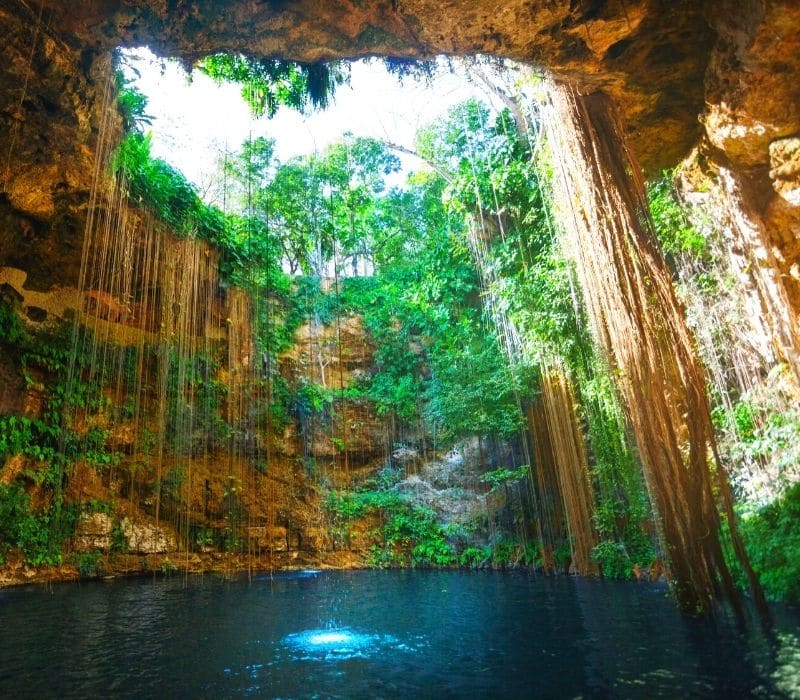
These cenotes will be semi-encased in the native limestone rock.
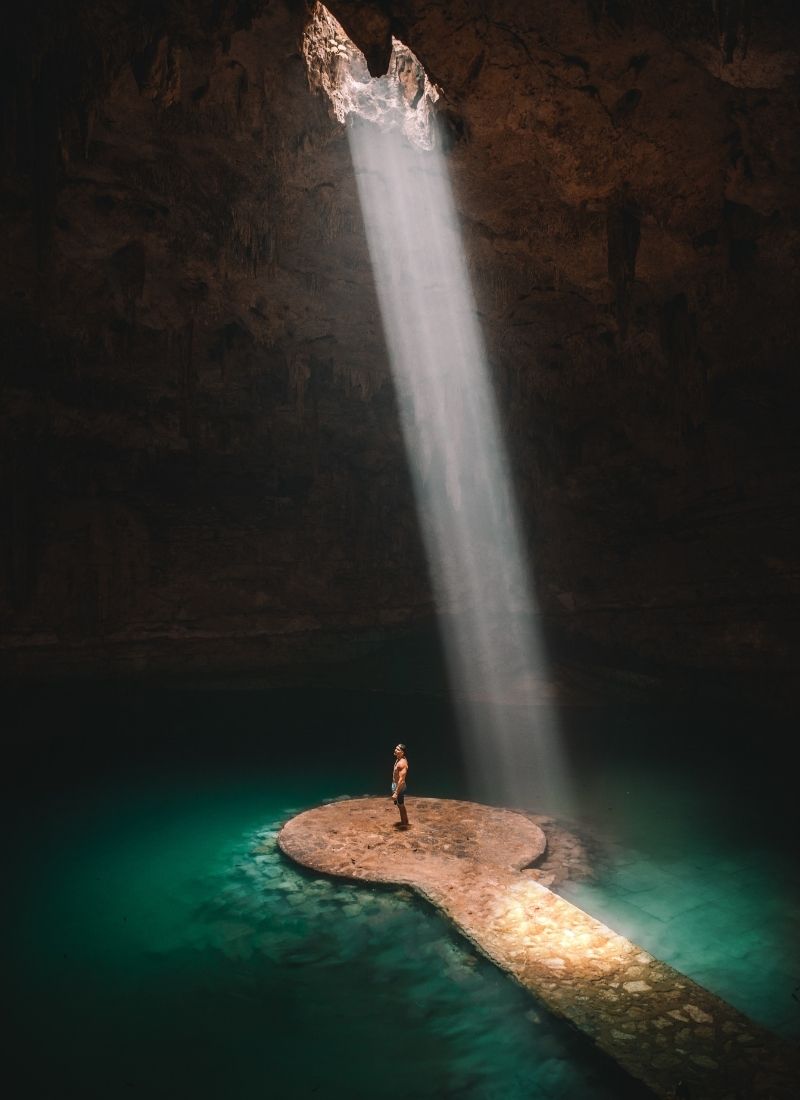
This type of cenote will have large walls surrounding the pool itself, and a large hole in the top of it so some sunlight gets in when it’s located directly overhead — like Cenote Ik-Kil (pictured).
Closed Cenotes in Caves

Cave cenotes are exactly as the name says. These are located underground in a cave; you’ll have to access them by going down some stairs.
Many closed-off cenotes will have a single ray of light (or a few rays) that gets in through cracks in the rock above, giving them a magical look — like Cenote Suytun (pictured).
Dive Cenotes for Diving

The final type is also essentially located inside a cave, but the water in these cenotes is much deeper so they are sought out for diving.
With clear water in the cenotes, divers get incredible visibility, even as much as 165 feet (50 m) in some cenotes, like Cenote Dos Ojos (pictured).
Sistema Sac Actun

Sistema Sac Actun (Sac Actun System) is part of the longest underwater, flooded cave system in the entire world and is located beneath the Yucatan Peninsula.
It measures 164 miles (263 km) but also connects with other cave systems in Yucatan, so its total length is much longer.
This part of the country is home to the Mayan people in Mexico, and in the Maya language, sac actun means “white cave.”
For the ancient Mayans, this was their largest source of water to drink, and the cenotes are still sacred places of great reverence.
You can explore several Sistema Sac Actun River cenotes, including Cenote El Pit and Cenote Pet Cemetery.
The Pet Cemetery Cenote earned its nickname because human remains, animal remains, and extinct fauna have been discovered throughout the years.
The oldest human skeleton and skeletal remains on the Americas Continent, known as Naia, were found here. Naia is about 13,000 years old and provides evidence of the first settlers of America.
Divers have also found bones from a mastodon (giant prehistoric shark 🦈) here.
Sistema Dos Ojos

In 2018, the Gran Maya Aquifer Project, led by cave diver and explorer Robbie Schmittner, found a link between the Sac Actun System and the Dos Ojos System.
With this discovery, it was official Mexico had the world’s largest underwater cave system ever discovered!
The Sac Actun System and Dos Ojos System also connect with two other cave network systems, Sistema Nohoch Nah Chich and Sistema Ox Bel Ha.
In total, this entire underground river in Mexico measures about 216 miles (348 km), with a maximum depth of 331-feet (101 m).
🤿 Additional Info on Mexico Cave Cenotes
To learn more about the caves in Mexico, check out Guillermo de Anda’s work, as seen in National Geographic and the El Gran Acuifero Maya (Great Maya Aquifer Project) documentary.
He works with Mexico’s National Institute of Anthropology (INAH) to map and study these underground limestone caverns.
Cenote Dos Ojos
Dos Ojos Cenote, meaning “two eyes cenote,” is one of the best dive spots in the world for cave divers.
There are two cenotes here: the ojo azul (blue eye), an open cenote with bright-blue, pristine water, and the ojo negro (black eye), a dark cave cenote that you can only enter with a guide.
This is the most famous of all the Dos Ojos Park cenotes, though there are others. Located not far from Cenote Dos Ojos, there’s also Nicte-Ha Cenote and Cenote Taak Bi Ha.
In my opinion, Cenote Taak Bi Ha is one of the most beautiful Mexico underwater caves.
What to Bring to the Cenotes in Mexico
Now that you know all about the Mexico cenotes, you’ll need to know what to bring when you visit them. Below, you’ll find a list with recommendations of what to bring when you visit a cenote.
📸 Go Pro or Waterproof Camera

- 5.3K 60 Ultra HD Video
- 27 Megapixel Photos
- Award-Winning HyperSmooth 6.0 Image Stabilization
- Webcam with Live Streaming
- 1/1.9 Image Sensor
- Whats Included: HERO12 Black, Enduro Rechargeable Battery, Curved Adhesive Mount, Mounting Buckle + Thumb Screw, USB-C Cable
If you’ve been considering getting a GoPro Hero (or the less-expensive AKASO Brave), the cenotes in Mexico will provide the perfect place to put it to good use!
You can get amazing shots of everything from the cave ceiling to whatever’s going on just beneath the water level.
🤿 Mask & Snorkel

- 180° Panoramic View
- Anti-Fog and Anti-Leak Dry Snorkel Technology
- Made of High Quality PC and Medical Grade Silicone
- Detachable Camera Mount (Fits GoPro, Akaso, and most models)
- Adjustable straps designed for comfort in the water
Tulum snorkeling tours provide a mask and snorkel, but you might want your own for sanitary reasons.
For those who want to conserve luggage space, these small goggles and roll up snorkel make a great set, but this combo mask and snorkel is the best option for snorkeling.
🩴 Water Shoes
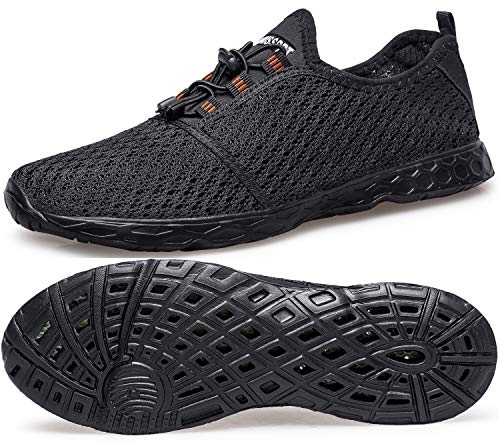
One of the best cenote tips is to bring water shoes! The cenotes are natural pools, most have slippery rocks, muddy ground, etc., and the shoes really come in handy the second you get out of those crystal clear waters.
📲 Waterproof Phone Holder

If you’re planning to take Instagram worthy cenotes photos, an inexpensive waterproof phone holder that goes around your neck really comes in handy.
With these, you can take them in water and capture all the turtles and abundant marine life underwater.
💦 Waterproof Fanny Pack
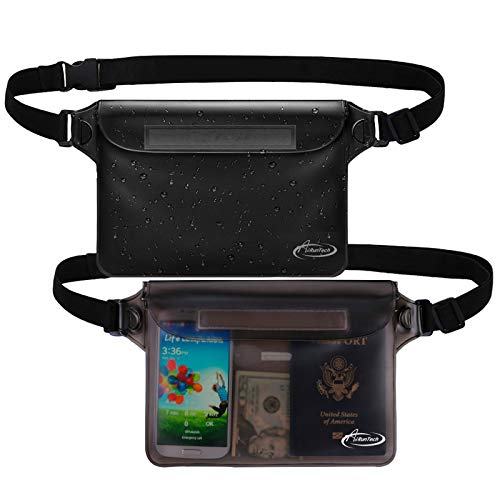
The waterproof fanny pack is another great option. Not only are they cute, but it will also hold all your valuables, not just your phone.
Save your money on a cenote locker rentals, and keep all your belongings on you in this waterproof waist bag.
🧴 Reef Safe Sunscreen

Most cenotes don’t allow sunscreen, and many people wear a long-sleeve bathing suit (AKA rash guard). When swimming at the reefs in the sea, always use reef-safe sunscreen.
☀️ For a complete guide, check out Best Sunscreen for Mexico: Biodegradable & Reef Safe.
🧖♀️ Quick Dry Towel

This is one of the best things to throw in your suitcase when packing for Mexico. It will come in handy after swimming in the cenotes, when laying on the white sand Yucatan beaches, and many places in-between.
🎒 Dry Bag
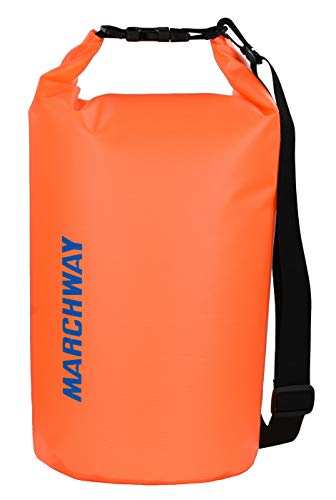
After a day of swimming, you’ll still need to get back to your Cancun resort or hotel — and you don’t want to get your rental car soaked in the process. for this, nothing beats having a dry bag backpack.
🔦 Waterproof Flashlight

Many cenotes are located inside dry caves, and the interior is dark, even on sunny days.
Tour operators will likely provide these, but if you plan to go to the cenotes on your own, pick up this waterproof flashlight before heading to Mexico.
Final Thoughts: Underwater Caves in Mexico
The cenotes in Mexico are among the most popular and photographed places in the Mayan Riviera.
When visiting, please remember that these underground caves and the water flowing through this underground river system are holy to the Mayan culture, so act accordingly.
Ready to Book Your Mexico Vacation? Here Are Some Resources To Look At:

Mexico is a large country—the 14th largest on Earth by size—and it’s also the 6th most biodiverse country in the world.
Though it’s mostly known for beaches, there’s a lot more to Mexico than that. Check out these Mexico articles to discover parts of the country you never knew existed.
- The 30 Most Beautiful Cities in Mexico (#7 Will Shock You)
- Mexico Off the Beaten Path Places for Your Bucket List
- 20 Hot Springs in Mexico That are Calling Your Name
- Hidden Beaches in Mexico You’ve Never Heard Of
- Best Waterfalls in Huasteca Potosina Mexico
- The Coolest Mayan Ruins in Mexico’s Yucatan Peninsula
⚠️ Before You Go — Get Your FREE Guide!
Head here and enter your email address to download your FREE Mexico guide (5 Things You Don’t Want to Forget to Pack for Mexico) and get Mexico travel tips, tricks and more sent straight to your inbox.
