
10 Common Mexico Travel Scams You Need to Know About (So You Don’t Fall Victim)

Traveling to Mexico is an exciting adventure filled with beautiful beaches, vibrant cities, and rich cultural experiences.
As someone who has been living in Mexico since 2018, and traveled to more than half of the states in the country, I know Mexico to be a generally safe destination for millions of visitors each year.
However, being aware of the 10 most common Mexico travel scams can help you avoid unnecessary stress and financial loss.
Below, we’ll dive into some of the travel scams in Mexico visitors may encounter, and learn how to protect yourself from them.
Disclosure: This article may contain affiliate links, meaning when you make a purchase, I earn a small commission. Affiliate links cost you nothing to use, and help keep my content free. It’s a win-win for us both. For more info, see the Disclosure Policy.
1. The Mexican Car Rental Scam

Renting a car in Mexico can be a convenient and fun way to explore the country, but car rental scams are unfortunately somewhat common.
These scams often involve hidden fees, inflated insurance costs, or claims of pre-existing damage to the vehicle when you return it.
I have this whole blog post dedicated to the so-called Mexican car rental scam, so you understand it all — or you can just get some quick tips below.
How to Avoid the Mexican Car Rental Scam
1. Book your rental through a reputable company and confirm the total cost upfront. I recommend and use Discover Cars for all my bookings → Check rates and availability here.
2. Read the rental agreement carefully to ensure there are no unexpected fees.
3. Even if the rental company takes their own, take photos and videos of the car’s condition before driving off the lot, and upon returning it.
4. Know that you need Mexican car insurance, but you can legally buy it through a third party — so you can politely decline the car rental company’s insurance if you have your own.
2. The Mexican Gas Station Scam

In Mexico, you aren’t allowed to pump your own gas, so know that you will have to wait on an attendant.
For this reason, gas stations in Mexico can sometimes be hotspots for scams targeting tourists.
Common tactics include attendants claiming they didn’t receive full payment, giving incorrect change, or starting the pump without resetting it to zero, causing you to pay for gas you didn’t receive.
⛽️ Pro Tip: You’re expected to tip gas stations attendants about $10 MXN pesos for their service → Read more about tipping in Mexico in the linked article.
How to Avoid the Mexican Gas Station Scam
1. Always check the pump to ensure it is reset to zero before fueling begins.
2. Pay close attention when handing over cash and confirm the amount with the attendant.
3. Whenever possible, pay with a credit card and verify the amount charged before authorizing the payment.
3. The Fake Taxi Scam

One of the most common travel scams in Mexico involves fake or unregistered taxis.
Unsuspecting travelers may be lured into vehicles that look legitimate but aren’t licensed or regulated.
These drivers may charge exorbitant fees or take passengers on unnecessarily long routes to increase the fare.
How to Avoid the Mexico Fake Taxi Scam
1. Only use official taxis from designated taxi stands (taxi ranks), or call a reliable transportation service.
2. Better yet, use ride-hailing apps like Uber or Didi in cities where they’re available (which are most cities in Mexico).
3. If you must use a street taxi, agree on the price before getting in because the vast majority of taxis in Mexico do not use meters, and you pay by zones.
4. The Overpriced Tour Scam

Many tourists fall victim to overpriced or low-quality tours, especially in popular destinations like Cancun, Tulum, and Mexico City.
Scammers may approach you on the street or at the airport, offering tours that sound like great deals but turn out to be subpar or outright fraudulent.
How to Avoid the Overpriced Tour Scam
1. Book tours through reputable agencies, like Viator and/or Airbnb Experiences (I use both of these myself), or directly with the concierge at your hotel.
2. Get personal recommendations and/or read online reviews before committing to any tour.
3. Be cautious of deals that seem too good to be true — as they often are. Also, as the old saying goes, “You get what you pay for.”
5. The Currency Exchange Scam

Currency exchange scams are common in Mexico, particularly near airports and tourist hotspots.
These scams typically involve unfavorable exchange rates or hidden fees, leaving travelers with significantly less money than they anticipated.
While I personally advise against going to currency exchanges at all, because you can just get pesos from any ATM in Mexico, I know it’s sometimes unavoidable.
How to Avoid the Currency Exchange Scam
1. Use ATMs inside banks for better exchange rates and increased security.
2. However, make sure you decline the bank’s conversion rate, which is also usually lower than the going rate.
3. Familiarize yourself with the current exchange rate so you can quickly spot an unfair deal.
6. The Fake Police Officer Scam

This scam is admittedly frightening, and involves someone impersonating a police officer who claims you’ve broken a law.
They may demand an on-the-spot fine or threaten arrest if you don’t pay. While rare, this scam can be intimidating and costly.
How to Avoid the Fake Police Officer Scam
1. Always ask to see official identification if approached by someone claiming to be a police officer.
2. Know that real police officers in Mexico can not legally not demand on-the-spot cash payments for fines (though this does happen as well).
3. If you’re unsure, insist on going to the police station to resolve the issue.
7. The Timeshare Presentation Scam

Timeshare presentations are common in popular tourist destinations like Puerto Vallarta and Los Cabos.
While some are legitimate, others use high-pressure sales tactics, misleading promises, or outright lies to get you to sign a costly contract.
How to Avoid the Timeshare Presentation Scam
1. Be cautious of anyone offering free gifts, meals, or tours in exchange for attending a timeshare presentation (even if they don’t call it that).
2. If you do attend, read all contracts carefully and never feel pressured to sign on the spot.
3. Research the company online before making any commitments.
8. The “Closed” Business Scam

In this scam, a scammer approaches tourists and claims that a popular business like a restaurant, bar, or tourist attraction, is closed.
They will then recommend an alternative location, which may be overpriced, of lower quality, or involve kickbacks to the scammer.
How to Avoid the “Closed” Business Scam
1. Check the hours of operation for businesses on their official website or verified platforms like Google Maps.
2. Politely thank the person for their suggestion but verify the claim yourself before changing plans.
3. Be skeptical of unsolicited advice from strangers regarding closures.
9. Pickpocketing in Mexico

Pickpocketing is a common scam in crowded areas such as markets, public transportation (particularly the Mexico City Metro), and tourist hotspots.
Thieves often work in teams, distracting the victim while another person takes their belongings.
While it seems you’d feel this happening, everyone I know who’s been pickpocketed (in Mexico or elsewhere) has said they didn’t feel a thing.
How to Avoid the Pickpocketing Scam
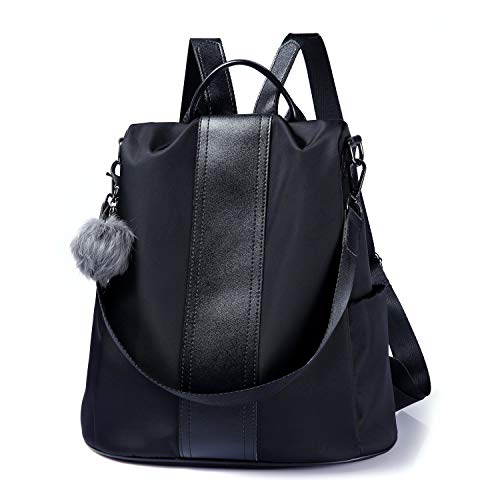
1. Keep your belongings close to you at all times.
2. 🎒 Use this top-rated anti-theft backpack, or an anti-theft purse with locking zippers and other security measures.
3. Avoid carrying large amounts of cash or flashy valuables which will make you a target.
4. Be cautious if someone bumps into you and then tries to distract you by starting up a conversation.
10. The ATM Skimming Scam

ATM skimming is a prevalent scam in Mexico where criminals install devices on ATMs to steal your card information.
These devices can be hard to detect, and victims often don’t realize they’ve been scammed until fraudulent charges appear on their accounts.
How to Avoid the ATM Skimming Scam
1. Use ATMs located inside banks or other well-lit, secure areas.
2. Inspect the ATM for any unusual devices or loose parts before inserting your card.
3. Make sure no one is looking by covering the keypad with your hand while entering your PIN number.
4. Set fare alerts and monitor your bank statements regularly for unauthorized transactions.
5 Quick Tips for Staying Safe While Traveling in Mexico

Being aware of these scams is the first step toward a safer and more enjoyable trip. Here are additional tips to keep in mind:
- 🕵️♀️ Stay vigilant: Always be aware of your surroundings and trust your instincts if something feels off.
- ✈️ Purchase travel insurance: I recommend and use SafetyWing Travel Insurance, which provides peace of mind in case of unexpected incidents. → Get your FREE quote here
- 💸 Carry small bills: This can help you avoid being overcharged, and/or not receiving correct change.
- 👩💻 Research before you go: Familiarize yourself with your destination, including safe transportation options and local customs.
- 🗣️ Learn basic Spanish: Use the free Duolingo App so you know a few key phrases to help you navigate situations more confidently.
5 FAQs About Mexico Travel Scams
2. Is it safe to use ATMs in Mexico?
Yes, but opt for official ATMs located inside banks or shopping malls for increased security.
Avoid standalone ATMs on the streets, especially in secluded or poorly lit areas. I also avoid using ATMs in convenience stores unless I absolutely have to.
3. Are ride-hailing apps like Uber safe to use in Mexico?
In most cities, Uber, Didi and similar ride-share apps are a safe and reliable option.
However, check local regulations, as ride-hailing services are not available everywhere in Mexico.
