
This is the Best Way to Get Pesos in Mexico (And It’s Not What You Think)

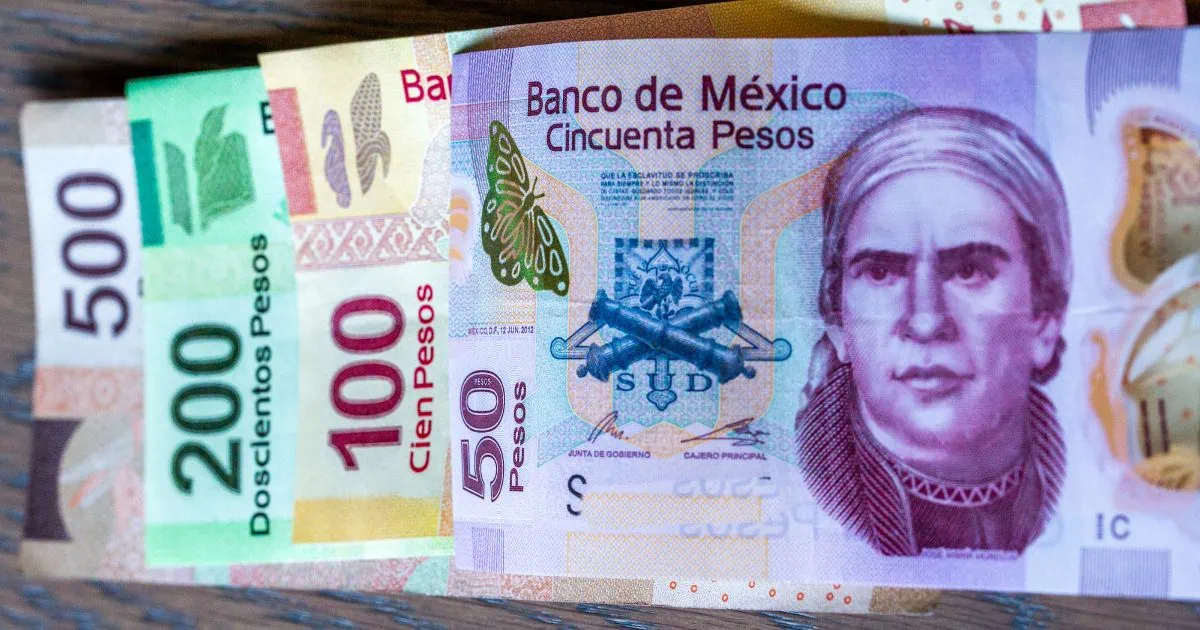
If you’re planning a trip to Mexico, one of the essential tasks is figuring out how to get your hands on some pesos, the country’s official currency.
While there are several ways to do this, using an ATM in Mexico is by far the smartest and most cost-effective choice.
How do I know ATMs are really the best way to get pesos in Mexico?
I’ve been living in Mexico since 2018, and have had to use ATMs and currency converting services over the years — and ATMs have always been cheaper.
In this article, I’ll break down exactly why withdrawing pesos from a Mexican ATM beats using a currency conversion service.
I’ll also share tips to help you navigate the process of withdrawing cash seamlessly, so you feel confident getting pesos in Mexico.
Disclosure: This article may contain affiliate links, meaning when you make a purchase, I earn a small commission. Affiliate links cost you nothing to use, and help keep my content free. It’s a win-win for us both. For more info, see the Disclosure Policy.
Why You Should Avoid Currency Conversion Services in Mexico

Currency conversion services, like the kiosks and small shops you’ll find at airports, hotels, and in touristy areas, say they offer convenience and competitive rates.
However, “competitive” is relative, and convenience comes at a cost. In this case, it’s a hefty cost that’s unnecessary for you to pay.
Think about it: These are for-profit businesses that can only stay in business if they’re actually, you know, profitable.
They make their profits because of the fees you pay them for their service — ie. converting dollars to pesos in Mexico (or converting CAD and Euros to pesos).
What’s worse? Money conversion services typically charge hidden fees and offer less favorable exchange rates compared to Mexican ATMs (cajeros) and major banks.
Here’s a breakdown of what you’re likely paying for when you use a currency conversion service:
❌ Poor Exchange Rates: Conversion services usually apply their own exchange rates, which are often worse than the going rate or mid-market rate.
❌ High Fees: They often tack on service fees, either as a flat rate charge or a percentage of the transaction.
❌ Lack of Transparency: Some services don’t clearly display their fees or exchange rates, leaving you with hidden and unexpected charges.
To get the most bang for your buck, Mexican ATMs are the way to go because even with bank and ATM fees, it’s (nearly always) cheaper than a currency conversion service.
Why Mexican ATMs are the Best Option for Getting Pesos

Using an ATM in Mexico to withdraw pesos directly from your bank account is a smarter and more budget-friendly option. Here’s why:
✅ Better Exchange Rates: ATMs typically use the interbank exchange rate, which is the best rate you can get as a consumer.
✅ Lower Fees: While there may be some ATM and bank fees, they are often lower than what you’d pay at a currency conversion service.
✅ Convenience: ATMs are widespread across Mexico, from major cities to smaller towns, making it easy to access cash when you need it.
✅ Security: Many Mexican ATMs offer insurance on the money for a nominal fee, so you can insure the money you take out for a few hours after retrieving it.
5 Pro Tips for Using ATMs in Mexico
While using an ATM in Mexico is the best way to get pesos, I wanted to tell you about the important things to keep in mind to make the process smooth and cost-effective for you.
1. Choose Official Bank ATMs Over Independent ATMs

Not all Mexican ATMs are created equal — and bank-operated ATMs generally offer better security and lower fees compared to independently-owned ATMs.
These independent ATMs are the ones found in convenience stores, bars, gas stations, and on the street in tourist areas — and they’re also the ones most prone to credit card skimmers.
The most reliable bank ATMs in Mexico include the major banks:
- BBVA Bancomer
- Santander
- Banorte
- HSBC
- Citibanamex
- ScotiaBank
While it’s best to withdraw money at their branch locations, it’s also considered safe to use their official ATMs in malls or the grocery store.
These official ATMs have only one bank’s branding and logo on them (see image above), versus independent ATMs which have several bank logos on them.
2. Decline the ATMs Currency Conversion Rate

One of the most crucial tips when using ATMs in Mexico is to always decline the ATM’s currency conversion rate. Here’s why:
✅ What is the Dynamic Currency Conversion?
The Dynamic Currency Conversion (DCC) is used with international transactions when currency conversions are necessary.
Example: A person from one country uses their credit or debit card in another country, and that charge needs to be converted back to the person’s home currency.
At ATMs where you use your debit card, unlike with credit card transactions, you do not have to use the DCC — as it typically includes a hidden markup.
I’ve seen different sources give varying amounts on how high the markup is, like this Investopedia article that says 2.6%-12%, because it varies by financial institution.
If you’re wondering why anyone would want to use the DCC if you’re losing up to 12% in the currency conversion — Let me explain:
The DCC is useful because it shows you the exact amount you’re about to withdraw in BOTH your home currency and in pesos.
While on the surface, this might seem great because you don’t have to do any currency conversion math, this convenience comes with a poor exchange rate.
Still, some people like knowing the amount they’re withdrawing at the moment they’re withdrawing it — even if they get a lower rate on the exchange.
❌ How to Decline the ATM currency conversion rate in Mexico
When prompted on the ATM screen, click the “decline” option when asked about the Dynamic Currency Conversion rate (see image above).
This ensures that your bank handles the conversion at a better rate, and you don’t pay any unnecessary fees.
3. Be Aware of ATM Fees
Most ATMs in Mexico charge a fee for withdrawing cash, and it’s usually about 30 to 80 pesos* (about $2-4 USD). *More on Mexican ATM fees below.
The ATM will tell you the exact amount before you complete the transaction, and if you don’t want to pay that fee amount, simply cancel the transaction.
Keep in mind that your home bank might also charge a foreign transaction fee — and still, this is (almost always) cheaper than the currency conversion fees.
🤑 Some Banks Reduce or Reimburse your ATM Fees

Check with your bank before your trip to Mexico, as there are various things banks do to lessen or eliminate fees.
- Charles Schwab fully reimburses foreign ATM fees for their clients.
- Some international banks have partnerships with banks in Mexico to reduce fees. For example, if you have Bank of America, you pay less fees at ScotiaBank ATMs because of the partnership between these two banks.
🏧 Which Mexican ATMs have the lowest fees?

This is a hard question because fees can vary depending on where you are in Mexico, but here’s some info to help you decide which ATM to use in Mexico.
ATMs at local and regional Mexican banks, like Inbursa and BanBajio, tend to have the lowest fees (less than 30 MXN pesos at each, or about $2 USD).
However, your home bank might charge you more to use these ATMs compared to the large international banks.
Of those large banks, Banamex, Banorte and Santander generally have lower fees compared to other banks, at (approx.) 30 pesos per withdrawal ($3 USD).
Citibanamex and ScotiaBank are competitive, but fees can vary depending on your card issuer and the withdrawal amount.
👎 Which Mexican ATMs have the highest fees?
BBVA Bancomer is known to have the most expensive ATM fees in Mexico, charging upwards of 200 pesos (about $10 USD) for foreign transactions.
With most of the other banks charging about 30-40 pesos ($2-3 USD), you can see why you’d want to avoid using BBVA Bancomer ATMs in Mexico.
HSBC is known to have the second-highest fees at about 80 pesos ($4 USD) per transaction.
4. Notify Your Home Bank Before Traveling
To avoid having your card declined for suspicious activity, inform your bank about your travel dates and destination.
Many banks offer an online option to set up travel notifications too, in case you don’t want to call.
I do recommend calling though because you’ll want to inquire about your daily ATM withdrawal limit in a foreign country.
Banks usually keep this limit low as an anti-fraud measure, but they will increase it if you ask them to.
5. Withdraw Larger Amounts Less Frequently

Since you’ll pay a flat ATM fee per transaction, withdraw a large amount once (or aim for only a few transactions in larger amounts) to minimize the number of times you have to use the ATM in Mexico.
Just make sure to keep your reserve cash secure in your Airbnb or hotel safe, and only carry as much cash as you’ll need each day.
Unless you’re making a large cash purchase, $3,000 MXN pesos (about $150 USD) per person, per day, should suffice — and remember, you can use credit cards too.
Get a No Foreign Transaction Fee Credit Card

Cash is still king in Mexico (especially when it comes to tipping in Mexico), but you can also use credit cards in many places — and I personally use my card more often than cash.
For this reason, another smart financial move for your trip to Mexico is to get a no foreign transaction fee credit card (or to use the one you have).
If you have a travel credit card (the ones that give you travel points), you likely already have a no foreign transaction fee card, so check with your card companies before you travel.
These no foreign transaction fee cards will allow you to make purchases without incurring extra charges for the currency conversion.
What are credit card foreign transaction fees?
Most traditional credit cards charge a fee of about 3% on international purchases, which can add up quickly during your trip.
By using a card without foreign transaction fees, you’ll save money and simplify your travel expenses.
Some popular options include the Chase Sapphire Preferred, Capital One Venture, and Bank of America Travel Rewards cards.
Be sure to apply for one well before your trip so it arrives in time — though if you don’t need another credit card, don’t feel pressure to get one.
If you don’t want or need another card, ask the ones you already have what their foreign transaction fees are, and use the card with the lowest fees.
What to Do If You Encounter ATM Issues in Mexico

Sometimes, ATMs in Mexico may be out of cash or have technical issues. Here are some quick tips to handle these situations:
✅ Try a Different ATM: There’s no shortage of ATMs in Mexico’s big cities and tourist zones, so if one ATM isn’t working, there’s usually another one nearby.
✅ Avoid Peak ATM Days: ATMs are more likely to run out of cash on weekends and during holiday periods like Semana Santa and Christmas.
✅ Avoid Quincenas: Mexican paydays (quincenas) are usually the 15th and 30th of the month, so avoid ATMs on these days because they usually have long lines and can run out of money.
✅ Have a Backup Plan: Keep a small amount of USD or another currency as a backup in case of emergencies.
While most businesses will not accept USD, you can always use the currency conversion service if you absolutely have to.
My Final Thoughts on How to Get Pesos in Mexico
When it comes to getting pesos in Mexico, using an ATM is hands down the best option, and the cheapest.
You’ll save money, get a better exchange rate, and enjoy greater convenience with ATMs vs currency conversation services.
Of course, you must remember to decline the ATM’s currency conversion rate.
But don’t just take my word for it — Check out this factsheet from the European Consumer Organization, BEUC, which calls it “the great currency conversion scam.”
By taking this step, sticking to bank-operated ATM machines, and following the other tips in this article, you can focus on enjoying your trip to Mexico without worrying about losing money to unnecessary fees and poor exchange rates.
