
20 Foods You’ve Likely Never Tasted or Heard Of Unless You’re From the Midwest


I grew up eating things I assumed everyone ate. Goetta for breakfast. Puppy chow at sleepovers. Chili on cinnamon rolls at school.
It was not until I left the Midwest that I realized how confused people get when you mention any of this. They look at you like you just described a fever dream.
Here are 20 foods that are completely normal in the heartland and completely unknown everywhere else.
If you grew up in Indiana, Ohio, Minnesota, Wisconsin, Iowa, Nebraska, or anywhere in between, this list will feel like a family reunion.
If you did not, welcome to our world. It is weirder than you think.
1. Goetta
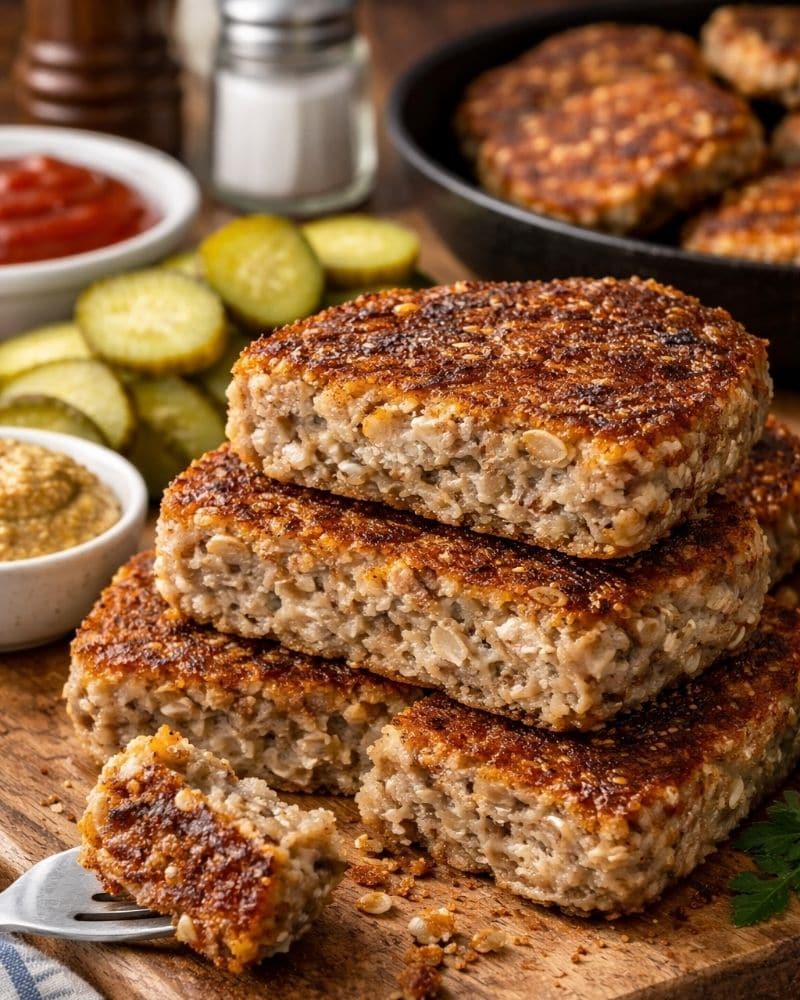
If you are not from the Cincinnati area, you have almost certainly never heard this word, let alone eaten this food.
Goetta (pronounced “get-uh”) is a breakfast meat made from ground pork, beef, steel-cut oats, onions, and spices like bay leaves, rosemary, and thyme.
The mixture gets packed into a loaf, sliced thin, and pan-fried until the outside is crispy and the inside stays soft and savory.
It was brought to the Cincinnati area by German immigrants from the northwestern regions of Hannover and Westphalia in the 19th century.
The name comes from the Low German word “Götte,” meaning groats or coarse grains.
It was originally a way for families to stretch a small amount of meat into enough food for everyone at the table.
Glier’s Goetta, the largest commercial producer, makes more than a million pounds of it every year.
Roughly 99% of that gets consumed in the greater Cincinnati area. The rest of the country has no idea it exists.
Cincinnati holds an annual Goettafest on the Ohio River waterfront that draws hundreds of thousands of people each year.
In 2014, Merriam-Webster added the word “goetta” to the dictionary.
If you think it sounds like scrapple, you are not wrong. Same concept, different grain. Scrapple uses cornmeal. Goetta uses oats.
Cincinnatians will fight you if you call them the same thing.
2. Cannibal Sandwich
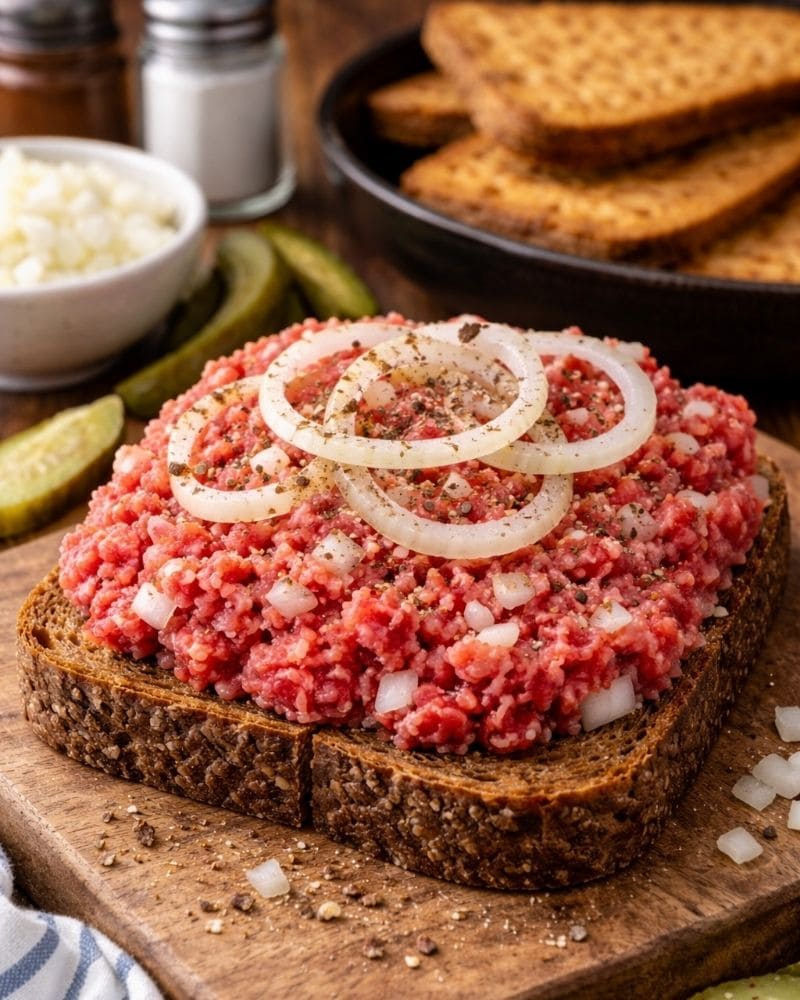
The name alone makes people outside Wisconsin recoil. It is not what you think. Well, it is a little bit what you think.
A cannibal sandwich is raw ground beef spread on rye bread and topped with sliced raw onion. That is the entire recipe. No cooking involved.
It sounds alarming if you did not grow up with it.
In Wisconsin, particularly around the holidays, it is as normal as cheese and crackers at a party.
Families bring platters of these to Christmas gatherings, and they disappear fast.
The key is freshness. You go to a trusted butcher, get freshly ground steak that same day, and eat it immediately.
Think of it as the Midwest’s version of steak tartare, except nobody is pretending it is fancy.
The Wisconsin Department of Health Services has issued warnings about the practice over the years.
Wisconsinites acknowledge the warnings. Then they make another platter.
3. Puppy Chow
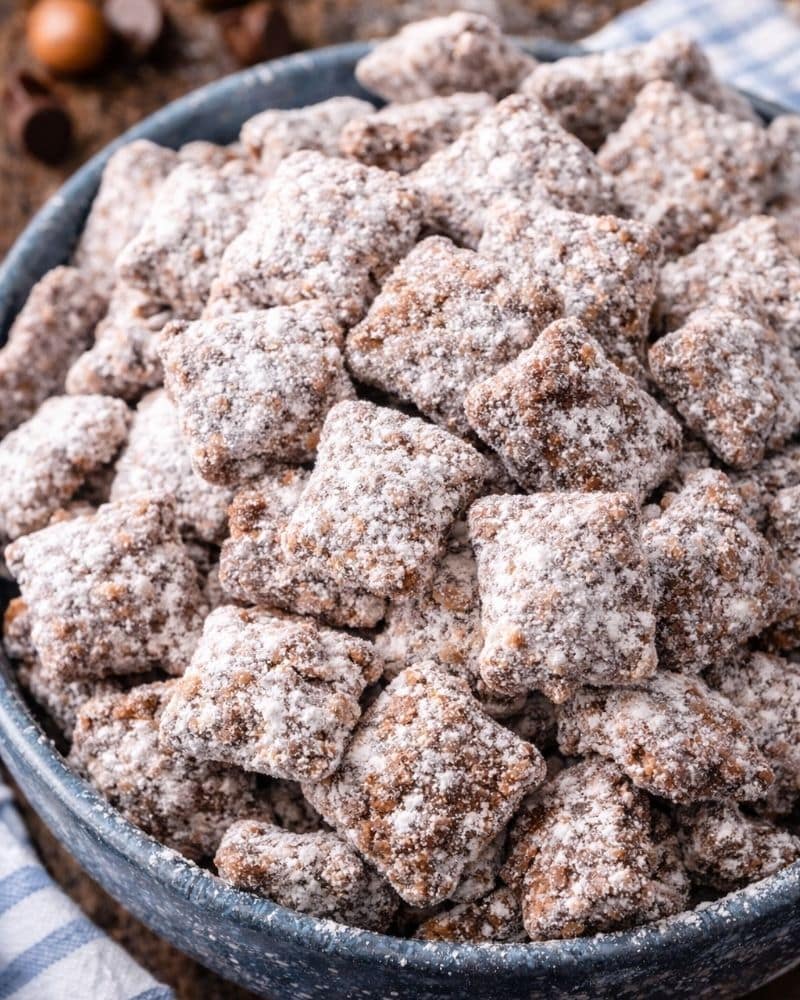
Tell someone from either coast that you are making puppy chow and they will assume you own a dog.
In the Midwest, this is a dessert snack that shows up at every sleepover, every bake sale, every school function, every holiday party, and most Saturdays.
It is Chex cereal coated in melted peanut butter and chocolate, then tossed in an obscene amount of powdered sugar.
It tastes like a peanut butter cup exploded onto a cereal box. Nobody knows exactly where it started.
What everyone agrees on is that it is impossible to stop eating once you start, and it should be made in the largest bowl you own.
Some people outside the region call it “muddy buddies” after the branded version sold by Chex.
In the Midwest, calling it muddy buddies will get you corrected firmly and immediately.
4. Horseshoe Sandwich
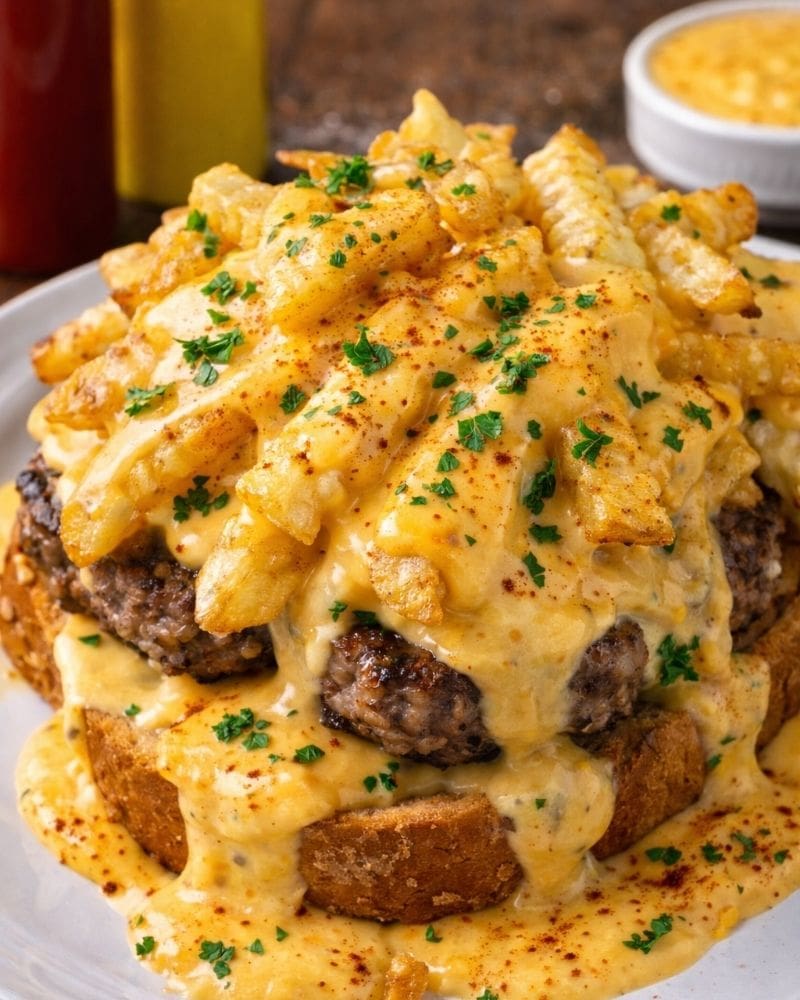
This one comes from Springfield, Illinois, and it is probably the most excessive open-faced sandwich in America. That is saying something.
The horseshoe starts with two thick slices of Texas toast, gets topped with a hamburger patty (or ham, or whatever protein you want), then piled with french fries, and finally drowned in a warm cheese sauce.
It traces back to the Leland Hotel in Springfield in the 1920s.
The name supposedly comes from the shape of the original ham cut, the fries representing nails, and the hot plate standing in for the anvil.
A half portion is called a pony shoe. Ordering the full horseshoe is a commitment. Finishing one is a lifestyle.
Outside of central Illinois, almost nobody has heard of this thing.
Inside central Illinois, every diner and bar has their own version, and people have very strong opinions about whose cheese sauce is the best.
5. Chislic
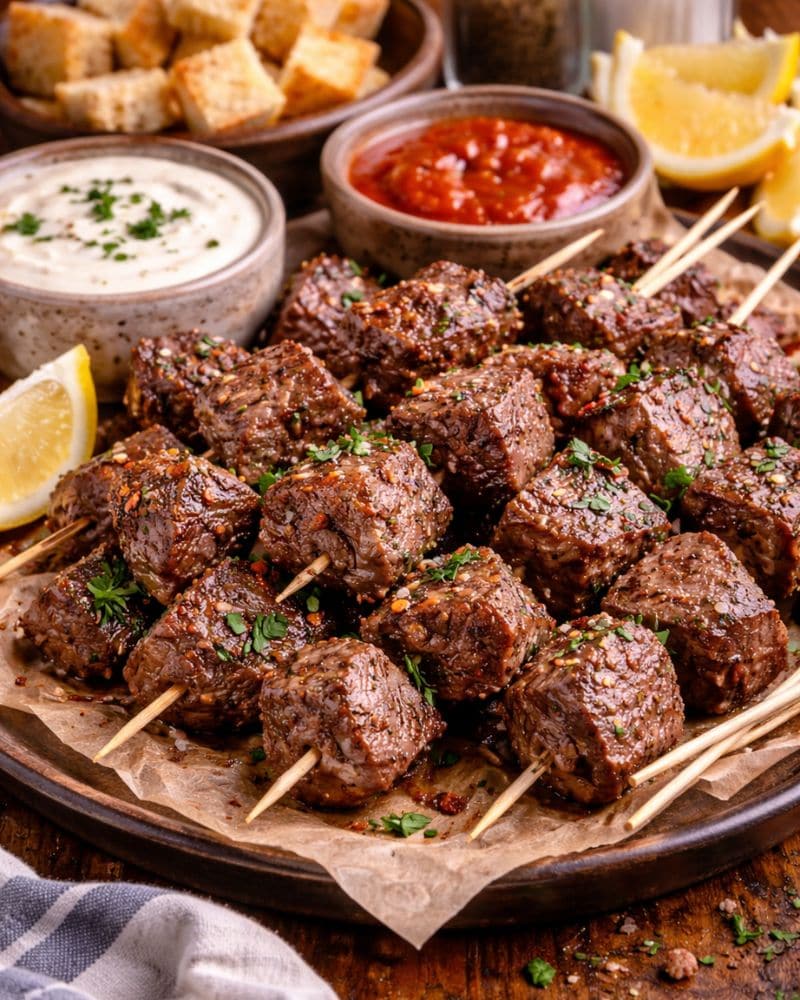
South Dakota’s unofficial state dish, and probably the most unknown food on this list.
Chislic (pronounced chiz-lick or chis-lick) is cubed meat, usually beef or lamb, that’s deep-fried or grilled and seasoned with garlic salt.
It is served with toothpicks and a dipping sauce, usually ranch dressing or a simple cocktail sauce.
It has been a South Dakota specialty since at least the 1880s. It is bar food in Sioux Falls the same way wings are bar food in Buffalo.
The name likely comes from the Turkish word “shashlik,” meaning “skewered meat.”
In 2018, South Dakota’s state legislature officially designated chislic as the state’s “official nosh.”
The rest of America still has not caught on, which South Dakotans seem to be fine with.
6. Booyah
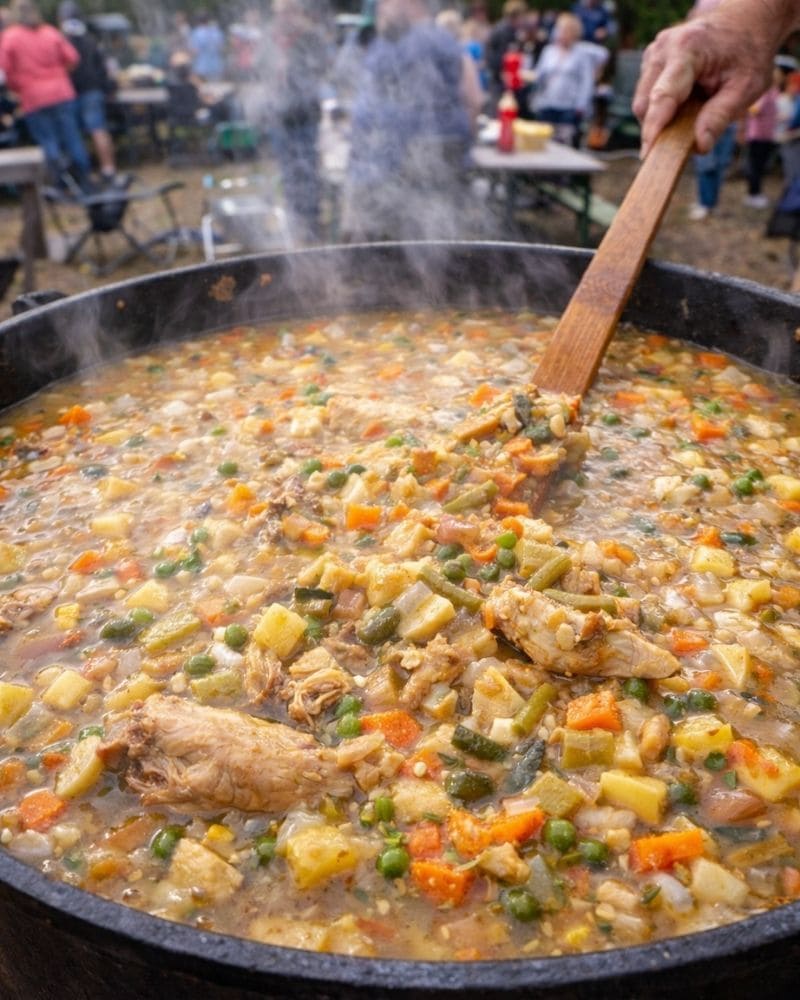
In parts of northern Wisconsin, Minnesota, and Michigan’s Upper Peninsula, there’s a thick stew called booyah that’s made in enormous kettles for community gatherings.
The word is probably Belgian in origin.
The recipe changes with every cook, but it typically involves chicken, beef, vegetables, tomatoes, and whatever else needs to be used up.
It simmers for hours, sometimes a full day, and feeds a crowd.
The events where booyah is cooked and served are also called booyahs. So you go to a booyah to eat booyah. Midwesterners do not find this confusing.
Church groups, fire departments, and civic organizations hold booyah events throughout the fall.
Some of these gatherings have been running annually for decades. Recipes are guarded closely and passed down through families.
7. Runza
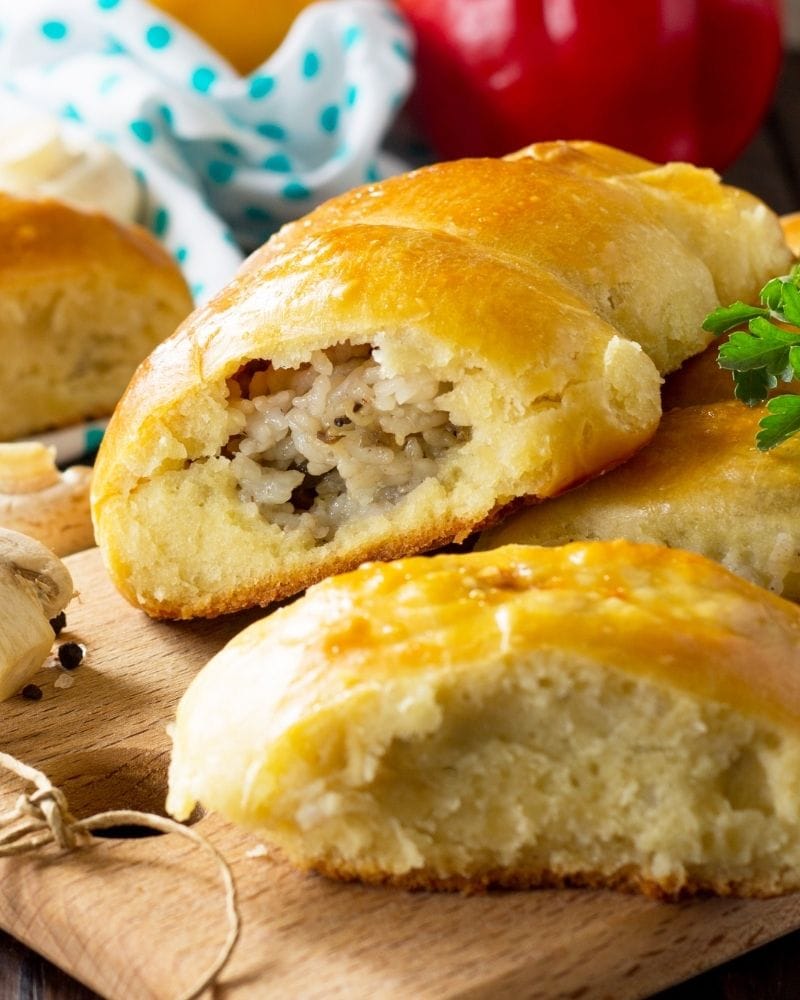
If you are from Nebraska, you grew up on these. If you are not from Nebraska, you probably have no idea what a runza is.
A runza is a bread pocket filled with ground beef, cabbage, onions, and simple seasonings.
Think of a hot pocket with better ingredients and Eastern European roots.
Outside of Nebraska, the same basic concept goes by other names. In Kansas, it is sometimes called a bierock, but they’re the essentially same Midwestern food.
The concept traces back to German-Russian immigrants who brought it to the Great Plains in the late 1800s.
Nebraska has an entire fast-food chain named Runza with more than 80 locations across the state and a few neighboring markets.
Nebraskans who move away from the state list the Runza as one of the things they miss most. This is not an exaggeration.
8. St. Paul Sandwich
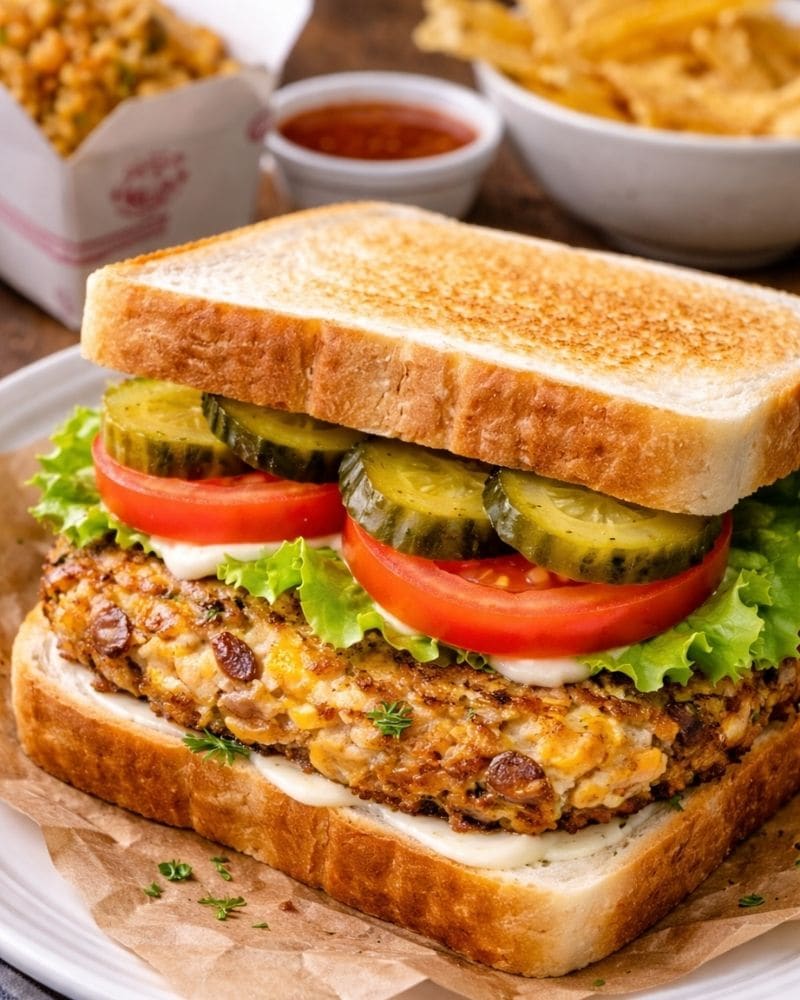
This one is not from St. Paul; it’s is from St. Louis, Missouri.
Nobody knows why it is called the St. Paul sandwich, and at this point, people have stopped asking, but it is a local favorite.
A St. Paul sandwich is an egg foo yung patty on white bread with lettuce, tomato, pickles, and mayonnaise.
You find it at Chinese takeout restaurants all over St. Louis.
It is a product of the Chinese immigrant community that came to St. Louis to work on the railroads in the late 1800s.
Over time, their cuisine blended with local American tastes, and the St. Paul sandwich is what happened.
If you walk into a Chinese restaurant in any other American city and ask for a St. Paul sandwich, the person behind the counter will have no idea what you are talking about.
In St. Louis, it is on every Chinese takeout menu in town.
9. Provel Cheese
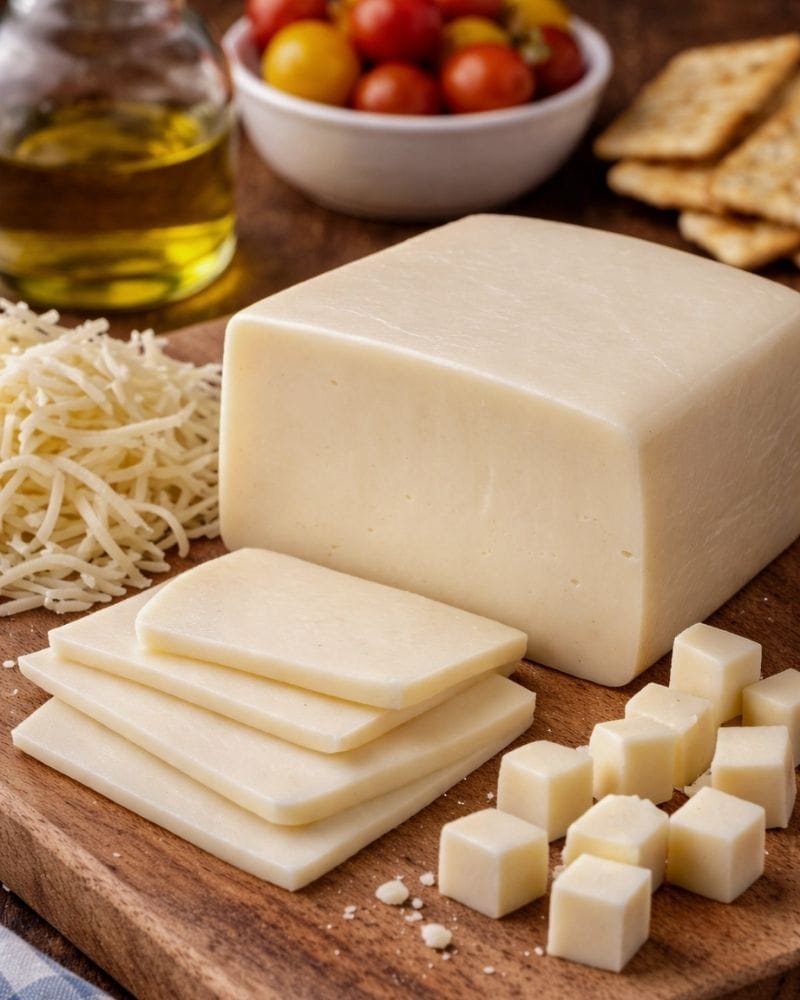
This is not a food so much as an ingredient, but it deserves its own entry because it does not exist outside of one city.
Provel is a processed cheese that blends provolone, cheddar, and Swiss.
It was created specifically for the St. Louis market, and it is the defining ingredient of St. Louis-style pizza.
St. Louis-style pizza has a cracker-thin crust, is cut into squares instead of triangles, and uses Provel instead of mozzarella.
People who did not grow up with it tend to find it confusing. People who did get deeply emotional when they cannot find Provel in other states.
You will also find Provel on the Gerber sandwich (open-faced ham and cheese on garlic bread) and various other St. Louis specialties.
It melts into a gooey, buttery texture that is unlike any other cheese. You either love it or you think St. Louis has lost its mind. There is no middle ground.
10. Tater Tot Hotdish
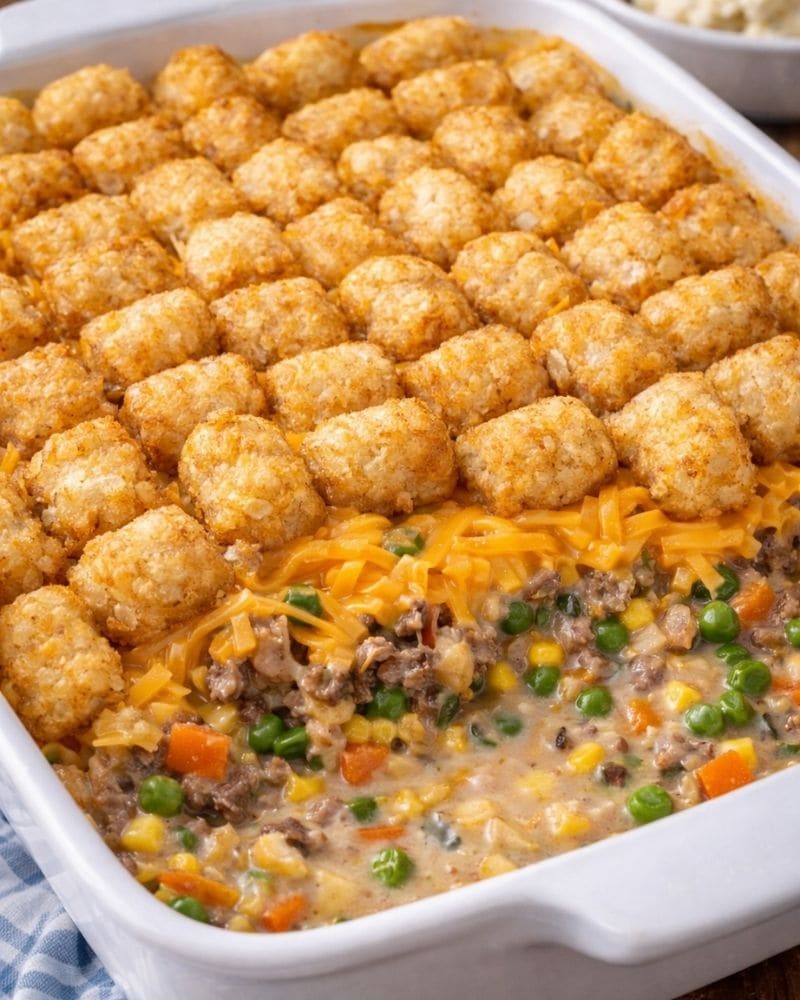
In Minnesota, calling this a casserole is an insult. It is a hotdish.
There is a difference, and Minnesotans will explain the difference to you whether you asked or not.
Tater tot hotdish is ground beef mixed with frozen vegetables in a creamy sauce (usually cream of mushroom soup), topped with a layer of shredded cheese, and finished with a blanket of tater tots.
The whole thing goes into the oven until the tots are golden and the inside is bubbling.
It is the signature Midwestern foods dish of church potlucks, family dinners, and funeral receptions across the upper Midwest.
Every family has their own version. Some add corn. Some add green beans. Some add both. The tater tot layer is not negotiable.
Former Senator Al Franken once held a hotdish cook-off in the U.S. Senate. That is the level of seriousness Minnesotans bring to this dish.
11. Chili and Cinnamon Rolls
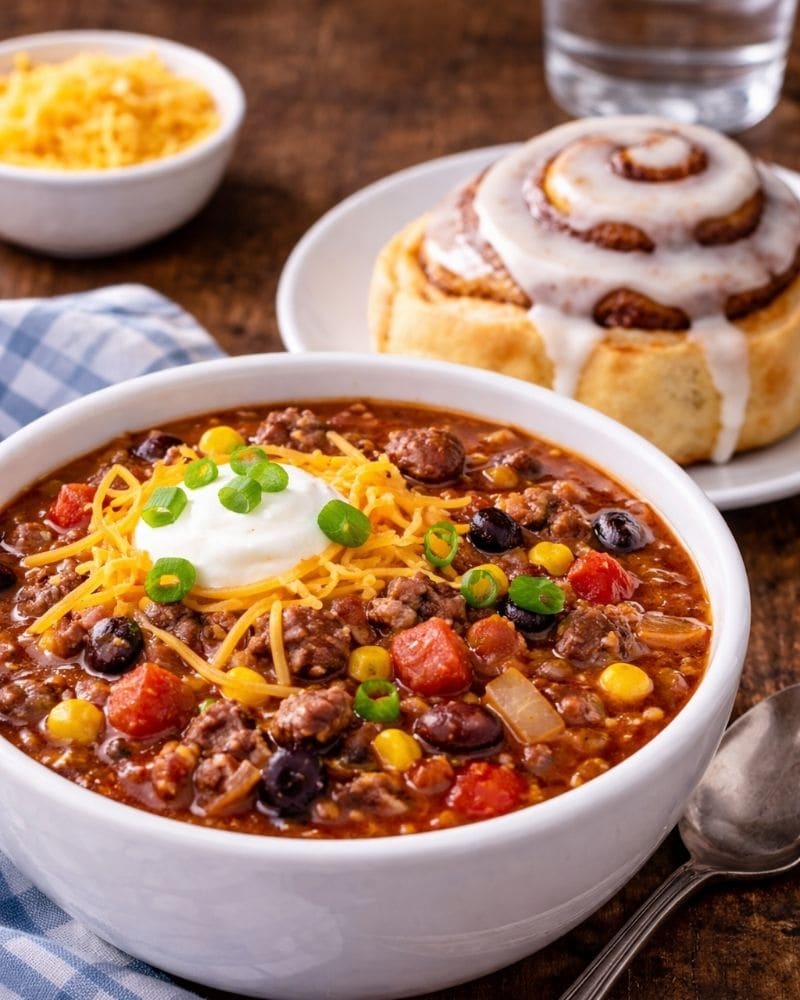
This is the one that breaks people’s brains the hardest: In Iowa and the eastern Plains states, chili is served with a cinnamon roll on the side.
Not cornbread. Not crackers. A cinnamon roll. Yes, the sweet, frosted kind.
The combination started appearing on school lunch menus as far back as the 1960s after the USDA established the National School Lunch Program.
Kids loved the pairing so much that it stuck, and generations of Midwesterners grew up eating chili and cinnamon rolls at school, then continued making the combination at home.
The flavor logic actually tracks if you think about it. Cinnamon is already a common spice in chili recipes, particularly in Cincinnati-style chili.
The sweetness of the roll balances the heat and acidity of the chili. It works the same way that honey and cornbread work together.
People who did not grow up with it will never accept this explanation.
12. City Chicken
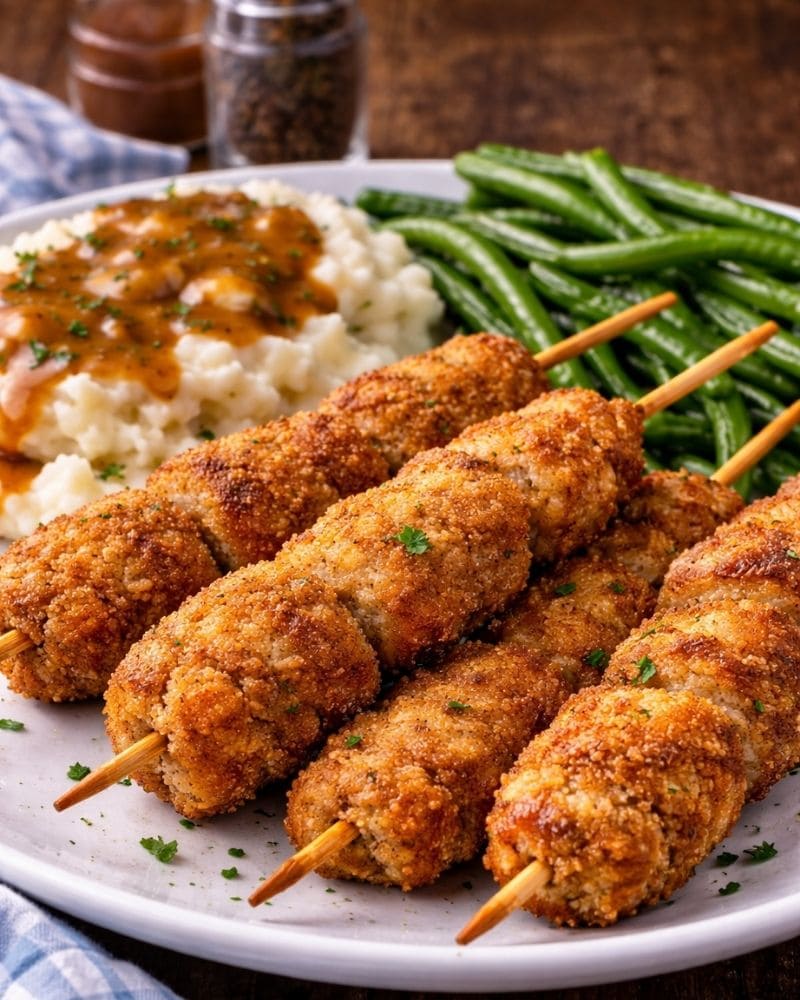
City chicken contains no chicken. This is the first thing you need to know.
City chicken is cubes of pork (or sometimes veal) threaded onto wooden skewers, breaded, and then fried or baked.
The result looks vaguely like a drumstick, which is where the name comes from.
It originated in the early 1900s in meat-packing cities like Cincinnati, Cleveland, and Pittsburgh, where pork was significantly cheaper than chicken.
Working-class families who wanted something that felt like a Sunday chicken dinner made do with what they could afford.
The dish has mostly faded from restaurant menus, but it is still a regular feature in many Midwestern home kitchens.
Families pass down their breading recipes the way other families pass down jewelry.
13. Snickers Salad
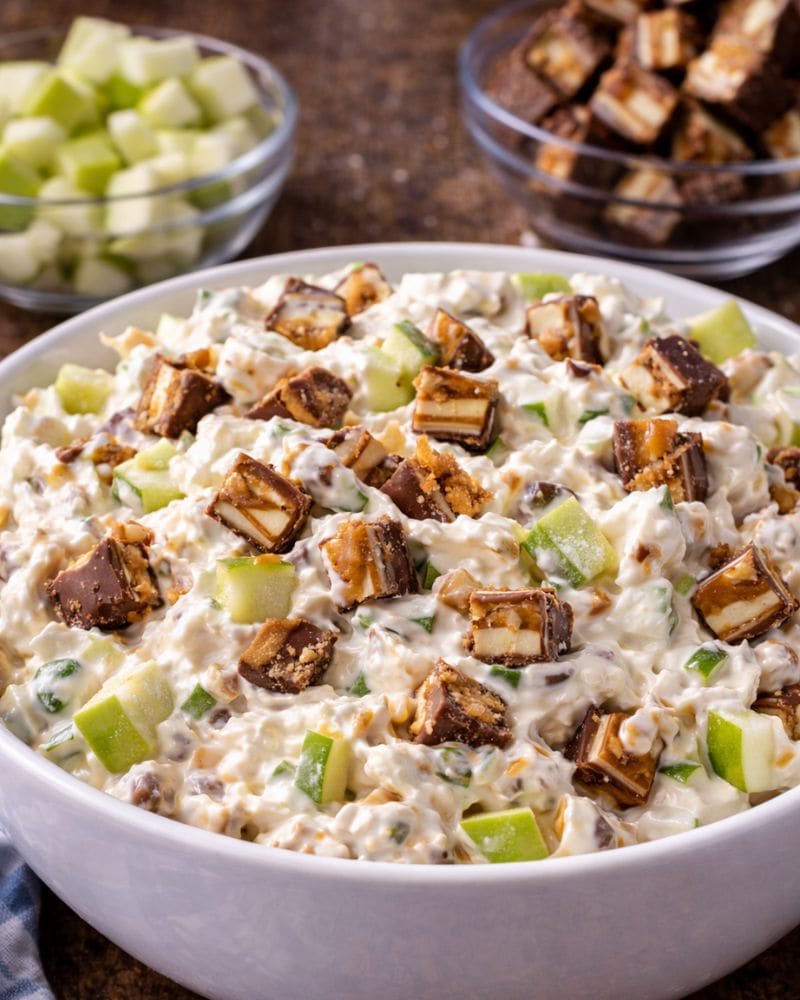
The word “salad” is doing a lot of heavy lifting here because this is definitly not the salad that comes to your mind when you think “salad.”
Snickers salad is chopped Snickers bars mixed with Cool Whip, chunks of Granny Smith apple, and sometimes vanilla pudding.
It is served as a side dish at potlucks, barbecues, and holiday dinners across the upper Midwest.
It is particularly popular in North Dakota and Minnesota, where it shows up on the same table as the green bean casserole and the dinner rolls, and nobody bats an eye.
The Midwest has a long tradition of calling things “salad” that are absolutely not salad — like you ambrosia salad, cookie salad, and watergate salad.
The rest of the country calls these desserts. The Midwest calls them salads and puts them next to the mashed potatoes. This is not up for debate.
14. Toasted Ravioli
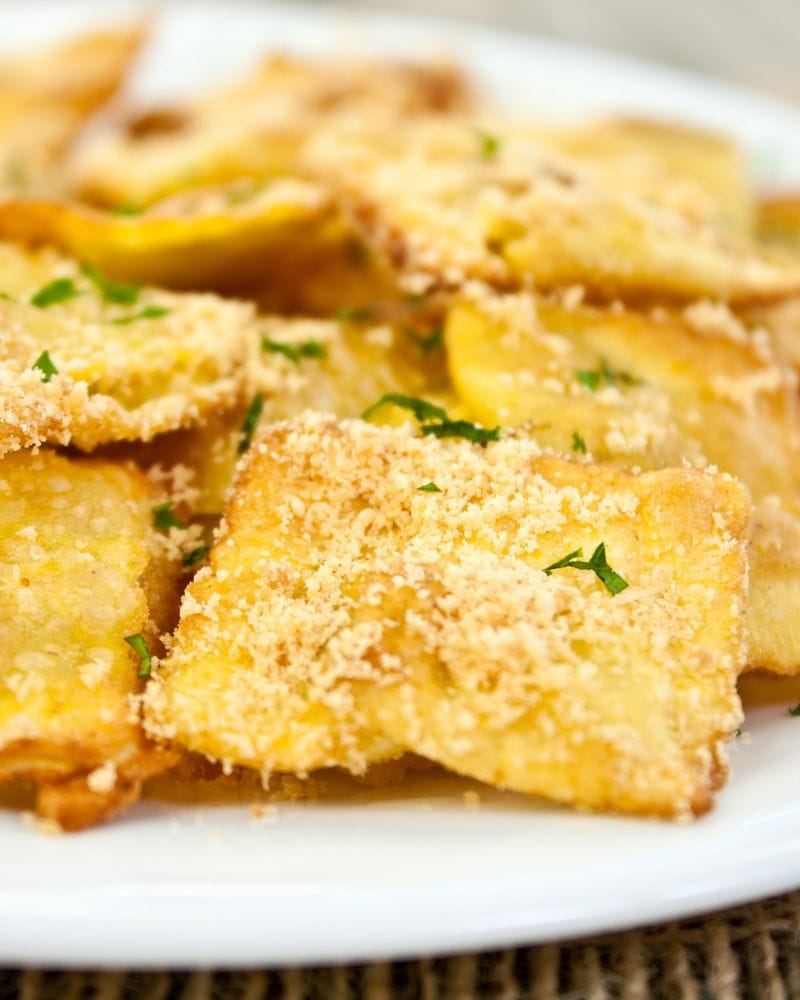
Despite the name, these are not toasted. They are deep-fried.
Toasted ravioli is a St. Louis specialty made by breading ravioli (usually filled with meat) and frying them until golden and crispy.
They are served with marinara sauce for dipping.
The origin story has a few versions, but the most popular one credits a cook at a restaurant on The Hill, St. Louis’s Italian-American neighborhood, who accidentally dropped fresh ravioli into a fryer sometime in the 1940s.
The result was apparently good enough to put on the menu permanently.
Today you can find toasted ravioli in virtually every restaurant and bar in the St. Louis metro area.
It is on appetizer menus, bar menus, and frozen food aisles across Missouri.
Frozen versions have made their way to some national grocery chains, but most people outside the Midwest still have no idea what you mean when you say “T-ravs.”
15. Dutch Letters
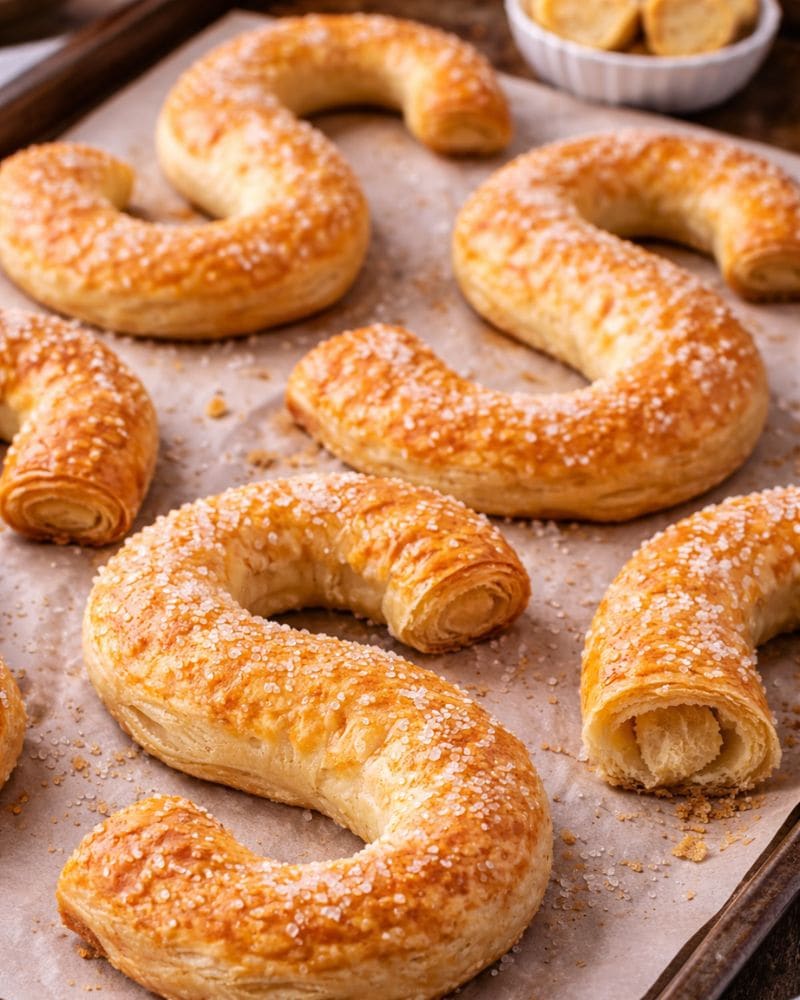
In the town of Pella, Iowa, there is a pastry shaped like the letter S that shows up at every bakery, every holiday table, and most weekend mornings.
Dutch letters are flaky, buttery pastries filled with sweet almond paste. They look simple. They taste like something that should be famous worldwide.
Pella was settled by Dutch immigrants in the 1840s, and Dutch letters trace directly back to that community’s baking traditions.
The town still holds an annual Tulip Time festival every May, where Dutch letters are consumed by the thousands.
Outside of Iowa and a handful of Dutch-American communities in Michigan and Wisconsin, almost nobody knows these exist.
This is a genuine tragedy.
If Dutch letters had been invented in New York or San Francisco, they would be a global phenomenon by now.
Instead, they remain a regional secret, baked in small-town Iowa kitchens and sold at bakeries where the owners know your name.
16. Gooey Butter Cake
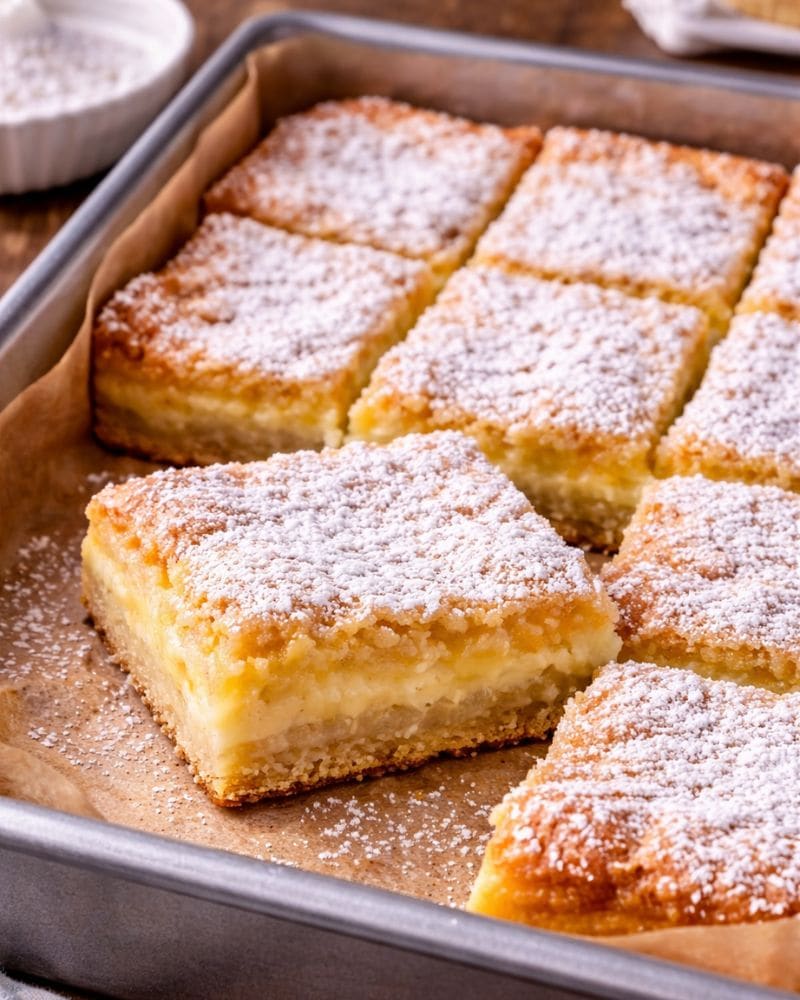
St. Louis gets a lot of entries on this list, and this is maybe the most important one.
Gooey butter cake is a flat, dense, impossibly rich coffee cake with a sweet yeast dough base and a thick, buttery, almost pudding-like topping dusted with powdered sugar.
It looks like a mistake, and that’s because it was one.
The story goes that in the 1930s, a German-American baker in south St. Louis accidentally reversed the proportions of butter and flour in his coffee cake batter.
Instead of throwing it away, he sold the gooey result by the square. Customers loved it.
Multiple St. Louis baking families, including the Koppe and Danzer families, claim credit for the invention. Nobody has ever proven it definitively.
What is proven is that the cake became an institution.
For decades, south St. Louis was packed with German-style corner bakeries that sold gooey butter cake by the tray. Families picked one up after church on Sundays.
The cake came in a white box tied with string, and every household had a favorite bakery.
The modern version that has spread beyond St. Louis uses cream cheese and boxed yellow cake mix.
Locals will tell you that version is a nice try, but it is not the same thing. The original uses corn syrup, powdered eggs, and no cream cheese whatsoever.
Schnucks and Dierbergs, the local grocery chains in St. Louis, still sell the real version.
Panera Bread — which St. Louisans still call the St. Louis Bread Company because that is what it was before it went national — makes a Danish with gooey butter filling exclusively for St. Louis locations.
That tells you everything about how local this food remains.
17. Kolaches
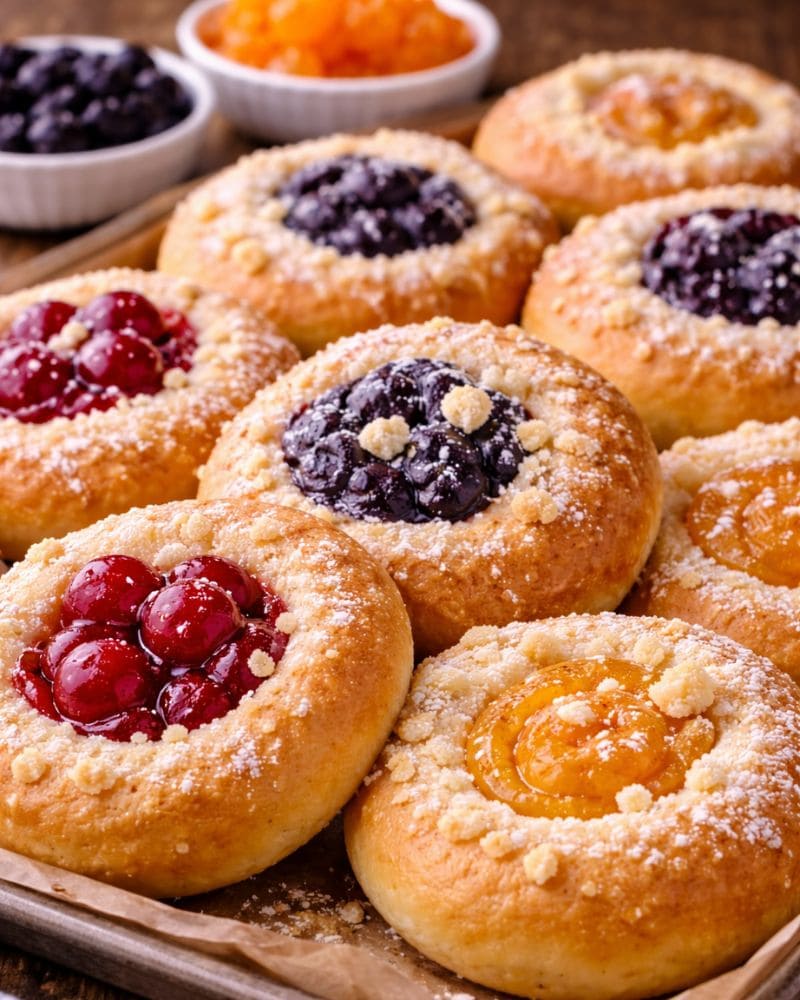
If you’re from Texas, you’re probably annoyed that I listed kolaches on a Midwest list — but if you’re from from Iowa or Nebraska, you’re probably annoyed that Texas thinks it owns kolaches. So let’s get into it!
Kolaches are Czech pastries made from a soft, slightly sweet yeast dough with a well in the center that holds a filling.
The traditional versions use fruit preserves like apricot, prune, poppy seed, or cream cheese.
The name comes from the Old Czech word “kola,” meaning wheel or circle, which describes the shape.
Czech immigrants brought kolaches to both the Midwest and Texas in the mid- to late-1800s.
In Iowa, Minnesota, and Nebraska, kolaches stayed close to their roots.
They are fruit-filled, round, and show up at church suppers, holiday gatherings, and small-town bakeries.
Recipes get passed down through families, and every Czech grandmother’s version is slightly different.
In Texas, kolaches took a sharp left turn.
Czech settlers in Central Texas started filling the dough with sausage, cheese, and jalapenos to make a savory version.
What Texans call a “kolache” is technically a “klobasnek,” which is a completely different pastry that just uses kolache dough.
In the Midwest, the fruit kolache remains the real deal (and the Texan version borders on blasphemy to a Midwesterner).
You’ll find them at Czech festivals in towns like Wilber, Nebraska — the self-proclaimed Czech Capital of the USA — at church bazaars across Iowa, and at small bakeries that have been making them the same way for a hundred years.
18. Cincinnati Chili (Skyline Chili)
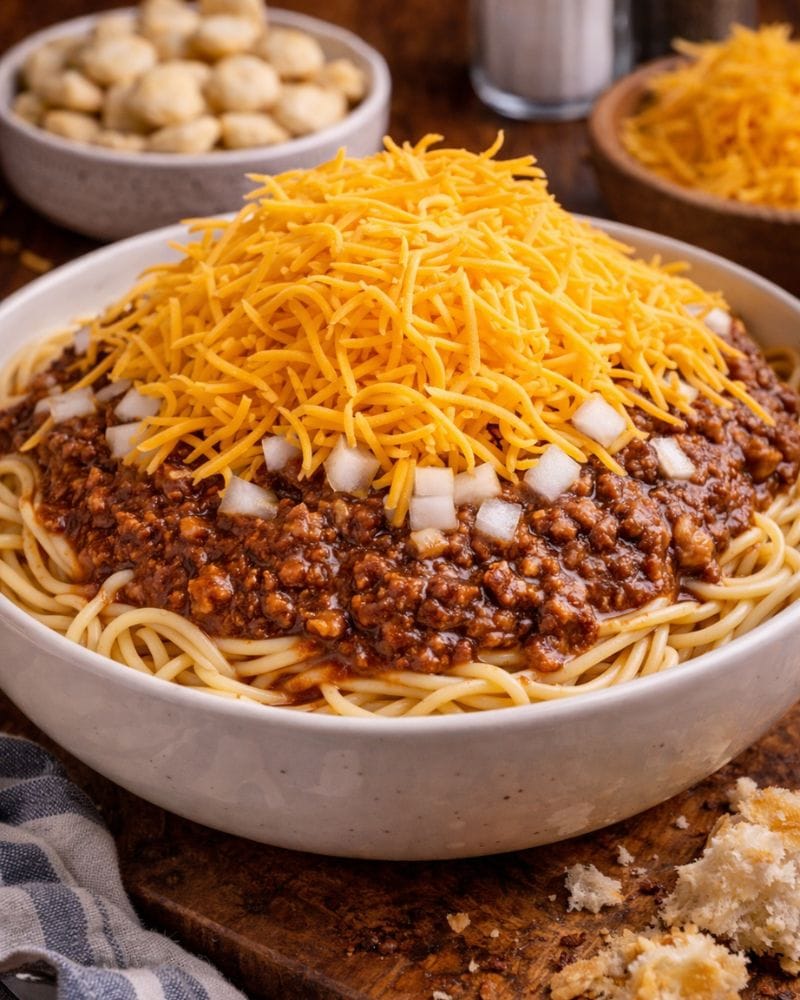
If you put a bowl of Cincinnati chili (aka skyline chili) in front of someone from Texas, they might call the authorities.
Cincinnati chili is not what the rest of the country considers chili.
It is a thin, almost sauce-like meat stew seasoned with cinnamon, cloves, allspice, and cocoa.
It is served over spaghetti noodles and topped with an avalanche of finely shredded cheddar cheese.
The ordering system has its own language — and if you are not from Cincinnati, this terminology will cause confusion in mixed company.
- A “three-way” is spaghetti, chili, and cheese.
- A “four-way” adds onions or beans.
- A “five-way” has both.
The dish was invented by Tom and John Kiradjieff, Greek immigrants from Macedonia who opened a restaurant called Empress in 1922.
They were vaguely familiar with American chili but not sure how to serve it, so they improvised using flavors from their home country.
The result tastes more like a Greek pastitsio than anything from a Texas cook-off.
Skyline Chili is the chain that made it famous beyond the city limits, though Gold Star Chili loyalists will argue that point until they are out of breath.
There are more than 130 Skyline locations, almost all of them in Ohio, Kentucky, and Indiana, and people from Cincinnati are fiercely protective of this food.
19. Watergate Salad
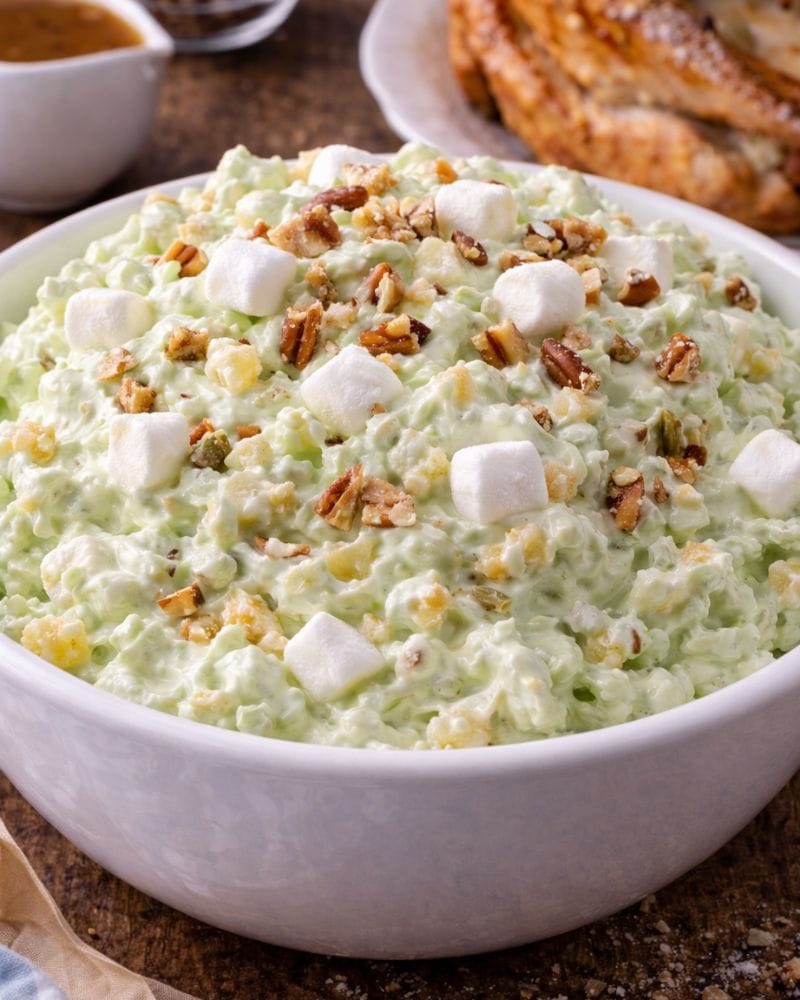
The Midwest has an entire category of food that the rest of the country cannot wrap its head around: the dessert salad.
Ambrosia is the original Midwestern dessert salad (and one of the weirdest Midwestern foods to outsiders).
A mix of canned mandarin oranges, pineapple chunks, coconut flakes, mini marshmallows, and whipped topping, it shows up at every gathering
Watergate salad takes the Ambrosia salad a few steps further.
It combines pistachio pudding mix, canned crushed pineapple, Cool Whip, mini marshmallows, and chopped pecans.
The result is a pale green, fluffy, unnervingly sweet concoction that somehow gets placed on the dinner table next to the turkey and the gravy.
Nobody is entirely sure why it is called Watergate salad.
The most common explanation is that Kraft released the recipe around the time of the Watergate scandal in the early 1970s, and the name stuck for no clear reason.
20. Butter Burger
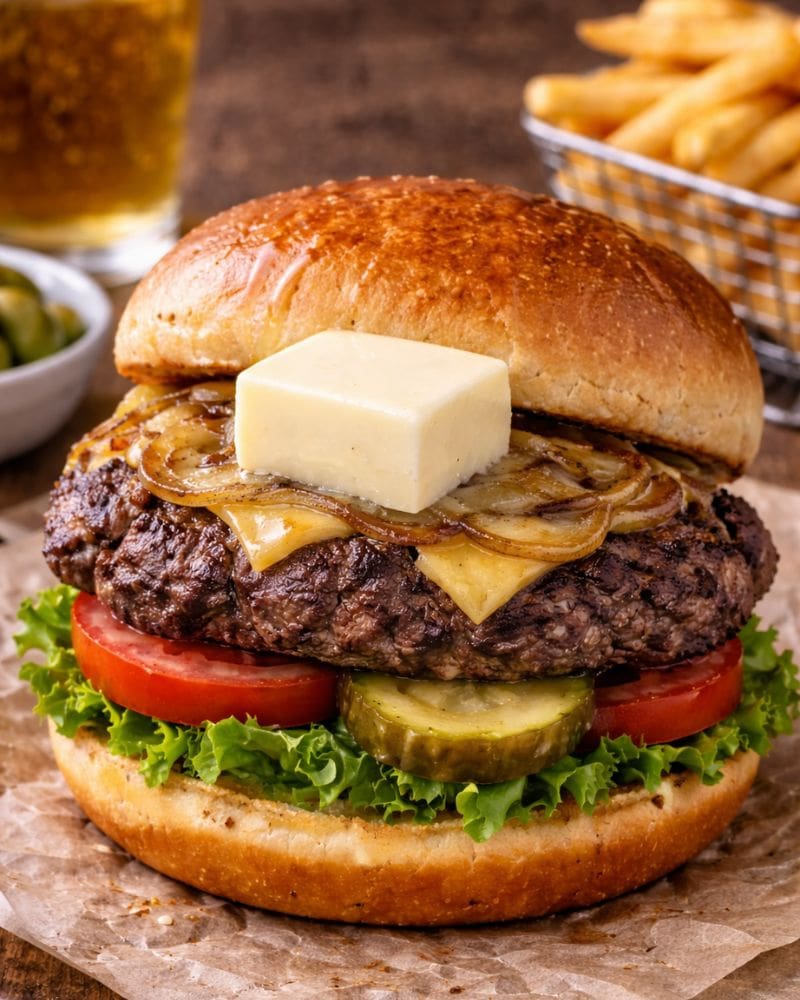
Wisconsin takes a regular hamburger and puts a generous pat of cold butter on top of the patty right before it comes off the grill.
The butter melts down over the beef, soaks into the bun, and creates something that is simultaneously the simplest and most indulgent burger you will ever eat.
Culver’s, the Wisconsin-based chain with more than 900 locations across 26 states, built its entire reputation on this idea.
Their ButterBurger uses buttered and toasted buns rather than a butter pat on the meat, but the spirit is the same.
Solly’s Grille in Milwaukee, which has been open since 1936, is often credited as the original butter burger destination.
Their version uses so much butter that the burger arrives essentially swimming in it.
The concept sounds like it should not work. Adding fat to a food that is already mostly fat seems like overkill.
Then you eat one and realize that every plain hamburger you have had before was missing something you did not know it needed.
People outside Wisconsin hear “butter burger” and assume it is a gimmick. People inside Wisconsin hear “butter burger” and assume you are describing lunch.
My Final Thoughts on These Beloved Midwestern Foods
While I did my best to highlight some of the most unique Midwestern dishes, there are dozens more where these came from.
Beer cheese soup, the Iowa tenderloin, the Iowa Maid-Rite, frozen custard, Cornish pasties from the Upper Peninsula, caramel puff corn…
The Midwest does not get enough credit for what it contributes to American food.
Most of these dishes were born from immigrant communities making the best of what they had, and they have survived for over a century because they are genuinely good.
If you have eaten any of these, you already know. If you have not, you have some traveling to do.