
The American Dream Is Dead in These 10 “Great” U.S. Cities — And Nobody Wants to Admit It


For decades, Americans accepted a simple trade-off: living in a major U.S. city cost more, but it came with better jobs, higher pay, and long-term opportunity.
You paid extra, but eventually, it made sense. For a growing number of people, that equation no longer adds up.
Today, cities like New York, San Francisco, San Jose, Los Angeles, San Diego, Boston, Seattle, Honolulu, Washington, D.C., and Miami are widely considered the most expensive places to live in the country.
What’s changed isn’t just the price tags; it’s how many people feel squeezed despite doing everything they were told was “right.”
What “Most Expensive” Really Means Now

When people hear “most expensive cities,” they often picture luxury condos, high-end restaurants, and wealthy professionals.
But the reality is more mundane, and more unsettling.
These rankings reflect the cost of ordinary life: housing, rent, utilities, groceries, transportation, insurance, healthcare, and local taxes.
In many cases, incomes are higher than the national average, yet expenses rise just as fast, leaving less room to save, plan, or absorb surprises.
On paper, households look stable. In practice, many feel one setback away from stress.
That gap between appearance and experience is where frustration begins.
Housing Became the Breaking Point
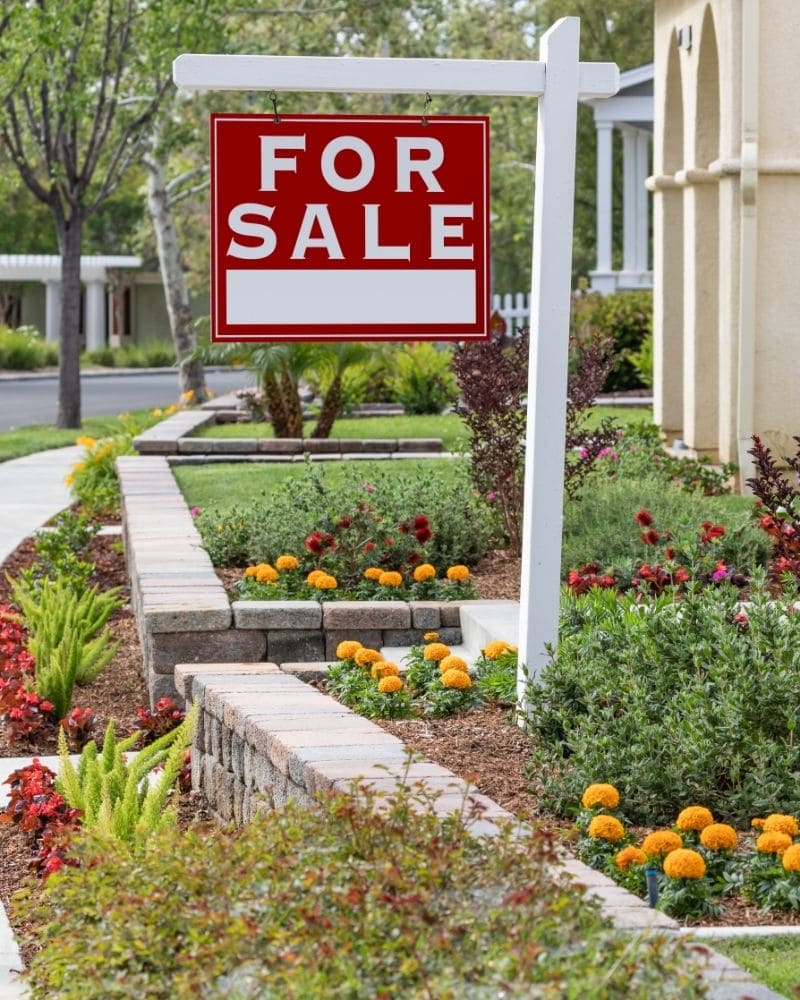
Housing is the clearest pressure point. In many of these cities, homeownership has drifted beyond the reach of middle-income earners.
What was once a realistic long-term goal now feels distant, even for dual-income households with steady careers.
Renting doesn’t offer much relief. Rents reset faster than wages ever do, and lease renewals often come with uncomfortable math.
Apartments that once felt temporary now become permanent; not by choice, but by necessity.
This is where the old narrative starts to crack. Many residents earn more than their parents did at the same age, yet feel less secure.
Why This Feels Different Than Before
America has gone through periods of high costs and inflation before, but this moment feels different for one reason: the margin for error has vanished.
In past decades, higher pay often created breathing room.
Today, raises are frequently absorbed before they feel like progress; by rent increases, insurance premiums, childcare costs, or healthcare bills.
Financial discipline still matters, but it doesn’t stretch as far as it used to. That creates a quiet anxiety, even among people who appear successful.
Renters Feel It First — But They’re Not Alone

Renters usually feel the pressure earliest. Rent increases can arrive quickly, protections vary widely, and moving often means paying even more elsewhere.
For younger workers, families, and retirees on fixed incomes, long-term stability becomes hard to plan.
Homeowners aren’t immune either. Property taxes, insurance costs, maintenance, and local fees rise steadily, often without much notice.
The house may gain value, but monthly expenses keep inching up regardless.
Add higher food prices, tolls, parking costs, fuel, and everyday services, and “making good money” no longer guarantees peace of mind.
The Myth of High Pay
There’s a comforting belief that higher income solves these problems. For many residents of America’s most expensive cities, it doesn’t.
Instead, higher pay often comes with higher expectations, longer hours, and higher costs attached to simply staying put.
Savings rates shrink. Retirement timelines move back. Big life decisions get postponed.
These aren’t reckless spenders or people living beyond their means.
They’re cautious, responsible households quietly adjusting to a reality that feels misaligned with the effort they’re putting in.
Who Feels the Pressure the Most

- Middle-income households who earn too much to qualify for help but not enough to feel comfortable
- Renters facing constant resets and uncertainty
- Retirees trying to stretch fixed incomes and Social Security in rising-cost cities
- Essential workers priced out of the very communities they serve
These groups aren’t outliers. They represent a large share of urban America.
The Uncomfortable Question
If America’s most productive and desirable cities are this difficult to live in — even for people who followed the rules — it raises a question many don’t like to ask out loud.
Is the system still rewarding effort, or simply asking people to tolerate more pressure in exchange for less stability?
That tension explains why these cities feel expensive in a way they never used to. The cost isn’t just financial. It’s psychological.
And for many Americans, that’s why the question isn’t just where is expensive anymore; it’s how long does this still make sense?