
Escape the Tourist Traps and Visit These Beautiful Cenotes Near Cancun Instead


Scattered across the Yucatán Peninsula, near Mexico’s prime vacation destinations, are stunning turquoise swimming holes called cenotes. The name comes from the Mayan word “ts’onot,” meaning “hole with water.”
Cenotes are formed when limestone caves collapse, creating clear, blue pools. Picture these with hanging vines, stairs, swings, and stalactites, making them perfect for a memorable swim. The ancient Mayans saw these cenotes as portals to the underworld, adding to their intrigue.
With nearly 20,000 cenotes in the region, most are just a short drive from Cancun, Playa del Carmen, Tulum, or Merida.
While popular spots like Cenote Ik Kil attract many tourists and can be expensive, many cenotes remain an accessible and affordable hidden gem.
Ready to explore the most beautiful Cenotes near Cancun? Let’s go.
Disclosure: This article may contain affiliate links, meaning when you make a purchase, I earn a small commission. Affiliate links cost you nothing to use, and help keep my content free. It’s a win-win for us both. For more info, see the Disclosure Policy.
What Are Cenotes?

Cenotes are natural sinkholes filled with fresh water, often featuring crystal-clear turquoise waters.
These geological formations are unique to the Yucatán Peninsula and have become popular swimming, snorkeling, and diving spots.
Imagine stepping into a hidden oasis where the water is so clear you can see every detail of the underwater world. That’s the magic of cenotes.
How are cenotes formed?

Cenotes are formed when limestone bedrock collapses, exposing the groundwater underneath. This process creates stunning natural pools, often interconnected through underground rivers and cave systems.
Over thousands of years, rainwater seeps through the porous limestone, gradually dissolving it and creating vast underground caverns.
Eventually, the roof of these caverns collapses, revealing the cenote.
The Cultural Significance of Cenotes in Mayan Civilization
For the ancient Maya, cenotes were sacred sites used for religious ceremonies and as vital freshwater sources.
They believed these natural pools were portals to the underworld, making them central to their spiritual and daily lives.
The Maya often performed rituals and sacrifices at cenotes, believing these offerings would appease the gods and ensure the community’s prosperity.
Cenote Ik Kil: The Jewel of Chichen Itza

Cenote Ik Kil is located near the famous archaeological site of Chichen Itza. It is easily accessible by car or tour bus, making it a convenient stop for tourists exploring the area.
The cenote is just a short walk from the parking area, and well-maintained paths lead to the water.
Unique Features and Attractions
This cenote features a large open-air pool surrounded by hanging vines and lush vegetation, creating a picturesque setting. The water is deep and clear, perfect for a refreshing swim.
The cenote’s walls are covered in greenery, and the sunlight filtering through the trees creates a magical atmosphere.
Tips for Visiting Cenote Ik Kil
To make the most of your visit, arrive early to avoid crowds and bring a waterproof camera to capture the stunning scenery.
Don’t forget to shower before entering the cenote to help preserve its pristine condition.
The cenote can get busy, especially during peak tourist season, so plan your visit accordingly.
Cenote Dos Ojos: The Diver’s Dream

Cenote Dos Ojos is situated near Tulum and is easily accessible by car. It is part of a larger park that offers various amenities for visitors. The cenote is well-signposted, and there are plenty of parking spaces available.
The Underwater Cave System
“Dos Ojos” translates to “Two Eyes,” referring to the two connected sinkholes that make up this cenote.
It is renowned for its extensive underwater cave system, making it a popular spot for divers.
The caves are filled with fascinating rock formations, providing a unique diving experience.
Diving and Snorkeling Experiences
Whether you’re an experienced diver or a snorkeling enthusiast, Cenote Dos Ojos offers an unforgettable underwater adventure.
The crystal-clear waters provide excellent visibility, allowing you to explore the intricate cave formations.
The cenote is also home to various fish and other aquatic life, adding to the experience.
Cenote Suytun: A Photographer’s Paradise

Cenote Suytun is located near Valladolid and is easily accessible by car. It is a popular stop for travelers exploring the region.
The cenote is well-maintained, with clear paths leading to the water and plenty of parking available.
The Iconic Circular Platform
One of the most striking features of Cenote Suytun is its circular platform that extends into the water.
This unique structure provides a perfect spot for photography, especially when sunlight streams through the small opening above.
The platform creates a dramatic focal point, making it a photographer’s favorite.
Best Times for Photography
To capture the best photos, visit Cenote Suytun in the early morning or late afternoon when the light is soft and golden.
The interplay of light and shadow creates a magical effect that enhances the cenote’s beauty.
The cenote can get busy, so visiting during off-peak hours will also help avoid crowds.
Cenote Azul: Family-Friendly Fun

Cenote Azul is located near Playa del Carmen and is easily accessible by car. It is a popular destination for families and those looking to relax in a natural setting.
The cenote is well-signposted, and there are plenty of parking spaces available.
Multiple Pools and Relaxation Spots
This open-air cenote features multiple pools of varying depths, making it ideal for swimmers of all ages. There are also plenty of spots to relax and enjoy the natural surroundings.
The cenote’s clear waters and lush vegetation create a tranquil atmosphere.
Activities for Families
Cenote Azul offers a range of family activities, including swimming, snorkeling, and picnicking. The shallow areas are perfect for young children, while the deeper pools provide a refreshing escape for adults.
The cenote is also home to various fish and other aquatic life, adding to the experience.
Cenote Samula: The Underground Wonder

Cenote Samula is located near Valladolid and is easily accessible by car. It is part of a larger complex that includes other cenotes and attractions.
The cenote is well-maintained, with clear paths leading to the water and plenty of parking available.
Stalactites and Stalagmites: Nature’s Art
This underground cenote is adorned with impressive stalactites and stalagmites, creating a mystical ambiance.
The small opening in the ceiling allows sunlight to illuminate the water, enhancing its ethereal beauty.
The cenote’s unique rock formations make it a favorite among visitors.
Swimming and Snorkeling in Cenote Samula
The crystal-clear waters of Cenote Samula are perfect for swimming and snorkeling. The unique rock formations and serene atmosphere make it a memorable experience for visitors.
The cenote is also home to various fish and other aquatic life, adding to the experience.
Cenote Xkeken: The Hidden Gem
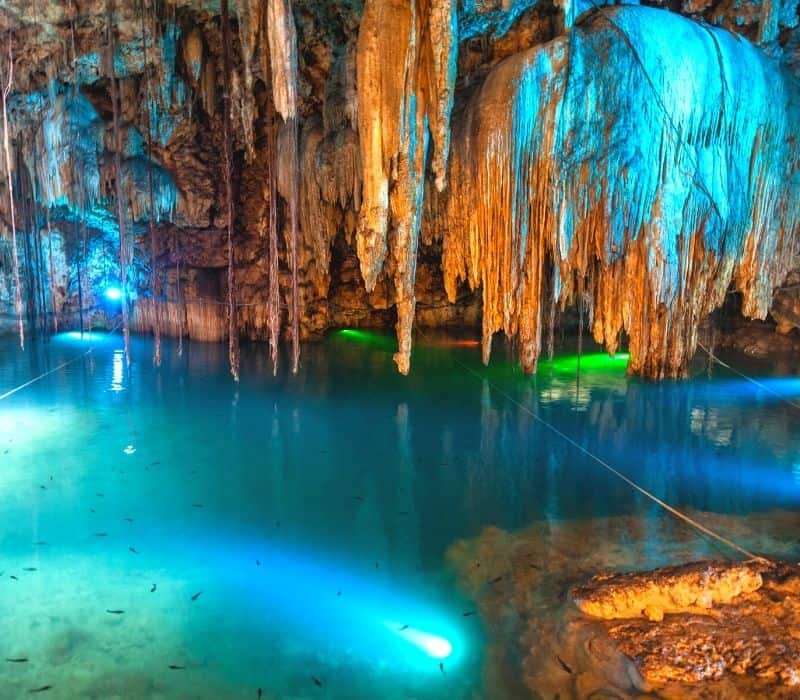
Cenote Xkeken is adjacent to Cenote Samula and is easily accessible by car. It is a lesser-known cenote that offers a more tranquil experience for visitors.
The cenote is well-maintained, with clear paths leading to the water and plenty of parking available.
Impressive Rock Formations
Cenote Xkeken features stunning rock formations, including stalactites and stalagmites. The clear water and natural light create a mesmerizing effect, making it a hidden gem worth exploring.
The cenote’s unique rock formations make it a favorite among visitors.
Tips for a Memorable Visit
To fully appreciate Cenote Xkeken, visit during off-peak hours to avoid crowds. Bring a flashlight to explore the darker areas of the cenote and a waterproof camera to capture its beauty. The cenote can get busy, so plan your visit accordingly.
Embracing the Magic of Cenotes near Cancun
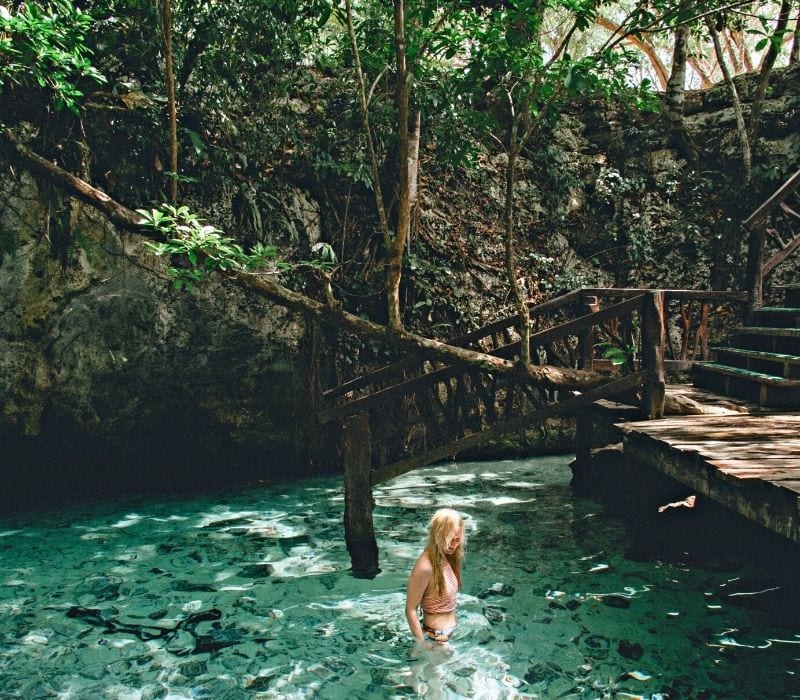
Cenotes are more than natural pools; they are windows into the geological and cultural history of the Yucatán Peninsula.
Their beauty and significance continue to captivate and inspire visitors from around the world.
Exploring these natural wonders offers a unique opportunity to connect with nature and learn about the region’s rich history.
Ready to Book Your Mexico Vacation? Here Are Some Resources To Look At:

Mexico is a large country — the 14th largest country on Earth by size — and it’s also the 6th most biodiverse diverse country in the world.
Though it’s mostly known for beaches, there’s a lot more to Mexico than that. Check out these Mexico articles to discover parts of the country you never knew existed.
- The 30 Most Beautiful Cities in Mexico (#7 Will Shock You)
- Mexico Off the Beaten Path Places for Your Bucket List
- 20 Hot Springs in Mexico That are Calling Your Name
- Hidden Beaches in Mexico You’ve Never Heard Of
- Best Waterfalls in Huasteca Potosina Mexico
- The Coolest Mayan Ruins in Mexico’s Yucatan Peninsula
⚠️ Before You Go — Get Your FREE Guide!
Head here and enter your email address to download your FREE Mexico guide (5 Things You Don’t Want to Forget to Pack for Mexico) and get Mexico travel tips, tricks and more sent straight to your inbox.
