
Mexico Bans Dolphin Shows — Here’s What This Means for Travelers


Looking to book Mexico dolphin shows and encounters?
If you’re planning a trip to Mexico and researching things to do, you might see dolphin shows and swim-with-dolphin experiences pop up.
But here’s something important you should know: Mexico banned dolphin shows in mid-2025 — a HUGE win for animal lovers and ethical travelers alike.
As someone who’s lived in Mexico since 2018, and always tries to travel the country responsibly, this news made my day.
Though Mexico has long been one of the top countries for captive dolphin attractions, especially in touristy beach destinations like Cancun, Los Cabos, and Puerto Vallarta, times are changing, and this new law is proof.
Keep reading to learn what the Mexico dolphin show ban means for tourists — and to see a list of ethical animal tours in Mexico you can do instead.
What the Mexico Dolphin Show Ban Actually Means
The Mexican government, with the full support of the Senate and Chamber of Deputies, officially passed reforms to end the use of dolphins in entertainment.
This includes dolphin shows, dolphin therapy sessions, swim with the dolphins encounters, dolphin kiss selfies, and any other activity not directly related to conservation.
Essentially, places that profit from making dolphins perform or interact with humans are no longer allowed. The law also bans breeding dolphins in captivity.
What Sparked the Dolphin Tourism Ban in Mexico?
⚠️ Trigger warning on the video below: Animal cruelty and animal death.
The Mexico dolphin shows ban came about thanks to people spreading awareness about the dark side of dolphin tourism on social media platforms.
For months, animal lovers and activists made posts exposing the horrid conditions at the Dolphinaris at Hotel Barceló in Riviera Maya, which led to the death of a dolphin in early-2025.
With mounting pressures, the Mexican government ended up suspending dolphin shows at Dolphinaris.
Though they petitioned to re-open, Dolphinaris at Hotel Barceló Riviera Maya was never again allowed to do so.
In fact, just weeks after suspending their activities, the government actually passed the reform ending dolphins for entertainment in Mexico.
This measure applies to all dolphins in captivity, regardless of whether they’re in aquariums, parks, or private centers.
While far from the end of unethical animal tourism, this is a HUGE move forward. Hopefully, 100% ethical animal tourism in Mexico follows soon.
Can Dolphins Still Be Held in Captivity in Mexico?
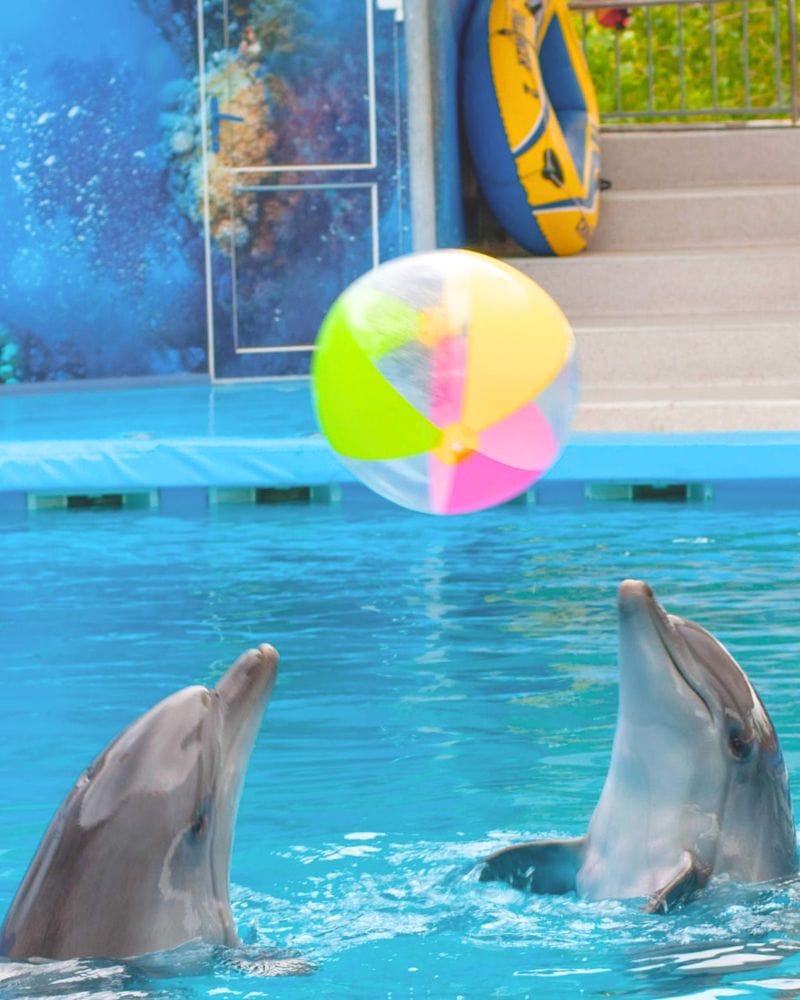
The answer is yes — but for a valid reason.
Dolphins currently in captivity will not be released, as they’ve spent their lives in artificial environments, and wouldn’t survive in the wild.
But from now on, these dolphins can only be used for scientific and educational purposes, and not tourist entertainment.
That means no more jumping through hoops shows, no more kissing selfies, and no more exploitative “dolphin therapy” sessions either.
The dolphins currently in dolphinariums and marine entertainment facilities will remain in captivity, but must be cared for under strict welfare standards until their natural death.
Why the Dolphin Show Ban in Mexico Matters (And Why You Should Care)
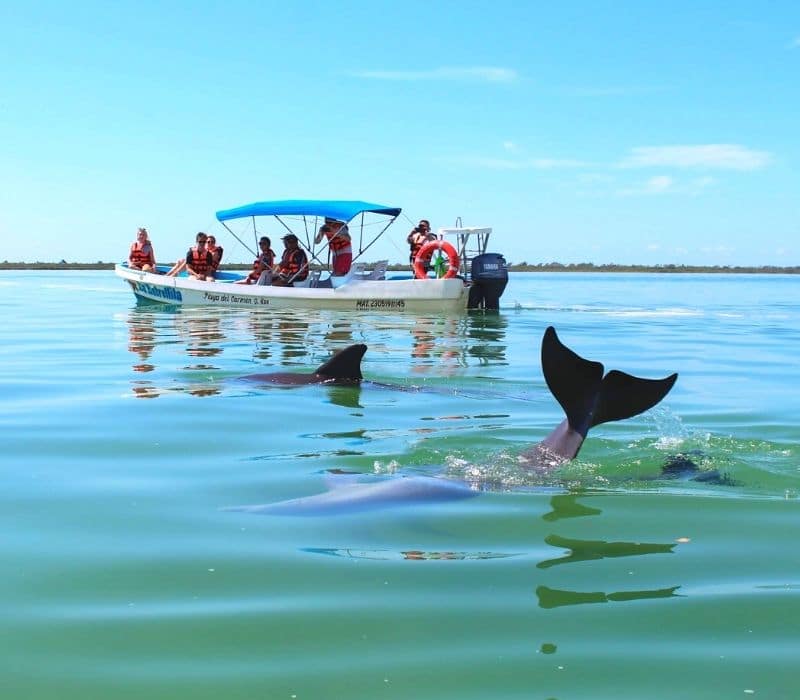
If you’ve ever seen a dolphin in the wild, you already know how majestic and intelligent they are.
But in captivity, these same animals are often confined to small tanks, separated from their families, and forced to perform tricks for food.
It’s heartbreaking 💔 and sadly, it’s been happening across Mexico for decades.
With this new ban, Mexico joins a growing global movement that recognizes animals aren’t here to entertain us.
It’s also a reminder that how we spend our travel dollars in Mexico matters — because businesses pay extra attention when their money is on the line.
What This Means for Your Trip to Mexico
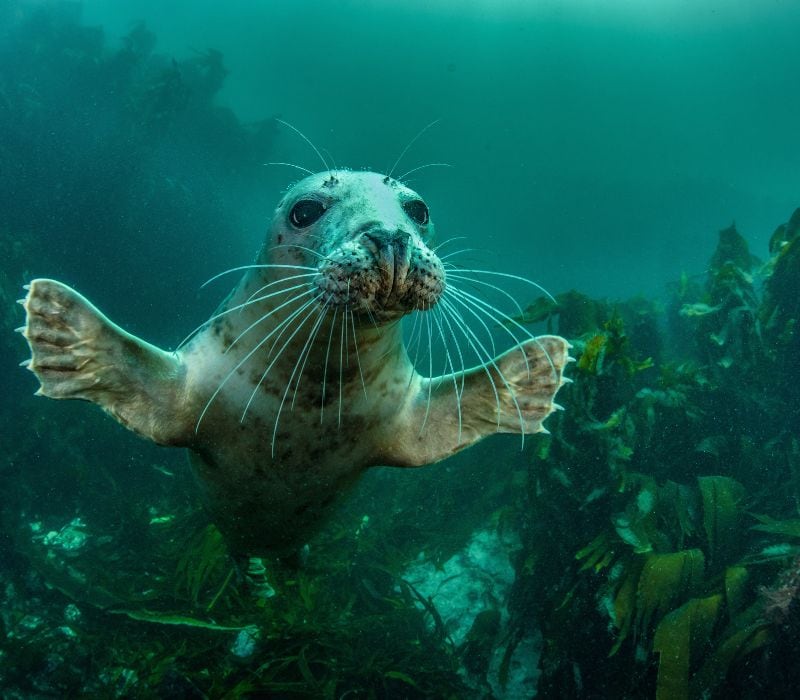
If you had a dolphin experience on your Mexico bucket list — it’s time to update that list. Instead, consider these 11 best ethical animal tours in Mexico.
1. 🐬 Dolphins: Take a wild dolphin boat tour in Cabo, the Sian Ka’an Biosphere Reserve, Riviera Nayarit, and other Mexican beach towns.
2. 🦒 Giraffes: Stay the night at a giraffe sanctuary near Monterrey, and feed the giraffes breakfast in the morning.
3. 🐢 Baby Sea Turtles: Participate in a sea turtle release in Puerto Escondido, or other towns along Mexico’s Pacific Coast, like Mazunte and Huatulco.
4. 🐋 Whales: Go whale watching in Puerto Vallarta with a marine biologist, or take other whale-watching tours in Los Cabos, on the Oaxacan Coast, etc.
5. 🐠 Marine Life: Learn about marine life at an aquarium sanctuary that doesn’t exploit animals (→ I recommend Acuario Michin, which has locations in Mexico City, Puebla City, and Guadalajara).
6. 🦜 Endemic Birds: Join a local naturalist guide for some Mexico birdwatching tours.
7. 🦈 Whale Sharks: Swim with whale sharks in Cancun, Isla Mujeres, Isla Holbox and/or Baja California Sur state (→ Check out this video of my whale shark swim).
8. 🦭 Sea Lions: Head to La Paz to go swimming with the sea lions near Cabo Pulmo National Park.
9. 🦋 Butterflies: Take a Mexico butterfly tour in the monarch butterfly forests, a UNESCO World Heritage Site (→ Check out this video of my tour to El Rosario Sanctuary).
10. 🐢 Sea Turtles: Go for a swim with the turtles in Akumal, a charming small town near Cancun, Playa del Carmen and Tulum.
11. 🧚♂️ Fireflies: Take a walk through the firefly forests near Mexico City to see millions of fireflies light up the night sky.
As someone who’s done most of these myself, trust me when I say that Mexico animal encounters are 100X more magical when they’re ethically done.
My Final Thoughts on the Mexico Dolphin Shows Ban
As someone who has been writing blogs about Mexico travel since 2020, I’m thrilled to finally write a blog that highlights this level of progress.
Not only was a total ban on Mexico dolphin shows and dolphin encounters the right thing to do, it also shifted Mexico toward more conscious, sustainable tourism.
So let’s celebrate this win, skip the dolphin selfies, and explore Mexico in a way that honors the animals, people, and places that make the country so special 🫶