
This Mexican Surrealist Garden Will Leave You Speechless


Nestled in the lush jungles of Xilitla, Mexico, Las Pozas Surrealist Garden is a hidden gem that is worth exploring.
Created by British poet and artist Edward James, this enchanting garden features towering surrealist sculptures, winding pathways, and cascading waterfalls.
It’s a dreamlike escape where nature and art intertwine, offering visitors a unique and magical experience.
I have personally visited Las Pozas in Xilitla, Mexico — and it was absolutely incredible. I’ll share everything I know about visiting Las Pozas Surrealist Garden in this article.
We’ll explore its history, how to get there, the best times to visit, what to bring, key attractions, and much more — so let’s dive in!
Disclosure: This article may contain affiliate links, meaning when you make a purchase, I earn a small commission. Affiliate links cost you nothing to use, and help keep my content free. It’s a win-win for us both. For more info, see the Disclosure Policy.
Edward James: The Visionary Behind Las Pozas

Nestled in the heart of Xilitla, Mexico, Las Pozas is a surrealist garden that stands as a testament to the eccentric vision of Edward James — But who was Edward James?
Edward Frank Willis James was a British poet and patron of the surrealist movement who fell in love with the lush landscapes of Xilitla, Mexico.
Born into wealth and privilege, James used his resources to support prominent surrealist artists like Salvador Dalí, Leonora Carrington, and René Magritte.
However, his artistic inclinations drove him to create Las Pozas, leading Dalí to describe James as “crazier than all the Surrealists put together.”
“They pretend, but he is the real thing,” Dalí said of Edward James and his Surreal Garden in Mexico.
Inspired by the region’s natural beauty and mystical allure, James envisioned a garden that would blur the lines between reality and fantasy.
His journey to Xilitla and subsequent creation of Las Pozas testify to his unyielding dedication to surrealism and fanciful surrealist art.
Construction and Development of Las Pozas

The construction of Las Pozas began in 1949, and spanned over three decades.
Edward James and local craftsmen meticulously crafted concrete sculptures and structures that seamlessly integrated with the natural surroundings.
Key structures, such as The Stairway to Heaven and The House with Three Stories That Might Be Five, are emblematic of James’ surrealist vision.
James persevered despite numerous challenges, including financial constraints and the region’s rugged terrain.
Though Las Pozas was never technically completed, the result is a whimsical garden that continues to captivate visitors with its otherworldly charm.
Where is Las Pozas located?
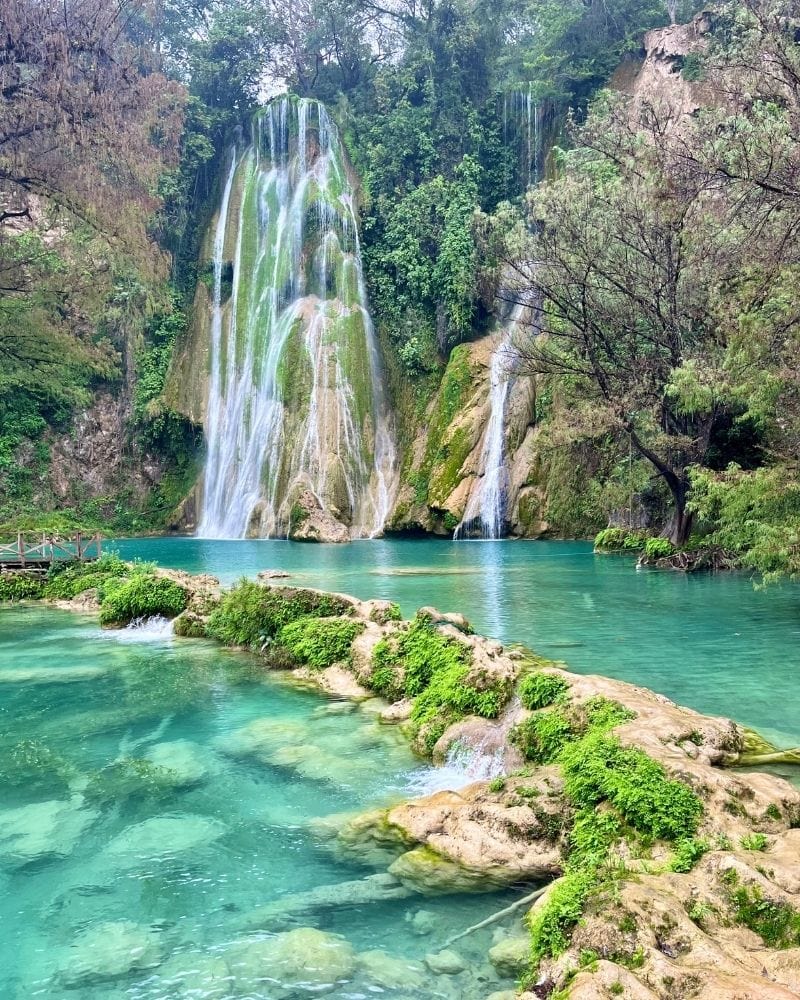
Reaching Las Pozas requires some planning, given its remote location in La Huasteca Potosina. Largely off the tourist radar, this is one of the best places in Mexico.
This is the famous Mexico waterfalls region in San Luis Potosí state, and most people (me included) visit Las Pozas as part of a larger trip to this area.
To help plan your visit, check out my Ultimate Guide to La Huasteca Potosina, complete with a done-for-you itinerary that includes Las Pozas.
The small town of Xilitla, Mexico, is the closest city to Las Pozas, San Luis Potosí City, the state capital.
How to Get to Las Pozas Xilitla Mexico

Visitors can choose from various transportation options, including buses and rental cars. When I visited, I rented a car in San Luis Potosí City and drove.
If you don’t want to drive in Mexico, you can also take a bus to Xilitla from Mexico City, though this journey takes 8-10 hours one-way.
Alternatively, renting a car offers more flexibility and allows for scenic stops along the way. After doing this myself, I 100% recommend it.
For those traveling from San Luis Potosí like I did, the journey is shorter, taking approximately 4-5 hours by bus or car.
Regardless of the chosen mode of transportation, ensuring a smooth journey involves checking schedules, booking tickets in advance, and preparing for the winding roads leading to Xilitla.
Best Time to Visit Las Pozas

Xilitla’s climate is characterized by its tropical rainforest conditions, with warm temperatures and high humidity year-round.
The best months to visit Las Pozas are typically between November and April, when the weather is relatively cooler and drier.
I visited in mid-December, and it was still quite humid, so I can’t imagine the hotter summer months 🥵 that also coincide with the rainy season.
Visitors should avoid the peak tourist season during the summer months of July and August and the rainy season from May to October, when heavy rainfall can make exploration challenging.
Special Events and Festivals

Timing a visit to coincide with local events and festivals can enhance the experience.
Xilitla hosts various cultural events throughout the year, including traditional dances, music festivals like Surreal Fest, and religious celebrations.
These events offer a unique glimpse into the local culture and provide an added layer of enjoyment to the visit.
What to Bring to Las Pozas

When preparing for a visit to Las Pozas, several essential items must be packed.
Comfortable walking shoes are a must, given the garden’s uneven terrain and numerous pathways.
Additionally, carrying enough water is crucial to stay hydrated, especially during warmer months in spring and summer.
Other recommended items include a hat, sunscreen, insect repellent, and a small backpack to carry personal belongings.
📷 Photography and Documentation

Las Pozas is a photographer’s paradise, with its surreal sculptures and lush landscapes providing endless opportunities for stunning shots.
To capture the best photos, visitors should consider bringing a good quality camera or smartphone with ample storage.
It’s also important to familiarize yourself with the garden’s photography rules, as some areas may restrict the use of tripods or professional equipment.
Exploring Las Pozas: Main Structures and Sculptures

Las Pozas is home to a myriad of fascinating structures, each with its own unique story and artistic significance.
The Stairway to Heaven, a spiraling staircase that leads to nowhere, epitomizes the surrealist ethos of challenging conventional perceptions.
Similarly, The House with Three Stories That Might Be Five defies architectural norms with its ambiguous design.
Other notable structures include the Bamboo Palace, the Flying Carpet, and the Serpent Pavilion, each contributing to the garden’s dreamlike ambiance.
Hidden Gems and Lesser-Known Spots
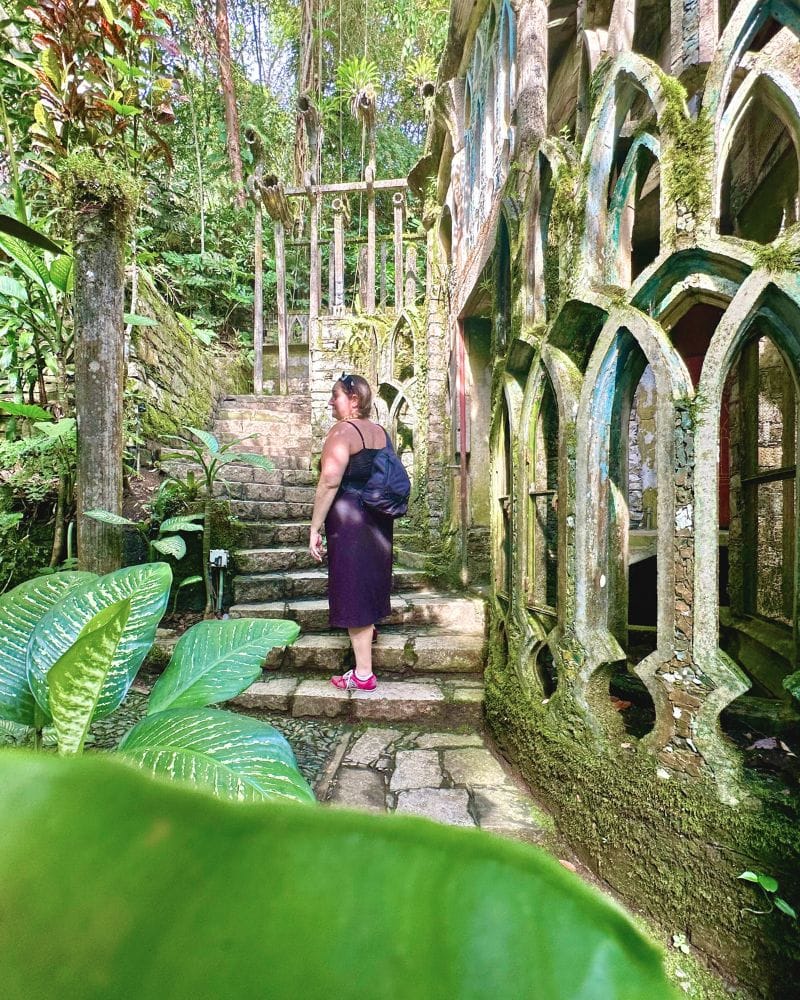
Beyond the main attractions, Las Pozas is dotted with hidden gems waiting to be discovered.
Taking a peek into the lesser-known areas of the garden can provide a more intimate and immersive experience.
For instance, the secluded pools and waterfalls offer serene spots for reflection and relaxation.
Additionally, wandering off the beaten path may lead to unexpected encounters with rare plants and wildlife, adding to the garden’s enchanting allure.
⚠️ Note: You can only visit on a guided tour. While you can explore during the guide’s explanation of the sculpture park, you must stay with the group.
Guided Tours and Self-Exploration

While this didn’t used to be the case, you must now take a tour of Las Pozas, but these guided tours have several advantages.
The knowledgeable guides provide valuable historical insights and anecdotes about Edward James and the garden’s creation.
They can also help navigate the sprawling grounds, ensuring visitors don’t miss any key attractions (or get lost in the jungle).
Furthermore, the guided tours include access to areas once restricted, so you’ll enjoy a more comprehensive exploration of Las Pozas than visitors in years past.
You can book your tour online here, which I recommend, because they only have a limited number of English tours each day, and they often sell out.
Las Pozas Tours

The tour mentioned above is conducted directly through the garden staff, but various tour companies also offer tours of Xilitla.
These are nice because they combine your visit to Las Pozas with other nearby attractions in La Huasteca Potosina. Here are my top picks:
- Las Pozas Surrealistic Garden and Huahuas Caves Tour
- 3-Day Complete Huasteca Potosina Tour (including Las Pozas)
- Full Day Tour of the Town of Xilitla (including Las Pozas and more)
Self-Guided Exploration: Edward James Village & Los Comales Waterfall

For those who prefer an independent approach, do some self-guided exploration of the surrounding areas, including the Xilitla Waterfall (AKA Cascada Los Comales).
Located next to the Surrealist Gardens at Las Pozas, this peaceful garden and its tall waterfall require a separate entrance fee.
When I visited, I took the early morning tour of Xilitla at 9 a.m., which finished at about 10:30 a.m., and then I explored the surrounding area for about another hour or so.
I’d recommend this same itinerary, as you’re able to see the whole Las Pozas area before the hottest part of the day, and with the smallest crowds.
Edward James Village

There’s also Edward James Village (officially called Centro James) located just across the street from Las Pozas.
This charming area houses the Edward James Brewery (Cervecería James), a gift shop, and a small museum. You can explore the entire village without a tour.
I ate at the Edward James Brewery Restaurant, which was good (not great), but the views were incredible, and the cold beer was refreshing on a hot day.
Want to Visit Las Pozas Mexico?
My visit to Las Pozas was a journey into the surreal and the extraordinary that I’ll never forget.
In fact, it’s easy to see why the entire town of Xilitla, Mexico, has been named a pueblo magico, which means “magic town.”
This guide has covered essential information, from the garden’s history and how to get there, to the best times to visit and what to bring.
Whether opting for a guided tour or self-exploration, visitors are sure to be enchanted by Las Pozas’s whimsical structures and lush landscapes.
As you prepare for your adventure, remember to embrace the unexpected and immerse yourself fully in the surreal wonderland that Edward James so passionately created.
I hope you go on to share your experiences and feedback (like I did here) to inspire fellow travelers to visit this magical garden.
Ready to Book Your Mexico Vacation? Here Are Some Resources To Look At:

Mexico is a large country — the 14th largest country on Earth by size — and it’s also the 6th most biodiverse diverse country in the world.
Though it’s mostly known for beaches, there’s a lot more to Mexico than that. Check out these Mexico articles to discover parts of the country you never knew existed.
- The 30 Most Beautiful Cities in Mexico (#7 Will Shock You)
- Mexico Off the Beaten Path Places for Your Bucket List
- 20 Hot Springs in Mexico That are Calling Your Name
- Hidden Beaches in Mexico You’ve Never Heard Of
- Best Waterfalls in Huasteca Potosina Mexico
- The Coolest Mayan Ruins in Mexico’s Yucatan Peninsula
⚠️ Before You Go — Get Your FREE Guide!
Head here and enter your email address to download your FREE Mexico guide (5 Things You Don’t Want to Forget to Pack for Mexico) and get Mexico travel tips, tricks and more sent straight to your inbox.
