
Here’s How Much Your Grocery Is Likely To Go Up Thanks to Tariffs (Do You Support Tariffs?)


The price tags at your local supermarket just shifted again, and this time it’s not subtle.
New tariffs took effect, and grocery stores are already adjusting what they charge. Some items will sting more than others.
If you’re someone who remembers when a gallon of milk cost $3 (or less), you’re about to feel the difference between nostalgia and reality.
The inflation we thought was cooling down has a new accelerant.
Tariffs on imported goods mean higher costs for manufacturers, which means higher costs on shelves. Your weekly grocery run is about to feel tighter.
Understanding which staples are about to get expensive helps you budget smarter and make real choices about what you buy.
1. Bananas and Tropical Fruit

Most bananas them don’t grow in America, which makes them vulnerable to tariff pressure.
Central American and South American imports face new duties that get passed directly to you at checkout.
A single banana might seem cheap, but volume adds up fast. Families buying bananas weekly will see cumulative costs climb.
Other tropical fruits like avocados, mangoes, and plantains face similar pressure. You’re looking at about 20-30 cents more per pound if tariffs fully settle in.
Some stores might absorb costs temporarily, but don’t expect that to last long. Profit margins are already razor thin in produce.
2. Coffee and Tea

Coffee drinkers have been stretched thin by years of price inflation, but new tariffs on beans imported from Brazil, Colombia, and Vietnam hit right at morning routines.
A cup of coffee at home might jump from 30-40 cents per serving. That’s $15 a month for regular drinkers.
Tea faces the same pressure from Asian imports. Specialty teas like matcha, and even basic black tea are affected.
People who switched to coffee or tea as their affordable indulgence are about to question that choice.
The irony is sharp. People cut back on eating out to save money, then got hit on grocery prices anyway.
Now the one thing that felt affordable gets more expensive too.
3. Chocolate and Cocoa Products

Cocoa comes from Africa and Indonesia, and America doesn’t grow it at all.
This which means tariffs hit hard on chocolate, cocoa powder, and anything made with cocoa butter.
Your favorite candy bar might jump in price, but more importantly, baking cocoa will cost noticeably more.
Families who use cocoa powder for hot chocolate, baking, or breakfast will feel this in their monthly budget.
A container of cocoa powder might go from $4 to $5.50. Throughout the corse of a year, that’s $18 for just one pantry staple.
Chocolate lovers aren’t being indulgent. They’re just trying to eat something they enjoy.
These tariffs are making even simple pleasures feel like small luxuries.
4. Seafood and Fish

Fish and shrimp imports from Asia and South America are now taxed differently.
Frozen shrimp prices are already creeping up. Fresh fish options that seemed affordable are becoming selective buys.
Seafood is already expensive compared to chicken or ground beef. Add tariffs, and it becomes a special occasion food.
People on fixed incomes or tight budgets will simply stop buying it.
That means less access to omega-3 fatty acids and protein diversity for households that need affordable nutrition.
Canned fish fares slightly better, but cans themselves have tariff implications too. Nothing escapes this squeeze.
5. Cheese and Dairy Imports
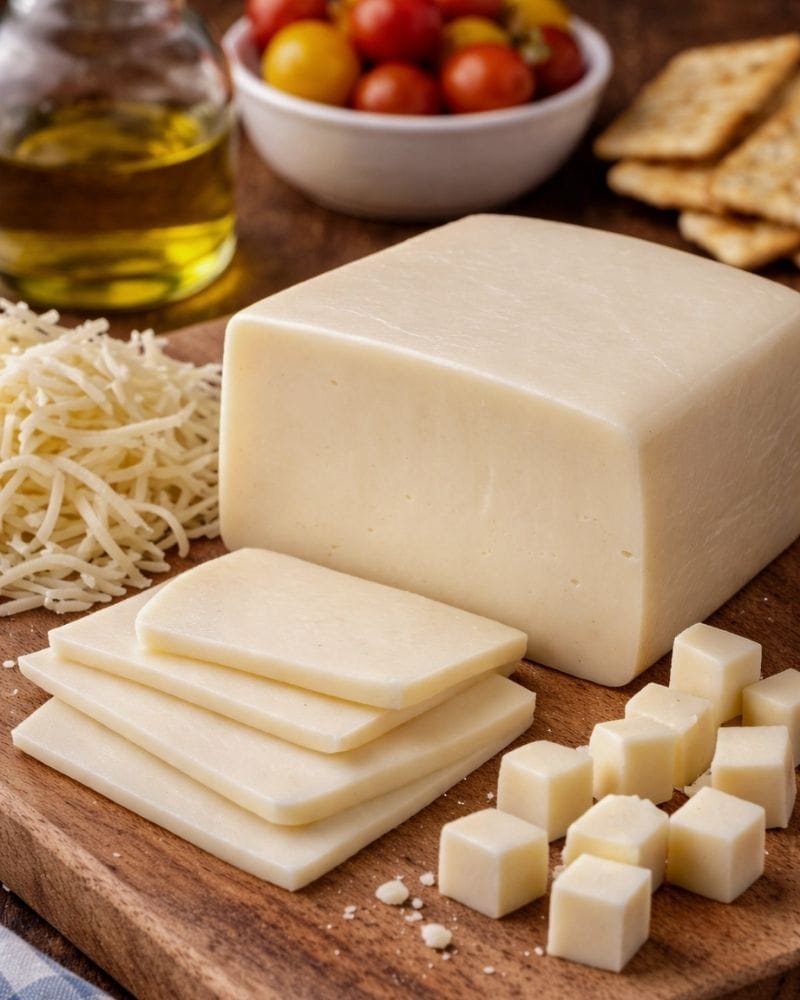
Some specialty cheeses come from Europe and other regions. While American cheese production is domestic, imported varieties now cost more.
Even American cheese prices might shift as producers adjust supply chains.
Milk, yogurt, and butter are domestically sourced more often, so they avoid direct tariff hits. But don’t be fooled.
Supporting a tariff-hit economy raises everyone’s costs eventually. Dairy prices have room to climb as indirect effects ripple through the food system.
Families relying on cheese as a protein source will need to get creative or spend more.
6. Spices and Seasonings
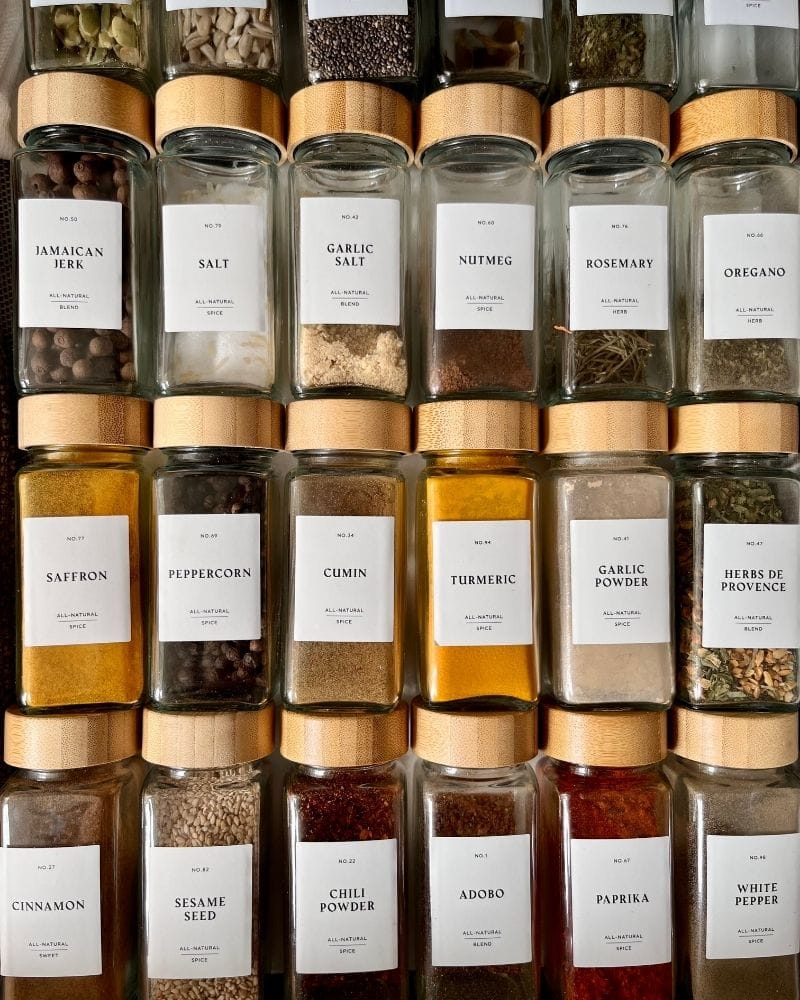
India, Vietnam, and Indonesia supply most American spices. Tariffs on these imports are steep.
A small jar of black pepper or cumin that cost $3 now costs $4-5. It seems minor until you’re replacing multiple spices throughout the year.
People who cook at home and use fresh spices are being punished for trying to eat well.
Restaurant food becomes comparatively more tempting, even though eating out costs more overall. It’s a false choice, but the psychological weight matters.
Bulk spices from ethnic markets offer some relief, but that requires access and knowledge that not everyone has.
7. Sugar and Sweeteners

Sugar cane from Mexico and other Caribbean nations faces tariff pressure.
Honey from New Zealand and China gets taxed. Maple syrup from Canada might cost more too.
For families using sugar and honey as affordable carbs and energy sources, it’s another cost to absorb.
Outside of the your home, sweetened products and baking supplies all respond to these pressures as well.
Bakers and people with traditional recipes that rely on specific sweeteners have no easy workaround.
However, people cutting sugar intake might see this as a blessing in disguise.
8. Cooking Oils and Fats
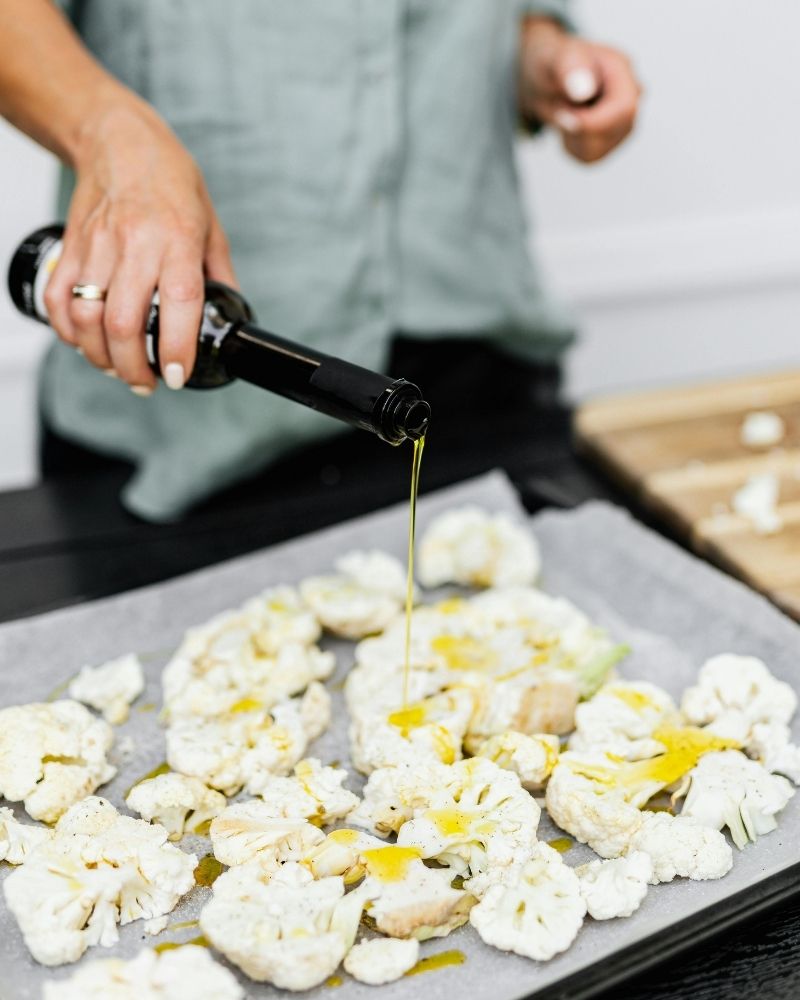
Vegetable oil, canola oil, and palm oil imports carry new tariffs. These aren’t luxury items; they’re how food gets made.
Higher oil prices ripple through everything that’s fried, sautéed, or baked commercially.
Home cooks also pay more when they buy cooking oil. A bottle of olive oil from Spain or canola oil faces tariff pressure.
Budget-conscious households buying discount oils get hit hardest because there’s nowhere left to cut.
This isn’t about choosing between good oil and bad oil anymore. It’s about whether you can afford to cook at all.
9. Grains and Grain Products

Some grain imports and grain-based products from Canada, Mexico, and Asia carry tariff weight.
Bread prices might jump. Pasta could get more expensive. Even beer, as many types are made from grains like barley, wheat, and rye.
Rice, especially specialty varieties, will cost more. Rice is a staple for many immigrant communities and lower-income households.
It’s been affordable protein and carbs for generations. Making it more expensive is a real hardship, not an inconvenience.
White bread, brown rice, and basic pasta are stretching into luxury territory for people living paycheck to paycheck.
10. Processed Snack Foods and Packaged Goods

Tariffs on ingredients, packaging, and finished goods from overseas hit the processed food aisle hard.
Chips, crackers, cookies, granola bars, and frozen meals might jump 10-15% in price.
While these certainly aren’t health foods, they’re definitly what time-strapped families buy nowadays to simply keep their loved ones fed.
Someone working two jobs and juggling kids isn’t choosing processed snacks because they love them; they’re choosing them because they’re quick.
Making them more expensive removes a coping mechanism without providing a real alternative.
The hit to processed foods matters more than nutrition experts want to admit. Real life is messy, and people use affordable shortcuts to survive.
What comes next depends partly on how long tariffs stay in place and how retailers decide to absorb or pass along costs.
Some stores will hold lines longer than others. Some customers will switch brands or cut back entirely.
Families already struggling with groceries will be forced to make harder choices.
None of this happens in a vacuum. Tariffs pressure wages and jobs, too. The person who saves 30 cents on a banana might lose hours at work.
The ripple effects are just beginning.