
The ONLY Buñuelos de Viento Recipe You Need to Make the Delicious Mexican Snowflake Cookies ❄️

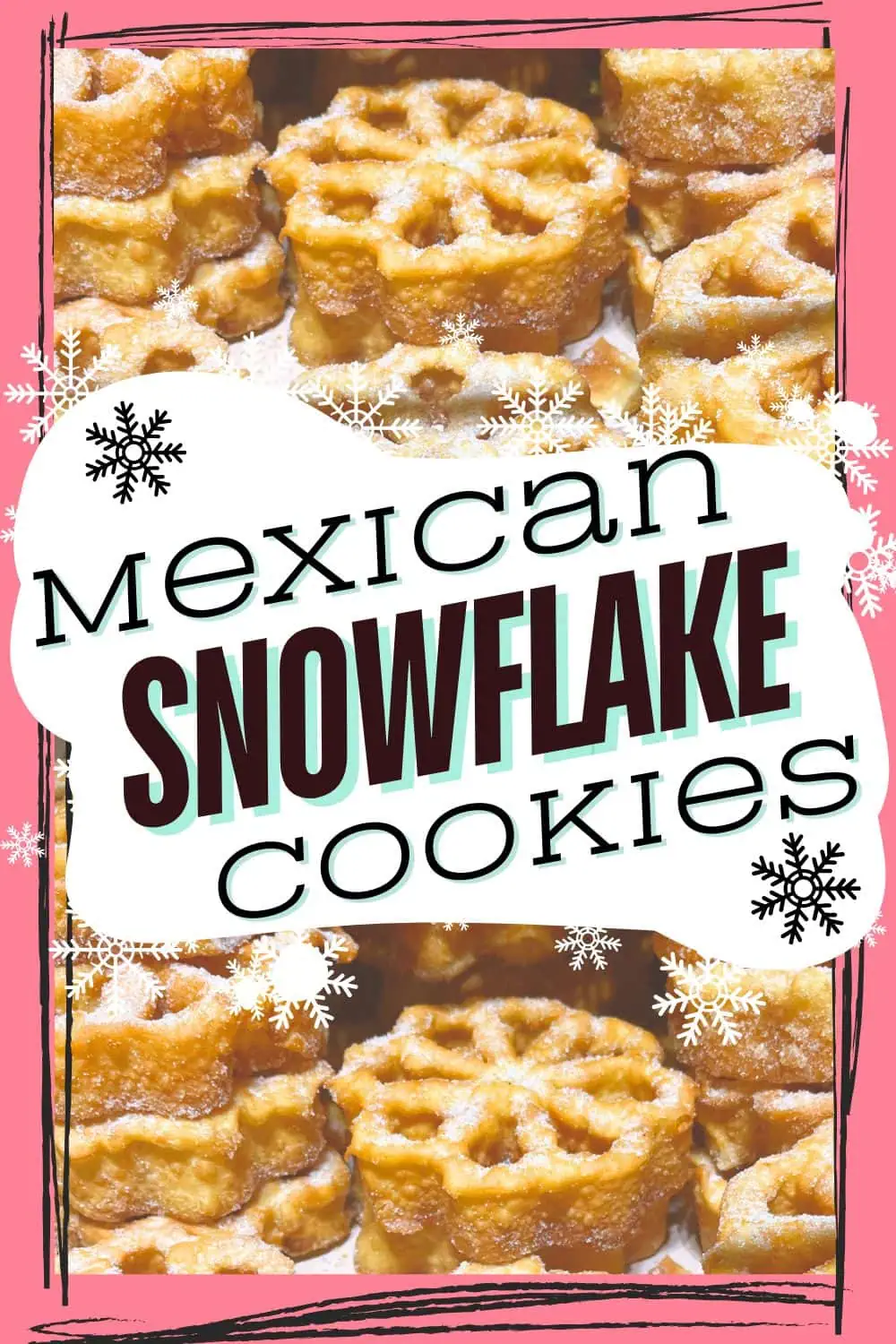
Looking for an authentic Mexican buñuelos de viento recipe to make these fun, festive snowflake-shaped cookies? You’ve come to the right place.
Buñuelos de viento, which translates to “wind fritters” 🌬️ are among the most delicate, yummy, and beautiful Mexican cookies.
Unlike the more standard buñuelos de rodilla, these are made with this special buñuelera rosette iron that creates an intricate flower or snowflake pattern.
They’re famous for their shape, but also so light and airy they almost seem to float right into your mouth 🤣 (hence the “wind fritters” name).
Ingredients You Need for Our Traditional Mexican Buñuelos de Viento Recipe
For the batter
- 1 cup whole milk
- 1 teaspoon good-quality vanilla extract
- ¼ cup water
- 3 tablespoons unsalted butter
- 1 tablespoon granulated sugar
- ½ teaspoon salt
- 1 cup all-purpose flour
- 3 large eggs
- Vegetable or canola oil for frying
For the coating
- 1 cup granulated sugar
- 2 teaspoons ground Mexican cinnamon (canela)
Special equipment needed

You will need to buy a rosette iron aka buñuelera (seen above), which is essential so your buñuelos de viento get their famous shape.
Before the first use, make sure you cure your buñuelera in oil. This video will show you how to do that.
📝 Quick Buñuelos de Viento Recipe Notes
- Prep Time: 15 minutes
- Cook Time: 30 minutes
- Total Time: 45 minutes
- Servings: About 20-24 buñuelos
- Calories: Approximately 85 calories per buñuelo
Step-by-Step Mexican Buñuelos de Viento Recipe
1. Prepare the batter base
In a medium saucepan, combine the milk, water, butter, sugar, and salt.
Bring to a rolling boil over medium-high heat, stirring occasionally to ensure the butter melts completely.
2. Add the flour
Once the liquid is boiling, remove from heat and immediately add all the flour at once.
Stir vigorously with a wooden spoon until the mixture forms a smooth ball and pulls away from the sides of the pan. This should take about 1-2 minutes.
❄️ Buñuelos de Viento Pro Tip: This is essentially the same technique used for making French choux pastry, which gives these fritters their signature lightness.
3. Cool slightly and add eggs
Let the dough cool for about 5 minutes. Then add the eggs one at a time, beating well after each addition.
The batter will look like it’s separating at first, but keep beating and it will come together into a smooth, thick, glossy batter.
4. Add the vanilla
Stir in the vanilla extract until fully incorporated. The batter should be thick enough to coat a spoon but still pourable.
5. Prepare the cinnamon sugar
Mix the sugar and cinnamon together in a shallow bowl or plate. Set aside.
6. Heat the oil and rosette iron

Pour about 3-4 inches of oil into a Dutch oven or deep pot, and heat to 375°F. Place the rosette iron in the oil to preheat for at least 3-4 minutes.
❄️ Buñuelos de Viento Pro Tip: The rosette iron must be hot for the batter to stick properly and release easily when fried.
7. Test the iron temperature
Remove the hot iron from the oil, letting the excess oil drip off. You can also blot it on a paper towel.
Dip the iron into the batter, coating it about three-quarters of the way up the snowflake pattern.
❄️ Buñuelos de Viento Pro Tip: Don’t submerge it completely or the batter will stick to the top of the iron and your buñuelo won’t release into the oil.
8. Fry the buñuelos
Immediately plunge the batter-coated iron back into the hot oil. The batter should sizzle and start to release from the iron almost immediately.
After about 30-45 seconds, gently shake the iron and the buñuelo should slide right off. If it sticks, use a fork to gently pry it off.
9. Finish frying them
Let the buñuelo fry for another 30-45 seconds on each side until golden brown and crispy.
Use this spider strainer, a slotted spoon, or even tongs (as long as you’re gentle) to transfer it to a paper towel-lined plate.
10. Coat in cinnamon sugar
While still hot, gently toss or sprinkle the buñuelo with the cinnamon sugar mixture.
Repeat the process with remaining batter, reheating the iron in the oil for about 20-30 seconds between each buñuelo.
11. Serve and Enjoy
These are best enjoyed fresh and alongside a cup of cafe de olla (Mexican coffee ☕️), atole, Mexican hot chocolate, or champurrado.
9 Important Tips For Making Mexican Buñuelos de Viento

1️⃣ Preheat the iron properly – The rosette iron must be blazing hot before you dip it in batter. If it’s not hot enough, the batter won’t stick.
Heat it in the oil for at least 3-4 minutes before your first buñuelo, and 20-30 seconds between each one.
2️⃣ Don’t submerge the iron completely (see image above) – When dipping into batter, only coat the iron about three-quarters of the way up.
If batter gets on top of the mold, the buñuelo will stick to it and won’t release into the oil so that it can cook.
3️⃣ Let excess oil drip off – After removing the iron from the hot oil, hold it over the pot for a few seconds to let excess oil drip off before dipping into batter.
You can also blot it dry on a paper towel, but whatever you do, don’t skip this step as it will prevent the batter from sliding off prematurely.
4️⃣ Use a thick enough batter – The batter should coat the rosette iron in a thin layer, but not be so thin that it drips right off.
If your batter seems too thin, you can add a tablespoon of flour. Too thick? Add a tablespoon of milk.
5️⃣ Work quickly but carefully – Once you dip the iron in batter, immediately plunge it back into the hot oil quickly (but safely).
Any hesitation and the batter may start to slide off the iron before it hits the oil.
6️⃣ Maintain consistent oil temperature – Keep the oil at 375°F throughout frying, using a thermometer like this 🌡️ for best results.
If the oil’s too cool, the buñuelos will be greasy; too hot and they’ll burn before cooking through.
7️⃣ Be patient with the first few – The first couple of buñuelos are often practice runs as you figure out the right temperature and timing.
Don’t get discouraged if they don’t turn out perfect immediately. Once you get into your groove, they will improve!
8️⃣ Coat immediately – Apply the cinnamon sugar while the buñuelos are still hot from the oil.
The heat helps the sugar stick to the buñuelo and creates that delicious sweet crust everyone loves 😋
9️⃣ Handle with care – Buñuelos are extremely delicate and break easily so go slow when transferring them and when coating them with sugar.
They’re supposed to be light and fragile, as that’s part of their charm, but the idea is to always maintain a light touch so you don’t break them.
FAQ About Buñuelos From Mexico (and Beyond)
What’s the difference between buñuelos de viento and regular buñuelos?
Buñuelos de rodilla, aka “regular buñuelos” (seen below), are made from rolled-out tortilla-like dough that’s fried flat and crispy.

Buñuelos de viento are made from a choux-like batter using this special rosette iron, creating delicate, lacy patterns that resemble a snowflake.
The buñuelos de viento are lighter, airier, and more delicate than traditional buñuelos de rodilla.
The “de viento” in their name means “of wind” 🌬️ and refers to how light and airy they are (it’s as if they float right into your mouth).
Jokes aside, they might have got their name because all the holes in the snowflake pattern allows air to flow through. No one know for sure!
Do I really need a rosette iron to make these?
Yes — This rosette iron buñuelera rosette iron is what creates the characteristic snowflake shape and delicate texture.

While you can’t replicate this effect with any other tool, the rosette irons are relatively inexpensive at about $20-25.
Why won’t the batter stick to my rosette iron?
Most likely, your iron isn’t hot enough as it needs to be preheated in the oil for several minutes before the first use.
Between batches, dip the iron back in the oil for 20-30 seconds to reheat it.
Also, make sure you’re not getting batter all the way to the top of the mold; it should only go up three-fourths of the way to coat the bottom and sides.
Why do my buñuelos break when I try to remove them from the iron?
This usually means one of two things — 1) the batter is too thin and isn’t forming a strong enough shell, or 2) you’re trying to remove them too soon.
Let the buñuelo fry for about 30-45 seconds before shaking the iron, and it should release on its own when ready.
If the batter seems too thin, add a tablespoon of flour and try again.
Can I make the batter ahead of time?
You can make it up to 2 hours ahead and keep it at room temperature, covered.
Don’t refrigerate the batter as it can become too thick, and give the mixture a good stir before using it.
Keep in mind though that this batter is so quick to make that it’s usually easier to make it fresh right before frying. Your call!
How do I clean the rosette iron?
Similar to cast iron cookware, do not use soap so that you maintain the iron’s “seasoning” (the protective layer of oil).
Similarly, never put your rosette iron in the dishwasher, as it can damage the metal and remove any seasoning.
After you let it cool completely, wiping it clean with a kitchen towel should suffice. You can also soak it warm water to release any errant bits.
Can I use different flavors besides vanilla?
Absolutely — We recommend you try adding teaspoon of anise extract for a traditional Mexican flavor.
You can also try orange zest, almond extract, or even a tablespoon of rum; just keep the total amount of liquid the same.
Beyond the liquid, some Mexican chefs and cooks also add a pinch of ground anise seed to the batter.
How long do buñuelos de viento stay crispy?
Not long — These are actually best eaten within a few hours of making them.
They may last a day, but they will start to soften and lose their delicate crispness after sitting for a while.
You can store them in an airtight container like this one for up to 2 days, but they’ll no longer be crispy after that long.
That said, slightly soft buñuelos de viento are still delicious (some people prefer them), but they’re nothing like the ultra-crispy fresh ones 😋
Looking for more holiday treats? See my roundup of traditional Mexican Christmas cookies.
🍪 Want more authentic Mexican cookie recipes? Check out our other favorites

- 💍 Traditional Mexican Wedding Cookies (seen above)
- 🍪 Hojarascas: Mexican Cinnamon Cookies
- 🐷 Marranitos: Mexican Gingerbread Pigs
- 💗 Polvorones Rosas: Viral Pink Mexican Cookies
- 🍪 Polvorones: Mexican Shortbread Cookies
- 🍪 Buñuelos de Rodilla: Mexican Fritter Cookies
Get My FREE Guide: 5 Easy Ways to Save Money in Mexico
Insider tips from someone who’s lived in Mexico since 2018.
