
13 Bizarre Halloween Traditions from Around the World


🎃 Halloween is widely celebrated in the United States with traditions like trick-or-treating, carving pumpkins, and dressing up. However, many countries have their unique ways of celebrating this spooky season.
Here are 13 unique Halloween traditions from around the world that showcase this holiday’s diversity.
Disclosure: This article may contain affiliate links, meaning when you make a purchase, I earn a small commission. Affiliate links cost you nothing to use, and help keep my content free. It’s a win-win for us both. For more info, see the Disclosure Policy.
1. From Cabbage-Hurling to Devil’s Night (United States & United Kingdom)
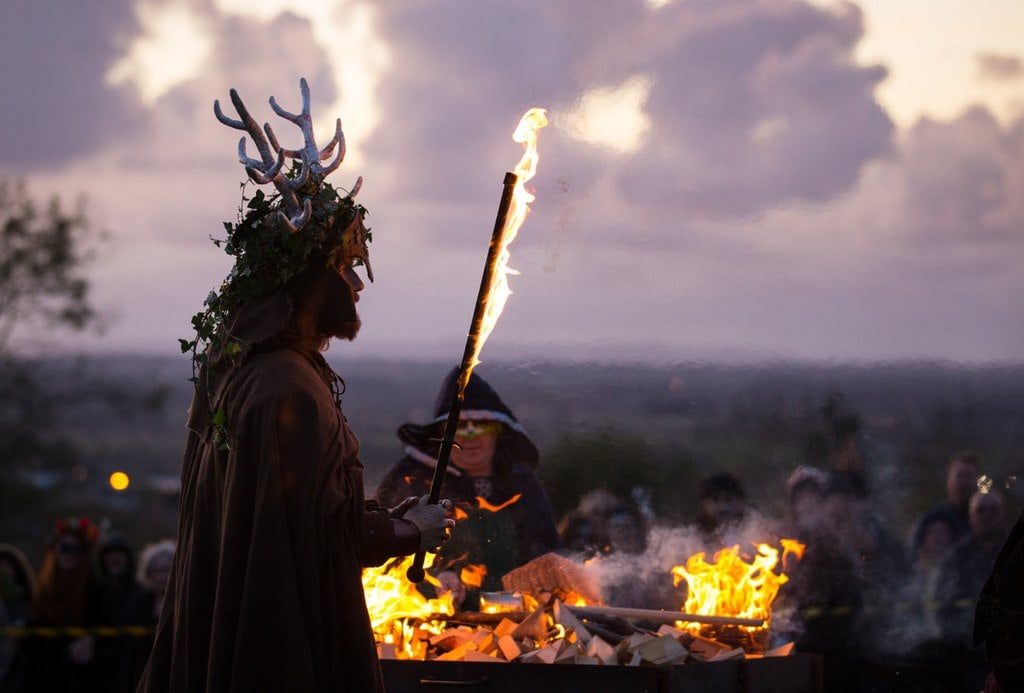
October 31 marked the festival of Samhain, which dates back to the Celts.
People believed the dead would return, and a lesser-known tradition involved little girls digging up cabbages to predict their future husbands.
This evolved into pranks known as Cabbage Night.
When Irish and Scottish immigrants brought the tradition to the U.S., it became known as Mischief Night or Devil’s Night, with pranks ranging from harmless fun to serious arson incidents.
😱 By the 1980s, cities like Detroit faced significant vandalism.
2. Turnips and the Legend of Stingy Jack (Ireland & Scotland)

The jack-o’-lantern tradition originates from an Irish tale about Stingy Jack, a trickster who outsmarted the Devil.
Jack was doomed to wander the Earth with only a turnip lantern to guide him.
Irish immigrants brought this tradition to America, where pumpkins replaced turnips due to their abundance.
Turnip carving remains a popular activity in parts of Scotland, especially when there’s a shortage of pumpkins.
3. Soul Cakes (United Kingdom & Portugal)
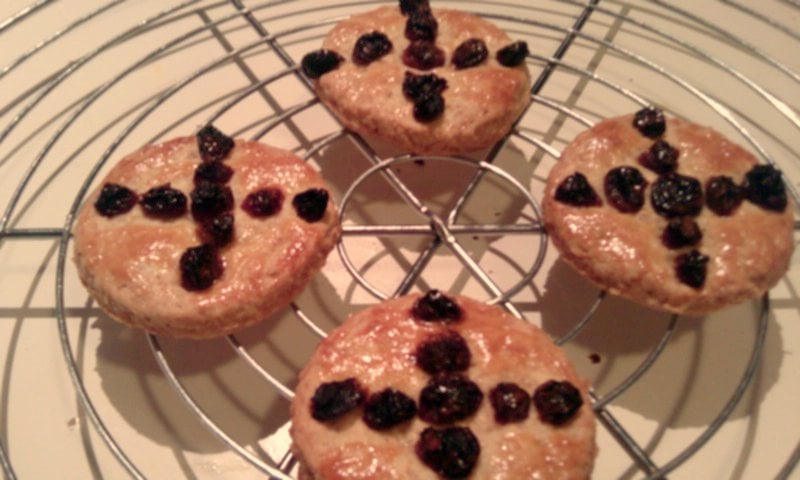
In the Middle Ages, British families baked soul cakes made with spices and raisins to honor the dead.
Children and beggars would knock on doors, sing “souling” songs, and pray for the deceased in exchange for these treats.
This tradition of souling still exists in some pockets of the UK, Portugal, and France, where families bake and share these cakes to remember their ancestors.
4. The Day of the Skulls (Bolivia)
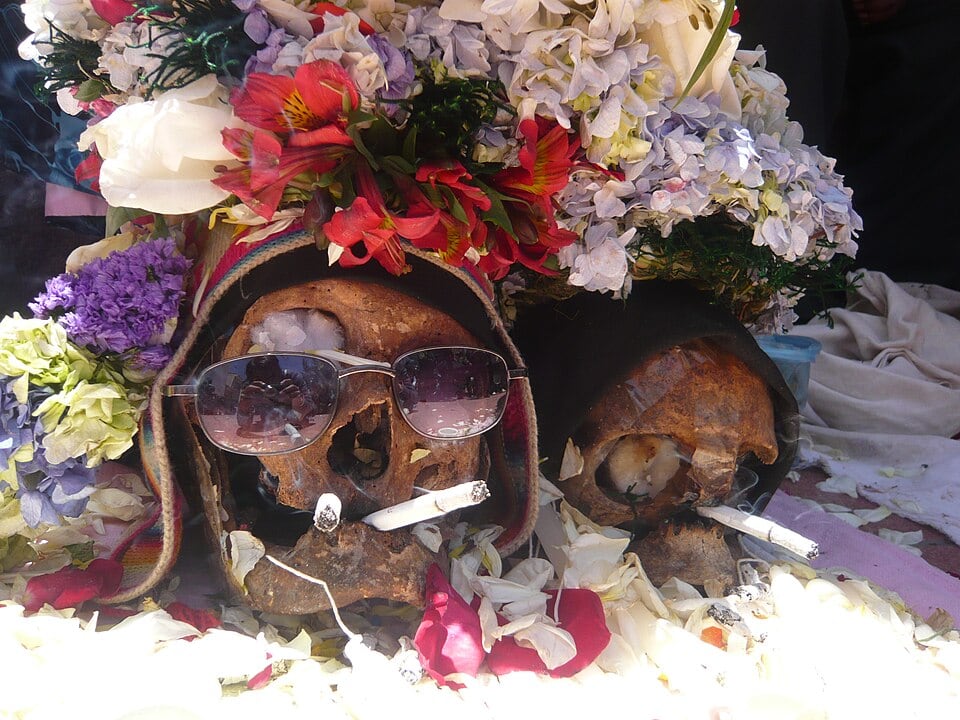
On Día de los Cráneos (meaning Day of the Skulls, though it’s also called La Fiesta de las Ñatitas, or Día de las Ñatitas), Bolivians honor their deceased family members by decorating skulls passed down through generations.
These skulls are adorned with hats, flowers, sunglasses and even lit cigarettes, and then brought to cemeteries for blessings and celebrations, often accompanied by lively music.
Many believe that the ñatitas (skulls) bring good fortune and protection to their families.
A similar event occurs each year in the small town of Pomuch, Mexico during Hanal Pixan — which is the Mayan Day of the Dead festival.
During the Cleaning the Bones Ritual, relatives remove the bones of their loved ones from mausoleums in the local cemetery, and carefully clean them.
5. The Double Ninth Festival (China & Japan)
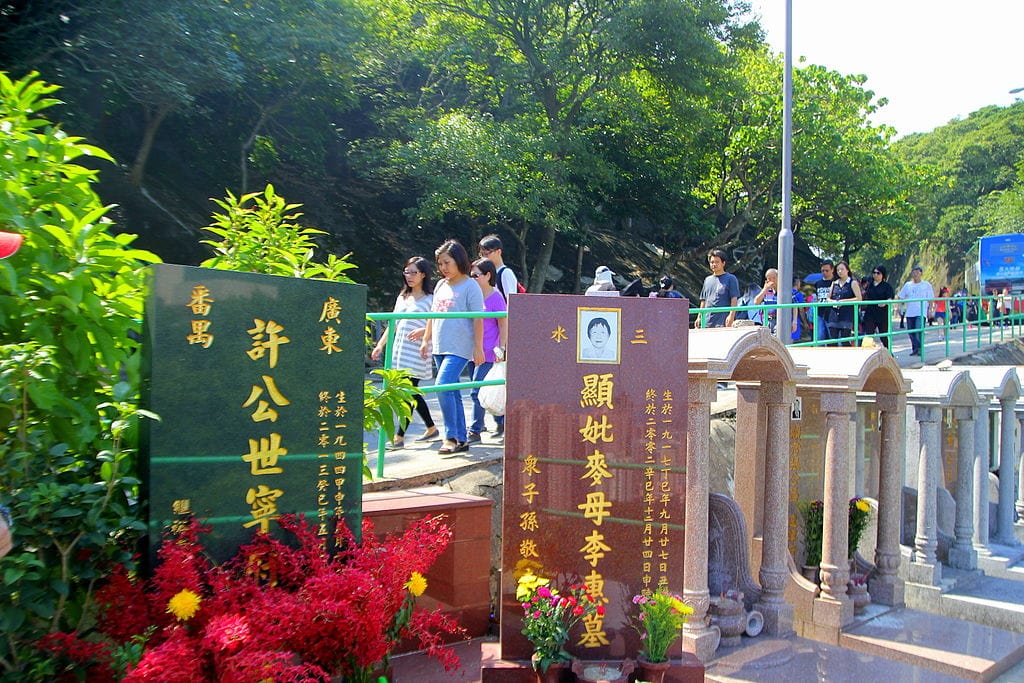
In China and Japan, the Double Ninth Festival commemorates an ancient legend: Villagers ward off a plague-bearing monster using chrysanthemum wine and dogwood leaves.
Today, families celebrate by drinking chrysanthemum tea, baking Double Ninth cakes, and climbing mountains.
It’s also a day to remember the elderly and pay respect to ancestors by cleaning their graves and leaving offerings.
6. Night of the Pumpkins (Galicia, Spain)
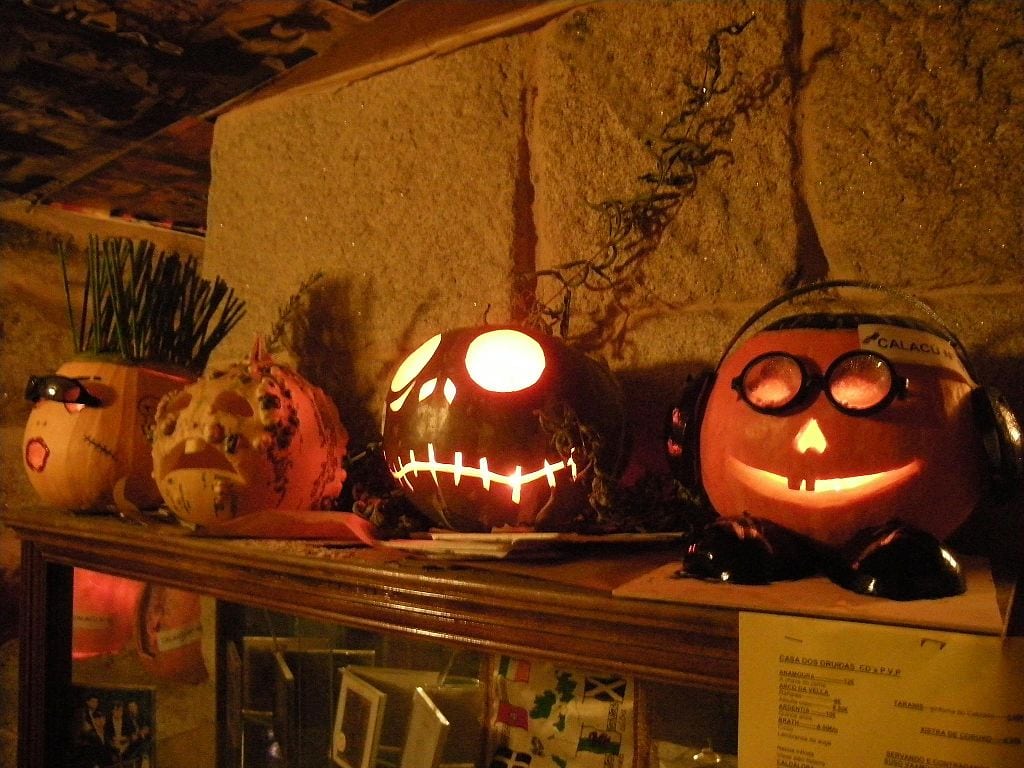
In Spain’s Galicia region, October 31 is Noite dos Calacús (Night of the Pumpkins).
Locals carve pumpkins and fill them with a drink called “queimada,” made from coffee beans, orange peel, cinnamon, and liquor.
The drink is set alight, and a spell is recited while brewing to cast out evil spirits.
This fiery tradition adds a unique twist to Halloween celebrations in the area.
7. Allhelgonadagen (Sweden)
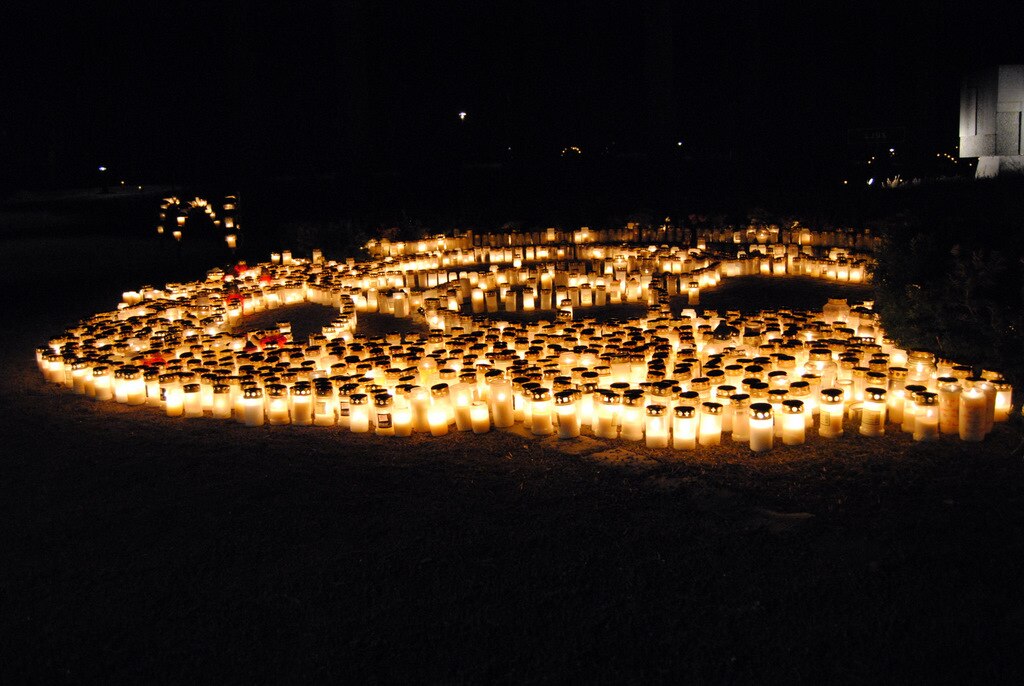
Sweden’s version of All Saints’ Day, known as “Allhelgonadagen,” falls between October 31 and November 6.
Locals visit cemeteries to honor deceased relatives, lighting candles and leaving flowers.
The sight of glowing lanterns across the graves is both solemn and beautiful.
Though American-style Halloween traditions arrived in the 1980s, this more reflective tradition remains central to Swedish culture.
8. Bread of the Dead (Mexico)

Dia de los Muertos, or Day of the Dead, is one of Mexico’s most iconic traditions, celebrated from October 31 to November 2.
This holiday honors deceased loved ones by inviting their spirits back to the world of the living.
Families build elaborate altars (ofrendas), in their homes or at graveyards, adorned with photographs, marigold flowers (known as cempasúchil), candles, copal incese, and the favorite foods and drinks of the departed.
Each element has a symbolic meaning: marigolds guide spirits with their scent and color, candles light their way, and food and drinks nourish them during their journey.
One of the other traditions is eating pan de muerto, or bread of the dead. There are several types of pan de muerto, as this tradition varies by region.
In some regions, like Oaxaca, there are large public displays with intricate sand tapestries (tapetes de arena), parades (muerteadas or comparsas), and performances.
In Michoacán, families gather at lakeside cemeteries, lighting candles throughout the night.
Dia de los Muertos is seen not as a time of mourning but as a joyous occasion to remember and celebrate loved ones who have passed away.
9. Kite Flying (Guatemala)
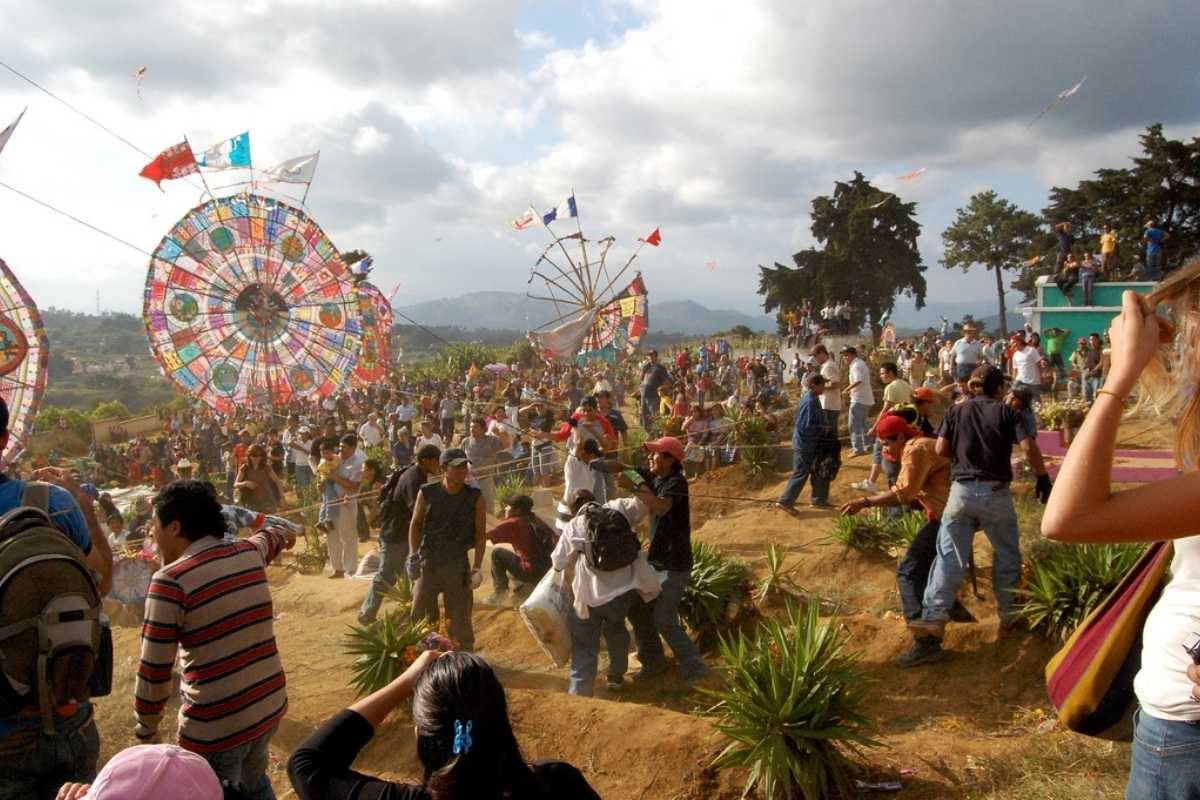
In Guatemala, the Festival of the Giant Kite (Feria del Barrilete Gigante) is held on November 1.
Locals create enormous, intricately designed kites flown over cemeteries to honor the dead.
The belief is that the kites help spirits ascend to the afterlife, and many are inscribed with messages for lost loved ones, combining artistry with a spiritual purpose.
10. The Hungry Ghost Festival (Hong Kong)
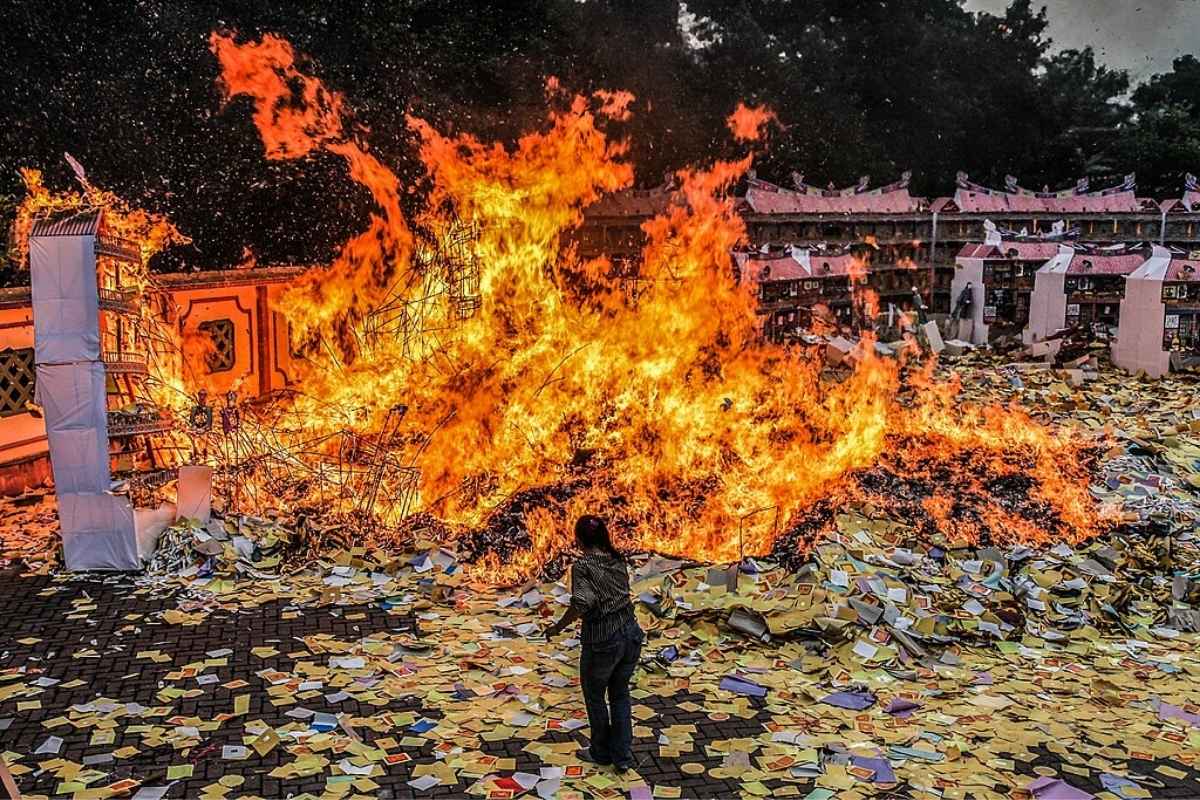
In Hong Kong, the Hungry Ghost Festival in August is similar to Halloween.
It’s believed that spirits roam the Earth, so families burn incense, offer food, and leave gifts to appease wandering souls.
This ritual ensures good fortune and protection, as it’s believed the spirits will return to the afterlife satisfied.
11. Hide and Seek with the Dead (Austria)
In Austria, people leave bread, water, and a lit lamp on the table before going to bed on Halloween night to welcome the spirits of their ancestors back home.
This tradition honors the deceased and ensures they have sustenance during their visit.
12. The Ognissanti (Italy)
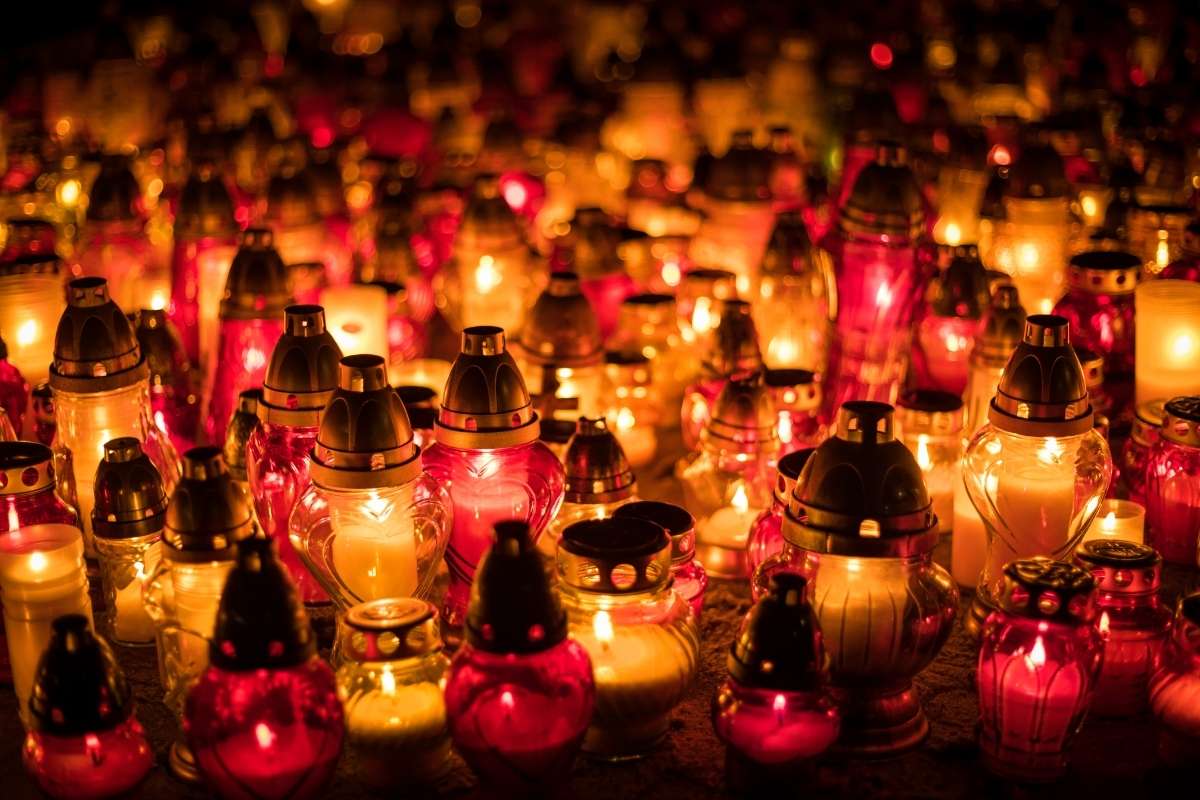
Halloween coincides with Ognissanti, or All Saints’ Day in Italy.
Families visit cemeteries, clean headstones, and light candles for their deceased loved ones.
Children leave their shoes out overnight, hoping to be filled with treats by morning, left by visiting spirits.
13. Guising in Scotland

Before trick-or-treating became mainstream, Scottish children would go “guising” — dressing up in costumes and going door-to-door.
Instead of just asking for treats, they had to perform a song, joke, or trick to earn them.
This tradition is still practiced in parts of Scotland and offers a charming alternative to modern Halloween.
Final Thought: Halloween Traditions Around the World
Halloween may be rooted in ancient Celtic traditions, but it has evolved into a global celebration with diverse customs.
Whether carving turnips in Scotland, drinking queimada in Spain, or flying kites in Hong Kong, these 13 traditions showcase how Halloween’s spirit of remembrance, fun, and fright transcends borders, uniting cultures in this eerie yet enchanting season.