
The Alarming Lies Female Solo Travelers Rely On for Safety


Traveling alone as a woman can be exciting and freeing. But it also comes with its own set of challenges and risks.
To stay safe, many female solo travelers use certain tricks and, sometimes, even lies.
In this blog post, we look at how women keep themselves safe while traveling alone.
Disclosure: This article may contain affiliate links, meaning when you make a purchase, I earn a small commission. Affiliate links cost you nothing to use, and help keep my content free. It’s a win-win for us both. For more info, see the Disclosure Policy.
The Reality of Solo Female Travel

Traveling alone gives you a lot of freedom. You can make your own plans, change them whenever you want, and enjoy new cultures without distractions.
This independence is empowering. But it also makes you feel more vulnerable.
The Risks Involved
Traveling alone as a woman has many risks. From small thefts to serious threats like harassment and assault, the dangers are real.
The fear of being targeted just because you’re a woman is always there. This fear makes many women take extra safety measures, some of which involve lying.
The Need for Deception
To stay safe, many women find themselves lying. These lies are not meant to deceive but to protect themselves.
The lies female solo travelers tell are often simple but effective ways to keep threats away and stay safe.
The Fake Wedding Ring
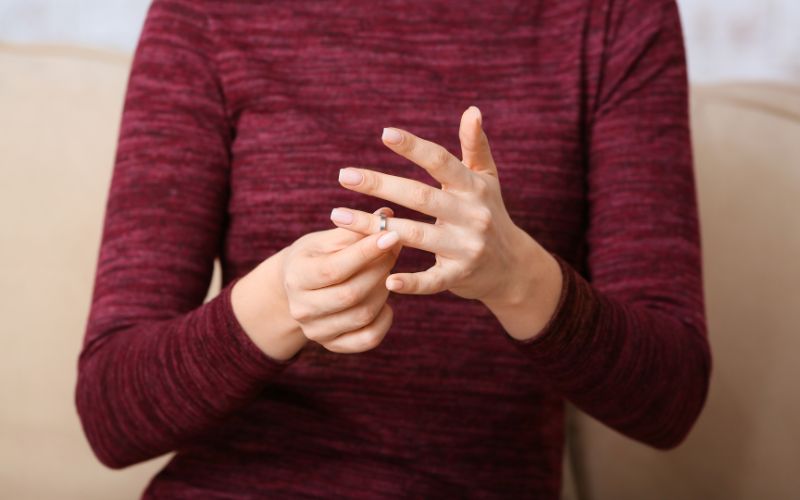
One common trick is wearing a fake wedding ring. This makes it look like you’re married, which can stop unwanted attention from men.
💍A wedding ring can signal that you’re not available, reducing the chances of harassment.
Wearing a fake wedding ring can make you feel more secure and confident. For others, it can act as a warning that you’re not alone and someone cares about you.
The Imaginary Partner
Another common lie is inventing an imaginary partner. When asked if they’re traveling alone, many women say they meet up with a boyfriend or husband later.
This lie makes it seem like someone is expecting them, which can stop potential threats.
The idea of having a partner can change how people treat you. Knowing that someone is waiting for you can make would-be harassers think twice.
This trick uses the power of perception to create a safer environment.
The Group Illusion

Some women go further by pretending to travel with a group. This can involve mentioning fake friends or even booking double rooms to make it look like they’re not alone.
The idea of safety in numbers is well-known.
By pretending to travel with a group, women can stop potential threats that might not target someone with companions. This trick can be very effective in risky areas.
Claiming to Know Locals

Solo female travelers might claim to have local friends or acquaintances to avoid being perceived as naive tourists.
Saying something like, “I’m meeting a local friend for dinner,” can deter potential scammers or individuals with bad intentions.
This lie suggests that the traveler has connections and is familiar with the area, which can make would-be harassers think twice.
Faking Phone Calls
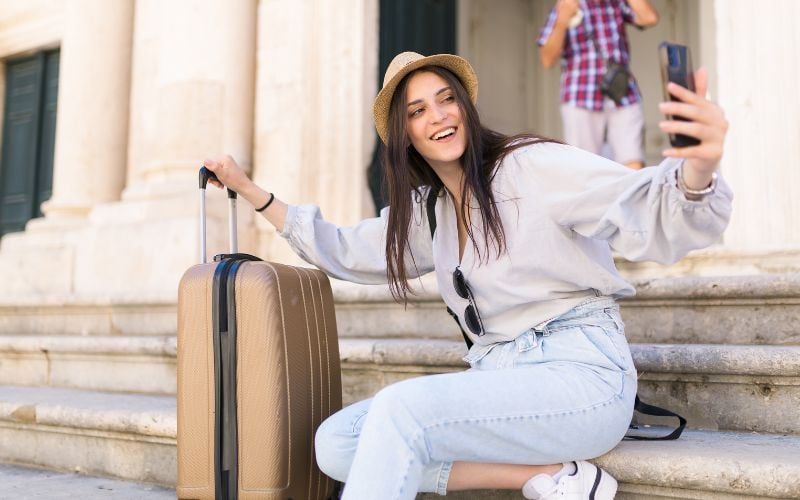
Another common tactic is to fake phone calls when feeling unsafe or uncertain about a situation.
Pretending to be on a call with a friend or family member can provide security and deter unwanted attention.
Statements like, “I’ll be there in five minutes,” or “Yes, I see you now,” can make others believe that someone is monitoring their location and expecting their arrival.
Creating a Backstory
Some solo female travelers create elaborate backstories to use when necessary. These might include details about a fictional spouse, job, or reason for traveling.
These backstories can deflect personal questions and give a sense of stability and connection.
For instance, “I’m here for work, and my colleagues are arriving tomorrow” can help avoid further probing and keep unwanted interactions brief.
Mentioning Non-Existent Meetings or Appointments
Mentioning fictitious meetings or appointments is another way solo female travelers protect themselves.
Statements like, “I’m late for a meeting,” or “I have an appointment to get to” can help them quickly exit uncomfortable situations.
This lie suggests a tight schedule and the presence of others expecting them, which can dissuade potential threats.
Using a Pseudonym
To protect their identity, some solo female travelers use pseudonyms when interacting with strangers.
Providing a fake name can help maintain privacy and avoid any potential issues if the individual they are speaking to turns out to be untrustworthy.
This simple lie can provide an extra layer of security when navigating unfamiliar environments.
Acting Confident and Knowledgeable
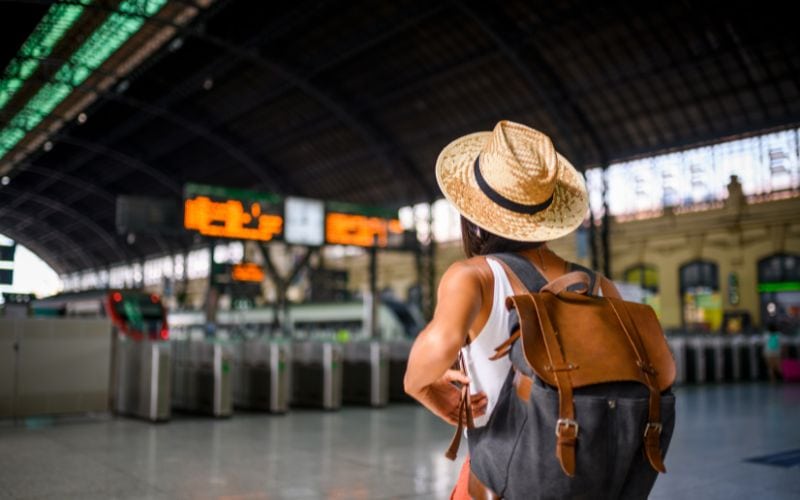
Solo female travelers often adopt a confident demeanor and pretend to know their way around, even when they don’t.
Acting lost or unsure can make them easy targets for scammers or predators.
By projecting confidence and appearing knowledgeable about their surroundings, they can deter potential threats.
Simple actions like walking purposefully, using maps discreetly, and avoiding looking overly touristy can help maintain this facade.
Carrying Props
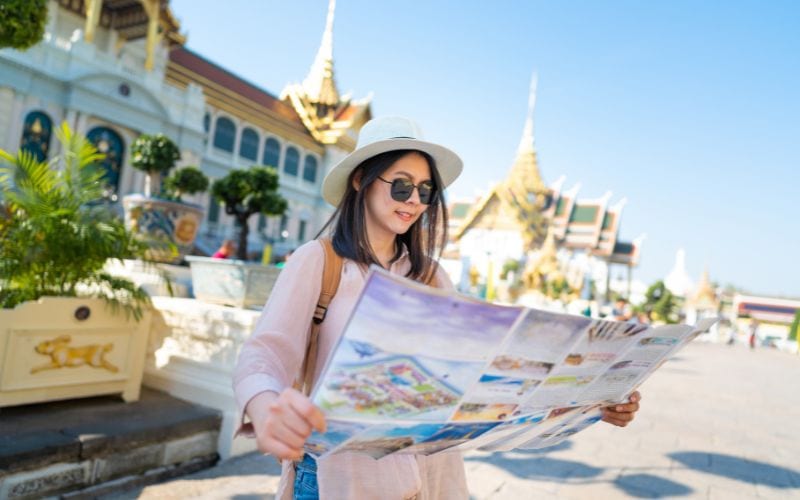
Some travelers carry props such as guidebooks, maps, or fake business cards to support their lies. These props can reinforce their stories and make their lies more believable.
For example, carrying a local map and pretending to navigate to a specific location can give the impression of familiarity with the area, reducing the likelihood of being targeted.
Conclusion: Lies Solo Female Travelers Tell
By employing these lies and strategies, solo female travelers can navigate their journeys with greater peace of mind and safety.
While the need for such deception is unfortunate, it is a practical response to the unique challenges and risks faced by women traveling alone.
Always remember to stay alert, trust your instincts, and prioritize your safety above all else.