
If You Remember These 15 Things, You’re a True Child of the 1970s ✌️


Growing up in the 70s meant Saturday morning cartoons, metal playground equipment that could give you third-degree burns, and a freedom kids today can’t imagine.
I spent my childhood riding my banana seat bike until the streetlights came on, trading baseball cards, and begging my mom for quarters to call my friends from pay phones.
Those were the days when life moved slower, TV had three channels, and nobody worried about helmets or seatbelts.
Here are some of my fondest memories of the 1970s, and I’m sure you’ll find some of your favorites on the list as well.
1. Shag Carpet in Every Color of the Rainbow
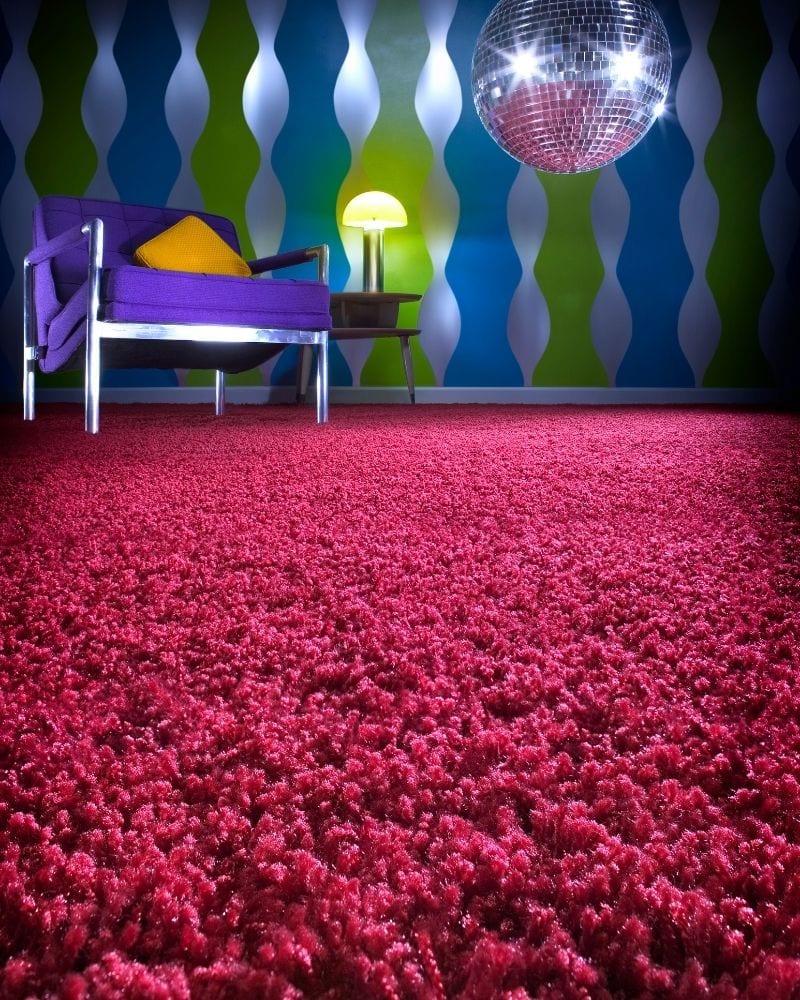
Walk into any home in the 70s and your feet would sink into thick shag carpet. The deeper the pile, the better.
We had burnt orange shag in our living room that my mom vacuumed in careful rows.
Dropping anything small meant getting down on your hands and knees to search through the fibers.
The shag carpet trend defined 70s interior design more than any other element. You could find it in avocado green, harvest gold, or chocolate brown.
Raking the carpet to make it look fresh was an actual chore kids had to do.
2. TV Dinners in Aluminum Trays
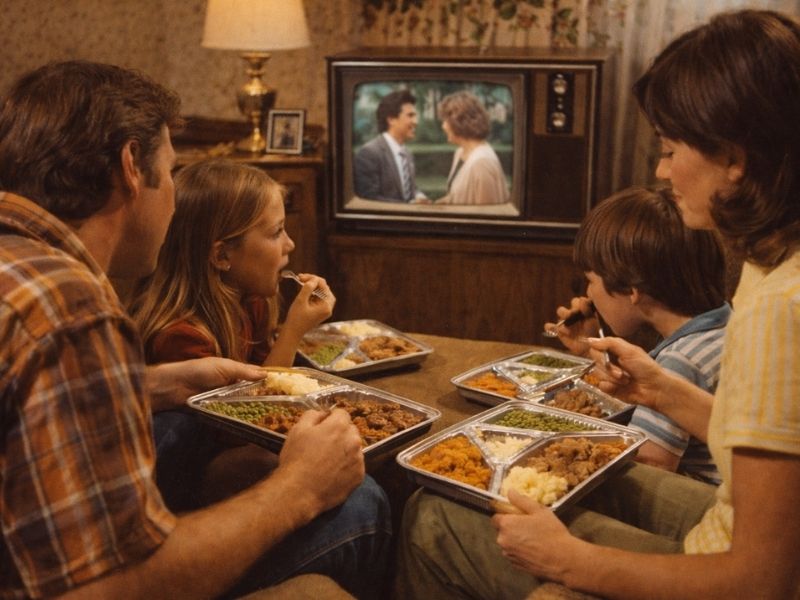
Swanson TV dinners were a huge treat in our house. The aluminum tray went straight from the freezer into the oven.
You’d wait 25 minutes, trying not to burn yourself when you peeled back the foil.
The fried chicken dinner or Salisbury steak meal came with its own little compartments for sides.
Everything tasted vaguely metallic and the vegetables were always mushy. The dessert section with its tiny apple cobbler or brownie made it all worthwhile.
We’d eat them on those metal TV trays while watching “The Brady Bunch” or “Happy Days.”
3. Calling People From Pay Phones
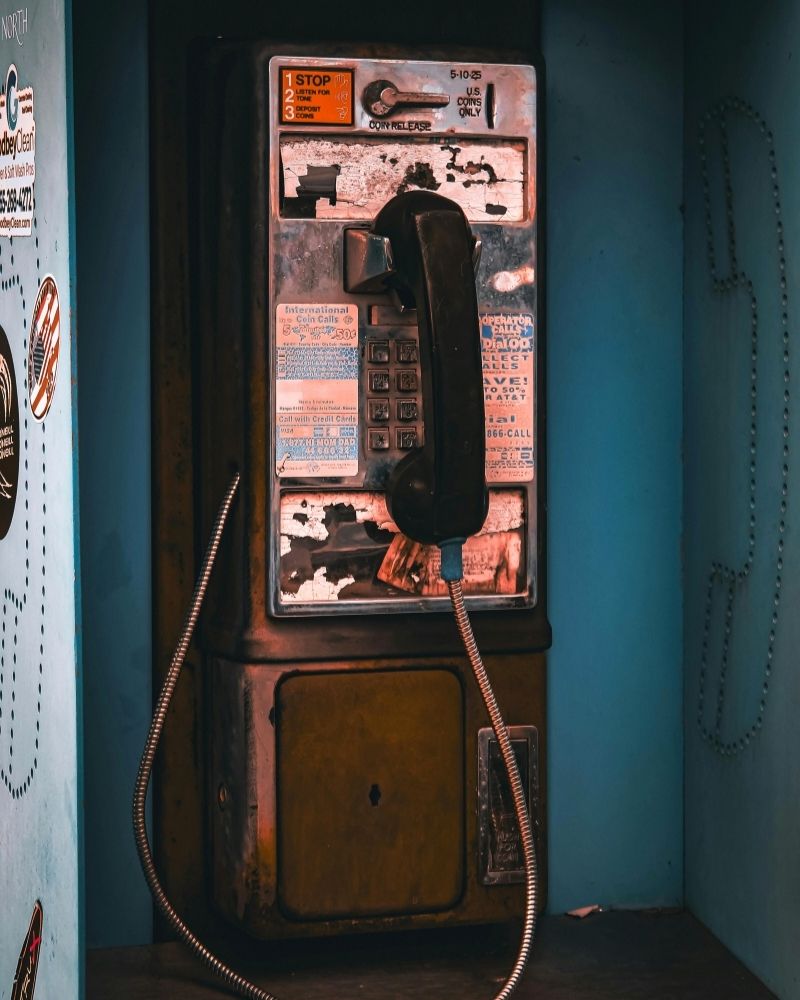
Pay phones were everywhere in the 70s. You could find them at gas stations, outside grocery stores, and on random street corners.
Making a call cost a dime at the start of the decade. By 1979, it had jumped to a quarter.
You had to memorize phone numbers because there was no digital contact list.
Calling collect was how kids told their parents to pick them up without spending money.
The phone book dangling from a metal cord was always missing pages. Sometimes you’d get lucky and find change left in the coin return slot.
4. Waiting a Week for the Next Episode
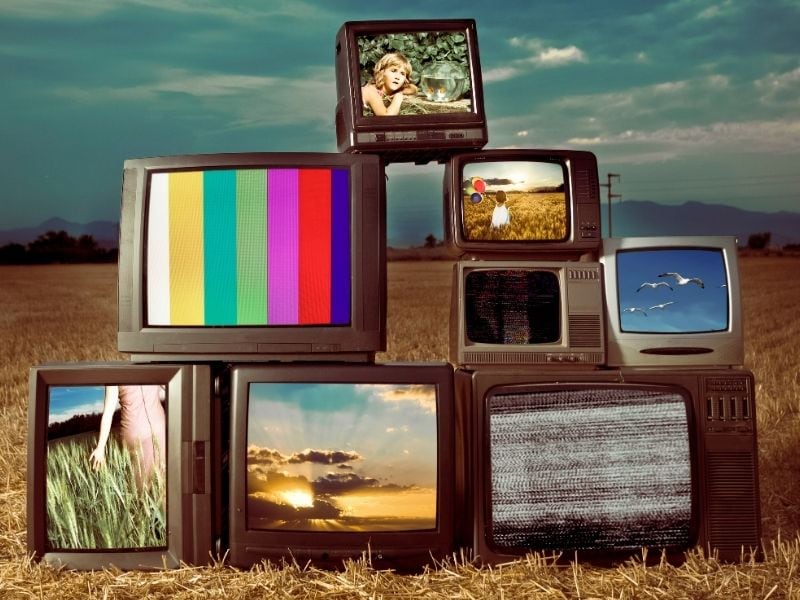
Binge-watching didn’t exist in the 70s. If you missed an episode of your favorite show, you were out of luck.
There were no DVRs, no streaming services, and no way to watch it later. Network television dominated entertainment with ABC, NBC, and CBS as your only choices.
You had to wait seven whole days to find out what happened next. Cliffhangers were brutal because there was no way to satisfy your curiosity early.
Summer meant nothing but reruns for months. The whole neighborhood would gather to watch special events like the series finale of “MAS*H.”
5. Recording Songs Off the Radio
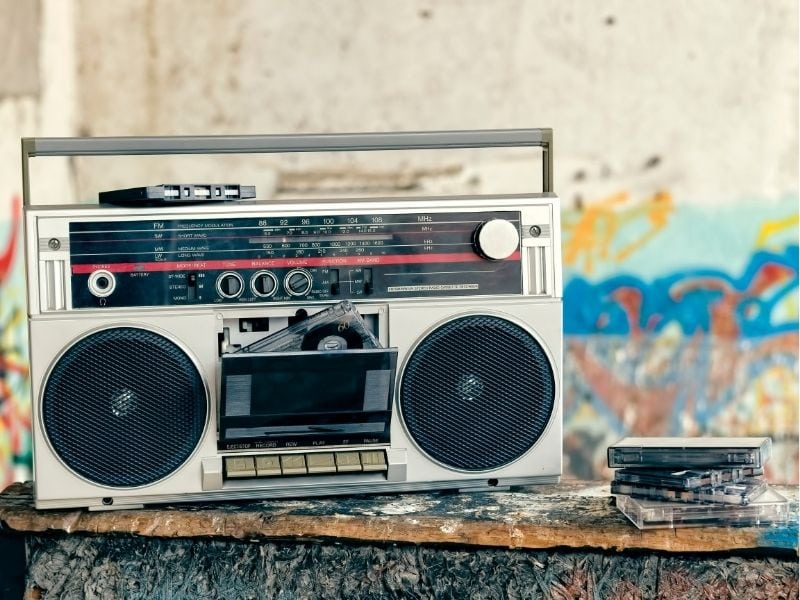
Making a mixtape required patience and perfect timing. You’d sit by your radio with your finger hovering over the record button.
The goal was to press it right when the song started so you didn’t get the DJ talking.
You’d end up with tapes full of songs with the first second cut off or the last note missing.
Cassette tapes were the height of music technology for regular people. Blank TDK or Maxell tapes were precious commodities.
You’d carefully write the track list on the paper insert with your best handwriting. Trading mixtapes with friends was how you discovered new music.
6. Metal Slides That Burned Your Legs

Playgrounds in the 70s were basically accident waiting to happen. The slides were tall metal structures that baked in the summer sun.
Going down one in shorts meant getting second-degree burns on the back of your legs.
You learned quickly to test the slide with your hand first or go down on a piece of cardboard.
The merry-go-rounds spun fast enough to fling kids off into the dirt. Seesaws were solid metal that could crack you in the chin if your partner jumped off.
Nobody wore helmets and scraped knees were just part of childhood. Monkey bars stood over concrete or packed dirt instead of soft mulch.
7. Only Three TV Channels
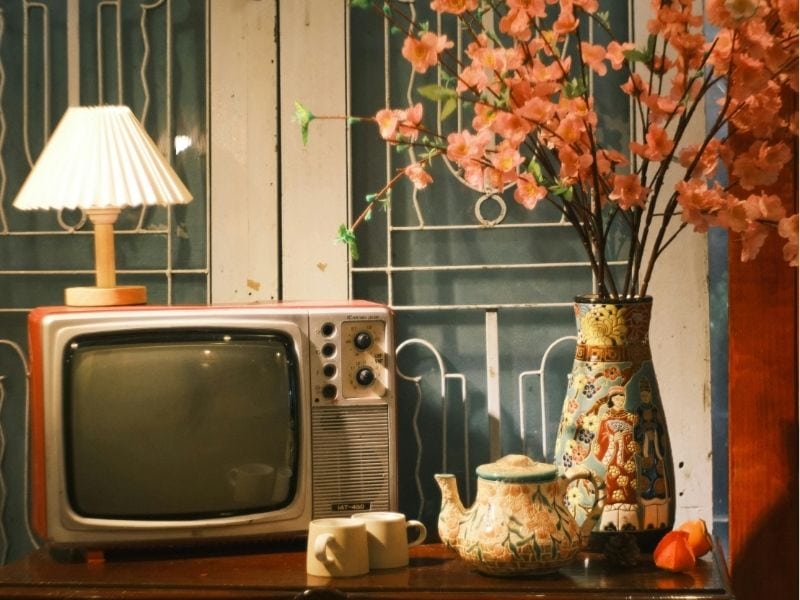
Cable TV was rare in the 70s. Most families relied on rabbit ear antennas to pick up ABC, NBC, and CBS.
You had to get up and walk to the TV to change the channel manually. The dial would click through each station, often landing on static.
Sometimes you’d wrap aluminum foil around the antenna to improve reception.
Moving the antenna by even an inch could make the difference between a clear picture and snow.
PBS was your fourth channel if you were lucky enough to get it. Saturday nights meant watching whatever was on because there were no other options.
8. Waiting Days to See Your Photos
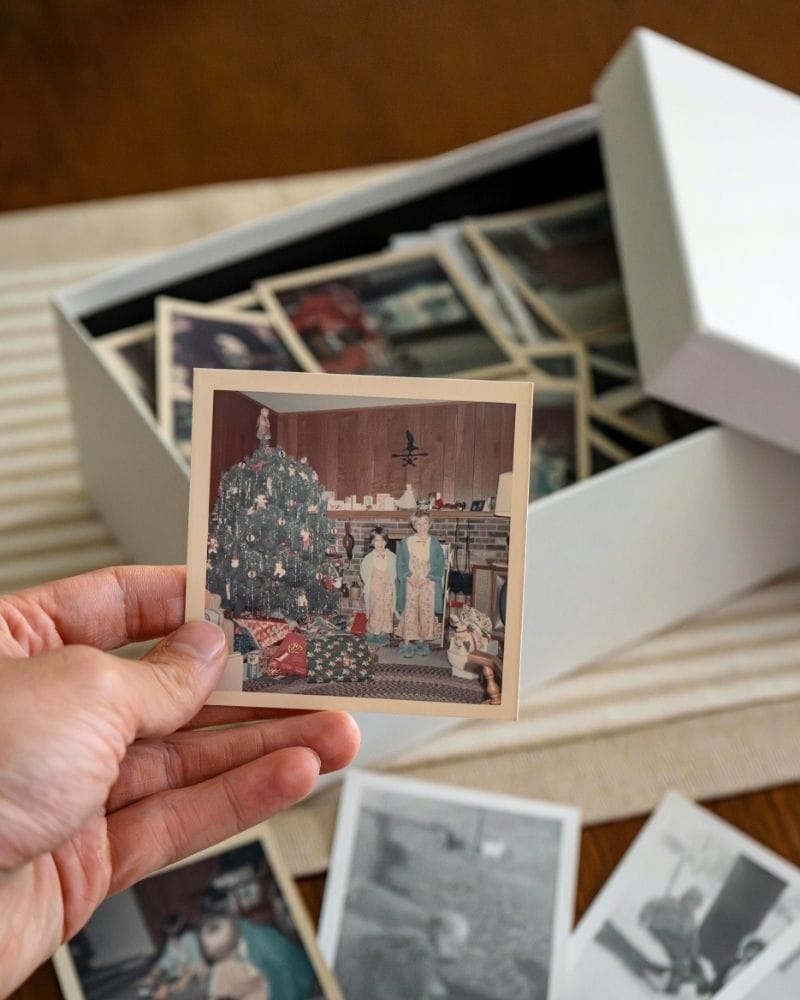
Taking pictures meant real commitment in the 70s. Film came in rolls of 24 or 36 exposures.
You had to finish the entire roll before you could get anything developed. Then you’d drop it off at the pharmacy or camera shop and wait several days.
Picking up your photos was like Christmas morning because you’d forgotten half of what you shot.
At least a quarter of the pictures would be blurry, too dark, or had someone’s thumb in the frame.
You couldn’t delete bad photos or take unlimited shots. Every click of the shutter cost money so you made each one count.
9. Wood Paneling on Everything
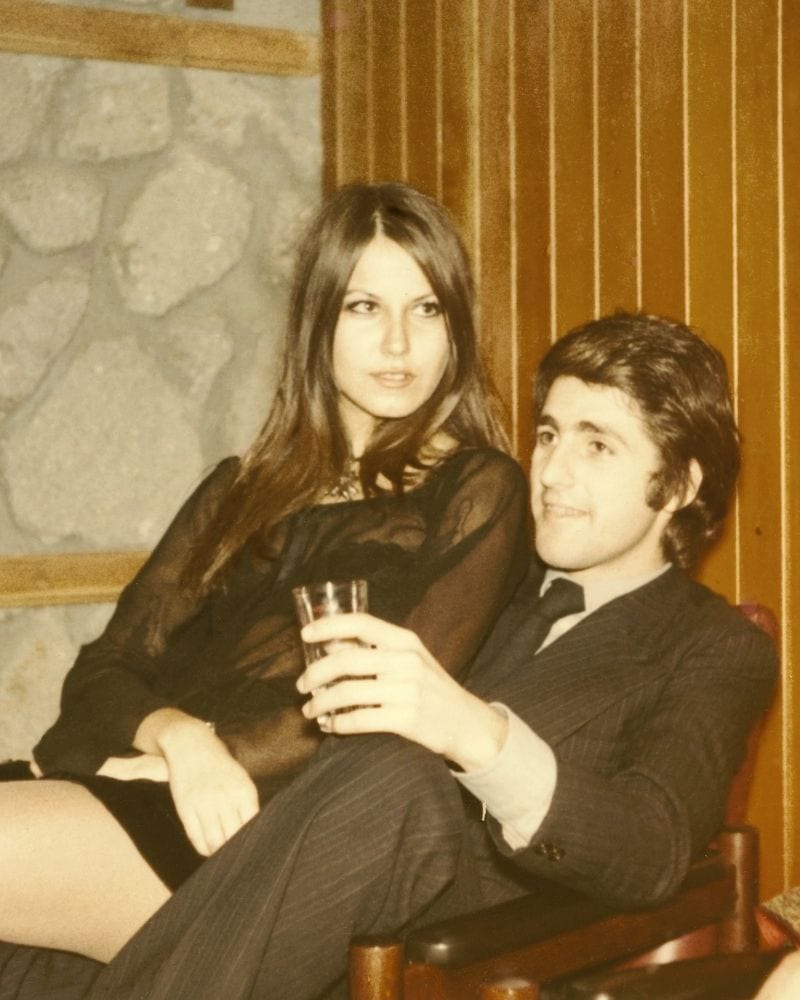
Wood paneling covered the walls of rec rooms, basements, and family rooms across America. The dark brown panels made rooms feel like caves.
Station wagons had wood paneling on the outside because apparently cars needed it too.
Our basement was completely covered in the stuff, which made it feel perpetually dim even with the lights on.
It was supposed to look sophisticated and modern. Most of it was actually vinyl printed to look like wood grain.
Hanging pictures required special hooks because you couldn’t just nail into the panels. The 70s aesthetic loved anything that resembled wood, real or fake.
10. Riding in Cars Without Seatbelts
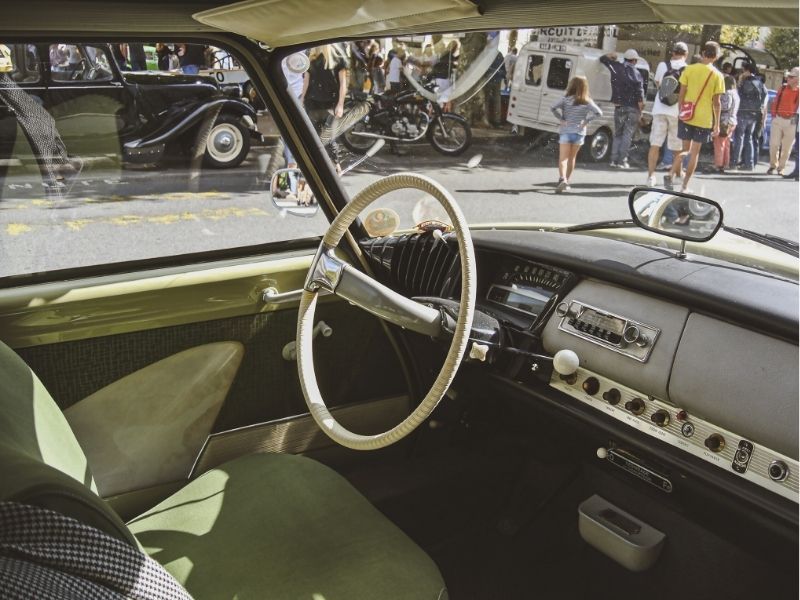
Seatbelt laws didn’t exist for kids in most states during the 70s. We’d pile into the back of station wagons and roll around freely.
The way-back of a wagon facing backwards was the coolest seat in the car. Making faces at the drivers behind you was peak entertainment on long trips.
Federal seatbelt laws didn’t become widespread until the 80s and 90s. Car seats were basic plastic shells with minimal protection.
Kids stood up in the back seat, climbed between the front seats, and generally treated cars like playgrounds. The concept of airbags was pure science fiction.
11. Encyclopedias as Your Only Research Tool
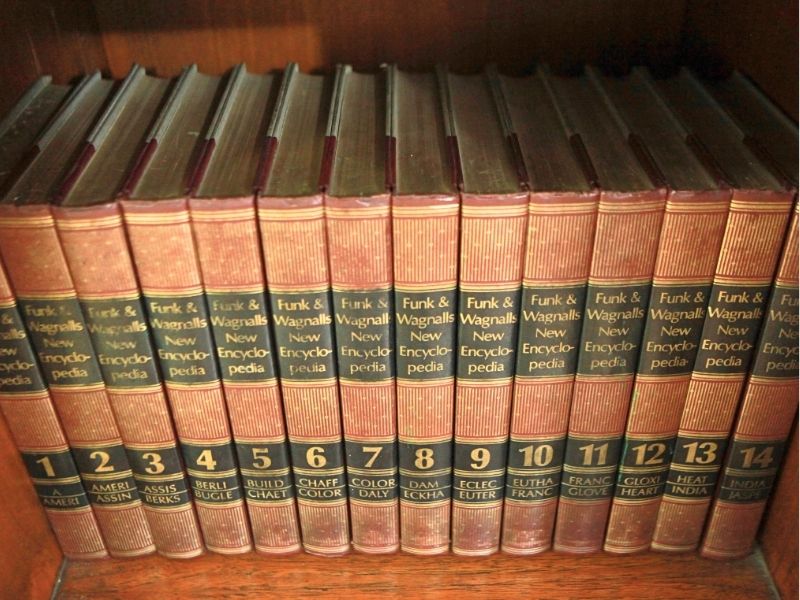
Need to write a school report in the 70s? You pulled out the encyclopedia set gathering dust on the shelf.
Most families had World Book or Encyclopedia Britannica collections that cost a small fortune.
Each volume was heavy, bound in leather or vinyl, and organized alphabetically.
You’d copy information word-for-word into your notebook because there was no other way to save it.
The copyright dates were often years old so the information was already outdated.
Libraries were the backup plan when your home set didn’t have enough detail.
The internet existed only in government and university labs, completely unavailable to regular people.
12. Actual Cigarette Vending Machines
You could buy cigarettes from vending machines in the 70s without anyone checking your age. They sat in restaurants, bowling alleys, and hotel lobbies.
You’d put in your coins and pull a lever to get a pack. The machines even dispensed books of matches with the cigarettes.
Smoking was allowed everywhere from airplanes to hospitals to grocery stores. Restaurants had smoking sections but the smoke drifted everywhere anyway.
Cigarette commercials ran during Saturday morning cartoons. The culture around smoking was completely different from today’s attitudes.
13. Watching the National Anthem Before TV Went Dark
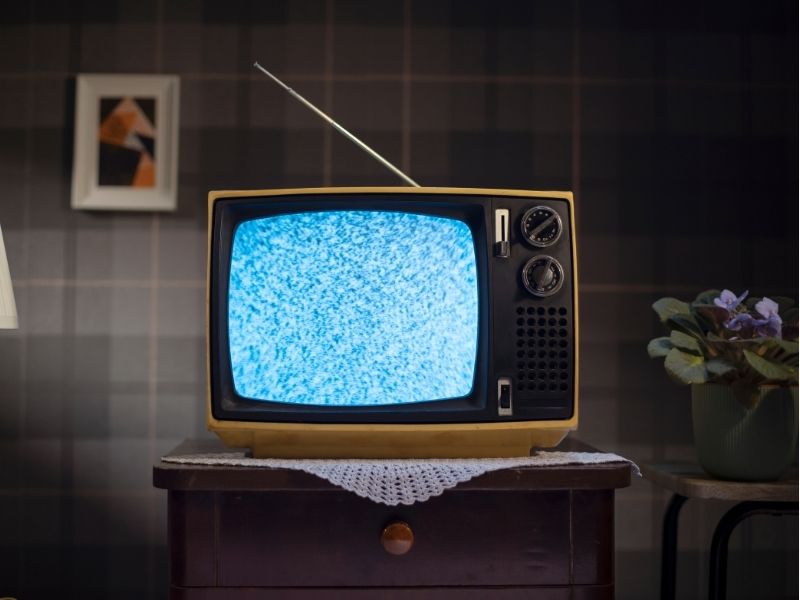
Television didn’t broadcast 24 hours a day in the 70s. Stations would sign off around midnight or 1 AM.
The last thing you’d see was the national anthem playing over an American flag. Then the screen would go to static and a test pattern.
If you fell asleep with the TV on, you’d wake up to loud static and a black-and-white test pattern. The high-pitched tone could wake the whole house.
Early morning programming didn’t start until 6 or 7 AM. There were actual hours when television simply didn’t exist as an option.
14. Tang and Space Food Sticks
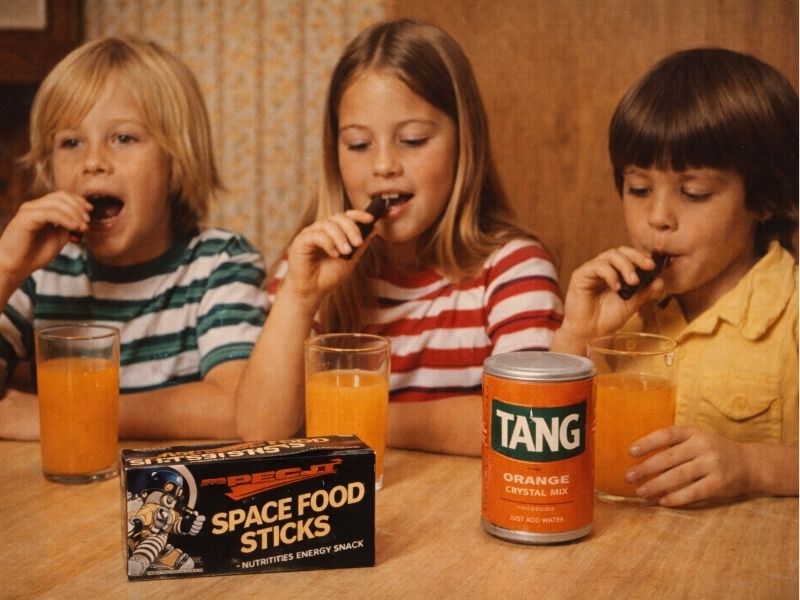
NASA made Tang and Space Food Sticks cool by taking them into space. Every kid wanted to eat like an astronaut.
Tang was powdered orange drink that turned water bright orange. It tasted nothing like actual orange juice but we loved it anyway.
Space Food Sticks were chewy bars that came in chocolate, peanut butter, and other flavors. They were supposed to be nutritious but were basically candy.
The space program influenced everything we ate and drank. If astronauts consumed it, kids begged their parents to buy it.
15. Rotary Phones That Took Forever to Dial
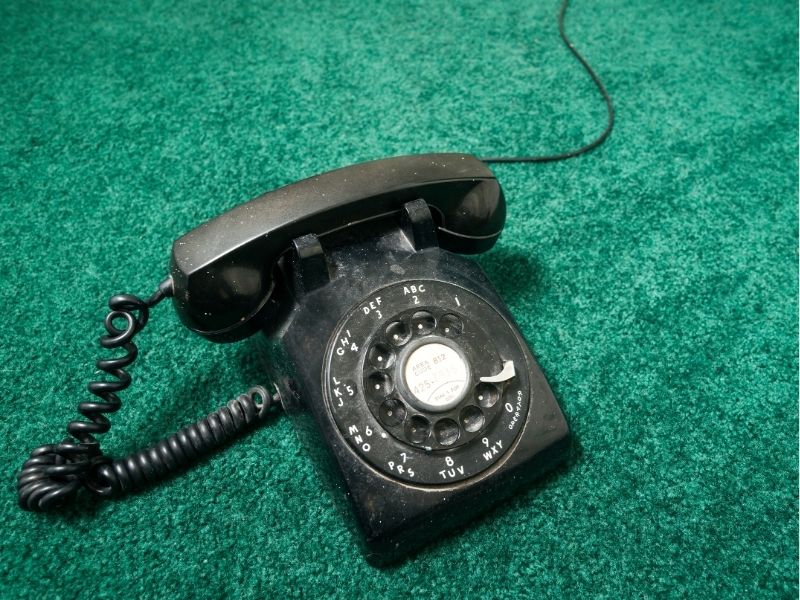
Rotary phones were the only option in the 70s. Making a call required sticking your finger in the holes and rotating the dial.
Phone numbers with lots of 9s and 0s took forever because those numbers were farthest around the dial.
You had to wait for the dial to return to its starting position before dialing the next number.
Calling long distance was expensive so you’d watch the clock carefully. Phone cords were always tangled into impossible knots.
You couldn’t text, couldn’t see who was calling, and couldn’t take the phone with you. Everyone in the house shared one phone line, so conversations weren’t private.
Let’s Take a Walk Down Memory Lane For Even More 1970s Nostalgia

We’ve got you covered. Check out our other groovy 70s content using the links below.