
12 Common Kitchen Mistakes to Avoid (Because They Might Be Making You & Your Family Sick)


Nobody wants to think their own kitchen is making their family sick. I get it. I did not want to believe it either.
I have always considered myself a clean cook. I wash my hands, I keep a tidy kitchen, and I would have bet good money that my kitchen was not the problem.
Then I read the research, and realized I made lot of these mistakes without ever connecting the dots.
NSF International, a public health and safety organization, sent microbiologists into real homes and found that the kitchen contained significantly more bacteria and fecal contamination than the bathroom.
I want you to read that sentence one more time, because it changed the way I do everything in my kitchen.
Here are 12 common kitchen mistakes to avoid that most of us make every single day, and what the science says we should do instead.
1. Using the Same Kitchen Sponge for Weeks

This is the big one, and I am leading with it because it affects almost everyone.
NSF’s germ study found that kitchen sponges were the germiest item in the entire home.
More than 75% tested positive for coliform bacteria, which is the family that includes Salmonella and E. coli. Another 86% had yeast and mold.
Most of us keep a sponge by the sink until it starts to smell bad or fall apart.
By that point, it has been spreading bacteria across your dishes, counters, and hands for weeks.
NSF recommends microwaving a wet sponge for two minutes every day and replacing it at least every two weeks.
If that sounds like a lot, consider switching to dishcloths you can toss in the washing machine on the hot cycle every couple of days.
2. Never Fully Taking Apart the Blender Before Washing

If you wash your blender by just filling the jar with soapy water and hitting the blend button, you are not alone.
That trick is all over the internet — but it’s not cleaning the part that matters most.
NSF scientists found that blender gaskets, the rubber ring between the blade and the jar, were the third germiest item in the kitchen.
They tested positive for Salmonella, E. coli, yeast, and mold.
The only way to properly clean a blender is to unscrew the base, remove the blade assembly and the gasket, and wash each piece separately.
Let everything air dry completely before reassembling.
3. Putting Knives Back in the Block While Still Damp
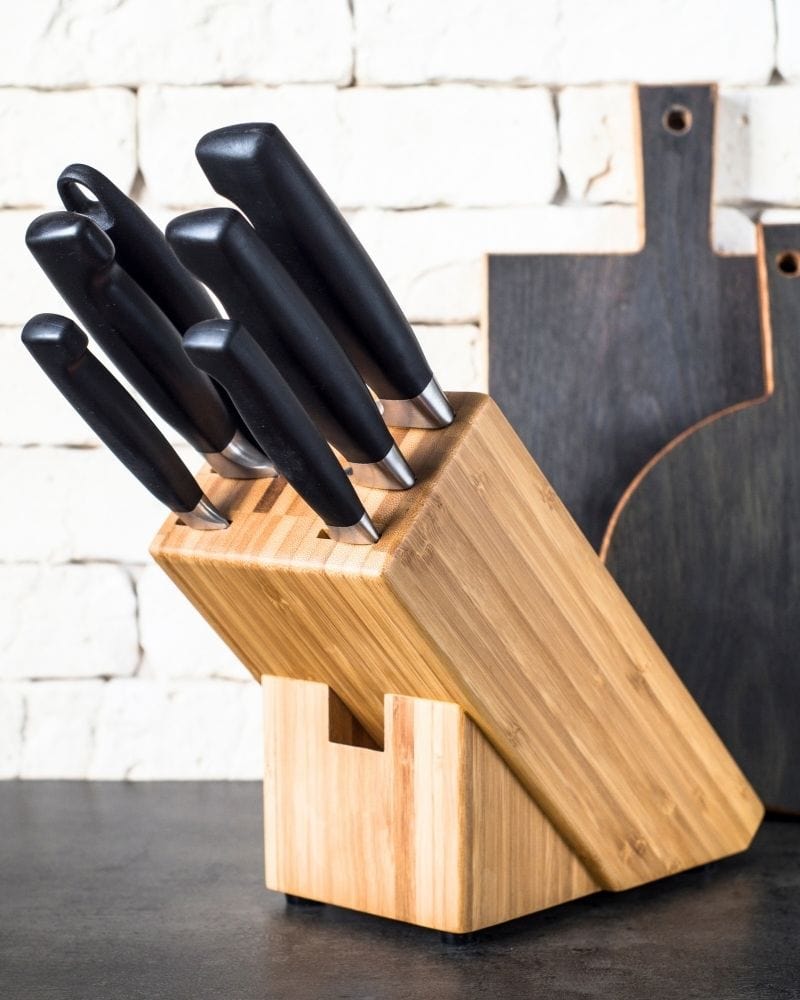
You wash a knife, dry it with a towel, and slide it into the knife block.
The problem is that the knife is rarely fully dry, and the inside of the block never gets any airflow.
That creates a dark, damp environment where mold and bacteria thrive.
NSF’s kitchen study confirmed that knife blocks can harbor yeast, mold, and harmful bacteria in those narrow slots.
Make sure knives are completely dry before storing them.
Once a month, turn the block upside down, shake out debris, and sanitize the slots with a diluted bleach solution.
If your block is old and impossible to clean, switch to a magnetic knife strip mounted on the wall.
4. Using the Same Kitchen Towel All Week
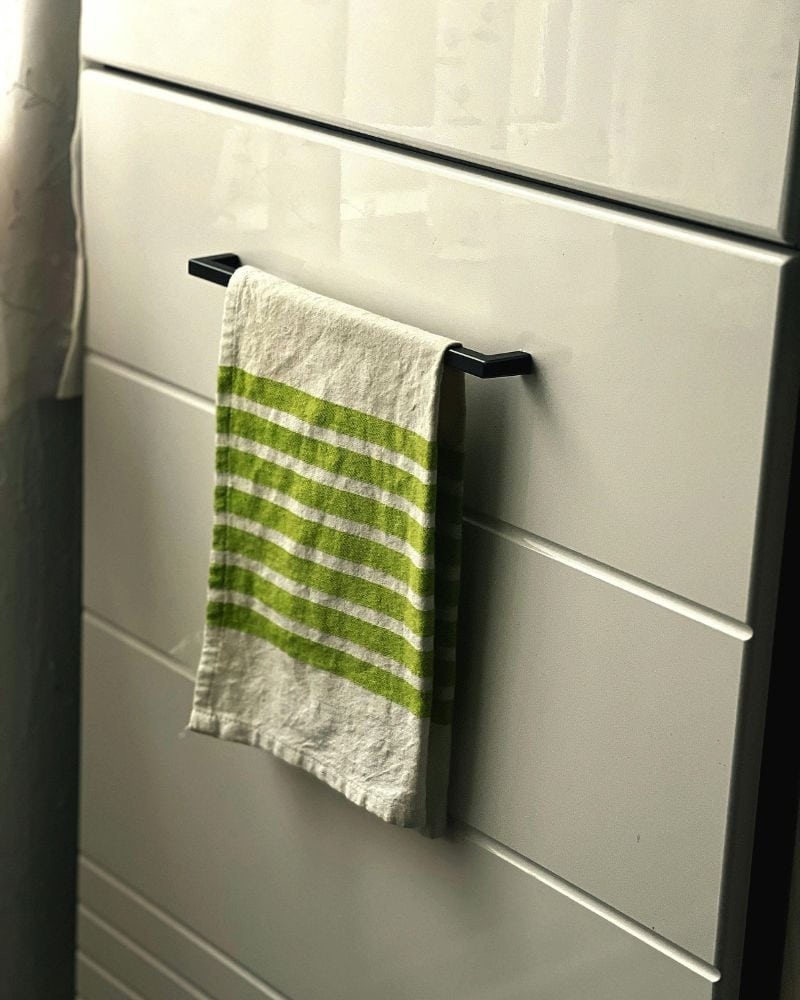
Raise your hand if you have a kitchen towel hanging on the oven handle right now that has been there since Monday. (No judgment. I have been there too.)
Research has found that 89% of kitchen towels were contaminated with coliform bacteria, and 25% carried E. coli.
The longer a towel stays in use, the worse it gets, especially if it stays damp between uses.
Think about everything that towel touches in a single day: Your hands after handling raw chicken. The counter after dinner. The edge of a pot. Your clean dishes.
Swap your kitchen towels every one to two days and wash them on the hot cycle. Keep a few extras in the drawer so you always have a fresh one ready.
5. Storing Meat Above Produce in the Refrigerator

This one is simple physics, and it causes more foodborne illness than most people realize.
If raw meat is stored on a shelf above your fruits and vegetables, the juices can drip down onto produce you might eat raw, like lettuce, strawberries, or bell peppers.
NSF scientists found Salmonella and Listeria in refrigerator vegetable compartments, and cross-contamination from raw meat is one of the most common ways those bacteria get there.
Always store raw meat, poultry, and seafood on the lowest shelf of the refrigerator, ideally in a container or on a plate to catch any drips.
Produce should always go above, never below.
6. Skipping the Monthly Fridge Drawer Cleanout
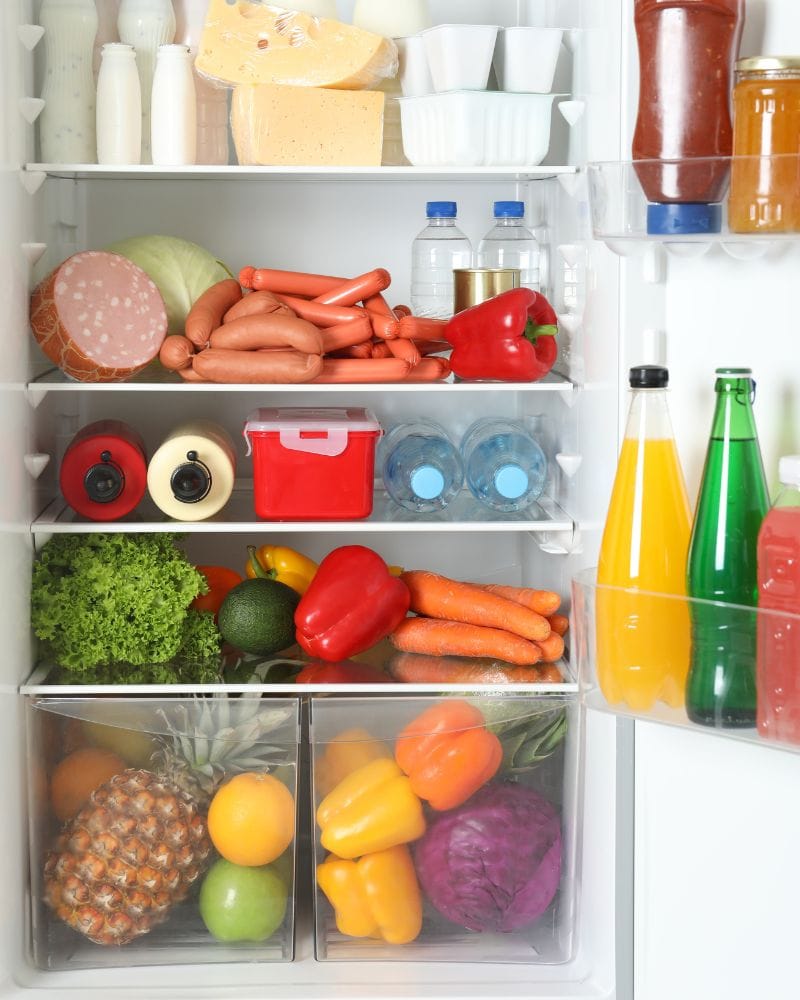
Even if you store everything in the right place, your refrigerator drawers collect residue, moisture, and forgotten food particles over time.
NSF found that vegetable compartments were one of the germiest spots in the kitchen, testing positive for Salmonella, Listeria, yeast, and mold.
The meat compartment was equally concerning.
Listeria is particularly dangerous because unlike most bacteria, it can actually grow at refrigerator temperatures.
It poses the biggest risk to older adults, pregnant women, and anyone with a compromised immune system.
Once a month, pull out the drawers, wash them in warm soapy water, rinse, and dry completely before putting them back.
It takes 10 minutes and it matters more than you think.
7. Never Washing the Can Opener

Most people open a can, toss the opener back in the drawer, and never think twice.
NSF’s kitchen study found that can openers were among the germiest kitchen items tested.
The cutting wheel picks up food residue and bacteria from every can it touches, and that contaminated blade goes directly onto the next can you open.
Wash your can opener with hot soapy water after every use. Use a small brush to scrub the cutting wheel and gears where grime builds up.
If yours is rusty or permanently dirty, replace it. They cost a few dollars.
8. Only Rinsing the Cutting Board Instead of Sanitizing It

A quick rinse under hot water after cutting raw chicken is not enough. Not even close.
The USDA recommends washing cutting boards with hot soapy water after each use, then sanitizing with a bleach solution or running them through the dishwasher if they are dishwasher safe.
NSF found coliform bacteria on cutting boards in 18% of homes tested.
The USDA also recommends using separate cutting boards for raw meat and for produce.
This single habit can dramatically reduce cross-contamination in your kitchen.
If your cutting boards have deep grooves or knife scars, the USDA says to throw them away because bacteria can hide in those grooves and survive even thorough cleaning.
9. Forgetting About the Coffee Maker Reservoir

You clean the pot. You might even wipe down the outside. The water reservoir where you pour in the water every morning?
That probably has not been cleaned in months. (Maybe ever.)
NSF found that the coffee reservoir was the fifth germiest spot in the entire home. Half of all coffee makers tested had yeast and mold growing inside.
The reservoir stays dark and damp all day, which is exactly the environment mold loves.
Run a cycle of undiluted white vinegar through the machine at least once a month, let it sit for 30 minutes, then flush with two to three cycles of fresh water.
Between deep cleans, wipe out the reservoir and leave the lid open so it can dry.
10. Ignoring the Kitchen Sink

This one might be the most counterintuitive mistake on the list. The sink feels clean because water runs through it all day. That is exactly why it is not.
NSF found coliform bacteria in 45% of kitchen sinks. Yeast and mold were present in 27%.
Your sink collects raw meat juices, food scraps, dirty dish water, and whatever comes off your hands every time you rinse them.
Without regular disinfecting, all of that just builds up.
Wash the sides and bottom of your sink with a disinfecting cleaner at least once or twice a week.
Once a month, pour a solution of one tablespoon of bleach in one quart of water down the drain to sanitize it.
11. Washing Hands Properly but Contaminating Them on the Faucet Handle

You might be doing a perfect job of washing your hands after handling raw meat. Twenty seconds, warm water, plenty of soap. Exactly right.
Then you turn off the faucet with your clean hand, grabbing the handle you touched with your raw-chicken hand 30 seconds earlier.
NSF found that faucet handles in the kitchen tested positive for coliform bacteria, yeast, and mold.
The fix is simple. After washing your hands, use a paper towel to turn off the faucet.
Or, make it a habit to wipe down the faucet handle with a disinfecting wipe every time you cook with raw meat or poultry.
12. Trusting That the Dishwasher Cleans Everything
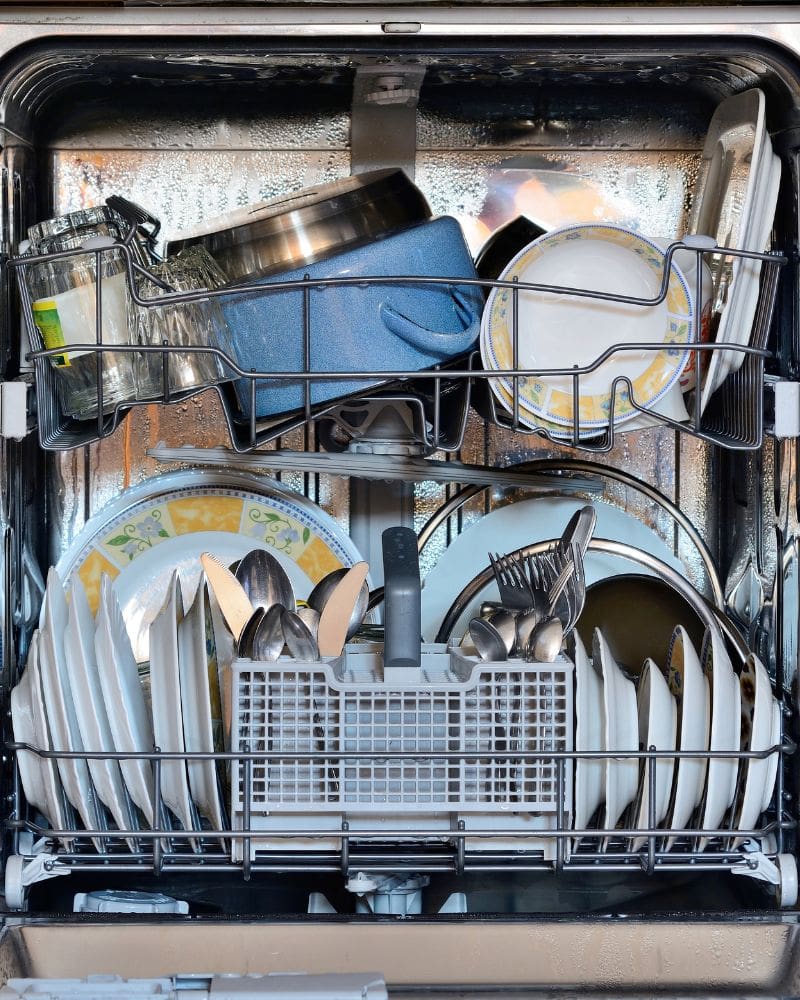
The dishwasher does a great job on most things. It is not magic, though, and there are items it cannot fully clean.
Anything with rubber seals, gaskets, or narrow crevices may not get fully sanitized in a standard cycle.
NSF’s study found bacteria hiding in blender gaskets, rubber spatulas, rubber-sealed food storage containers, and knife blocks, all items that people assume the dishwasher handles.
If something has a rubber seal, a gasket, or tight crevices, take it apart and hand wash each piece separately with hot soapy water.
Let everything dry completely before reassembling or storing.
The dishwasher is a wonderful tool. It just needs a little help with the tricky stuff.