
17 Things In Your Kitchen You Need to Throw Away ASAP (Because They Will Make You Sick 🤢)


I am not here to judge your kitchen. Lord knows mine is not perfect, and I have been guilty of hanging onto things way longer than I should have.
I am here because I spent a rainy weekend going down a rabbit hole of food safety research, and what I learned genuinely changed the way I look at some very common kitchen items.
Some of these things in your kitchen you should toss are probably things you use every single day without a second thought. (I was the same.)
A few of them might actually be making you and your family sick without you ever connecting the dots. (Yes, it can be that serious.)
This is not about being a neat freak; it’s about knowing when something has quietly gone from useful to harmful, and giving yourself permission to let it go.
1. That Kitchen Sponge You’ve Had for Months

I know, I know. It still looks fine. Maybe you even microwave it to kill the germs.
Here is the truth: a study by NSF International—the National Sanitation Foundation—found that kitchen sponges were the single germiest item in the home.
More than 75% of sponges tested positive for coliform bacteria, which is the family that includes Salmonella and E. coli.
Another 86% had yeast and mold, and 18% contained staph bacteria.
Because of this, the National Sanitation Foundation (NSF for short) recommends replacing your kitchen sponge every two weeks at a minimum.
If yours has been sitting by the sink since last month (or longer), it is time to say goodbye.
A better option is switching to dishcloths or microfiber towels that you can toss in the washing machine on the hot cycle every couple of days.
2. Scratched-Up Plastic Cutting Boards

If your plastic cutting board has deep grooves and knife scars all over it, those marks are not just cosmetic.
The USDA says that once cutting boards become excessively worn or develop hard-to-clean grooves, they should be discarded.
Bacteria like E. coli and Salmonella can hide in those grooves and survive even after washing.
Research from the University of Wisconsin confirmed that used plastic boards with knife scars were especially difficult to clean manually.
If you can run your fingernail across the surface and feel ridges, it is time for a new one.
3. Your Knife Block
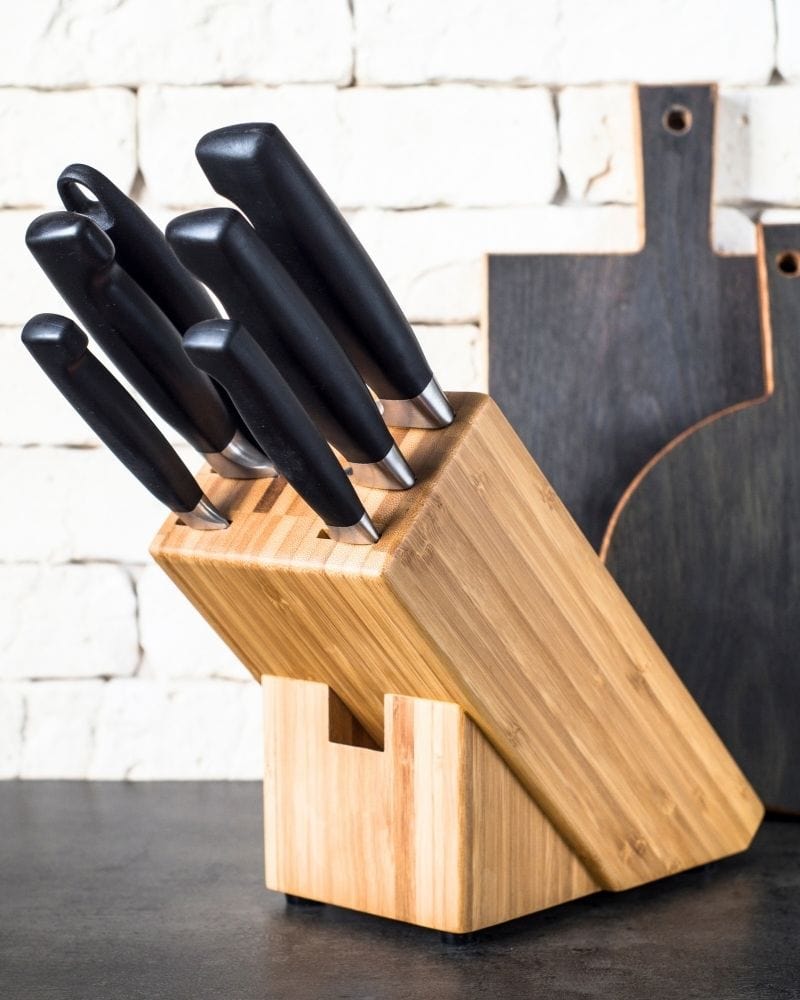
When was the last time you cleaned the inside of your knife block? If you are like most people, the answer is never.
NSF International’s kitchen germ study found that knife blocks can harbor yeast, mold, and harmful bacteria in those narrow slots where crumbs and moisture collect.
The fix is simple: once a month, turn the block upside down and shake out any debris.
Then soak it in a diluted bleach solution (one tablespoon of bleach per gallon of water), rinse thoroughly, and let it air dry completely before putting your knives back in.
If your knife block is old, cracked, or impossible to clean inside, replace it with a magnetic knife strip instead.
4. Old Spices That Have Been in the Cabinet for Years
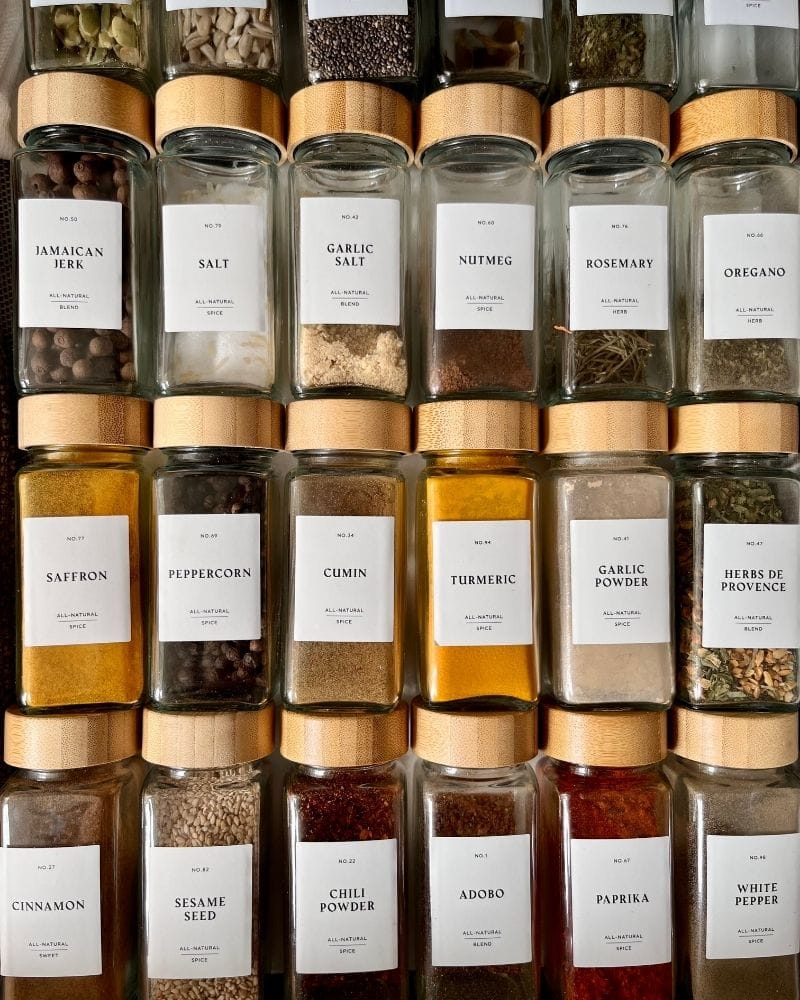
Spices do not technically “go bad” the way milk does. They will not make you sick from spoilage.
What they will do is lose all their flavor and potency, which means you are adding more and more to get the same taste, or your food just tastes like nothing.
Ground spices are generally good for about two to three years, and whole spices can last a bit longer.
If you cannot remember when you bought that jar of paprika, it is probably time to start fresh.
A good rule of thumb: if you open the jar, take a sniff, and get nothing, the spice has lost its punch and needs to go.
5. Expired Cooking Oils
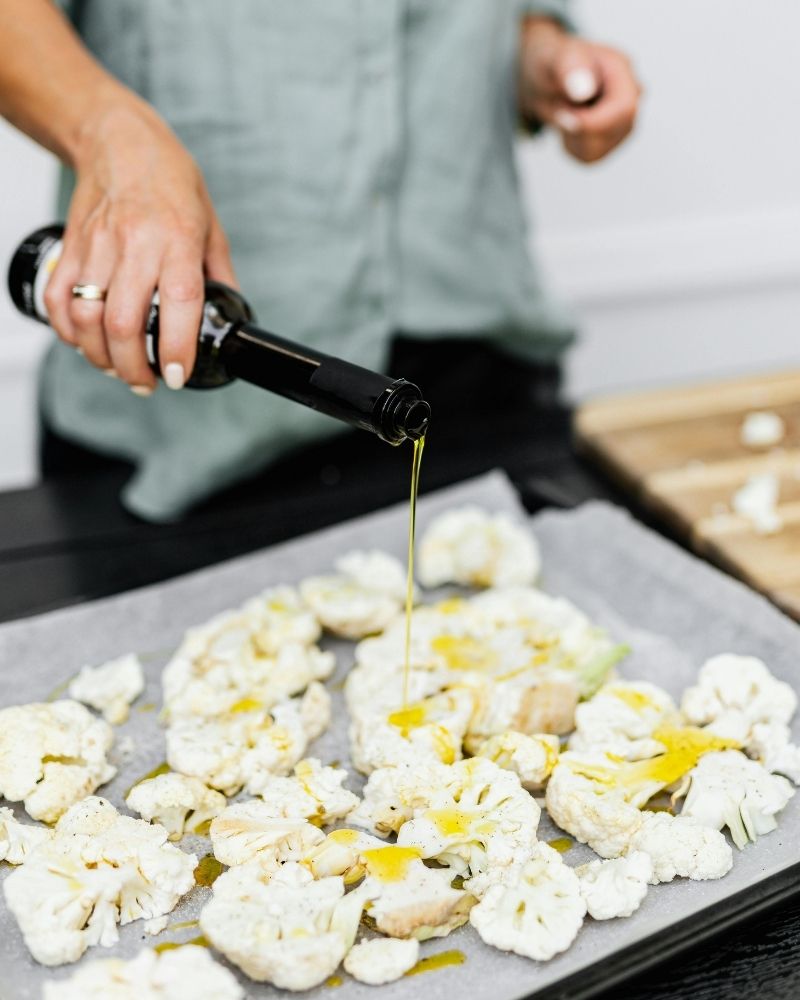
Cooking oils go rancid. It happens slowly, and a lot of folks do not realize it because they are used to the smell.
Rancid oil has a stale, slightly bitter or “off” smell.
If your vegetable oil, olive oil, or coconut oil has been open for more than a few months, give it a good sniff before your next use.
Using rancid oils is not just a flavor problem. They contain oxidized compounds that are not great for your health over time.
Most opened cooking oils should be used within three to six months for the best quality.
6. The Blender Gasket You Have Never Cleaned

You wash the blender jar after every use. Good for you. Most people do.
The rubber gasket at the bottom where the blade connects? That is a different story.
NSF’s kitchen study found that blender gaskets were the third germiest item in test kitchens. Salmonella, E. coli, yeast, and mold were all found on them.
The problem is that most people never fully disassemble the blender to clean that gasket.
Take it apart, wash every piece with hot soapy water, and let everything dry completely before reassembling.
7. Stained and Warped Plastic Food Storage Containers
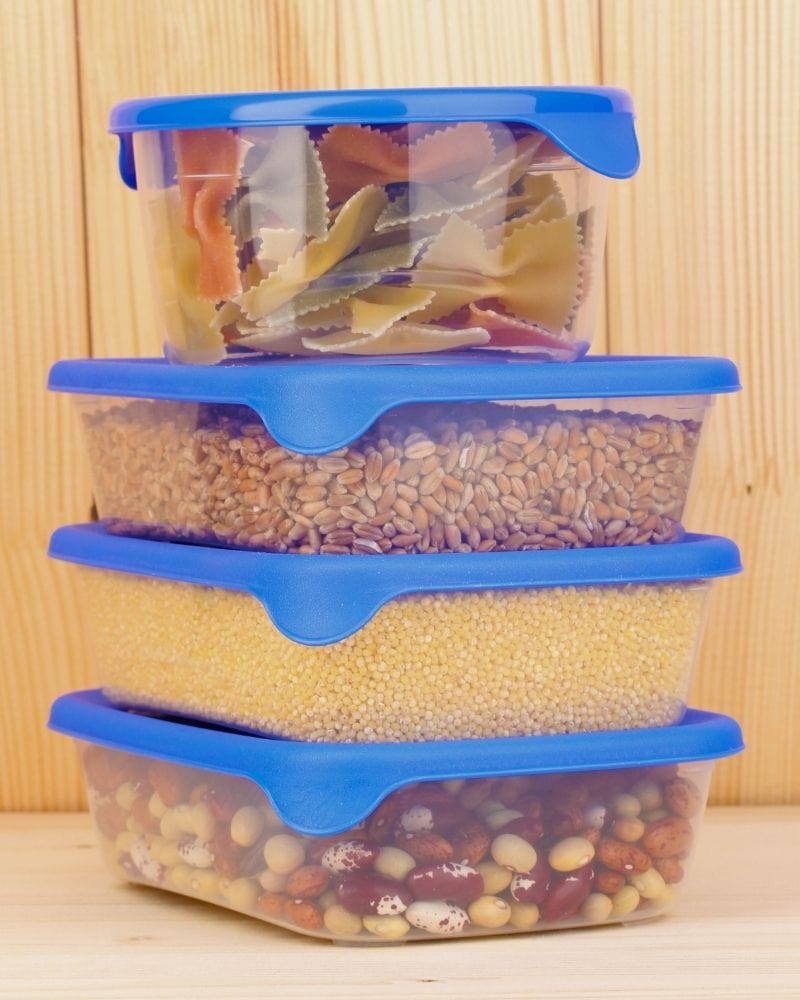
Those old Tupperware containers with the tomato-sauce stains that will not come out no matter what you do?
Those stains mean the plastic has absorbed food particles, and that makes them harder to sanitize properly.
Warped lids that no longer seal tightly are another sign it is time to let go.
A poor seal means air gets in, food spoils faster, and you are more likely to end up with something questionable in the back of your fridge.
NSF found that rubber-sealed food storage containers were among the germiest kitchen items tested, with bacteria thriving in the seals and grooves.
Consider replacing old plastic containers with glass ones that do not stain, warp, or hold onto odors.
8. That Can Opener in the Drawer

When was the last time you washed your can opener? Really washed it, not just gave it a quick rinse.
NSF’s kitchen germ study found that can openers were one of the top germ-harboring items in the kitchen.
The cutting wheel and the gears collect food residue that most people never fully clean.
You are then putting that dirty blade directly onto the rim of the next can you open, and that food goes straight onto your plate.
Wash your can opener with hot soapy water after every single use, and make sure to scrub the cutting wheel and gears.
If yours is rusty or caked with grime that will not come off, toss it and get a new one for a few dollars.
9. Nonstick Pans with Scratched or Peeling Coating
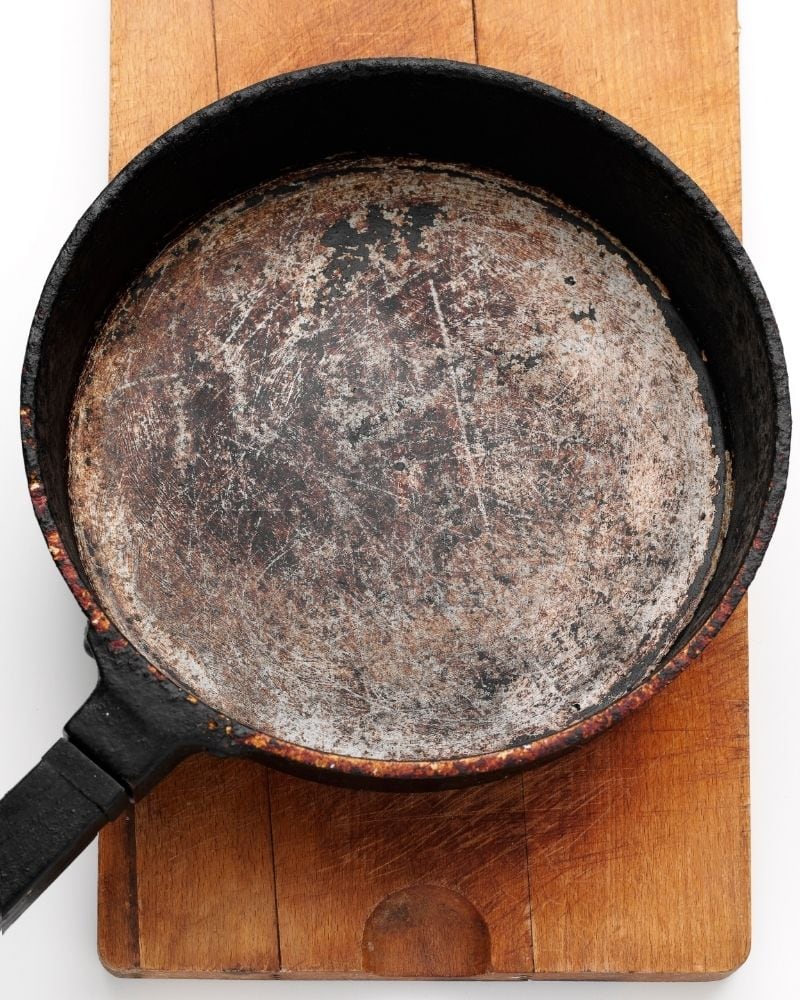
If the nonstick coating on your pans is scratched, chipped, or flaking, it is time to replace them.
Once the coating is damaged, it is no longer doing its job effectively, and small pieces of the coating can end up in your food.
Even if you are not concerned about ingesting tiny flakes, a damaged nonstick surface creates uneven cooking and hot spots that can lead to burned or undercooked food.
Nonstick pans are not meant to last forever. Most manufacturers suggest replacing them every three to five years, depending on use.
10. Your Coffee Maker’s Water Reservoir

If you are a coffee drinker, this one might sting a little.
NSF International found that the coffee reservoir was the fifth germiest place in the home.
Half of all coffee makers tested had yeast and mold growing inside the water tank.
It makes sense when you think about it. The reservoir is dark, damp, and warm, which is basically a spa day for bacteria and mold.
Most manufacturers recommend running a cycle of undiluted white vinegar through the machine, letting it sit for 30 minutes, then running two to three cycles of fresh water to rinse.
Do this at least once a month.
11. Rusty or Dull Kitchen Knives
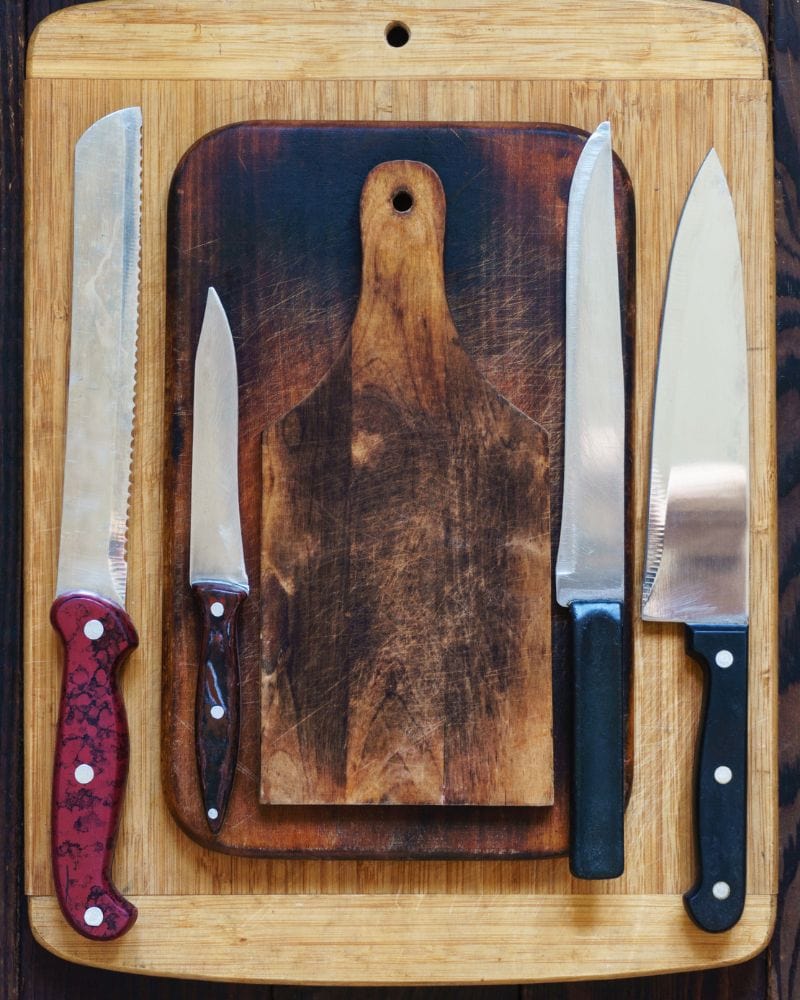
A dull knife is more dangerous than a sharp one. That is not just an old saying. It is a fact that emergency room doctors will confirm.
Dull knives require more force to cut, which means less control and a greater chance of the blade slipping and cutting you instead of the food.
If your knives are rusty, that is an even bigger sign to replace them. Rust means the metal is breaking down, and tiny rust particles can end up in your food.
Invest in a good knife sharpener or take your knives to be professionally sharpened once or twice a year.
If they are beyond saving, it is worth buying a fresh set.
12. Expired Baking Soda and Baking Powder
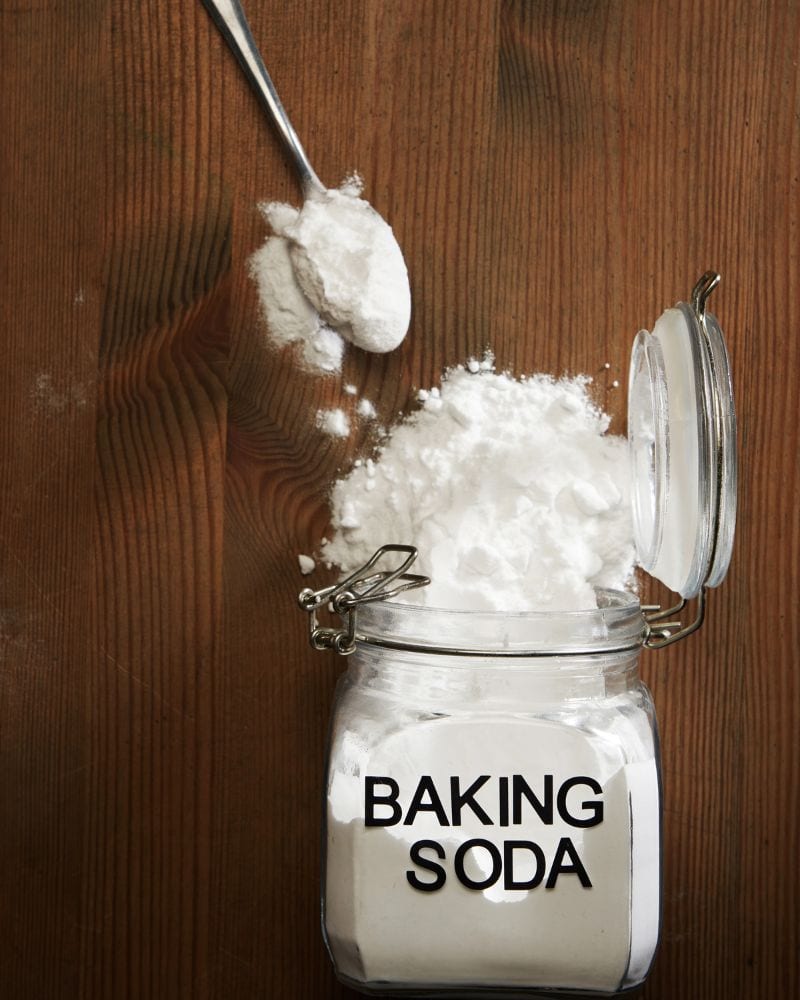
These are the items that sit in the back of the cabinet for years because you only bake a few times a year.
Baking soda and baking powder both lose their leavening power over time.
If yours have been open for more than six months, there is a good chance they are not going to do their job.
You can test baking soda by dropping a small amount into vinegar. If it fizzes vigorously, it is still good.
For baking powder, drop some into hot water. No bubbles means no rise in your baked goods.
There is nothing sadder than spending an afternoon baking only to pull flat, dense muffins out of the oven because your leavening agents gave up the ghost.
13. Plastic Spatulas with Cracks or Melted Edges
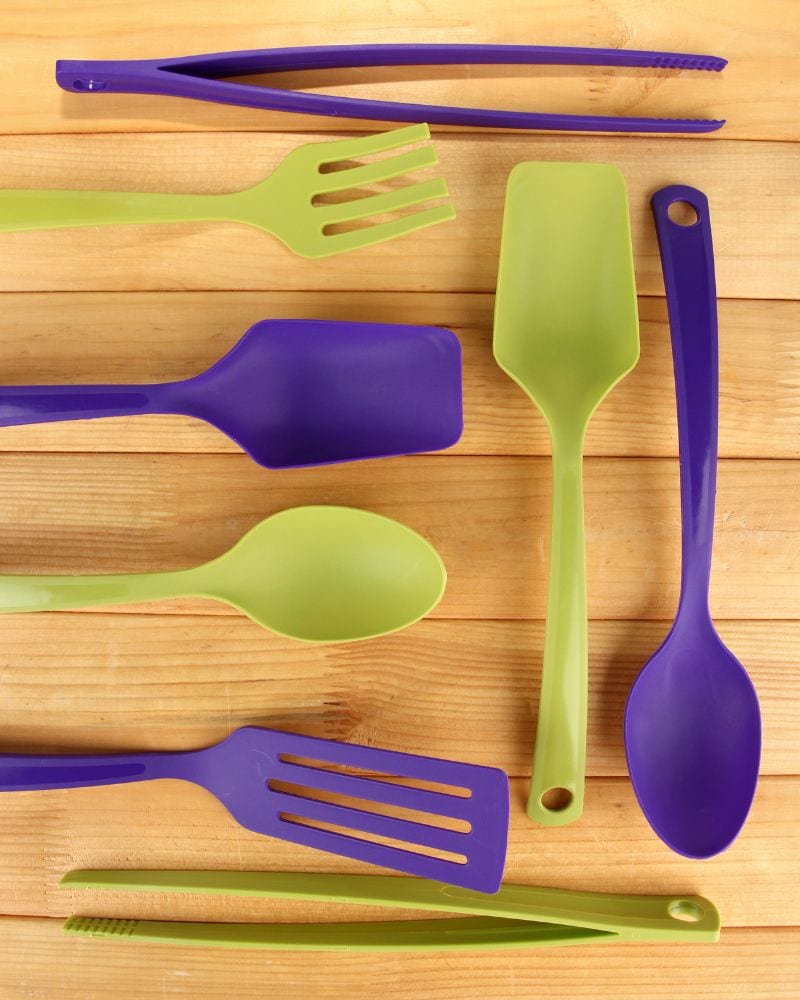
Take a look at your rubber or silicone spatulas. If any of them have cracks, splits, or melted edges from accidentally touching a hot pan, they need to go.
Those cracks are hiding spots for bacteria that regular washing will not reach. NSF’s study confirmed that rubber spatulas were among the germiest kitchen utensils tested.
Spatulas are inexpensive to replace. Do yourself a favor and grab a new set.
14. The Kitchen Towel Hanging on the Oven Handle
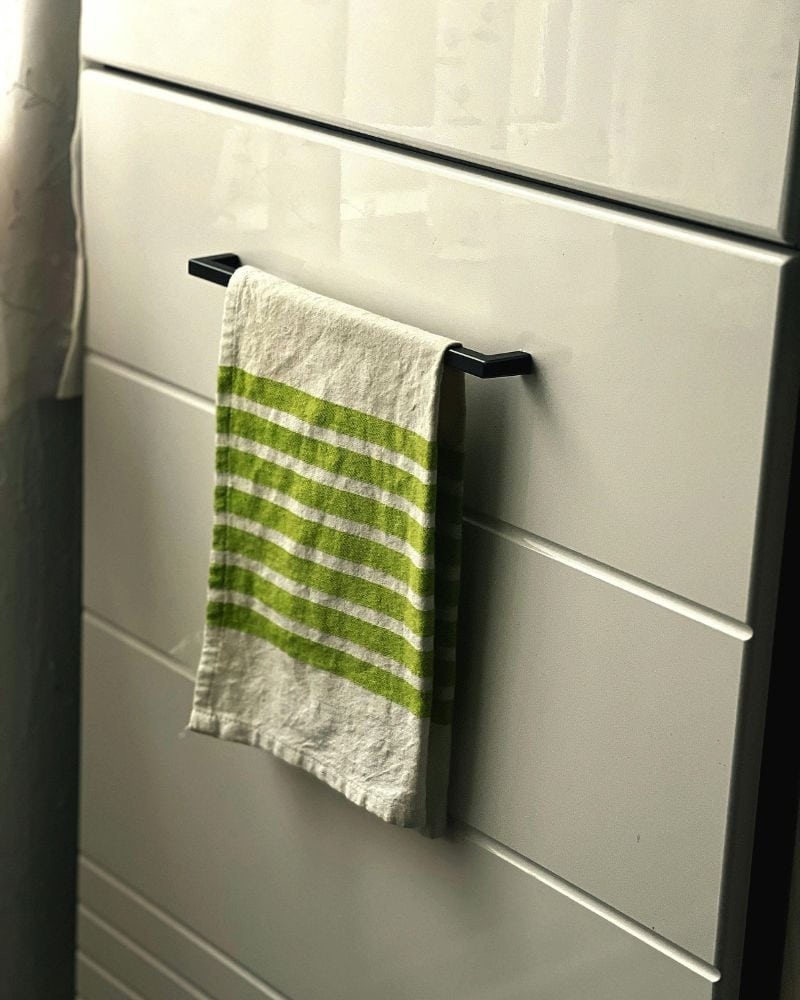
I am not telling you to throw away your kitchen towels entirely. I am telling you to wash them far more often than you probably do.
A study found that 89% of kitchen towels were contaminated with coliform bacteria, and 25% carried E. coli.
The problem is that most people use the same towel for days, drying hands, wiping counters, and grabbing hot pans.
Swap out your kitchen towels every day or two, and wash them on the hot cycle.
If your towels are old, threadbare, and permanently stained, it is time for a fresh batch.
15. That Ancient Bag of Flour
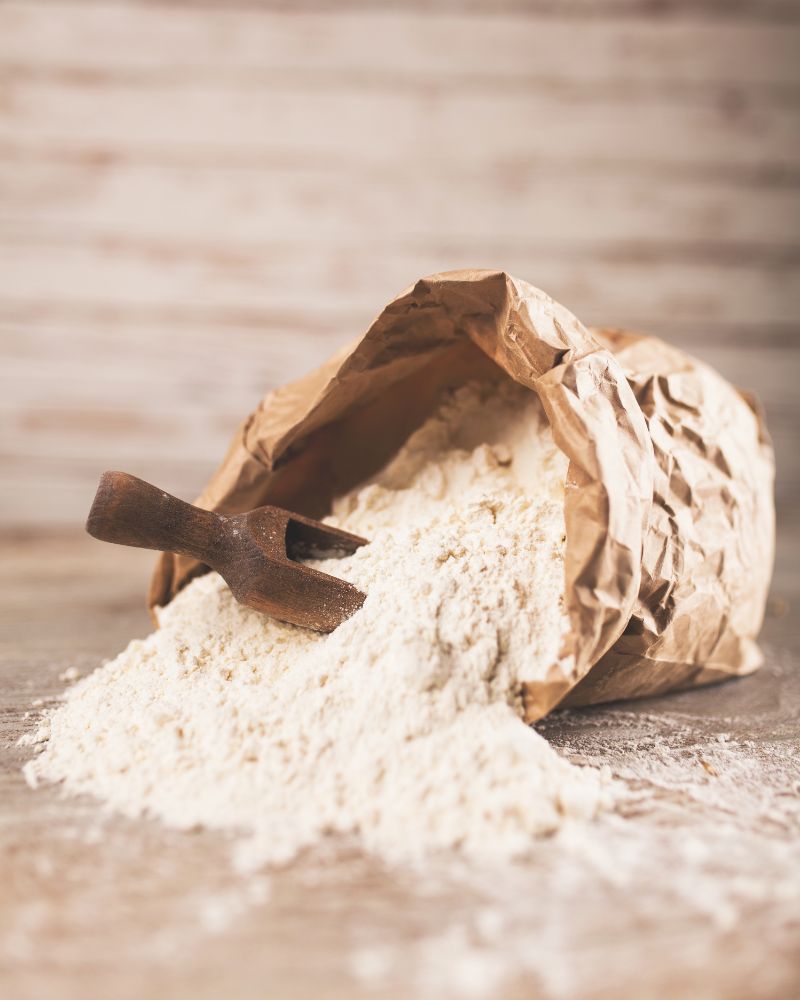
Flour does not last forever, even though it feels like it should.
- White flour is generally good for about a year when stored properly.
- Whole wheat flour has a much shorter shelf life because of the oils in the bran, and it can go rancid in as little as three months after opening.
Old flour can also attract pantry pests like weevils, which are tiny bugs that lay eggs in grain products.
If you see small dark specks moving in your flour, do not convince yourself it is just seasoning. Toss it immediately and check your other dry goods.
Store flour in an airtight container and write the purchase date on it with a marker so you always know where you stand.
16. Chipped or Cracked Dishes and Mugs
That favorite coffee mug with the chip on the rim? It is not just a cosmetic issue.
Cracks and chips in ceramic dishes create tiny spaces where bacteria can hide and survive the dishwasher.
The glazed surface of a dish is what makes it easy to clean. Once that glaze is broken, the porous ceramic underneath is exposed.
I know it is hard to part with a mug that has sentimental value. If it makes you feel better, move it to a shelf as decoration. Just stop drinking out of it.
17. The Refrigerator Vegetable and Meat Drawers (Not the Drawers Themselves, the Grime Inside Them)
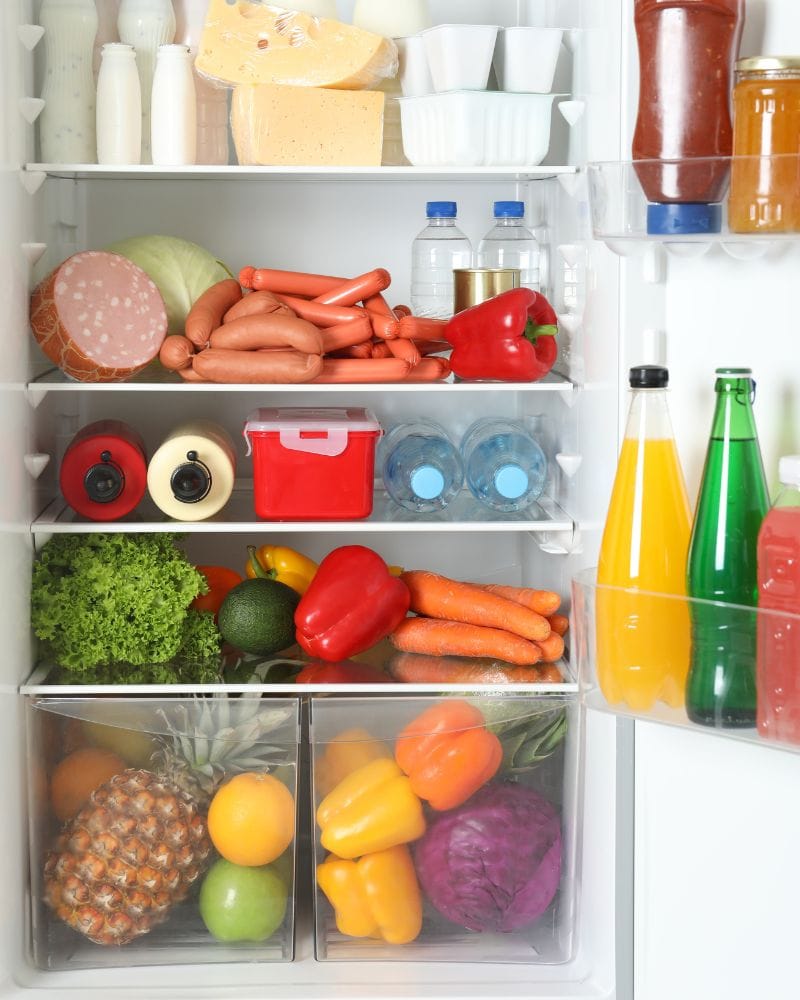
You do not need to throw away your crisper drawers. You need to clean them properly, starting today.
NSF scientists found that refrigerator vegetable compartments were one of the germiest spots in the kitchen, testing positive for Salmonella, Listeria, yeast, and mold.
The meat drawer was just as bad.
Remove the drawers, wash them with warm soapy water, and rinse thoroughly at least once a month.
Always store meat on a lower shelf or in a separate drawer from produce to prevent raw juices from dripping onto your fruits and vegetables.
This one simple habit can make a real difference in keeping your family safe from foodborne illness.