
Weird American Traditions Only Locals Understand


The United States is a mix of many cultures and traditions. This often leaves visitors from other countries confused by some of its unique customs.
While Americans find these practices normal, visitors often scratch their heads in confusion.
But, what are some weird American traditions that we might think are normal but might baffle anyone who comes and visits? This is what this article is all about.
Ready to look at some of the most puzzling American customs that confuse and bewilder foreigners? Let’s get to it.
Disclosure: This article may contain affiliate links, meaning when you make a purchase, I earn a small commission. Affiliate links cost you nothing to use, and help keep my content free. It’s a win-win for us both. For more info, see the Disclosure Policy.
Tipping Culture

In the United States, tipping is not just a nice thing to do; it is expected. Unlike many countries where service charges are included in the bill, Americans add a tip for various services.
This can confuse foreigners not used to adding an extra 15-20% to their bills.
The expectation to tip extends beyond restaurants to include taxi drivers, hairdressers, and even hotel staff.
The Ethical Dilemma
The tipping culture in the U.S. raises questions about fair wages. Many service workers rely heavily on tips to make a living, as their base pay is often below the minimum wage.
This system places the burden of fair pay on the customer rather than the employer.
Critics argue that this practice keeps workers in low-income situations and leaves them vulnerable to patrons’ whims.
Free Refills
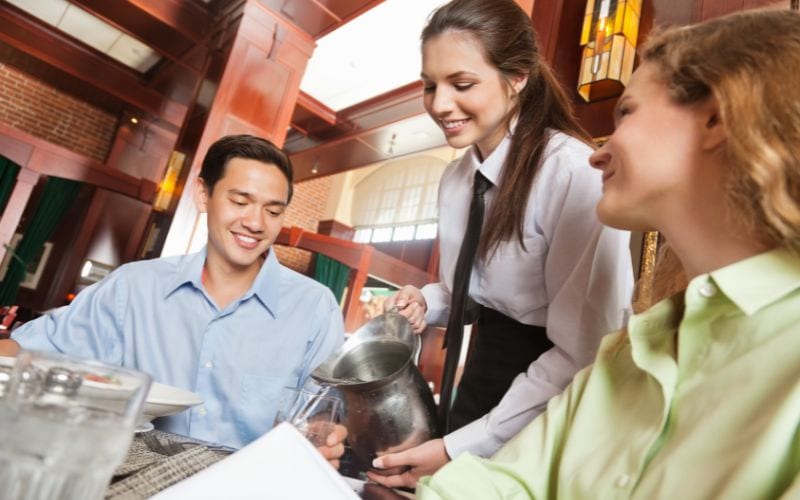
One of the most surprising customs for foreigners is the concept of free refills.
In many American restaurants, patrons can enjoy unlimited refills of their soft drinks, a practice that is almost unheard of in other parts of the world.
Visitors who are used to paying for each beverage separately are often surprised and delighted by this generosity.
The Health Implications
While free refills may seem generous, they come with health risks. The unlimited consumption of sugary drinks contributes to the obesity problem in the United States.
Critics argue that this practice encourages overconsumption and poor dietary habits, raising concerns about public health.
Sales Tax Exclusion

In the United States, the price you see is not the price you pay. Sales tax is often excluded from the listed price, leading to confusion at the checkout counter.
Foreigners find this practice puzzling, especially those from countries where taxes are included in the price.
The additional cost can be an unwelcome surprise, especially for budget-conscious travelers.
The Ethical Considerations
The exclusion of sales tax from the listed price raises questions about transparency and consumer rights.
Critics argue that this practice is misleading and can lead to financial strain for those unprepared for the additional cost. It also complicates budgeting and financial planning for visitors.
Air Conditioning Everywhere
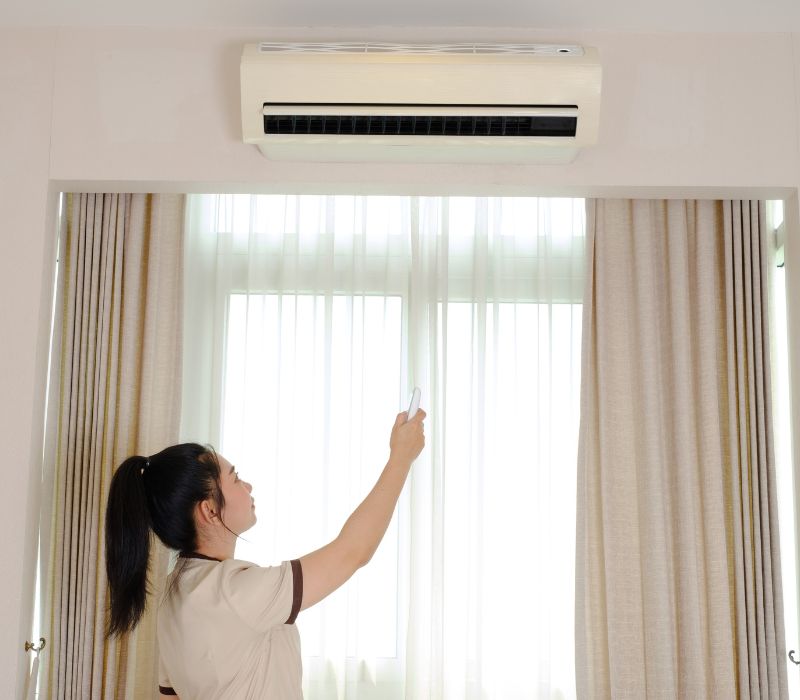
Air conditioning is a staple in American life in homes, offices, and public spaces.
While this may seem like a luxury to some, it is necessary for many Americans, especially in regions with extreme temperatures.
However, the widespread use of air conditioning can be puzzling for visitors from countries where it is less common.
The Environmental Impact
The extensive use of air conditioning raises concerns about environmental sustainability.
Air conditioning units consume significant energy, contributing to greenhouse gas emissions and climate change.
Critics argue that the American reliance on air conditioning is environmentally irresponsible and calls for more sustainable cooling solutions.
Large Portion Sizes

American portion sizes are famously large, often leaving foreigners in awe. From oversized burgers to gigantic soft drinks, the American love for supersizing is a cultural hallmark.
This practice can be both a delight and a challenge for visitors unaccustomed to such abundance.
The Health Consequences
The trend of large portion sizes has significant health risks. Overconsumption contributes to the high rates of obesity and related health issues in the United States.
Critics argue that the culture of excess promotes unhealthy eating habits and raises concerns about public health.
Root Beer: The Love-It-Or-Hate-It Soda

Root beer is a beloved American soft drink with a distinct flavor that can surprise foreigners.
This unique taste often leaves visitors puzzled or even displeased, as the flavor resembles liquid children’s medicine common in Europe.
Despite its odd taste, Americans love root beer and have incorporated it into various treats, including root beer floats and candies.
While foreigners may not always appreciate this flavor, it remains a staple of American beverage culture.
The Friendly Waitstaff

American waitstaff are known for their friendliness and attentiveness. This level of service often surprises visitors from countries where interactions with waitstaff are more reserved.
In the U.S., waitstaff frequently check on customers, offer refills, and converse casually.
While this approach aims to enhance the dining experience, it can sometimes be seen as intrusive by those unaccustomed to such friendliness.
The Cultural Difference
The friendliness of American waitstaff reflects the broader cultural value placed on customer service.
However, this practice also ties into the tipping culture, as servers aim to provide excellent service to earn better tips.
Understanding this cultural nuance can help visitors appreciate the intent behind the service.
Garbage Disposals
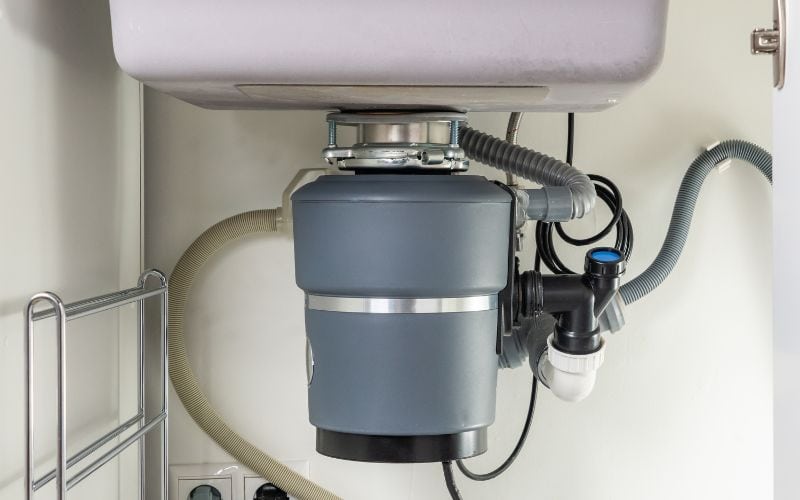
Garbage disposals are a common feature in American kitchens. They are designed to grind food waste into small particles that can be flushed down the drain.
This appliance is a novelty to many foreigners unfamiliar with its use.
The convenience of garbage disposals makes kitchen cleanup easier, but their unfamiliarity can be confusing and intimidating for visitors.
Learning to use this appliance safely is essential to avoid potential issues.
Environmental Considerations
While garbage disposals offer convenience, they also raise environmental concerns.
Critics argue that they contribute to water pollution and waste management problems. Encouraging the use of composting as an alternative can help mitigate these issues.
Window Screens: Keeping the Bugs Out

Window screens are a standard feature in American homes, designed to allow fresh air while keeping insects out.
This practical solution often surprises visitors from countries where window screens are less common.
The Functionality of Screens
Window screens enhance comfort by allowing ventilation without the nuisance of bugs. However, their absence in other countries can perplex visitors about their prevalence in the U.S.
Understanding their purpose can help visitors appreciate this simple yet effective home feature.
Conclusion
The unique customs of the United States often leave foreigners confused and intrigued.
From the expectation of tipping to the ubiquity of air conditioning, these practices reflect American life’s cultural nuances and complexities.
While some customs may raise concerns, they also offer a glimpse into American society’s values and priorities.
As we navigate these cultural differences, we must foster understanding and appreciation for the diverse ways of life that make our world so rich and varied.