
“TSA Has Lost It” Here are 20 Ridiculous Things They Won’t Let You Bring on a Plane in 2026


The Transportation Security Administration, or TSA, has one job: Keep air travelers like you and I safe (and I’m definitly grateful for that).
However, somewhere along the way, they’ve gone from reasonable security measures to banning children’s toys, breakfast spreads, and your grandmother’s kitchen equipment (we’ve listed the weirdest stuff below).
In 2026, the list of prohibited items has reached peak absurdity, leaving travelers confused, frustrated, and occasionally laughing at the sheer ridiculousness of it all.
Keep reading for 20 things you can’t bring on a plane thanks to TSA rules — and yes, these are all real and you can see them listed right on the TSA website.
1. Magic 8 Ball
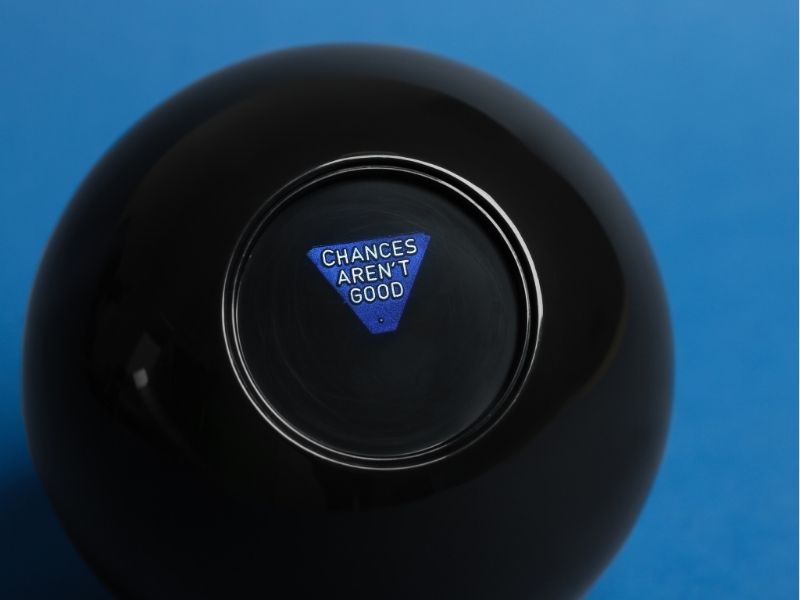
🎱 Remember the Magic 8 Ball? That beloved fortune-telling billiard ball toy from your childhood?
Well, that iconic black ball contains more than 3.4 ounces of liquid, which means it violates TSA’s 3-1-1 rule.
So if you were planning to consult the spirits about your vacation decisions at 30,000 feet, think again, as you have to check your Magic 8 Ball (or leave it at home).
TSA agents have reportedly confiscated hundreds of these nostalgic toys, much to the confusion of travelers who never imagined a children’s game could be considered dangerous.
Their official stance? “Outlook not so good” for bringing it in your carry-on, as TSA has determined it’s a liquid threat.
2. Peanut Butter
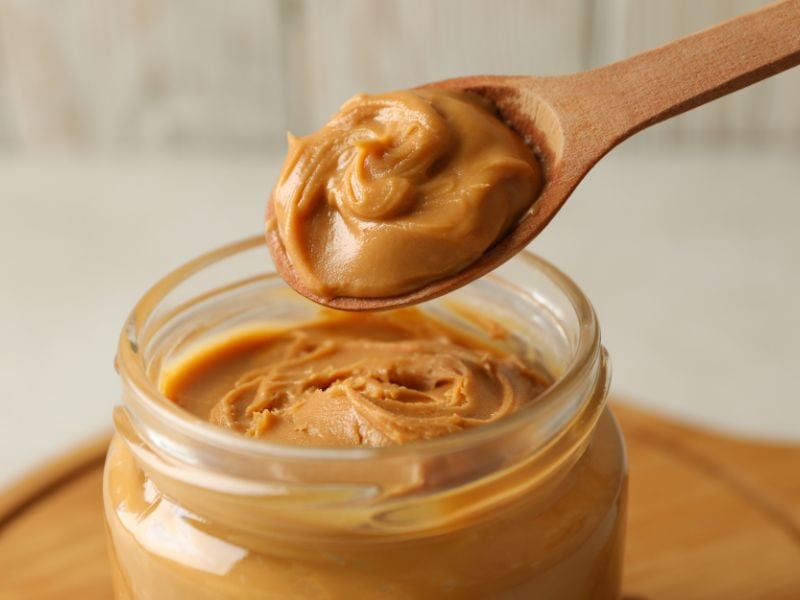
Did you know that everyone’s favorite sandwich spread has been classified as a liquid by TSA?
That’s right: The thick, sticky substance you can literally scoop with a knife is apparently fluid enough to be dangerous.
Any jar of peanut butter (and also things like hummus) that’s larger than 3.4 ounces must go in checked luggage.
This means your Costco-sized container of Jif is a security threat — but a 3.4-ounce travel-size is perfectly fine.
The logic? Spreads, pastes, and gels all fall under the liquid category.
So while you can bring a small container, that family-size jar you were planning to gift your relatives abroad needs to be checked (assuming it survives the baggage handlers, that is).
3. Gel Shoe Inserts
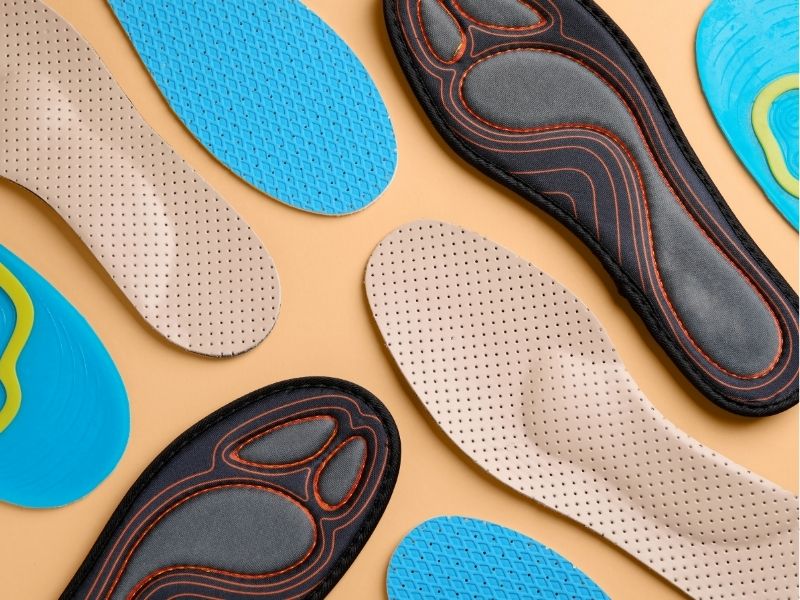
Dr. Scholl’s wants you to be comfortable while traveling, but TSA has other plans.
These comfy gel shoe inserts with squishy pads that make walking through endless airport terminals bearable are prohibited in carry-on luggage.
The gel material exceeds the liquid limit, apparently making your foot comfort a potential security risk.
You can wear shoes with built-in gel cushioning, but loose inserts must be packed in your checked bag.
The alternative? Suffer through security and your flight in uncomfortable shoes, or pack them where luggage often goes to die.
Many frequent travelers report TSA agents being inconsistent about this rule, with some allowing them and others confiscating them on the spot.
4. Snow Globes

That adorable Eiffel Tower snow globe you picked up in Paris as a souvenir? It’s staying in Paris (or at least not coming home in your carry-on).
Snow globes like these contain liquid — that’s what makes the snow fall — and most exceed the 3.4-ounce limit.
TSA considers them potential vessels for hiding dangerous liquids, even though they’re sealed, decorative items sold in every tourist shop worldwide.
Small snow globes under 3.4 ounces that fit in your quart-sized liquids bag are technically allowed, but good luck finding one that size.
Most travelers discover this rule the hard way, watching their carefully selected souvenir get tossed in a bin at security.
Our travel pro tip: Pack them in checked luggage or ship them home separately.
5. Party Poppers

Planning to celebrate your arrival with some festive confetti? Not if TSA has anything to say about it.
These tiny plastic party poppers that make that oh-so-satisfying “pop” sound and spray confetti are banned from BOTH carry-on and checked luggage.
The reasoning? They contain a small explosive charge to create the popping sound.
While they’re sold to children and used at birthday parties, TSA classifies them alongside fireworks and other explosives.
No exceptions are made on this one; not even for the smallest versions.
So if you’re attending a celebration at your destination, you’ll have to buy your party supplies after landing. The confetti will have to wait.
6. Foam Toy Swords

Your five-year-old’s foam pirate sword from the costume shop is considered a weapon by TSA.
Despite being made of soft, squishy foam that couldn’t hurt a fly, these toys are prohibited in carry-on luggage because they “resemble” real swords.
TSA’s logic is that anything shaped like a weapon could cause panic or be used to intimidate, even if it’s obviously a toy.
This has led to countless heartbroken children at security checkpoints, watching their beloved play swords get confiscated.
The good news? You can pack foam swords in checked luggage, where they can travel safely with your actual sharp objects.
The bad news? Explaining to a crying kid why their toy is dangerous as well.
7. Cordless Curling Irons & Flat Irons

As of 2025, TSA banned gas-powered cordless curling irons and flat irons from checked luggage due to fire risks.
These convenient styling tools use butane or gas cartridges, which could potentially leak or ignite in the pressurized cargo hold.
You can still bring them in carry-on luggage, but only if they have a safety cover over the heating element to prevent accidental activation.
Battery-powered cordless tools face different restrictions—they must stay in carry-on bags because lithium batteries are banned from checked luggage.
The safest option? Pack traditional plug-in styling tools that don’t require special cartridges or batteries.
Unless you’re willing to navigate the complex rules, your hair might just have to air-dry.
8. Gel Candles

Hoping to bring some aromatherapy ambiance to your hotel room? TSA says no to gel candles in carry-on luggage.
Unlike regular wax candles (which are allowed), gel candles like these are classified as liquids because of their gel wax composition.
There’s no size exception either; even tiny gel tea lights are prohibited in carry-on bags.
The rule seems particularly arbitrary given that regular wax candles are perfectly fine, but TSA maintains that the gel composition puts them in the liquid category.
You can pack gel candles in checked luggage if you really can’t travel without them, or just buy regular candles and save yourself the hassle.
9. Protein Powder (Over 12 Ounces)

Fitness enthusiasts take note, because your protein powder is suspicious.
Any powder-like substance exceeding 12 ounces must be placed in a separate bin for additional X-ray screening at security.
TSA implemented this rule after security concerns about powdered substances that could be used to construct explosives.
Your vanilla whey protein gets the same scrutiny as any other powder, so TSA agents may also ask to open the container for visual inspection.
While it’s not banned outright, expect additional screening time and possibly hand-swabbing of the container.
For frequent travelers, buying smaller containers or purchasing protein powder at your destination might be worth the convenience.
Otherwise, budget extra time at security.
10. Nutella
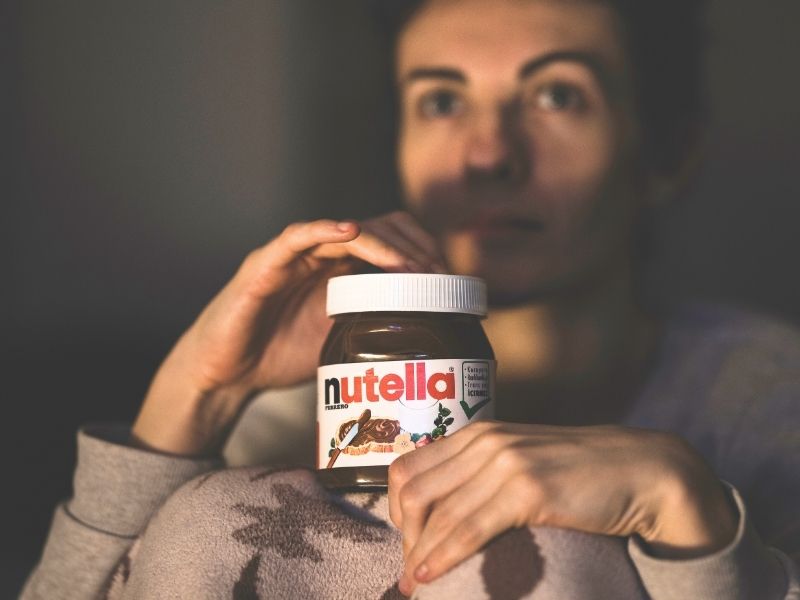
The beloved chocolate-hazelnut spread that Europeans can’t live without? It’s a gel, according to TSA.
Any jar larger than 3.4 ounces is prohibited in carry-on luggage, crushing the dreams of Nutella enthusiasts worldwide.
This classification has caused particular frustration for international travelers trying to bring home authentic European Nutella, which many insist tastes better than American Nutella.
You can fill these small travel-size jars with Nutella which are allowed if they fit in your quart-sized liquids bag alongside your toiletries.
However, that family-size jar you were planning to smuggle home must go in checked luggage.
Many travelers report TSA agents being especially strict about enforcing this rule, perhaps because so many people try to bend it.
11. Cast Iron Pans

While your grandmother’s (or your) treasured Lodge skillet pan is technically allowed in carry-on luggage, good luck getting it through.
TSA agents have wide discretion to prohibit items that could be used as weapons, and a heavy cast iron pan definitely qualifies.
While the official rules don’t explicitly ban them, many agents consider anything that heavy and hard to be a potential bludgeoning tool.
Your experience may vary wildly depending on the airport and agent, of course.
Some travelers successfully carry on their prized cookware, while others have them confiscated or are forced to check them.
If you’re attached to your cast iron and must travel with it, checking it is your safest bet — though they are heavy, so be aware of weight when packing them.
12. Glow Sticks
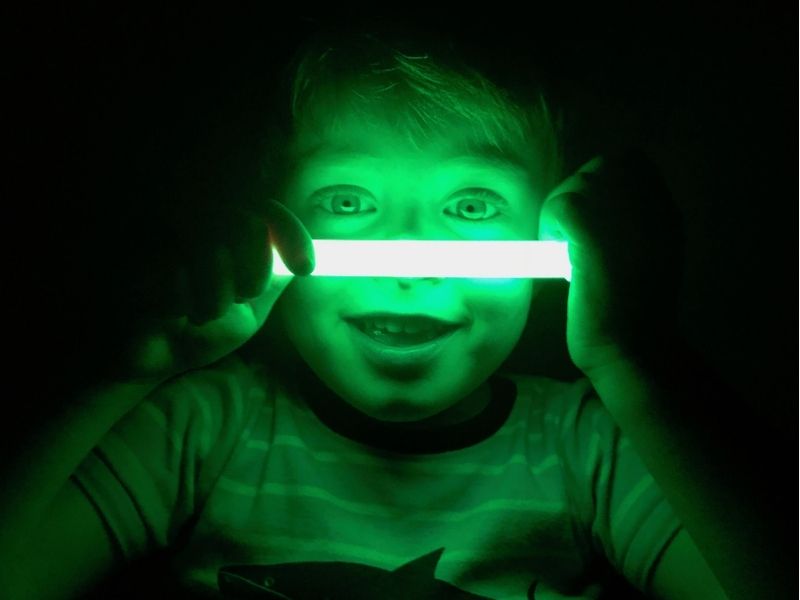
Those fun light-up tubes from concerts and raves are prohibited in carry-on luggage because they contain liquid.
Each glow stick holds chemicals that create the glowing effect when mixed together.
TSA considers this liquid content a potential risk, even though the tubes are sealed and would need to be broken to access the chemicals inside.
Small glow sticks under 3.4 ounces that fit in your liquids bag might technically be allowed, but enforcement is inconsistent.
Most TSA agents will confiscate them regardless of size, so if you’re headed to a festival or concert, buy your glow sticks at the destination.
Or embrace the 2026 alternative: LED light-up accessories that don’t contain any liquid.
13. Power Banks & Portable Battery Chargers
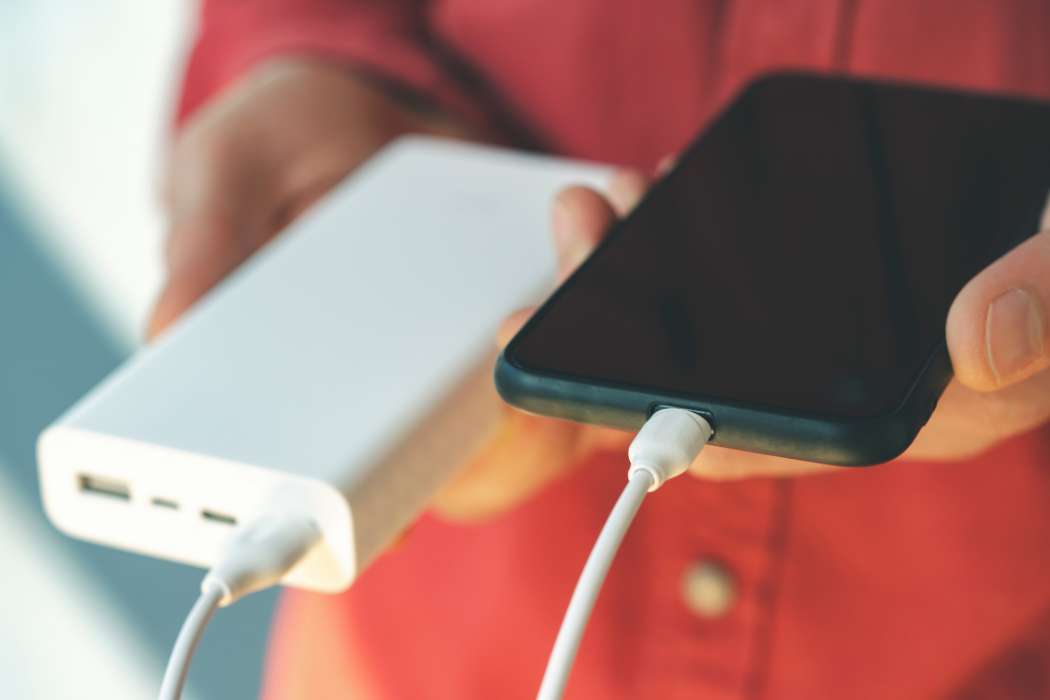
Here’s where the rules get extra confusing: Portable chargers like this MUST go in carry-on luggage — never in checked bags.
Lithium-ion batteries pose a fire risk, but TSA wants them in the cabin where crew can respond to overheating rather than in the cargo hold where fires can’t be detected.
Power banks over 100 watt-hours require airline approval, while those over 160 watt-hours are completely prohibited.
Most standard portable chargers like this popular one fall under 100 watt-hours, but you need to check your device specifications.
The penalty for accidentally packing power banks in checked luggage can include your entire bag being pulled from the flight.
Always, always keep your portable chargers in your personal item or carry-on bag. This is one rule TSA is extremely strict about enforcing.
14. Ice Packs (Partially Frozen)
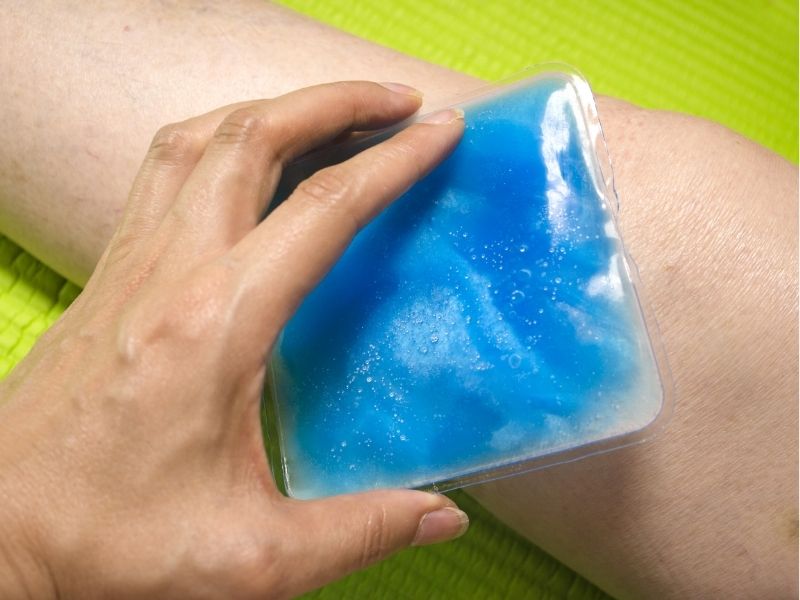
The ice pack rules are peak TSA absurdity, and the inconsistency of this rule frustrates even the most patient travelers.
- 👍 Completely frozen solid ice packs? Allowed in carry-on.
- 👎 Partially frozen gel packs? Confiscated immediately.
The logic is that frozen water is a solid, not a liquid, so it’s permitted. However, once it starts melting and becomes a gel, it violates the liquids rule.
This creates an impossible situation: Your ice pack must remain completely frozen from when you leave home until you clear security.
Many travelers packing medical supplies or perishables have had their carefully frozen ice packs confiscated because they started thawing during the drive to the airport.
TSA’s advice? Time your freezing perfectly or don’t bother.
15. Jelly and Jam
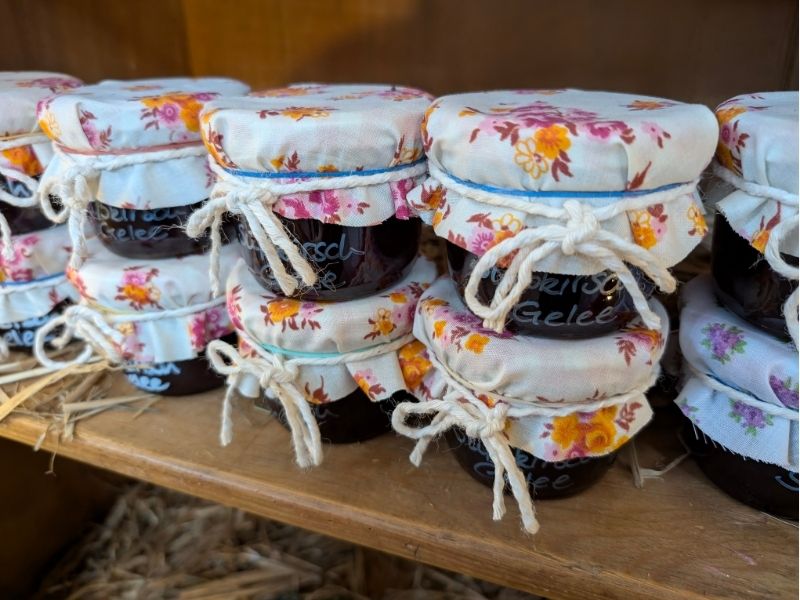
Your artisanal blackberry jam from that farmers market? It’s a “gel,” and therefore subject to the 3.4-ounce TSA rule.
This catches many travelers by surprise, especially those bringing food gifts from their travels.
The thick, spreadable consistency doesn’t matter to TSA. To them, if it’s not completely solid, it’s classified as a liquid or gel.
Small jam jars that fit in your quart-sized bag are allowed, but most standard jam jars exceed this limit.
European travelers trying to bring back specialty preserves often discover this rule at security, watching their carefully selected gourmet items get tossed.
The solution?
Check your jam, ship it home, or resign yourself to buying grocery store versions at your destination, or start a collection of 3-ounce jam jars.
16. Coconuts
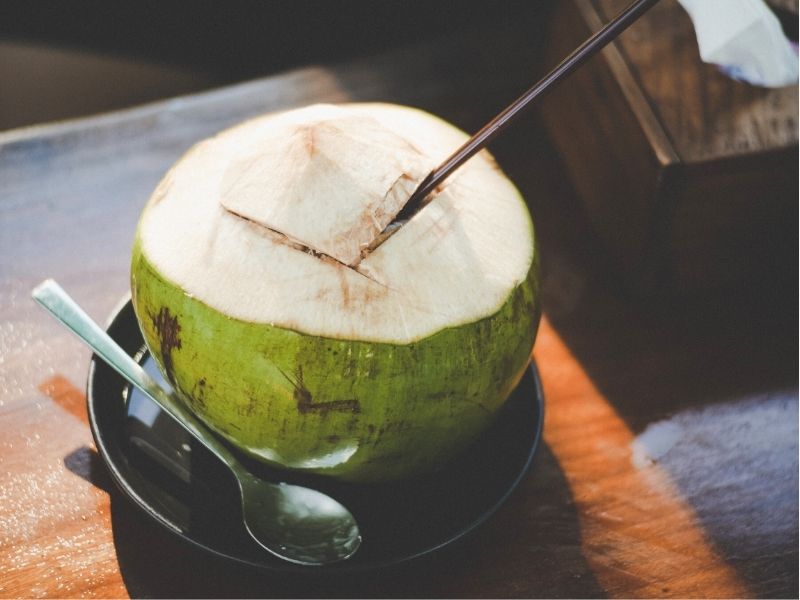
Whole coconuts are banned from carry-on luggage because TSA fears you might have drilled a hole and filled them with prohibited substances.
(🥥 Yes, you read that right!)
The official reasoning is that the coconut’s hard shell could conceal liquids, gels, or other dangerous materials.
Never mind that coconuts naturally contain liquid, and that coconut water inside is already a violation.
Shredded coconut and coconut products are fine, but that whole tropical fruit you wanted to bring back from Hawaii must be checked.
Some airports in tropical destinations have special coconut-checking services to accommodate tourists.
TSA’s coconut paranoia has led to some amusing confrontations at security checkpoints.
The easiest solution? Buy your coconut products pre-packaged rather than attempting to transport the whole fruit.
17. Electric Toothbrushes

As of 2025, electric toothbrushes with lithium batteries must be packed in carry-on luggage, not checked bags.
This is the opposite of most TSA rules and catches many travelers off guard.
The reasoning is the same as power banks: Lithium batteries could overheat and cause fires more safely monitored in the cabin than the cargo hold.
Your fancy Sonicare or Oral-B electric toothbrush needs to stay with you, ideally turned off or with the power switch protected.
TSA recommends removing batteries if possible, though most modern electric toothbrushes have sealed battery compartments.
This rule applies to electric razors and other battery-powered personal care items too.
Just remember: Anything with a lithium battery stays in carry-on, even if that seems backward.
18. Cutting Boards
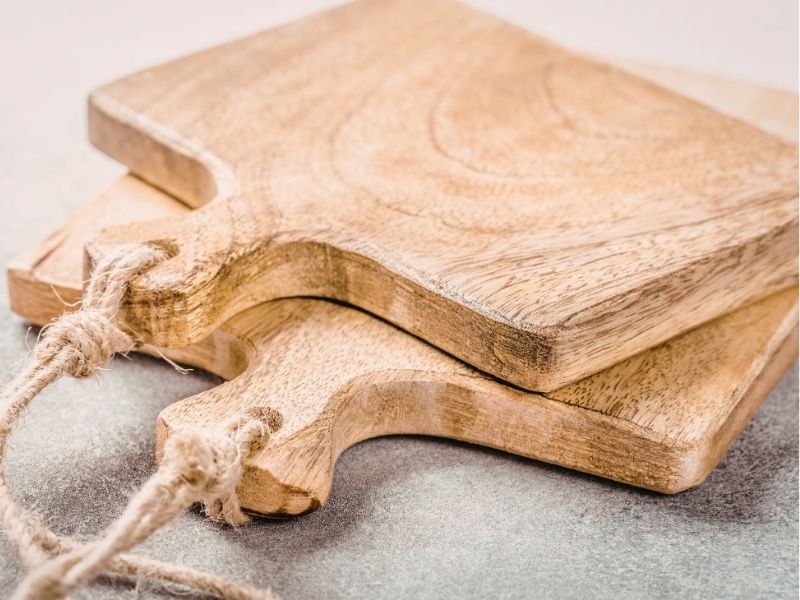
Cutting boards occupy TSA’s favorite gray area, meaning they’re “at the discretion of the TSA officer.”
Technically, cutting boards are not explicitly banned from carry-on luggage.
Practically, many agents consider them potential weapons because it’s a hard object that could be used to strike someone.
Your experience will vary wildly depending on the airport, agent, and probably their mood that day.
Wooden cutting boards seem to fare better than heavy plastic or bamboo ones, and small cutting boards are more likely to be allowed than large ones.
If you’re traveling with an expensive or sentimental cutting board, checking it is the only way to guarantee it makes the trip.
Otherwise, you’re gambling on TSA agent discretion, which is never a bet you want to make.
19. Corkscrews with Foil Knives (Even Tiny Ones)
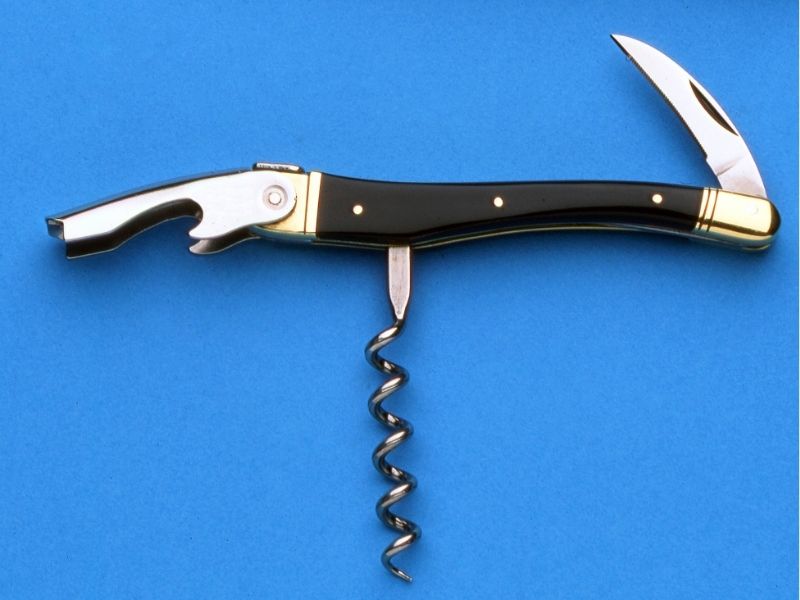
That handy waiter’s corkscrew with the teeny tiny foil-cutting blade is prohibited in carry-on luggage.
Even though the blade is typically less than an inch long, TSA classifies it as a knife.
The corkscrew portion is fine; it’s specifically the small blade that makes it contraband on flights.
This rule frustrates wine enthusiasts who want to open bottles in their hotel rooms.
You can bring corkscrews without blades in carry-on, or check the multi-tool versions with the blade.
TSA’s knife rules are notoriously strict, with no exceptions for blade size when it comes to carry-on luggage.
Many travelers have lost their favorite corkscrews to security bins, not realizing that tiny foil cutter was the problem.
We suggest you buy this TSA-compliant blade-free corkscrew for travel, or resign yourself to asking hotel staff for help.
20. Liquid Vitamins

Liquid vitamins, supplements, and medications are subject to the 3.4-ounce rule unless they qualify for medical exemptions.
That bottle of liquid vitamin D or fish oil must either be 3.4 ounces or smaller, fit in these TSA-approved liquids bag, or go in checked luggage.
Medical exemptions exist but require proper documentation and advance notification.
You’ll need to declare liquid vitamins separately at security and may be asked to prove they’re medically necessary.
Most travelers find it easier to switch to pill or gummy vitamins for travel.
If you must bring liquid vitamins, having a doctor’s note doesn’t hurt, though TSA may still apply the standard liquids rules.
The safest approach? Bring enough for your trip in TSA-approved liquids bottles, buy them at your destination, or use alternative forms of supplements.
What Should Go in Your Checked vs. Carry-On Luggage

Understanding what belongs where can save you massive headaches at security.
🧳 Checked luggage is for liquids in containers of more than 3.4 ounces, sharp objects, tools over 7 inches, full-size toiletries, souvenir snow globes, spreads like peanut butter and Nutella, gel candles, and anything TSA considers a potential weapon.
🎒 Carry-on luggage must contain lithium batteries, power banks, electronic devices, valuable items, medications you’ll need during the flight, and any essentials you can’t risk losing if checked bags go missing.
The key is asking yourself questions like: “Could this be used as a weapon?” “Does it contain liquids or gel” “Does it have a battery?”
If yes to any of those, or when in doubt, check the TSA website here before packing.
How TSA Decides What’s Not Allowed
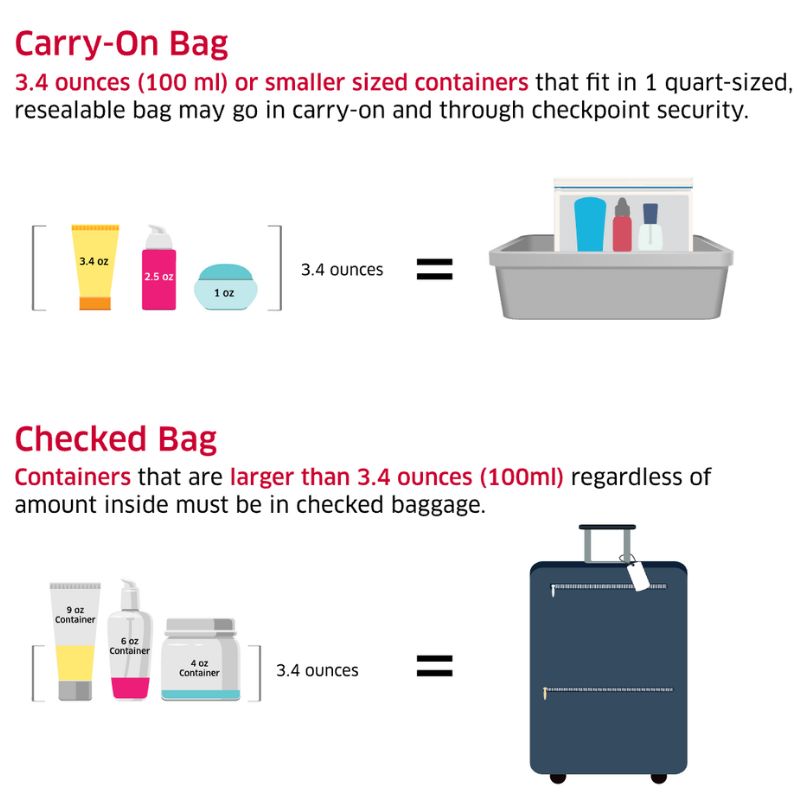
TSA’s banned items list seems random, but there’s usually a reason behind the madness.
- 🧴 The 3-1-1 liquids rule came after a 2006 plot to use liquid explosives on planes.
- 🛠️ Tool restrictions exist because they could be used as weapons or to tamper with aircraft.
- 🔋 Battery rules emerged after multiple fires caused by lithium-ion batteries overheating in cargo holds.
Each seemingly ridiculous rule usually traces back to a specific incident or credible threat.
TSA also gives individual agents discretion to ban items not explicitly listed if they seem potentially dangerous.
This is why rules feel inconsistent (and frustrating), because what one agent allows, another might confiscate.
The agency updates its list regularly based on new threats, technology changes, and incident reports from airports worldwide.
What to Do If You Make a Mistake Packing

Accidentally packed something prohibited? Don’t panic. You have several options at security:
- You can return to the ticket counter and check the item if you have time before your flight.
- Many airports have mail stations where you can ship items home.
- You can ask if someone with you who isn’t flying can take the item back.
- Or you can simply surrender the item and it’ll be confiscated and disposed of.
Whatever you do, never try to hide prohibited items or lie to TSA agents, as this can result in fines or even arrest.
If you realize your mistake before reaching security, inform the airline immediately.
Most importantly, don’t argue with TSA agents as they’re enforcing rules, not making them up on the spot.
Travel Pro Tip: Budget extra time during peak travel seasons (especially Christmas) when security lines are longer and screening more thorough.
In the End, This Keeps Us Safe

Yes, some TSA rules seem absurd (lookin’ at you banning Magic 8 Balls and Nutella) and feels like security theater rather than actual protection.
However, the reality is that aviation security requires a zero-tolerance approach.
The liquids rule exists because terrorists tried to use liquid explosives, and battery restrictions exist because lithium fires have forced emergency landings.
Every seemingly silly rule emerged from a real threat or incident, so rest asured TSA agents don’t enjoy confiscating children’s toys or grandma’s jam.
They’re following protocols designed to prevent another 9/11 (or worse).
Could the system be more logical and consistent? Absolutely.
However, until TSA develops better technology to detect threats without these broad restrictions, we’re stuck with rules that sometimes feel ridiculous.
The inconvenience of packing smartly is worth it if it means everyone arrives safely at their destination.