
10 Warning Signs You’re About to Fall for a Travel Scam—And How to Avoid It


Traveling is a beautiful way to escape the pressures of daily life and explore new destinations.
📱However, with the 📈 rise of digital fraud, travelers are increasingly becoming targets of scams designed to exploit their excitement and lack of awareness.
Scammers are constantly evolving their tactics, making it crucial for travelers to stay vigilant and informed.
👉 Here’s how to recognize and avoid common travel scams.
Disclosure: This article may contain affiliate links, meaning when you make a purchase, I earn a small commission. Affiliate links cost you nothing to use, and help keep my content free. It’s a win-win for us both. For more info, see the Disclosure Policy.
1. Beware of Deals That Seem Too Good to Be True

One of the most common signs of a travel scam is an offer that appears unrealistically cheap.
💸 In today’s world of high travel costs, scammers often lure people with prices well below market rates.
Whether it’s a deeply discounted flight, hotel room, or car rental, remember that if it seems too good to be true, it probably is.
The same rule applies to in-person scams. For instance, be cautious when offered a cheap ride from an airport by an unlicensed taxi or private vehicle.
Always stick to official and reputable transportation services to avoid potential risks.
2. Question Unusual Payment Methods
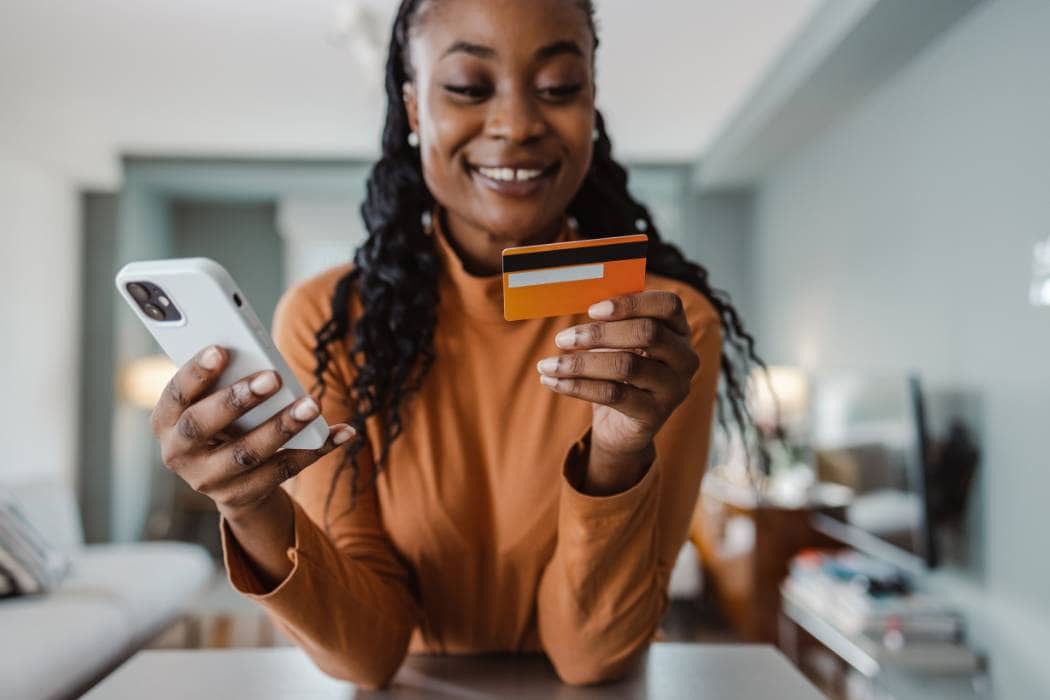
Another red flag is the request for unusual payment methods. If a travel service asks you to pay via pre-paid gift cards, cryptocurrency, or peer-to-peer apps, it’s likely a scam.
Reputable companies typically accept payments through secure methods like credit cards, which offer fraud protection and can help resolve disputes.
💳 Always use a credit card when booking travel arrangements. Credit cards provide better security than debit cards; if something goes wrong, you can dispute the charges.
Monitor your bank statements during your trip to catch any unauthorized transactions early.
3. Scrutinize the Website You’re Using

When booking travel online, closely examine the website’s URL and content. Scammers often create fake websites that look almost identical to legitimate ones.
▶️ Check for subtle differences in the URL, spelling errors, or low-quality images that might indicate a fraudulent site.
▶️ Always navigate directly to the travel provider’s website rather than clicking on links from ads or unsolicited emails.
▶️ Be extra cautious when performing online searches, as scammers can manipulate their sites to appear at the top of search results.
▶️ Always verify the website’s legitimacy before entering personal or payment information.
4. Avoid Unofficial Communication Channels
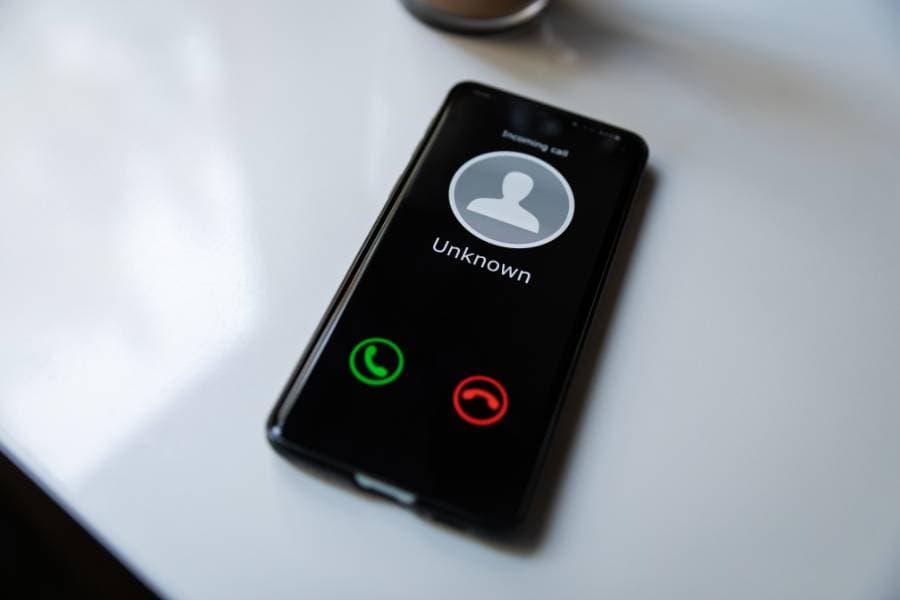
Scammers often send unsolicited messages, emails, or phone calls, pretending to be from a legitimate travel service.
Never trust these unsolicited communications. Instead, conduct your own research to verify the source using official websites and contact information.
Be wary when booking a vacation rental if the host tries to move the conversation off the platform.
Always communicate through the official system provided by the booking platform to ensure your messages are secure and monitored.
5. Don’t Rush Into Decisions

Scammers often use high-pressure tactics to push you into making quick decisions. If you’re being rushed to make a purchase or share personal information, take a step back.
Legitimate companies will give you time to think and research before committing.
Verify the company’s reputation by reading reviews and checking for complaints online before handing over your money.
6. Protect Your Personal Information
Be cautious if a travel provider pressures you to share sensitive information, such as credit card details or personal data.
Ensure that your website or service is legitimate before providing any information. Once a scammer has your financial details, they can commit identity theft or drain your bank account.
During your travels, be mindful of how much personal information you share with strangers.
While being friendly is okay, maintaining caution is important to keep your finances and safety secure.
7. Watch Out for Pressure Tactics

Scammers often use high-pressure sales tactics to pressure people into making quick decisions without fully considering them.
If a sales pitch becomes aggressive or you’re told to act immediately to secure a deal, it’s often a sign that something isn’t right.
If you feel pressured to purchase the spot, take a step back and evaluate the situation. It’s better to miss out on a deal than to fall victim to a scam.
Look up the company, read reviews, and verify the offer’s details before handing over any money.
8. Be Cautious of “Helpful” Strangers
While traveling, you might encounter overly friendly locals who offer unsolicited help, such as guiding you to an ATM or carrying your luggage.
While some people are genuinely kind, others may have ulterior motives, like stealing your belongings or tricking you into a scam.
Always be wary of strangers who seem too eager to help, especially in tourist-heavy areas. Politely decline their assistance and manage your belongings and money independently.
9. Beware of Fake Wi-Fi Hotspots

When traveling, it’s tempting to connect to free Wi-Fi networks to stay online. However, scammers often set up fake Wi-Fi hotspots in public places like airports, cafes, or tourist spots.
These rogue networks may look legitimate, but they’re designed to steal your personal information once you connect.
To stay safe, avoid connecting to unfamiliar networks, especially those with generic names like “Free Wi-Fi.”
Use a VPN (Virtual Private Network) to encrypt your data and ensure your connection is secure.
10. Stay Alert During Your Travels

While much of the focus on avoiding scams is placed on the booking process, it’s equally important to stay vigilant during your travels.
Scammers often target tourists because they are in unfamiliar surroundings and may not be as cautious as they would be at home.
Be aware of your surroundings and trust your instincts if something feels off, whether a person, situation, or location, it’s better to err on caution and remove yourself from the situation.
🧳 Keep your belongings secure and avoid carrying large amounts of cash.
Stick to well-lit, populated areas when exploring new places, especially at night. Be cautious when accepting help or advice from strangers, and always verify the information you receive.
What to Do If You’ve Been Scammed
If you suspect that you’ve fallen victim to a travel scam, there are steps you can take to minimize the damage.
Contact your bank or credit card company to report the fraud and secure your accounts. If your personal information has been compromised, consider freezing your credit to prevent further damage.
You should also dispute any fraudulent charges and report the scam to relevant authorities, such as the Federal Trade Commission (FTC).
If you booked through a travel platform, report the scam to them. This helps protect other travelers and gives authorities better understand the scam’s impact.
In the event of an in-person scam, avoid confrontation and calmly remove yourself from the situation. If possible, report the incident to local authorities.
Resources like the AARP Fraud Watch Network are also available, and they offer support and advice for scam victims.