
The Shocking Truth About Travel Scams (And How to Avoid Them This Summer)


According to a recent study by McAfee, more than 25% of American travelers have fallen for a travel scam.
What’s worse is that 32% of victims said they have lost $501-$1,000 in a single scam — and another 24% of victims said they lost $1,000 or more to the scam.
The lesson here is that when a deal that seems too good to be true or an email feels too sneaky to trust, scammers are likely about to trick you.
As the summer season heats up, so does the activity of these crafty con artists.
With more people eager to escape their daily grind and explore new places, the chances for scams multiply.
So, what’s the plan to avoid travel scams? It’s all about staying alert and informed.
In this article, I’ll break down the most common travel scams and share expert tips on how to avoid them.
Buckle up because it’s time to outsmart those scammers and enjoy a worry-free summer adventure.
Disclosure: This article may contain affiliate links, meaning when you make a purchase, I earn a small commission. Affiliate links cost you nothing to use, and help keep my content free. It’s a win-win for us both. For more info, see the Disclosure Policy.
What are Travel Scams and Why are They so Common?
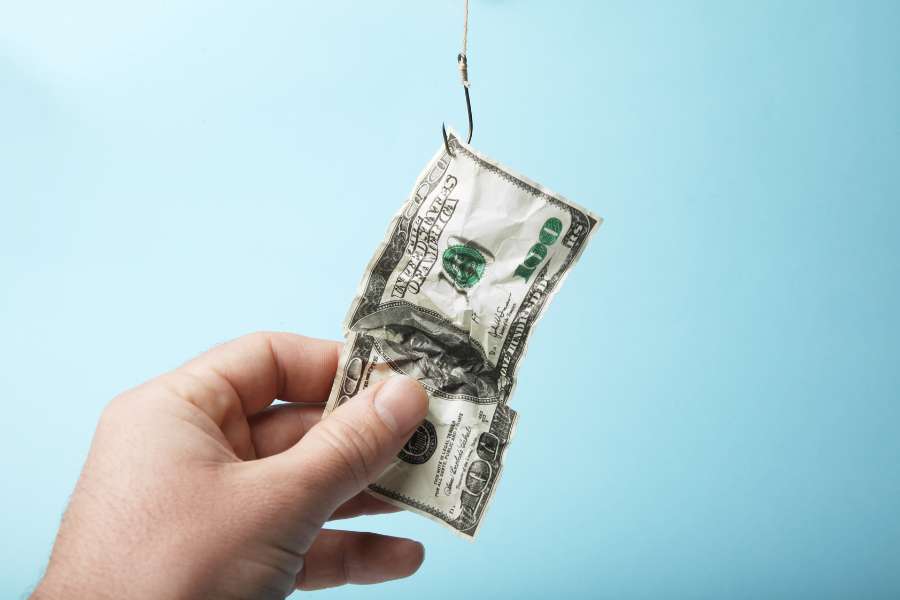
Travel scams are tricks designed to steal money or personal information. They can range from fake booking websites to counterfeit tickets.
Scammers know that when people are in vacation mode, they’re more likely to let their guard down, making them easy targets.
🔢 The numbers don’t lie. Millions of travelers fall victim to scams yearly, losing billions of dollars. It’s a huge problem showing how widespread and damaging these scams can be.
😳 Whether you’re a seasoned traveler or a first-timer, no one is safe.
The Most Common Types of Travel Scams
So, what are some of the most common types of travel scams that you should be aware of this summer?
Fake Booking Websites
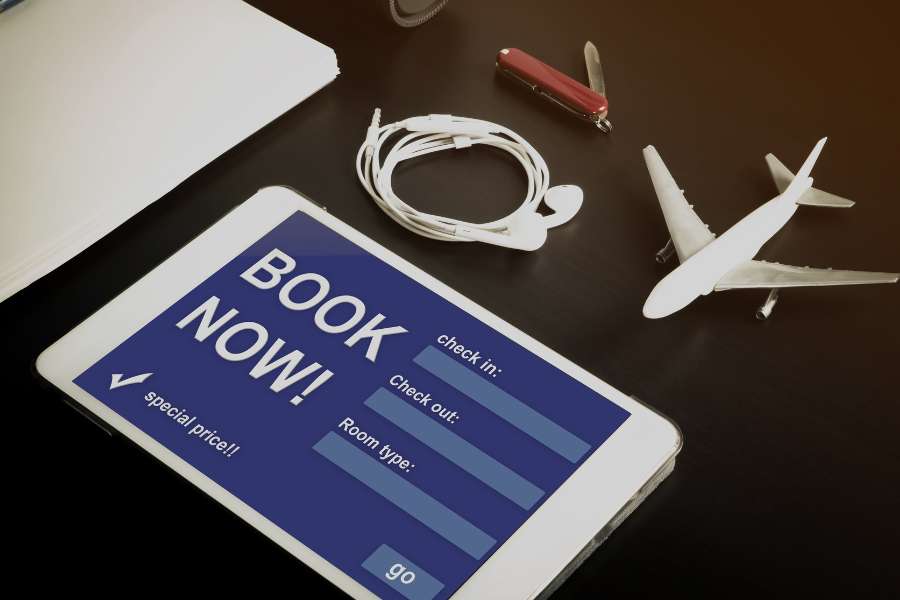
Imagine finding a dream vacation package at an unbeatable price. You eagerly book it, only to discover later that the website was a complete sham.
Scammers create fake travel websites that mimic real ones, tricking travelers into paying for non-existent bookings.
🚩 Red Flags: Keep an eye out for poorly designed websites, lack of contact information, and URLs that don’t quite match the official site.
If something feels off, trust your gut.
✅ Prevention Tips: Always use trusted booking platforms and check reviews before making any payments.
Find secure payment methods and verify the website’s legitimacy through official channels.
Phishing Emails
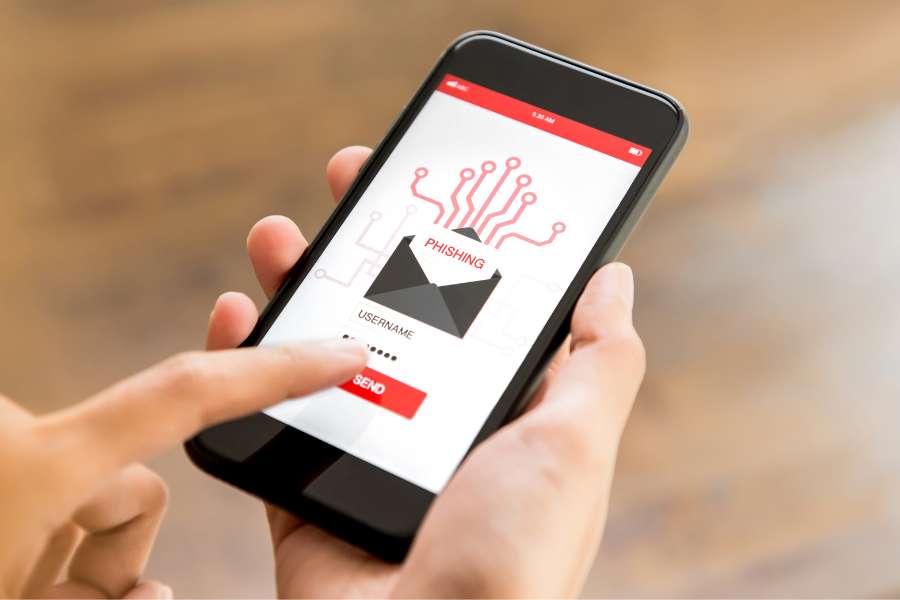
Phishing emails are designed to look like they come from real travel companies.
They often contain urgent messages, like “Your booking is at risk!” or “Confirm your details now!”
These emails lead you to fake websites where your personal information is stolen.
🚩 Red Flags: Be wary of emails with urgent language, suspicious links, and email addresses that don’t match the company’s official domain.
If an email seems fishy, it probably is.
✅ Prevention Tips: Verify the sender’s email address and avoid clicking on unknown links.
When in doubt, contact the company directly using information from their official website.
“Free” Wi-Fi

You’re in a cafe or airport, and you spot a free Wi-Fi network. You connect, thinking you’ve saved on data charges.
However, this network is actually set up by scammers to intercept your data.
They can steal personal information, including passwords and credit card details, from unsuspecting users.
🚩 Red Flags: Be cautious of networks named similarly to the official ones but with slight differences.
Free networks that don’t require a password or have strange names can also be suspicious.
✅ Prevention Tips: Always verify the network name with the establishment before connecting.
Use a virtual private network (VPN) to secure your connection and protect your data.
Avoid accessing sensitive information or making financial transactions on public Wi-Fi.
The Art of Misdirection

Misdirection scams are a common tactic used by scammers worldwide, where the goal is to divert your attention away from your belongings, making it easier for them to steal your valuables.
These scams often involve seemingly innocent interactions that catch you off guard.
Examples of Misdirection Scams:
- Lost Bracelet/Ring: A scammer pretends to find a valuable item like a bracelet or ring and asks if it’s yours. While you’re distracted by this interaction, an accomplice can pickpocket you.
- Help or Directions: Someone often asks for help or directions using a map or mobile device. While you’re focused on assisting them, another person can take your bag or wallet.
- Mustard/Ketchup Spill: A passerby “accidentally” spills something on you, such as mustard or ketchup. As they help you clean it up, they or an accomplice steal your belongings.
- Street Games: In busy tourist areas, scammers might invite you to play a street game or gamble, such as three-card Monte or the shell game. You’re watching the game as an accomplice picks your pockets.
🚩 Red Flags: Be cautious of strangers initiating close contact, asking for help in a manner that distracts you, or creating a scene that requires your immediate attention.
Scammers often work in pairs or groups to execute these diversions.
✅ Prevention Tips: Always keep your valuables secure and in sight. Be polite but wary if someone approaches you with a request or a seemingly friendly gesture.
Avoid engaging in street games or any activities requiring you to divert your attention from your belongings.
Trust your instincts; remove yourself from the situation if something feels off.
Counterfeit Tickets
Scammers sell fake tickets for flights, events, and attractions, often at prices that seem too good to be true.
These counterfeit tickets look real but will leave you stranded or denied entry.
🚩 Red Flags: Watch out for unusually low prices, lack of official branding, and sellers who push for quick payments.
If the deal seems too good to be true, it probably is.
✅ Prevention Tips: Buy Smart Purchase tickets directly from official sources or trusted vendors.
Avoid buying from third-party sellers, especially those with limited or no reviews.
Expert Advice on Avoiding Travel Scams
Use Trusted Websites

Booking through reputable websites is your first line of defense against travel scams.
Trusted platforms have security measures in place to protect your personal and financial information, reducing the risk of falling victim to fraud.
Stick to well-known travel booking platforms like Expedia, Booking.com, and Airbnb.
These sites have established reputations and customer service teams that can assist if something goes wrong.
Avoid Upfront Payments
Scammers often ask for full payment upfront, leaving you with little recourse if the deal is a scam.
Be cautious of any service that demands full payment before providing any goods or services.
Opt for payment methods that offer buyer protection, such as credit cards or payment services like PayPal.
These methods provide an extra layer of security and allow you to dispute fraudulent charges.
Be Skeptical of Deals That Seem Too Good to Be True
“If it seems too good to be true, it probably is.”
Scammers lure victims with deals that are hard to resist, but these offers often come with hidden risks.
Beware of vacation packages that are significantly cheaper than market rates, last-minute deals from unknown sources, and offers that require immediate action.
These are often red flags for potential scams.
Always Keep An Eye On Your Stuff

One of the simplest yet most effective ways to avoid falling victim to travel scams is to always be aware of your surroundings and watch over your belongings.
Scammers often use distraction techniques to divert your attention while they or an accomplice steal your valuables.
- Stay Alert: In crowded places like markets, tourist attractions, and public transportation, always be vigilant. Be wary of anyone trying to get close to you or engaging you in conversation.
- Secure Your Valuables: Use anti-theft bags and keep them close to your body. Avoid carrying all your cash and important documents in one place. Instead, use money belts or hidden pouches.
- Avoid Flashing Wealth: Refrain from displaying expensive items such as jewelry, cameras, or large amounts of cash. These can make you a target for thieves.
By staying cautious and proactive, you can significantly reduce the risk of being scammed while traveling.
The Best Products To Help With Travel Safety

Just because scams exist in the world, doesn’t mean that you shouldn’t travel.
So if you do travel, here are a couple of products you should be adding to your packing list:
- Anti-Theft Backpacks: Designed with hidden zippers and cut-resistant materials to deter pickpockets.
- RFID-Blocking Wallets: Protects your credit cards and passport from electronic theft.
- Portable Door Locks: Adds an extra layer of security to your hotel or Airbnb doors.
- Personal Alarms: Small, portable devices that emit a loud noise to deter attackers.
- Travel Insurance: Covers unexpected events such as medical emergencies, trip cancellations, and lost luggage.
- Portable Safes: Secure your valuables in your hotel room or rental cars.
- VPN Services: Protects your personal information when using public Wi-Fi by encrypting your internet connection.
- Travel Locks: TSA-approved locks for securing your luggage.
- Water Purification Systems: Ensures safe drinking water, especially in areas where tap water is not reliable.
How to Report Travel Scams

Reporting to Authorities
Reporting travel scams to local authorities is crucial. It helps law enforcement track down scammers and prevent others from falling victim.
⚠️ It also helps you to file a claim with your insurance. Insurance companies need an official report to process and reimburse claims for stolen items, medical expenses, or other losses due to scams.
Your report can make a significant difference in combating these fraudulent activities.
- Gather Evidence: Collect all relevant information, including emails, receipts, and screenshots.
- Contact Local Authorities: Contact the local police or consumer protection agency where the scam occurred.
- File a Report: Provide a detailed account of the scam, including any evidence you’ve gathered.
- Follow Up: Stay in touch with the authorities to track the progress of your report.
Informing Travel Platforms
Travel booking websites and platforms play a vital role in combating scams.
By reporting fraudulent activities to these platforms, you help them take action against scammers and improve their security measures.
- Identify the Platform: Determine which platform was used for the scam (e.g., Expedia, Airbnb).
- Contact Customer Support: Reach out to the platform’s customer support team through their official website or app.
- Provide Details: Share all relevant information about the scam, including booking references, communication with the scammer, and any evidence.
- Follow Up: Keep in touch with the platform to ensure they are taking appropriate action.
By reporting travel scams to authorities and platforms, you contribute to a safer travel environment for everyone.
Your actions can help prevent others from becoming victims and hold scammers accountable for fraud.
Avoiding Travel Scams This Summer
Alright, let’s wrap this up. We’ve covered a lot of ground here, from understanding what travel scams are to diving into real-life horror stories.
We’ve also shared expert advice on how to avoid these scams and the steps you need to take if you ever find yourself a victim.
The key to outsmarting travel scammers is staying vigilant and informed.
Always use trusted websites, be cautious of upfront payments, and remember that if a deal seems too good to be true, it probably is.
Stay sharp, stay safe, and happy travels!