
Jaw-Dropping Mountain Monuments You Need to See to Believe


The world is full of amazing monuments and statues carved into mountains. These huge works of art show human creativity, skill, and dedication.
⛰️ From the US to other places worldwide, mountain monuments prove human cleverness and effort.
This post will examine some of the most incredible mountain carvings worldwide, exploring their history, importance, and the wonder they inspire.
Disclosure: This article may contain affiliate links, meaning when you make a purchase, I earn a small commission. Affiliate links cost you nothing to use, and help keep my content free. It’s a win-win for us both. For more info, see the Disclosure Policy.
Mount Rushmore: A Symbol of American Legacy

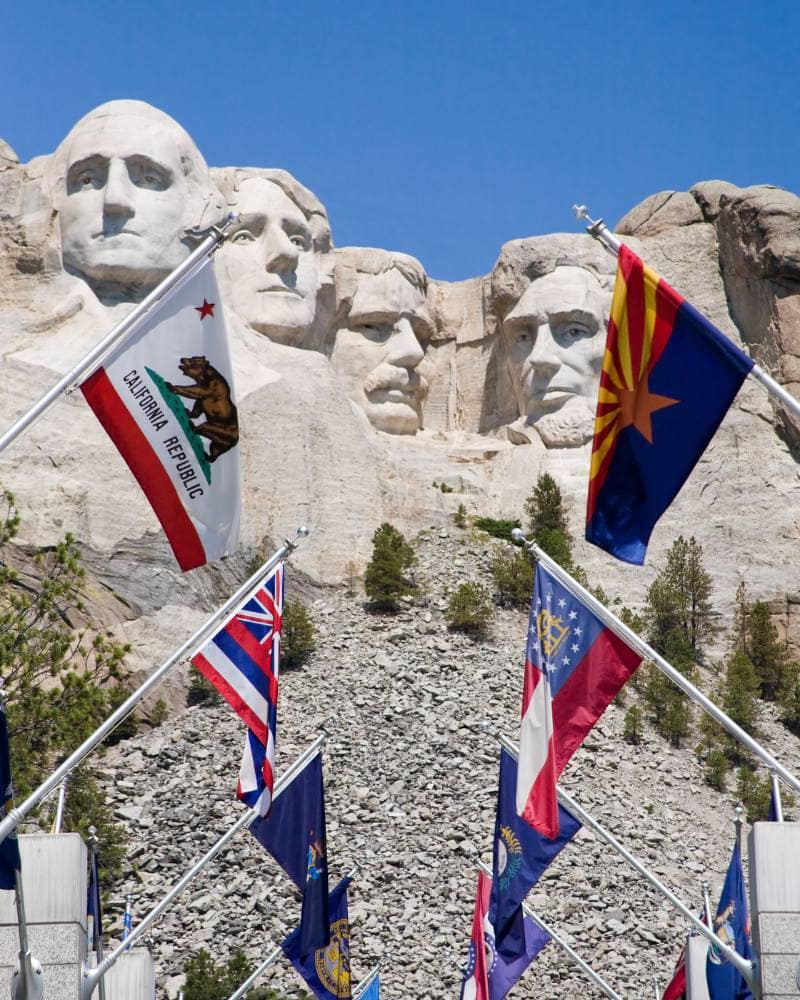
Mount Rushmore is in the Black Hills of South Dakota. It is one of the most famous mountain carvings in the United States.
Historian Doane Robinson and sculptor Gutzon Borglum created it. The monument features the 60-foot faces of four U.S. presidents: George Washington, Thomas Jefferson, Theodore Roosevelt, and Abraham Lincoln.
The goal was to promote tourism and celebrate American history.
The Sculpting Process
Creating Mount Rushmore was a huge task that took 14 years, from 1927 to 1941. Borglum and his team of over 400 workers used dynamite and drills to carve the granite mountain.
The detailed faces of the presidents required great precision. The project faced many challenges, including funding problems and Borglum’s death in 1941.
Cultural and Historical Impact
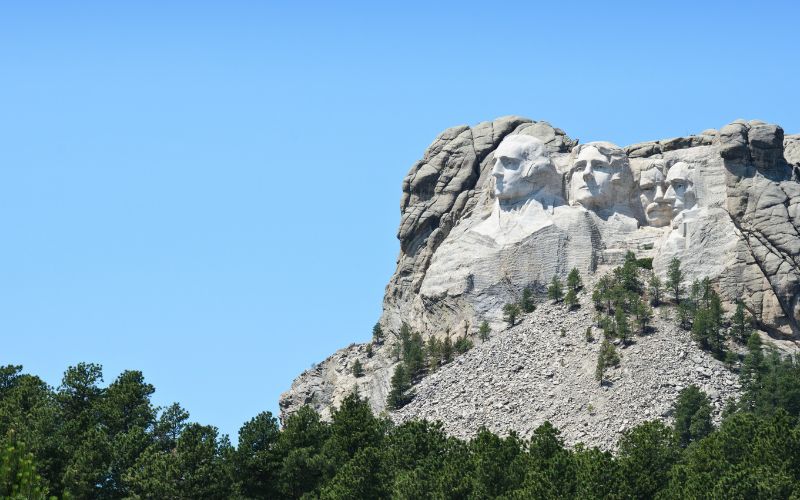
Mount Rushmore is a symbol of American heritage and democracy. It attracts over two million visitors each year.
It reminds people of the nation’s founding principles and the leaders who shaped its history.
However, it is also controversial because the Black Hills are sacred to the Lakota Sioux, who see the monument as a desecration of their land.
The Leshan Giant Buddha: A Marvel of Ancient China
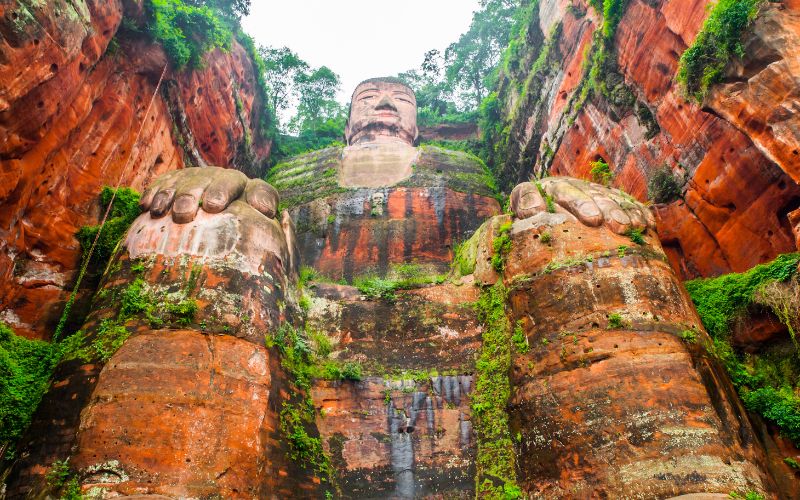
The Leshan Giant Buddha is in Sichuan Province, China. It is the largest stone Buddha statue in the world, standing at 233 feet tall.
It is a UNESCO World Heritage Site and a major pilgrimage destination for Buddhists.
It stands as a symbol of peace and protection, drawing millions of visitors who marvel at its grandeur and seek spiritual solace.
It was carved during the Tang Dynasty (618–907 AD) to calm the turbulent waters of the Min River, which threatened the local people.
A monk named Haitong started the project, believing the Buddha’s presence would pacify the river’s spirits.
Engineering Feats
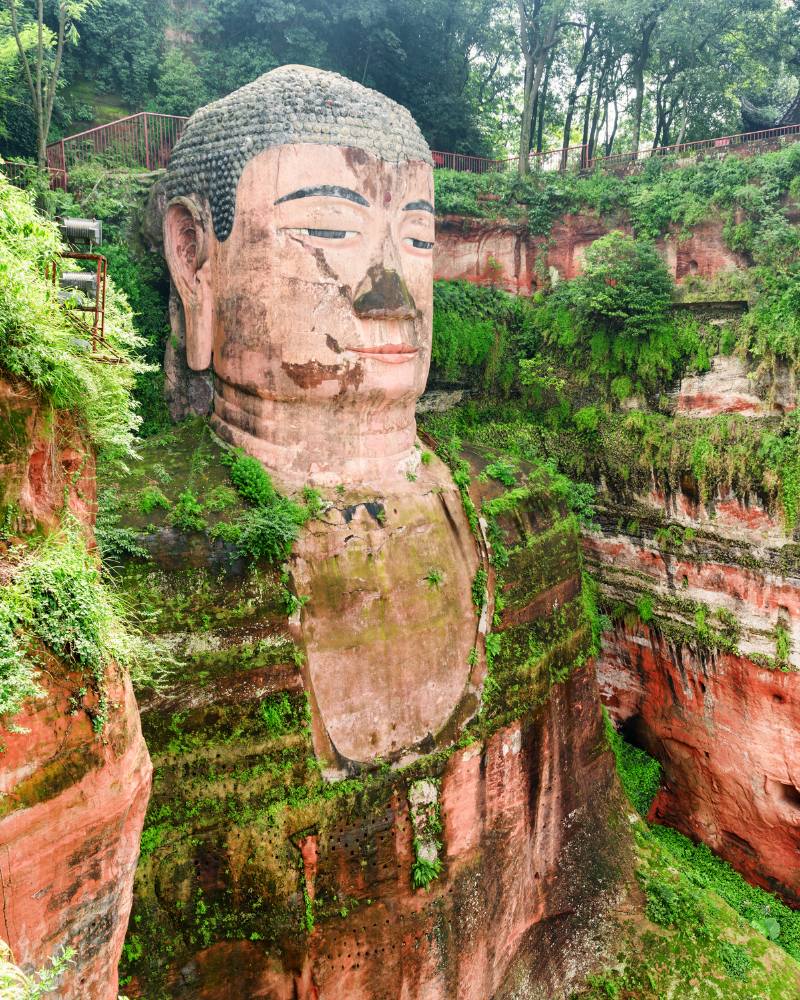
Building the Leshan Giant Buddha was an amazing engineering achievement. Workers carved the statue directly into the cliff face and created a drainage system to prevent erosion and water damage.
The statue’s serene expression and intricate details, like the 1,021 buns of hair on its head, show the exceptional craftsmanship of the Tang Dynasty artisans.
Petra: The Rose City of Jordan
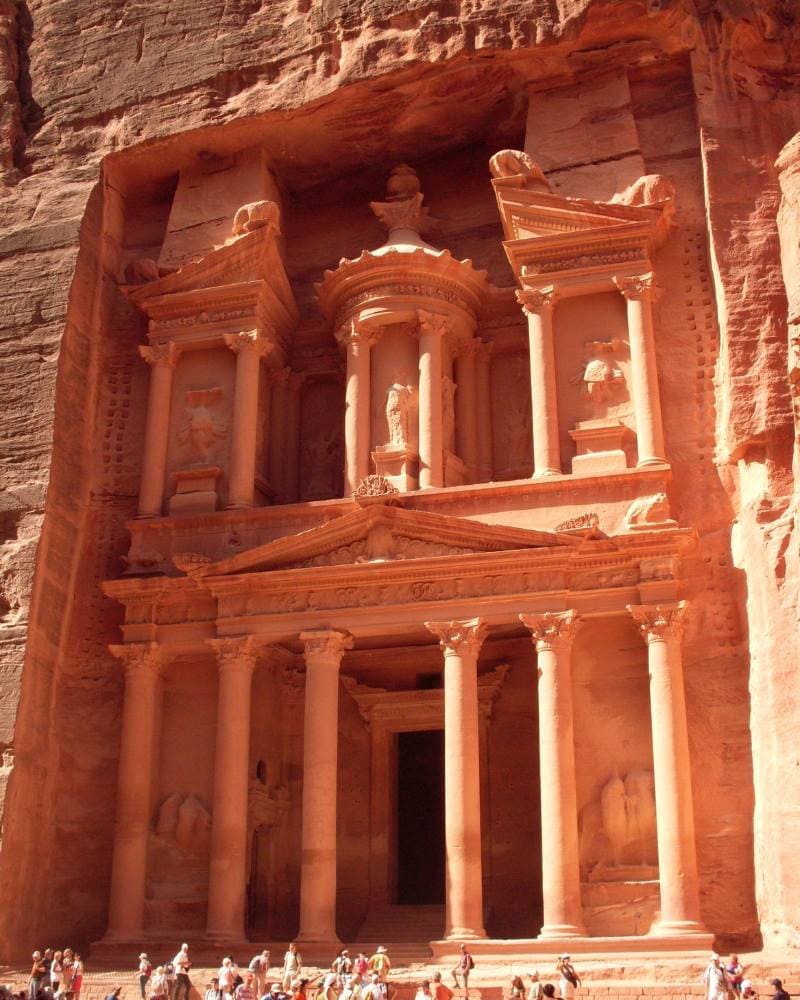
Petra, often called the “Rose City” because of the pink color of its sandstone cliffs, is an ancient city carved into the mountains of southern Jordan.
The Nabateans established it around the 4th century BC. Petra was a major trading hub, connecting the Arabian Peninsula with the Mediterranean world.
The city’s most famous structure, Al-Khazneh (The Treasury), is a stunning example of rock-cut architecture.
Petra was largely forgotten by the Western world until Swiss explorer Johann Ludwig Burckhardt rediscovered it in 1812.
Today, it is a UNESCO World Heritage Site and one of the World’s New Seven Wonders.
The Lycian Tombs: Echoes of Ancient Turkey
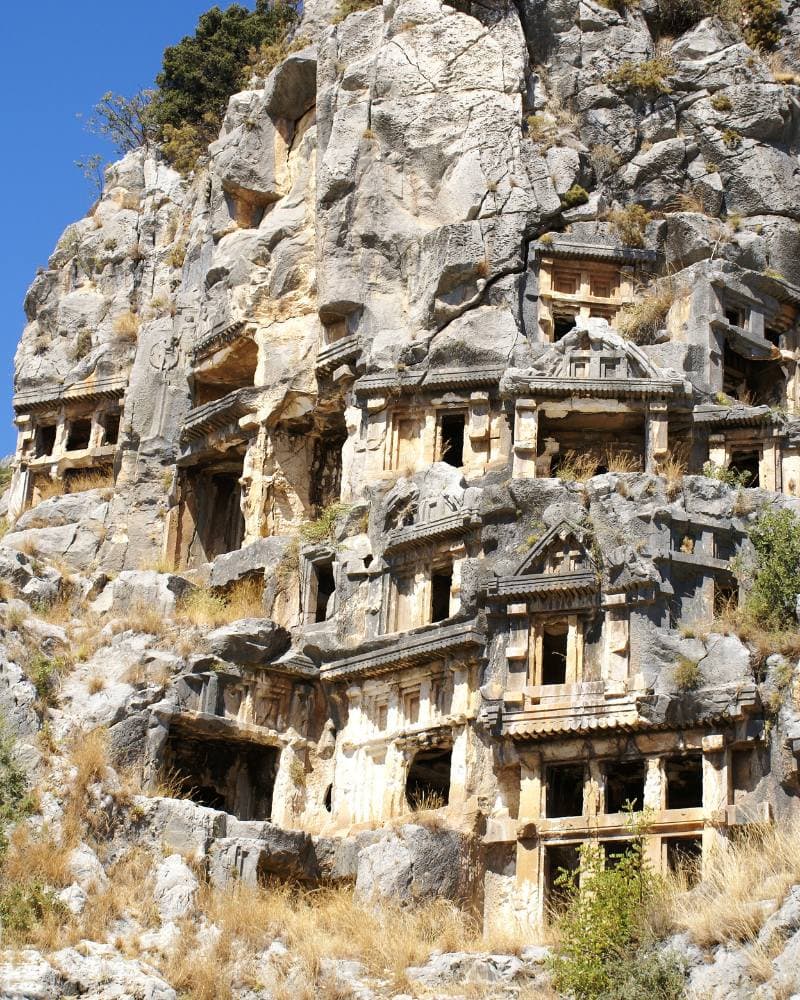
The Lycian tombs are carved into the cliffs of southern Turkey and date back to the 4th century BC.
The ancient Lycians created these rock-cut tombs. Some tombs have elaborate facades with columns and pediments, while others are designed simpler.
The tombs’ interiors often contain sarcophagi and reliefs depicting scenes from Lycian mythology and daily life,
The tombs, often resembling small temples, were meant to honor the deceased and ensure their safe passage to the afterlife.
Ellora Caves: A Testament to Religious Harmony
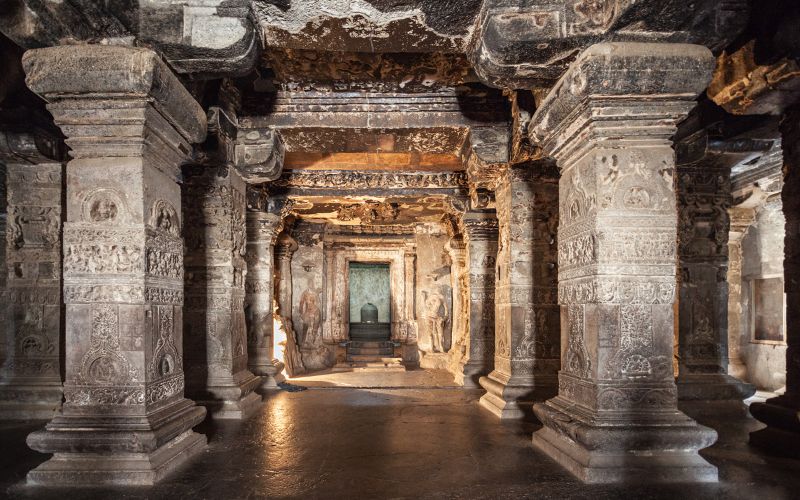
The Ellora Caves are in Maharashtra, India. They are a complex of 34 rock-cut temples and monasteries dating from the 6th to the 10th century AD.
These caves represent three major religions: Buddhism, Hinduism, and Jainism.
The Ellora Caves are a UNESCO World Heritage Site symbolizing India’s rich cultural heritage.
They attract pilgrims and tourists worldwide, who come to admire the artistry and seek spiritual inspiration.
The most famous cave is the Kailasa temple, dedicated to the Hindu god Shiva. But, the Buddhist and Jain caves are equally impressive.
Kailasa Template: An Architectural Brilliance
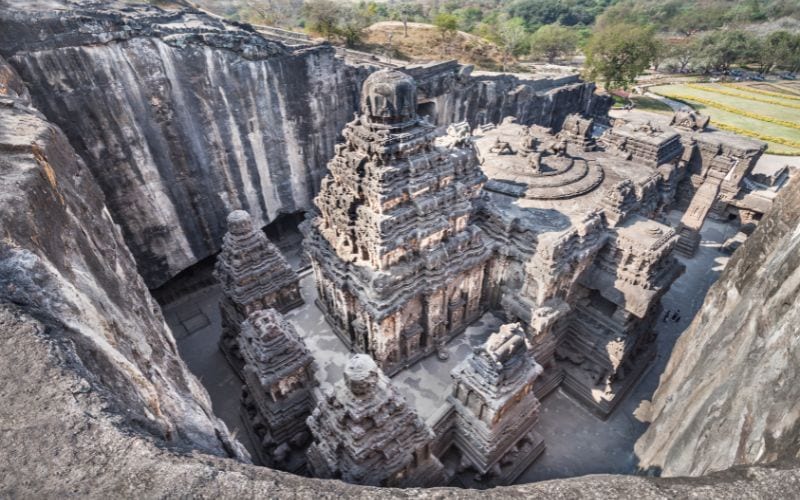
The Kailasa temple is an architectural marvel carved entirely from a single rock. It features intricate sculptures, towering pillars, and detailed carvings depicting scenes from Hindu mythology.
The temple’s construction involved removing over 200,000 tons of rock, which required exceptional skill and precision.
The Bamiyan Buddhas: Silent Witnesses of History
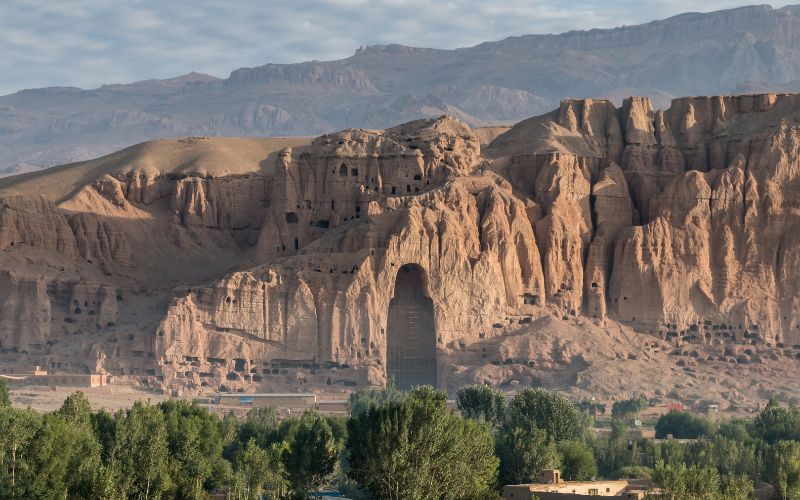
The Bamiyan Buddhas were in the Bamiyan Valley, Afghanistan. These monumental statues of standing Buddhas were carved into the side of a cliff in the 6th century.
They were significant examples of the blend of Greek, Roman, and Buddhist artistic influences.
Although the statues were destroyed in 2001, their historical and cultural impact remains profound.
They represented a once-thriving center of Buddhism in the region.
Abu Simbel: Monuments of Pharaoh Ramses II
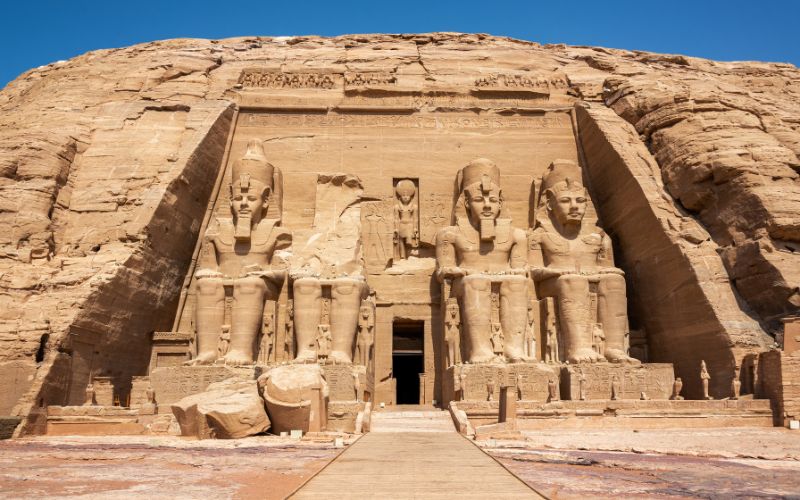
Abu Simbel is in Nubia, Southern Egypt. The twin temples were originally carved out of the mountainside during the reign of Pharaoh Ramses II in the 13th century BC.
The Great Temple is dedicated to Ramses II, while the smaller temple honors his queen, Nefertari.
The temples were relocated in the 1960s to avoid submersion due to the construction of the Aswan High Dam.
These temples are remarkable for their grandeur and the engineering feat involved in their relocation.
Longmen Grottoes: A Legacy of Chinese Buddhist Art
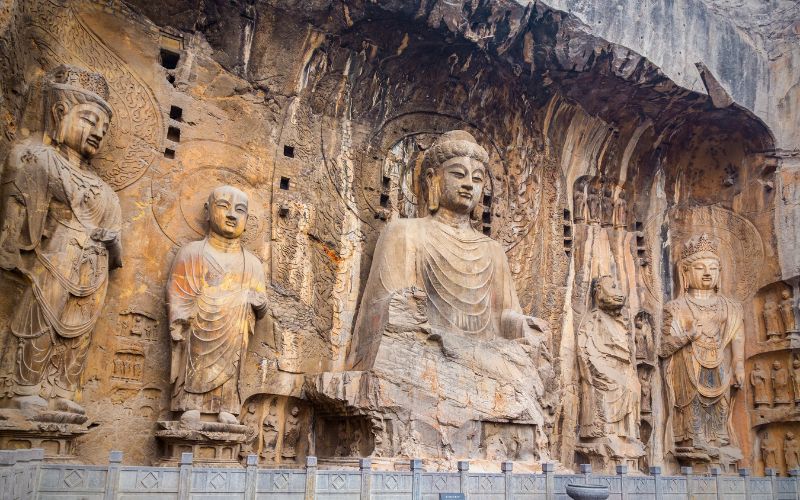
The Longmen Grottoes are in Henan Province, China. They feature thousands of Buddha statues and carvings within caves along the Yi River.
Carved during the Northern Wei and Tang Dynasties (316–907 AD), the site showcases intricate artwork and the evolution of Buddhist iconography over several centuries.
This UNESCO World Heritage Site is a testament to ancient China’s rich cultural and artistic heritage.
The Madara Rider: Bulgaria’s Ancient Rock Relief
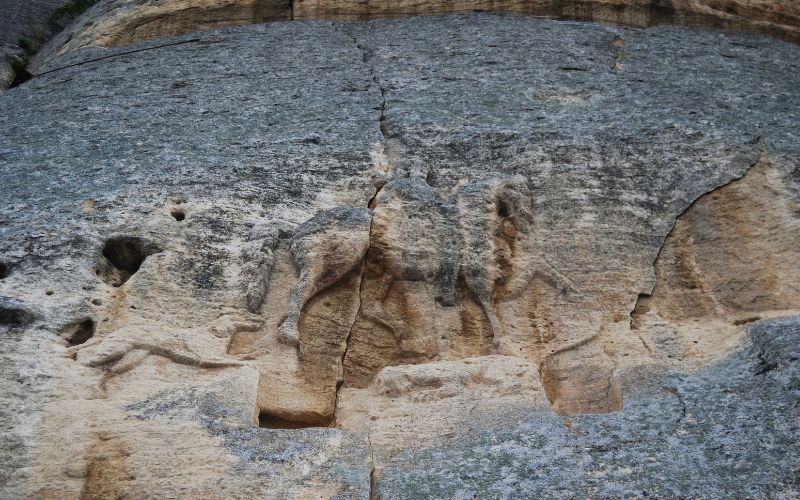
The Madara Rider is in the Madara Plateau, Bulgaria. It is an early medieval rock relief depicting a horseman triumphing over a lion, symbolizing the strength and power of the First Bulgarian Empire.
Carved in the late 7th or early 8th century, it is the only monument in Europe recognized as a UNESCO World Heritage Site.
The relief provides insight into Bulgaria’s ancient history and the site’s significance in Bulgarian culture.
Mount Nemrut: A Tomb-Sanctuary of the Gods

Mount Nemrut is in Southeastern Turkey. It features a series of large statues and an artificial tumulus created by King Antiochus I of Commagene in the 1st century BC.
The statues depict the king and various Greek, Armenian, and Iranian gods.
The site is notable for its impressive scale and the unique blend of cultural influences, making it a fascinating destination for history and archaeology enthusiasts.
Conclusion: The Enduring Legacy of Mountain Carvings
Monuments and statues carved into mountains are more than just impressive works of art; they are enduring symbols of human creativity, devotion, and resilience.
From the grandeur of Mount Rushmore to the spiritual serenity of the Leshan Giant Buddha, these carvings connect us to our past and inspire us to appreciate the beauty and complexity of our shared heritage.
As we preserve and protect these treasures, we ensure their stories and significance endure for future generations to marvel at and learn from.