
For One Month, I Cleaned My Kitchen the Way Scientists Recommend — Here’s How it Turned Out


A few weeks ago, I fell down a rabbit hole reading about NSF International’s germ studies, and what I found made me genuinely uncomfortable.
According to the National Sanitation Foundation, or NSF, your kitchen is germier than your bathroom.
The sponge I use to “clean” my dishes is the dirtiest item in my entire house. My coffee maker has mold in it. My blender gasket has Salmonella on it.
I could not unread any of it. So I decided to do something about it — which meant learning how to clean a kitchen properly.
For one full month, I followed every single cleaning recommendation that NSF scientists laid out in their studies.
Every sponge swap, every drawer scrub, every blender disassembly. All of it.
Here is what I actually did, what surprised me, what annoyed me, and what I am keeping as a permanent habit now that the month is over.
Week 1: The Sponge Reckoning

I started with the biggest offender.
NSF’s study found that more than 75% of kitchen sponges tested positive for coliform bacteria, 86% had yeast and mold, and nearly one in five had staph.
Their recommendation is to microwave a wet sponge for two minutes every day and replace it every two weeks.
I went a step further and ditched the sponge entirely.
I switched to microfiber dishcloths and committed to throwing them in the washing machine on the hot cycle every two days.
What I noticed: My kitchen sink area smelled better almost immediately.
I did not realize the sponge had a smell until it was gone. That damp, slightly sour scent I had just accepted as “normal” was bacteria.
Once I knew that, there was no going back.
Annoyance level: Low. I bought a 10-pack of microfiber cloths for less than $12.
Having a rotation of clean cloths in the drawer was actually easier than trying to keep one sponge alive.
Week 1 Continued: The Coffee Maker Deep Clean

This one I had been dreading, because I love my morning coffee and I did not want to think about what was growing inside the machine.
NSF found that half of all coffee makers tested had yeast and mold growing in the water reservoir. It ranked as the fifth germiest spot in the entire home.
I followed the standard recommendation: filled the reservoir with undiluted white vinegar, let it sit for 30 minutes, ran a full brew cycle, then flushed with three cycles of plain water.
What I noticed: The vinegar cycle produced water that was noticeably cloudy. That was mineral buildup and whatever else had been living in there.
My coffee tasted cleaner afterward. Not dramatically different, but there was a subtle improvement that I was not expecting.
Annoyance level: Medium. The process itself took about an hour because of all the rinse cycles.
I would not want to do this every week. Once a month feels manageable, which is exactly what NSF recommends.
I also started wiping out the reservoir with a dry paper towel after each use and leaving the lid open so it could air out.
That part took about 10 seconds and became automatic by day three.
Week 2: The Blender, the Can Opener, and the Knife Block
This was the week I started taking things apart, and it was the week that grossed me out the most.
The blender

NSF’s 2013 kitchen study found that blender gaskets were the third germiest item in the kitchen. Salmonella, E. coli, yeast, and mold were all found on them.
I unscrewed the base of my blender, pulled out the blade assembly, and removed the rubber gasket.
I had owned this blender for three years and had never once done this.
The gasket had a dark, sticky residue on it that I can only describe as “smoothie archaeology.”
Layers of old fruit, protein powder, and who knows what else had built up in the groove where the rubber meets the glass.
I scrubbed everything with hot soapy water, let it all dry completely, and reassembled it.
Going forward, I committed to fully disassembling the blender after every use.
What I noticed: The blender smelled better. I had not realized it had a faint smell before, similar to the sponge situation.
You get used to things you should not get used to.
Annoyance level: The first time was high because it was disgusting. After that, it added maybe 90 seconds to my cleanup routine.
Not a big deal once it became habit.
The can opener

NSF found that can openers were among the germiest kitchen tools tested.
I pulled mine out of the drawer and examined it closely for the first time in years. There was dried food residue caked into the cutting wheel and the gears.
I had been putting that blade on every can I opened.
I scrubbed it with hot water and a small brush (an old toothbrush works perfectly). Now I wash it after every single use, just like a knife.
Annoyance level: Extremely low. This takes 30 seconds.
The knife block
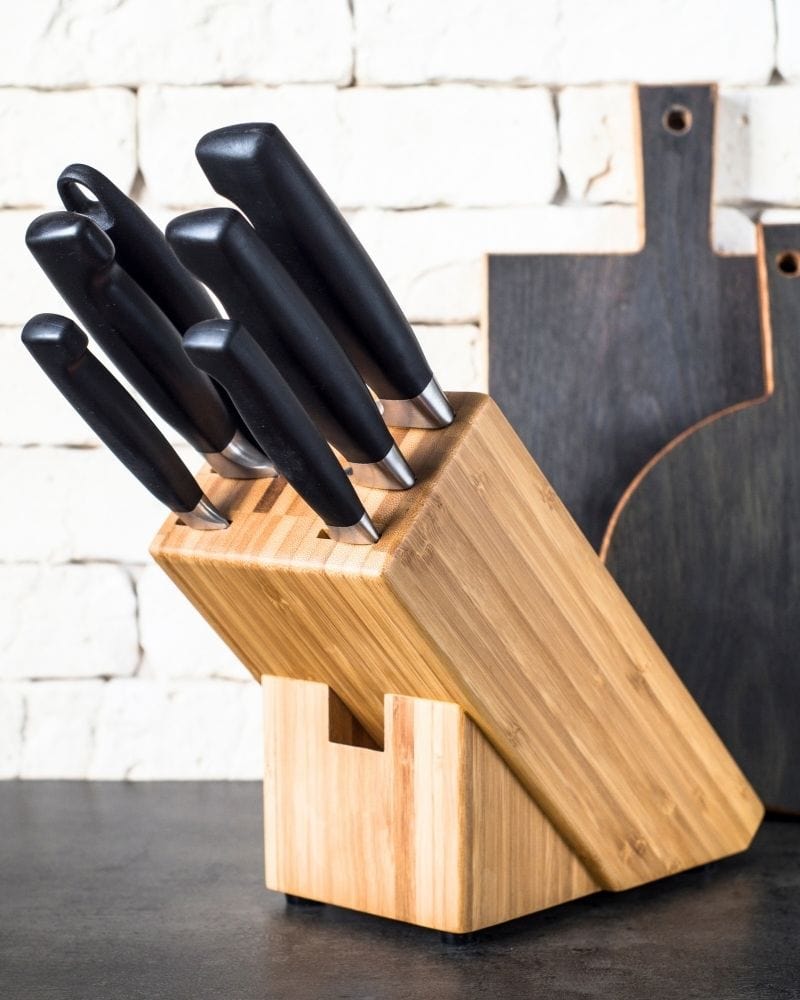
NSF recommended sanitizing the slots with a diluted bleach solution monthly.
I turned my knife block upside down over the sink and shook it. Crumbs, dust, and something I could not identify fell out.
I soaked the block in a bleach solution (one tablespoon per gallon of water), rinsed thoroughly, and let it air dry upside down overnight.
What I noticed: The inside of the slots had a musty smell before cleaning. After, nothing.
I also started making sure every knife was completely dry before sliding it back in.
Annoyance level: Low once a month. I set a reminder on my phone for the first Saturday of each month.
Week 3: The Refrigerator Overhaul
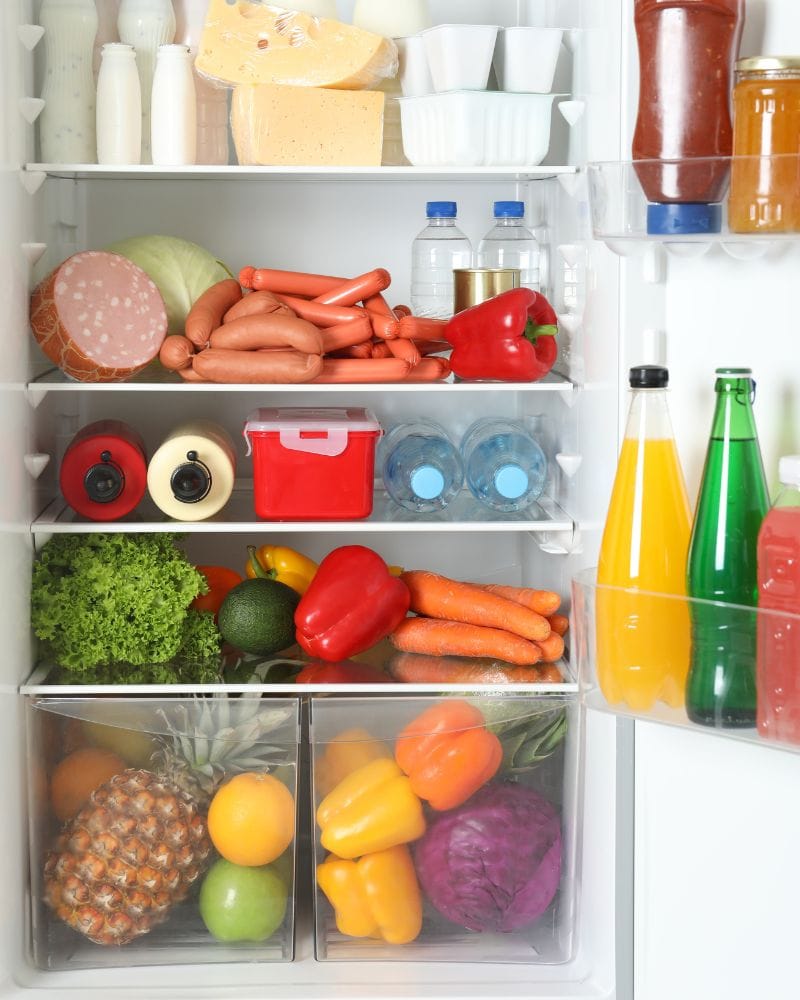
This was the most time-consuming change, and the one I think matters the most.
NSF scientists found that refrigerator vegetable compartments tested positive for Salmonella, Listeria, yeast, and mold. The meat compartment was equally bad.
I pulled out every drawer and shelf from my refrigerator. It had been a while since I had done this, and I am not proud of what I found.
There was a sticky residue in the bottom of the vegetable drawer that I think was once lettuce.
The meat drawer had dried juice stains from who knows when. A shelf in the back had a ring of dried liquid I had apparently been ignoring for months.
I washed everything with warm soapy water, rinsed, dried, and put it all back.
I also reorganized so that raw meat was on the lowest shelf with a rimmed plate underneath to catch drips, and all produce was stored above it.
What I noticed: This was the single most impactful change of the entire experiment. My produce lasted noticeably longer.
Lettuce that usually went limp in four or five days was still crisp after a week. Strawberries stopped getting moldy as fast.
I think the drawer itself had been contributing to the spoilage because it was harboring mold and bacteria that accelerated the process.
Annoyance level: High the first time. It took about 45 minutes to do the full clean.
The monthly maintenance going forward takes maybe 15 minutes. Worth every second.
Week 3 Continued: The Kitchen Sink and Faucet Handles

NSF found coliform bacteria in 45% of kitchen sinks and found that faucet handles were a major source of cross-contamination.
I committed to scrubbing the sink with a disinfecting cleaner twice a week and wiping down the faucet handles with a disinfecting wipe every time I cooked with raw meat.
Once a month, I poured a bleach solution down the drain.
What I noticed: The sink stayed visibly cleaner, and there was no more buildup around the drain.
The faucet handle habit was the hardest to remember, but after about a week, it became second nature.
Annoyance level: Low. Two minutes twice a week for the sink. Five seconds for the faucet wipe.
Week 4: Kitchen Towels, Countertops, and Stove Knobs
Kitchen towels
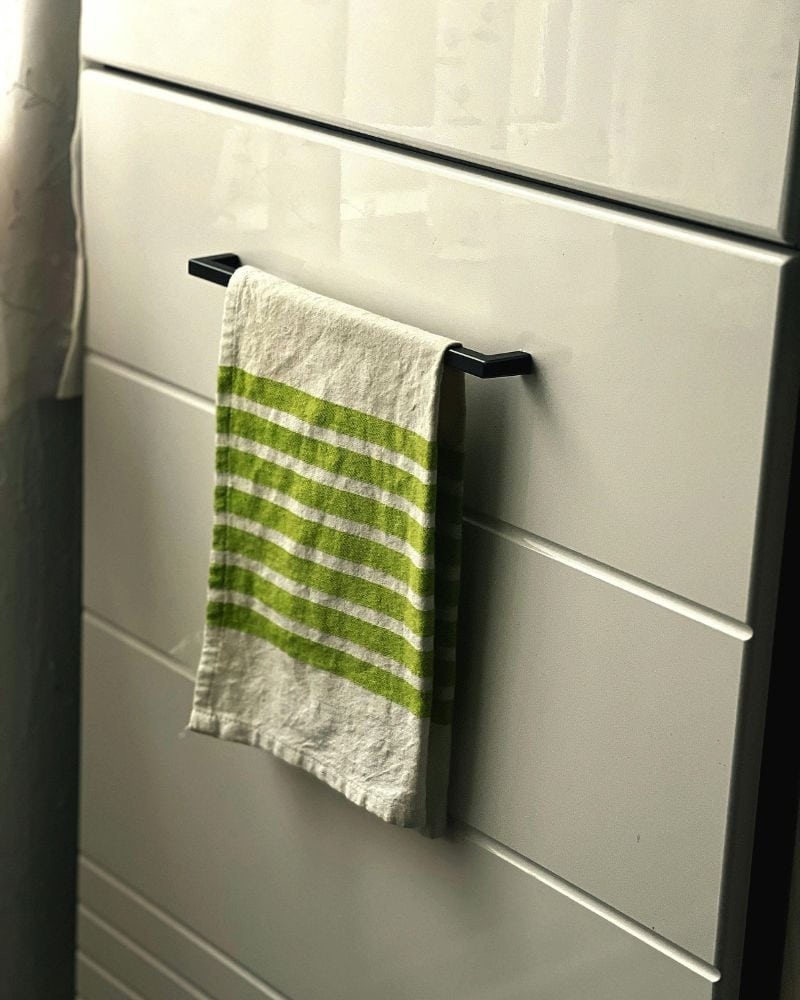
I committed to swapping them every single day instead of my usual “whenever it looks dirty” approach.
NSF’s research and other studies have found alarming rates of coliform and E. coli on kitchen towels that stay in use for multiple days.
I bought a stack of inexpensive white kitchen towels so I would always have a clean one ready, and I washed the used ones on the hot cycle with a little bleach.
What I noticed: Honestly? Not much visible difference.
This was more of a peace-of-mind change. Knowing the towel I was drying my hands on was fresh made me feel better about the whole kitchen.
Annoyance level: Almost zero. Grabbing a new towel from the drawer takes two seconds.
Kitchen Countertops

I started following up my usual wipe-down with a disinfecting spray after every meal prep.
NSF found coliform on countertops in 32% of homes tested, so a quick wipe with a damp cloth is not cutting it.
Annoyance level: Zero. I just added a spray bottle of disinfectant next to the paper towels. Fifteen seconds after cooking.
Stove knobs

NSF recommended pulling off the knobs once a week and washing them in hot soapy water.
I had never done this before. The knobs on my stove popped right off, and the area underneath them was coated with grease and food residue.
Annoyance level: Low. Two minutes once a week.
What I Am Keeping and What I Dropped
After 30 days, there are habits I’ll definitly keep, and ones that feel like they’re going to take work to commit to (I’ll try, but I also want to be realistic).
Permanent habits I am keeping forever
- Microfiber cloths instead of sponges. This was the easiest and most impactful swap.
- Fully disassembling the blender after every use. It takes 90 seconds and I cannot unsee what was living in that gasket.
- Monthly fridge drawer cleanout. My produce lasts longer. That alone is worth it.
- Washing the can opener after every use. Thirty seconds. No excuse not to.
- Monthly coffee maker vinegar flush. My coffee tastes better and I sleep easier.
- Daily kitchen towel swaps. Cheap, easy, and one less thing to worry about.
- Wiping faucet handles after handling raw meat. Simple once it becomes muscle memory.
Habits I kept, but will be honest about
- The stove knobs. I will remember most weeks. I will probably forget some weeks. I am trying.
- The monthly knife block sanitizing. I set the phone reminder, so it should stick. We will see.
The Honest Truth on How to Clean a Kitchen Properly
My kitchen was not disgusting before this experiment. I kept a reasonably clean kitchen by most people’s standards.
What surprised me was how many small things I was missing. Not because I was lazy or careless, but because nobody ever told me to take the blender apart.
Nobody ever told me the sponge was the germiest item in my house. Nobody ever explained that the vegetable drawer needed a monthly scrubdown.
Once I knew, I could not unknow it.
The entire routine adds maybe 15 to 20 minutes per week to my life, not counting the monthly deep cleans.
That is a small price for knowing my kitchen is actually as clean as I always thought it was.
If any of this resonated with you, start with the sponge. That single change makes the biggest difference with the least effort. Everything else can come one habit at a time.