
20 Surprising Halloween Secrets You’ve Probably Never Heard Of


Halloween is more than just spooky decorations and trick-or-treating. Many of its traditions have deep historical roots that have evolved over centuries.
🎃 Here are 20 fascinating Halloween secrets and things you probably didn’t know about Halloween.
Disclosure: This article may contain affiliate links, meaning when you make a purchase, I earn a small commission. Affiliate links cost you nothing to use, and help keep my content free. It’s a win-win for us both. For more info, see the Disclosure Policy.
1. The Name “Halloween” Comes from “All Hallows’ Eve”

“Halloween” is derived from “All Hallows’ Eve,” the evening before All Saints’ Day, a Christian holiday honoring saints. The term “hallow” means “holy,” and by the 18th century, “Hallow-e’en” became “Halloween.”
This transformation from a religious observance to a secular celebration began as immigrants brought their traditions to new lands, slowly evolving into the holiday we know today.
2. Halloween’s Origins Are from Samhain, a 2,000-Year-Old Celtic Festival
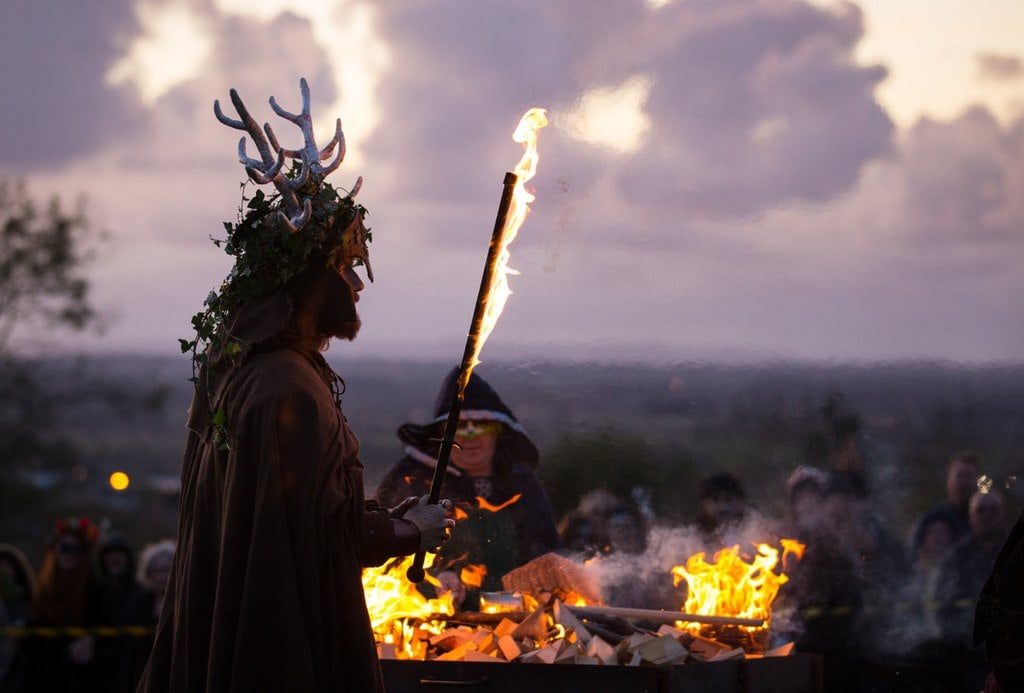
The Celts celebrated Samhain (pronounced “sow-win”) to commemorate the end of the harvest season, and the start of winter.
They believed that on October 31, the boundary between the living and the dead blurred, allowing spirits to roam the Earth.
People lit bonfires, wore costumes made of animal skins, and left food offerings to appease wandering ghosts, hoping to avoid mischief and misfortune.
3. Irish Immigrants Popularized Halloween in America
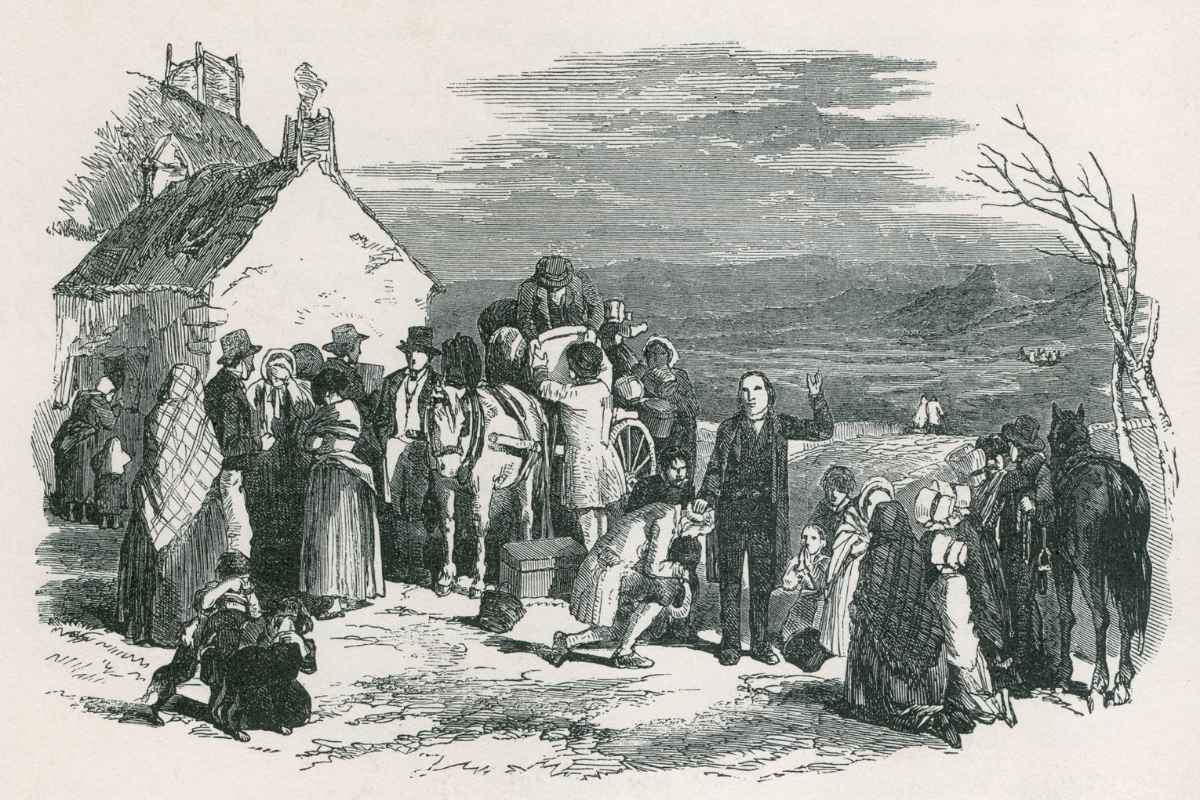
Before the influx of Irish immigrants fleeing the Potato Famine in the 1840s, Halloween was not widely celebrated in America.
These immigrants brought their customs, such as carving turnips (which transformed into pumpkins) and playing pranks, which quickly spread and evolved into American Halloween traditions.
Over time, these customs blended with other cultural influences, creating the festive holiday we know today.
4. Women Used to Play Games on Halloween to Predict Their Future Husbands
In the 19th century, Halloween was a time for divination games. One popular game involved peeling an apple in one long strip and tossing it over the shoulder, hoping the peel would form the initial of a future spouse.
Another game, “Snap Apple,” involved biting into an apple tied to a string. These playful superstitions were seen as a fun way to predict romantic futures.
5. Bobbing for Apples Dates Back to the Roman Festival of Pomona
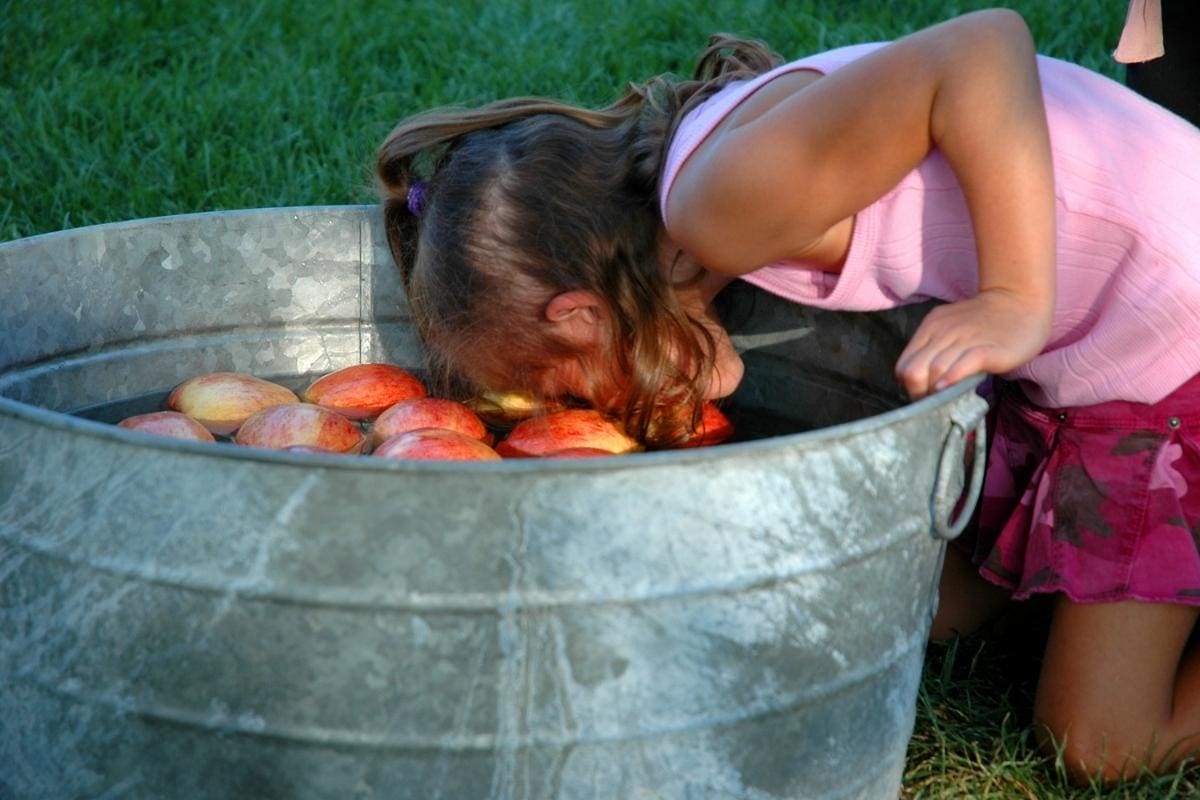
The Roman festival of Pomona, the goddess of fruit, merged with Samhain traditions when the Romans conquered Celtic lands.
Bobbing for apples became a popular party game symbolizing fertility and fortune.
In the 18th century, this activity was often used as a courtship game, with the first person to bite into an apple predicted to be the next to marry.
6. Halloween Was “Tamed” in the Early 20th Century Due to Its Dangerous Pranks
Halloween was known for unruly behavior in the late 19th and early 20th centuries. Vandalism, property damage, and dangerous pranks were common.
To curb the chaos, communities organized family-friendly activities, parades, and parties, transforming Halloween into the more child-centered, fun-filled celebration we recognize today.
7. The 1950s Baby Boom Made Halloween a Family-Oriented Holiday

The post-World War II baby boom played a significant role in shaping Halloween.
With more children than ever before, communities began organizing safe trick-or-treating routes and school events.
Candy companies also saw an opportunity, promoting Halloween as a time for kids to indulge, which helped establish the tradition of giving out candy.
8. Detroit’s “Devil’s Night” Led to Major Fires in the 1980s
Devil’s Night, or Mischief Night, the evening before Halloween, became notorious in Detroit for arson and vandalism.
In the 1980s, the city experienced hundreds of fires on this night, prompting efforts to transform it into “Angel’s Night,” when volunteers patrol the streets to prevent criminal activity.
Over the years, incidents have been significantly reduced.
9. Giving Out Candy Comes from the Tradition of “Soul Cakes”
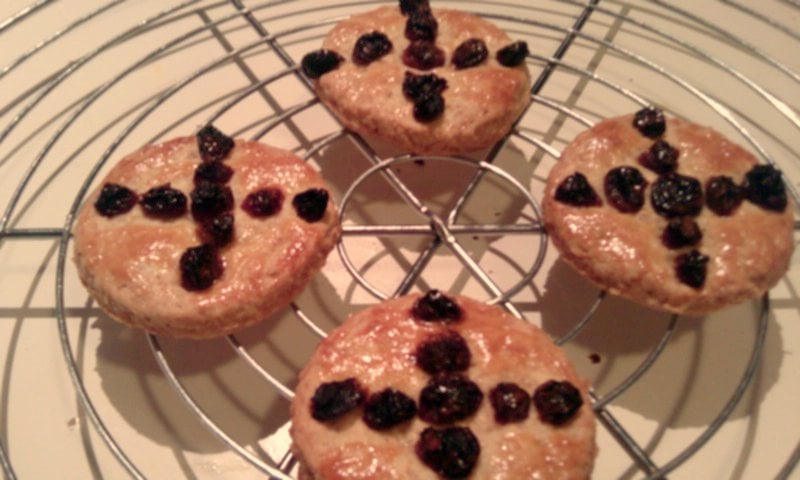
During the Middle Ages, people would bake “soul cakes” to the poor in exchange for prayers for deceased loved ones.
This tradition, known as “souling,” saw children going door-to-door asking for treats.
As you might have guessed, this evolved into the candy-centric activity of trick-or-treating we know today.
10. Americans Spend Billions on Halloween Each Year

According to the National Retail Federation, Halloween has grown into a multi-billion-dollar industry in the United States.
In 2019, Americans spent nearly $9 billion on costumes, decorations, and candy, making Halloween the second-largest commercial holiday after Christmas.
Despite economic shifts, Halloween spending remains consistently high, which shows its cultural importance.
11. Black Cats Are Considered Bad Luck Due to Medieval Superstitions

Black cats have long been associated with witches and the supernatural. In the Middle Ages, they were believed to be witches’ familiars or shape-shifted witches.
This superstition spread to America during the Salem Witch Trials, and even today, many people still avoid crossing paths with a black cat on Halloween.
12. Owls Are Linked to Death in Medieval Folklore

In medieval Europe, owls were often seen as omens of death. Their nocturnal nature and eerie hoots contributed to this fear, and they were thought to be witches in disguise or messengers of impending doom.
🦉 This association made owls another spooky symbol of Halloween.
13. The First Jack-O’-Lanterns Were Made from Turnips and Beets

In Ireland, people originally carved scary faces into turnips, beets, or potatoes to ward off “Stingy Jack,” a ghostly figure from folklore.
When Irish immigrants arrived in America, they discovered pumpkins, which were larger and easier to carve. This led to the modern jack-o’-lantern tradition.
14. Samhainophobia Is the Fear of Halloween
Samhainophobia is a clinical fear of Halloween, named after the ancient festival of Samhain.
Those who suffer from this phobia may experience anxiety, panic attacks, or even dread at the thought of Halloween festivities. Treatment often involves therapy to help manage this intense fear.
15. Sexy Halloween Costumes Began in the 1970s
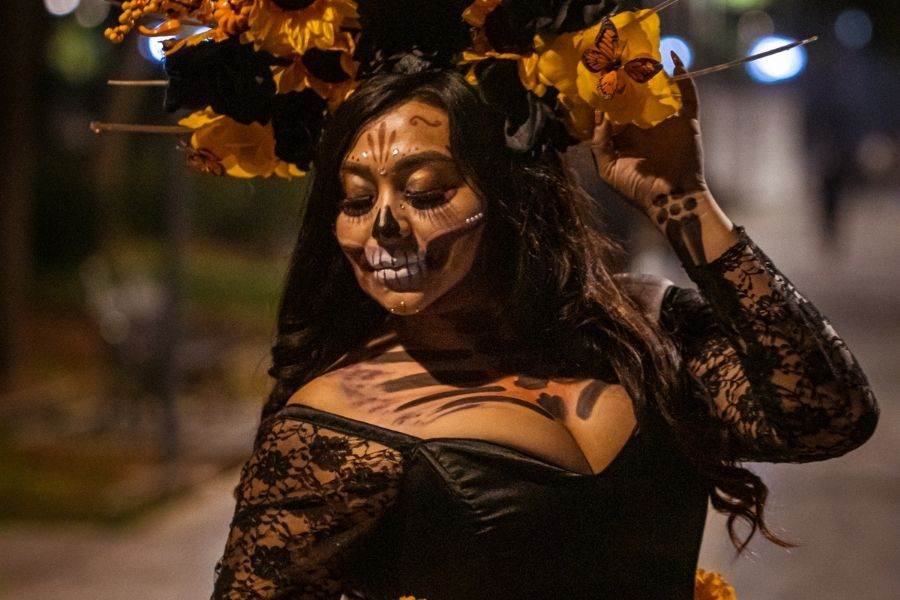
The 1970s sexual liberation movement influenced Halloween costume trends, making them more revealing.
Gay parades and nightlife events featured bold, expressive costumes that challenged norms, leading to the popularity of the sexy costumes we see today.
16. Harry Houdini Died on Halloween Night

The famed magician Harry Houdini passed away on October 31, 1926, after suffering a ruptured appendix.
Some believe his death was mysterious, as it coincided with his anti-spiritualist campaign, leading to theories that he was assassinated. Every Halloween, fans hold séances to attempt to contact Houdini’s spirit.
17. Trick-or-Treating Was Banned During World War II
During World War II, sugar rationing made 🍭 trick-or-treating impossible.
The tradition experienced a revival in the post-war era, with candy companies encouraging it as a way to celebrate, helping reestablish the custom as a Halloween staple.
18. Mexico’s Dia de los Muertos Is Not “Mexican Halloween”

🇲🇽 Dia de los Muertos (Day of the Dead) celebrates life and death, honoring deceased loved ones.
Altars, marigold flowers, and sugar skulls welcome spirits back for a night, making it a more joyful and familial occasion than Halloween.
19. Halloween Was Once Used to Scare Off Evil Spirits with Animal Skins
During Samhain, Celts believed wearing animal skins and heads would scare off malevolent spirits.
This tradition evolved into modern-day costumes, showing how ancient rituals still influence Halloween’s spooky attire.
20. The White House Is Haunted and Holds Halloween Celebrations

The White House has a history of ghost sightings, with reports of presidents like Abraham Lincoln’s ghost wandering the halls.
The White House hosts Halloween events each year, inviting children to trick-or-treat in this famously haunted historic building.
Final Thoughts: Halloween Secrets You Probably Didn’t Know About
Halloween is a holiday with deep historical roots, blending ancient Celtic rituals, religious observances, and modern commercial influences.
From its origins in the festival of Samhain to the fun-filled trick-or-treating traditions we see today, Halloween has evolved into a unique celebration that reflects a mix of cultures, beliefs, and superstitions.
Whether it’s carving jack-o’-lanterns, bobbing for apples, or exploring spooky folklore, these 20 facts showcase the rich tapestry of traditions that make Halloween so captivating.